
8 Can’t-Miss Experiences in Costa Rica’s Monteverde Cloud Forest
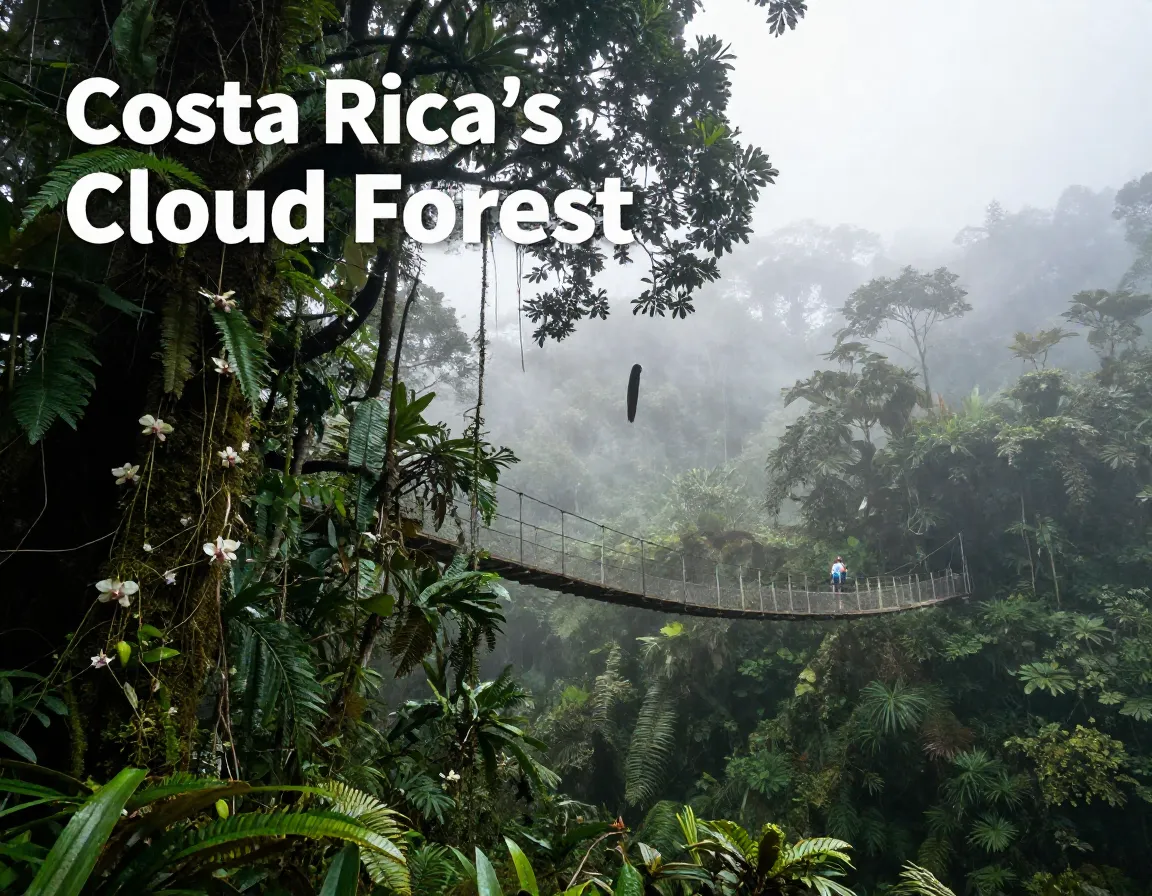
Imagine stepping into a world where clouds drift through ancient trees at eye level, where a flash of emerald and crimson signals one of nature’s most spectacular birds, and where every breath of cool, mist-laden air feels like a gift. Costa Rica’s Monteverde Cloud Forest delivers exactly that — and then some. Whether you’re a seasoned eco-traveler or planning your first adventure abroad, the 8 Can’t-Miss Experiences in Costa Rica’s Monteverde Cloud Forest outlined in this guide will help you make the most of every moment in one of the planet’s most biodiverse regions.
Key Takeaways
- 🌿 Timing matters: Early mornings (6–8 AM) and the breeding season (January–May) offer the best wildlife viewing opportunities.
- 🦜 Multiple reserves — including Monteverde Cloud Forest Reserve, Santa Elena Reserve, and Children’s Eternal Rainforest — each offer unique ecosystems worth exploring.
- 🌉 Adventure and nature combine: Ziplines, hanging bridges, and guided trails make Monteverde ideal for both thrill-seekers and wildlife lovers.
- 🌙 Night tours reveal a completely different side of the forest, with dramatically higher wildlife activity after dark.
- 🗺️ Multi-day packages connecting Monteverde with other Costa Rica destinations maximize your trip’s value and variety.
The 8 Can’t-Miss Experiences in Costa Rica’s Monteverde Cloud Forest
Monteverde sits roughly 1,400 meters above sea level in the Tilarán Mountain Range. Its unique elevation creates a perpetual cloud cover that sustains an extraordinary web of life — over 400 bird species, 100 mammal species, and thousands of plant varieties. Here’s exactly how to experience it all.
1. Walk the Iconic Cloud Forest Trail
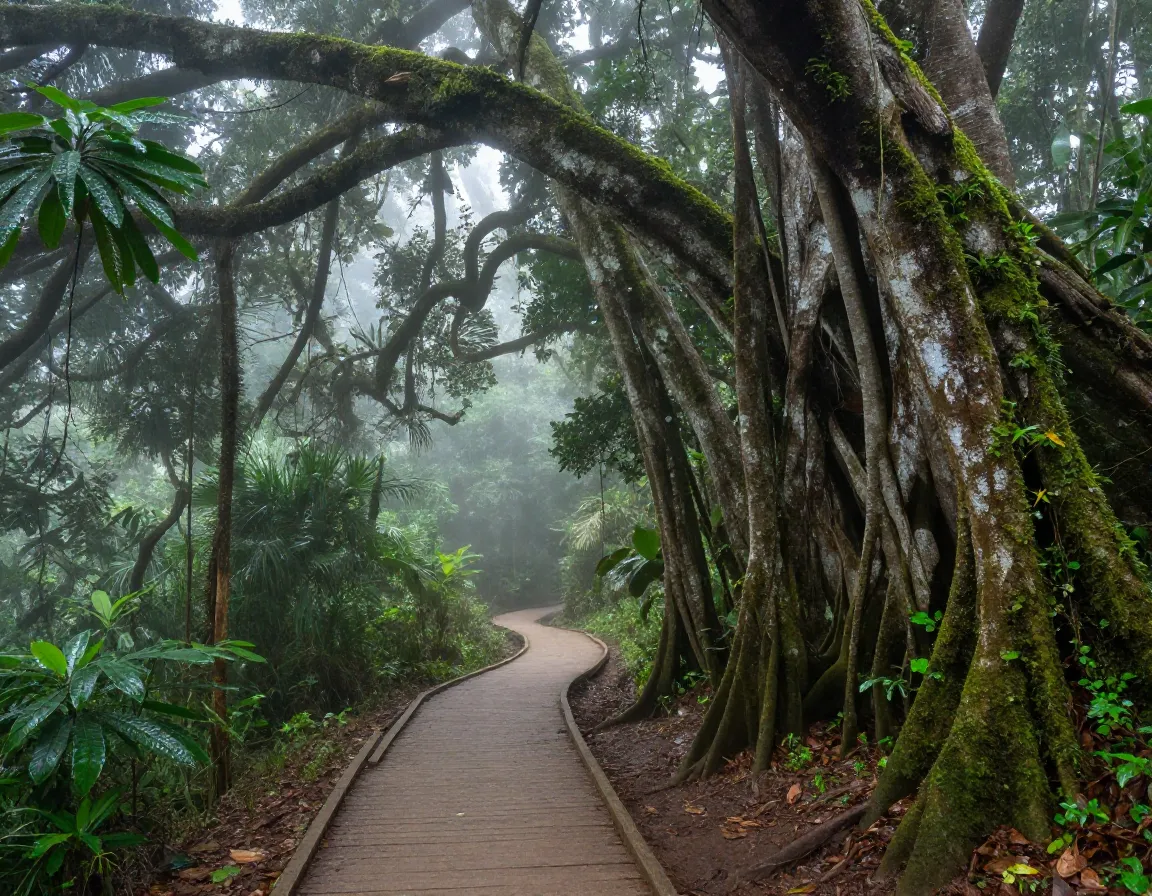
The Cloud Forest Trail (approximately 1.2 miles) is the heart of any Monteverde visit. This well-maintained path winds through primary forest, past enormous strangler fig plants that wrap around host trees in dramatic, cathedral-like formations.
“Walking the Cloud Forest Trail feels less like hiking and more like stepping inside a living museum — every root, every vine, every drop of condensation tells a story millions of years in the making.”
What to bring:
- Waterproof jacket (the cloud forest lives up to its name)
- Rubber boots (available for rent at the reserve entrance)
- Binoculars for canopy wildlife spotting
Hiring a certified local guide transforms this walk from a pleasant stroll into a deep ecological education. Guides can identify species that most visitors would walk right past, from camouflaged insects to rare orchids tucked into bark crevices.
2. Spot the Resplendent Quetzal 🦜
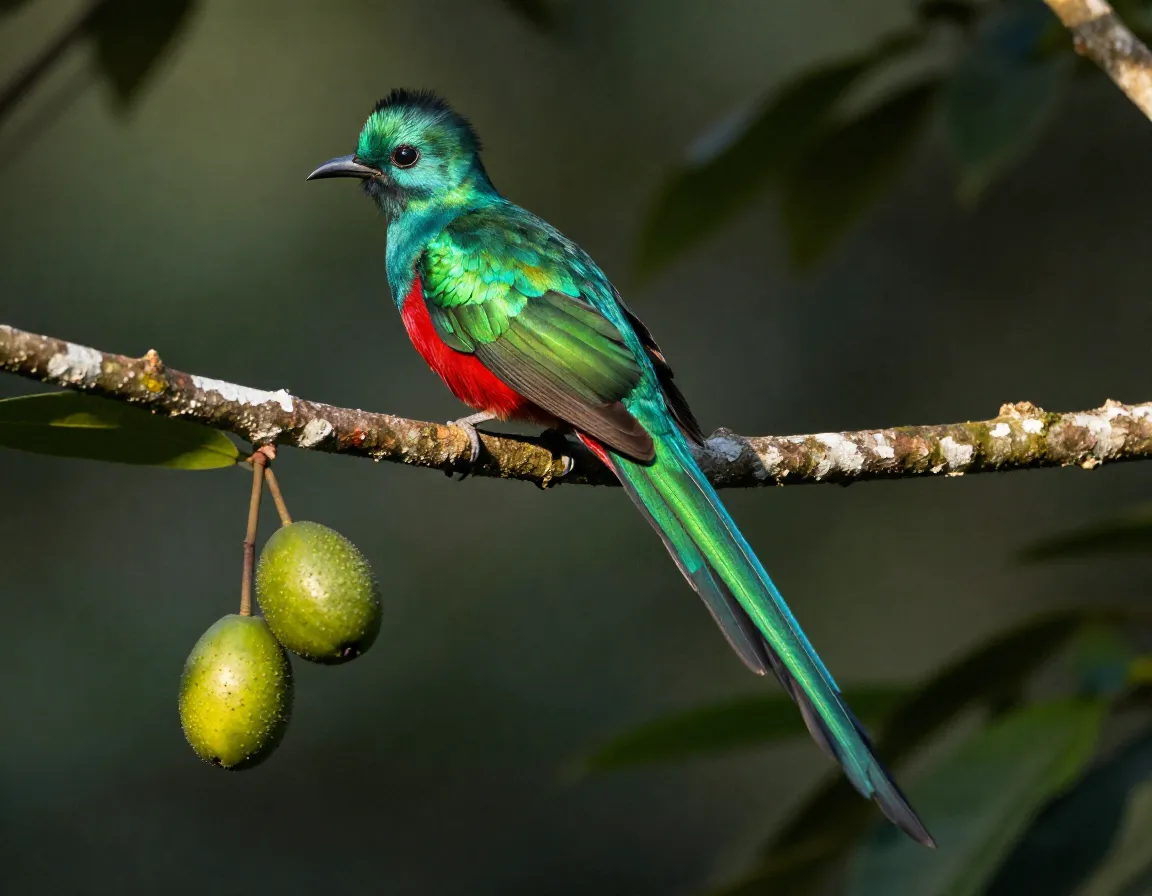
Few wildlife encounters on Earth rival seeing a resplendent quetzal in the wild. This iridescent bird — with tail feathers that can exceed 60 centimeters — is the holy grail of Monteverde wildlife viewing.
Best viewing conditions:
| Factor | Optimal Condition |
|---|---|
| Season | January – May (breeding season) |
| Time of day | 6:00 AM – 8:00 AM |
| Location | Upper forest zones near fruiting wild avocado trees |
| Guide | Certified ornithologist or birding specialist |
The quetzal’s breeding season runs from January through May, making this window the prime time to visit. During these months, males display their spectacular tail plumage and are far more active and visible than at other times of year.
3. Explore Multiple Reserves

One of the most underrated aspects of the 8 Can’t-Miss Experiences in Costa Rica’s Monteverde Cloud Forest is the sheer variety of protected areas within reach of the town center. Don’t limit yourself to just one reserve.
Three key reserves to visit:
- Monteverde Cloud Forest Reserve — The flagship reserve, managed by the Tropical Science Center. Offers the widest trail network and highest biodiversity.
- Santa Elena Cloud Forest Reserve — Community-owned and slightly less visited, making it ideal for a quieter, more intimate forest experience. Proceeds support local schools.
- Children’s Eternal Rainforest (Bosque Eterno de los Niños) — The largest private reserve in Costa Rica, originally funded by schoolchildren from around the world. A remarkable conservation success story.
Each reserve has its own microclimate, trail character, and wildlife population. Visiting all three gives you a much richer picture of cloud forest ecology.
4. Cross the Hanging Bridges

Walking Monteverde’s hanging suspension bridges is simultaneously thrilling and educational. These swaying walkways stretch across forest canopy gaps, placing you at eye level with the treetops — a perspective most visitors never experience from the ground.
🌉 Several private parks, including the popular Sky Walk, offer bridge circuits ranging from easy strolls to more demanding multi-bridge routes. The views into misty forest valleys below are genuinely breathtaking, and the canopy perspective dramatically increases your chances of spotting toucans, monkeys, and epiphyte-covered branches up close.
Pro tip: Visit hanging bridges mid-morning on weekdays to avoid peak crowds.
5. Go Ziplining Through the Canopy

For adrenaline seekers, Monteverde is one of the best zipline destinations in all of Central America. The region’s dramatic topography — steep valleys, dense canopy, and rolling mountain terrain — creates ideal conditions for long, fast zipline runs.
Several operators offer circuits with lines ranging from 150 meters to over a kilometer in length. Some advanced courses include the “Tarzan swing”, a free-fall drop before the line catches, which is as terrifying and exhilarating as it sounds.
Safety standards at reputable Monteverde operators are high, with dual-cable systems, weight checks, and certified guides on every platform. Always choose operators with internationally recognized safety certifications.
6. Take a Night Tour 🌙
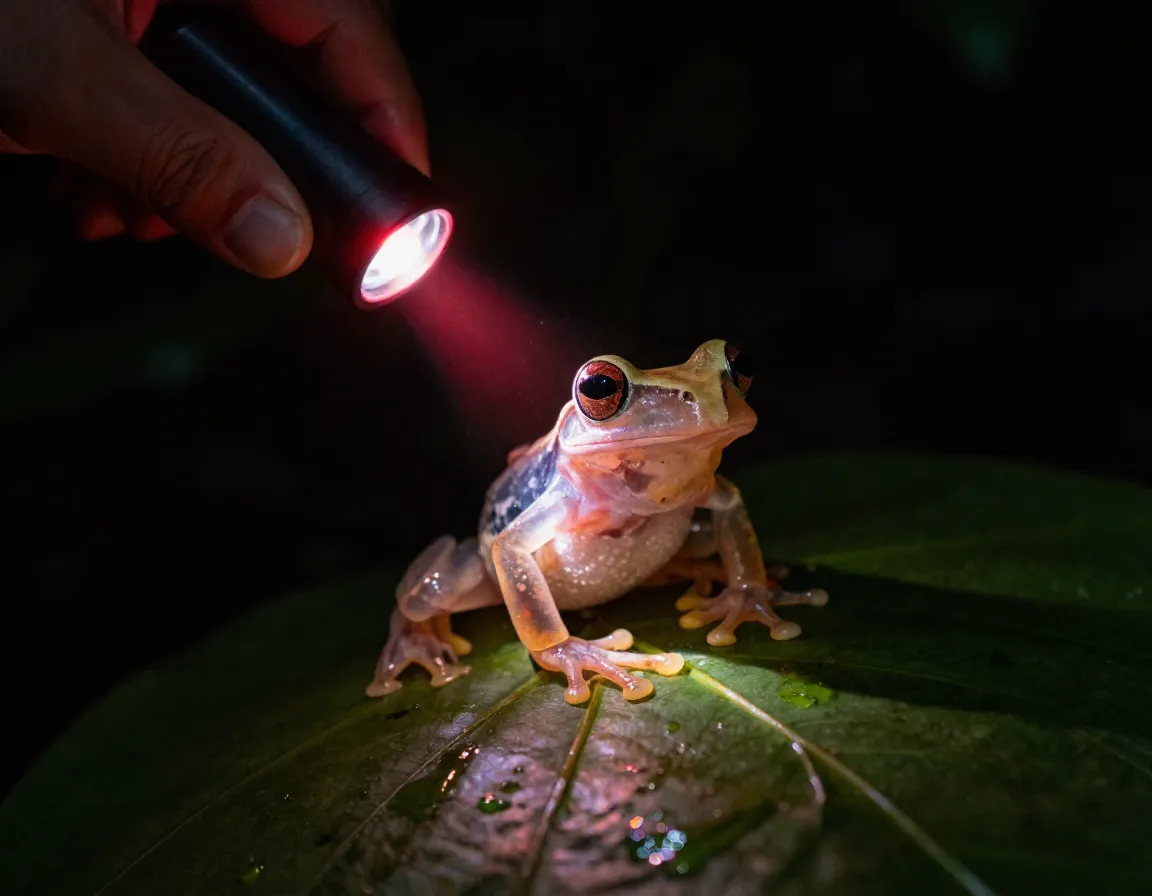
The cloud forest transforms completely after dark. Night tours are among the most rewarding — and most overlooked — of the 8 Can’t-Miss Experiences in Costa Rica’s Monteverde Cloud Forest.
“What surprised me most about the night tour wasn’t the creatures we found — it was how many of them were hiding in plain sight during the day.”
Wildlife activity peaks significantly after sunset. On a guided night walk, you can expect to encounter:
- Glass frogs (their transparent bodies reveal internal organs)
- Kinkajous moving through the canopy
- Tarantulas emerging from burrows
- Sleeping birds perched visibly on low branches
- Stick insects and other master camouflagers
Guides use red-spectrum flashlights to minimize disturbance to nocturnal animals. Peak season night tours (December–April) tend to book out days in advance, so reserve your spot early.
7. Start Every Day at 6 AM ⏰
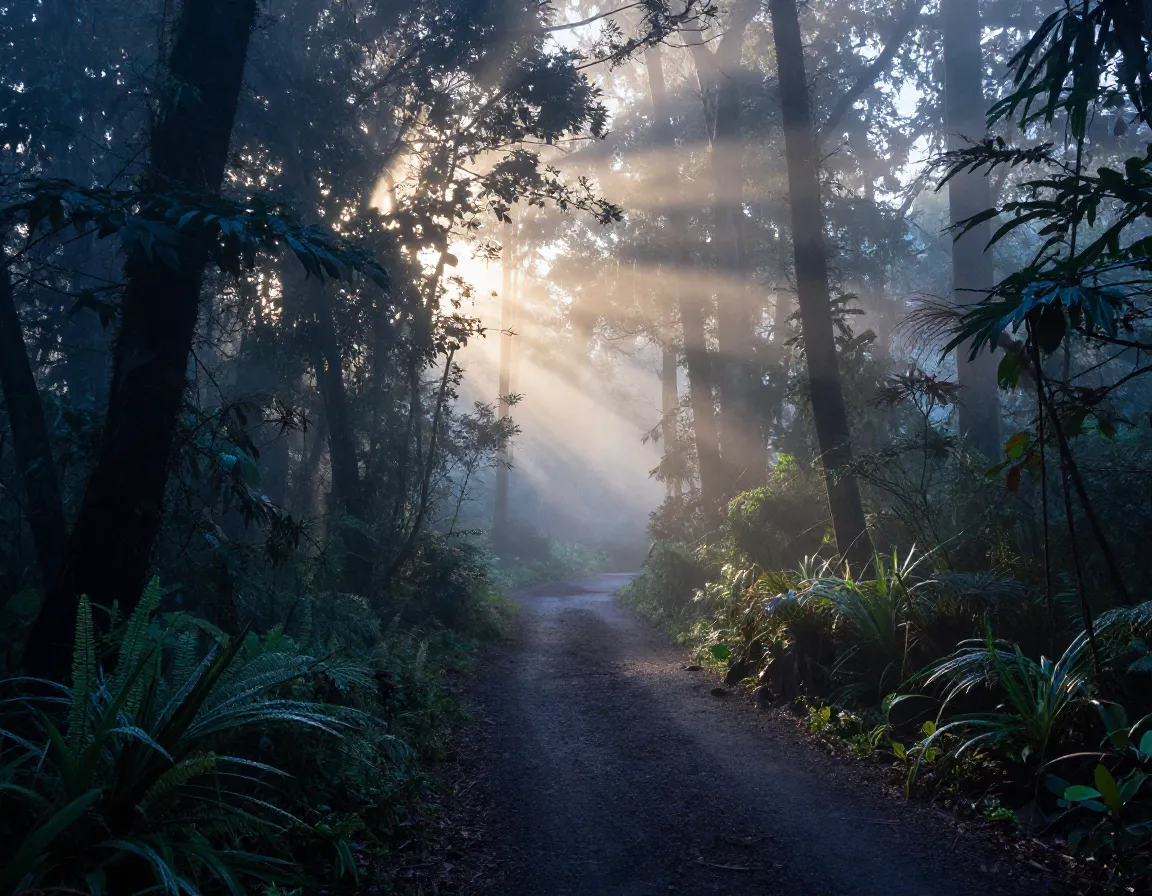
This isn’t a single attraction — it’s a strategy that multiplies the value of every other experience on this list. The window between 6:00 AM and 8:00 AM is consistently cited by naturalists and guides as the single most productive time for wildlife observation in Monteverde.
During these early hours:
- Bird activity is at its highest
- Trails are nearly empty of other tourists
- Morning mist creates dramatic, photogenic light conditions
- Mammals are most active before the heat of the day
Whether you’re heading to the reserve, the hanging bridges, or a guided trail, arriving at opening time gives you a fundamentally different — and far richer — experience than arriving mid-morning.
8. Combine Monteverde With a Multi-Destination Itinerary
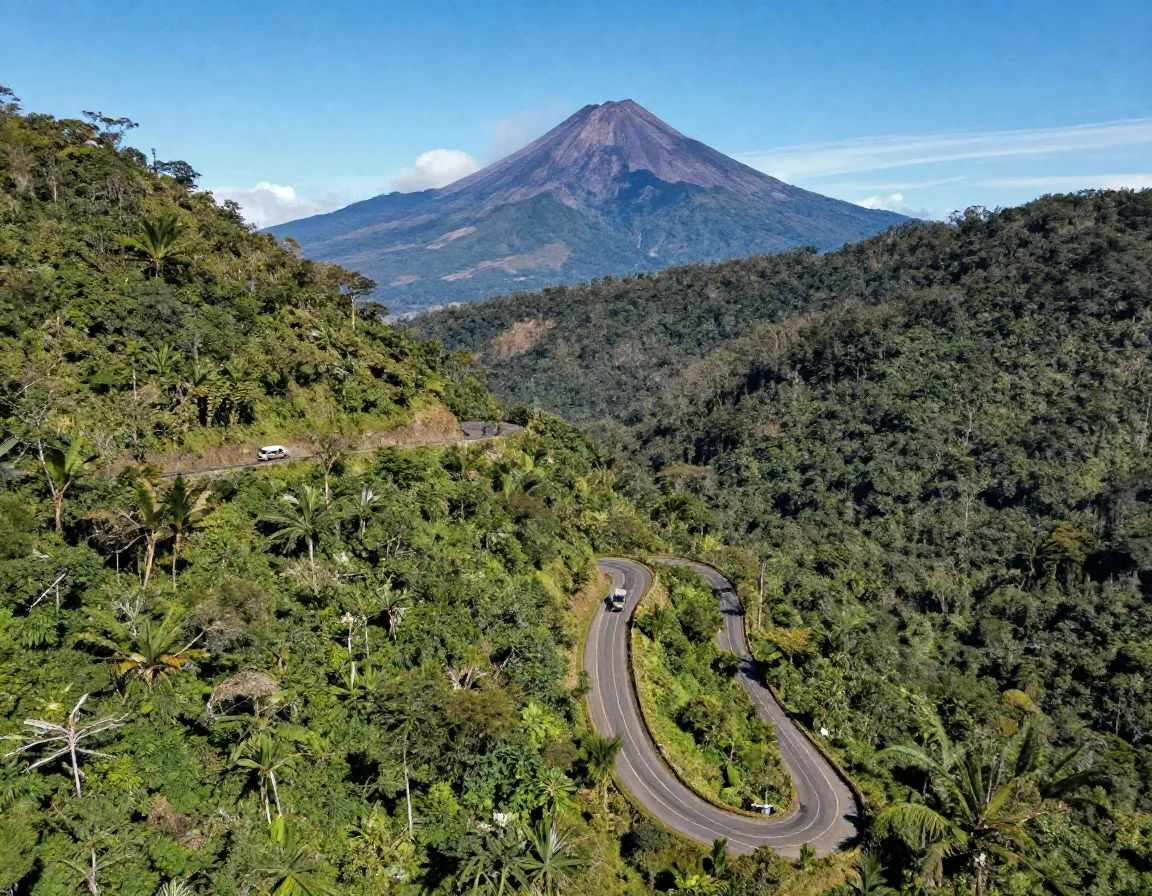
Monteverde is extraordinary on its own, but it becomes even more rewarding when combined with other Costa Rica destinations in a well-planned multi-day itinerary.
Popular Monteverde combination routes:
- Monteverde + Arenal Volcano: Pair cloud forest ecology with volcanic landscapes and hot springs. The 3-hour transfer between the two areas is itself scenic.
- Monteverde + Manuel Antonio: Combine highland forest with Pacific coast beaches and coastal wildlife viewing.
- Monteverde + Tortuguero: For serious wildlife enthusiasts, add Caribbean sea turtle nesting grounds to your cloud forest adventure.
Many reputable tour operators offer package deals that handle logistics, accommodation, and guided experiences across multiple destinations. These packages often represent significantly better value than booking each element separately, and they remove the stress of navigating Costa Rica’s sometimes challenging road infrastructure independently.
Practical Planning Tips
| Detail | Recommendation |
|---|---|
| Best months to visit | January – May (dry season + quetzal breeding) |
| Reserve entrance fees | $25–$35 USD per adult (varies by reserve) |
| How far in advance to book | 2–4 weeks for peak season tours |
| Getting there | 4WD vehicle recommended; shared shuttles available from San José |
| Altitude note | Bring a light layer — temperatures average 16–18°C (60–65°F) |
Conclusion
The 8 Can’t-Miss Experiences in Costa Rica’s Monteverde Cloud Forest — from the iconic Cloud Forest Trail and quetzal spotting to night tours and multi-destination itineraries — represent some of the most genuinely transformative travel experiences available anywhere in the world. Monteverde isn’t just a destination; it’s a reminder of what the natural world looks like when it’s given the space and protection to thrive.
Your actionable next steps:
- Book your visit between January and May to align with peak wildlife activity and quetzal breeding season.
- Reserve night tours and early morning guided walks at least two weeks in advance during peak season.
- Plan to visit at least two reserves — Monteverde Cloud Forest Reserve and Santa Elena together offer excellent contrast.
- Consider a multi-destination package to maximize your Costa Rica experience without the logistics headache.
- Set your alarm for 6 AM — every single day you’re there.
Monteverde rewards those who come prepared, stay curious, and wake up early. Start planning your visit today, and prepare to be genuinely amazed. 🌿
References
- Tropical Science Center. Monteverde Cloud Forest Reserve Trail Guide. Tropical Science Center, 2019.
- Garrigues, Richard, and Robert Dean. The Birds of Costa Rica: A Field Guide. Cornell University Press, 2014.
- Costa Rica Tourism Board (ICT). Monteverde Destination Guide. ICT, 2022.
- Whitfield, Stephen M., et al. “Amphibian and Reptile Diversity in the Monteverde Cloud Forest.” Herpetological Conservation and Biology, 2007.
- Lonely Planet. Costa Rica. 14th ed., Lonely Planet, 2021.