7 Steps To Nail The Rugged Hiking Core Aesthetic For Men
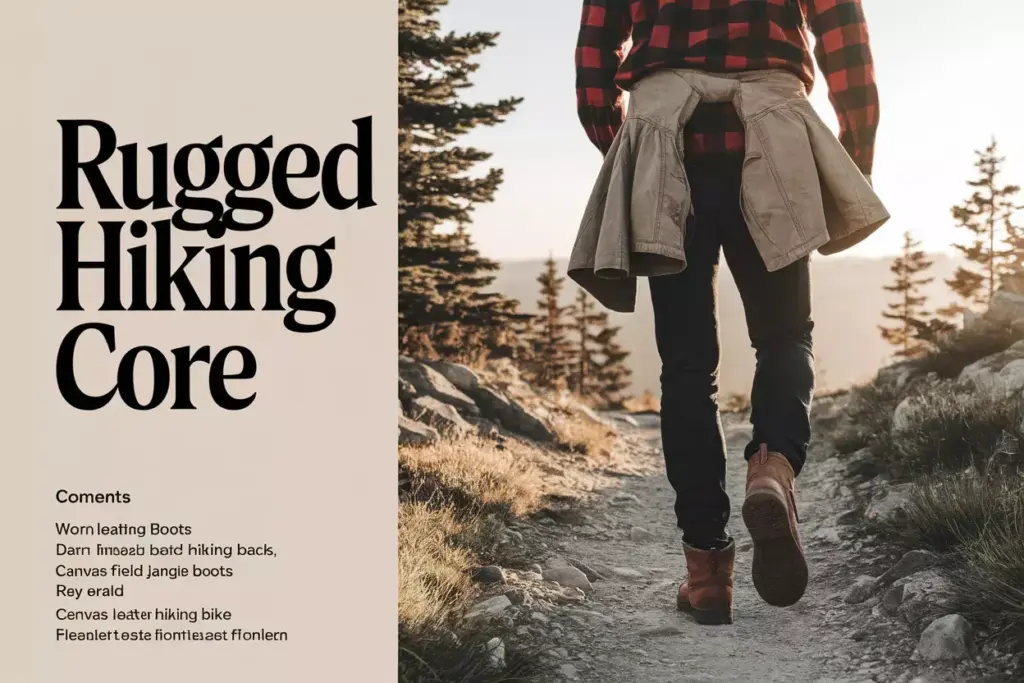
Picture this: you walk into a coffee shop wearing perfectly worn leather boots, a soft flannel shirt, and jeans that look like they’ve seen real adventures. Heads turn. Not because you’re trying too hard, but because you’ve mastered something many men struggle with – the perfect balance between rugged outdoor style and everyday wearability. The hiking core aesthetic has taken the fashion world by storm in 2025, and for good reason. It combines the practical appeal of outdoor gear with the timeless masculinity that never goes out of style.
The 7 Steps To Nail The Rugged Hiking Core Aesthetic For Men isn’t just about throwing on some hiking boots and calling it a day. It’s about creating a cohesive look that speaks to adventure, authenticity, and a connection to the outdoors – whether you’re scaling mountains or navigating city streets. This aesthetic celebrates the modern man who values quality, durability, and style that can transition seamlessly from trail to town.
Key Takeaways
- Quality over quantity: Invest in well-made pieces that age beautifully and tell a story through natural wear
- Earth tones dominate: Build your wardrobe around browns, greens, tans, and muted colors inspired by nature
- Layering is essential: Master the art of combining different textures and weights for both style and functionality
- Authentic details matter: Choose pieces with genuine outdoor heritage rather than fashion-forward imitations
- Versatility is key: Select items that work equally well on hiking trails and in urban environments
Understanding the Foundation: What Makes the Rugged Hiking Core Aesthetic Work
The rugged hiking core aesthetic draws its power from authenticity. Unlike trendy fashion movements that come and go, this style is rooted in genuine outdoor culture and working-class traditions. It celebrates the beauty of well-worn materials, the functionality of purpose-built clothing, and the confidence that comes from wearing gear that can handle whatever life throws at it.
At its core, this aesthetic is about embracing imperfection. The slight fade on your favorite flannel, the scuffs on your leather boots, the softness of a well-loved canvas jacket – these aren’t flaws to hide but badges of honor that add character to your look. The hiking core style rejects the pristine, untouchable nature of high fashion in favor of clothing that improves with age and use.
The color palette draws inspiration directly from the natural world. Think forest greens, rich browns, stone grays, and warm tans. These colors work harmoniously together because they exist together in nature. They’re also incredibly flattering on most skin tones and create a sophisticated, masculine appearance without being flashy or attention-seeking.
Texture plays a crucial role in this aesthetic. The rough weave of canvas, the smooth patina of aged leather, the soft nap of brushed cotton flannel – these tactile elements add depth and interest to your outfits. They also serve practical purposes, with each material chosen for its durability and performance in outdoor conditions.
The silhouette tends to be relaxed but intentional. Clothes should fit well without being tight or restrictive. There’s room to move, to layer, to be comfortable during physical activity. This doesn’t mean sloppy or oversized – every piece should have a purpose and contribute to the overall aesthetic.
Mastering the Essential Elements: Your Complete Guide to the 7 Steps To Nail The Rugged Hiking Core Aesthetic For Men
1. Start with the Foundation: Quality Footwear
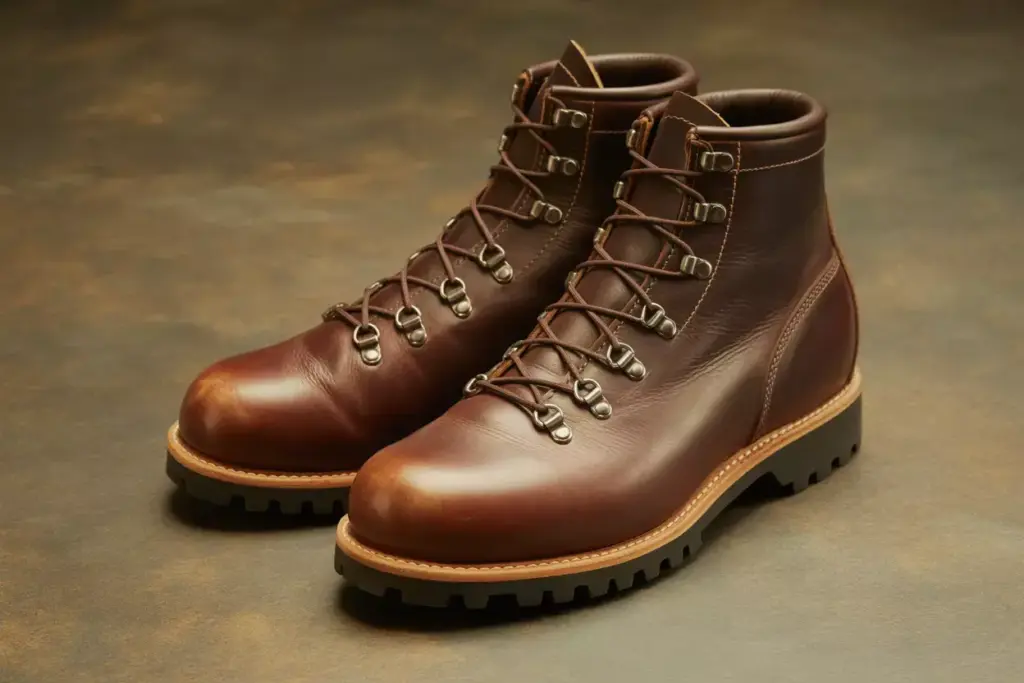
Your shoes are the foundation of any great outfit, and this is especially true for the rugged hiking core aesthetic. Leather hiking boots or work boots should be your go-to choice. Look for brands with genuine outdoor heritage like Red Wing, Danner, or Timberland Pro. These boots should be made from full-grain leather that will develop a beautiful patina over time.
The key is choosing boots that look authentic rather than fashion-forward. Avoid overly sleek designs or unnecessary embellishments. Instead, focus on classic silhouettes with functional details like speed lacing, Vibram soles, and reinforced toe caps. The leather should be thick enough to withstand real use but supple enough to be comfortable for all-day wear.
Color choices should stick to natural leather tones: rich brown, tan, or black. These colors work with virtually everything in your wardrobe and age gracefully. A good pair of boots in this aesthetic should look better after six months of wear than they did on day one.
Don’t forget about proper care. Quality leather boots require regular conditioning to maintain their appearance and durability. This maintenance ritual becomes part of the aesthetic – taking pride in caring for your gear is a core value of outdoor culture.
2. Build Your Base Layer: Essential Bottoms
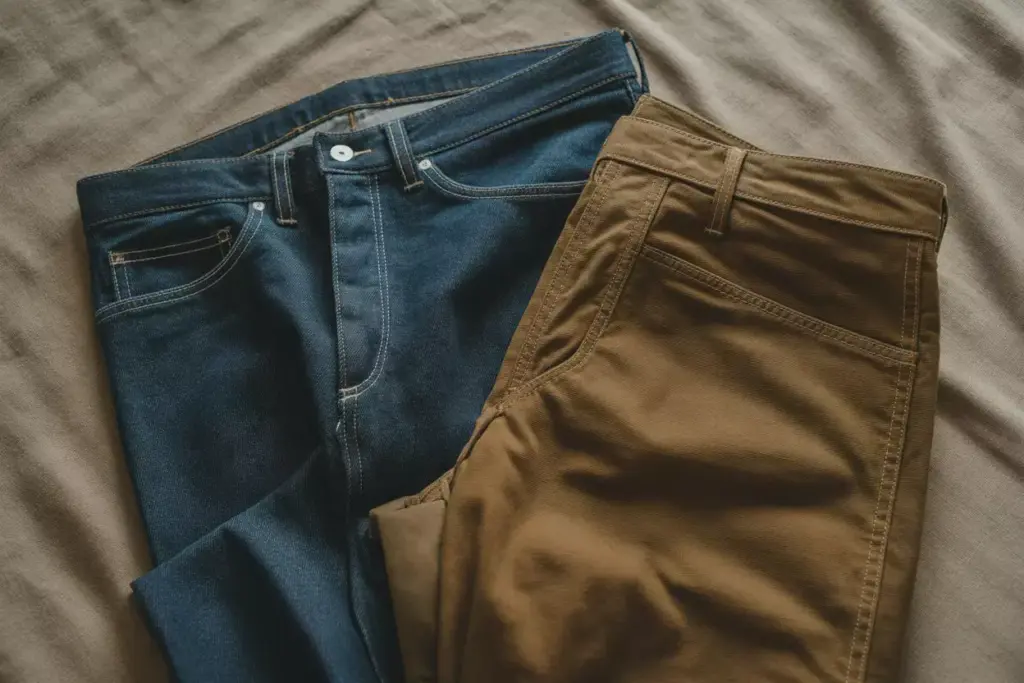
Raw or dark wash denim forms the backbone of the rugged hiking core wardrobe. Look for jeans with a straight or slightly tapered cut that provides room for movement without being baggy. Brands like Levi’s 501s, Carhartt, or Patagonia offer excellent options that balance style with durability.
The key is finding jeans that will age well. Raw denim develops unique fade patterns based on your lifestyle and movement, creating a truly personalized garment over time. If raw denim feels too commitment-heavy, choose dark washes without artificial distressing or trendy details.
For variety, add canvas work pants or wool trousers in earth tones. These pieces elevate the aesthetic while maintaining the rugged, outdoor-inspired feel. Carhartt duck canvas pants or wool hiking trousers from outdoor brands provide excellent alternatives to denim.
Fit is crucial – pants should sit comfortably at your natural waist and have enough room in the thigh and seat for comfortable movement. The length should allow for a slight break over your boots or a clean cuff if you prefer a more tailored look.
3. Layer Like a Pro: Shirts and Mid-Layers
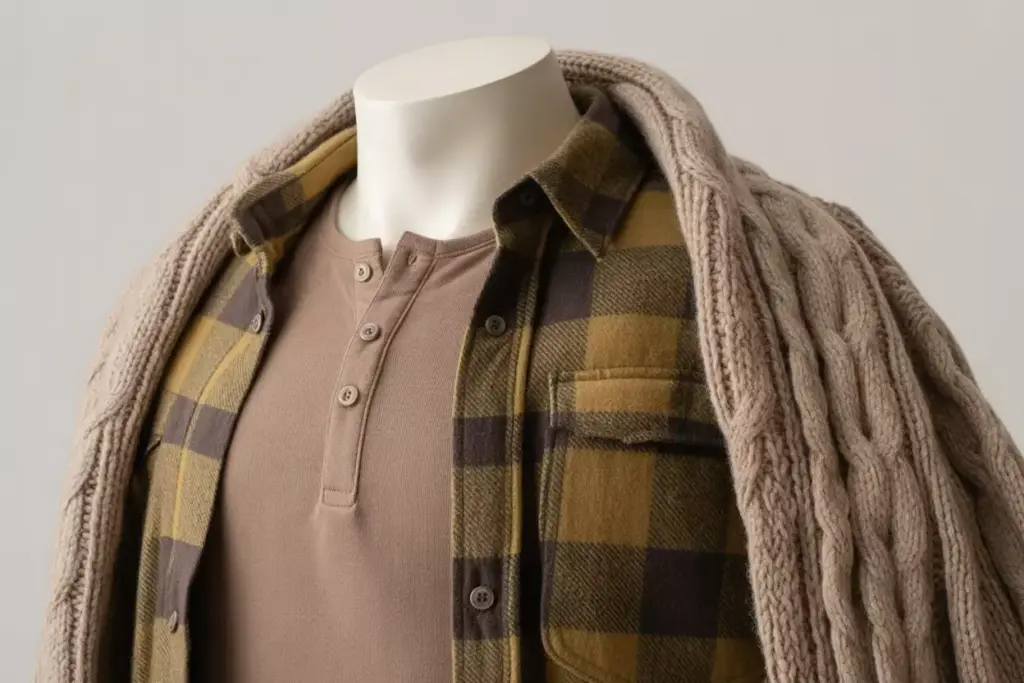
Flannel shirts are the quintessential piece of the hiking core aesthetic. Choose flannels in classic patterns like buffalo check, small gingham, or subtle plaids in earth tones. The fabric should be substantial enough to provide warmth but not so thick that it becomes bulky under jackets.
Henley shirts and plain cotton tees in neutral colors provide excellent base layers. These pieces should be well-fitted but not tight, allowing for comfortable layering. Stick to colors like white, gray, olive, tan, or navy that work harmoniously with your outer layers.
Wool sweaters add sophistication while maintaining the rugged appeal. Look for chunky knits, cable knits, or fisherman sweaters in natural wool colors. These pieces bridge the gap between outdoor functionality and refined style.
The art of layering in this aesthetic is about creating depth and texture while maintaining functionality. A typical combination might include a henley base layer, flannel shirt, and canvas jacket or wool sweater. Each layer should be removable as conditions change, just like on an actual hiking trip.
4. Outerwear That Commands Respect
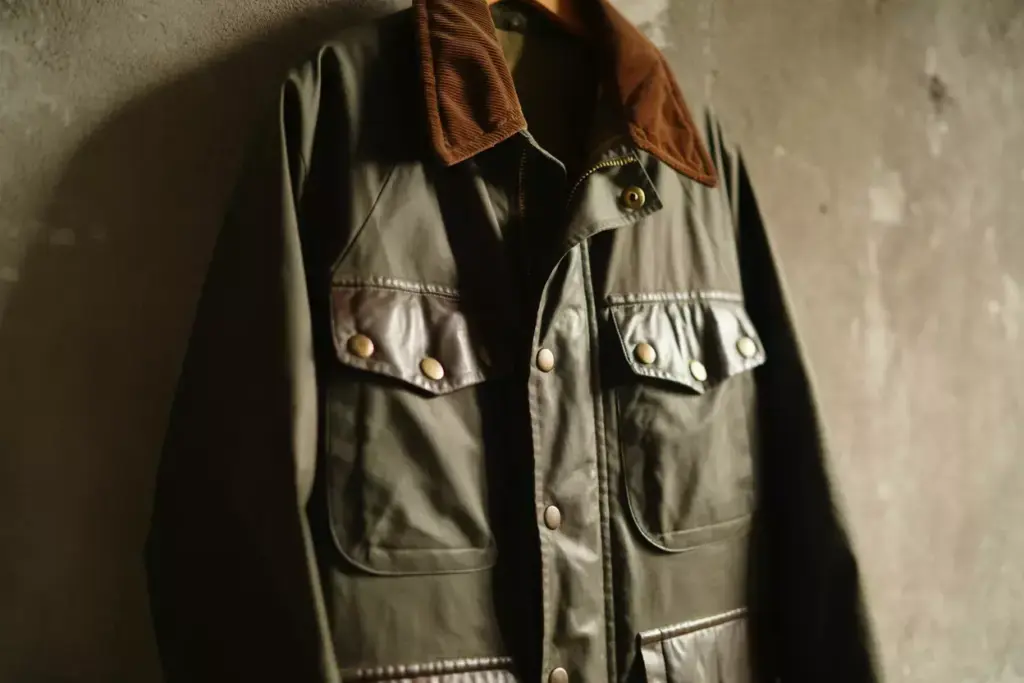
Your outerwear makes the strongest statement in the rugged hiking core aesthetic. Canvas field jackets, wool peacoats, waxed cotton jackets, and down vests are all excellent choices that provide both style and function.
Look for jackets with authentic outdoor heritage. Brands like Filson, Barbour, Carhartt, or Patagonia offer pieces that were designed for real outdoor use but translate beautifully to everyday wear. These jackets should have functional details like multiple pockets, reinforced stress points, and weather-resistant materials.
Color and material choices should prioritize natural tones and textures. Waxed cotton in olive or tan, canvas in duck brown or olive, wool in charcoal or navy – these combinations create a sophisticated palette that works in both outdoor and urban environments.
The fit should allow for comfortable layering underneath. You should be able to wear a flannel shirt and light sweater under your jacket without feeling restricted. This practical consideration also ensures the proportions look correct when wearing lighter layers.
5. Accessories That Add Authenticity
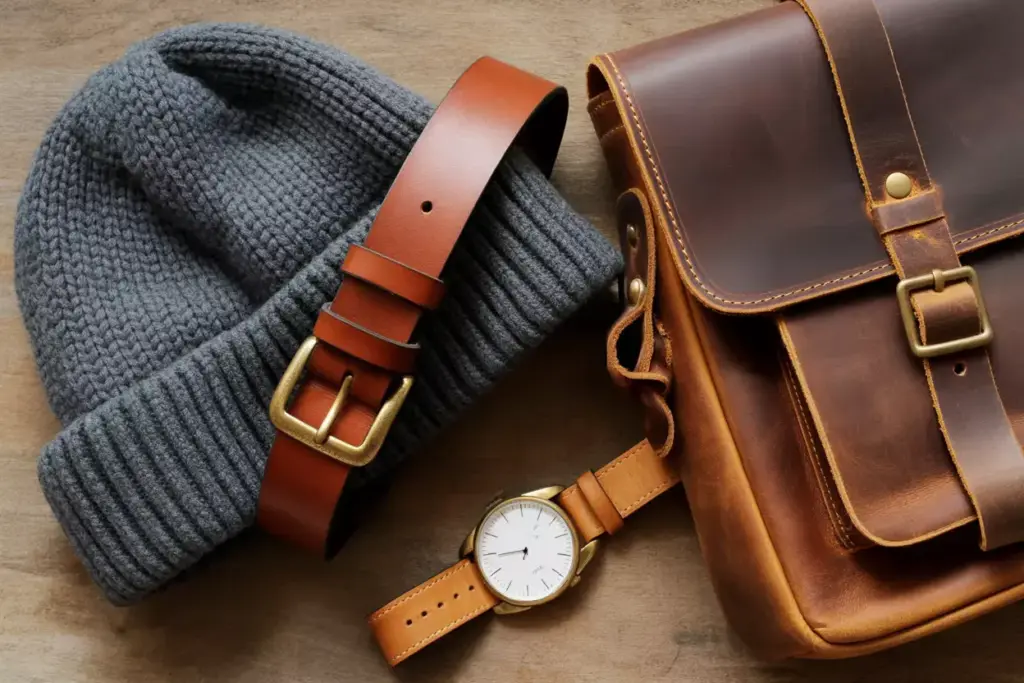
Leather belts in brown or black with simple, functional buckles are essential. The leather should match or complement your boots, creating a cohesive look. Avoid overly decorative buckles or belts with unnecessary details.
Wool beanies or canvas baseball caps add casual appeal while serving practical purposes. Choose neutral colors that complement your overall palette. The beanie should fit comfortably without being too slouchy or tight.
Canvas or leather bags complete the aesthetic while providing functionality. A canvas messenger bag, leather briefcase, or waxed cotton backpack serves both practical and style purposes. These pieces should show the same attention to quality and authenticity as the rest of your wardrobe.
Watches should lean toward tool watches or field watches rather than dress pieces. Brands like Timex, Seiko, or Hamilton offer excellent options that complement the rugged aesthetic without breaking the budget.
6. Color Coordination and Palette Management
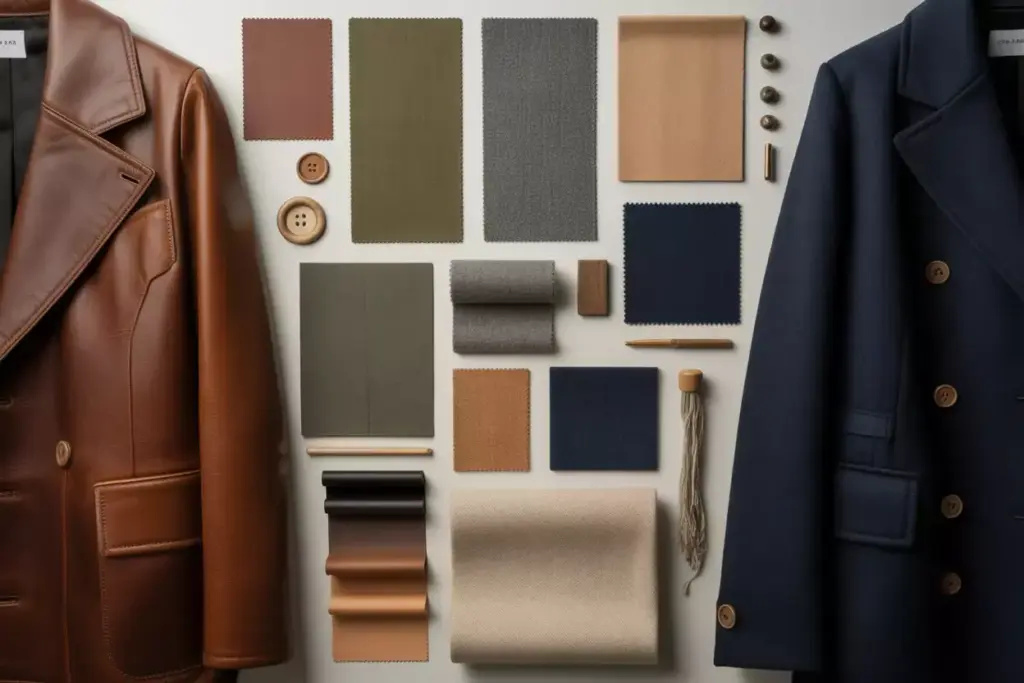
The 7 Steps To Nail The Rugged Hiking Core Aesthetic For Men relies heavily on a cohesive color palette inspired by nature. Your wardrobe should center around earth tones: various shades of brown, green, tan, gray, and navy.
Brown serves as your neutral – from light tan to deep chocolate, brown works with virtually every other color in the palette. Your leather goods should generally stay within the brown family for consistency.
Green adds life and connection to nature. Olive, forest green, and sage all work beautifully in this aesthetic. Use green in your outerwear, shirts, or accessories.
Gray provides sophistication without being stark. Charcoal, heather gray, and stone gray work well in sweaters, tees, and outerwear.
Navy offers a classic alternative to black while maintaining the natural feel. Navy works particularly well in outerwear and knitwear.
The key is limiting your palette to these natural tones and avoiding bright colors or artificial hues that would clash with the authentic, outdoorsy feel.
7. Styling and Putting It All Together
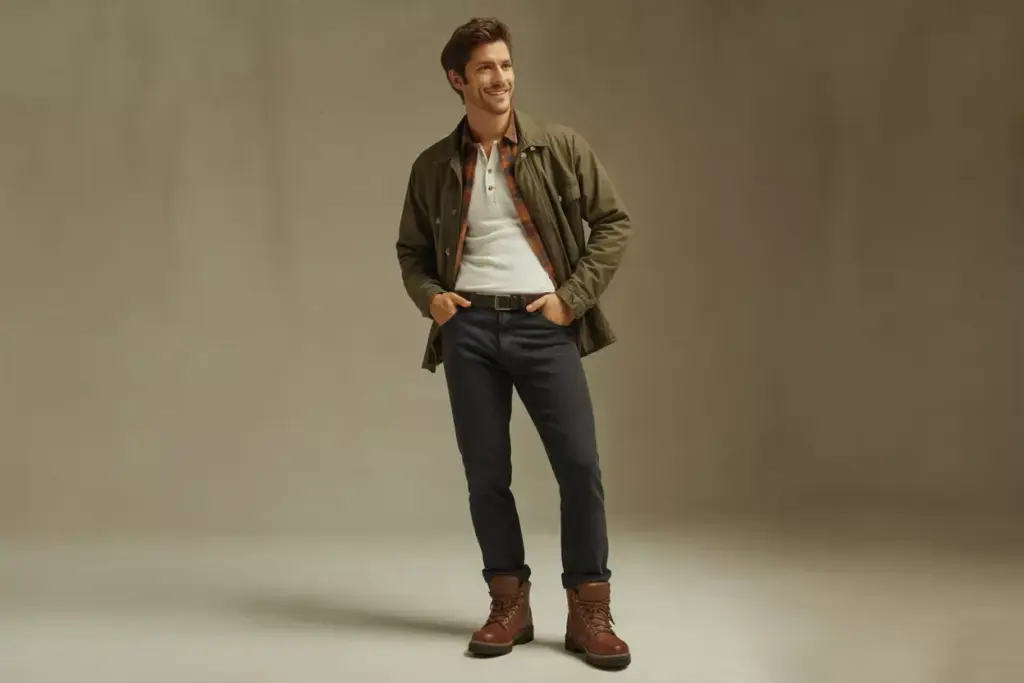
The final step in mastering the 7 Steps To Nail The Rugged Hiking Core Aesthetic For Men is learning to combine these elements into cohesive, stylish outfits that work for your lifestyle.
Start with your base – boots and pants – then build up through layers. A typical outfit might include dark jeans, leather boots, a henley shirt, flannel overshirt, and canvas jacket. Each piece should complement the others in color, texture, and style.
Pay attention to proportions. If you’re wearing a chunky sweater, balance it with streamlined pants. If your jacket is oversized, ensure your base layers are more fitted. The overall silhouette should be intentional, not accidental.
Consider the occasion. The beauty of this aesthetic is its versatility. For casual settings, you might wear jeans, boots, a flannel, and a canvas jacket. For more elevated occasions, substitute wool trousers, add a sweater, and choose a more refined jacket.
Embrace the imperfections. This aesthetic celebrates the beauty of well-worn items. Don’t be afraid to wear pieces that show their age – a faded flannel or scuffed boots often look better than pristine new items.
Advanced Techniques: Elevating Your Rugged Hiking Core Style
Once you’ve mastered the basics, there are several advanced techniques that can help you refine and elevate your rugged hiking core aesthetic. These subtle improvements separate those who simply wear outdoor-inspired clothing from those who truly embody the lifestyle and values behind the aesthetic.
Seasonal adaptation is crucial for maintaining the aesthetic year-round. In warmer months, focus on lightweight flannels, canvas shorts in earth tones, and breathable cotton tees. Summer hiking core might include olive green chino shorts, a white henley, canvas sneakers, and a lightweight canvas shirt jacket for evening.
Winter calls for heavier materials and more substantial layering. Wool sweaters become more prominent, down vests add warmth without bulk, and heavier canvas or waxed cotton jackets provide weather protection. The key is maintaining the color palette and material choices while adapting to seasonal needs.
Texture mixing becomes more sophisticated as you develop your eye for the aesthetic. Try combining the smooth leather of your boots with the rough texture of canvas pants and the soft nap of a flannel shirt. Add a chunky wool sweater and you’ve created a rich tapestry of textures that adds visual interest without being loud or flashy.
Quality patina development is an art form in itself. Understanding how different materials age and change over time allows you to make strategic choices about which pieces to invest in. Raw denim fades in unique patterns based on your lifestyle. Leather develops rich patina through use and proper care. Canvas softens and takes on character through wear.
Fit refinement goes beyond basic sizing. Understanding how different cuts and silhouettes work with your body type allows you to choose pieces that enhance your natural proportions. A shorter torso might benefit from longer jackets, while broader shoulders might look better in more structured outerwear.
Common Mistakes to Avoid
Even with a solid understanding of the principles, there are several common pitfalls that can undermine your rugged hiking core aesthetic. Being aware of these mistakes helps you avoid them and maintain the authentic, effortless appeal that makes this style so attractive.
Over-accessorizing is perhaps the most common mistake. The hiking core aesthetic is about simplicity and functionality. Adding too many accessories – multiple bracelets, flashy watches, unnecessary gear – can make you look like you’re trying too hard. Stick to a few quality pieces that serve both functional and aesthetic purposes.
Choosing fashion over function defeats the purpose of the aesthetic. Pieces should look like they could handle real outdoor use, even if you primarily wear them in urban settings. Avoid items that are clearly fashion interpretations of outdoor gear without the substance to back up their appearance.
Ignoring fit is another major mistake. Just because the aesthetic is relaxed doesn’t mean clothes should be sloppy. Everything should fit intentionally, with room for movement and layering but without excess fabric or poor proportions.
Mixing incompatible styles can muddy your aesthetic. Avoid combining hiking core pieces with formal dress items, streetwear elements, or overly trendy pieces that clash with the timeless, authentic nature of the style.
Neglecting care and maintenance undermines the quality-focused nature of the aesthetic. Part of the appeal is taking pride in well-maintained gear. Properly caring for your leather, canvas, and wool pieces is essential for both longevity and appearance.
Building Your Wardrobe: A Strategic Approach
Creating a cohesive rugged hiking core wardrobe requires strategic planning and thoughtful purchasing decisions. Rather than buying everything at once, focus on building a foundation of quality pieces that work together and can be expanded over time.
Start with the essentials: a pair of quality leather boots, well-fitting dark jeans, a few flannel shirts in complementary colors, basic tees and henleys, and one substantial piece of outerwear. These pieces form the core of your wardrobe and should be the highest quality items you can afford.
Add layers gradually. Once you have the basics, begin adding pieces that expand your styling options: wool sweaters, additional outerwear for different seasons, canvas pants, and quality accessories. Each new piece should work with multiple existing items in your wardrobe.
Invest in quality over quantity. It’s better to have fewer, higher-quality pieces than a large collection of mediocre items. Quality pieces last longer, look better with age, and ultimately provide better value for money.
Consider your lifestyle when making purchases. If you live in a warm climate, invest more heavily in lightweight options. If you actually spend time outdoors, prioritize functional features alongside aesthetic appeal.
Shop with patience. The best pieces for this aesthetic often come from heritage brands or specialty outdoor retailers. These items may cost more upfront but provide better value over time. Wait for sales, check outlet stores, and consider secondhand options for vintage pieces with authentic character.
Seasonal Variations and Adaptations
The rugged hiking core aesthetic adapts beautifully to different seasons while maintaining its core principles. Understanding how to modify your approach for different weather conditions ensures you can maintain the aesthetic year-round.
Spring styling focuses on layering for variable weather. Start with a base layer of henley or light flannel, add a canvas jacket or light wool sweater, and choose footwear appropriate for wet conditions. Colors can be slightly brighter while staying within the earth tone palette – think fresh greens and lighter browns.
Summer adaptations require lighter materials while maintaining the aesthetic principles. Lightweight canvas shorts, linen-blend shirts, and canvas sneakers or lighter hiking boots keep you cool while staying true to the style. Focus on natural, breathable materials in lighter shades of your usual color palette.
Fall represents the peak season for hiking core aesthetic. This is when all your layering skills come into play. Flannel shirts, wool sweaters, canvas jackets, and substantial boots create rich, textured outfits perfect for crisp autumn weather. The natural colors complement the changing seasons beautifully.
Winter requires the heaviest adaptations while maintaining style integrity. Wool peacoats, down vests, thick flannel shirts, and insulated boots provide necessary warmth. The key is choosing pieces that look intentional rather than purely functional – quality winter gear that happens to be stylish rather than fashion items that provide inadequate protection.
The Psychology and Lifestyle Behind the Aesthetic
Understanding the deeper appeal of the rugged hiking core aesthetic helps you embody it more authentically. This style resonates with men because it represents values that many find lacking in modern life: authenticity, self-reliance, connection to nature, and appreciation for quality craftsmanship.
Authenticity is perhaps the most important value. In a world of fast fashion and disposable goods, choosing well-made items that improve with age represents a rejection of throwaway culture. Each piece tells a story through its wear patterns and patina.
Self-reliance is reflected in choosing gear that can handle challenges. Even if you’re not climbing mountains, wearing clothes that could handle outdoor adventures gives you confidence and preparedness for whatever life brings.
Connection to nature doesn’t require constant outdoor activity. The colors, materials, and styling choices keep you connected to the natural world even in urban environments. This connection can be psychologically grounding in our increasingly digital world.
Appreciation for craftsmanship shows respect for traditional skills and quality construction. Choosing heritage brands and well-made items supports artisans and companies that prioritize quality over quick profits.
Timeless appeal means your wardrobe won’t look dated in five years. The hiking core aesthetic draws from classic outdoor and workwear traditions that have remained relevant for decades.
Conclusion
Mastering the 7 Steps To Nail The Rugged Hiking Core Aesthetic For Men is about more than just clothing choices – it’s about embracing a lifestyle that values authenticity, quality, and connection to the outdoors. This aesthetic offers modern men a way to express masculinity that feels genuine and grounded rather than performative or trendy.
The key to success lies in understanding that this isn’t a costume to put on, but a cohesive approach to dressing that reflects deeper values. Start with quality basics in natural colors and materials, focus on proper fit and layering techniques, and choose pieces that will improve with age and use.
Remember that the best hiking core aesthetic develops naturally over time. Your favorite flannel will develop the perfect softness, your boots will gain character through wear, and your canvas jacket will tell the story of your adventures. Embrace this process rather than trying to achieve a perfectly curated look immediately.
Your next steps should focus on assessing your current wardrobe and identifying key pieces to add or replace. Start with one foundational item – perhaps a quality pair of leather boots or a well-fitting flannel shirt – and build from there. Pay attention to how different pieces work together and don’t be afraid to experiment with layering and color combinations within the natural palette.
Most importantly, wear your clothes with confidence. The rugged hiking core aesthetic is about projecting quiet confidence and authentic style. When you feel comfortable and authentic in your clothing choices, that confidence shows, and that’s ultimately what makes any aesthetic truly successful.
The investment in quality pieces pays dividends not just in appearance, but in the satisfaction of owning and wearing items that are built to last. In 2025 and beyond, this approach to menswear offers a refreshing alternative to fast fashion and trend-chasing, providing a timeless foundation for personal style that will serve you well for years to come.