The Ultimate Travel Packing List: 9 Items for Any Destination
Have you ever arrived at your destination only to realize you forgot something critical — your adapter, your rain jacket, or even your medication? I have, and it’s a frustrating way to start any trip. Whether you’re heading to a beach resort in Bali, a business conference in Berlin, or a hiking trail in Patagonia, what you pack can make or break your experience. That’s exactly why I put together The Ultimate Travel Packing List: 9 Items for Any Destination — a carefully curated, destination-agnostic guide designed to help every traveler pack smarter, lighter, and with total confidence in 2026.
Key Takeaways 📌
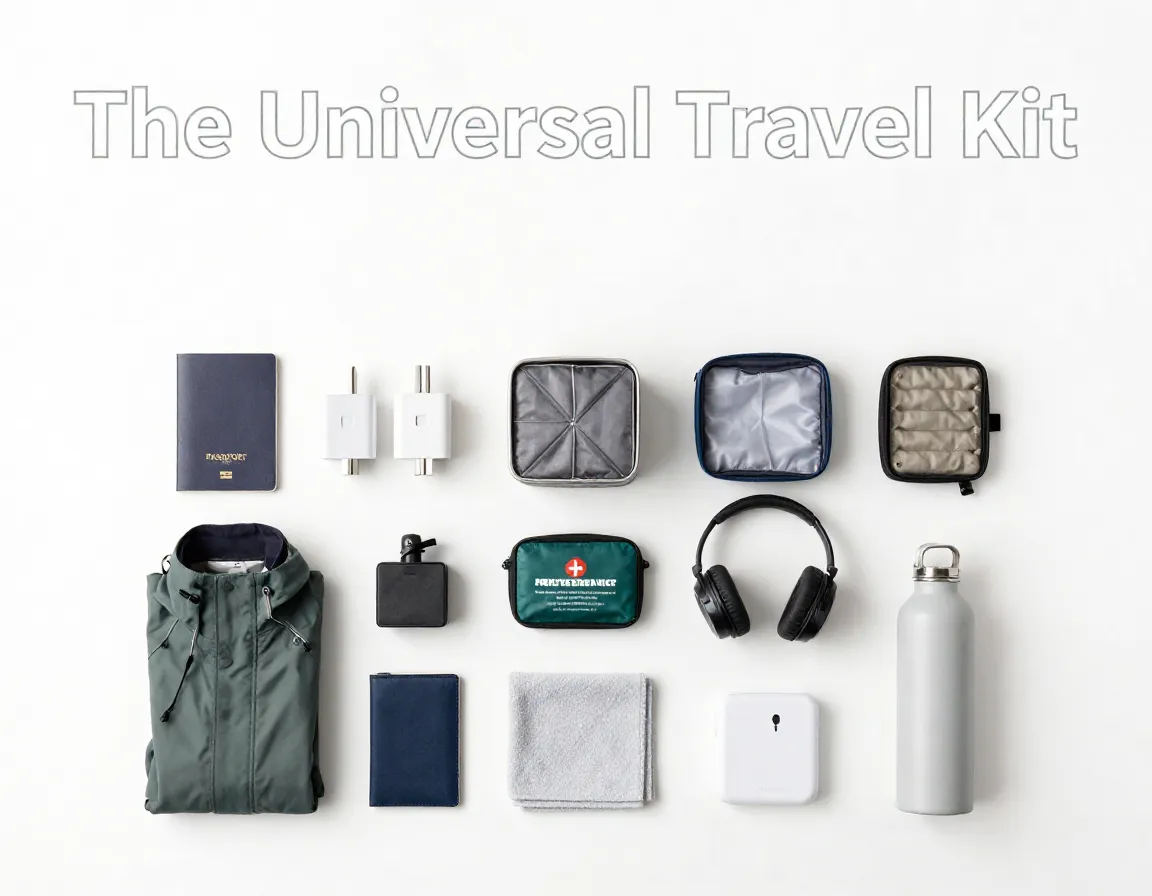
- 9 universal items cover the needs of virtually any trip, regardless of destination or travel style.
- Packing smart means prioritizing versatility, weight, and function over quantity.
- A well-planned packing list reduces stress, saves money, and prevents common travel mishaps.
- The right gear can adapt to beach, city, mountain, or business environments with minimal swapping.
- Investing in quality travel essentials pays off across dozens of future trips.
Why Every Traveler Needs a Reliable Packing List
Most travelers pack one of two ways: they either throw everything into a bag at the last minute, or they obsessively overpack until their suitcase weighs more than they do. Neither approach works well.
A structured packing list is the single most effective tool for stress-free travel. According to travel industry data, the average traveler uses only about 60% of what they pack — meaning nearly half of your luggage is dead weight. 🧳
“The best packing list isn’t the longest one — it’s the one that covers every situation with the fewest items.”
In 2026, with airline baggage fees at an all-time high and carry-on restrictions tightening globally, packing light is no longer just a preference — it’s a financial strategy. A smart, universal list helps you:
- Avoid checked baggage fees by fitting everything into a carry-on
- Move faster through airports, train stations, and city streets
- Reduce decision fatigue before and during your trip
- Stay prepared for unexpected weather, delays, or emergencies
The 9 items in this guide were selected based on three core criteria: versatility (works across multiple destinations and climates), compactness (fits in a carry-on or daypack), and impact (solves real travel problems).
The Ultimate Travel Packing List: 9 Items for Any Destination
Let’s break down each item in detail. These aren’t generic suggestions — each one is chosen for maximum utility across the widest range of travel scenarios.
1. A High-Quality Travel Passport Wallet 🛂

Your identity documents are the foundation of every trip. Losing your passport, cards, or travel insurance documents abroad can turn a dream vacation into a nightmare.
A dedicated travel passport wallet keeps everything organized in one slim, secure location. Look for features like:
| Feature | Why It Matters |
|---|---|
| RFID-blocking lining | Protects against digital card skimming |
| Multiple card slots | Holds passport, cards, SIM cards, and cash |
| Slim profile | Fits in a front pocket or under clothing |
| Durable material | Withstands humidity, rain, and daily wear |
Top tip: Store a digital copy of your passport in a secure cloud service like Google Drive or iCloud before every trip. Physical wallet + digital backup = total peace of mind.
2. A Universal Power Adapter ⚡
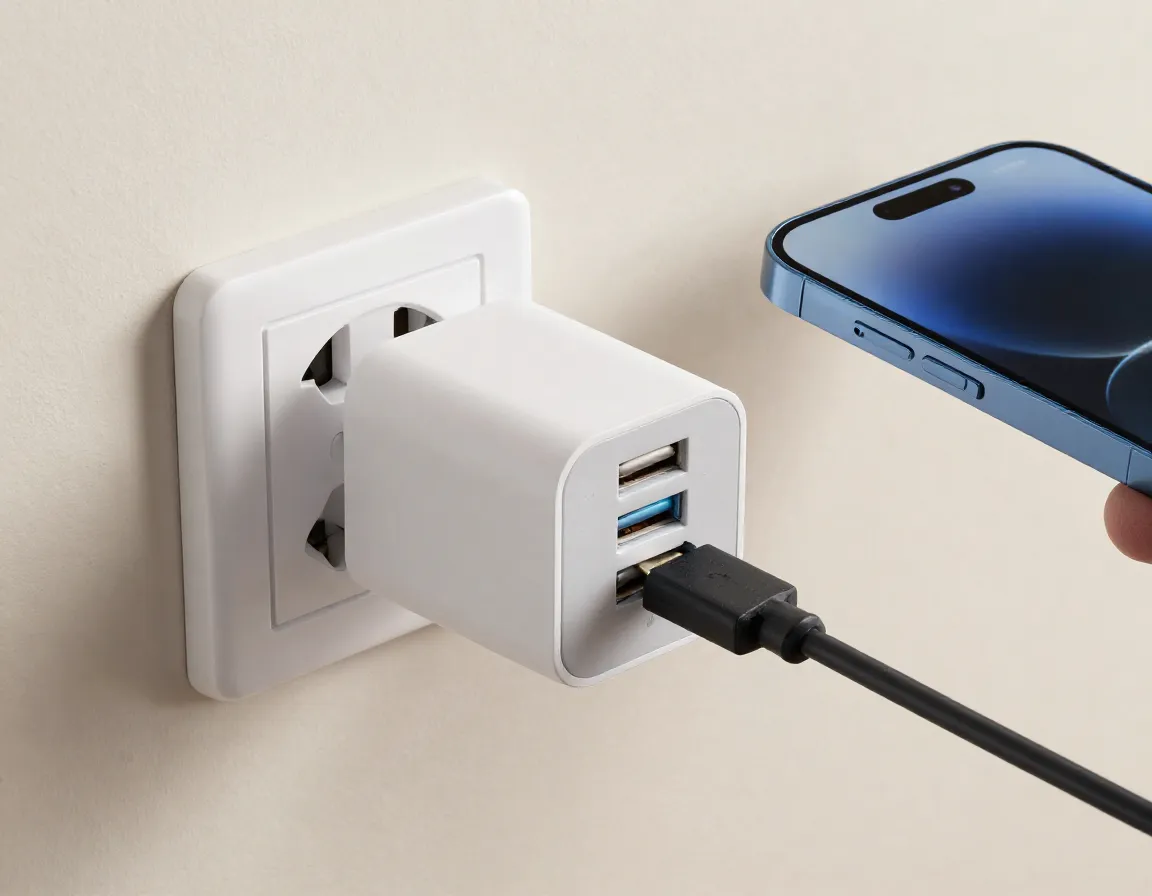
Nothing kills travel momentum faster than a dead device and an incompatible outlet. The world uses over 15 different plug types, and if you travel internationally, you will encounter at least two or three on any given trip.
A universal power adapter with built-in USB-A and USB-C ports is one of the single most important items on The Ultimate Travel Packing List: 9 Items for Any Destination. Here’s what to look for:
- ✅ Compatibility with 150+ countries
- ✅ Built-in surge protection
- ✅ At least 2 USB-C ports (for fast charging)
- ✅ Compact, all-in-one design (no loose adapters to lose)
Recommended use case: One universal adapter replaces a bag full of country-specific plugs. It charges your phone, laptop, camera, and earbuds simultaneously.
3. Packing Cubes 🗂️
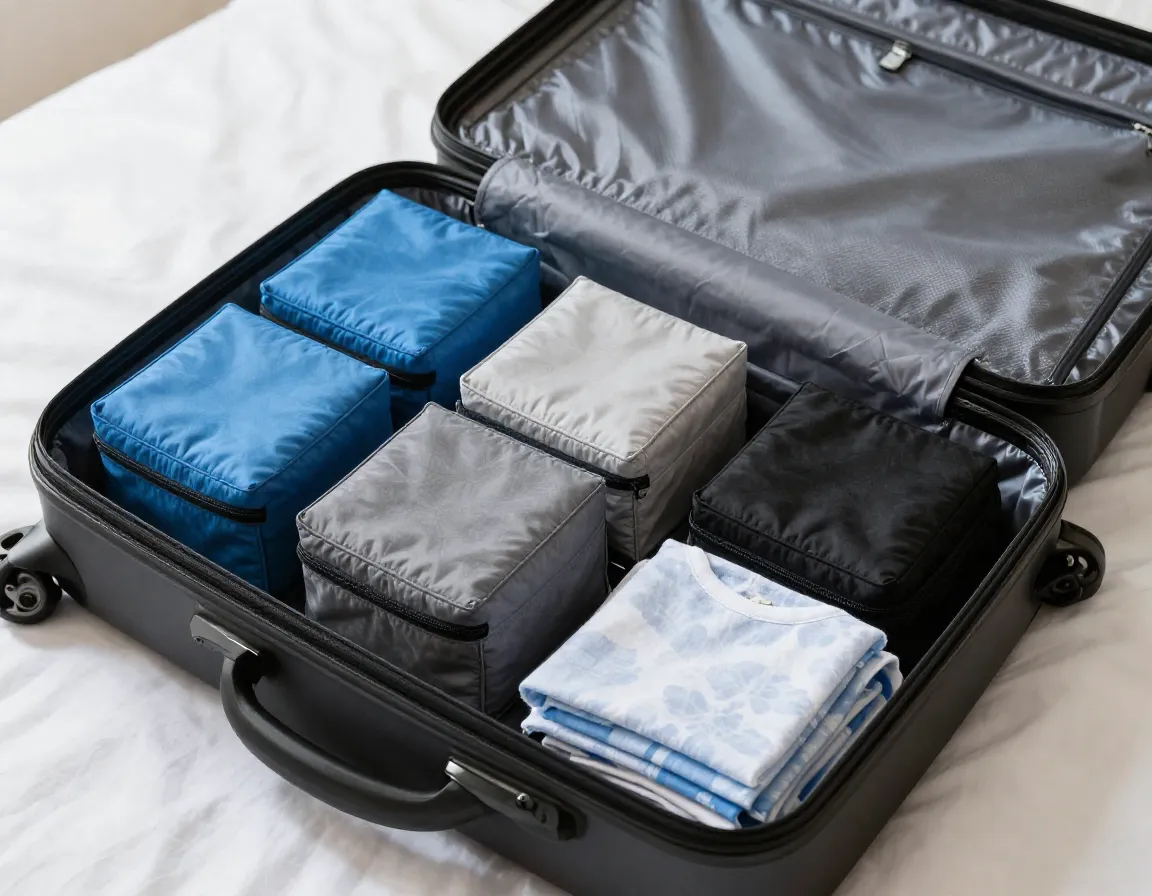
If you’ve never used packing cubes, prepare to have your travel life changed. These lightweight fabric organizers fit inside your main bag and transform a chaotic suitcase into a perfectly organized system.
A set of 3–4 packing cubes in different sizes allows you to:
- Separate clothing by type (tops, bottoms, underwear)
- Compress items to save up to 30% more space
- Unpack instantly at your destination by placing cubes directly in drawers
- Repack in under 5 minutes when moving between hotels
Pro tip: Use one cube exclusively for dirty laundry. This keeps clean and worn clothing separated without needing a separate laundry bag.
Packing cubes are especially valuable for multi-destination trips where you’re living out of your bag for weeks at a time.
4. Noise-Canceling Headphones or Earbuds 🎧
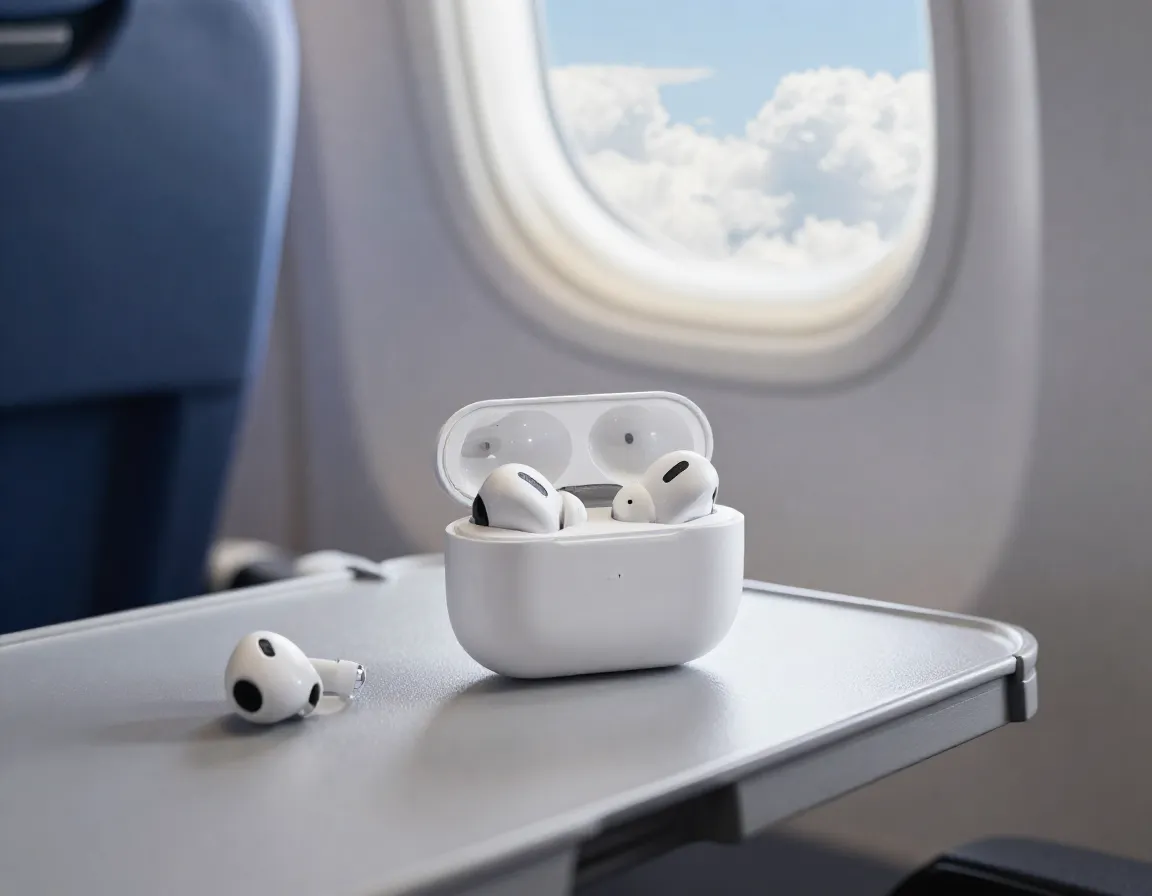
Long-haul flights, noisy hostels, loud city streets — travel is full of audio chaos. A quality pair of noise-canceling headphones or earbuds is both a comfort tool and a productivity tool.
In 2026, the market for compact, high-performance earbuds has exploded. You no longer need bulky over-ear headphones to get excellent noise cancellation. Consider:
| Type | Best For | Weight |
|---|---|---|
| Over-ear headphones | Long flights, deep focus | 200–300g |
| True wireless earbuds | Everyday use, lightweight travel | 5–10g |
| Bone conduction headphones | Outdoor activities, situational awareness | 25–35g |
Beyond entertainment, noise-canceling headphones help you sleep on planes, focus during remote work sessions, and decompress after a long travel day.
5. A Lightweight, Packable Rain Jacket 🌧️
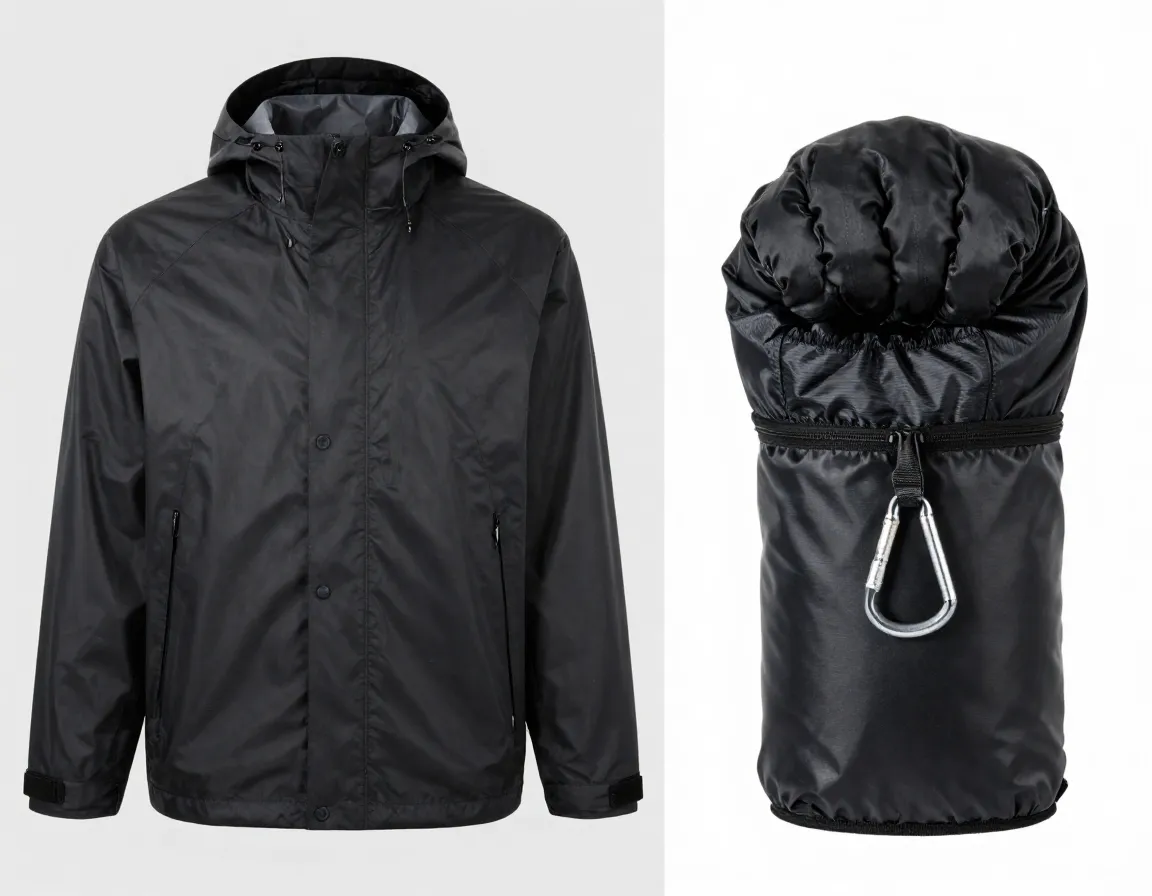
Weather is the one thing no traveler can fully control. Even if you’re heading to a sunny destination, unexpected rain is one of the most common travel disruptions worldwide.
A packable rain jacket solves this problem elegantly. The best options:
- Compress down to the size of a water bottle
- Weigh under 300 grams
- Offer waterproof AND windproof protection
- Double as a light layer in air-conditioned environments
“A packable rain jacket is the Swiss Army knife of travel outerwear — it handles rain, wind, cold planes, and chilly restaurants all in one.”
Look for jackets with sealed seams (not just water-resistant coating) for genuine waterproof performance. Brands like Patagonia, Arc’teryx, and Columbia offer excellent packable options at various price points.
This item is especially critical for travelers visiting destinations with unpredictable microclimates — think Southeast Asia during monsoon season, the Scottish Highlands, or mountain regions anywhere in the world.
6. A Reusable Water Bottle with Filtration 💧
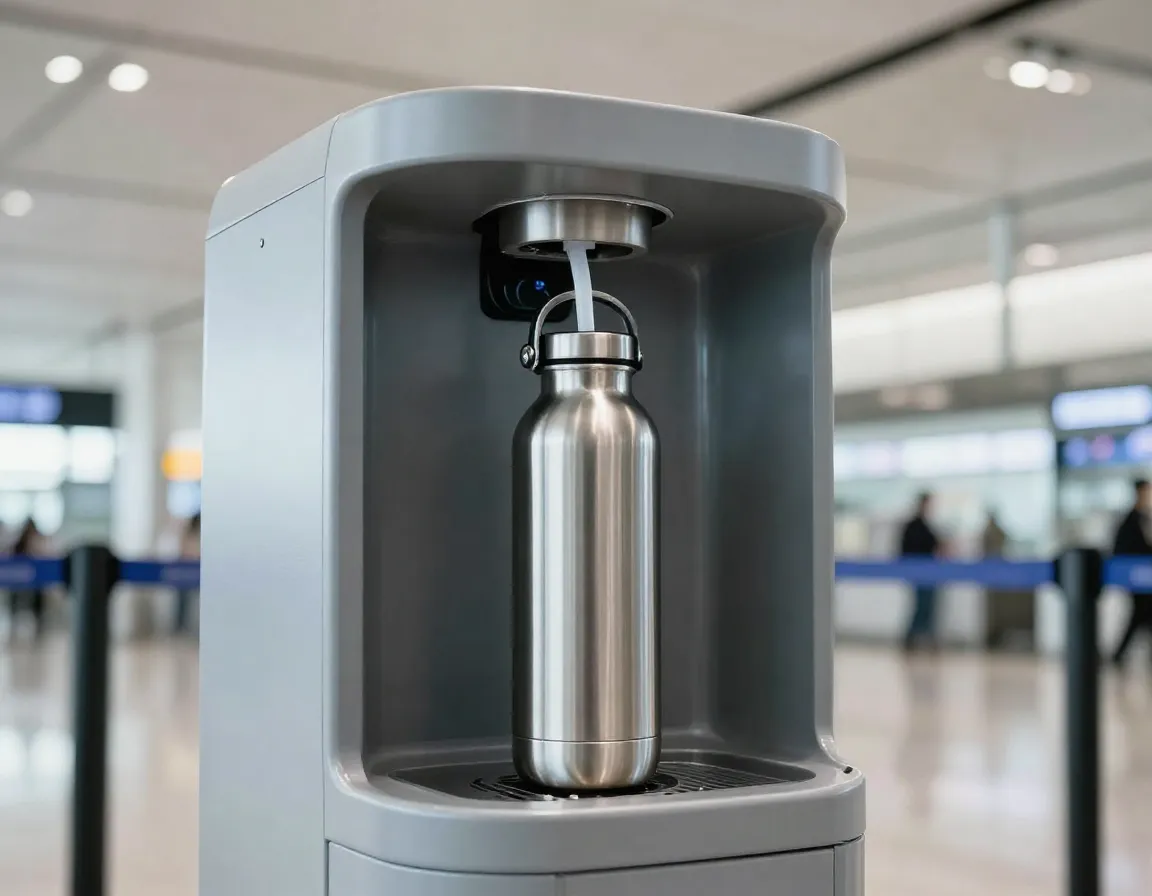
Staying hydrated is non-negotiable for travel health and energy. But buying bottled water at every destination is both expensive and environmentally damaging.
A reusable water bottle with a built-in filtration system solves both problems. In 2026, with water quality concerns in many popular travel destinations, a filtration bottle isn’t just eco-friendly — it’s a genuine safety tool.
Key features to look for:
- Filter type: Look for bottles that remove bacteria, protozoa, and microplastics
- Capacity: 500ml–750ml is the sweet spot for travel
- Insulation: Double-wall vacuum insulation keeps water cold for 24 hours
- TSA compliance: Empty bottles pass through security; fill them at airport water stations post-security
Cost savings example: If bottled water costs $2–$4 per bottle and you drink 3 bottles per day on a 10-day trip, you spend $60–$120 on water alone. A quality filtration bottle pays for itself in under a week.
7. A Compact First Aid and Medication Kit 💊
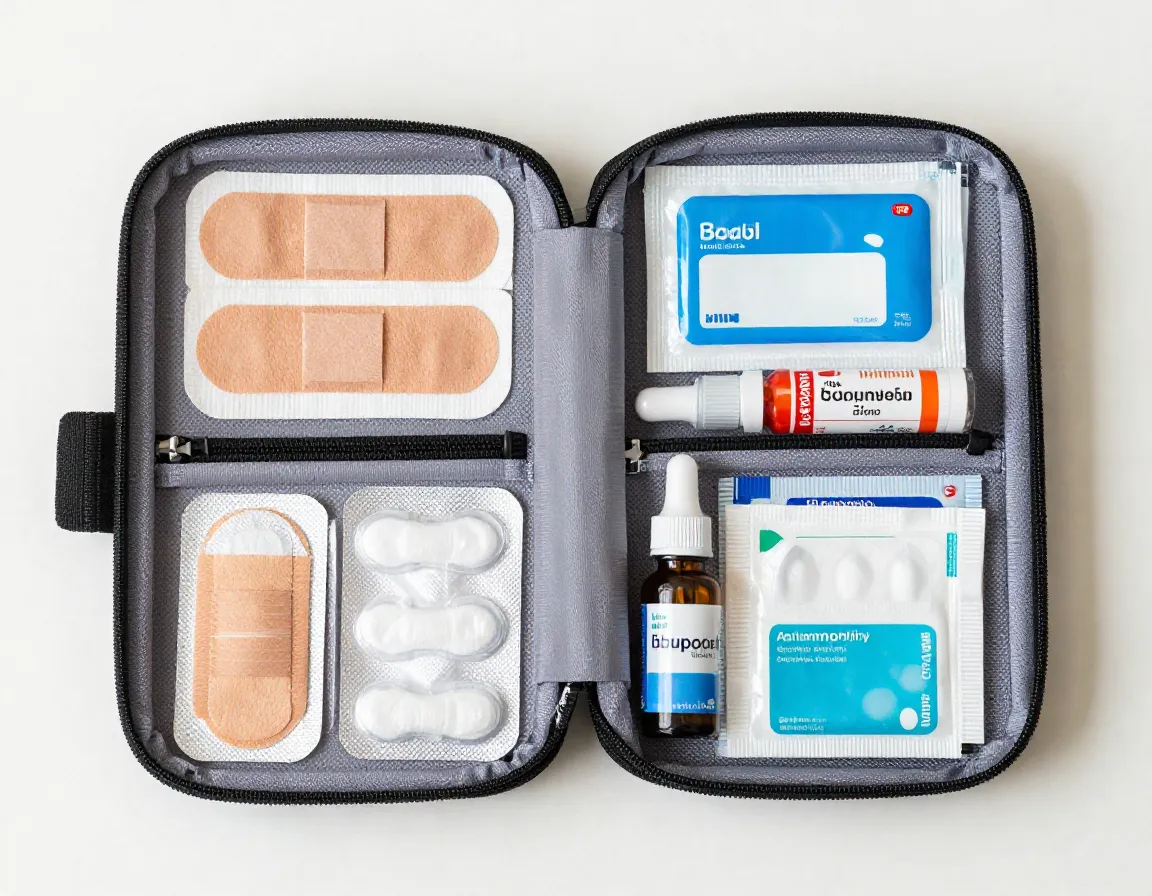
This is the item most travelers skip — until they desperately need it. A compact first aid kit tailored for travel can handle the vast majority of minor health issues that arise on the road.
Your travel first aid kit should include:
- Adhesive bandages in multiple sizes
- Antiseptic wipes and antibiotic ointment
- Pain relievers (ibuprofen and acetaminophen)
- Antihistamines for allergic reactions
- Anti-diarrheal medication (a travel essential)
- Blister treatment pads
- Any personal prescription medications (with copies of prescriptions)
- Oral rehydration salts
Important note: Research medication regulations for your destination before you travel. Some common over-the-counter medications in one country are controlled substances in another.
A pre-assembled travel first aid kit from brands like Adventure Medical Kits or MyMedic keeps everything organized and TSA-compliant. This is one item where spending a little more upfront saves enormous stress later.
8. A Microfiber Travel Towel 🏖️
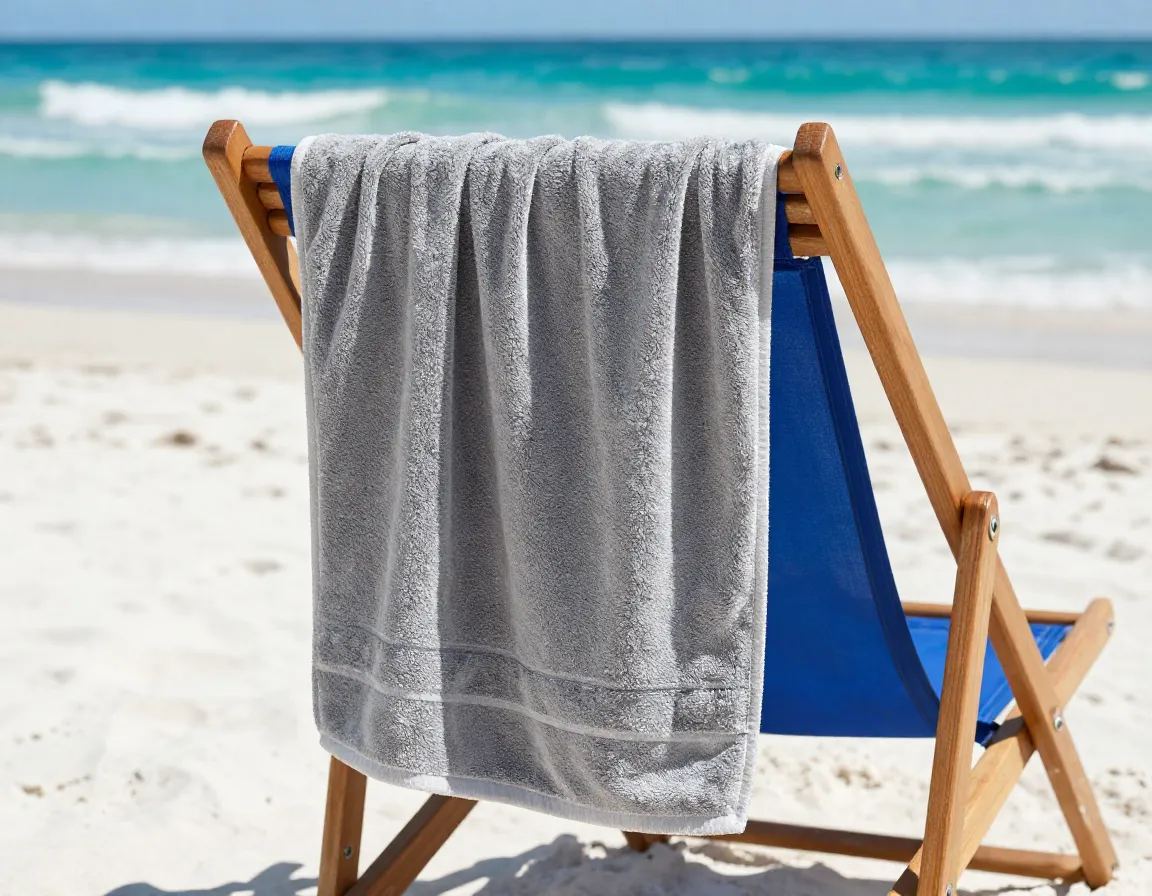
Standard hotel towels aren’t always available — especially in hostels, guesthouses, Airbnbs, or during outdoor adventures. A microfiber travel towel is one of the most underrated items on any comprehensive packing list.
Here’s why microfiber beats cotton for travel:
| Property | Microfiber | Cotton |
|---|---|---|
| Dry time | 15–30 minutes | 4–8 hours |
| Weight | 100–200g | 400–700g |
| Packed size | Fist-sized | Large bundle |
| Absorbency | 7x its weight in water | 3–4x its weight |
Choose a medium-sized towel (approximately 60cm x 120cm) that works for both beach and shower use. Many come with a carrying pouch that clips to your bag for easy access.
This item is particularly valuable for:
- Beach and lake swimming
- Camping or hiking trips
- Budget accommodations without towel service
- Post-gym or spa visits
9. A Portable Charger (Power Bank) 🔋

In 2026, your smartphone is your map, translator, boarding pass, hotel key, payment method, and emergency contact device — all at once. Running out of battery is not just inconvenient; it can be genuinely dangerous in an unfamiliar location.
A high-capacity portable charger is the final essential item in The Ultimate Travel Packing List: 9 Items for Any Destination — and arguably one of the most important.
What to look for:
- Capacity: 10,000mAh–20,000mAh covers 2–4 full phone charges
- Output: USB-C Power Delivery (PD) for fast charging
- Weight: Under 300g for carry-on comfort
- Airline compliance: Most airlines allow up to 100Wh (roughly 27,000mAh) in carry-on bags — check before you fly
“A dead phone in an unfamiliar city is the modern traveler’s worst nightmare. A power bank is cheap insurance against that scenario.”
Bonus tip: Some power banks now double as wireless charging pads, eliminating the need for a separate charging cable for compatible devices.
How to Use The Ultimate Travel Packing List: 9 Items for Any Destination Effectively
Knowing what to pack is only half the battle. Knowing how to pack these 9 items efficiently is what separates a stressed traveler from a confident one. Here’s a practical framework:
The 1-2-3 Packing Method
Step 1: Start with your 9 essentials. Lay out every item from this list before adding anything else. These are your non-negotiables.
Step 2: Add destination-specific clothing. Use the capsule wardrobe approach — choose 2–3 neutral base colors and pack items that mix and match. Aim for no more than 7 clothing items for a 7-day trip (you can do laundry).
Step 3: Do a final weight check. A carry-on bag should weigh no more than 7–10kg for most airlines. If you’re over, remove items — never add more.
Packing by Destination Type
| Destination | Key Additions to the 9 Essentials |
|---|---|
| Beach/Tropical | Reef-safe sunscreen, swimwear, flip flops |
| Mountain/Hiking | Trekking poles, thermal base layer, gaiters |
| City/Business | Wrinkle-resistant dress shirt, laptop sleeve |
| Cold Climate | Thermal underlayers, wool socks, gloves |
| Multi-destination | Extra packing cube, laundry sheets |
Common Packing Mistakes to Avoid
- ❌ Packing “just in case” items you’ve never actually used on a trip
- ❌ Bringing full-size toiletries when 3-1-1 TSA rules apply
- ❌ Forgetting to check airline baggage policies before you pack
- ❌ Packing shoes last (they’re the heaviest item — pack them first, against the wheels)
- ❌ Ignoring your destination’s cultural dress codes (research before you pack)
The 48-Hour Rule
Here’s a personal rule I swear by: pack your bag 48 hours before departure, then leave it alone. Come back 24 hours later and remove 20% of what you packed. You almost always packed too much on the first pass. This cooling-off period gives you perspective and prevents the “what if I need this?” panic packing that leads to overstuffed bags.
Frequently Asked Questions
Q: Can all 9 items fit in a carry-on?
Yes — all 9 items are specifically chosen to be carry-on compatible. The total weight of all 9 items together is typically under 2kg, leaving plenty of room and weight allowance for clothing.
Q: What’s the single most important item on the list?
It depends on your destination, but the universal power adapter and passport wallet are the two items that cause the most problems when forgotten. Never pack these in checked luggage.
Q: Are these items suitable for long-term travel (3+ months)?
Absolutely. In fact, these 9 items become more valuable on longer trips. The filtration water bottle, microfiber towel, and packing cubes are especially critical for extended travel.
Q: How much does it cost to assemble this full kit?
You can build a solid version of this kit for $150–$300 USD, depending on brand choices. Premium versions of all 9 items together typically run $400–$600. Either way, the investment pays off quickly in saved baggage fees and avoided emergencies.
Conclusion: Pack Once, Travel Everywhere
The Ultimate Travel Packing List: 9 Items for Any Destination isn’t just a checklist — it’s a travel philosophy. It’s about choosing intention over impulse, quality over quantity, and preparation over panic.
Every item on this list was chosen because it solves a real problem that real travelers face, regardless of where they’re going or how long they’re staying. From the RFID-blocking passport wallet that protects your identity to the portable power bank that keeps you connected in a crisis, these 9 essentials form the backbone of any smart packing strategy in 2026.
Your Actionable Next Steps 🚀
- Audit your current travel bag. Pull out everything and ask: does this item solve a specific problem? If not, consider leaving it behind.
- Invest in the 1–2 items you’re missing from this list. Start with the universal adapter and passport wallet if you don’t have them.
- Build your packing list digitally. Use a free tool like PackPoint, TripIt, or even a simple Google Doc to create a reusable master list.
- Apply the 48-hour rule on your next trip and see how much lighter you travel.
- Share this list with a fellow traveler who always overpacks — you might just save their next trip. ✈️
The best trips aren’t defined by how much you bring. They’re defined by how prepared you are for what you find when you get there. Pack smart. Travel far. Enjoy every moment.
References
- Patagonia. (2023). Packable travel jackets: Technology and materials guide. Patagonia.com.
- Transportation Security Administration. (2024). Liquids rule and carry-on guidelines. TSA.gov.
- International Air Transport Association. (2024). Lithium battery regulations for air travel. IATA.org.
- Adventure Medical Kits. (2023). Travel first aid kit contents and recommendations. AdventureMedicalKits.com.
- World Health Organization. (2022). Water quality and safe drinking water for travelers. WHO.int.