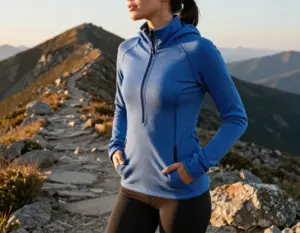
The Ultimate 9-Piece Men’s Hiking Outfit for Every Season
Picture this: you’re halfway up a mountain trail when the weather shifts — the sun disappears, the wind picks up, and you realize your gear is completely wrong for the moment. It’s a situation every hiker has faced, and it’s entirely avoidable. Building The Ultimate 9-Piece Men’s Hiking Outfit for Every Season is the smartest investment you can make before your next adventure. In 2026, the outdoor gear market is delivering better options than ever — from ultralight shells to sustainable footwear — and knowing exactly what to pack (and wear) makes the difference between a miserable slog and a memorable summit.
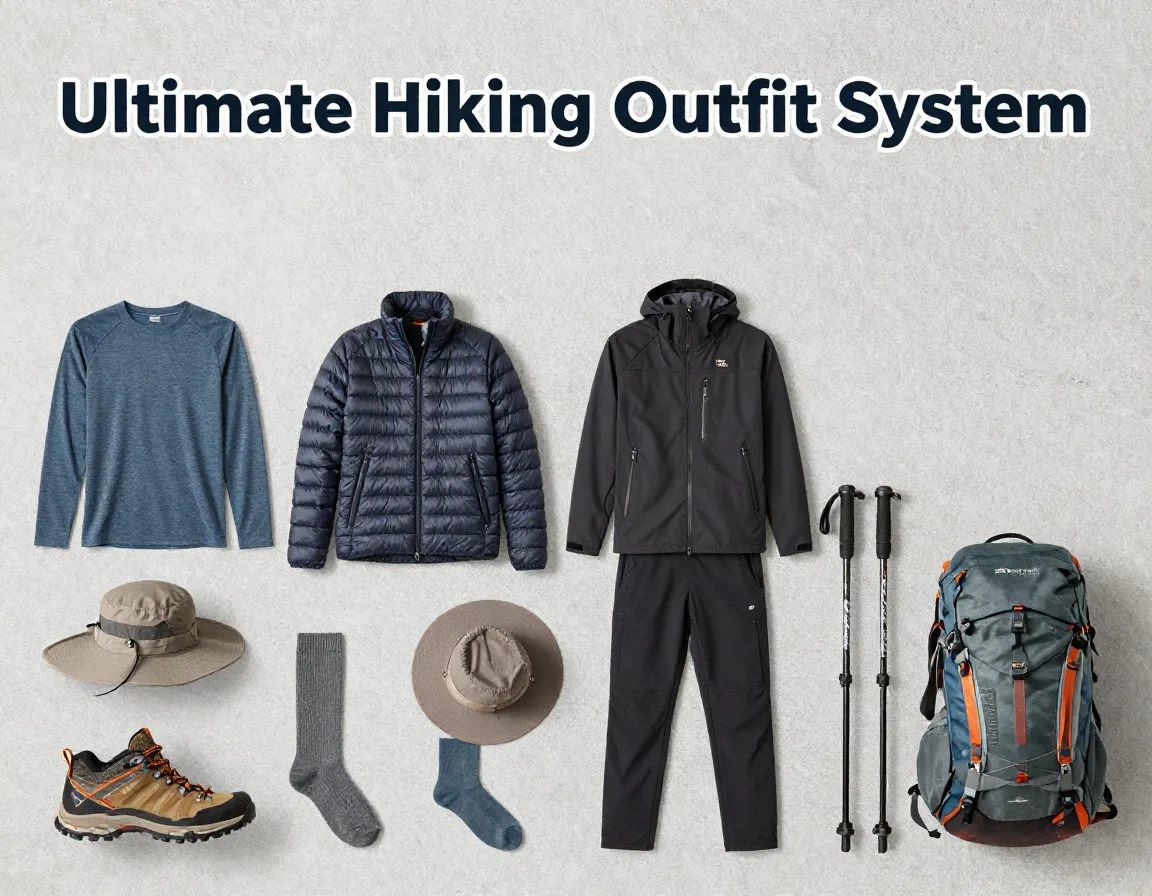
Key Takeaways 🏔️
- Layering is everything. A base, mid, and outer layer system adapts to any weather condition.
- Footwear and socks are non-negotiable. Poor choices here ruin entire trips.
- Multifunctional gear is trending. In 2026, the best pieces work on the trail and in everyday life [3].
- Sustainability matters. More brands are using recycled and bio-based materials without sacrificing performance [2].
- Nine pieces cover every season. You don’t need a closet full of gear — just the right nine items.
Why The Ultimate 9-Piece Men’s Hiking Outfit for Every Season Is Your Best Strategy
Before we dive into the list, let’s talk about why nine pieces. More isn’t always better. A focused, well-chosen kit eliminates decision fatigue, reduces pack weight, and ensures every item earns its place. The outdoor industry is shifting toward premiumization — consumers are buying fewer, better things [2]. This guide reflects that philosophy.
“The best hiking outfit isn’t the most expensive one — it’s the one that works seamlessly together across conditions.”
The “outdoor lifestyle” trend is also reshaping what we expect from trail gear. Hikers in 2026 want pieces that look sharp at the trailhead café and perform at altitude [3]. The nine items below deliver exactly that.
The Complete Breakdown: 9 Essential Pieces
1. Moisture-Wicking Base Layer
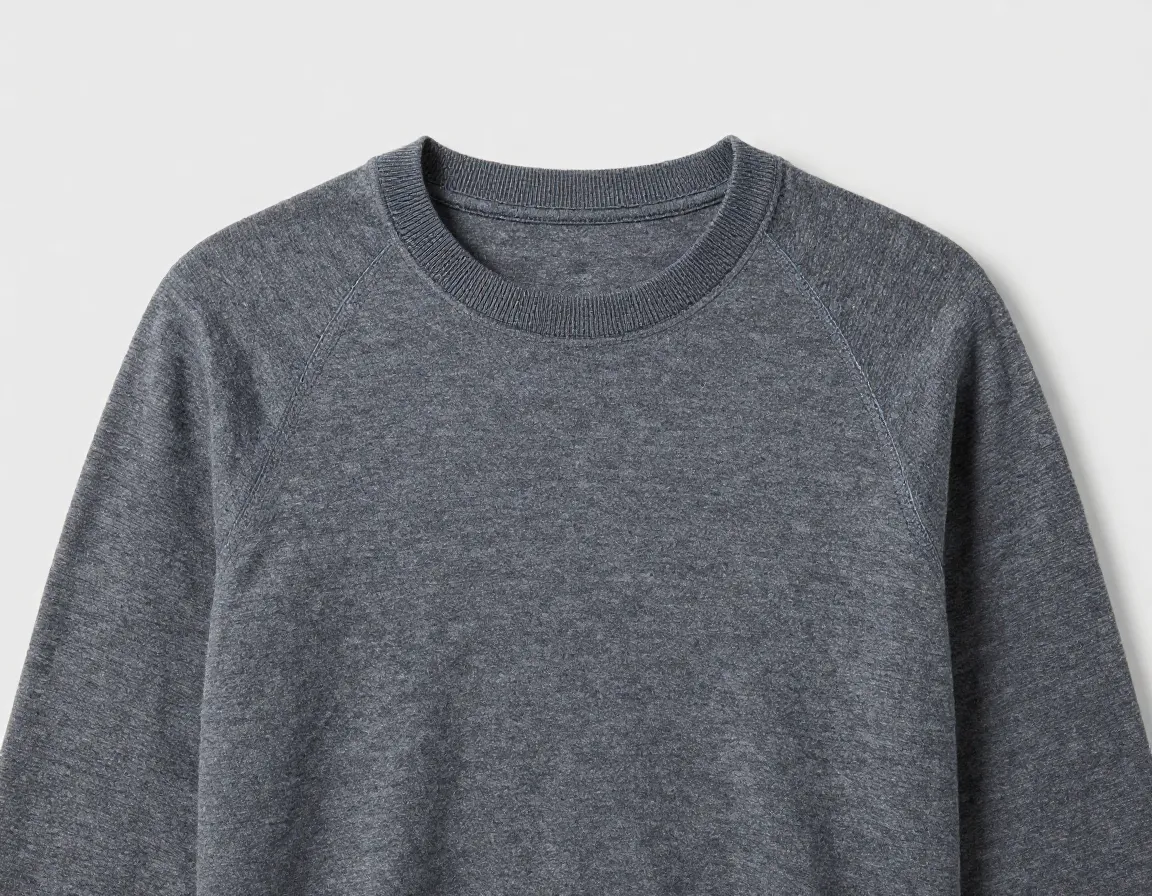
Your base layer is the foundation of everything. Choose a merino wool or synthetic crew-neck shirt that pulls sweat away from your skin. Merino is naturally odor-resistant — a huge plus on multi-day hikes. Look for a midweight option (150–200 gsm) that works from spring through fall, and a heavier version for winter layering.
What to look for:
- Flatlock seams to prevent chafing
- UPF 30+ sun protection
- Quick-dry fabric (under 30 minutes)
2. Insulating Mid-Layer Fleece or Down Jacket
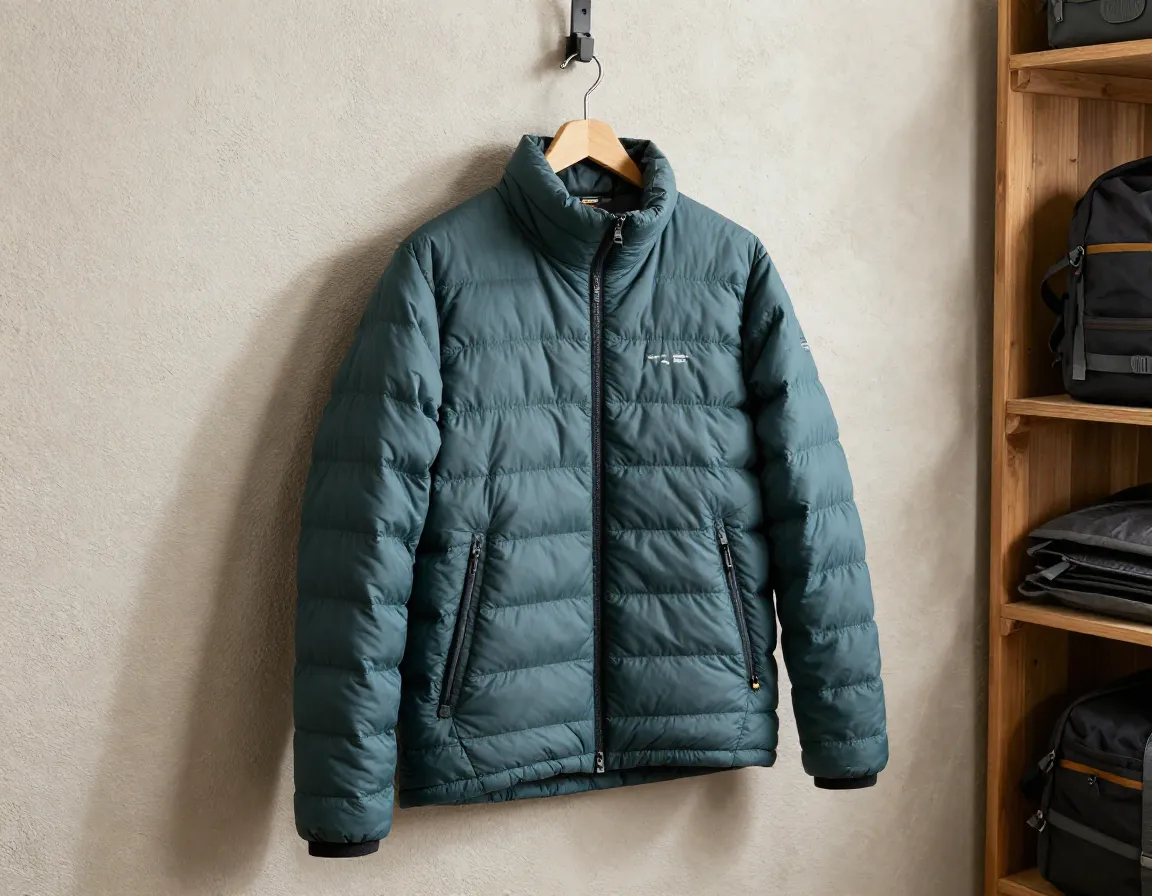
When temperatures drop, your mid-layer does the heavy lifting. A lightweight fleece or packable down jacket traps body heat without adding bulk. In 2026, brands are pushing ultralight insulation technology — Mountain Hardwear, for example, has been innovating with ultralight materials across their line [1].
Fleece vs. Down — Quick Comparison:
| Feature | Fleece | Down |
|---|---|---|
| Warmth-to-weight | Good | Excellent |
| Wet performance | Better | Poor (unless treated) |
| Packability | Moderate | Excellent |
| Price | Lower | Higher |
| Sustainability options | Recycled polyester | Responsible Down Standard |
3. Waterproof Hardshell Jacket
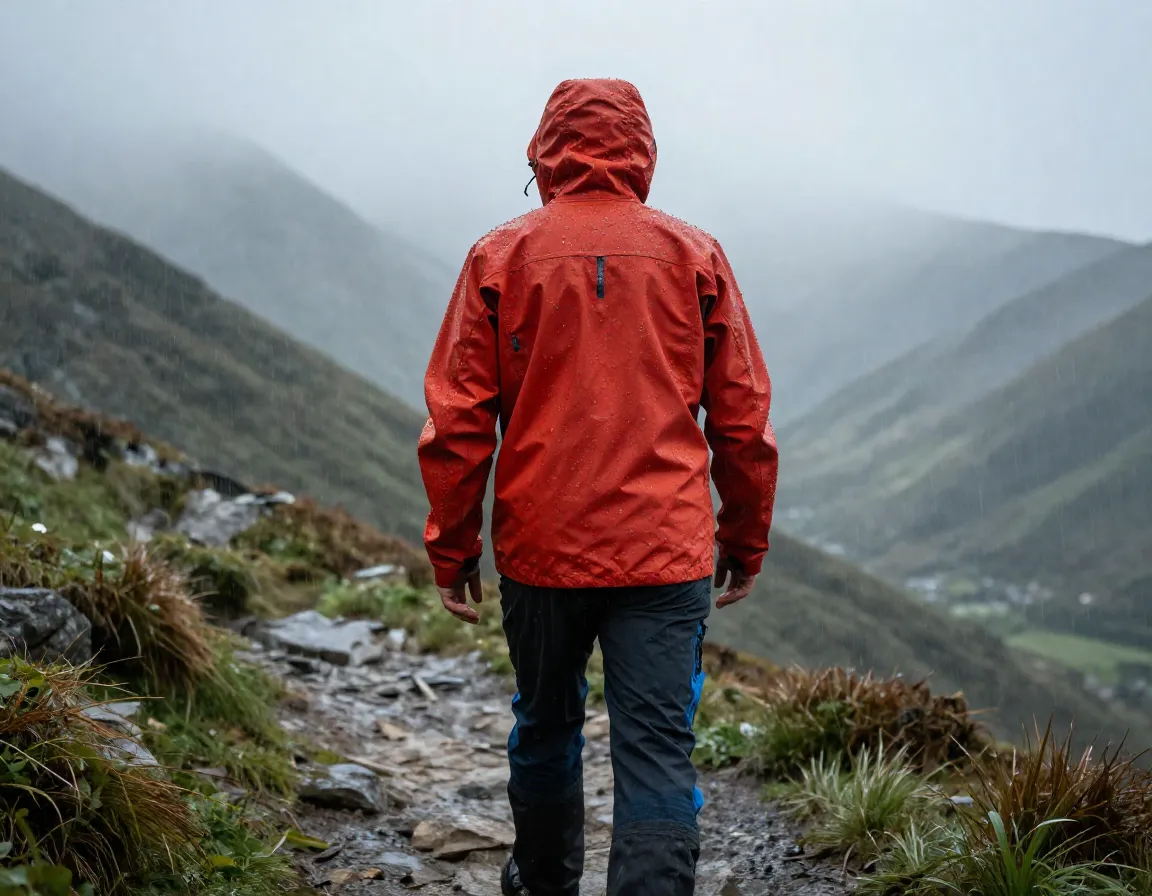
No hiking kit is complete without a waterproof, breathable hardshell. This is your armor against rain, wind, and unexpected snow. Norrona’s updated Tamok shell kit is a standout example of where technical outerwear is heading in 2026 — highly breathable, durable, and built for serious mountain use [1].
Key specs to prioritize:
- Waterproof rating: 20,000mm or higher
- Breathability: 20,000 g/m²/24h or higher
- Fully taped seams
- Helmet-compatible hood
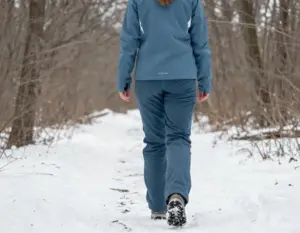
4. Convertible Hiking Pants
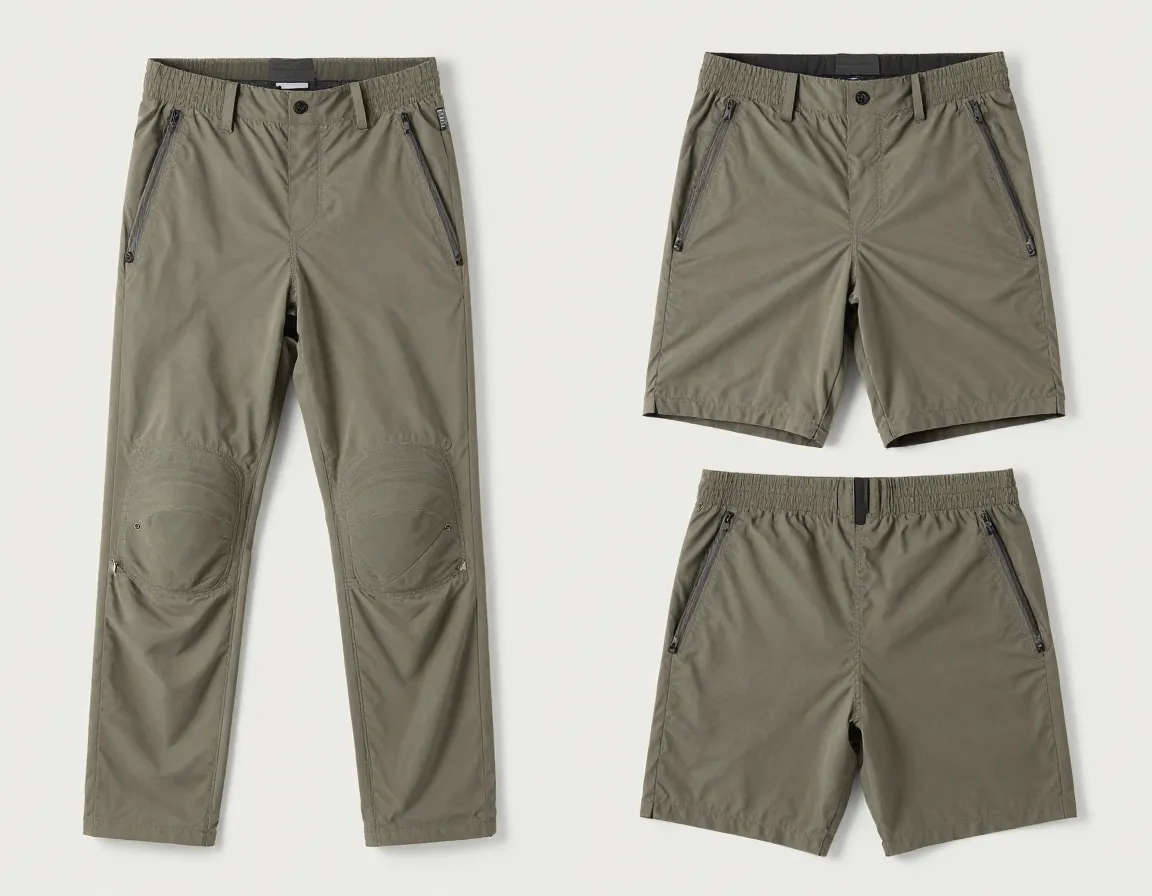
Convertible pants that zip off into shorts are the unsung heroes of any seasonal hiking wardrobe. They adapt to changing temperatures without requiring you to carry separate bottoms. Look for nylon-spandex blends with four-way stretch, reinforced knees, and multiple zippered pockets.
🌿 Sustainability tip: Several brands now offer pants made from recycled nylon, cutting environmental impact without sacrificing durability [2].
5. Merino Wool Hiking Socks
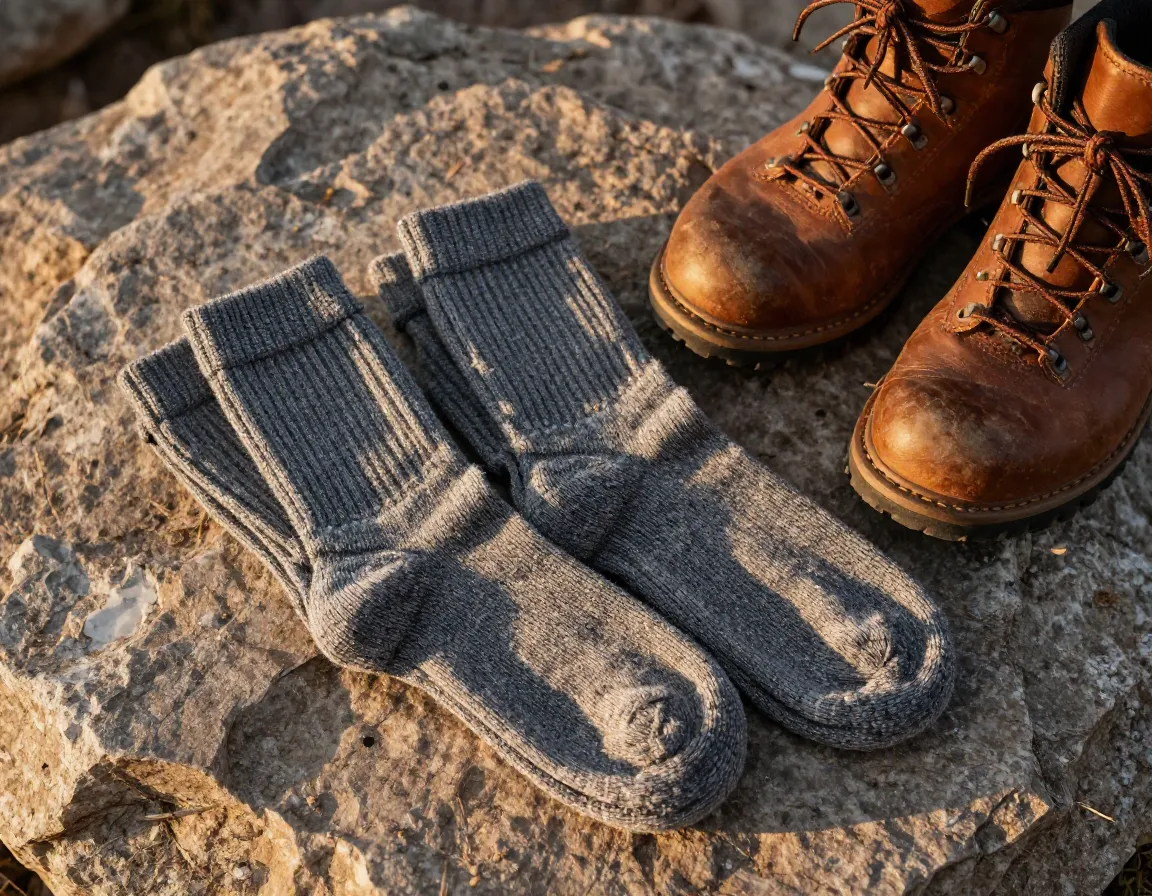
Socks are where hikers most often cut corners — and pay the price in blisters. Merino wool hiking socks regulate temperature, wick moisture, and resist odor better than any synthetic alternative. Choose cushioning weight based on terrain: light cushion for well-maintained trails, medium or heavy cushion for rocky backcountry routes.
“Invest in your socks the way you invest in your boots. Your feet will thank you at mile 10.”
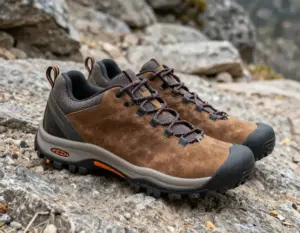
6. Waterproof Hiking Boots or Trail Runners
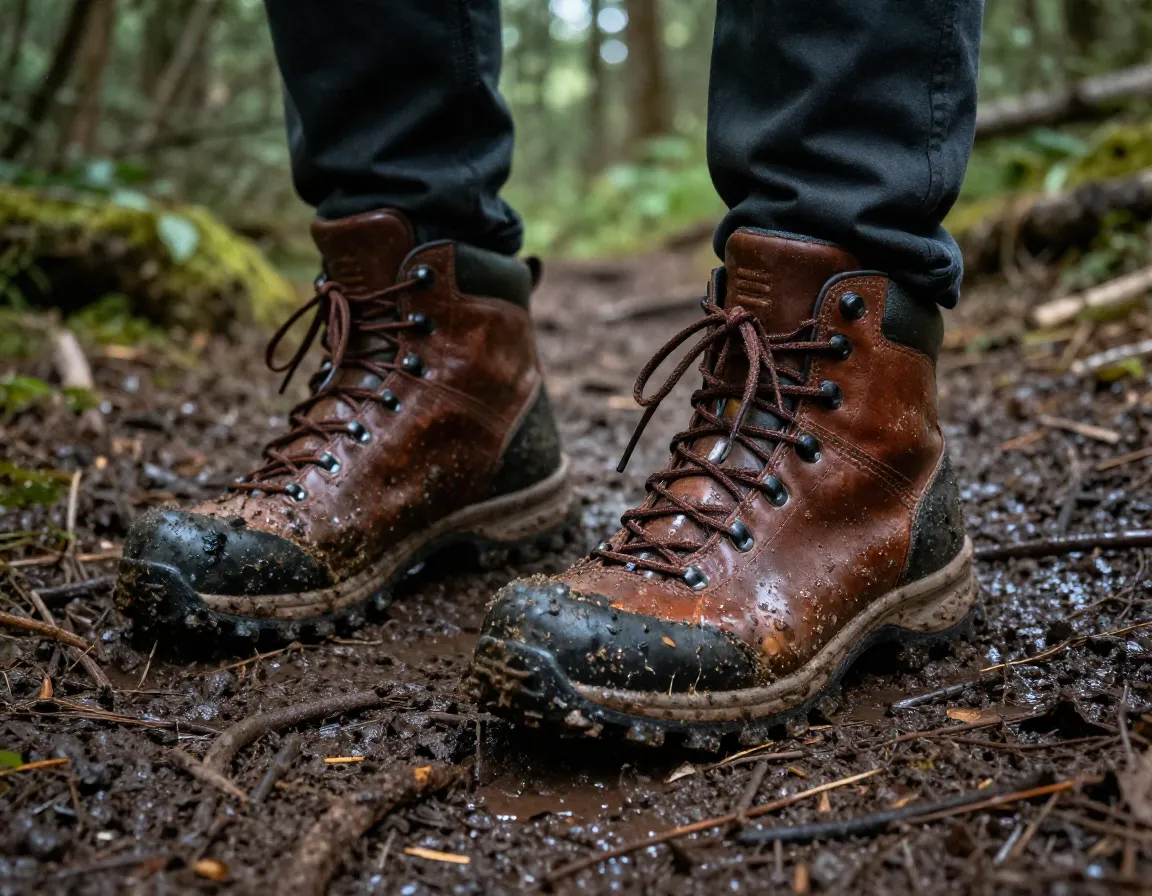
Footwear is arguably the most personal choice in your kit. The 2026 outdoor market is seeing significant premiumization in outdoor footwear, with brands investing in better last shapes, sustainable outsoles, and improved waterproofing technology [2].
Two main options:
- Waterproof hiking boots: Best for heavy loads, technical terrain, and cold/wet conditions. More ankle support.
- Trail running shoes: Lighter, faster-drying, better for well-maintained trails and warm weather. Growing in popularity.
For a true all-season kit, waterproof hiking boots edge out trail runners — they handle the widest range of conditions.
7. Wide-Brim Sun Hat
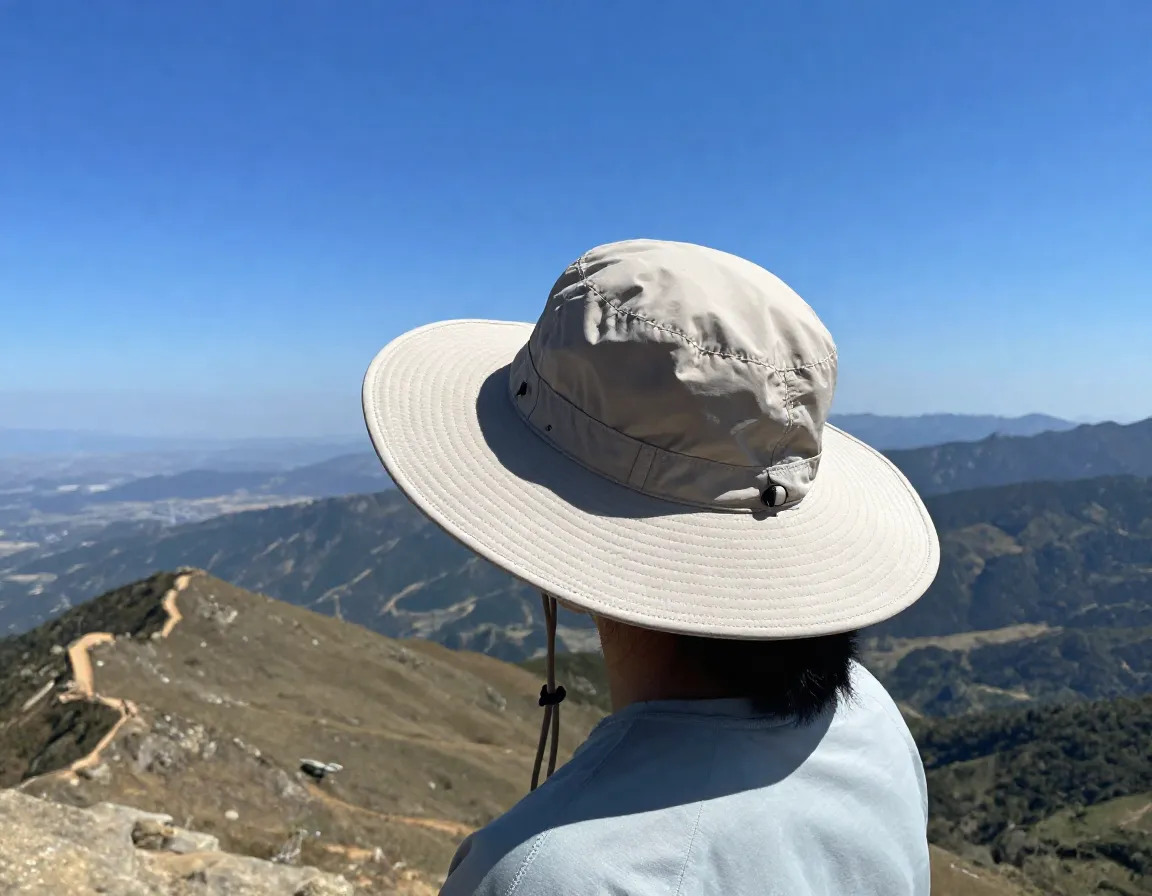
Sun protection is serious business. A wide-brim hat (3-inch brim minimum) shields your face, neck, and ears from UV radiation — the #1 cause of long-term skin damage for outdoor enthusiasts. Look for UPF 50+ rated fabric, a moisture-wicking sweatband, and a chin strap for windy ridgelines.
In summer, this piece is non-negotiable. In fall and spring, it doubles as light rain protection. Pair it with a warm beanie for winter hikes.
8. Trekking Poles
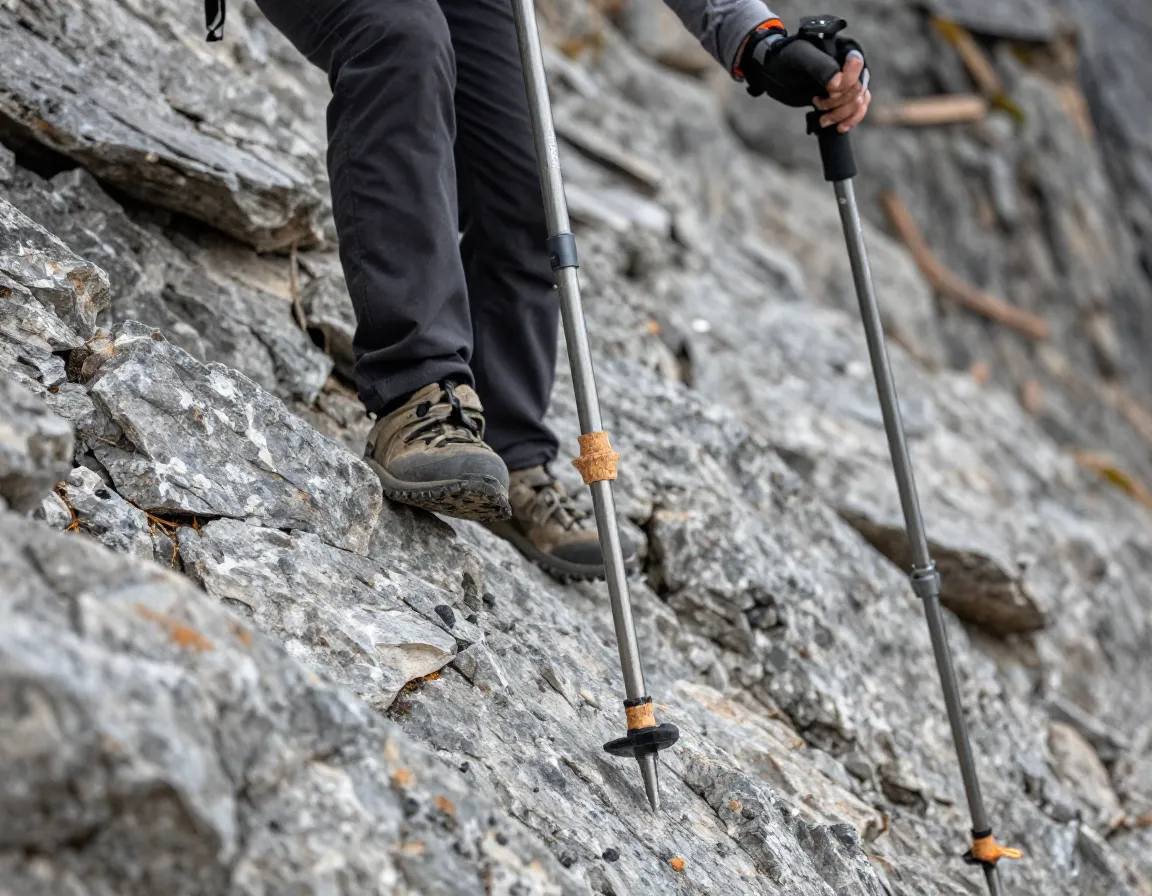
Trekking poles reduce knee stress by up to 25% on descents — a well-documented benefit for hikers of all fitness levels. Modern poles are collapsible or foldable, making them easy to stow when you hit scrambling sections. Look for:
- Carbide or rubber tips (switchable)
- Cork or foam grips (sweat-absorbing)
- Lightweight aluminum or carbon fiber construction
Outside Online’s 2026 gear preview highlighted several next-generation pole designs optimized for both trail running and traditional hiking [4].
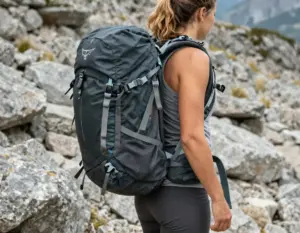
9. Technical Daypack (20–30L)
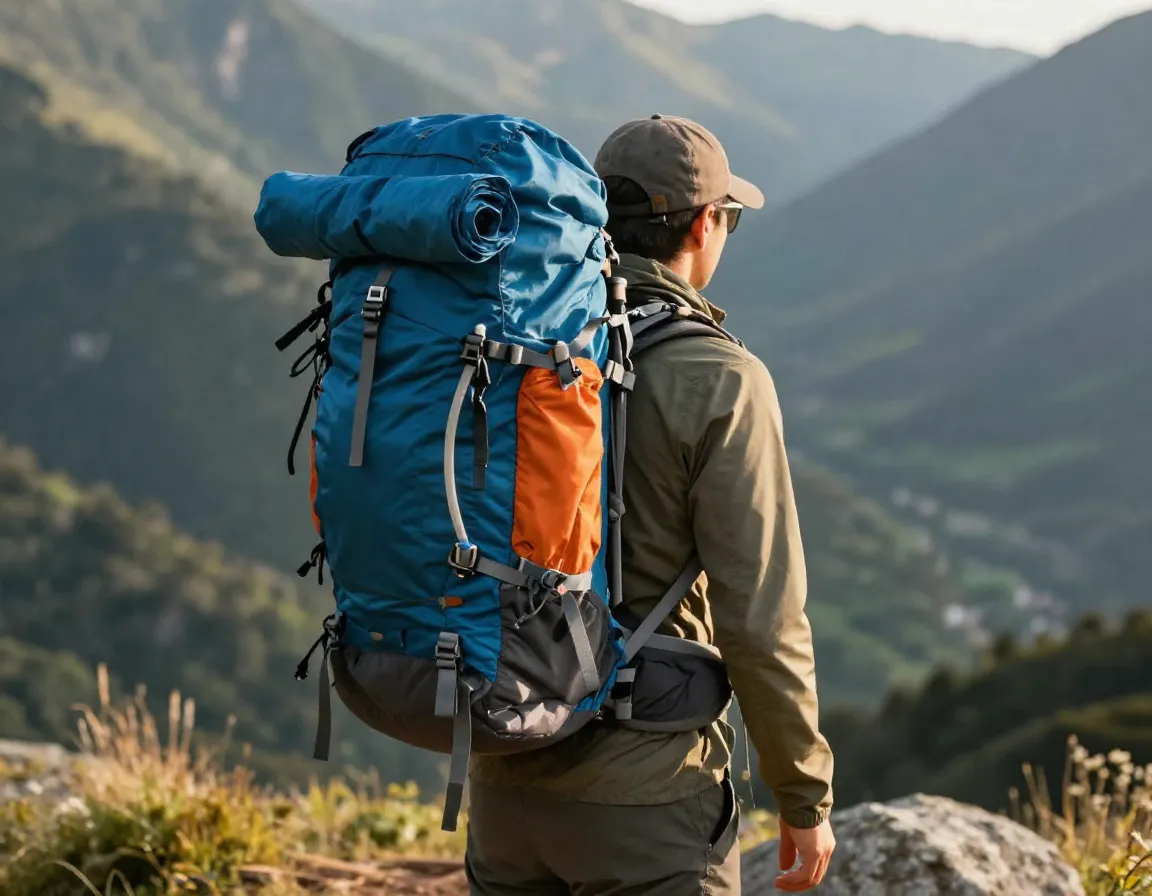
Your pack ties the whole system together. A 20–30 liter technical daypack is the sweet spot for day hikes and light overnight trips. Features to prioritize:
- Hydration reservoir sleeve (2–3L compatible)
- Hip belt with pockets for snacks and phone
- Rain cover included or integrated
- Trekking pole attachment loops
Mountain Hardwear’s ultralight ALUULA backpack line, highlighted at the Outdoor Market Alliance Winter 2026 showcase, represents the cutting edge of pack design — prioritizing minimal weight without sacrificing load management [1].
How to Adapt The Ultimate 9-Piece Men’s Hiking Outfit for Every Season
The beauty of this system is its modularity. Here’s how to configure your nine pieces across all four seasons:
| Season | Core Pieces | Add/Swap |
|---|---|---|
| ☀️ Summer | Base layer, convertible pants, trail shoes, sun hat, daypack | Remove mid-layer, carry shell in pack |
| 🍂 Fall | All 9 pieces | Add beanie, light gloves |
| ❄️ Winter | All 9 pieces | Heavier base layer, insulated boots, gaiters |
| 🌧️ Spring | All 9 pieces | Prioritize waterproof shell, waterproof boots |
The outdoor lifestyle trend confirms that today’s hikers want gear that transitions seamlessly between seasons and settings [3]. This nine-piece system was built with exactly that flexibility in mind.
Conclusion: Build Your Kit, Hit the Trail
The Ultimate 9-Piece Men’s Hiking Outfit for Every Season isn’t about spending the most money — it’s about making smart, intentional choices that serve you across every condition. Start with the pieces you’re weakest on: if your feet suffer, prioritize boots and socks first. If you hike in variable weather, get your layering system dialed in before anything else.
Your actionable next steps:
- Audit your current gear against this nine-piece framework.
- Identify your two biggest gaps and address those first.
- Prioritize quality over quantity — one great piece beats three mediocre ones.
- Check 2026 gear releases from brands like Norrona, Mountain Hardwear, and others pushing innovation this year [1][4].
- Test your full kit on a local trail before committing it to a major expedition.
The trail is waiting. Build the kit, trust the system, and go find your summit. 🏔️
References
[1] Outdoor Market Alliance Winter 2026 – https://www.treelinereview.com/news/outdoor-market-alliance-winter-2026
[2] Outdoor Gearequipmen Market 34193 – https://www.intelmarketresearch.com/outdoor-gearequipmen-market-34193
[3] Outdoor Industry Trends For 2026 And Beyond – https://deercampdigital.com/outdoor-industry-trends-for-2026-and-beyond/
[4] 2026 Outdoor Gear Preview – https://www.outsideonline.com/outdoor-gear/2026-outdoor-gear-preview/