7 Clever Camping Gear Storage Solutions To Keep Your Kit Ready
Picture this: the weekend weather forecast shows perfect camping conditions, but when excitement strikes and it’s time to pack, the gear hunt begins. Sleeping bags buried in closets, camping stove parts scattered across the garage, and that essential headlamp nowhere to be found. Sound familiar? Disorganized camping gear storage transforms what should be spontaneous outdoor adventures into frustrating preparation marathons.
Disclosure: This post contains affiliate links. As an Amazon Associate, we earn from qualifying purchases, and at no extra cost to you.
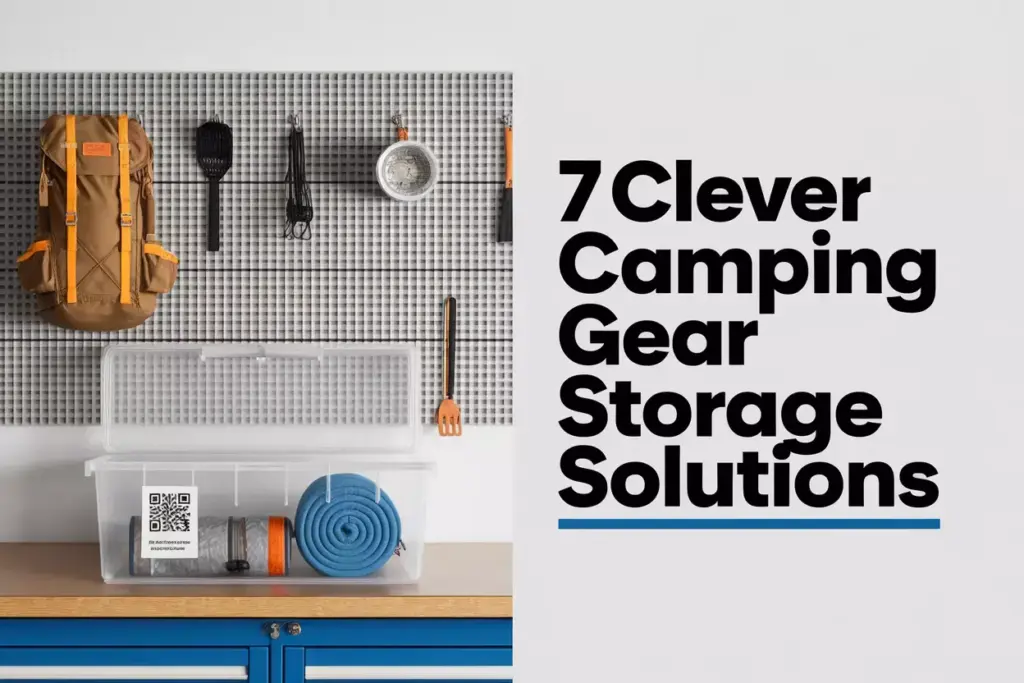
The 7 Clever Camping Gear Storage Solutions To Keep Your Kit Ready outlined in this guide eliminate the chaos and keep outdoor enthusiasts prepared for any adventure. These proven strategies ensure camping equipment stays organized, accessible, and ready for immediate deployment, whether planning a weekend getaway or responding to last-minute camping invitations.
Key Takeaways
- Modular storage systems with clear containers and labels reduce packing time by up to 75% compared to traditional storage methods
- Digital inventory management using apps and QR codes prevents forgotten essentials and tracks gear condition across multiple trips
- Climate-controlled storage solutions extend equipment lifespan by protecting against moisture, temperature fluctuations, and pest damage
- Maintenance scheduling systems ensure gear reliability and prevent costly replacements through proactive care routines
- Quick-access organization enables spontaneous camping trips by keeping essential items immediately available and trip-ready
Essential Storage Principles for Camping Gear Organization
Before diving into specific storage solutions, understanding fundamental organization principles creates the foundation for any successful camping gear storage system. These core concepts guide decision-making and ensure long-term storage success.
Climate Control and Protection
Moisture control ranks as the top priority for camping gear preservation. Tents, sleeping bags, and clothing require dry storage environments to prevent mold, mildew, and material degradation. Temperature stability protects synthetic materials from extreme heat damage and prevents metal components from expanding and contracting excessively.
Pest prevention becomes crucial for fabric items and food-related camping supplies. Sealed containers and regular inspection routines keep rodents and insects away from expensive outdoor equipment.
Accessibility and Frequency-Based Organization
High-frequency items like headlamps, first aid supplies, and multi-tools deserve prime storage real estate with immediate accessibility. Seasonal equipment can occupy less convenient storage areas since access occurs less frequently.
Trip-specific grouping allows campers to grab complete gear sets without hunting through multiple storage locations. Weekend camping essentials stay separate from extended backpacking equipment or car camping supplies.
1. Modular Container Systems: Building Blocks of Organization
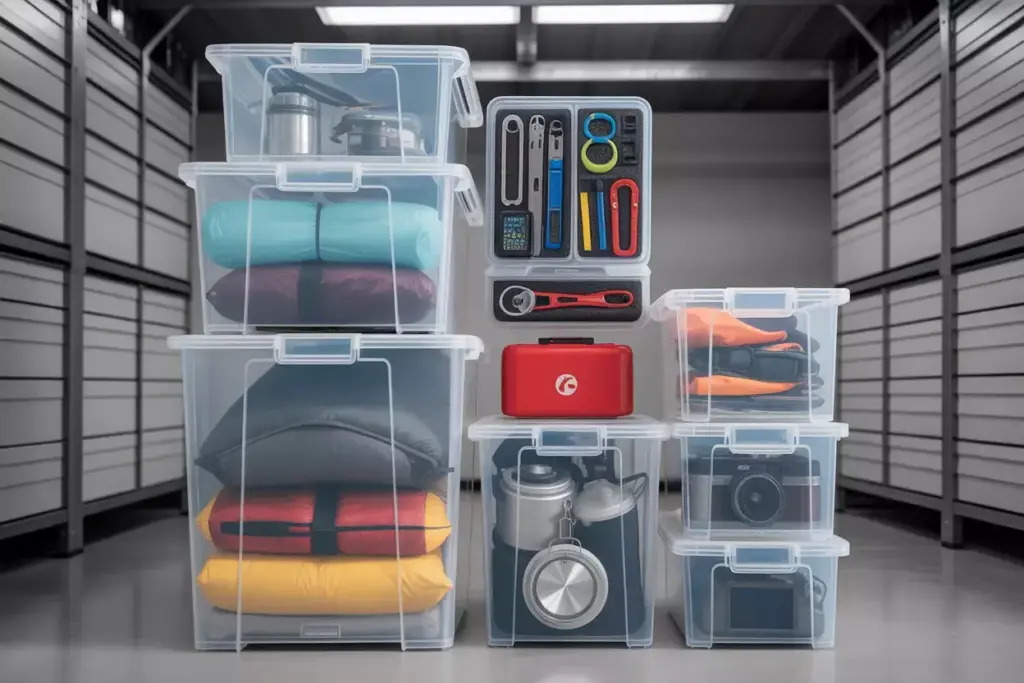
Modular storage containers form the backbone of effective camping gear organization. These systems adapt to changing gear collections and provide consistent organization across different storage spaces.
Clear Plastic Storage Bins
Transparent containers eliminate guesswork and reduce search time dramatically. Large bins accommodate bulky items like sleeping bags and tents, while smaller containers organize accessories and repair supplies.
Stackable designs maximize vertical storage space in garages, basements, and closets. Choose containers with secure locking lids to prevent moisture infiltration and accidental spills.
Recommended sizes for camping gear storage:
- Large bins (50+ quarts): Tents, sleeping bags, large tarps
- Medium bins (20-35 quarts): Cooking equipment, camp chairs, clothing
- Small bins (5-15 quarts): First aid supplies, electronics, repair kits
Drawer Organizer Inserts
Compartmentalized storage within larger containers creates designated spaces for small items that typically get lost in large bins. Adjustable dividers accommodate different item sizes and allow customization as gear collections evolve.
Foam inserts protect delicate electronics and prevent items from shifting during transport. Custom-cut foam provides perfect fits for expensive equipment like GPS devices, cameras, and portable power banks.
2. Vertical Wall Organization: Maximizing Space Efficiency
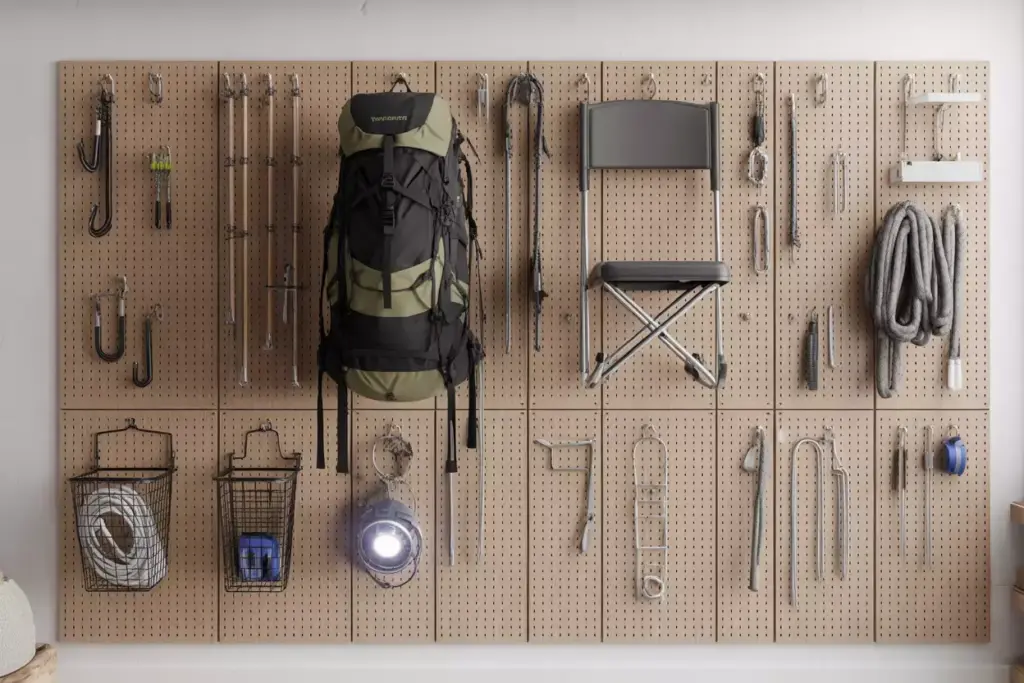
Wall-mounted storage systems transform unused vertical space into highly functional gear organization areas. These solutions work particularly well in garages, basements, and dedicated outdoor gear rooms.
Pegboard Systems
Pegboard walls offer incredible flexibility for hanging camping equipment. Hooks, baskets, and specialized holders accommodate everything from backpacks to camp cookware.
Tool organization becomes simple with pegboard systems. Hammers, hatchets, rope, and carabiners hang in clear view and remain easily accessible. Outline tools with markers to identify missing items quickly.
Modular accessories allow pegboard systems to evolve with changing storage needs. Add shelves for bins, hooks for larger items, or specialized holders for specific equipment types.
Slatwall Storage
Slatwall panels provide more robust support than pegboards for heavier camping equipment. These systems handle substantial weight loads and offer professional-grade organization capabilities.
Heavy-duty hooks support loaded backpacks, camp chairs, and even kayak paddles. Baskets hold loose items while maintaining easy access and visibility.
3. Climate-Controlled Storage Solutions
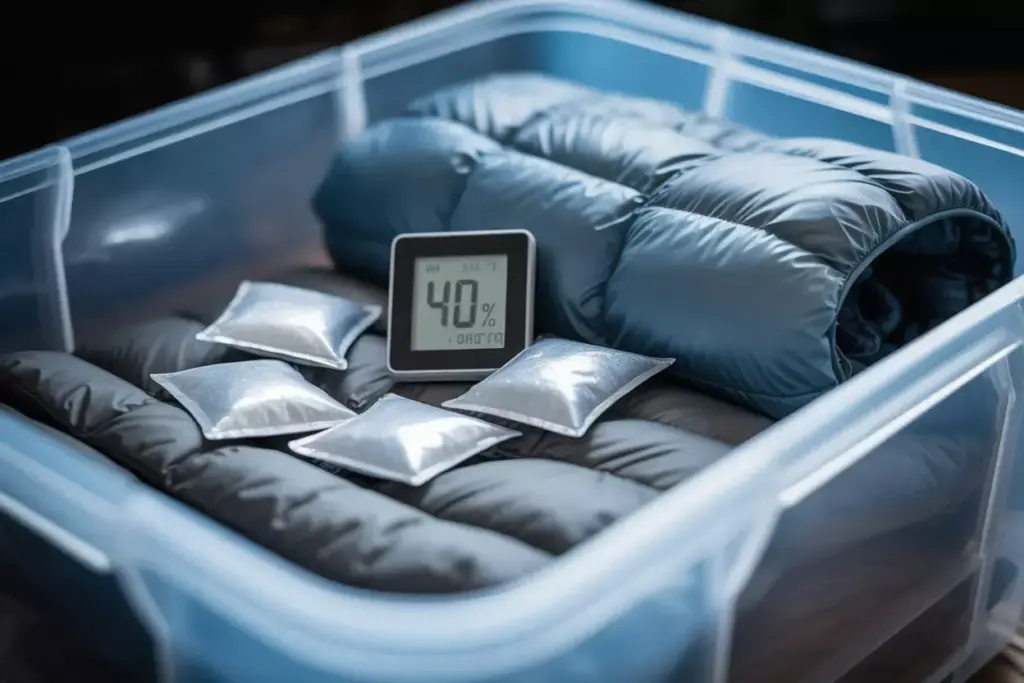
Environmental protection extends camping gear lifespan significantly and maintains equipment reliability. Proper climate control prevents costly replacements and ensures gear performs when needed.
Moisture Management
Silica gel packets absorb excess humidity in sealed containers. Large containers benefit from multiple packets, especially in humid climates or damp storage areas.
Ventilated storage works better for some items than completely sealed systems. Sleeping bags and down jackets need air circulation to maintain loft and prevent compression damage.
Moisture monitoring using simple hygrometers helps maintain optimal storage conditions. Target humidity levels between 30-50% for most camping equipment.
Temperature Considerations
Avoid extreme temperatures that damage synthetic materials and adhesives. Garage storage often experiences temperature swings that affect gear longevity.
Insulated storage areas provide more stable environments for sensitive equipment. Basements typically offer better temperature control than attics or unheated garages.
Smart Technology Integration: Digital Solutions for Modern Campers
Technology integration brings camping gear storage into the digital age with inventory management, maintenance tracking, and quick identification systems that streamline outdoor adventure preparation.
Inventory Management Apps
Digital catalogs eliminate guesswork about gear availability and condition. Popular apps like Sortly and MyStuff2 allow photo-based inventory creation with detailed notes about each item’s condition, purchase date, and storage location.
Barcode scanning speeds up inventory updates and makes gear tracking effortless. Many apps support custom labels and QR codes for instant item identification.
Shared inventories benefit families and camping groups by allowing multiple users to access gear lists. This prevents duplicate purchases and ensures everyone knows what equipment is available.
QR Code Labeling Systems
QR code labels on storage containers provide instant access to detailed contents lists. Scanning codes with smartphones reveals complete inventories without opening containers.
Maintenance reminders link to QR codes and track when equipment needs cleaning, waterproofing, or replacement. Set calendar alerts for seasonal maintenance tasks.
Photo documentation attached to QR codes shows exactly how items should be packed and stored. This visual reference speeds up organization and maintains consistency.
Maintenance Tracking
Digital maintenance logs track equipment condition and service history. Record waterproofing dates, repair work, and replacement schedules to maximize gear reliability.
Seasonal checklists ensure nothing gets overlooked during pre-trip preparations. Create custom lists for different camping styles and trip durations.
Warranty tracking prevents missed opportunities for equipment replacement or repair under manufacturer guarantees. Store purchase receipts and warranty information digitally for easy access.
4. Seasonal Rotation Systems
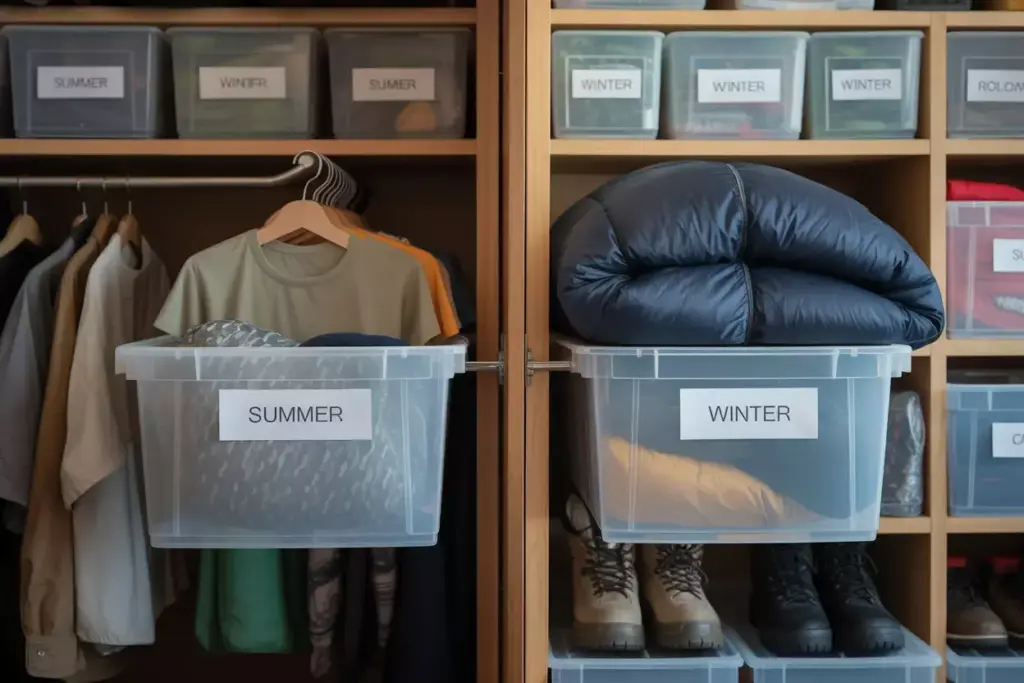
Seasonal organization keeps currently relevant gear accessible while storing off-season equipment efficiently. This rotation system prevents storage areas from becoming cluttered with unused items.
Winter vs Summer Gear Separation
Cold weather equipment like insulated sleeping bags, winter boots, and snow gear can move to less accessible storage during warm months. Summer camping supplies take priority positions for easy access.
Transition periods in spring and fall require temporary storage flexibility. Plan for overlap periods when both seasonal gear types might be needed.
Storage Location Rotation
Prime storage spots should house currently relevant equipment. Rotate gear locations seasonally rather than digging through off-season items to reach needed supplies.
Climate considerations affect rotation timing. Regions with extended seasons may delay transitions, while areas with distinct seasonal changes benefit from strict rotation schedules.
5. Quick-Access Emergency Kits
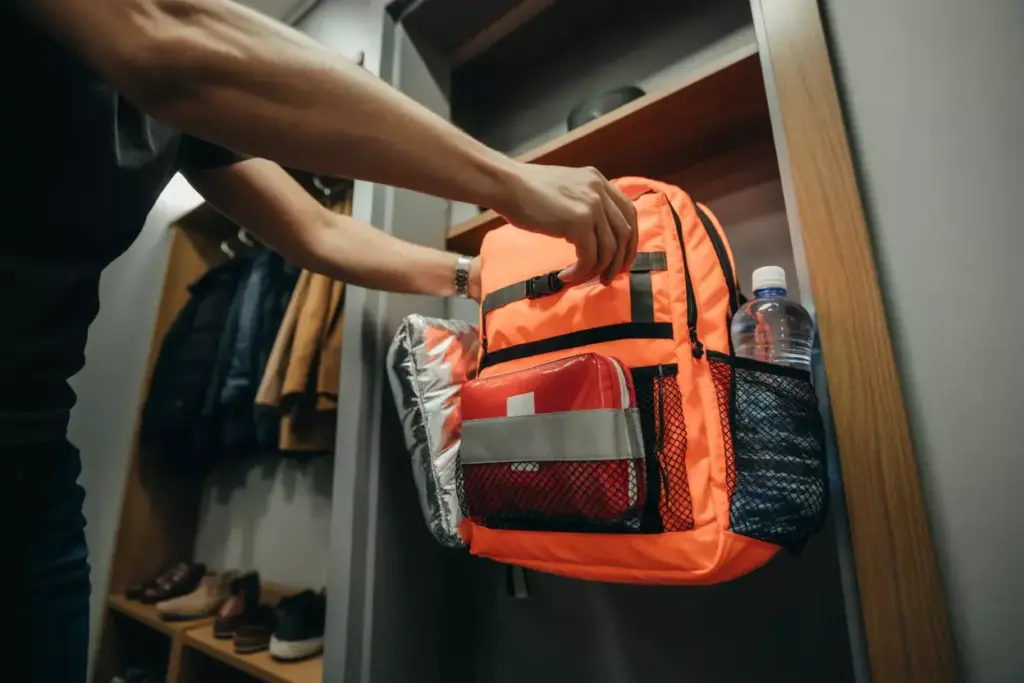
Emergency preparedness requires instantly accessible gear that doesn’t depend on extensive organization systems. These quick-grab solutions ensure essential items stay ready for immediate deployment.
Go-Bag Systems
Pre-packed emergency kits contain essential items for unexpected outdoor situations. Include first aid supplies, emergency shelter, water purification, and signaling devices.
Regular rotation prevents emergency supplies from expiring or degrading. Check and refresh go-bag contents quarterly to maintain reliability.
Multiple locations for emergency kits ensure availability regardless of circumstances. Keep sets in vehicles, homes, and primary storage areas.
Vehicle-Based Storage
Permanent vehicle storage keeps basic camping supplies always available for spontaneous adventures. Rugged containers withstand temperature extremes and vehicle vibration.
Weight considerations affect fuel efficiency and vehicle handling. Focus on lightweight, multi-purpose items for permanent vehicle storage.
6. Maintenance Station Setup
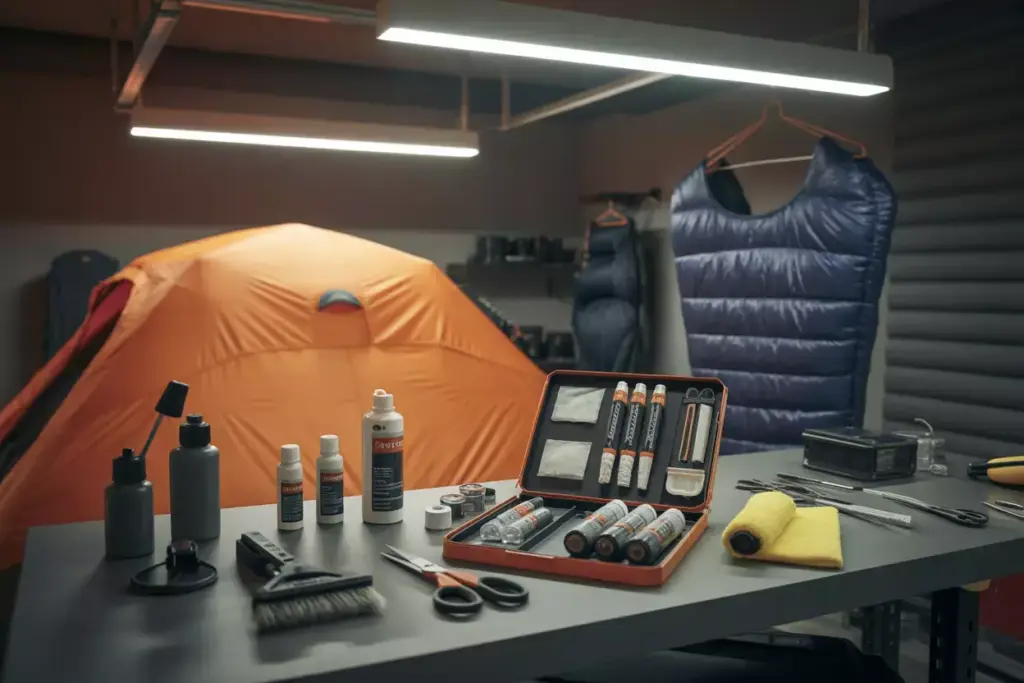
Dedicated maintenance areas streamline gear care and extend equipment lifespan through regular attention and proper cleaning procedures.
Cleaning and Repair Workspace
Ventilated areas safely accommodate waterproofing treatments and cleaning chemicals. Good lighting enables detailed inspection and precise repair work.
Tool organization keeps maintenance supplies readily available. Store tent repair kits, seam sealers, and cleaning products in clearly labeled containers near the work area.
Drying space allows proper air-drying after cleaning. Hanging systems and flat drying areas accommodate different equipment types and sizes.
Preventive Maintenance Schedules
Regular inspection routines catch problems before they become failures in the field. Check zippers, seams, and hardware during off-season storage periods.
Seasonal maintenance tasks include waterproofing renewal, deep cleaning, and hardware lubrication. Schedule these activities during gear rotation periods for maximum efficiency.
7. Space-Efficient Vacuum Storage

Vacuum storage bags dramatically reduce storage space requirements for compressible items like sleeping bags, clothing, and soft-shell jackets.
Compression Techniques
Proper compression maintains item integrity while maximizing space savings. Avoid over-compression that damages insulation or creates permanent creases.
Item selection determines vacuum storage success. Down products compress well but need regular fluffing, while synthetic fills handle compression better long-term.
Long-term Storage Considerations
Rotation schedules prevent permanent compression damage. Remove items from vacuum storage periodically to restore loft and check condition.
Climate control remains important even in vacuum-sealed storage. Temperature extremes can still affect sealed items and bag integrity.
Advanced Organization Strategies
Professional-grade organization techniques borrowed from commercial outfitters and gear rental companies provide inspiration for serious outdoor enthusiasts with extensive equipment collections.
Color-Coding Systems
Visual identification speeds up gear selection and inventory management. Assign colors to different activity types, seasons, or family members for instant recognition.
Consistent labeling reinforces color-coding systems with clear text identification. Combine visual and written cues for maximum effectiveness.
Load-Out Planning
Trip-specific organization pre-groups gear for common camping scenarios. Create standard load-outs for weekend trips, extended backpacking, and car camping adventures.
Checklist integration ensures nothing gets forgotten during trip preparation. Develop detailed lists for each load-out type and update based on experience.
Common Storage Mistakes to Avoid
Learning from common errors prevents costly mistakes and equipment damage that result from poor storage practices.
Moisture Traps
Inadequate drying before storage causes mold, mildew, and material degradation. Always ensure complete drying, especially for tents and sleeping bags after use.
Poor ventilation in storage areas creates humidity problems even with properly dried gear. Monitor storage environments and address ventilation issues promptly.
Overcrowding
Excessive compression damages insulation and creates permanent creases in fabrics. Allow adequate space for proper storage without forcing items into undersized containers.
Access problems result from overpacking storage areas. Maintain clear pathways and avoid stacking items so high that access becomes dangerous or impractical.
Budget-Friendly Storage Solutions
Cost-effective organization doesn’t require expensive commercial systems. Creative solutions using common materials achieve excellent results without breaking budgets.
DIY Options
Repurposed containers from household items work well for camping gear storage. Large yogurt containers, coffee cans, and shipping boxes provide free storage solutions.
Homemade pegboards using plywood and dowels cost significantly less than commercial systems while providing similar functionality.
Gradual System Building
Phased implementation spreads costs over time while building comprehensive storage systems. Start with essential organization needs and expand gradually.
Multi-purpose solutions maximize value by serving multiple storage needs. Choose systems that adapt to changing requirements rather than single-purpose options.
Conclusion
The 7 Clever Camping Gear Storage Solutions To Keep Your Kit Ready transform chaotic equipment collections into organized, accessible systems that enable spontaneous outdoor adventures. From modular container systems and vertical wall organization to smart technology integration and maintenance stations, these strategies address every aspect of camping gear management.
Successful implementation starts with assessing current storage challenges and selecting solutions that match available space, budget, and gear collection size. Begin with one or two strategies and expand the system gradually as organization habits develop and storage needs evolve.
Take action today by choosing one storage solution that addresses the most pressing gear organization challenge. Whether that’s installing a simple pegboard system, setting up modular containers, or creating a digital inventory, the first step toward organized camping gear starts with immediate action.
The investment in proper gear storage pays dividends through reduced preparation time, extended equipment lifespan, and the confidence that comes from knowing outdoor adventures can begin at a moment’s notice. Well-organized camping gear transforms from a storage burden into a ready resource for creating lasting outdoor memories.