6 Van Life Ideas to Make Your Rig Feel Like Home
The open road calls, but creating a space that truly feels like home while living the van life dream can be challenging. Converting a van into a comfortable living space requires more than just installing a bed and calling it done. The difference between surviving and thriving in van life often comes down to how well you transform your mobile space into a genuine sanctuary that nurtures both body and soul.
Disclosure: This post contains affiliate links. As an Amazon Associate, we earn from qualifying purchases, and at no extra cost to you.
These 6 van life ideas to make your rig feel like home will help transform any converted vehicle into a cozy, functional living space that rivals traditional homes. From clever storage solutions to creating emotional comfort zones, these proven strategies have helped thousands of van lifers create spaces they genuinely love returning to each night.
Key Takeaways
- Comfort zones are essential – create dedicated spaces for relaxation, work, and sleep using furniture and lighting
- Personal touches like photos, plants, and familiar scents instantly make any space feel more like home
- Smart storage solutions reduce clutter while maximizing every inch of available space
- Proper lighting dramatically impacts mood and functionality throughout different times of day
- Quality textiles and soft furnishings add warmth and comfort that hard surfaces cannot provide
Understanding the Psychology of Home in Small Spaces
Living in a van requires a fundamental shift in how we think about personal space and comfort. Traditional homes offer separate rooms for different activities, but van life demands creative solutions to achieve the same psychological benefits within a much smaller footprint.
Research shows that humans need distinct zones for different activities to maintain mental health and productivity. Even in a space as small as a van, creating visual and functional boundaries helps establish routines and emotional comfort. This principle forms the foundation of all successful van conversions.
The concept of “home” extends far beyond square footage. Home represents safety, comfort, personal expression, and emotional well-being. Van lifers who successfully recreate these feelings in their rigs report higher satisfaction levels and longer periods on the road without experiencing homesickness or cabin fever.
Creating Psychological Comfort in Mobile Living
Temperature control, noise management, and privacy become crucial factors when living in such close quarters with the outside world. Unlike traditional homes with thick walls and established infrastructure, vans require intentional design choices to create similar feelings of security and comfort.
The key lies in understanding that emotional comfort often matters more than physical luxury. A well-designed van with thoughtful personal touches can feel more like home than a spacious but impersonal apartment.
1. Design Dedicated Comfort Zones Within Your Van
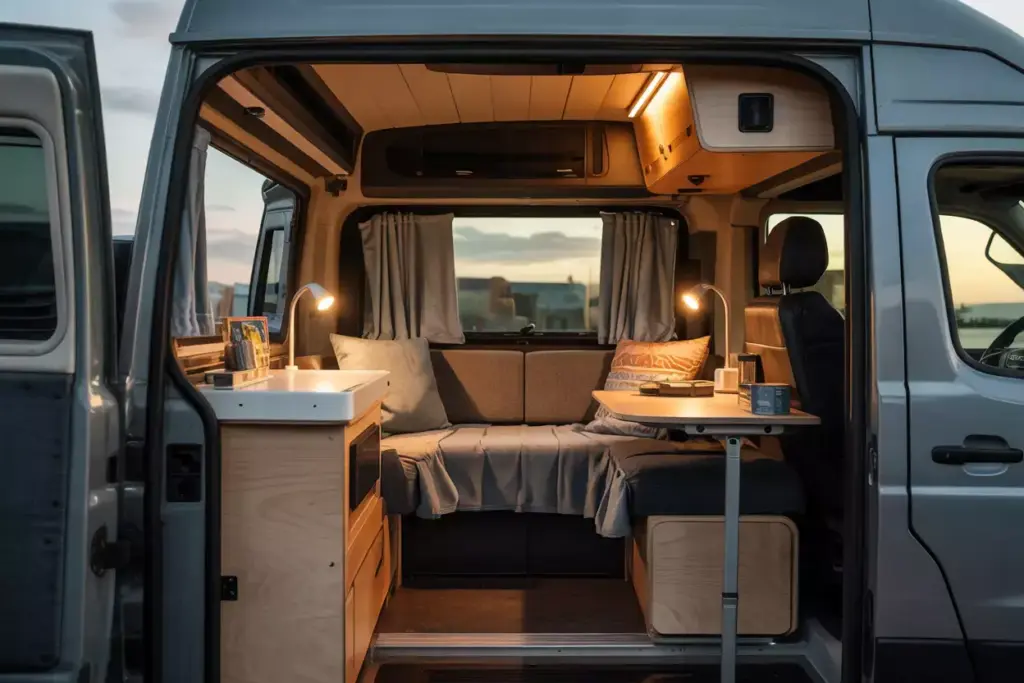
Creating distinct areas for different activities helps establish routine and mental separation essential for healthy van living. Even within the constraints of a small space, strategic furniture placement and visual dividers can create the illusion of separate rooms.
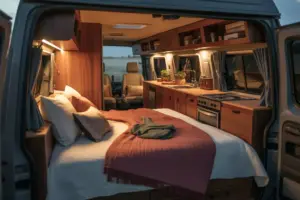
Sleeping areas should feel distinctly separate from living spaces, even if they occupy the same physical location. This might involve curtains, different lighting schemes, or furniture that transforms the space from day to night use. The goal is creating psychological boundaries that help the brain recognize when it’s time to sleep versus time to be active.
Essential Comfort Zones for Van Life
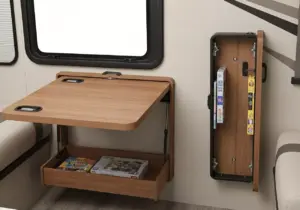
Work/Office Space: Designate a specific area for laptop work, planning routes, or managing finances. This might be a fold-down desk, a converted dinette, or even a specific corner with good lighting and storage for office supplies.
Relaxation Zone: Create a comfortable seating area for reading, watching movies, or simply unwinding. This space should feel distinctly different from work areas through lighting, cushions, or positioning.
Kitchen/Dining Area: Even the smallest van kitchens benefit from intentional design that makes cooking and eating feel civilized rather than rushed or cramped.
Storage and Organization: Dedicated spaces for gear, clothing, and supplies prevent the van from feeling cluttered and chaotic.
“The secret to successful van life isn’t having more space – it’s using the space you have more intentionally.” – Experienced Van Lifer
Furniture Solutions for Multi-Purpose Zones
Modular furniture serves multiple functions while maintaining distinct zone identities. A bench seat might provide storage, seating, and transform into a bed extension. The key is choosing pieces that clearly signal their current function through positioning or accessories.
Swivel seats in the cab area instantly double living space when parked. These seats can anchor a conversation area, provide additional seating for meals, or create a workspace facing different directions depending on lighting needs.
2. Incorporate Personal Touches and Familiar Items
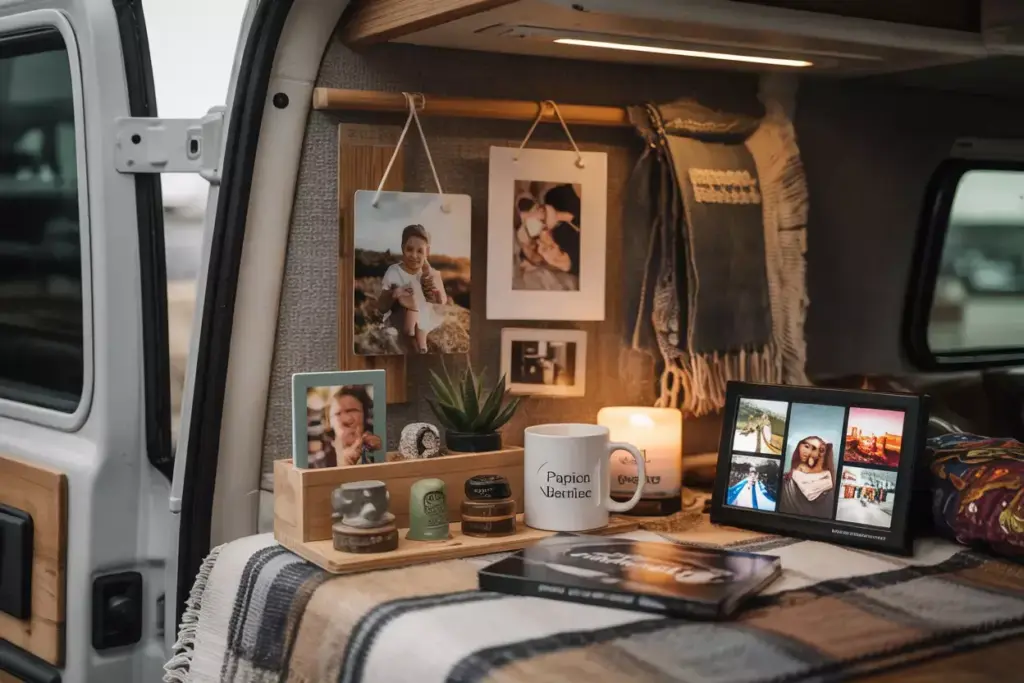
Emotional connections to personal items provide psychological anchoring that helps any space feel like home. The challenge in van life lies in choosing which meaningful items to include while respecting weight and space limitations.
Family photos, artwork, and sentimental objects should earn their place in the van through emotional value rather than practical function. These items provide continuity with previous living situations and help establish emotional comfort in the new mobile lifestyle.
Strategic Selection of Personal Items
Weight considerations must balance emotional needs with practical limitations. Choose lightweight items with high emotional impact rather than heavy pieces with moderate sentimental value. Digital photo frames allow displaying many family photos without physical weight or space requirements.
Rotation systems allow bringing different personal items on different trips. Store seasonal decorations, different artwork, or various comfort items in a home base location, swapping them out based on trip duration or personal mood needs.
Creating Emotional Anchors in Small Spaces
Scent memories provide powerful emotional connections to home. Familiar candles, essential oils, or even specific cleaning products can instantly make a van feel more comfortable and homelike. Choose scents associated with positive memories from previous homes.
Textiles and fabrics from previous homes carry emotional weight while providing practical comfort. A favorite throw blanket, special pillowcases, or a beloved coffee mug can provide daily reminders of stability and comfort.
Plants and living elements bring life and freshness to the van interior while providing a sense of nurturing and growth. Choose low-maintenance varieties that tolerate temperature fluctuations and limited water access.
Advanced Comfort Strategies for Van Life Ideas to Make Your Rig Feel Like Home
Beyond basic comfort zones and personal touches, advanced strategies address the subtle elements that distinguish a truly homelike van from a basic conversion. These techniques focus on sensory experiences and psychological comfort that develop over time.
Lighting Design for Emotional Comfort
Layered lighting systems dramatically impact mood and functionality throughout different times of day. Harsh overhead lighting feels institutional, while warm, adjustable lighting creates ambiance similar to traditional homes.
Natural light management involves strategic window treatments that provide privacy while maximizing beneficial sunlight. Consider the van’s orientation during different activities and plan lighting accordingly.
Color temperature variation throughout the day supports natural circadian rhythms. Cooler light for morning activities and work, warmer light for evening relaxation and sleep preparation.
Sound and Acoustics Management
Noise control becomes crucial for quality sleep and relaxation in environments with varying external sounds. Sound-dampening materials, white noise machines, or even specific music playlists can create consistent audio environments.
Privacy sounds help create psychological separation from the outside world. This might involve fans for white noise, soft background music, or even recordings of familiar home sounds like clocks ticking or distant traffic.
3. Optimize Storage Solutions for Clutter-Free Living
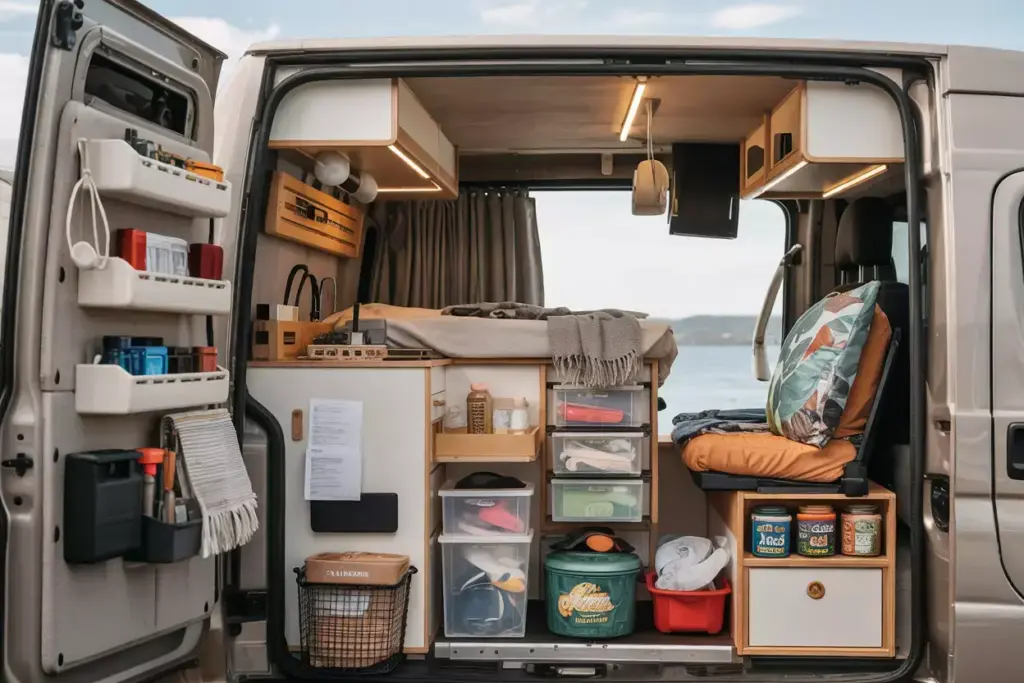
Clutter management directly impacts emotional comfort in small spaces. When everything has a designated place and storage systems work efficiently, the van feels organized and peaceful rather than chaotic and stressful.
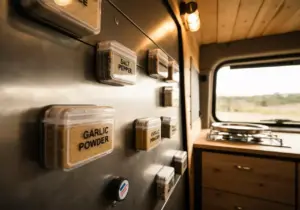
Vertical storage maximizes space utilization while keeping frequently used items accessible. Wall-mounted organizers, hanging storage, and overhead compartments prevent floor clutter that makes small spaces feel even smaller.
Storage Systems That Support Daily Routines
Morning routine storage keeps essential items for getting ready easily accessible without disrupting sleeping partners or requiring major reorganization. This might involve dedicated bins for toiletries, clothing organization that supports quick outfit selection, or coffee supplies stored near the kitchen area.
Evening routine storage supports winding down and preparing for sleep. Pajamas, books, phone chargers, and other bedtime essentials should be reachable from the sleeping area without requiring full van reorganization.
Activity-based organization groups items by function rather than type. Cooking supplies stay together, work materials have dedicated spaces, and outdoor gear remains easily accessible for spontaneous adventures.
Hidden Storage Solutions
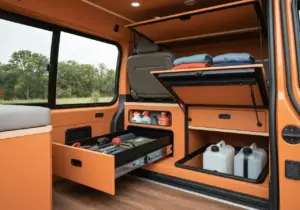
Under-bed storage provides significant space for items not needed daily. Use clear containers or labeling systems to prevent this area from becoming a disorganized dumping ground.
Furniture storage incorporates hidden compartments into seating, tables, and other furniture pieces. These solutions maintain clean lines while providing significant storage capacity.
Wall cavity storage utilizes space between wall studs for flat items like cutting boards, laptops, or clothing. These solutions require planning during the build phase but provide valuable storage without impacting interior space.
4. Establish Routines and Rituals That Create Stability
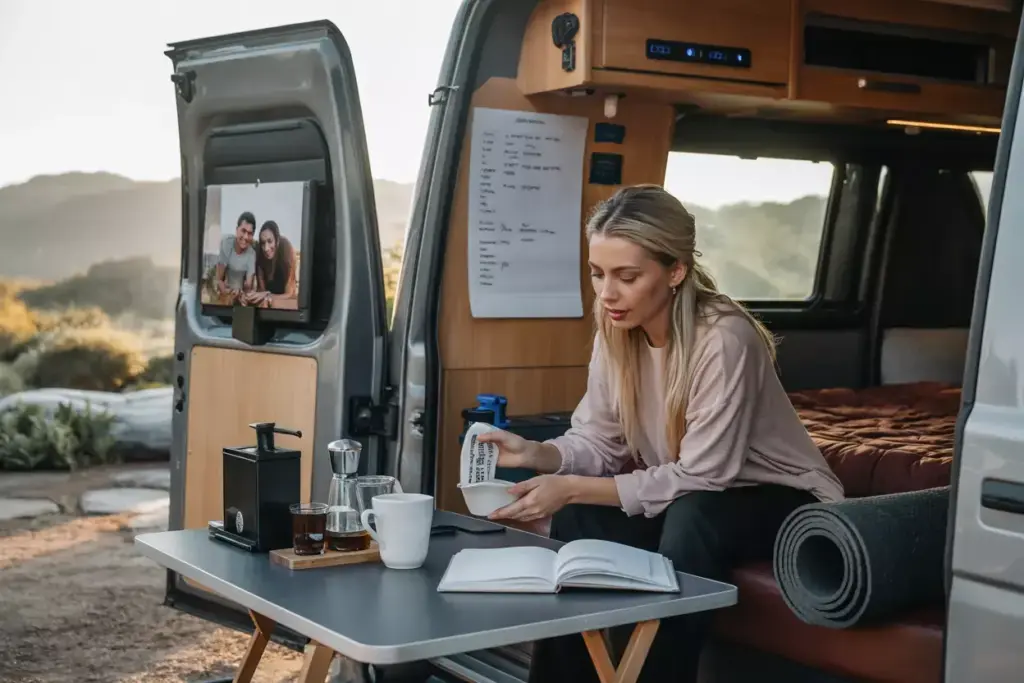
Daily routines provide psychological anchoring that helps van life feel stable and intentional rather than chaotic or temporary. These routines create structure similar to traditional home living while adapting to mobile lifestyle requirements.
Morning rituals set the tone for each day and provide consistency regardless of location. This might involve specific coffee preparation routines, exercise habits, or planning sessions that happen in the same van location each day.
Routine Categories for Van Life Stability
Maintenance routines keep the van functioning properly while creating a sense of care and investment in the mobile home. Regular cleaning, organization, and mechanical checks become rituals that demonstrate commitment to the lifestyle.
Social routines maintain connections with family and friends despite constant travel. Scheduled video calls, regular check-ins, or shared photo updates provide continuity with relationships from previous living situations.
Self-care routines ensure physical and mental health needs receive attention despite limited space and facilities. This might involve specific exercise routines, meditation practices, or personal hygiene standards that maintain dignity and comfort.
Location-Independent Rituals
Evening wind-down routines signal the transition from day to night activities regardless of external environment. These might involve specific lighting changes, tea preparation, reading time, or reflection practices that work in any location.
Meal preparation rituals make cooking feel intentional and enjoyable rather than rushed or utilitarian. This could involve specific music, preparation sequences, or presentation standards that make van meals feel special.
5. Invest in Quality Comfort Items and Textiles
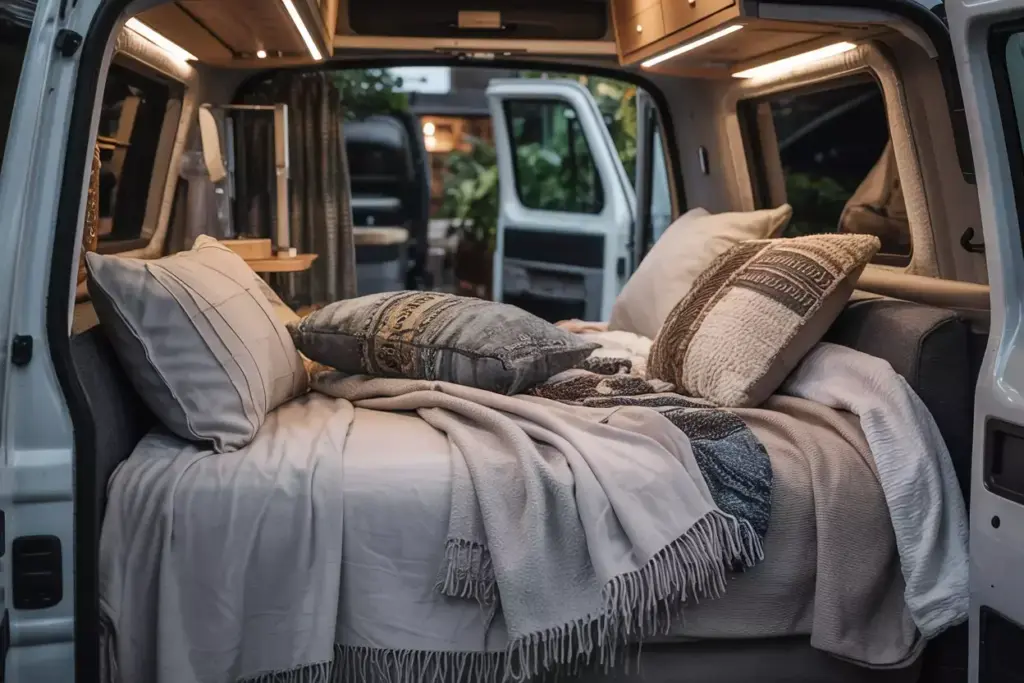
Textile choices dramatically impact physical comfort and emotional well-being in van life. Quality bedding, cushions, and soft furnishings provide luxury that hard van surfaces cannot match while contributing to better sleep and relaxation.
Bedding systems deserve significant investment since quality sleep directly impacts overall van life satisfaction. Consider temperature regulation, comfort levels, and durability when choosing mattresses, pillows, and linens for the mobile lifestyle.
Essential Comfort Textiles for Van Life
Temperature-regulating materials help maintain comfort across varying weather conditions. Moisture-wicking sheets, breathable mattress materials, and layered blanket systems provide flexibility for different climates and seasons.
Multi-functional textiles serve multiple purposes while providing comfort. Throws that double as picnic blankets, pillows that provide lumbar support for driving, or curtains that also serve as projection screens maximize utility while maintaining comfort.
Easy-care fabrics reduce maintenance burden while maintaining appearance and comfort. Choose materials that wash easily, dry quickly, and resist staining or odor retention common in small living spaces.
Comfort Item Selection Strategies
Quality over quantity principles apply especially to comfort items in van life. One excellent pillow provides better sleep than multiple mediocre ones while using less storage space and weight capacity.
Seasonal rotation allows enjoying different comfort items throughout the year without permanent storage requirements. Summer and winter bedding, different cushion covers, or seasonal decorations can be swapped from storage locations.
Durability considerations ensure comfort items withstand the vibrations, temperature changes, and frequent use common in van life. Invest in items designed for RV or marine use when possible.
6. Create Outdoor Living Extensions When Possible
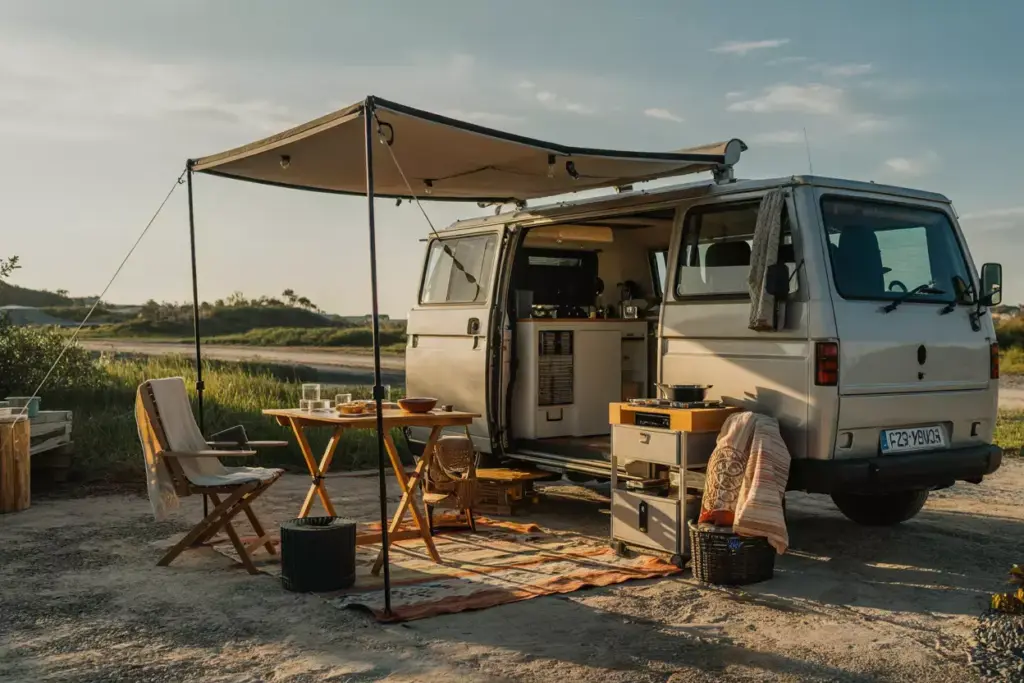
Outdoor spaces effectively double living space when weather and location permit. Awnings, outdoor furniture, and exterior storage create seamless indoor-outdoor living that addresses space limitations while providing variety and fresh air access.
Setup routines for outdoor living spaces should be efficient enough to encourage regular use rather than being reserved for special occasions. The easier it is to create outdoor comfort, the more often these spaces will enhance daily van life experience.
Outdoor Comfort Solutions
Portable furniture extends interior comfort to exterior spaces without permanent installation requirements. Lightweight chairs, tables, and even outdoor rugs create comfortable spaces for meals, work, or relaxation outside the van.
Weather protection makes outdoor spaces usable in various conditions. Awnings, pop-up shelters, or even strategic van positioning can create comfortable outdoor areas despite wind, sun, or light rain.
Lighting systems extend outdoor space usability into evening hours. Solar lights, battery-powered lanterns, or exterior van lighting create ambiance for outdoor dining, socializing, or relaxation after dark.
Integration Strategies for Indoor-Outdoor Living
Storage solutions for outdoor gear should make setup and breakdown efficient enough to encourage regular use. Exterior storage boxes, interior gear organization, or quick-deploy systems prevent outdoor living from becoming a major production.
Activity zones can extend from interior to exterior spaces. Kitchen prep might happen outside, work areas could move to picnic tables, or exercise routines might flow from van interior to exterior spaces.
Privacy considerations help outdoor spaces feel comfortable and secure. This might involve campsite selection, privacy screens, or timing outdoor activities to avoid crowds or unwanted attention.
Implementing These Van Life Ideas to Make Your Rig Feel Like Home
Gradual implementation of these strategies prevents overwhelming yourself while allowing time to discover what works best for individual preferences and travel styles. Start with one or two areas and expand comfort improvements over time as needs become clear.
Budget considerations should prioritize changes with the highest impact on daily comfort and emotional well-being. Sometimes simple changes like better lighting or organization systems provide more benefit than expensive furniture or technology upgrades.
Personal adaptation ensures these ideas work for individual lifestyles rather than copying someone else’s solutions exactly. Van life comfort is highly personal, and what works for one person might not suit another’s needs or preferences.
Testing and Refinement Strategies
Trial periods help determine which comfort improvements provide lasting value versus initial novelty. Live with changes for several weeks before making permanent installations or major purchases.
Seasonal considerations reveal how comfort needs change with weather, travel patterns, or personal circumstances. What works in summer might need adjustment for winter van life or different geographic regions.
Evolution acceptance acknowledges that van life comfort needs change over time as experience grows and circumstances shift. Build flexibility into systems to allow future modifications without major reconstruction.
Conclusion
Creating a van that truly feels like home requires intentional design choices that address both practical needs and emotional comfort. These 6 van life ideas to make your rig feel like home provide a foundation for transforming any converted vehicle into a space that nurtures and supports the mobile lifestyle.
The key lies in understanding that home is a feeling rather than a specific place or size requirement. Through thoughtful comfort zones, personal touches, efficient storage, stable routines, quality textiles, and outdoor living extensions, van life can provide the same emotional satisfaction as traditional housing while offering unprecedented freedom and adventure.
Success in van life comes from balancing practical limitations with emotional needs. Every choice should serve multiple purposes when possible while prioritizing elements that contribute most significantly to daily comfort and long-term satisfaction with the mobile lifestyle.
Next Steps for Your Van Life Journey
Start small by implementing one comfort strategy that addresses your biggest current challenge. Whether that’s better organization, improved lighting, or adding personal touches, focus on changes that will impact daily life immediately.
Plan for evolution by building flexibility into your van systems. As experience grows and needs change, your mobile home should adapt rather than requiring complete reconstruction.
Connect with community to share ideas, troubleshoot challenges, and discover new comfort strategies from experienced van lifers. The van life community offers incredible support and creativity for making mobile living truly comfortable and sustainable.
Remember that creating a van that feels like home is an ongoing process rather than a one-time achievement. Embrace the journey of continuous improvement while enjoying the freedom and adventure that van life provides.