9 Must-Haves for Overseas Travel to Remote Camping Spots
Imagine landing in a foreign country, hiking three hours into the wilderness, and realizing you forgot a power adapter — or worse, a way to call for help. Remote camping abroad is one of the most rewarding adventures you can take, but it punishes poor preparation fast. Whether you’re trekking through Patagonia, camping in the Scottish Highlands, or exploring the jungles of Southeast Asia, knowing the 9 Must-Haves for Overseas Travel to Remote Camping Spots can be the difference between an epic journey and a dangerous ordeal. In this guide, I’ll walk you through every essential item you need to pack smart, stay safe, and enjoy every moment off the beaten path in 2026.
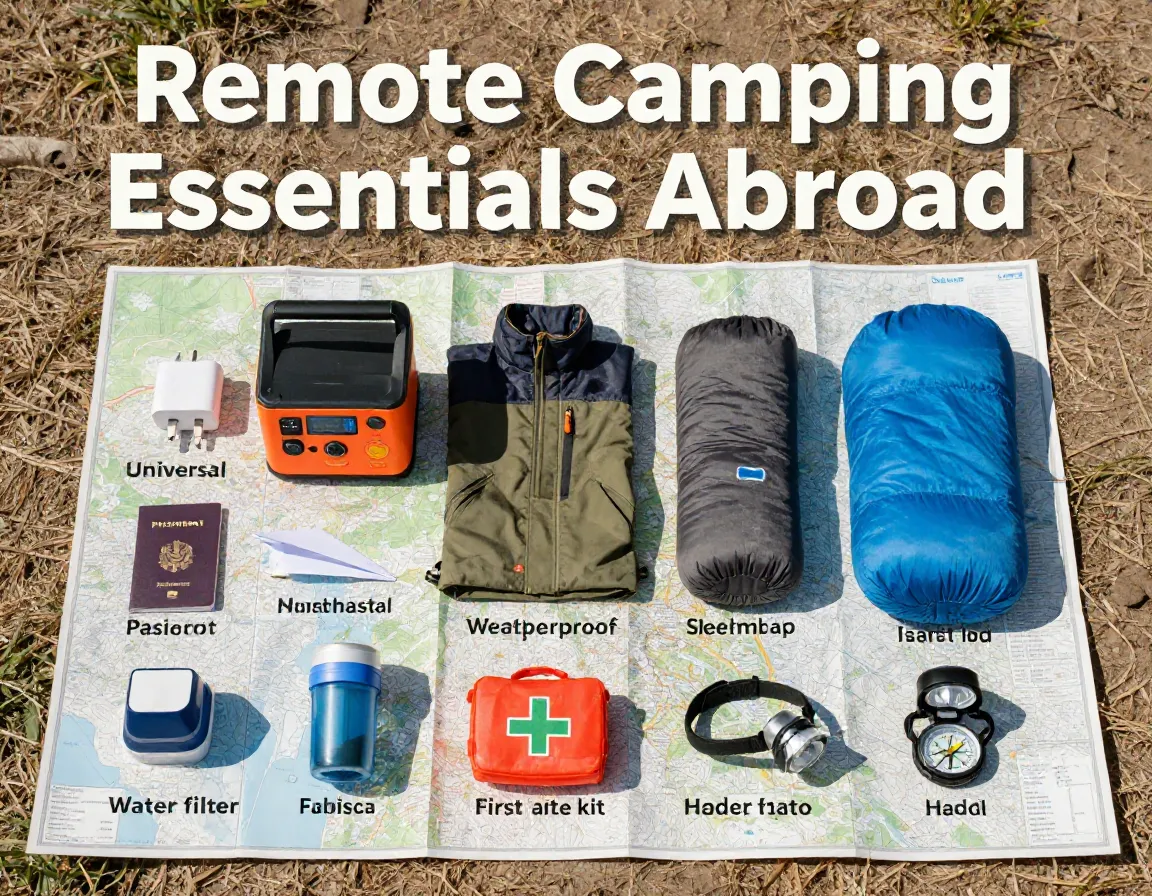
Key Takeaways
- 🎒 Preparation is everything — remote overseas camping requires gear that handles both international travel and wilderness survival.
- 🔌 Power and communication tools are non-negotiable when you’re far from civilization and crossing international borders.
- 🌧️ Weather-ready clothing and waterproof storage protect both you and your gear in unpredictable remote environments.
- 🛏️ Sleep quality matters — the right sleeping bag and pad keep you rested and safe in extreme temperatures.
- 🧭 Hygiene, navigation, and water safety are often overlooked but are critical for long-haul overseas wilderness trips.
Why Packing Right Matters for Remote International Camping
Remote camping overseas is not the same as a weekend trip to a local campground. You’re dealing with foreign electrical systems, unpredictable weather, language barriers, limited resupply options, and terrain that may be completely unfamiliar. A forgotten item at home can’t be replaced with a quick trip to the store when you’re three days into a backcountry trail in New Zealand.
💬 “The best adventurers aren’t the ones who take the most risks — they’re the ones who prepare the most thoroughly.”
The 9 Must-Haves for Overseas Travel to Remote Camping Spots listed in this article are drawn from expert outdoor sources and real-world international backpacking experience. They cover every critical category: power, shelter, safety, hygiene, and navigation. Let’s get into it.
The 9 Must-Haves for Overseas Travel to Remote Camping Spots
1. Universal Electrical Adapter and Voltage Converter
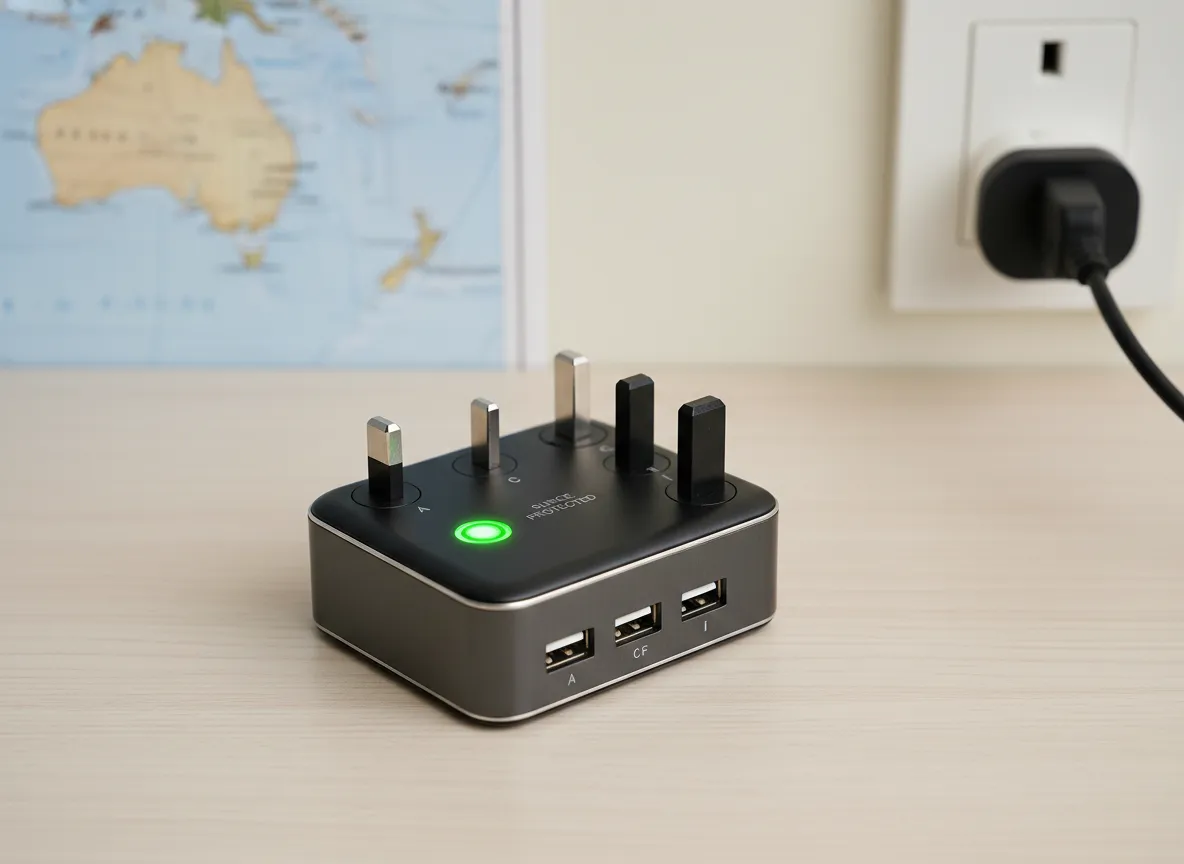
When you cross international borders, power outlets change. A plug that works in the US won’t fit in a UK or European socket, and some countries run on different voltage levels entirely. Electrical adapters and converters are among the most critical items to pack for any international camping trip [1].
Look for an adapter that covers multiple plug types (Type A, B, C, G, I) in one compact unit. If you’re bringing devices that aren’t dual-voltage, you’ll also need a voltage converter to avoid frying your electronics.
What to look for:
- All-in-one multi-country adapter
- Built-in surge protection
- USB-A and USB-C ports for extra charging flexibility
- Compact, lightweight design under 200g
Even at remote campsites with limited facilities, you may encounter charging points at trailhead huts or base camps. Having the right adapter means you’re always ready.
2. Portable Power Station or Solar Charging Solution
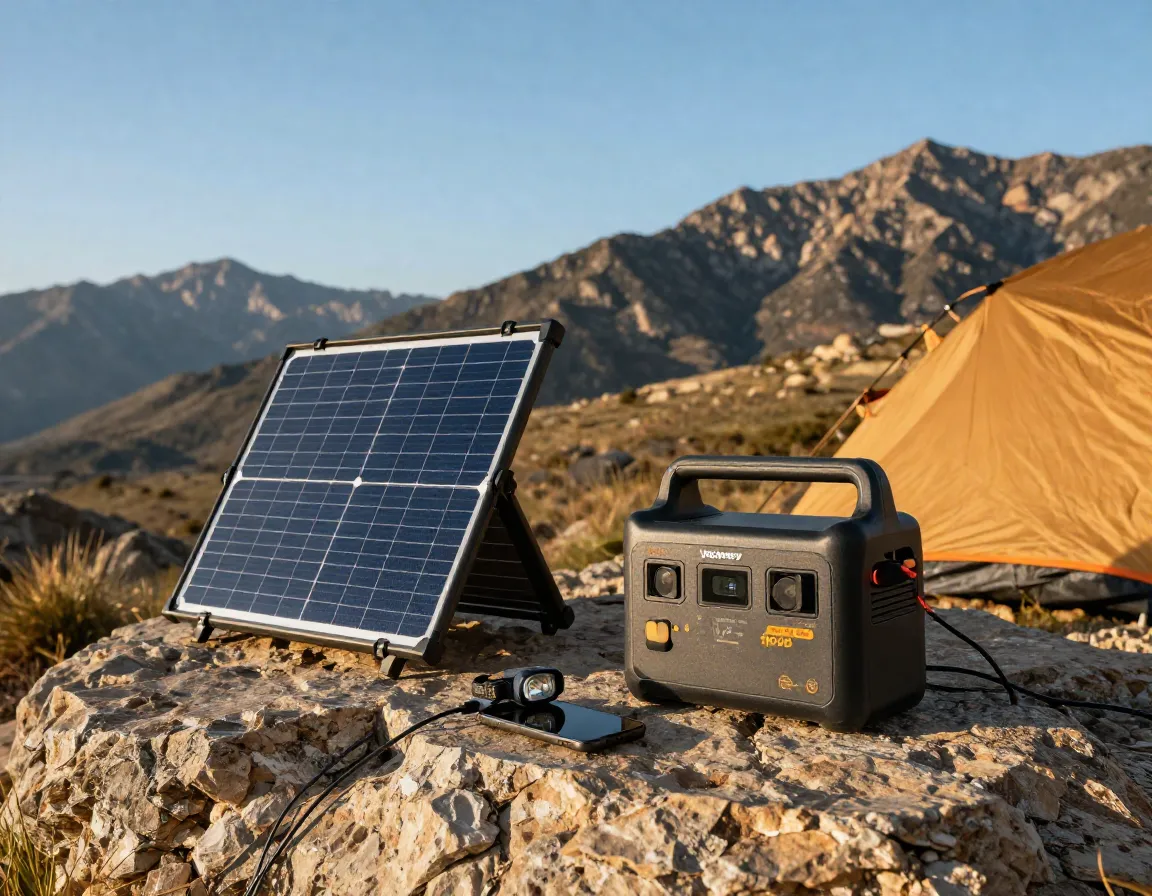
Deep in the backcountry, there are no wall outlets. A reliable off-grid power source is essential for keeping your phone, GPS device, headlamp, and camera charged. The Jackery Explorer 1000 Pro Portable Power Station is one of the top-rated options for 2026, offering high-capacity output in a field-tested design [3].
For ultralight travelers, the BioLite CampStove 2+ (£149.99) is a brilliant dual-purpose solution — it converts the heat from cooking fires into USB electricity, letting you charge devices while you prepare meals [2]. This is especially useful in areas where open fires are permitted and solar exposure is limited.
| Power Solution | Best For | Weight | Charging Output |
|---|---|---|---|
| Jackery Explorer 1000 Pro | Base camps, longer trips | ~10 kg | AC + USB |
| BioLite CampStove 2+ | Ultralight backpacking | ~935 g | USB (5W) |
| Solar Panel (foldable) | Sunny climates | ~500 g | USB (varies) |
Choose based on your trip length, group size, and how much gear you need to keep powered.
3. Weatherproof Jacket and Layering System
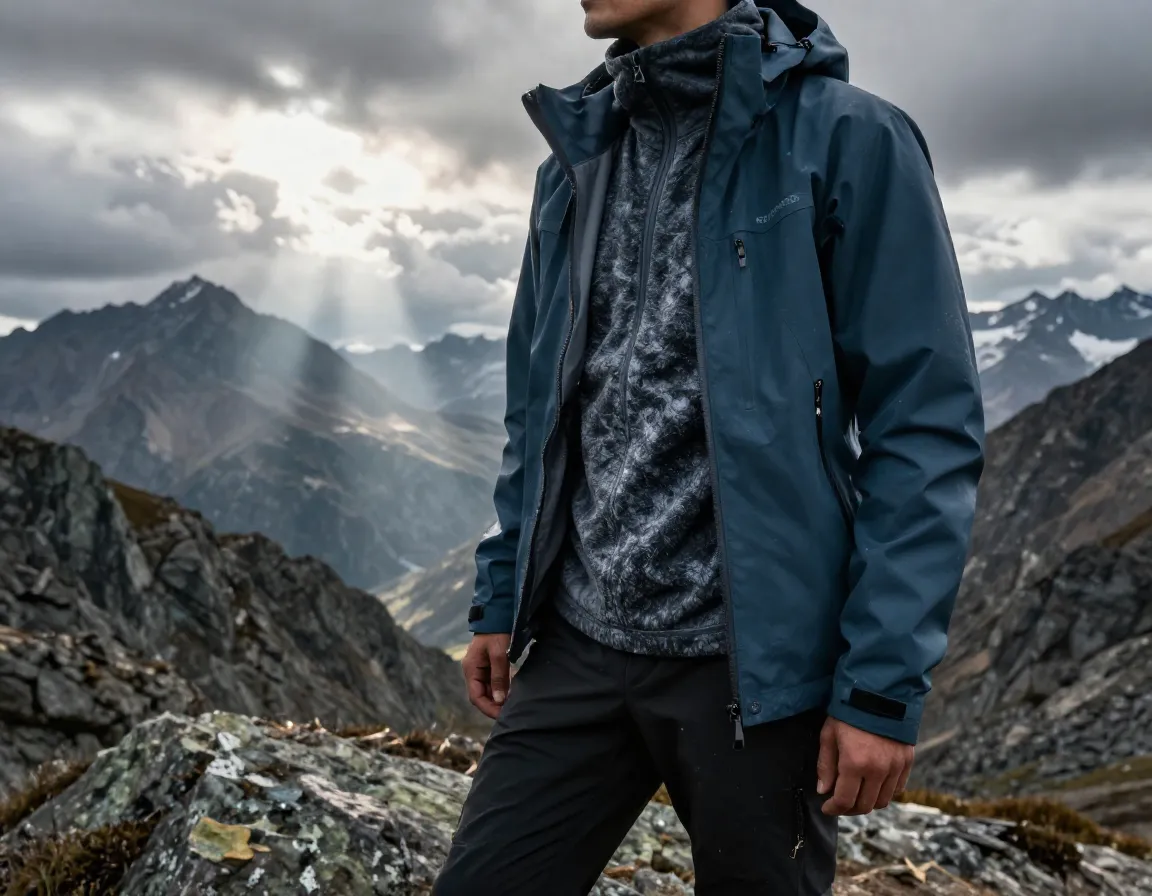
Weather in remote overseas locations can shift in minutes. A sunny morning in the Alps can turn into a freezing, rain-soaked afternoon with almost no warning. Solid footwear and weatherproof jackets should be prioritized when traveling to locations with extreme or unpredictable weather conditions [1].
A good weatherproof jacket should be:
- Waterproof (at least 10,000mm hydrostatic head rating)
- Breathable (Gore-Tex or similar membrane)
- Packable (compresses into its own pocket)
- Wind-resistant for exposed ridgelines and open terrain
Pair your jacket with a layering system: moisture-wicking base layer, insulating mid-layer (fleece or down), and the waterproof shell on top. This system works across a wide range of temperatures and climates, making it ideal for international trips where conditions vary widely.
4. Sleeping Bag Rated for 15–20°F (-9 to -7°C) Conditions
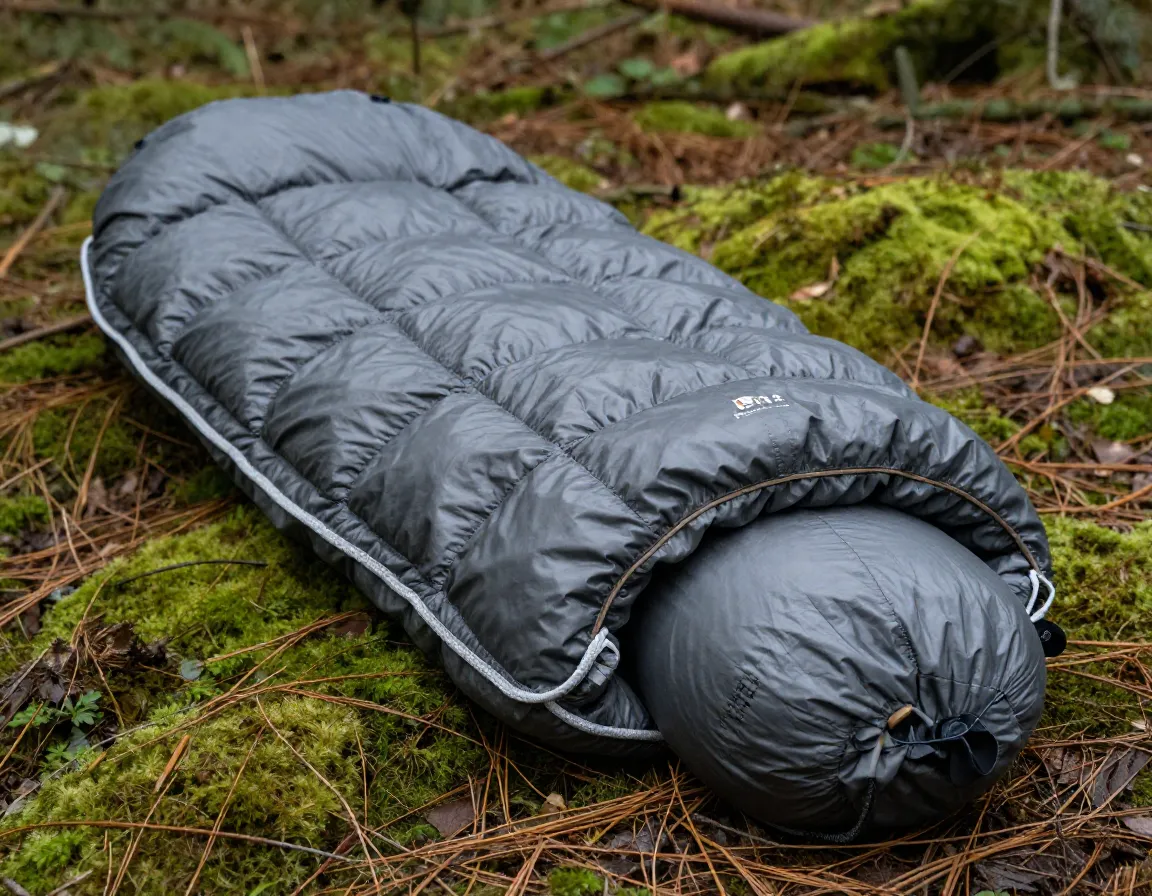
Your sleeping bag is your survival cocoon. Choosing the wrong temperature rating can leave you shivering through the night — or overheating and sleeping poorly. Sleeping bags rated for 15–20°F conditions are recommended as universal options that perform well across multiple scenarios better than higher-rated alternatives [4].
This rating gives you a comfortable buffer for cold mountain nights while still being manageable in milder conditions (you can always unzip to cool down). For overseas travel, where you may pass through multiple climate zones, this versatility is invaluable.
Key features to prioritize:
- Down fill for warmth-to-weight ratio (800+ fill power for ultralight)
- Mummy shape for thermal efficiency
- Compression sack for packability
- Water-resistant outer shell for damp environments
5. Self-Inflating Sleeping Pad
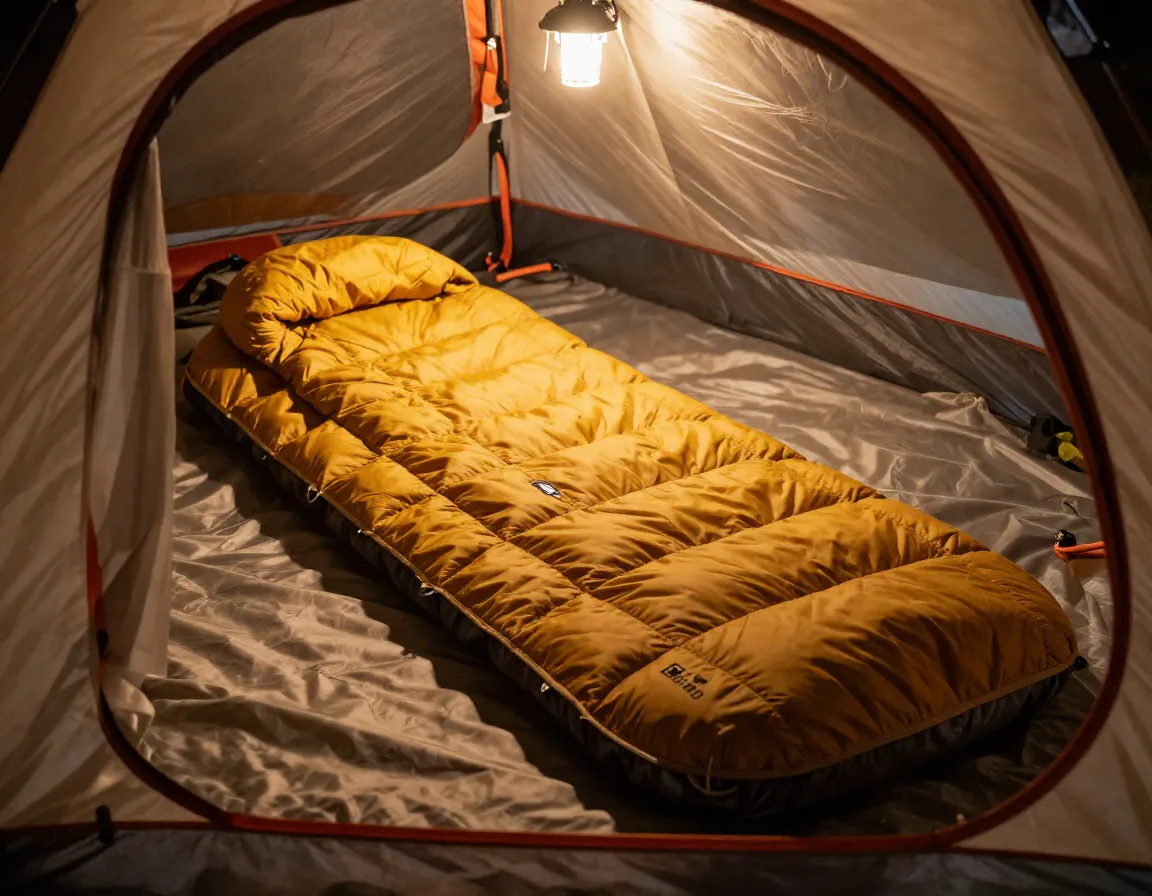
A sleeping bag alone won’t keep you warm if the ground is stealing your body heat. A quality sleeping pad provides both insulation and cushioning, which directly affects your sleep quality and recovery in the field.
The NEMO Roamer Sleeping Pad is a standout option for 2026, offering self-inflating comfort with an ultralight design that suits long-distance backpacking expeditions [3]. Self-inflating pads strike the best balance between packability, comfort, and insulation (measured in R-value).
💡 Pro Tip: Look for an R-value of at least 3.5 for three-season use, and 5+ if you’re camping in alpine or cold-weather environments.
Sleeping Pad Types Compared:
| Type | Comfort | Packability | Insulation | Best For |
|---|---|---|---|---|
| Self-Inflating | ⭐⭐⭐⭐ | ⭐⭐⭐ | ⭐⭐⭐⭐ | Backpacking |
| Foam Roll | ⭐⭐ | ⭐⭐ | ⭐⭐⭐ | Budget travel |
| Air Pad | ⭐⭐⭐⭐⭐ | ⭐⭐⭐⭐⭐ | ⭐⭐⭐ | Ultralight |
6. Waterproof Dry Bags for Gear Protection
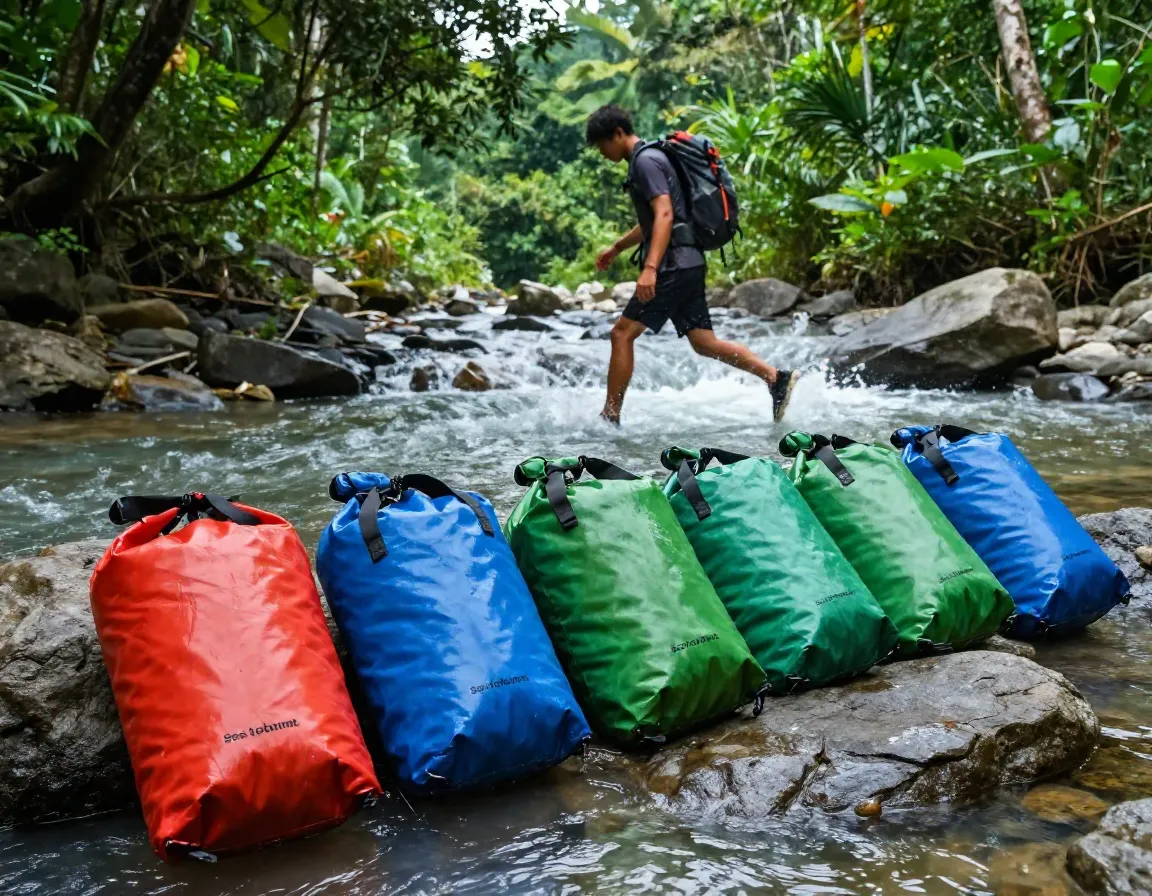
Rain, river crossings, boat transfers, and unexpected downpours are all part of remote overseas camping. Sea to Summit Big River Dry Bags are among the best options available, providing reliable waterproof storage for clothes, electronics, and sleeping bags — essential for wet climates and remote travel [3].
Dry bags come in multiple sizes, and I recommend carrying a set:
- Small (2–5L): Electronics, documents, passport
- Medium (10–13L): Clothing, food
- Large (20–35L): Sleeping bag, sleeping pad liner
Color-code your bags for quick identification in the field. A bright red bag for emergency gear, blue for clothing, and green for food, for example.
Why dry bags matter overseas:
- Boat transfers in Southeast Asia or the Pacific can soak your pack
- River crossings in South America may require swimming your gear across
- Unexpected monsoon rains can drench a regular backpack in seconds
7. Water Filtration System
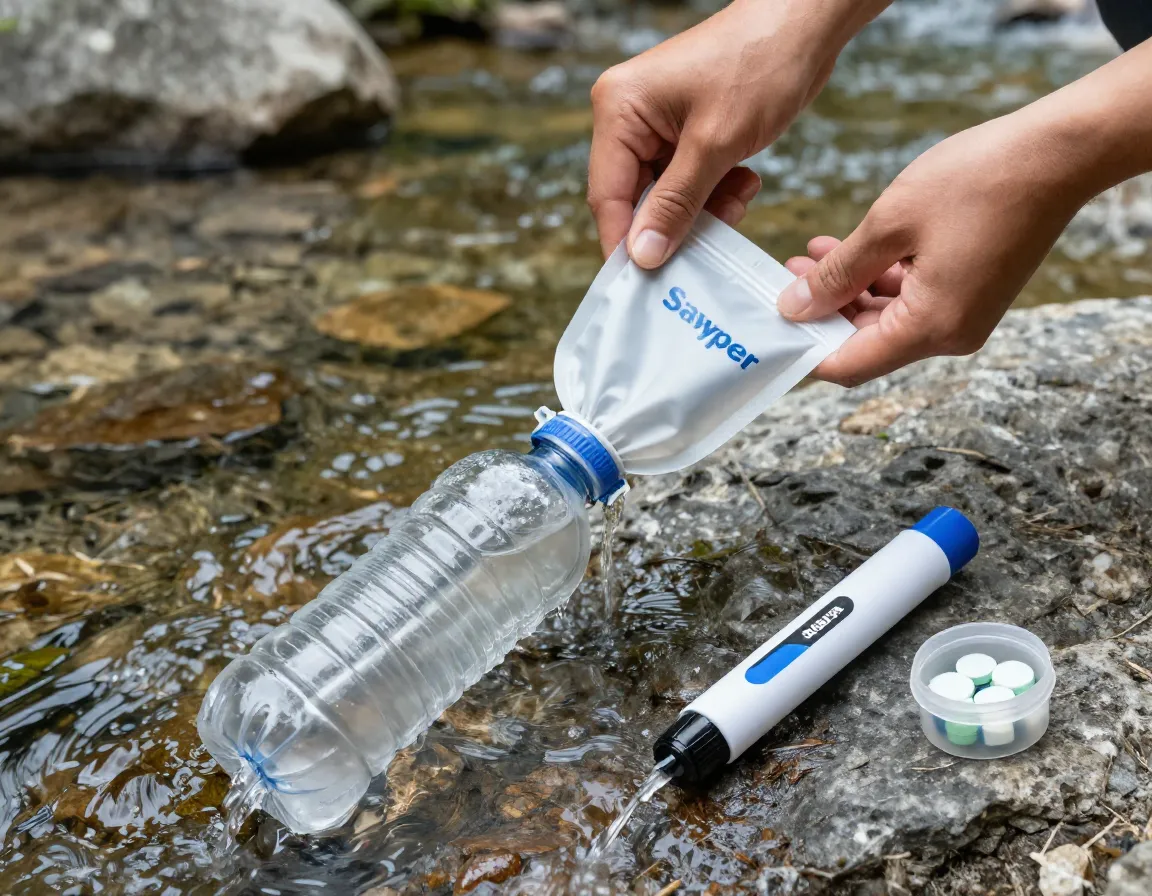
Access to clean drinking water is one of the most critical challenges in remote camping, especially overseas where local water sources may carry pathogens your body isn’t used to. A reliable water filtration system is non-negotiable.
Top options for 2026:
- Squeeze filter (e.g., Sawyer Squeeze): Lightweight, filters up to 100,000 gallons, no chemicals needed
- UV purifier (e.g., SteriPen): Fast, effective against viruses — important in developing countries
- Gravity filter: Great for group camping, hands-free operation
- Purification tablets: Backup option, ultra-lightweight
⚠️ Important: In many overseas destinations — particularly in Asia, Africa, and South America — a squeeze filter alone may not be enough. Viruses like hepatitis A and norovirus require UV treatment or chemical purification. Always research the water safety of your specific destination before you go.
Carry at least two methods of water treatment when traveling internationally. Redundancy can save your trip — and your health.
8. Satellite Communicator and Navigation Tools
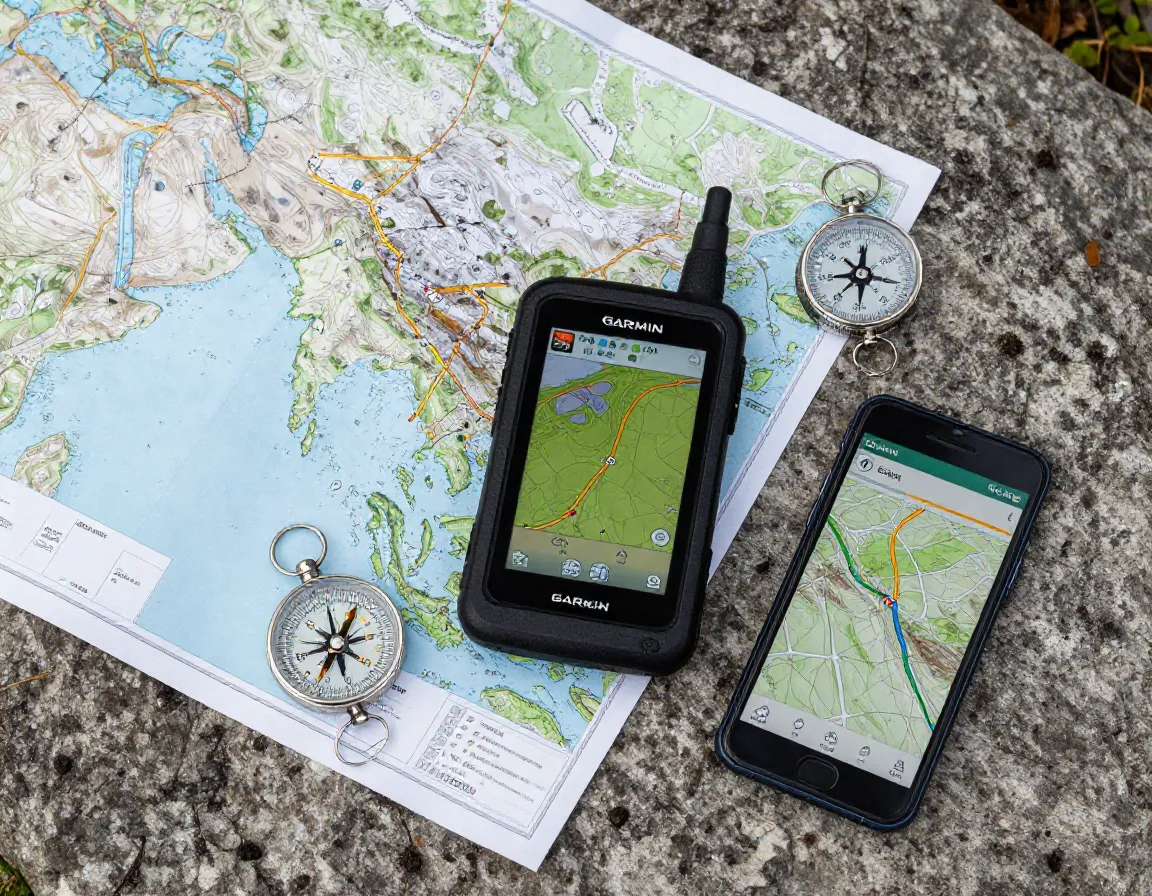
When you’re camping in a remote location overseas, your phone’s cellular signal is likely nonexistent. A satellite communicator is your lifeline to the outside world and emergency services. Devices like the Garmin inReach Mini 2 or SPOT X allow you to send SOS signals, share your GPS location with loved ones, and send/receive messages from anywhere on Earth.
This is especially important when camping internationally because:
- Local emergency services may not know your exact location
- Language barriers can complicate rescue communications
- Your travel insurance may require proof of location for claims
Navigation tools to carry:
- Satellite communicator (two-way messaging + SOS)
- Offline maps app (Maps.me or Gaia GPS downloaded before departure)
- Compass (analog backup — never relies on batteries)
- Printed topographic map of your specific region
💬 “In the backcountry, your satellite communicator isn’t a luxury — it’s as essential as your shelter.”
Always register your device and share your trip itinerary with someone at home before you depart.
9. Hygiene and Comfort Essentials
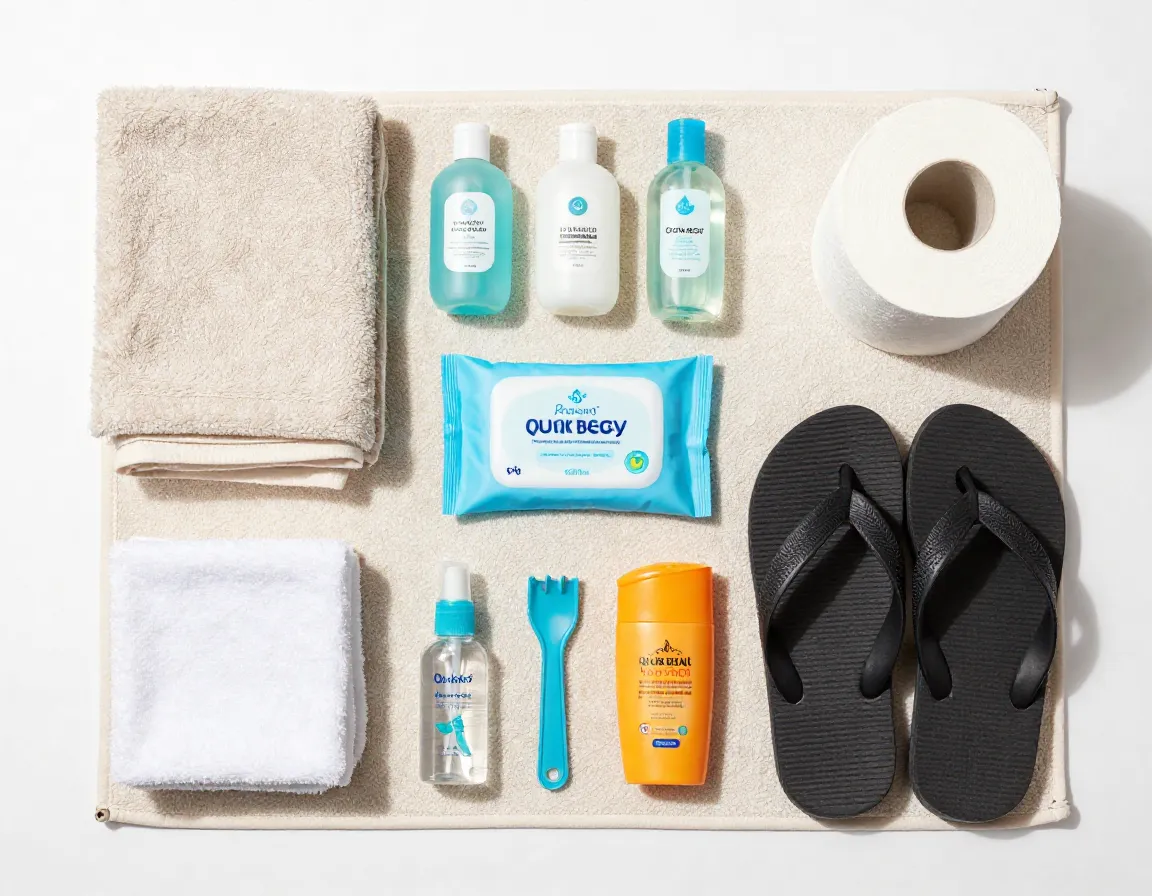
Hygiene is often the most underestimated category in remote camping packing lists, but it becomes critically important on multi-week overseas expeditions. Additional hygiene and comfort items recommended for international backpacking trips include earplugs, quick-dry towels, disposable hygiene wipes, and flip-flops or shower shoes [1].
Complete hygiene kit for remote overseas camping:
- Quick-dry microfiber towel — packs small, dries fast, works for both showering and swimming
- Biodegradable soap and shampoo — protects local water sources and ecosystems
- Disposable hygiene wipes — invaluable when water is scarce or temperatures are too cold for bathing
- Earplugs — essential for shared huts, windy nights, or noisy wildlife
- Flip-flops or shower shoes — protect against foot infections in shared washing facilities
- Hand sanitizer — fast hygiene solution after handling food or using outdoor latrines
- Toilet paper + trowel — for leave-no-trace waste management in the backcountry
- Sunscreen and insect repellent — critical in tropical and high-altitude destinations
💡 Pro Tip: Pack all liquids in TSA-compliant containers (under 100ml) for international flights, then transfer to larger field containers once you arrive.
Don’t underestimate how much comfort items like earplugs and a good towel can improve your mental state after a tough day on the trail. Small comforts make a big difference on long expeditions.
Quick Reference: The Complete Packing Checklist
Here’s a summary table of all 9 Must-Haves for Overseas Travel to Remote Camping Spots for quick reference:
| # | Item | Priority Level | Approx. Weight |
|---|---|---|---|
| 1 | Universal Electrical Adapter | 🔴 Critical | ~150g |
| 2 | Portable Power Station / BioLite Stove | 🔴 Critical | Varies |
| 3 | Weatherproof Jacket + Layers | 🔴 Critical | ~600g |
| 4 | Sleeping Bag (15–20°F rated) | 🔴 Critical | ~900g |
| 5 | Self-Inflating Sleeping Pad | 🟠 High | ~700g |
| 6 | Waterproof Dry Bags (set) | 🟠 High | ~300g |
| 7 | Water Filtration System | 🔴 Critical | ~90g |
| 8 | Satellite Communicator + Maps | 🔴 Critical | ~100g |
| 9 | Hygiene & Comfort Kit | 🟠 High | ~500g |
Common Mistakes to Avoid on Remote Overseas Camping Trips
Even experienced campers make avoidable errors when heading overseas. Here are the most common ones:
- ❌ Packing a sleeping bag rated too warm — you can’t add warmth you don’t have, but you can always unzip
- ❌ Forgetting to download offline maps before leaving cell coverage
- ❌ Skipping travel insurance — especially critical for remote international destinations
- ❌ Not researching local regulations — some countries restrict open fires, drones, or camping in national parks
- ❌ Bringing only one water treatment method — always carry a backup
- ❌ Ignoring voltage compatibility — plugging a 110V device into a 220V outlet without a converter will destroy it
Conclusion
Remote camping overseas is one of the most fulfilling experiences a traveler can have — but it demands serious preparation. The 9 Must-Haves for Overseas Travel to Remote Camping Spots covered in this guide give you a solid, field-tested framework for tackling any international wilderness destination in 2026.
Here are your actionable next steps:
- Start with safety first — purchase a satellite communicator and register it before your trip
- Build your sleep system — invest in a quality sleeping bag (15–20°F rated) and self-inflating pad
- Sort your power situation — choose between a portable power station or BioLite stove based on your trip style
- Waterproof everything — get a set of dry bags in multiple sizes before you pack
- Don’t skip hygiene — build a compact hygiene kit with all the essentials listed above
- Research your destination — check local regulations, water safety, and weather patterns well in advance
The wilderness rewards those who respect it with proper preparation. Pack smart, stay safe, and enjoy every moment of your remote overseas adventure. 🏕️
References
[1] How To Pack For An International Backpacking Trip – https://www.rei.com/learn/expert-advice/how-to-pack-for-an-international-backpacking-trip.html
[2] 9 Must Have Best Outdoor Gadgets For Adventurers In 2026 – https://outhaus.co/blog/9-must-have-best-outdoor-gadgets-for-adventurers-in-2026/
[3] 10 Must Have Camping Gear Items Of 2026 – https://rinsekit.com/blogs/news/10-must-have-camping-gear-items-of-2026
[4] Best Ultralight Hiking Backpacking Gear – https://noahlangphotography.com/blog/best-ultralight-hiking-backpacking-gear