8 Must-Pack Items for Your Travel Essentials Bag on a Multi-Day Hike
Imagine standing at the trailhead on day one, backpack on your shoulders, miles of wilderness ahead — and then realizing you forgot your water filter. That single oversight can turn an epic adventure into a dangerous ordeal. Getting your gear right before you set off is not just about comfort; it is about survival, safety, and making the most of every step you take. Whether you are tackling a weekend route or a week-long expedition, knowing the 8 Must-Pack Items for Your Travel Essentials Bag on a Multi-Day Hike can be the difference between a trip you will brag about and one you barely survive.
In 2026, more hikers than ever are heading into the backcountry, and the gear market has never been more advanced. But with so many options, it is easy to over-pack, under-pack, or simply pack the wrong things. This guide cuts through the noise and gives you a clear, practical breakdown of exactly what belongs in your travel essentials bag — and why.
Key Takeaways
- 🎒 A 40–60 liter backpack with a hip belt is the ideal foundation for distributing weight on multi-day hikes.
- 💧 Water management — carrying two bottles plus a filter — is one of the most critical safety decisions you will make.
- 🗺️ Navigation tools including a waterproof map, compass, and GPS watch should never be left behind.
- 🛏️ Your sleep system (tent, sleeping bag, sleeping mat) directly impacts your recovery and performance each day.
- 🆘 Safety and emergency gear is non-negotiable — it can save your life when conditions change without warning.
Why Packing Smart Matters More Than Packing Light
There is a common myth in the hiking community: the lighter your pack, the better your hike. While weight management is important, packing smart always beats packing light. Leaving out a first aid kit to save 200 grams is a gamble no experienced hiker would take.
“The best pack is not the lightest one — it is the one that has everything you need and nothing you do not.”
Multi-day hikes demand a different level of preparation than a casual day walk. You are your own support system out there. No corner shop, no pharmacy, no warm car to retreat to. Every item in your bag must earn its place.
The 8 Must-Pack Items for Your Travel Essentials Bag on a Multi-Day Hike listed in this guide are drawn from expert sources and real-world hiking experience. They represent the core categories every hiker — beginner or seasoned — must address before stepping onto the trail [1].
The 8 Must-Pack Items for Your Travel Essentials Bag on a Multi-Day Hike
1. The Right Backpack

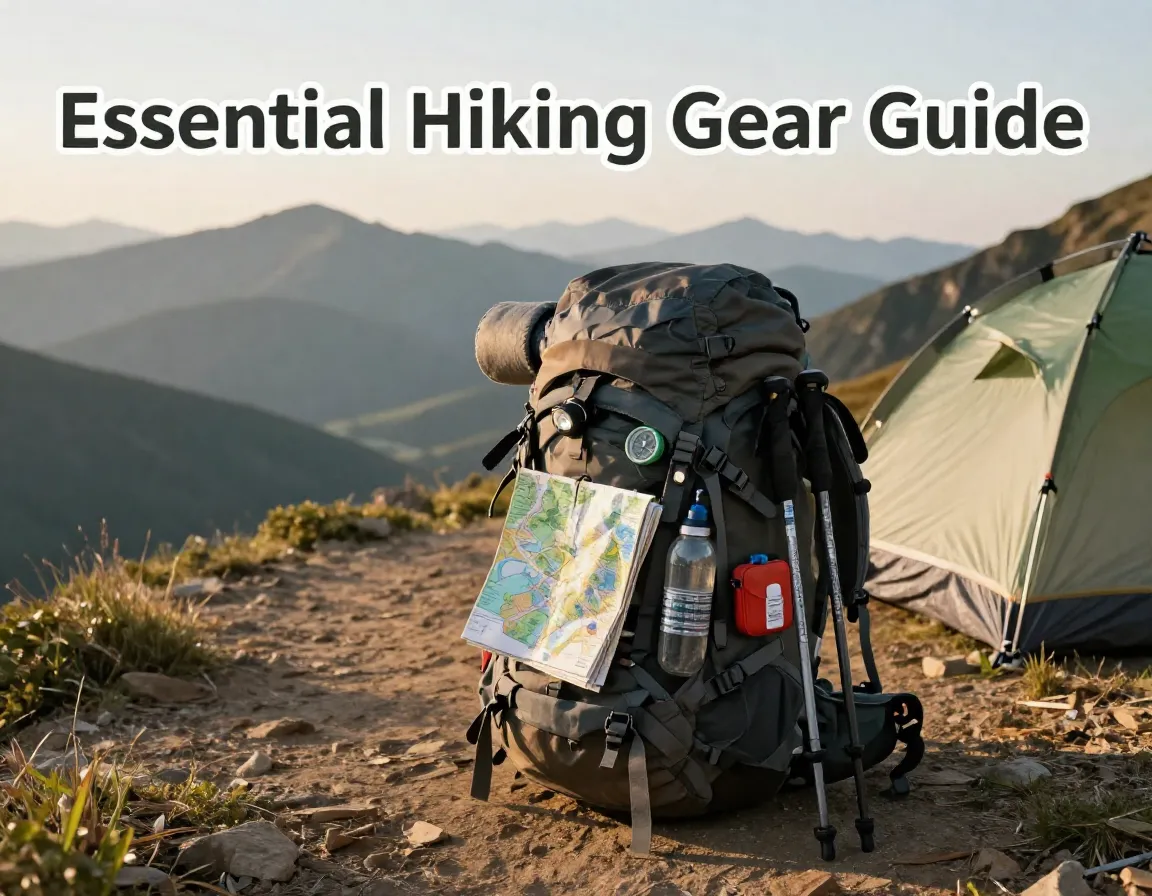
Before you pack a single item, you need the right vessel to carry it all. A 40–60 liter backpack is the sweet spot for multi-day hiking [1]. Go smaller and you will be forced to leave behind critical gear. Go larger and you will be tempted to fill the space with unnecessary weight.
What to look for in a multi-day hiking backpack:
| Feature | Why It Matters |
|---|---|
| Hip belt | Transfers up to 80% of weight to your hips |
| Padded shoulder straps | Reduces shoulder fatigue over long days |
| Multiple compartments | Keeps gear organized and accessible |
| Rain cover or waterproof fabric | Protects contents in wet conditions |
| Sternum strap | Improves stability on uneven terrain |
Look for brands that offer adjustable torso lengths, as a poor fit is one of the leading causes of back pain on the trail. Spend time adjusting your pack before your trip — not on day one when you are already miles in.
2. Sleep System: Tent, Sleeping Bag, and Sleeping Mat
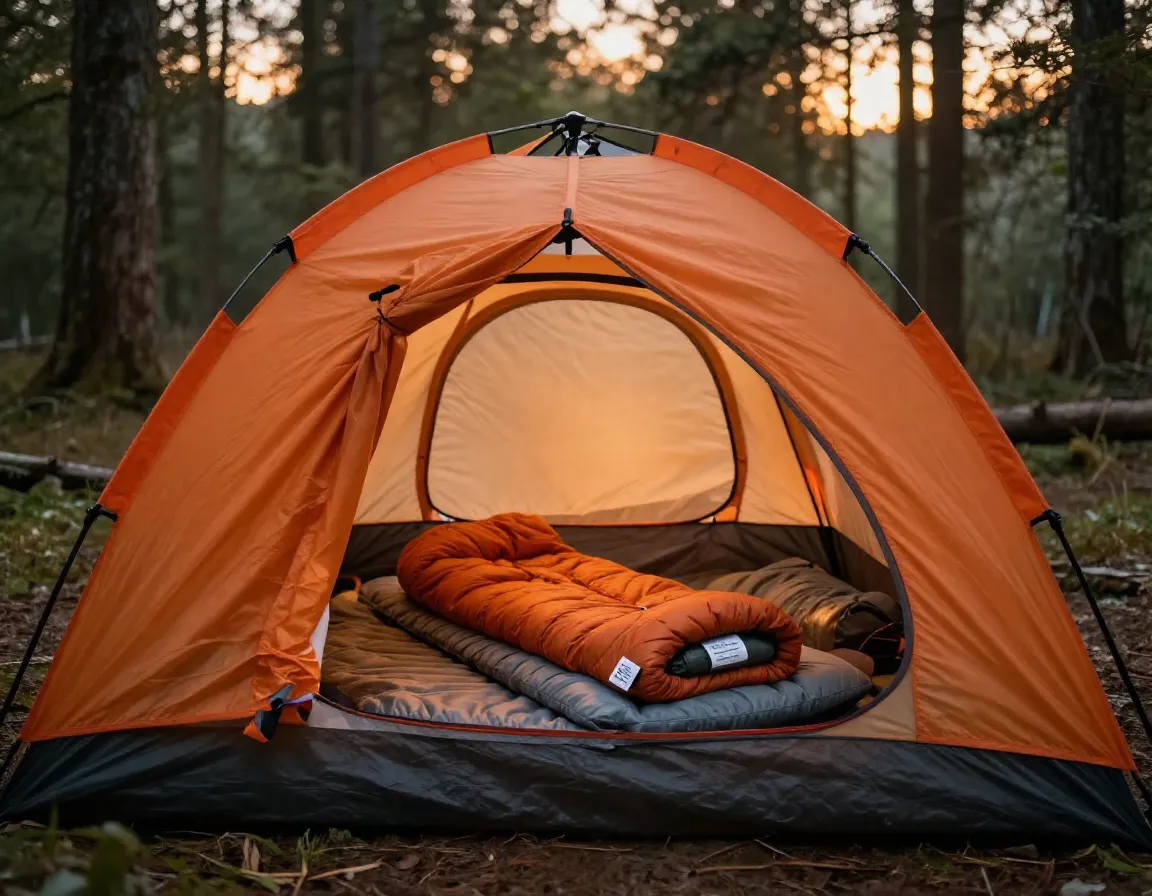
Your sleep system is the foundation of your entire multi-day experience. A bad night’s sleep does not just make you grumpy — it impairs your decision-making, slows your pace, and increases your risk of injury [1].
The three-part sleep system:
- Tent — Quality tents range from budget options around £100 to premium expedition models at £500 or more. For most hikers, a three-season tent in the £150–£300 range offers the best balance of weight and weather protection.
- Sleeping Bag — Match your bag’s temperature rating to the coldest conditions you expect. A bag rated to 0°C gives you a comfortable buffer in most UK mountain environments.
- Sleeping Mat — Often overlooked, the mat provides insulation from the cold ground. Inflatable mats offer the best warmth-to-weight ratio; foam mats are bulletproof reliable.
💡 Pro tip: Pack your sleeping bag in a dry bag inside your main pack. It is the one item you absolutely cannot afford to get wet.
3. Water Management: Bottles and Filter
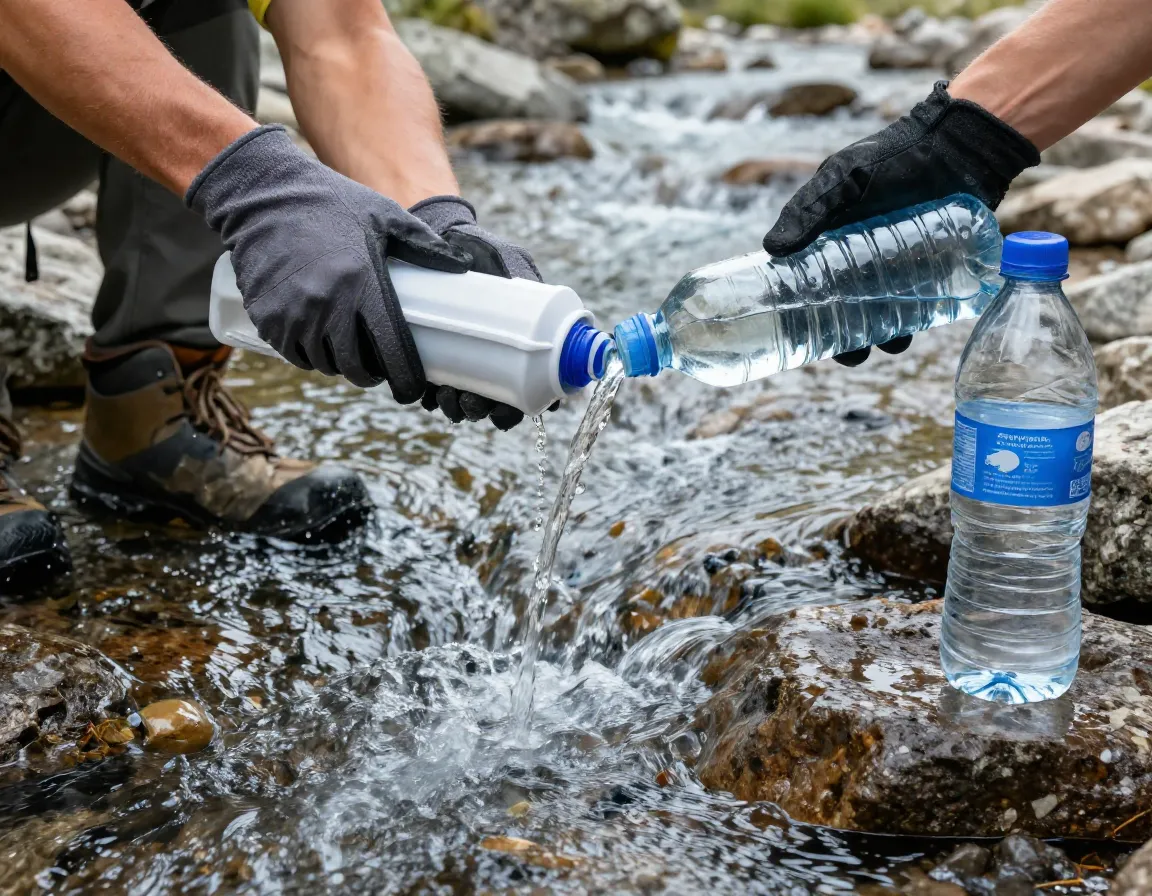
Dehydration is one of the most common — and most preventable — problems on long hikes. The solution is a smart water management system that balances hydration needs with pack weight [1].
The recommended setup:
- Two water bottles totalling at least 2 liters of capacity
- A water filter (such as a Sawyer Squeeze or LifeStraw) to safely drink from streams and natural sources
Carrying a filter means you do not need to haul all your water from the start. You can plan your route around natural water sources and top up as you go. This approach dramatically reduces your pack weight while keeping you fully hydrated.
⚠️ Never drink from natural sources without filtering first. Even crystal-clear mountain streams can carry Giardia and other pathogens that will end your trip fast.
Water planning checklist:
- Identify water sources on your route map before you leave
- Filter and fill at every opportunity — do not wait until you are thirsty
- Carry water purification tablets as a backup to your filter
4. Navigation Tools
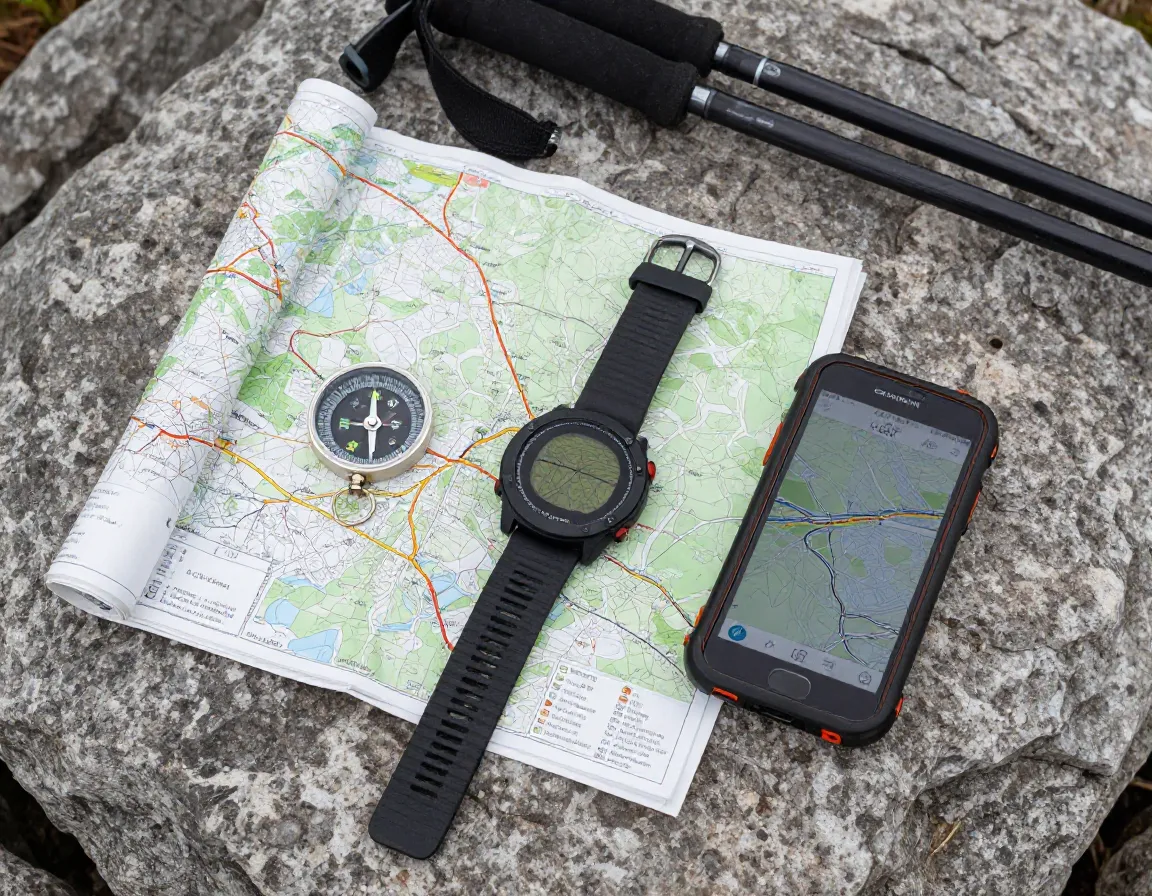
Getting lost in the mountains is not an adventure story — it is a safety emergency. Reliable navigation tools are non-negotiable for any multi-day hike [1].
Your navigation toolkit should include:
- Waterproof map of your route (1:25,000 scale for mountain terrain)
- Compass — and the knowledge to use it without GPS
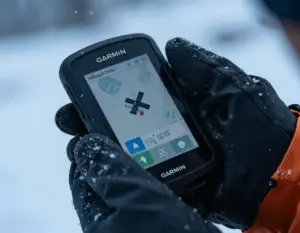
- GPS watch (Garmin Fenix or similar) for real-time tracking
- Smartphone loaded with offline navigation apps (OS Maps, AllTrails)
The key word here is redundancy. Technology fails. Batteries die. A waterproof paper map and compass will never run out of power.
| Navigation Tool | Pros | Cons |
|---|---|---|
| Waterproof map | No battery needed, reliable | Requires skill to read |
| Compass | Works anywhere, lightweight | Needs map to be useful |
| GPS watch | Real-time tracking, accurate | Battery dependent, expensive |
| Smartphone app | Familiar interface, detailed | Battery drain, fragile |
Learn to use all four before your trip. Practice at home. Your life may depend on it.
5. Layered Clothing System
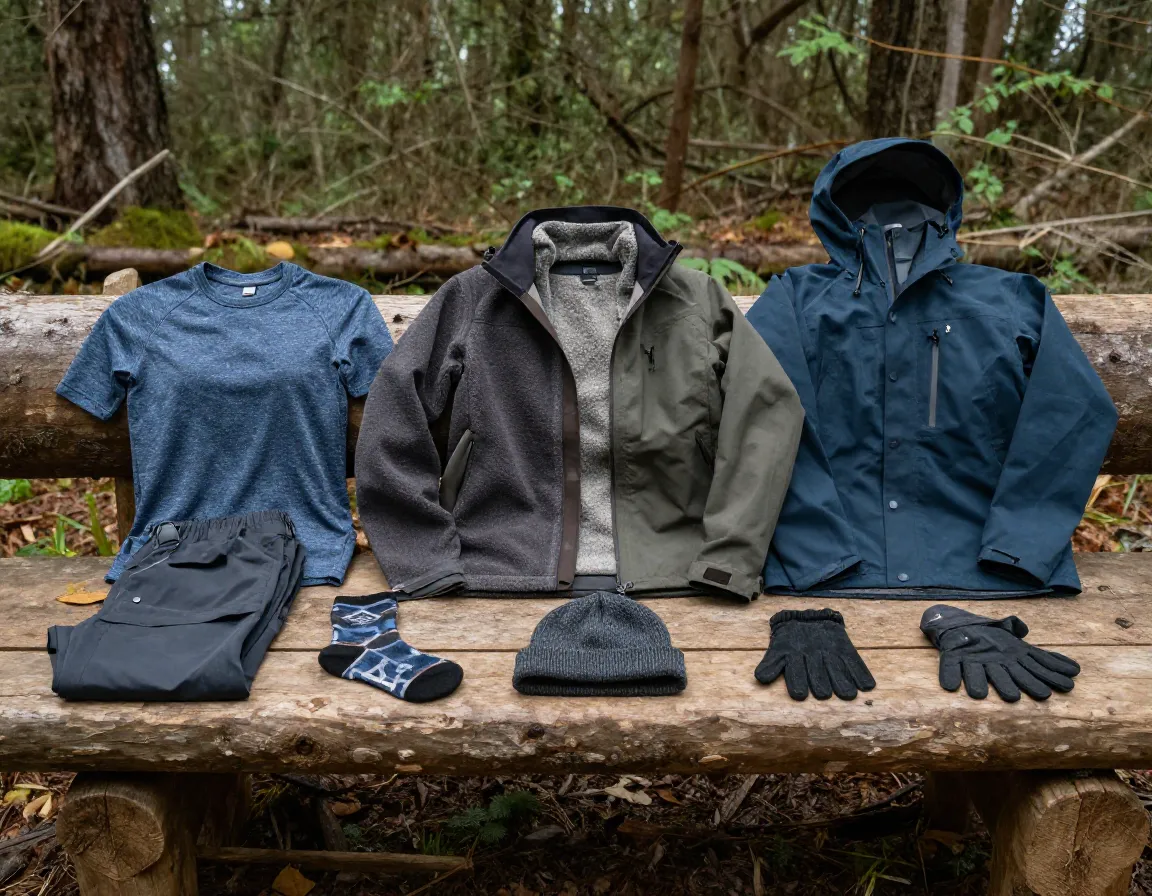
Mountain weather is famously unpredictable. A sunny morning can turn into a freezing, rain-lashed afternoon within an hour. A layered clothing system gives you the flexibility to adapt to changing conditions without carrying excessive weight [1].
The three-layer system:
- Base layer — Moisture-wicking fabric (merino wool or synthetic) that pulls sweat away from your skin
- Mid layer — Insulating fleece or down jacket that traps body heat
- Outer layer — Waterproof and windproof jacket and over-trousers
Additional clothing essentials:
- Warm hat (you lose significant heat through your head)
- Gloves and neck warmer
- Spare mid-layer for camp evenings
- Moisture-wicking hiking socks (pack at least one spare pair per day)
🧥 Golden rule: Cotton kills. It absorbs moisture, loses all insulating properties when wet, and takes forever to dry. Stick to merino wool, fleece, or synthetic fabrics for every layer.
6. Cooking Equipment and Food Strategy
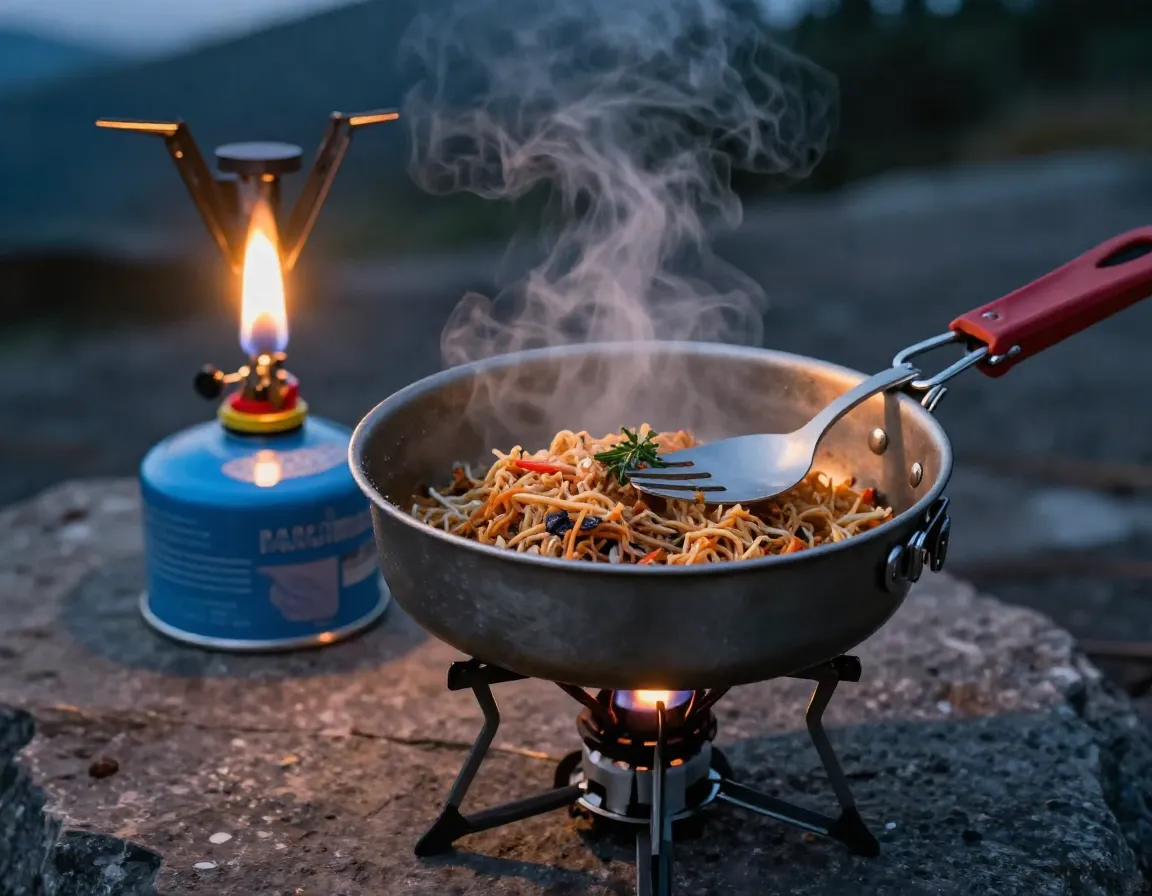
Fuelling your body properly on a multi-day hike is just as important as the gear you carry. Your cooking equipment and food strategy need to work together to keep you energized without adding unnecessary weight [1].
Core cooking kit:
- Camping stove with gas canister (lightweight backpacking stoves weigh as little as 70g)
- Lighter (plus a backup — waterproof matches)
- Cooking pan (titanium for best weight-to-durability ratio)
- Spork and mug
Food strategy for multi-day hikes:
| Meal Type | Best Options | Notes |
|---|---|---|
| Dinner | Freeze-dried expedition meals | Lightweight, high calorie, easy prep |
| Breakfast | Instant oats, expedition meals | Quick to cook, warm start to the day |
| Daytime snacks | Sandwiches, flapjacks, trail mix, energy gels | High energy, no cooking needed |
| Emergency rations | High-calorie energy bars | Pack at least 2 per person |
Plan your resupply points carefully. If your route passes through villages, towns, or cafes, you can reduce the food weight you carry by topping up along the way [1]. This is one of the smartest weight-saving strategies available to long-distance hikers.
7. Safety and Emergency Gear
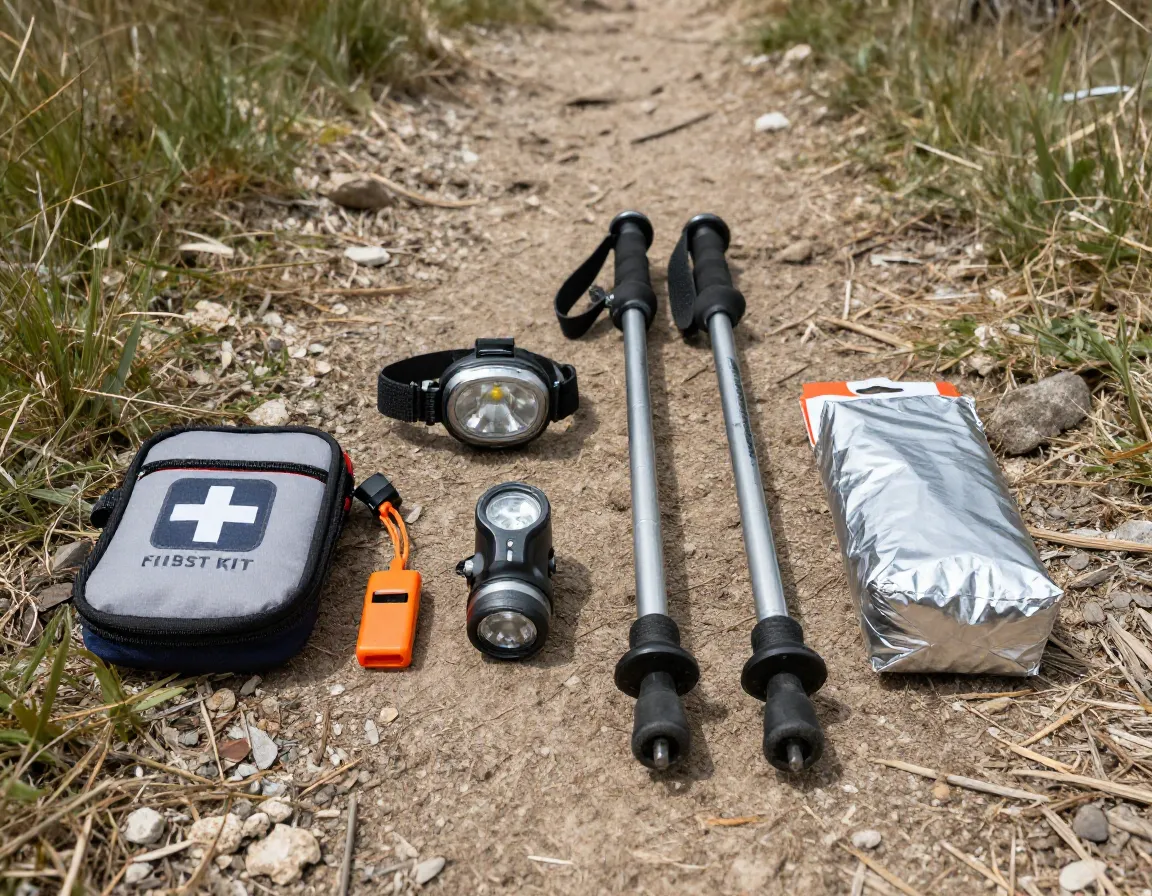
No matter how experienced you are, the mountains can surprise you. Safety and emergency gear is the category where you should never cut corners [1].
Your safety kit must include:
- First aid kit — Blister plasters, bandages, antiseptic wipes, pain relief, and any personal medications
- Emergency shelter — A lightweight bothy bag or survival shelter can protect you from exposure if you cannot reach camp
- Safety whistle — The international distress signal is six blasts. A whistle carries further than a voice and uses no battery
- Headtorch — Essential for dawn starts, dusk navigation, and camp tasks. Always pack spare batteries [1]
- Emergency survival bag — A foil bivvy bag weighs almost nothing and can prevent hypothermia in a crisis
Trekking poles also belong in this safety conversation. Recommended by experts for all terrain types [2], poles increase stability on steep descents, help you cross streams safely, and significantly reduce pressure on your knees over long distances. They are one of the most underrated items in any travel essentials bag.
🆘 Before every trip: Tell someone your exact route, your expected return time, and what to do if they do not hear from you. This costs nothing and could save your life.
8. Power, Communication, and Sun Protection
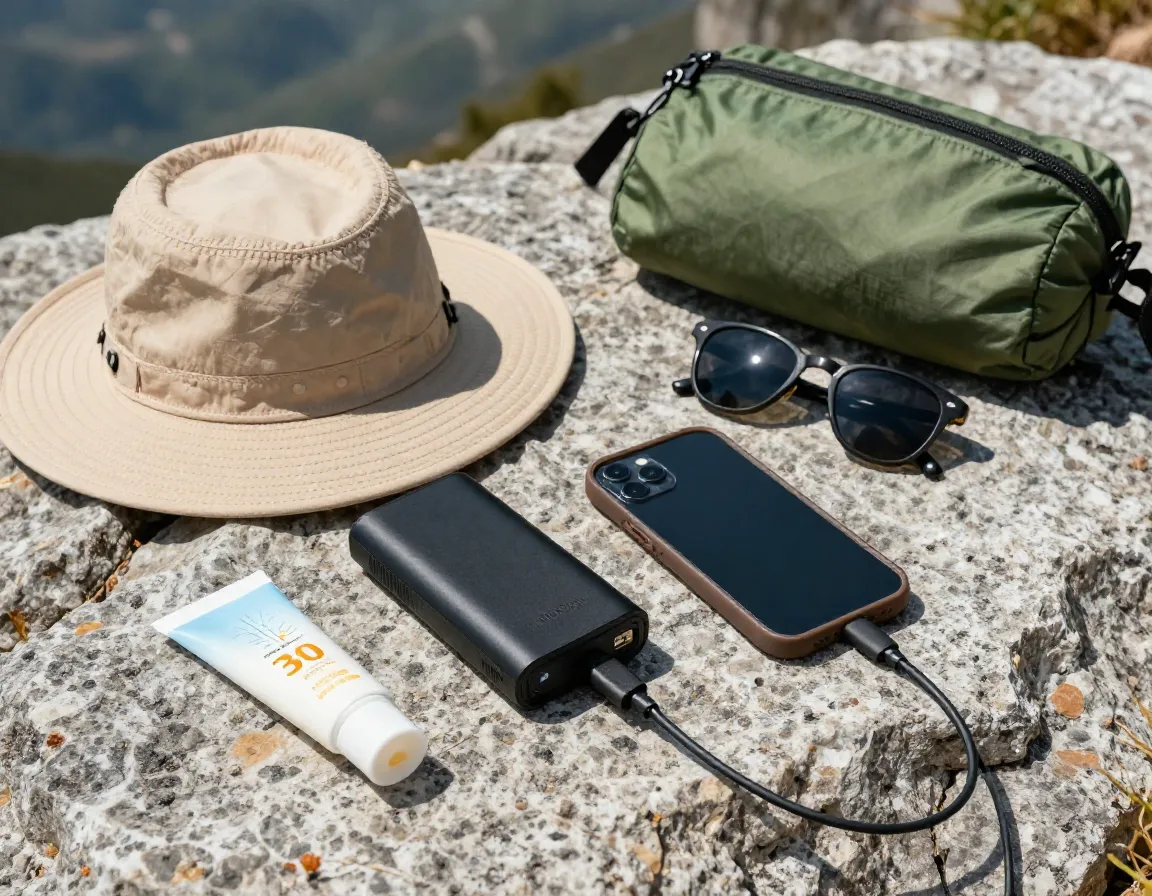
The final category covers the items that keep you connected, informed, and protected from the elements — all day, every day [1][3].
Power and communication:
- Powerbank with charging cable — Keep your phone and GPS watch topped up. A 10,000mAh powerbank will charge most smartphones 2–3 times.
- Smartphone in a protective case — Your backup navigation device, camera, and emergency communication tool [3]
- Headtorch (also listed in safety) — Doubles as a communication tool in emergencies
Sun and weather protection:
- ☀️ Sun hat — UV exposure increases with altitude. A wide-brimmed hat protects your face and neck.
- 🕶️ Sunglasses — UV-rated lenses are essential, especially in snow or at high altitude
- 🧴 Sun cream (SPF 30 or higher) and lip balm with UV protection
- Dry bags — Waterproof storage for electronics, maps, and sleeping bag
Leave-No-Trace essentials (pack these without question):
- Small rubbish bag — carry out everything you carry in
- Toilet tissue and a small trowel — bury waste at least 200 metres from water sources
- Hand sanitizer
- Zip-lock bags for waste disposal
These items add minimal weight but reflect the responsibility every hiker carries to protect the environments we love to explore.
How to Organize Your Travel Essentials Bag
Knowing what to pack is half the battle. Knowing how to pack it is the other half. Here is a quick guide to organizing your bag for maximum efficiency and comfort:
Pack organization by zone:
- Bottom zone: Sleeping bag and mat (heaviest insulation, rarely needed mid-hike)
- Core zone: Tent, cooking equipment, food (heaviest items, packed close to your back)
- Top zone: Rain jacket, first aid kit, snacks (items you need quick access to)
- Hip belt pockets: Energy bars, phone, lip balm, small compass
- External attachment points: Trekking poles, wet gear, sleeping mat if oversized
🎒 Weight distribution tip: Keep heavy items close to your back and centered between your shoulder blades and hips. This reduces strain and improves your balance on uneven terrain.
Common Packing Mistakes to Avoid
Even experienced hikers make these errors. Learn from them before you hit the trail:
- Packing duplicate items — One multi-tool is enough. Two is dead weight.
- Ignoring weather forecasts — Always check the mountain weather forecast, not just the general regional forecast.
- Skipping the test pack — Always do a full test pack and a short walk before your trip to identify fit issues and forgotten items.
- Wearing new boots — Break in your footwear well before your trip. Blisters from new boots are one of the top reasons hikers cut trips short.
- Forgetting personal medications — Prescription medications, allergy treatments, and personal health items must be on your checklist.
Conclusion
Preparing your travel essentials bag for a multi-day hike is not about perfection — it is about preparation. The 8 Must-Pack Items for Your Travel Essentials Bag on a Multi-Day Hike covered in this guide represent the core framework every hiker needs: the right backpack, a solid sleep system, smart water management, reliable navigation, a layered clothing system, proper cooking equipment and food strategy, comprehensive safety gear, and power and sun protection essentials.
Your actionable next steps:
- ✅ Use this guide as your master checklist and tick off each of the 8 categories
- ✅ Lay all your gear out before packing and weigh your bag — aim for no more than 20–25% of your body weight
- ✅ Do a test pack and a short walk to check comfort and fit
- ✅ Share your route plan with a trusted contact before you leave
- ✅ Check the mountain weather forecast the night before and morning of your departure
The mountains reward those who respect them. Pack smart, stay safe, and enjoy every mile of the journey ahead. 🏔️
References
[1] Multi Day Hike Packing Checklist – https://www.inov8.com/us/blog/post/multi-day-hike-packing-checklist
[2] Day Hiking Checklist – https://www.rei.com/learn/expert-advice/day-hiking-checklist.html
[3] Day Hike Checklist – https://www.cleverhiker.com/hiking/day-hike-checklist/