8 Mountain Camping Outfits to Stay Warm, Dry, and Stylish
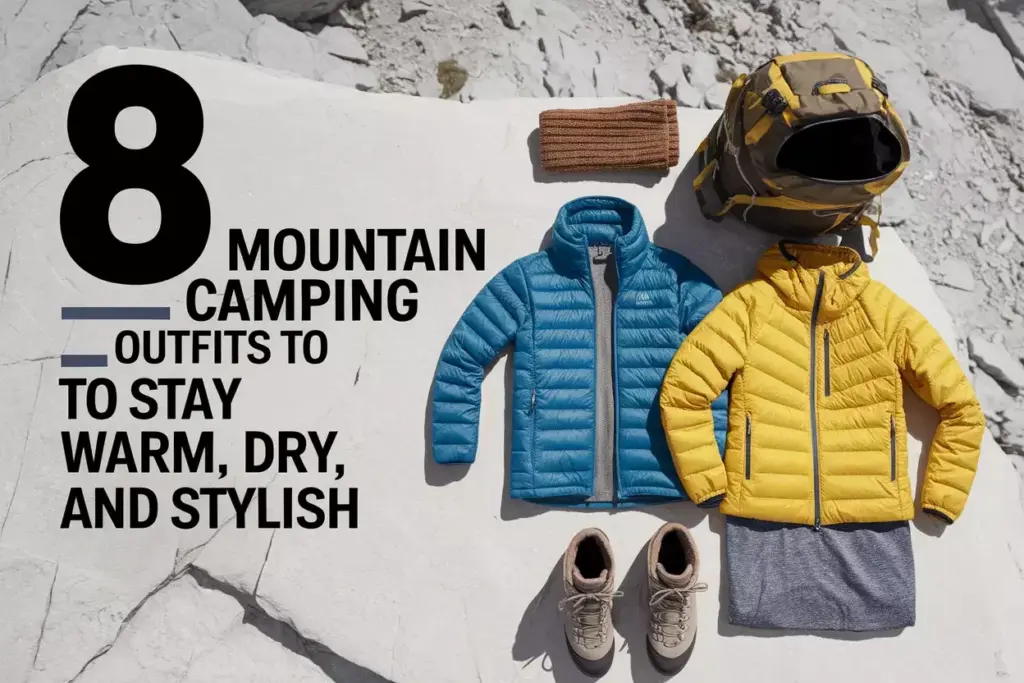
Picture this: you’re perched on a rocky outcrop at 8,000 feet, watching the sunrise paint the peaks in shades of gold and pink. The temperature has dropped to near freezing overnight, but you’re perfectly comfortable in your carefully chosen layers. This is the magic of proper mountain camping attire – the difference between a memorable adventure and a miserable ordeal. 8 Mountain Camping Outfits to Stay Warm, Dry, and Stylish isn’t just about looking good in your Instagram photos; it’s about survival, comfort, and confidence in some of nature’s most challenging environments.
Key Takeaways
- Layering is essential – Base layers, insulating layers, and outer shells work together to regulate temperature and moisture
- Technical fabrics outperform cotton – Merino wool, synthetic materials, and waterproof-breathable fabrics keep you comfortable
- Versatility matters – Choose pieces that work across different weather conditions and activities
- Proper footwear is critical – Waterproof hiking boots with good traction prevent injuries and keep feet warm
- Accessories complete the system – Hats, gloves, and buffs provide crucial warmth for extremities
Understanding Mountain Weather Challenges
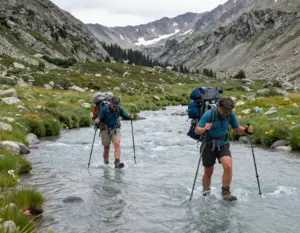
Mountain environments present unique challenges that demand specialized clothing solutions. Temperatures can swing dramatically from scorching midday sun to below-freezing nights. Weather patterns change rapidly, with clear skies transforming into thunderstorms within minutes. Altitude affects both temperature and UV exposure, while wind chill can make moderate temperatures feel dangerously cold.
The key to conquering these challenges lies in understanding the three-layer system:
- Base Layer: Moisture management and temperature regulation
- Insulating Layer: Warmth retention and breathability
- Outer Layer: Weather protection and durability
This system allows for easy adjustment as conditions change throughout the day.
Essential Fabrics and Materials for Mountain Camping
Technical Fabric Guide
| Fabric Type | Best For | Pros | Cons |
|---|---|---|---|
| Merino Wool | Base layers | Odor-resistant, temperature regulation | Higher cost, slower drying |
| Synthetic Blends | Mid-layers | Quick-drying, durable | Can retain odors |
| Down Insulation | Jackets, sleeping gear | Excellent warmth-to-weight ratio | Loses insulation when wet |
| Synthetic Insulation | Wet conditions | Maintains warmth when damp | Heavier than down |
| Gore-Tex/DWR | Outer shells | Waterproof, breathable | Expensive, requires maintenance |
“The right fabric choice can mean the difference between comfort and hypothermia in mountain conditions. Never underestimate the importance of moisture management.” – Mountain Safety Expert
Complete Mountain Camping Outfit Combinations
1. The Alpine Minimalist
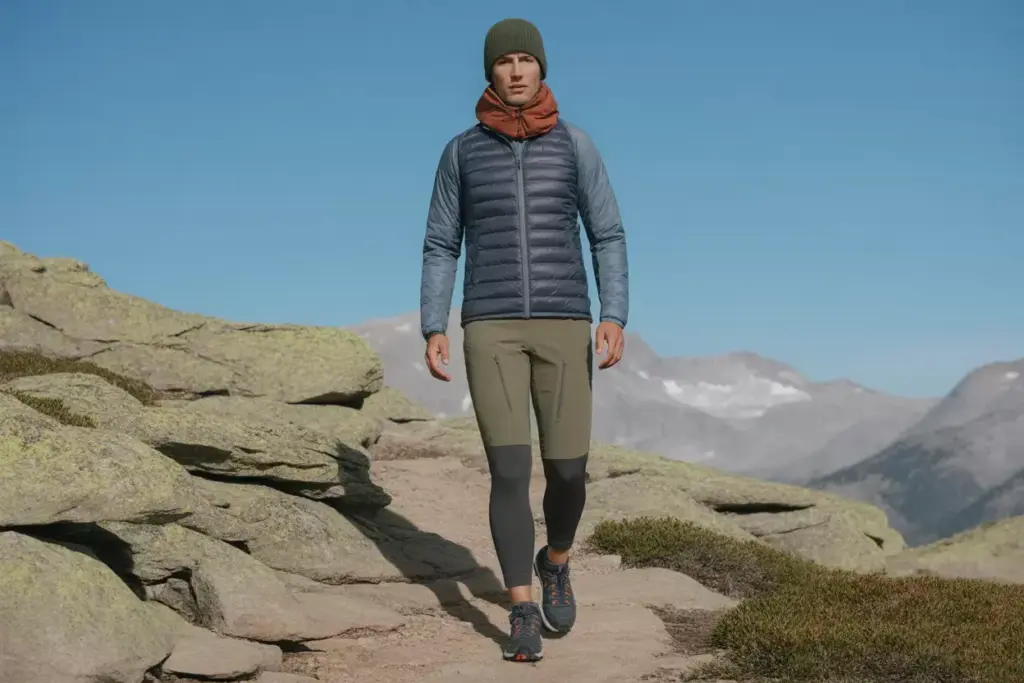
This streamlined approach focuses on lightweight, multi-functional pieces perfect for experienced hikers who prioritize weight savings. The foundation starts with a merino wool base layer that regulates temperature naturally and resists odors during multi-day trips.
Key Components:
- Lightweight merino wool long-sleeve base layer
- Packable down vest for core warmth
- Softshell jacket with DWR coating
- Convertible hiking pants with zip-off legs
- Trail running shoes with aggressive tread
- Merino wool buff and lightweight beanie
This combination works best in mild to moderate mountain conditions where extreme weather isn’t expected. The convertible pants adapt to changing temperatures, while the down vest provides crucial core warmth without bulk.
2. The Weather Warrior
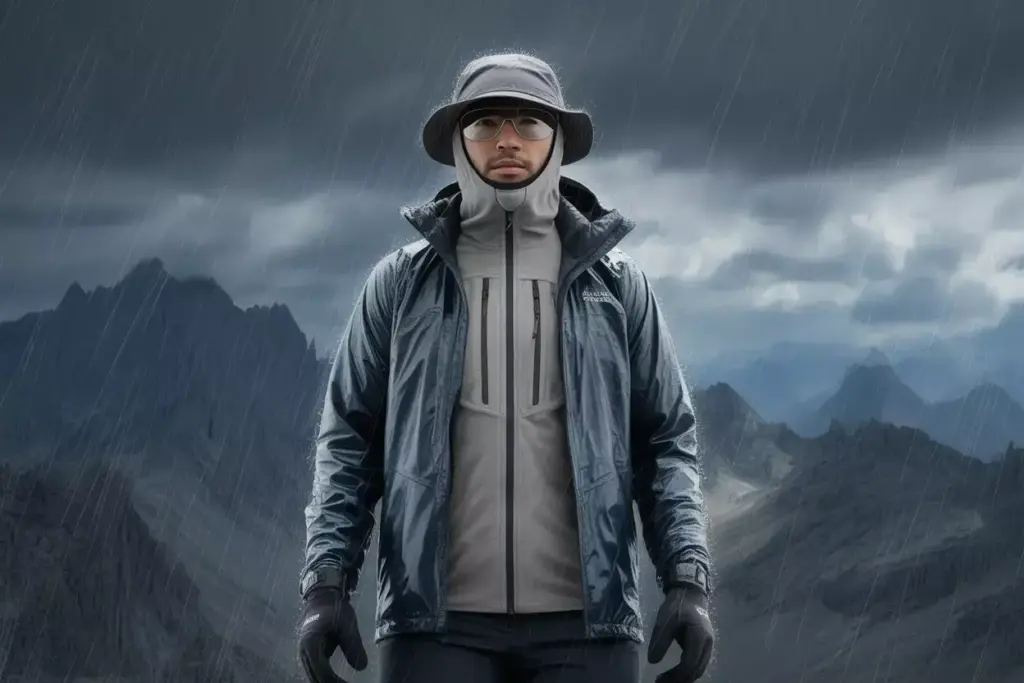
Designed for unpredictable mountain weather, this outfit prioritizes protection above all else. Every piece serves as a barrier against wind, rain, and temperature extremes while maintaining breathability during active periods.
Key Components:
- Synthetic base layer with moisture-wicking technology
- Fleece mid-layer with full-zip ventilation
- Hardshell jacket and pants with sealed seams
- Insulated hiking boots rated for sub-freezing temperatures
- Waterproof gloves with liner system
- Brimmed hat with chin strap
The hardshell combination creates an impenetrable barrier against storms, while the fleece mid-layer provides consistent warmth even when damp. This setup excels during shoulder seasons when weather patterns are most volatile.
3. The Comfort Camper
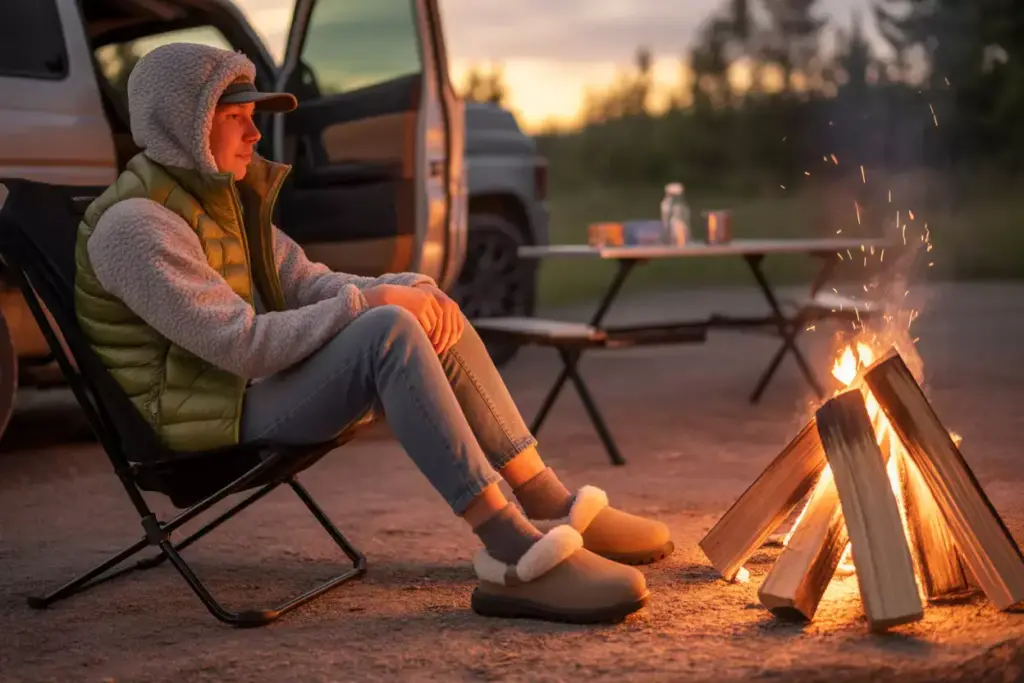
Perfect for car camping or base camp situations where weight isn’t a primary concern. This outfit emphasizes comfort and convenience while maintaining technical performance for day hikes and camp activities.
Key Components:
- Soft merino wool base layer with flatlock seams
- Cozy fleece hoodie with kangaroo pocket
- Insulated vest for camp wear
- Comfortable hiking jeans with stretch panels
- Supportive hiking boots with cushioned midsole
- Warm camp slippers for evening relaxation
The fleece hoodie serves double duty as both insulation and comfort piece, while the insulated vest allows for easy temperature adjustment around camp. This combination prioritizes all-day wearability over technical performance.
4. The Technical Mountaineer
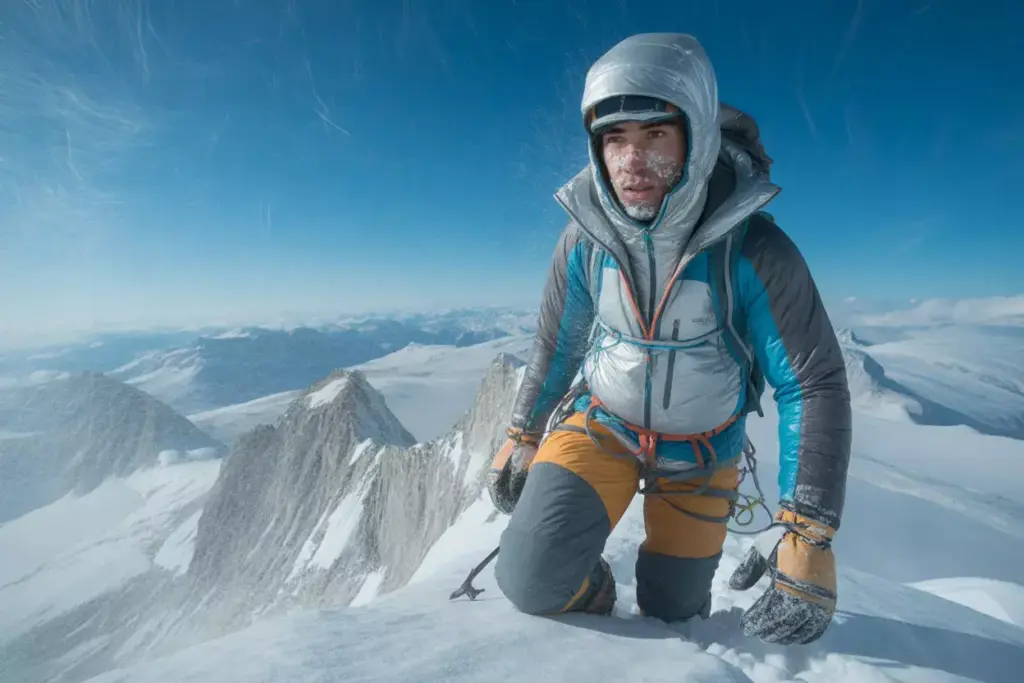
Built for serious alpine conditions, this outfit incorporates the most advanced materials and construction techniques. Every piece is chosen for extreme durability and performance in harsh mountain environments.
Key Components:
- High-performance synthetic base layer with silver ion treatment
- Synthetic insulation jacket with helmet-compatible hood
- Three-layer Gore-Tex shell with reinforced high-wear areas
- Softshell mountaineering pants with integrated gaiters
- Mountaineering boots with crampon compatibility
- Expedition-weight gloves with removable liners
This setup handles extreme altitude and weather conditions where failure isn’t an option. The synthetic insulation maintains warmth even when wet, while the three-layer shell provides maximum protection against alpine storms.
Advanced Layering Strategies for Mountain Camping Outfits
5. The Versatile Adventurer
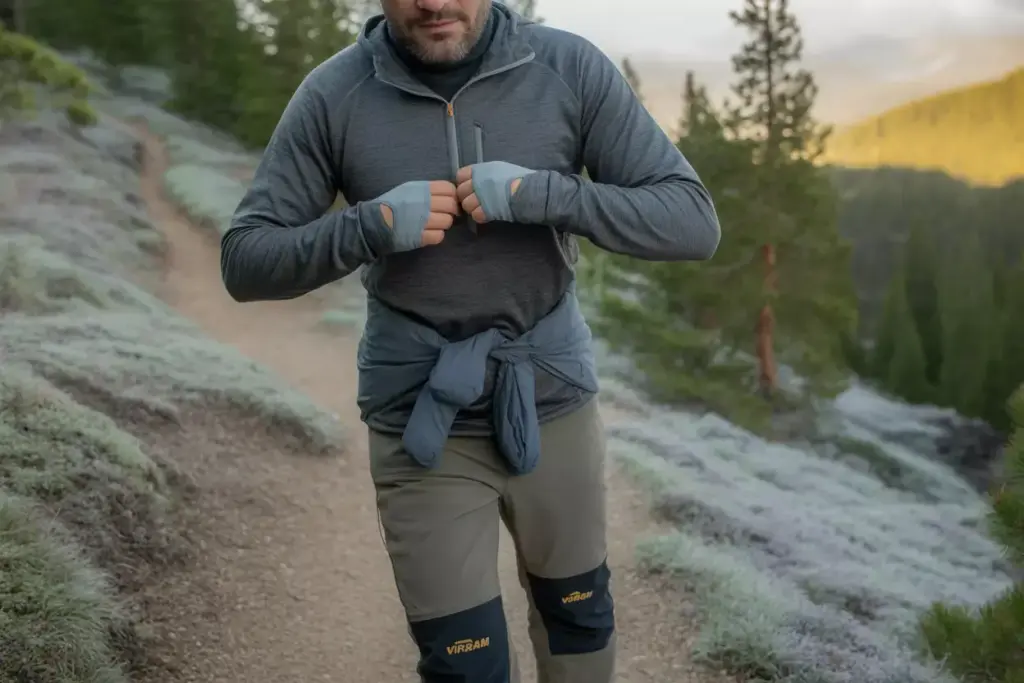
This adaptable system works across multiple activities and seasons. The secret lies in choosing pieces that layer effectively together while functioning independently when conditions allow.
Key Components:
- Long-sleeve merino wool base with thumb loops
- Lightweight fleece quarter-zip pullover
- Packable rain jacket with pit zips
- Hiking pants with reinforced knees
- Mid-cut hiking boots with Vibram soles
- Convertible gloves with fold-back fingertips
The quarter-zip design allows precise temperature control, while thumb loops prevent sleeve ride-up during active movement. This combination adapts seamlessly from morning frost to afternoon sunshine.
6. The Backcountry Professional
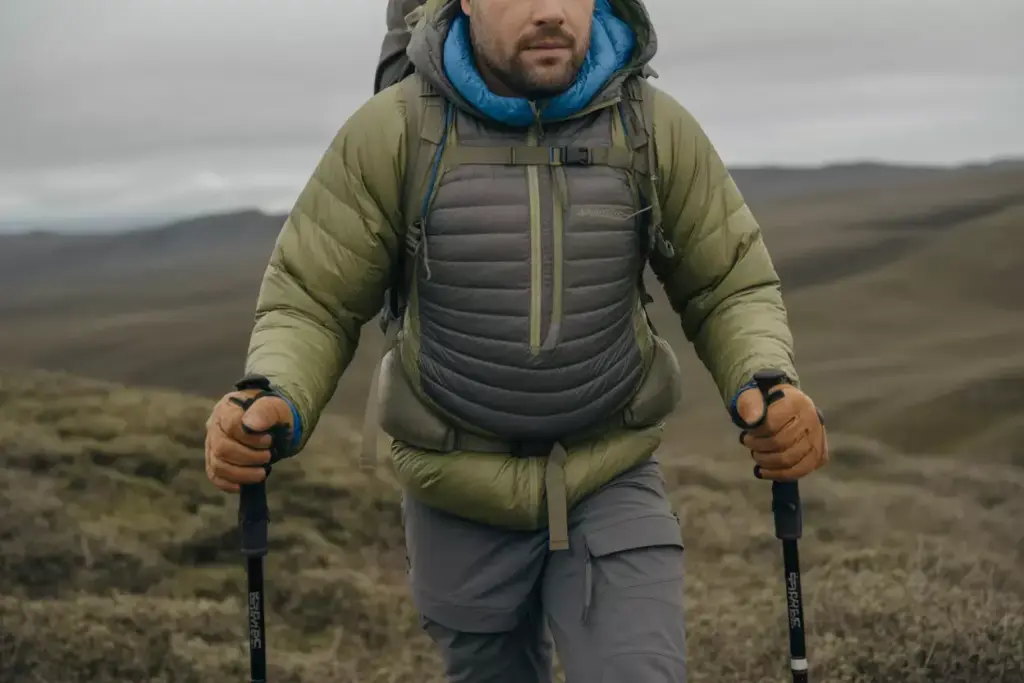
Designed for extended wilderness expeditions, this outfit balances durability with packability. Every piece must perform reliably over weeks of continuous use while maintaining comfort and protection.
Key Components:
- Expedition-weight merino wool base layer
- Primaloft synthetic insulation jacket
- Ultralight hardshell with full-zip ventilation
- Technical hiking pants with cargo pockets
- Lightweight backpacking boots with ankle support
- Merino wool liner gloves plus waterproof shells
The synthetic insulation provides reliable warmth even after repeated wet-dry cycles, while the ultralight hardshell packs small but delivers full storm protection. This setup prioritizes long-term reliability over short-term comfort.
7. The Style-Conscious Explorer
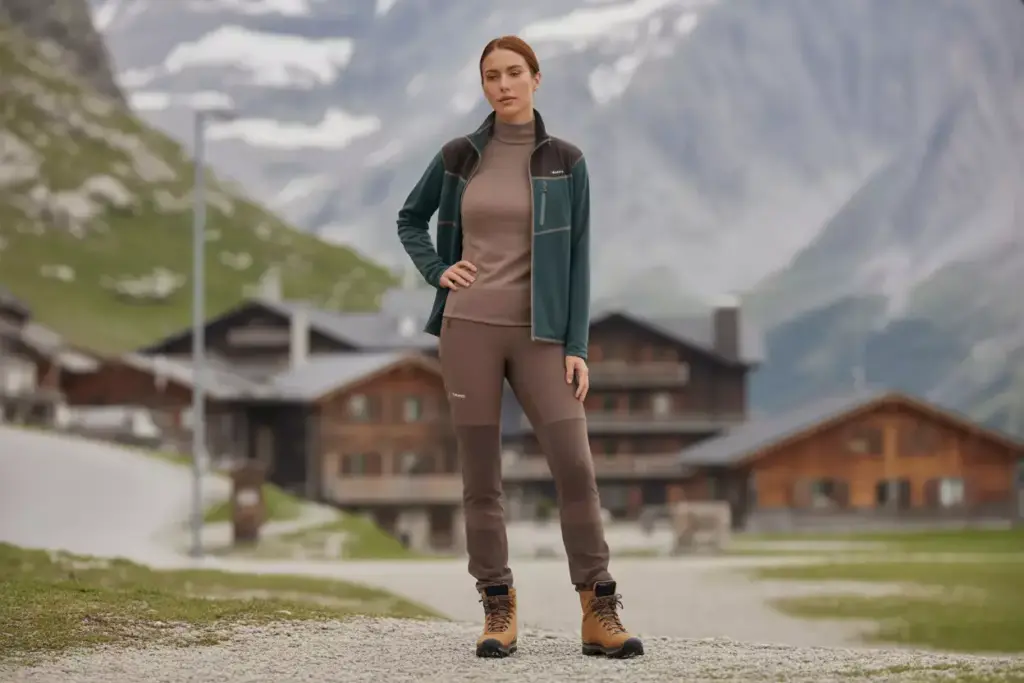
Proves that technical performance and aesthetic appeal aren’t mutually exclusive. This outfit looks at home in mountain towns while delivering serious outdoor capability.
Key Components:
- Fitted merino wool base layer in earth tones
- Stylish fleece jacket with clean lines
- Fashion-forward softshell with urban appeal
- Hiking pants that double as casual wear
- Leather hiking boots with classic styling
- Coordinated accessories in matching colors
The earth tone palette creates visual cohesion while hiding dirt and wear. Clean lines and classic styling ensure this outfit transitions seamlessly from trail to town.
8. The Budget-Conscious Camper
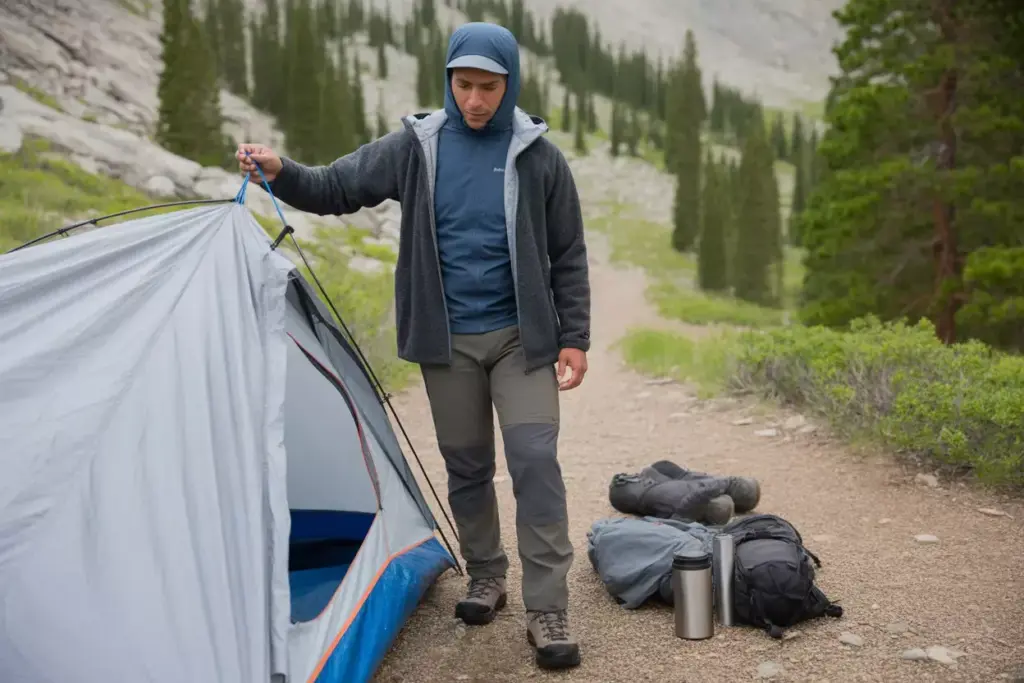
Delivers essential mountain protection without breaking the bank. Smart fabric choices and versatile pieces maximize value while maintaining safety and comfort standards.
Key Components:
- Synthetic base layer from value outdoor brands
- Fleece jacket from discount retailers
- Rain jacket with basic waterproof coating
- Durable hiking pants from budget lines
- Reliable hiking boots under $100
- Basic accessories focusing on function
Strategic shopping during end-of-season sales makes quality gear accessible. While lacking premium features, this combination provides adequate protection for most mountain camping scenarios.
Footwear and Accessories for Complete Mountain Camping Outfits
Essential Footwear Considerations
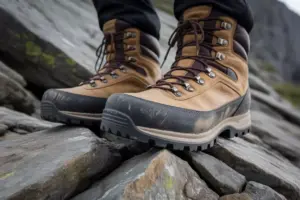
Proper footwear forms the foundation of any mountain camping outfit. Hiking boots must balance support, protection, and comfort across varied terrain. Key features include:
- Waterproof-breathable membranes to keep feet dry
- Aggressive tread patterns for traction on loose rock and mud
- Ankle support to prevent injuries on uneven terrain
- Cushioned midsoles for all-day comfort
- Durable construction to withstand rocky conditions
Critical Accessories
Headwear prevents significant heat loss and protects against UV exposure. Choose beanies with moisture-wicking liners and sun hats with UPF ratings.
Hand protection requires a layered approach. Liner gloves provide dexterity for camp tasks, while insulated shells handle extreme cold. Waterproof options prevent hypothermia during wet conditions.
Neck protection through buffs or balaclavas seals gaps in the layering system. Look for seamless construction and odor-resistant treatments.
Seasonal Considerations for Mountain Camping Outfits
Spring Mountain Camping
Variable conditions define spring mountain camping. Snow may linger at elevation while valleys warm rapidly. Layering becomes critical as temperatures swing dramatically throughout the day.
Focus on versatile mid-layers that adapt quickly. Packable down jackets provide instant warmth for cold mornings, while breathable shells handle afternoon thunderstorms.
Summer High-Altitude Adventures
UV protection takes priority during summer mountain camping. Thin air provides little protection from intense solar radiation, making long sleeves and sun hats essential even in warm weather.
Choose lightweight, breathable fabrics that provide coverage without causing overheating. UPF-rated clothing offers measurable protection against harmful rays.
Fall Weather Challenges
Unpredictable weather patterns make fall mountain camping particularly challenging. Early season storms can bring snow to high elevations while valleys remain warm.
Prepare for winter conditions even during seemingly mild weather. Pack insulation layers and waterproof shells regardless of the forecast.
Winter Mountain Camping
Extreme conditions demand the most advanced gear and techniques. Every piece of clothing becomes critical for survival in sub-freezing temperatures and harsh weather.
Focus on proven cold-weather systems with redundant warmth sources. Synthetic insulation provides backup warmth if primary layers become compromised.
Care and Maintenance for Mountain Camping Gear
Washing Technical Fabrics
Proper care extends the life and performance of technical clothing. Use specialized detergents designed for outdoor gear, avoiding fabric softeners that can damage DWR coatings.
Wash frequency depends on use intensity. Base layers require frequent washing, while outer shells may only need occasional cleaning to maintain breathability.
Reproofing Waterproof Garments
DWR coatings wear off over time, reducing water repellency. Reapply treatments according to manufacturer instructions to maintain weather protection.
Heat activation helps restore DWR performance. Tumble dry on low heat or use an iron on synthetic settings to reactivate the coating.
Storage Best Practices
Proper storage prevents damage during off-seasons. Clean all items before storage and ensure complete drying to prevent mold and mildew.
Avoid compression for down insulation items. Store loosely to maintain loft and insulation properties.
Safety Considerations and Emergency Preparedness
Hypothermia Prevention
Proper clothing systems provide the first line of defense against hypothermia. Maintain dry base layers and add insulation before feeling cold.
Early recognition of hypothermia symptoms can save lives. Watch for uncontrollable shivering, confusion, and loss of coordination.
Emergency Backup Plans
Redundant warmth sources provide safety margins in emergency situations. Pack backup insulation layers and emergency shelter options.
Communication devices enable rescue coordination when clothing systems fail. Satellite communicators work in areas without cell coverage.
Budget-Friendly Tips for Building Mountain Camping Wardrobes
Strategic Shopping Approaches
End-of-season sales offer significant savings on quality outdoor gear. Plan purchases during spring and fall clearance events.
Outlet stores and online retailers provide access to previous season’s gear at reduced prices. Focus on classic styles that don’t change significantly year to year.
DIY Modifications and Repairs
Basic sewing skills enable simple repairs and modifications. Patch small tears immediately to prevent further damage.
Seam sealing can extend the waterproof life of budget rain gear. Use appropriate sealers for the fabric type.
Rental and Borrowing Options
Gear rental makes sense for occasional mountain campers. Test expensive items before purchasing to ensure proper fit and performance.
Borrowing from friends provides access to quality gear while building experience. Return items in better condition than received.
Conclusion
Mastering the art of 8 Mountain Camping Outfits to Stay Warm, Dry, and Stylish requires understanding the interplay between technical performance, environmental conditions, and personal preferences. The eight outfit combinations presented here provide proven frameworks for different camping styles, budgets, and experience levels.
Success in mountain environments depends on choosing the right combination of base layers, insulation, and weather protection for specific conditions. Whether prioritizing ultralight minimalism or maximum protection, the key lies in understanding how each piece works within the complete system.
Take action today by assessing your current mountain camping wardrobe against these proven combinations. Identify gaps in your layering system and prioritize upgrades based on your most common camping conditions. Start with quality base layers and waterproof shells, then build out your system with versatile mid-layers and reliable accessories.
Remember that the best mountain camping outfit is the one that keeps you safe, comfortable, and confident in challenging conditions. Invest in quality pieces that will serve you well across multiple seasons and adventures. Your future self will thank you when you’re warm and dry while others struggle with inadequate gear.
Begin planning your next mountain adventure with confidence, knowing that your carefully chosen outfit will enhance rather than hinder your experience. The mountains are calling – make sure you’re properly dressed to answer.