8 Essential Pieces Of Hiking Gear Every Man Needs In His Pack
Picture this: you’re three miles into a challenging mountain trail when dark clouds suddenly roll in. The temperature drops, your water runs low, and you realize your phone has no signal. This scenario separates prepared hikers from those who learn hard lessons the wilderness way. The difference between an epic adventure and a dangerous situation often comes down to having the right gear in your pack.
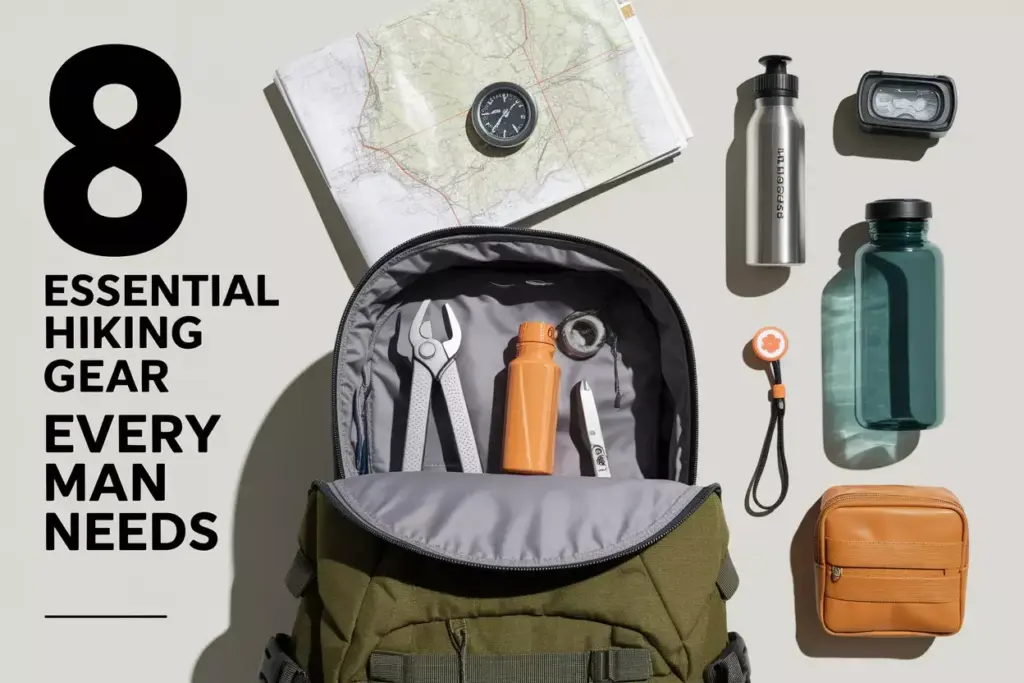
Understanding the 8 Essential Pieces Of Hiking Gear Every Man Needs In His Pack isn’t just about comfort—it’s about safety, preparedness, and ensuring every outdoor adventure ends with great stories rather than emergency room visits. Whether you’re a weekend warrior tackling local trails or an experienced hiker planning multi-day expeditions, these essential items form the foundation of smart hiking preparation.
Key Takeaways
- Navigation and safety tools like maps, compasses, and emergency whistles can literally save your life when technology fails
- Proper hydration systems and water purification methods prevent dehydration and waterborne illnesses on longer hikes
- Weather protection gear including rain layers and insulation keeps you comfortable and prevents hypothermia
- Emergency supplies such as first aid kits and multi-tools help you handle unexpected situations with confidence
- Quality footwear and clothing form the foundation of hiking comfort and injury prevention
Why These 8 Essential Pieces Of Hiking Gear Matter for Every Male Hiker
The wilderness doesn’t care about your hiking experience level or how confident you feel on the trail. Nature demands respect and preparation. Every year, search and rescue teams respond to thousands of hiking emergencies that could have been prevented with proper gear and planning.
Men often approach hiking with a “I’ll figure it out” mentality, but the smartest hikers know that preparation trumps improvisation every time. The gear recommendations in this guide aren’t suggestions—they’re essential tools that experienced hikers and outdoor professionals consider non-negotiable for safe trail adventures.
The Cost of Being Unprepared
According to the National Association for Search and Rescue, over 3,000 search and rescue operations occur annually in the United States alone. Many of these incidents involve hikers who ventured out without proper equipment or preparation. The financial cost of rescue operations can reach thousands of dollars, but the personal cost—injury, trauma, or worse—makes proper gear selection a critical investment.
“The best gear is the gear you have with you when you need it. Every piece of equipment in your pack should serve a specific purpose and contribute to your safety and success on the trail.” – American Hiking Society
Core Navigation and Safety Essentials
1. Detailed Topographic Map and Compass
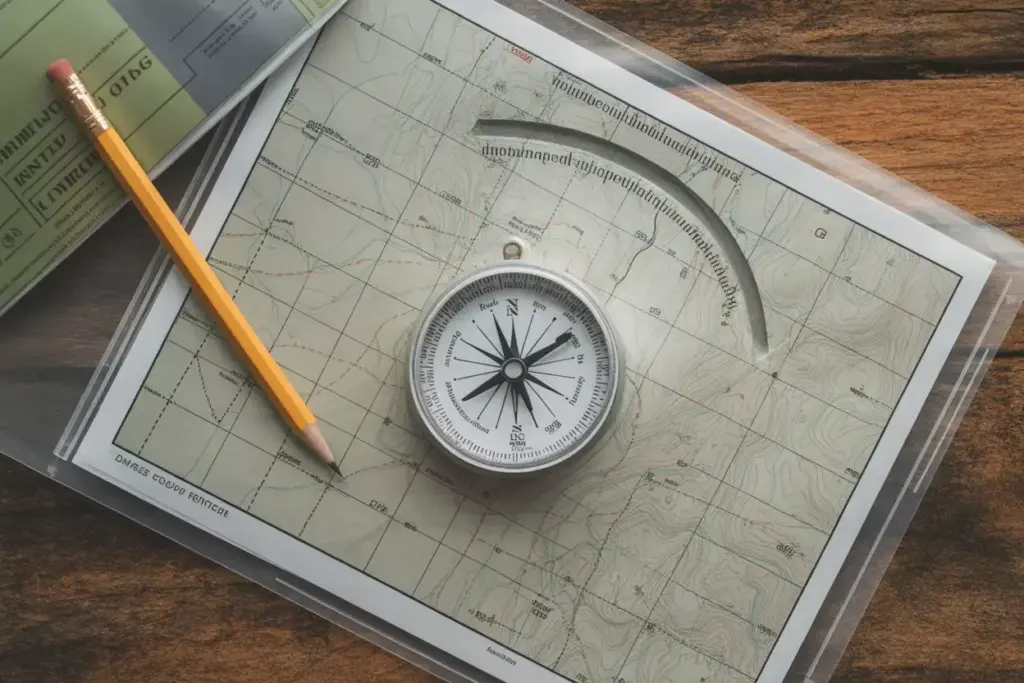
GPS devices fail. Phone batteries die. Paper maps and compasses work every time. A quality topographic map of your hiking area, paired with a reliable compass, forms the backbone of wilderness navigation. These tools don’t require batteries, won’t break if dropped, and provide detailed terrain information that digital devices often miss.
Choose USGS topographic maps that show elevation contours, water sources, and trail markers. Pair your map with a baseplate compass that includes a clear ruler and adjustable declination. Practice using these tools before heading out—knowing how to triangulate your position and follow a bearing could save your life in low visibility conditions.
Pro Tip: Waterproof your maps by laminating them or storing them in a clear, waterproof case. Mark your planned route with a pencil before starting your hike.
2. Emergency Whistle and Signaling Device
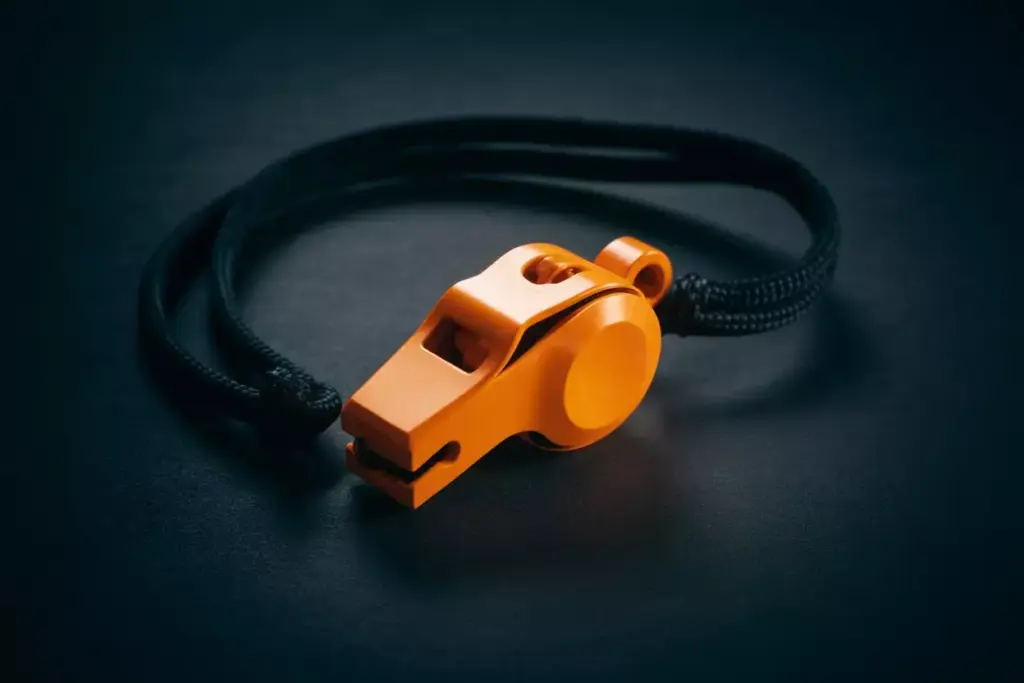
When you’re lost or injured, three sharp whistle blasts are the universal distress signal that carries much farther than shouting. A quality emergency whistle weighs less than an ounce but can be heard up to a mile away in good conditions.
Look for pealess whistles made from durable materials like titanium or high-impact plastic. Pealess designs won’t freeze or jam with debris, making them reliable in all weather conditions. Attach your whistle to your pack or clothing where you can access it quickly.
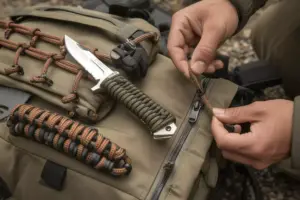
3. Multi-Tool or Quality Knife
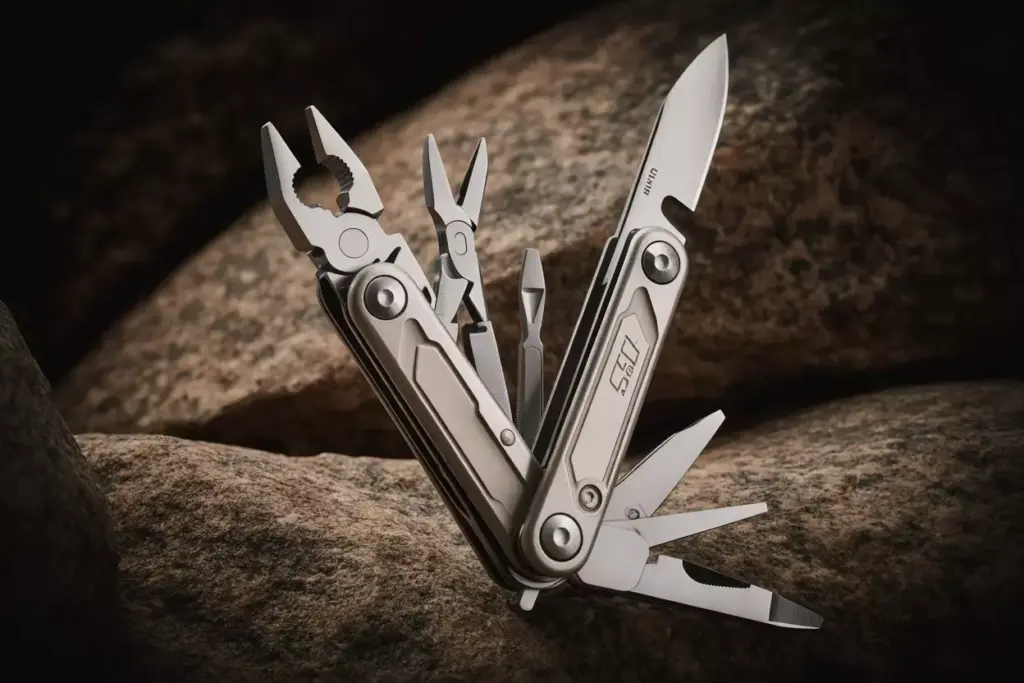
A reliable multi-tool or fixed-blade knife serves dozens of purposes on the trail. From cutting rope and preparing food to first aid applications and emergency gear repairs, a sharp blade is indispensable for serious hikers.
Choose tools with locking blades for safety and durability. Popular options include the Leatherman Wave+ for multi-functionality or a simple, high-quality fixed blade like those made by Mora or Benchmade. Keep your tools sharp—a dull blade is dangerous and ineffective.
4. First Aid Kit and Emergency Supplies
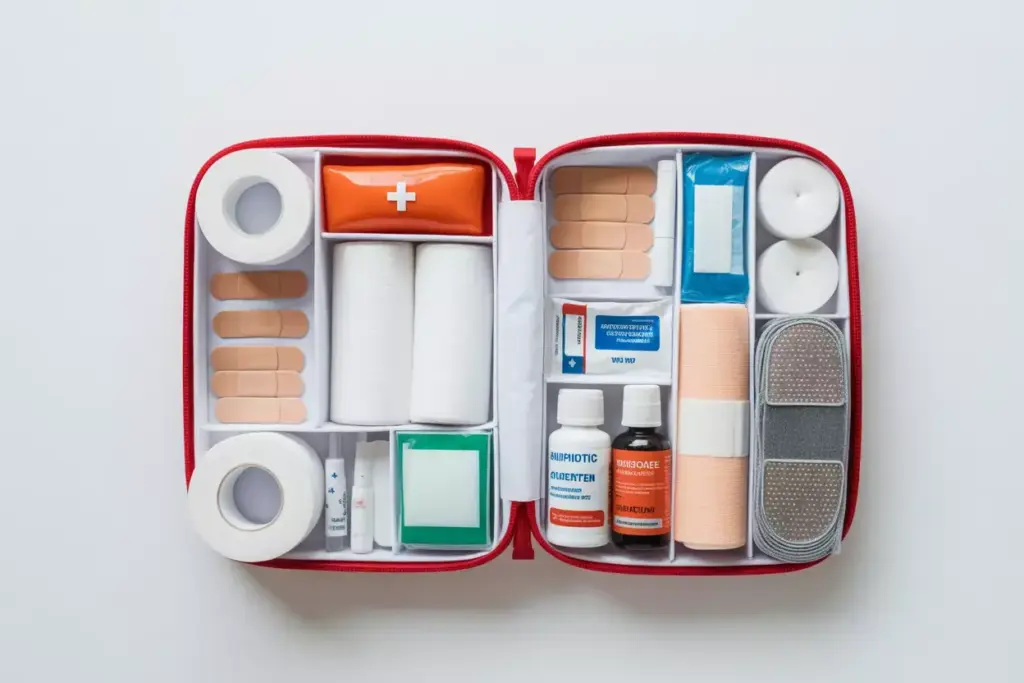
Your first aid kit should match your hiking distance from help. Day hikers need basic supplies for cuts, sprains, and common injuries. Multi-day hikers require more comprehensive medical supplies and should consider wilderness first aid training.
Essential first aid items include:
- Adhesive bandages in various sizes
- Gauze pads and medical tape
- Antiseptic wipes and antibiotic ointment
- Pain relievers (ibuprofen and acetaminophen)
- Elastic bandage for sprains
- Emergency blanket for warmth and signaling
- Personal medications
Important: Replace expired medications regularly and customize your kit based on personal medical needs and hiking conditions.
Hydration and Comfort Systems
5. Water Bottles and Purification Method
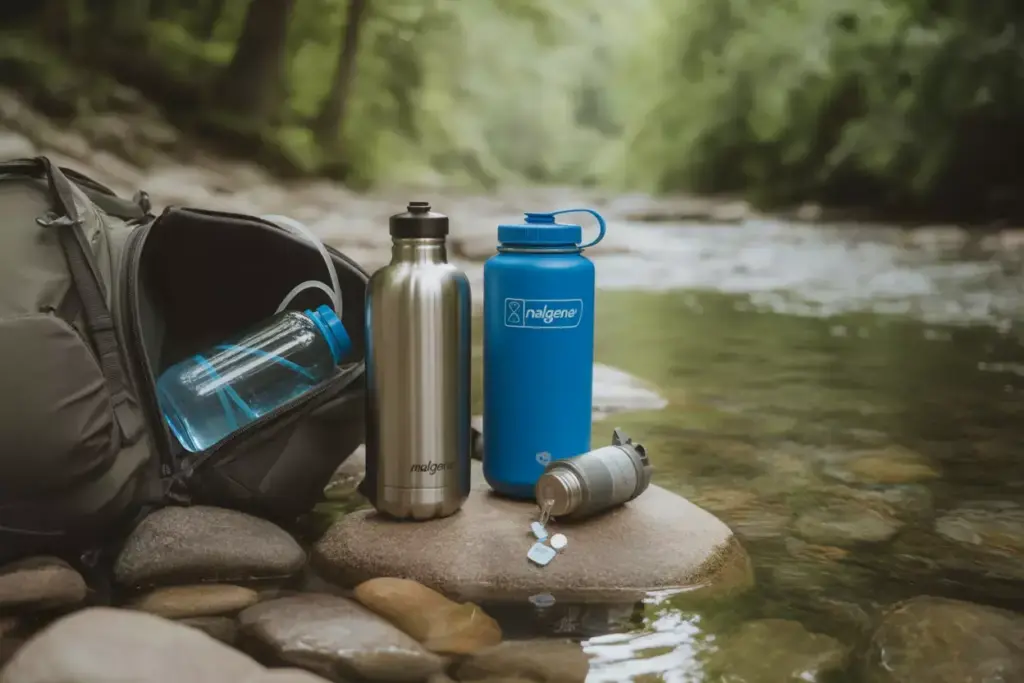
Dehydration kills faster than hunger. Carrying adequate water and having a reliable purification method ranks among the most critical hiking preparations. The general rule suggests one liter of water for every two hours of moderate hiking, but this varies dramatically based on weather, elevation, and individual needs.
Hydration Options:
- Nalgene bottles: Durable, wide-mouth design, easy to clean
- Insulated bottles: Keep water cool in summer, prevent freezing in winter
- Hydration bladders: Hands-free drinking, efficient packing
Water Purification Methods:
- Water filters: Remove bacteria and parasites (Katadyn, LifeStraw)
- Purification tablets: Lightweight backup option
- UV sterilizers: Fast, effective against all microorganisms
- Boiling: Always works if you carry a stove
6. Weather-Appropriate Clothing Layers
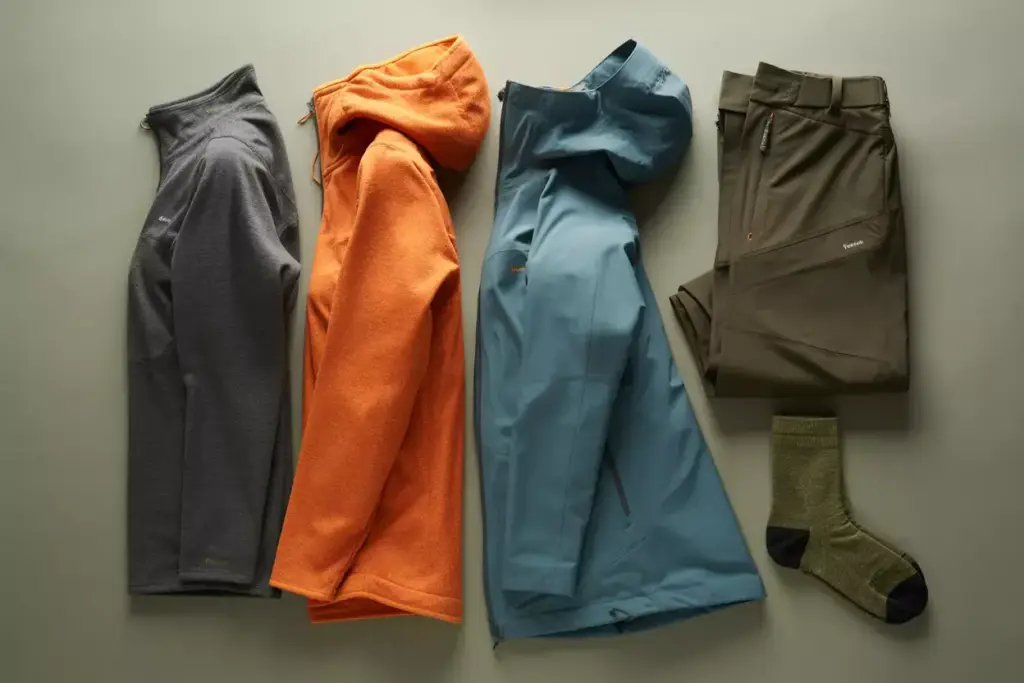
Cotton kills in the wilderness. Proper clothing systems use moisture-wicking base layers, insulating mid-layers, and waterproof outer shells to keep you comfortable and safe in changing conditions.
Base Layer: Merino wool or synthetic materials that wick moisture away from skin
Insulating Layer: Fleece or down jackets that trap warm air
Shell Layer: Waterproof, breathable jackets that block wind and rain
Essential clothing items:
- Moisture-wicking underwear and socks
- Quick-dry hiking pants or shorts
- Long-sleeve shirt for sun and bug protection
- Insulated jacket for temperature drops
- Rain jacket and pants
- Warm hat and sun hat
- Gloves for cold weather hiking
7. Quality Hiking Boots or Shoes
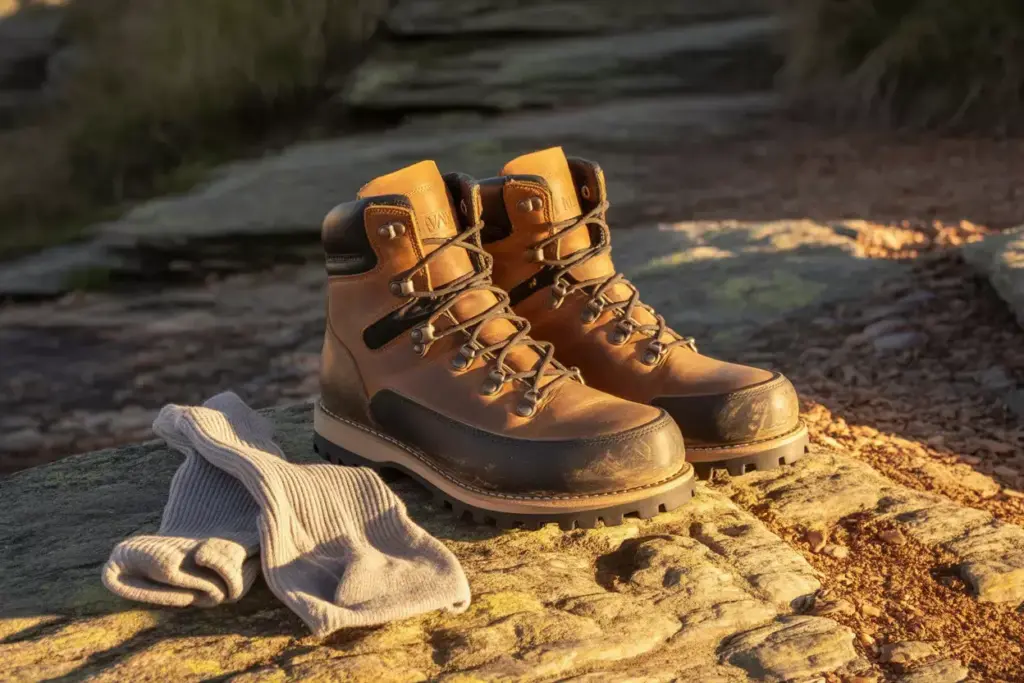
Your feet carry you home. Proper footwear prevents blisters, provides ankle support, and offers traction on varied terrain. The best hiking shoes match your hiking style, foot shape, and typical trail conditions.
Hiking Shoe Categories:
- Trail runners: Lightweight, breathable, good for day hikes
- Hiking shoes: Mid-cut design, moderate support and protection
- Hiking boots: Full ankle support, maximum protection for rough terrain
Boot Selection Tips:
- Shop for boots in the afternoon when feet are naturally swollen
- Wear hiking socks during fitting
- Ensure thumb-width space between longest toe and boot front
- Break in new boots gradually before long hikes
Don’t forget quality hiking socks! Merino wool or synthetic blend socks prevent blisters and manage moisture better than cotton alternatives.
8. Headlamp and Backup Lighting
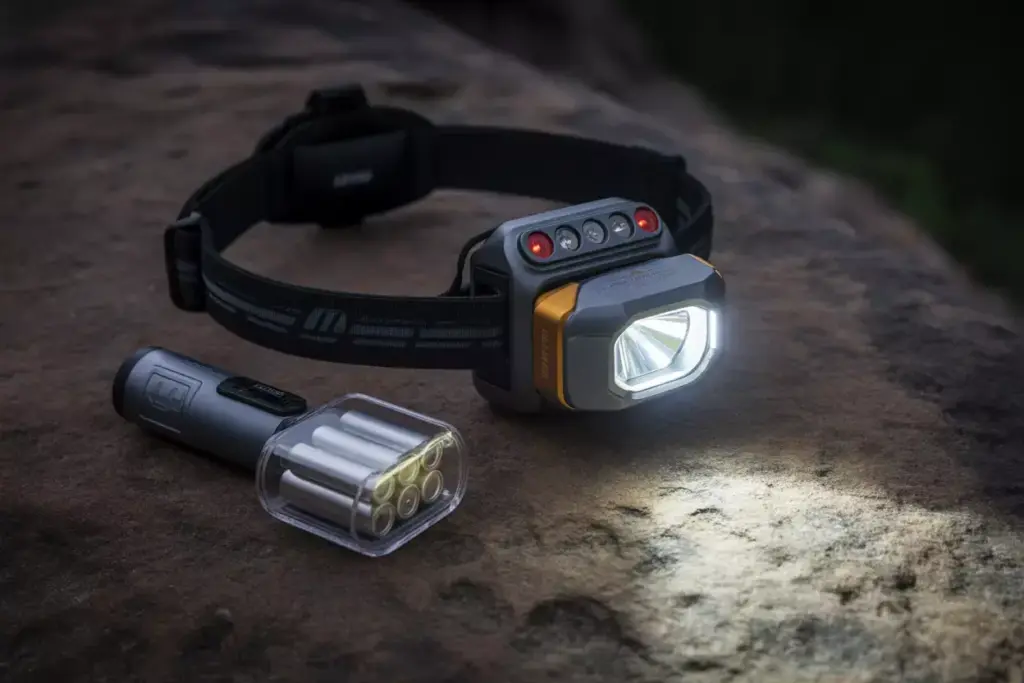
Darkness comes faster than expected in the wilderness. A reliable headlamp keeps your hands free for navigation, camp setup, and emergency situations. Even day hikers should carry lighting—trails take longer than planned, and injuries can delay your return.
Headlamp Features to Consider:
- Brightness: 200-400 lumens for most hiking needs
- Battery life: 8+ hours on medium setting
- Water resistance: IPX4 rating minimum
- Red light mode: Preserves night vision
- Comfortable headband: Adjustable, non-slip design
Backup Lighting Options:
- Small backup headlamp or flashlight
- Extra batteries in waterproof container
- Emergency light sticks for signaling
Additional Considerations for Your Essential Hiking Gear
Weight and Pack Organization
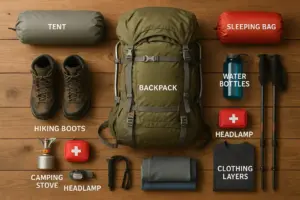
Every ounce matters on long hikes. Organize your 8 Essential Pieces Of Hiking Gear Every Man Needs In His Pack strategically:
- Heavy items (water, food) close to your back
- Frequently used items (snacks, map, compass) in accessible pockets
- Emergency gear (first aid, whistle) in consistent, memorable locations
- Sharp tools secured safely to prevent injury
Seasonal Gear Modifications
Winter hiking requires additional considerations:
- Insulated water bottles to prevent freezing
- Microspikes or snowshoes for traction
- Extra insulation layers and emergency shelter
- Higher-calorie food for increased energy needs
Summer hiking adjustments:
- Increased water capacity and electrolyte replacement
- Sun protection (sunscreen, hat, sunglasses)
- Insect repellent and head nets for bug-heavy areas
- Lightweight, breathable clothing options
Training and Skill Development
Gear without knowledge is just expensive weight. Consider these skill-building activities:
- Navigation courses: Learn map and compass techniques
- Wilderness first aid: Handle medical emergencies confidently
- Leave No Trace principles: Minimize environmental impact
- Weather prediction: Recognize dangerous weather patterns
Building Your Complete Hiking Kit
Budget-Conscious Gear Selection
Quality hiking gear represents a significant investment, but safety items shouldn’t be compromised for cost savings. Prioritize spending on:
- Navigation tools (map, compass, GPS device)
- Safety equipment (first aid kit, emergency shelter)
- Footwear (properly fitted, broken-in boots)
- Weather protection (rain gear, insulation)
Money-saving strategies:
- Buy previous year’s models for discounts
- Check outdoor gear consignment shops
- Join outdoor clubs for group purchase discounts
- Invest in versatile items that serve multiple purposes
Maintenance and Care
Well-maintained gear lasts longer and performs better. Regular maintenance tasks include:
- Cleaning and waterproofing boots and rain gear
- Sharpening knives and multi-tools
- Checking expiration dates on first aid supplies
- Testing electronic devices and replacing batteries
- Inspecting gear for wear and damage before each trip
Conclusion
The 8 Essential Pieces Of Hiking Gear Every Man Needs In His Pack form the foundation of safe, enjoyable outdoor adventures. These items—navigation tools, safety equipment, hydration systems, appropriate clothing, quality footwear, lighting, emergency supplies, and multi-tools—aren’t just suggestions from outdoor enthusiasts. They represent decades of collective wisdom from hikers who’ve learned that preparation prevents problems.
Your next steps:
- Assess your current gear against this essential list
- Prioritize purchases based on your hiking frequency and typical conditions
- Practice using your equipment before heading into the wilderness
- Start with day hikes to test your gear and build experience
- Join local hiking groups to learn from experienced outdoor enthusiasts
Remember: the best hiking gear is the equipment you know how to use effectively. Invest in quality items, learn proper techniques, and never compromise on safety. Your future adventures—and safe returns home—depend on the preparation you do today.
The wilderness offers incredible experiences for those who approach it with respect, knowledge, and proper equipment. With these 8 Essential Pieces Of Hiking Gear Every Man Needs In His Pack, you’re ready to explore confidently and return home safely with stories worth sharing.