Your Ultimate Guide to Camping in Great Smoky Mountains National Park: 8 Top Spots
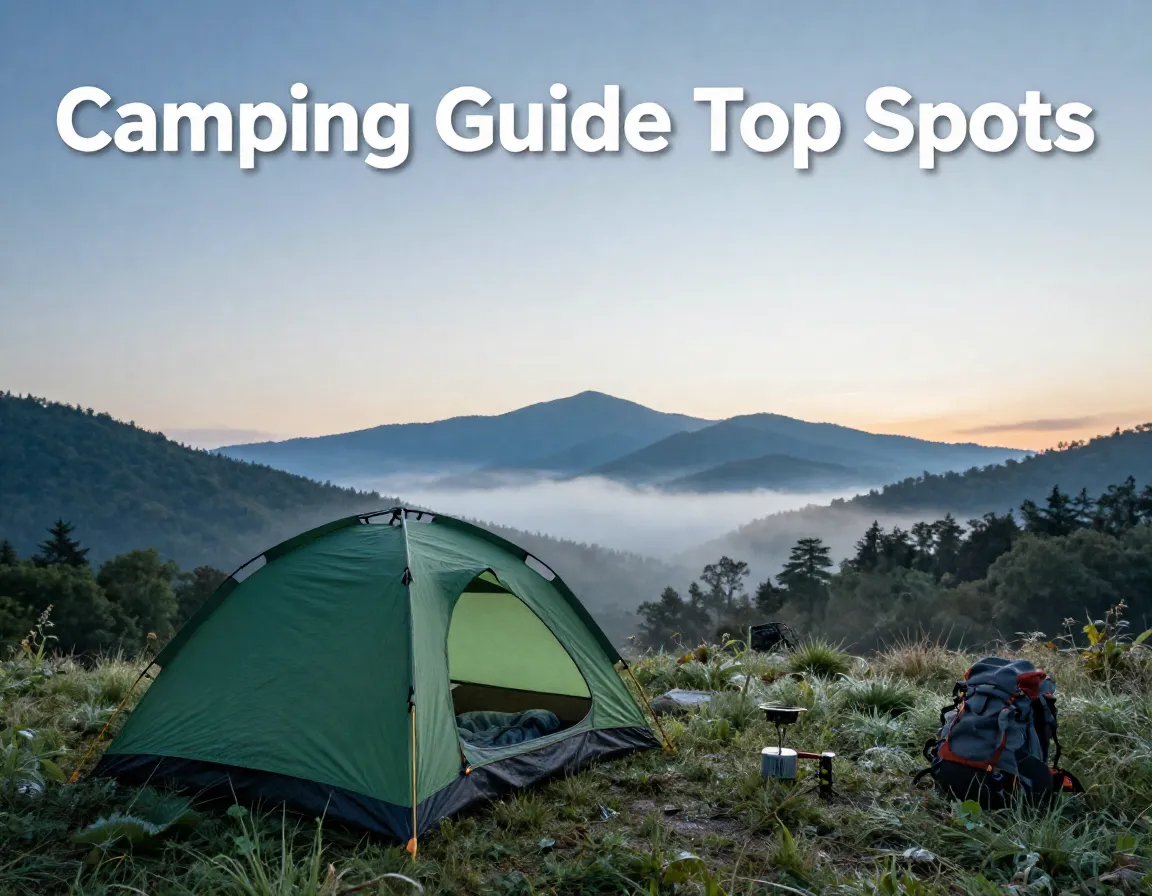
Imagine waking up to the sound of a rushing creek, stepping outside your tent into cool mountain air, and watching morning mist roll across ancient ridgelines that have stood for millions of years. That’s the magic of camping in Great Smoky Mountains National Park — and it’s waiting for you right now. Whether you’re a first-time camper or a seasoned backcountry explorer, Your Ultimate Guide to Camping in Great Smoky Mountains National Park: 8 Top Spots gives you everything you need to plan an unforgettable trip in 2026.
Key Takeaways
- 🏕️ Only Cades Cove and Smokemont are open year-round — all other campgrounds operate seasonally [1]
- 💰 Frontcountry fees run $25–$35 per night; backcountry permits cost $4/person/night plus a $5 reservation fee [3]
- 📅 Book frontcountry sites up to 6 months in advance — peak season (late June–August) fills fast [4]
- ⚠️ Some backcountry sites remain closed due to Hurricane Helene damage — always check current conditions before you go [5]
- 🚗 Arrive before 8 AM or after 4 PM at popular trailheads to secure parking during busy seasons [3]
Why the Smokies Are America’s Most Visited National Park
Great Smoky Mountains National Park draws more visitors than any other national park in the United States — and for good reason. The park spans over 500,000 acres across Tennessee and North Carolina, sheltering more than 19,000 species of plants and animals. With 10 frontcountry campgrounds, five horse camps, and dozens of backcountry sites, there’s a camping experience here for every style and skill level.
“The Smokies offer something rare — true wilderness that’s still accessible. You don’t have to hike 20 miles to feel like you’ve left the modern world behind.”
Campgrounds reach peak capacity from late June through August, with parking areas at popular spots like Cades Cove and Clingmans Dome filling by 9–10 AM [4]. Planning ahead is not optional — it’s essential.
Your Ultimate Guide to Camping in Great Smoky Mountains National Park: 8 Top Spots
Here are the eight best campgrounds in Great Smoky Mountains National Park, ranked by accessibility, amenities, and overall experience.
1. Elkmont Campground 🌲

Elkmont is the park’s largest campground and one of its most beloved. Located on the Tennessee side near Gatlinburg, it sits along the Little River and offers easy access to popular trails like Laurel Falls and Alum Cave. With over 200 sites, it accommodates tents, RVs, and trailers.
| Feature | Details |
|---|---|
| Location | Tennessee side, near Gatlinburg |
| Sites | 200+ |
| Hookups | No |
| Season | Seasonal (check current dates) |
| Fee | $25–$35/night |
Elkmont remains one of the park’s largest and most consistently open campground options [2]. Reserve early — this one books out months in advance during summer.
2. Smokemont Campground 🏔️

Smokemont is one of only two campgrounds open year-round, making it the top choice for winter and shoulder-season campers [1]. Located on the North Carolina side near Cherokee, it sits along the Oconaluftee River and offers 142 sites.
- ✅ Open 365 days a year
- ✅ Flush toilets and dump stations available
- ✅ Close to Oconaluftee Visitor Center
- ✅ Great base for Blue Ridge Parkway day trips
If you’re planning a fall or winter camping trip, Smokemont is your most reliable option.
3. Cades Cove Campground 🦌
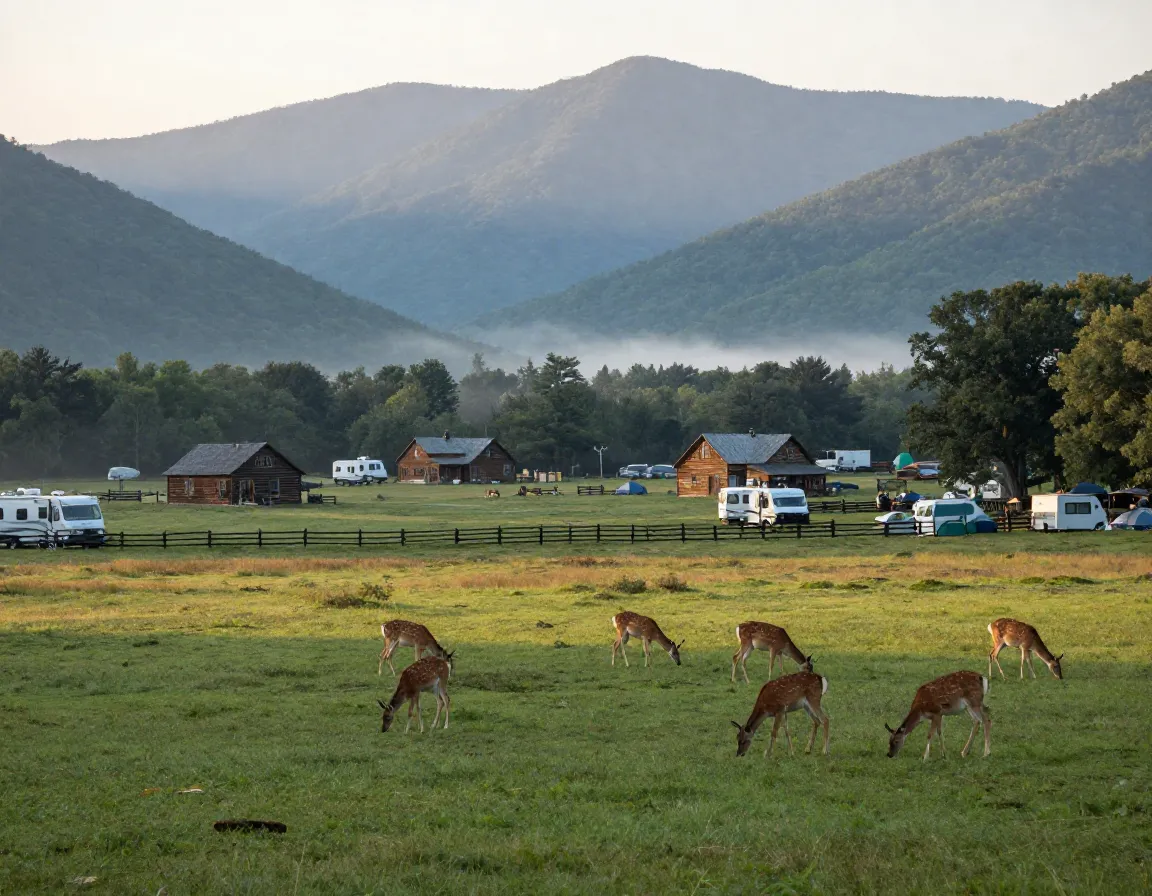
Cades Cove is the other year-round campground and arguably the most iconic camping spot in the park [1]. Set in a stunning open valley surrounded by mountains, Cades Cove is famous for wildlife viewing — deer, black bears, wild turkeys, and foxes are commonly spotted here.
“Cades Cove is one of those places where you feel like you’ve stepped back in time. The historic homesteads, the open meadows, the wildlife — it’s unlike anywhere else in the park.”
The campground is one of the park’s largest facilities, with 159 sites. Parking at Cades Cove fills by 9–10 AM during peak season, so arrive before 8 AM to secure your spot [3].
4. Deep Creek Campground 💧
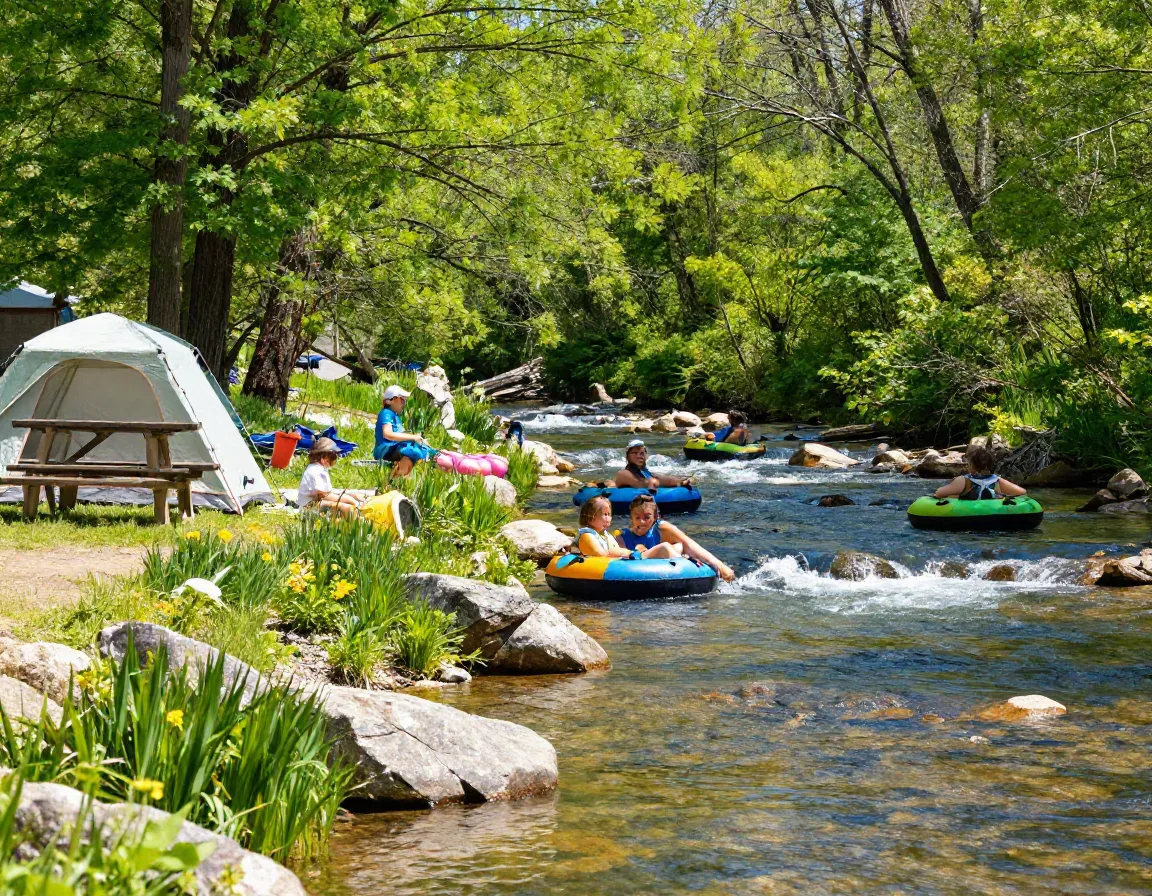
Deep Creek is a gem on the North Carolina side near Bryson City. It opens annually around April 18, making it a perfect spring and summer destination [2]. The campground sits beside Deep Creek, where tubing is a beloved local tradition.
- 🎣 Excellent trout fishing nearby
- 🚴 Access to Deep Creek Trail system
- 🏊 Swimming holes within walking distance
- 🌸 Stunning spring wildflower displays
With 92 sites and a peaceful atmosphere, Deep Creek feels less crowded than Elkmont or Cades Cove — a great trade-off for the slightly longer drive.
5. Cataloochee Campground 🐺
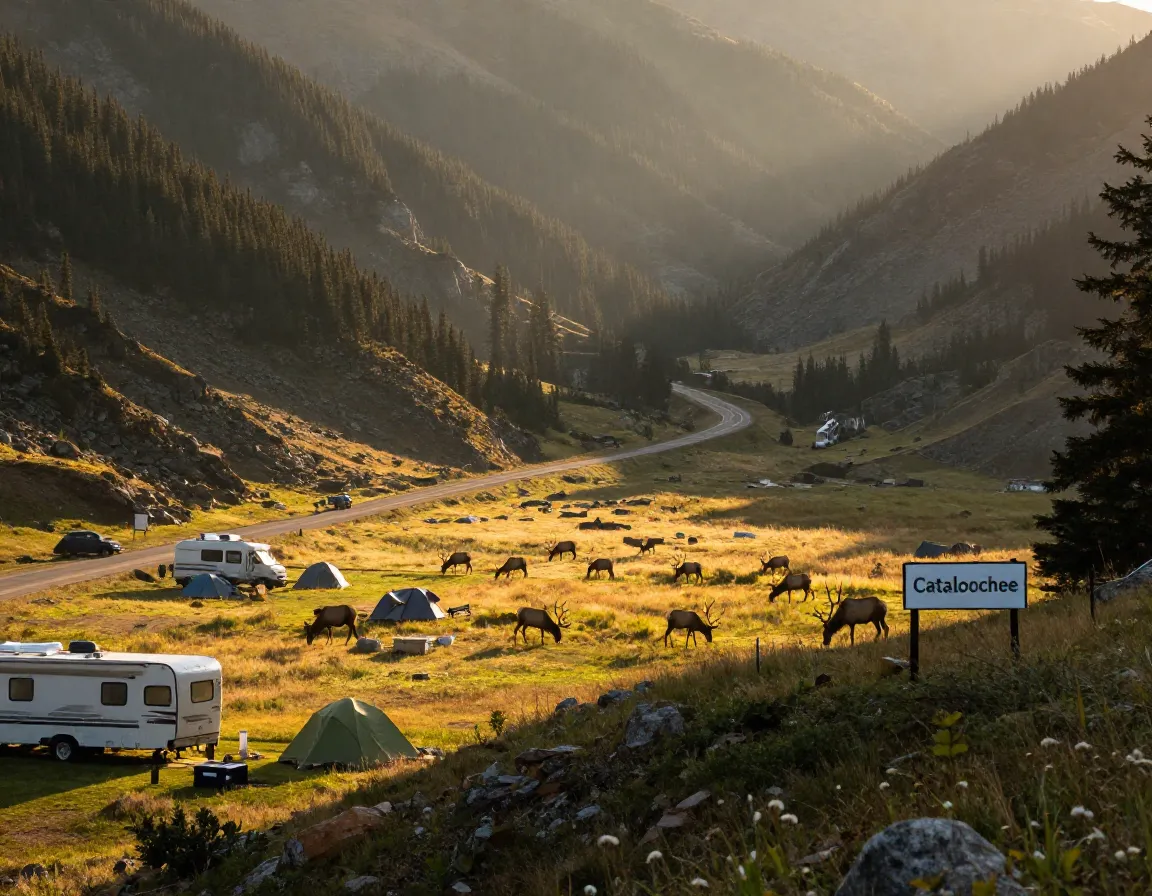
Cataloochee is one of the park’s most remote and rewarding campgrounds, accessible via a winding mountain road. It operates on a first-come, first-served basis, so flexibility is key [3]. The valley is famous for its elk herd — one of the few places in the eastern U.S. where you can reliably see wild elk.
| Feature | Details |
|---|---|
| Access | Narrow mountain road |
| Reservation | First-come, first-served |
| Sites | 27 |
| Highlight | Elk viewing at dawn/dusk |
| Season | Seasonal |
With only 27 sites, Cataloochee fills quickly on weekends. Arrive Thursday or Friday for the best chance at a site.
6. Big Creek Campground 🌊

Big Creek is one of the smallest and most peaceful campgrounds in the park, with just 12 sites. It operates on a first-come, first-served basis [3] and sits at the end of a quiet road near the North Carolina–Tennessee border.
Big Creek Trail starts right at the campground, leading to stunning Midnight Hole — a deep, emerald-green swimming pool carved by the creek. If you want solitude and natural beauty without fighting for a reservation, Big Creek delivers.
7. Balsam Mountain Campground 🌿
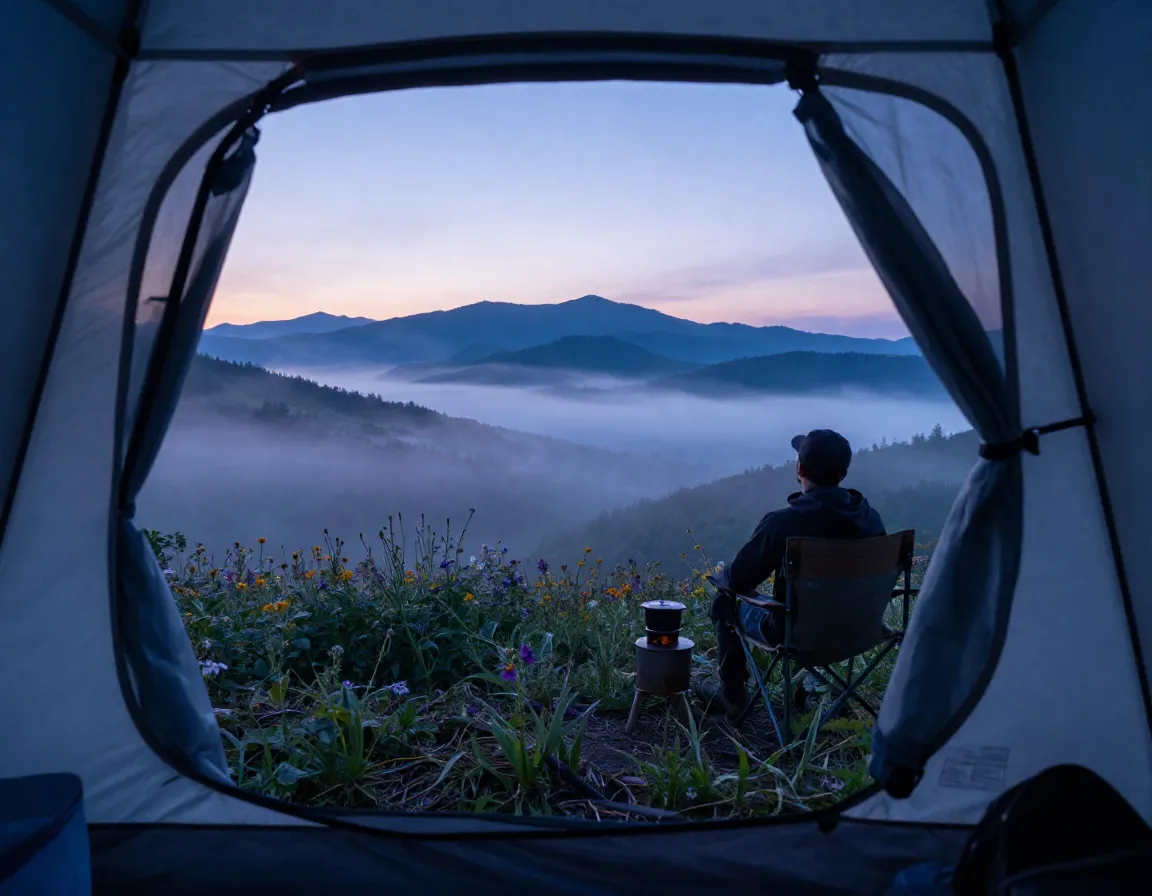
Balsam Mountain sits at over 5,300 feet elevation — the highest campground in the park. It’s cool even in summer, making it a perfect escape from lowland heat. Like Big Creek and Cataloochee, it runs on a first-come, first-served basis [3].
- 🌡️ Temperatures 10–15°F cooler than valley campgrounds
- 🌺 Incredible wildflower diversity
- 🦅 Outstanding birding opportunities
- 🌄 Stunning sunrise views over the Balsam Range
The campground has 46 sites and is accessible via the scenic Heintooga Ridge Road. It’s a favorite among experienced campers who know the park well.
8. Abrams Creek Campground 🎣

Abrams Creek is the park’s most secluded frontcountry campground, tucked into the far western corner of the Tennessee side. It also operates on a first-come, first-served basis [3] and offers 16 quiet sites along Abrams Creek — one of the best trout fishing streams in the park.
The access road is narrow and not suitable for large RVs, which keeps this spot blissfully uncrowded. If you love fishing, hiking, and genuine peace and quiet, Abrams Creek is worth the extra drive.
Planning Tips: Fees, Reservations & Closures
Fees at a Glance
| Camping Type | Cost |
|---|---|
| Frontcountry (per night) | $25–$35 [3] |
| Backcountry (per person/night) | $4 (max $8/party) [3] |
| Backcountry reservation fee | $5 [3] |
Reservation Windows
- Frontcountry sites: Book up to 6 months in advance via recreation.gov [4]
- Backcountry permits: Reserve up to 30 days in advance through recreation.gov [3]
- First-come, first-served sites: Cataloochee, Big Creek, Balsam Mountain, and Abrams Creek [3]
⚠️ Current Closures (2026)
Always check conditions before your trip. As of 2026, backcountry campsites #41 and #42 remain closed due to Hurricane Helene damage. Campsites #39 and #40 are open but closed to stock use [5]. The Scott Mountain Trail is closed from campsite #6 to Schoolhouse Gap, though campsite #6 itself remains accessible [5].
“Check the NPS conditions page every time before you go — trail and campsite status can change quickly after storms.”
Conclusion: Start Planning Your Smoky Mountains Adventure Today
Your Ultimate Guide to Camping in Great Smoky Mountains National Park: 8 Top Spots has covered everything from year-round options like Cades Cove and Smokemont to hidden gems like Abrams Creek and Big Creek. Each campground offers something unique — whether that’s elk viewing at Cataloochee, high-elevation cool breezes at Balsam Mountain, or tubing at Deep Creek.
Your Action Plan
- Decide your season — winter campers should book Cades Cove or Smokemont; summer campers have all 8 options
- Reserve early — log onto recreation.gov and book frontcountry sites up to 6 months ahead
- Check current conditions at nps.gov before you leave home [1][5]
- Arrive early or late — before 8 AM or after 4 PM for the best parking at popular spots [3]
- Get your backcountry permit if you’re venturing off the beaten path — budget $4/person/night plus the $5 reservation fee [3]
The Smokies are calling. Pack your gear, grab your permit, and go make some memories. 🏕️
References
[1] Conditions – https://www.nps.gov/grsm/planyourvisit/conditions.htm
[2] Showtopic G143031 I2563 K15285141 Limited Areas Open In 2025 In Gsmnp Great Smoky Mountains National Park Tennessee – https://www.tripadvisor.com/ShowTopic-g143031-i2563-k15285141-Limited_Areas_Open_in_2025_in_GSMNP-Great_Smoky_Mountains_National_Park_Tennessee.html
[3] Great Smoky Mountains Travel Tips 2026 Essential Guide – https://www.machupicchu.org/great-smoky-mountains-travel-tips-2026-essential-guide.htm
[4] hipcamp – https://www.hipcamp.com/en-US/national-park/united-states/tennessee/great-smoky-mountains/all
[5] Temproadclose – https://www.nps.gov/grsm/planyourvisit/temproadclose.htm