The Savvy Backpacker’s 9-Item Packing List for Europe
Picture this: you’re sprinting through Rome’s Termini station, late for your train to Florence, and your overstuffed 70-liter bag is dragging you backward — literally. Sound familiar? I’ve been there, and I can tell you from hard experience that what you don’t pack matters just as much as what you do. That’s exactly why The Savvy Backpacker’s 9-Item Packing List for Europe exists — to strip away the dead weight and keep only the gear that genuinely earns its place in your bag.
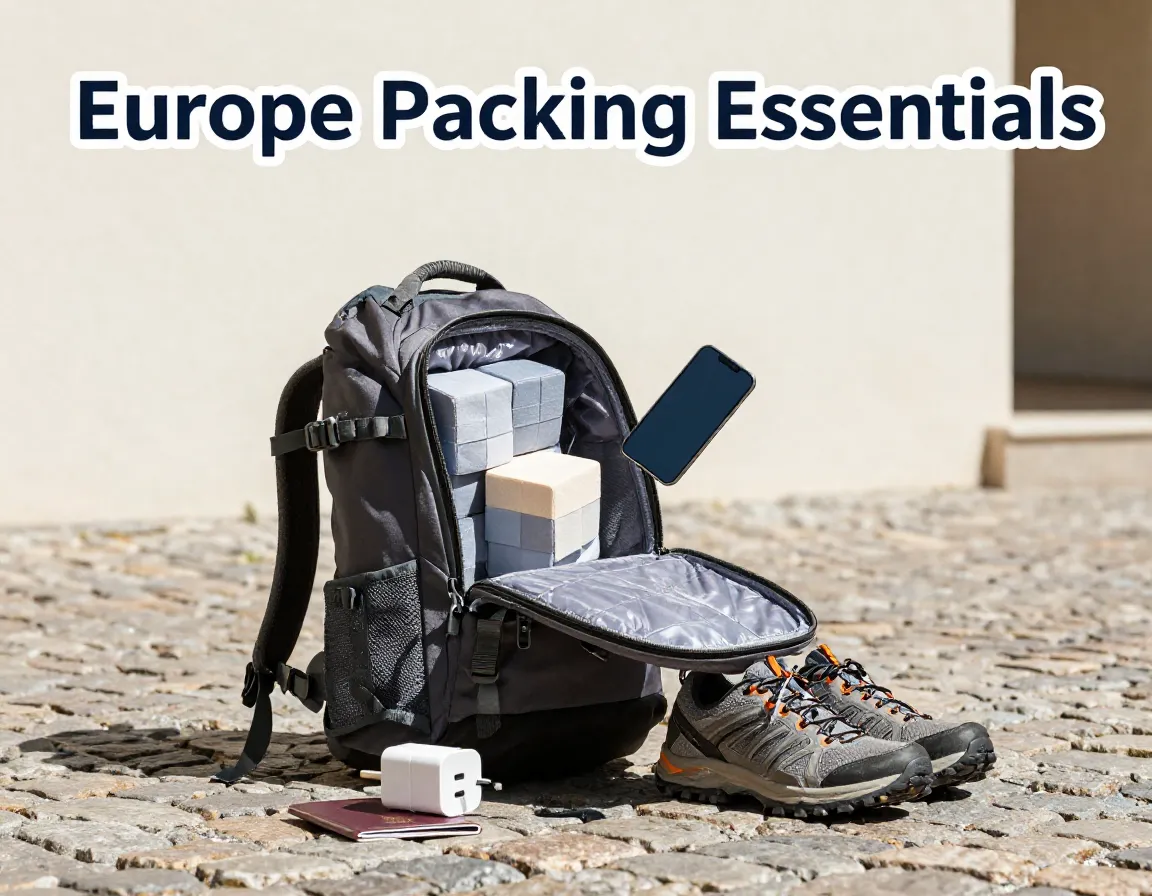
Whether you’re hopping between hostels in Amsterdam, hiking the Camino de Santiago, or island-jumping in Greece, this guide distills the essential categories into nine focused items that cover every need without breaking your back — or your budget. Let’s get into it.
Key Takeaways
- ✅ Less is more: A 35–40 liter backpack is the sweet spot for European travel — big enough for everything you need, small enough to carry on any flight.
- ✅ Merino wool is a game-changer: It resists odor, dries fast, and works across multiple climates, reducing how much clothing you need to bring.
- ✅ Organization tools save time: Packing cubes and compression bags turn a chaotic bag into a system you can navigate in seconds.
- ✅ Electronics need a strategy: A universal power adapter and a portable power bank are non-negotiable for staying connected across Europe’s varied outlet standards.
- ✅ Plan for your season: Summer, fall, and winter trips each demand slightly different gear — but the core nine-item framework applies year-round.
Why the 9-Item Framework Works for European Travel
Europe is uniquely demanding for backpackers. In a single two-week trip, you might deal with cobblestone streets in Prague, a beach afternoon in Barcelona, a formal dinner in Paris, and an overnight bus to Budapest. No single outfit or piece of gear handles all of that — but a smart, curated system does.
The Savvy Backpacker’s approach focuses on versatility, durability, and weight savings [1]. Rather than packing for every possible scenario, you pack for the most likely ones and adapt on the fly. This mindset shift is what separates the stressed tourist from the confident traveler gliding through airport security.
“The goal isn’t to pack everything you might need — it’s to pack everything you’ll actually use.”
The nine categories below aren’t arbitrary. Each one represents a core need: shelter for your gear, clothing for your body, organization for your sanity, electronics for connectivity, and toiletries for hygiene. Master these, and you’re ready for almost anything Europe throws at you.
The Savvy Backpacker’s 9-Item Packing List for Europe: Every Essential Explained
1. The Right Backpack
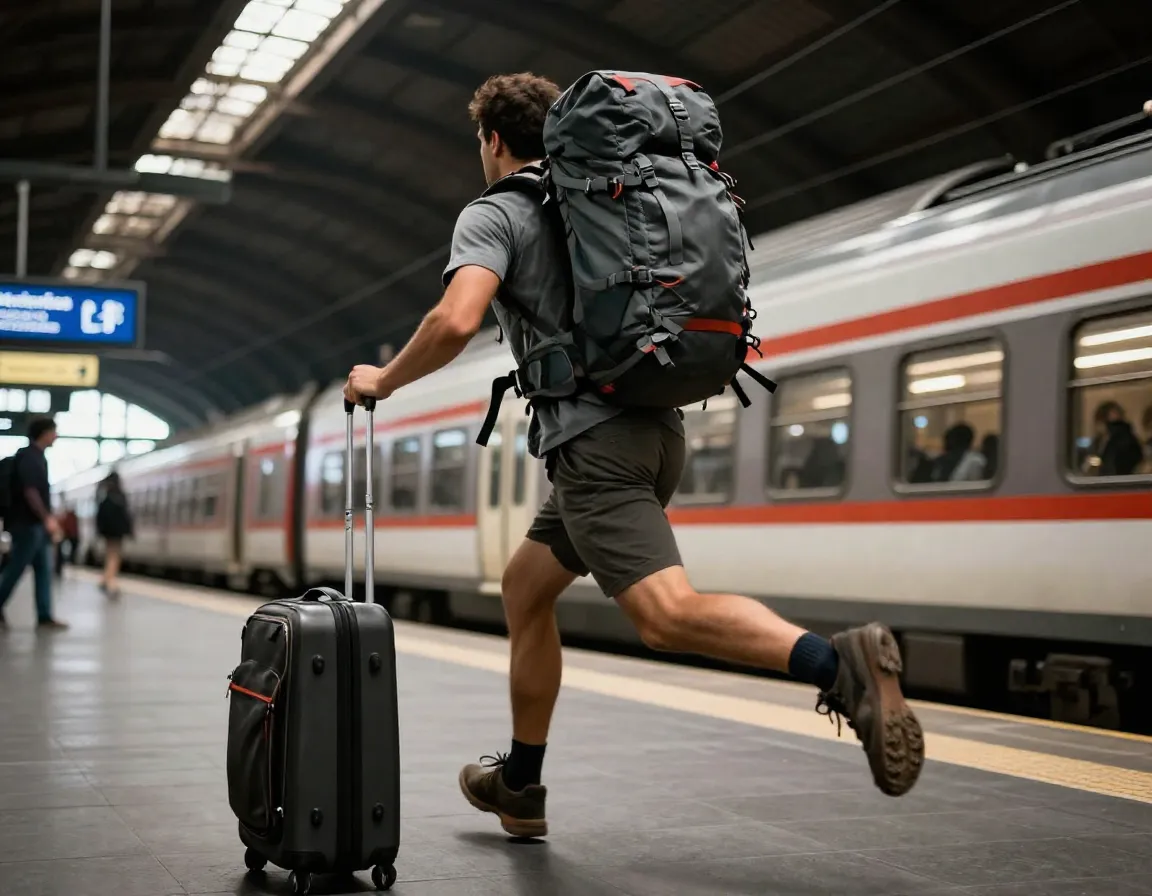
Your bag is the foundation of everything. Get this wrong, and no amount of smart packing will save you.
The ideal size: 35–45 liters. This range is large enough to hold a week’s worth of clothes (you’ll do laundry), yet small enough to qualify as a carry-on for most European budget airlines like Ryanair and EasyJet [2]. Checking a bag in Europe adds cost, stress, and waiting time — avoid it entirely.
What to look for:
- A clamshell opening (opens like a suitcase) for easy access
- A padded hip belt to transfer weight off your shoulders
- Lockable zippers for overnight trains and hostels
- A separate laptop or document sleeve
Top picks to consider: The Osprey Farpoint 40 and the Tortuga Setout 45 are perennial favorites in the backpacking community for good reason — they balance capacity, comfort, and carry-on compliance [1].
| Feature | Why It Matters |
|---|---|
| Clamshell opening | Access gear without unpacking everything |
| Hip belt | Reduces shoulder strain on long walking days |
| Carry-on size | Avoids airline baggage fees in Europe |
| Lockable zippers | Security in shared hostel dorms |
2. Packing Cubes and Compression Bags
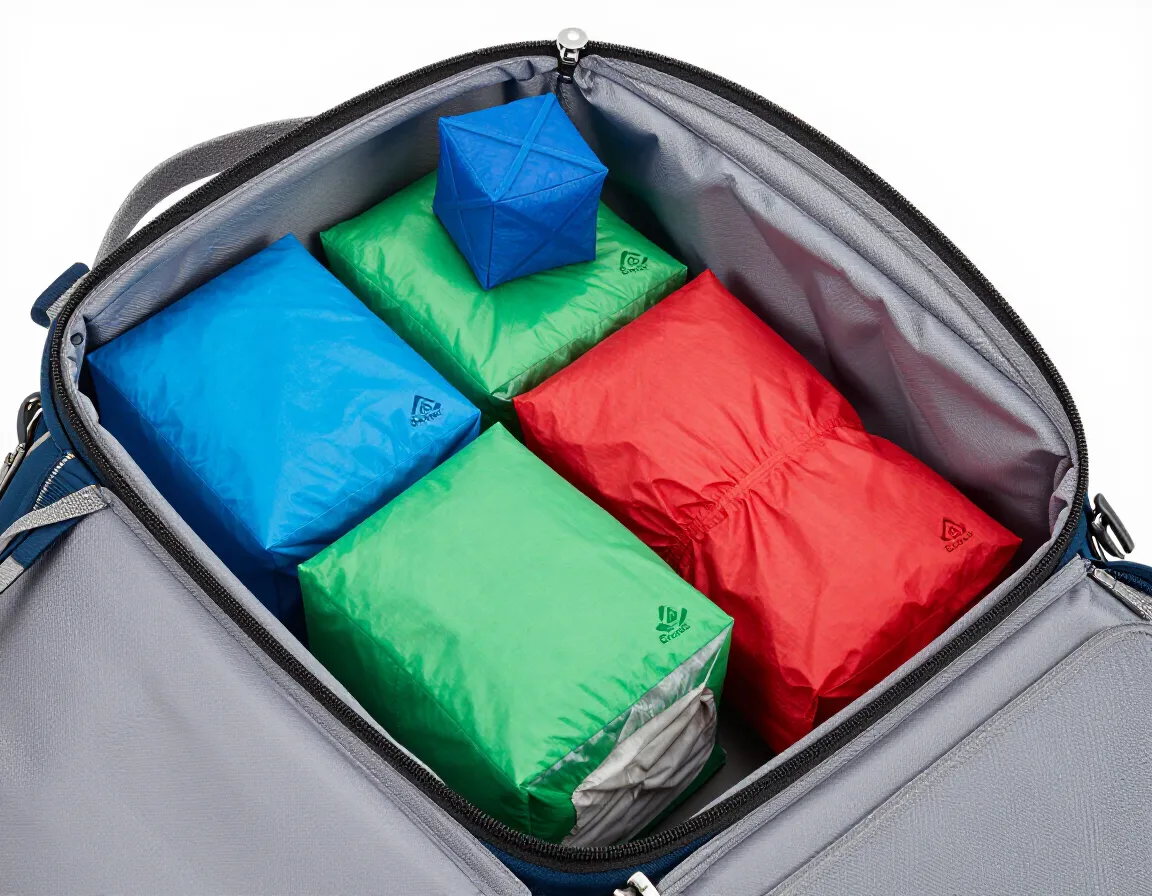
This might sound like a luxury, but packing cubes are one of the highest-ROI items on this entire list. Once you use them, you’ll never go back to stuffing clothes loose into a bag.
How they work: Packing cubes let you compartmentalize your bag — one cube for tops, one for bottoms, one for underwear and socks. You can pull out exactly what you need without disturbing everything else [1].
Compression bags take this a step further by squeezing air out of bulky items like fleeces or down jackets, cutting their packed volume nearly in half.
Pro tips:
- Use a color-coded system (e.g., blue for tops, green for bottoms, red for underwear)
- Keep a small “day bag” cube near the top for items you access frequently
- Eagle Creek and Peak Design make some of the most durable options on the market
3. Versatile Travel Clothing
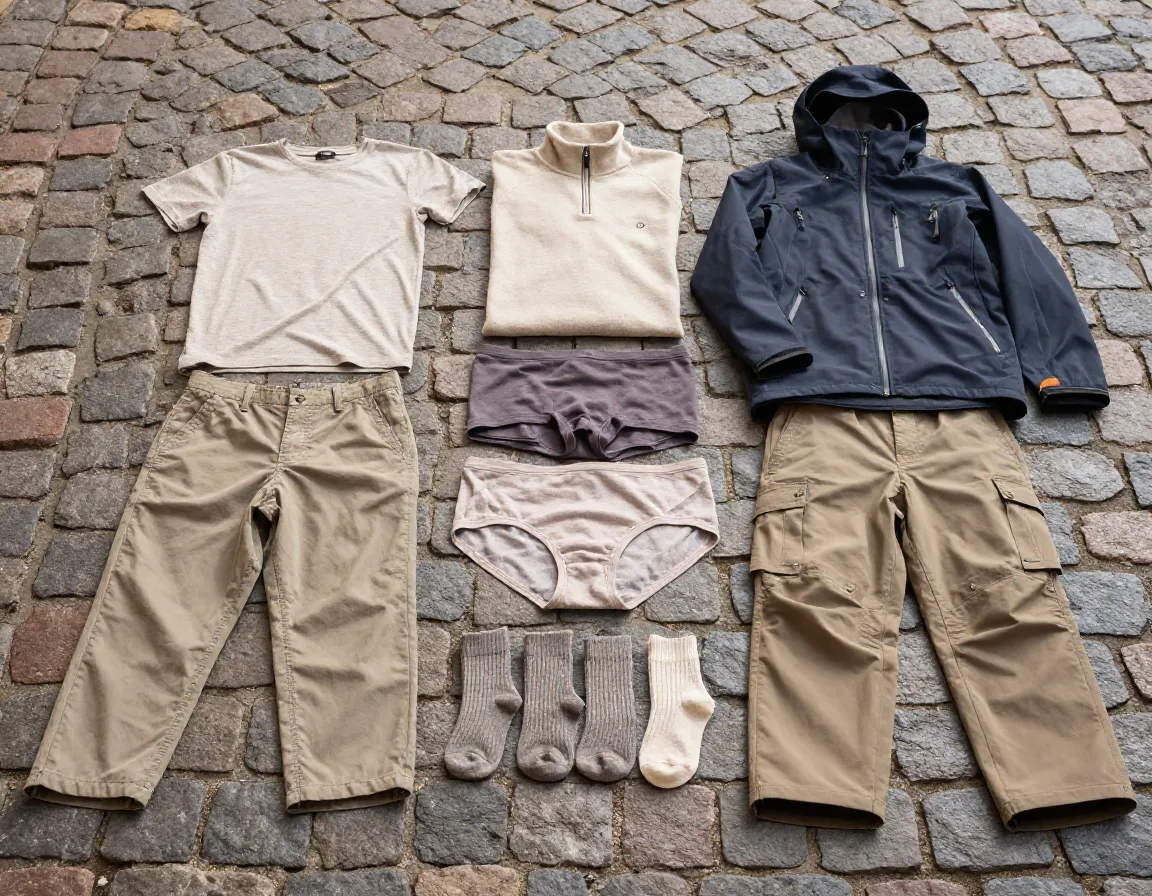
Clothing is where most backpackers go wrong — they overpack, bringing outfits for scenarios that never happen. The Savvy Backpacker’s approach is built around versatility and fabric technology [2].
The core clothing formula for Europe:
- 3–4 tops (at least 2 in merino wool)
- 2 bottoms (one casual, one that works for hiking or smarter occasions)
- 5–7 pairs of underwear (merino or synthetic, quick-dry)
- 3–4 pairs of socks (again, merino is king)
- 1 lightweight layer (fleece or down jacket depending on season)
- 1 waterproof shell jacket
🧶 Why merino wool? It’s naturally odor-resistant, meaning you can wear a merino t-shirt multiple days in a row without it smelling — a genuine superpower when you’re moving fast and doing laundry infrequently. It also regulates temperature well, keeping you cool in summer and warm in fall [2].
Season-specific adjustments:
| Season | Key Additions |
|---|---|
| Summer | Lightweight linen shirt, sandals, sun hat |
| Fall/Spring | Mid-layer fleece, waterproof pants |
| Winter | Insulated jacket, thermal base layers, gloves, beanie |
What NOT to bring: Jeans (heavy, slow to dry), multiple pairs of shoes (space killers), or formal wear you’ll wear once. Pack shoes that work for walking, light hiking, and a casual dinner — one pair of versatile sneakers or trail runners usually covers all three [2].
4. Footwear
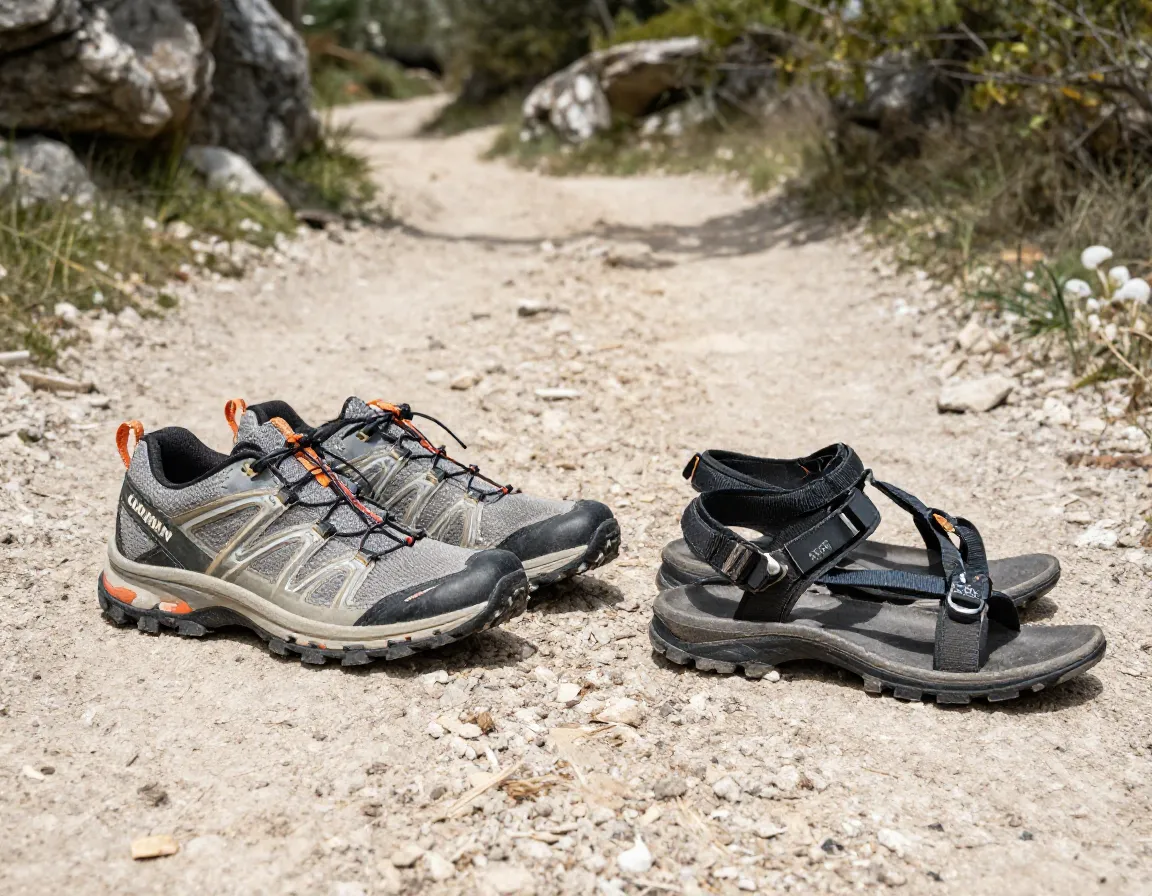
You only need two pairs of shoes for most European trips — and many experienced backpackers get by with one.
The winning combination:
- 1 pair of versatile walking shoes or trail runners: These should handle cobblestones, light trails, and casual restaurants without looking out of place. Brands like Allbirds, Salomon, and Merrell all make excellent options.
- 1 pair of packable sandals or flip-flops: Essential for hostel showers, beach days, and giving your feet a break. Sandals like the Teva Original Universal pack flat and weigh almost nothing [1].
👟 The golden rule: Break in your shoes before your trip. Blisters on day two of a European walking tour are a special kind of misery.
5. Travel Accessories and Organization Tools
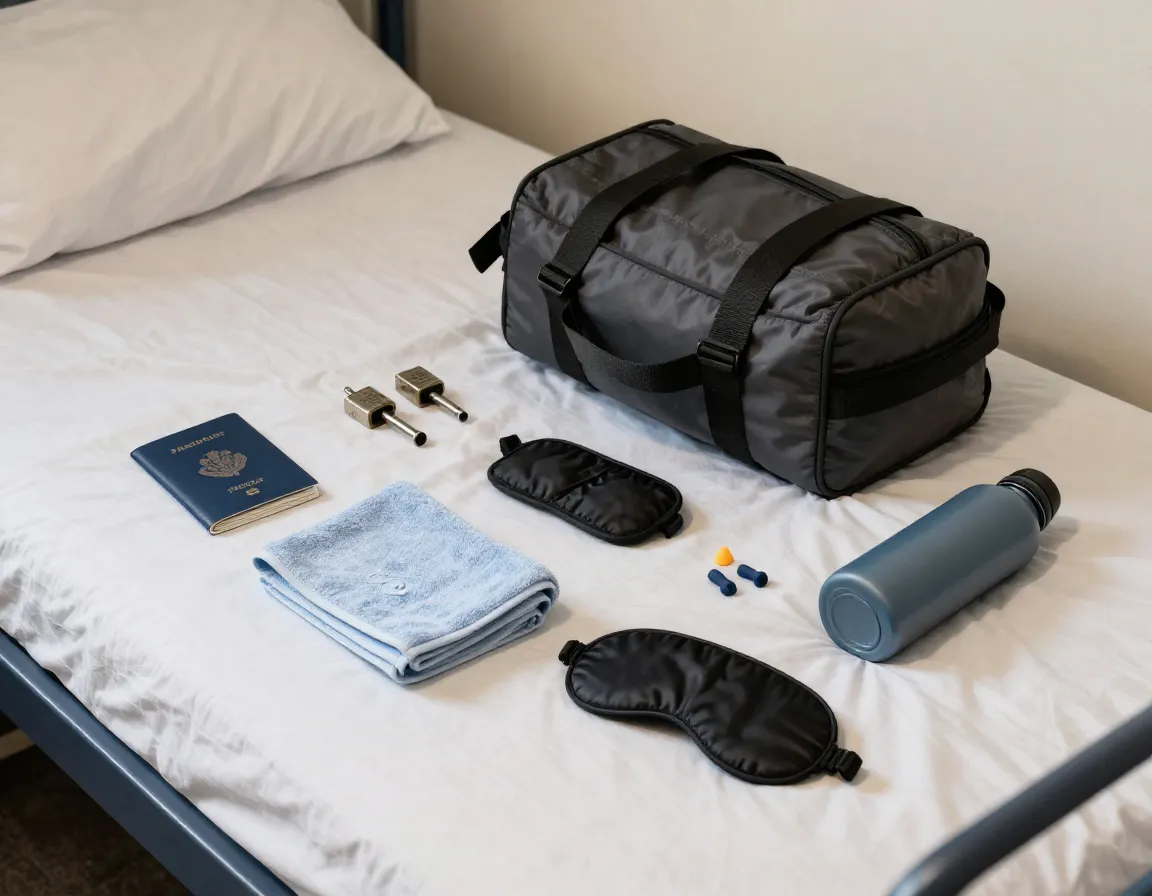
This category covers the small items that make a huge difference in daily comfort and efficiency [1].
Must-have accessories:
- Passport wallet / money belt: Keep your passport, backup cards, and emergency cash in a slim RFID-blocking wallet worn under your clothes in crowded areas like markets and metro stations.
- Packable day bag: A lightweight 10–15 liter foldable backpack for day trips, beach days, or city exploring when you don’t want your full pack.
- Travel locks: TSA-approved combination locks for hostel lockers and bag zippers.
- Microfiber travel towel: Hostels often charge for towel rental. A compact microfiber towel dries in 30 minutes and takes up almost no space.
- Sleep mask and earplugs: Absolute essentials for overnight trains and hostel dorms with that one person who snores like a freight train.
- Reusable water bottle: Europe has excellent tap water in most countries. A collapsible bottle saves money and reduces plastic waste.
💡 Pro tip: A slim neck wallet worn under your shirt is one of the best pickpocket deterrents in busy tourist areas like Barcelona’s La Rambla or Rome’s Colosseum.
6. Electronics and Power Solutions
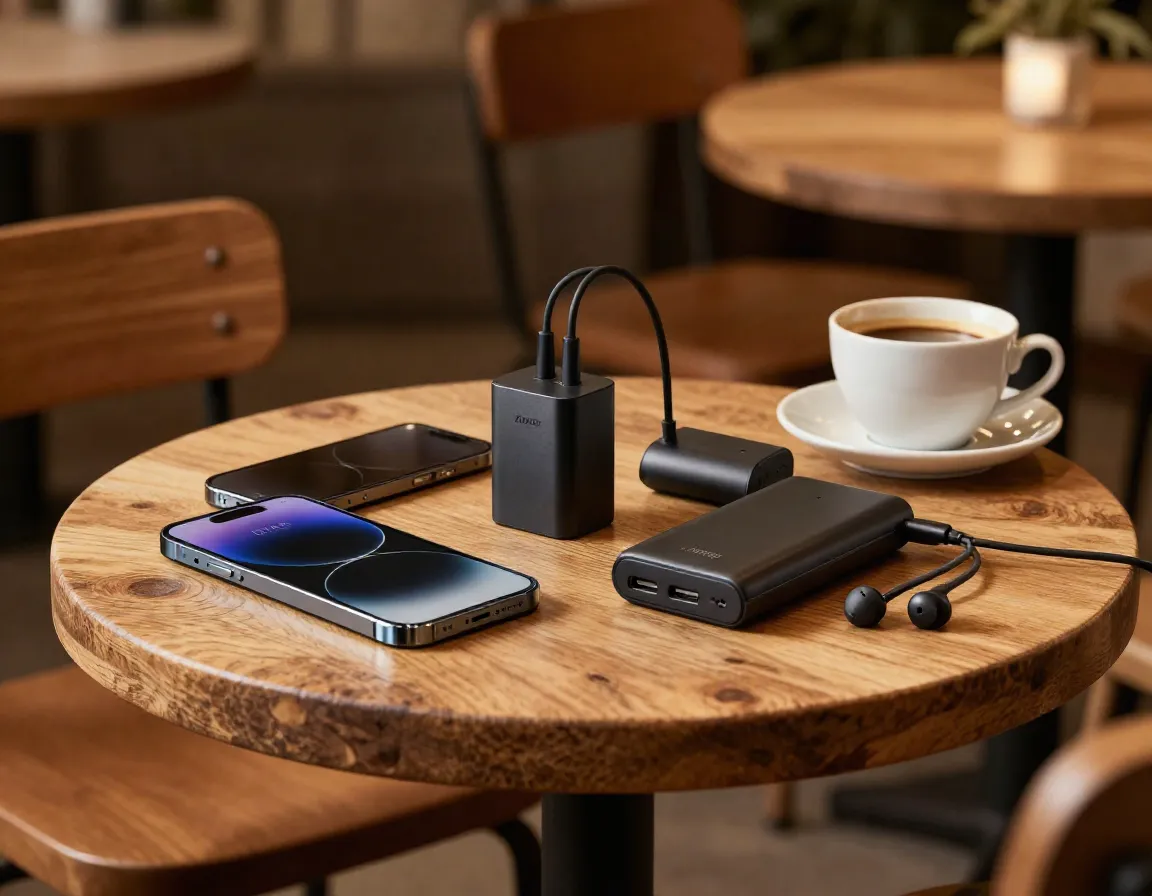
Technology can make or break a European trip. The right electronics setup keeps you connected, navigated, and powered — without adding unnecessary bulk [2].
The essential electronics kit:
- Smartphone: Your camera, map, translator, and booking tool all in one. Download offline maps via Google Maps or Maps.me before you arrive.
- Universal power adapter: Europe uses Type C, E, and F outlets (the round two-pin style). A compact universal adapter with USB-A and USB-C ports handles everything [1].
- Portable power bank: A 10,000–20,000 mAh power bank keeps your phone alive through a full day of navigation and photography. Anker makes reliable, TSA-compliant options.
- Lightweight laptop or tablet (optional): Only bring one if you genuinely need it for work. For most leisure travelers, a smartphone handles everything.
- Noise-canceling earbuds: For long train rides, flights, and hostel common rooms.
- Camera (optional): Modern smartphones shoot excellent photos, but if photography is a priority, a compact mirrorless camera like the Sony ZV-E10 is a worthwhile addition.
| Device | Priority Level | Notes |
|---|---|---|
| Smartphone | 🔴 Essential | Download offline maps before arrival |
| Universal adapter | 🔴 Essential | Europe uses Type C/E/F outlets |
| Power bank | 🔴 Essential | 10,000+ mAh recommended |
| Laptop/tablet | 🟡 Optional | Only if needed for work |
| Camera | 🟡 Optional | Smartphone often sufficient |
| Earbuds | 🟢 Recommended | Great for long travel days |
7. Toiletries and Personal Care
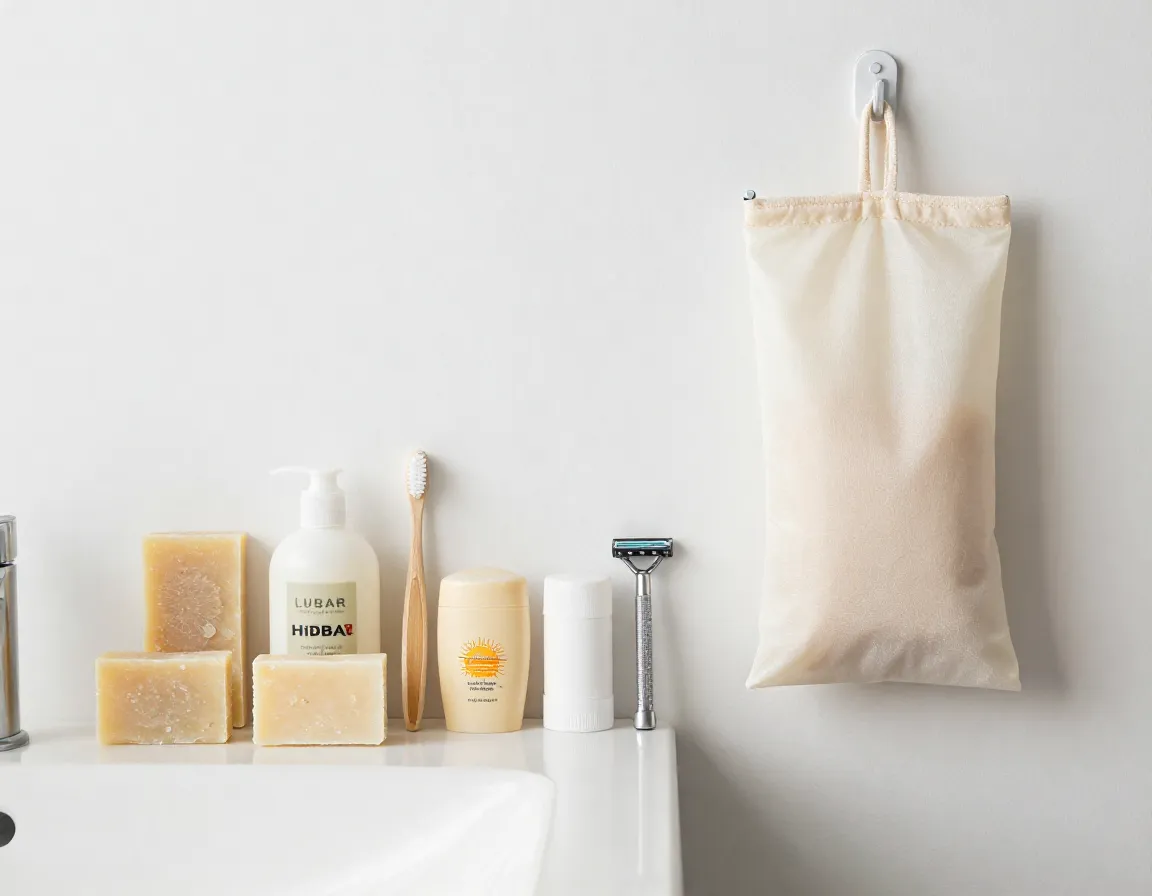
The golden rule for travel toiletries: go solid, go small, go TSA-compliant [2].
The minimalist toiletry kit:
- Solid shampoo and conditioner bars: No liquid restrictions, last longer than bottles, and take up a fraction of the space. Lush and HiBAR make excellent options.
- Travel-size toothbrush and toothpaste: Self-explanatory, but opt for a foldable toothbrush to save space.
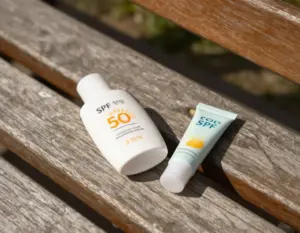
- Solid or sheet sunscreen: Especially important for summer Mediterranean travel.
- Deodorant: Solid stick or crystal deodorant travels well.
- Razor: A safety razor with a few spare blades is more sustainable and economical than disposables.
- Feminine hygiene products: Pack a small supply; availability varies across European countries.
- Prescription medications: Bring your full supply plus a few extra days’ worth, along with a copy of your prescription.
🧴 What to skip: Full-size bottles of anything. Most European pharmacies and supermarkets carry everything you’ll need, and buying locally is often cheaper than checking a bag for the privilege of bringing your favorite conditioner.
Quick packing tip: Use a hanging toiletry bag with a hook — it’s a lifesaver in hostel bathrooms where counter space is nonexistent [1].
8. Travel Documents and Financial Tools
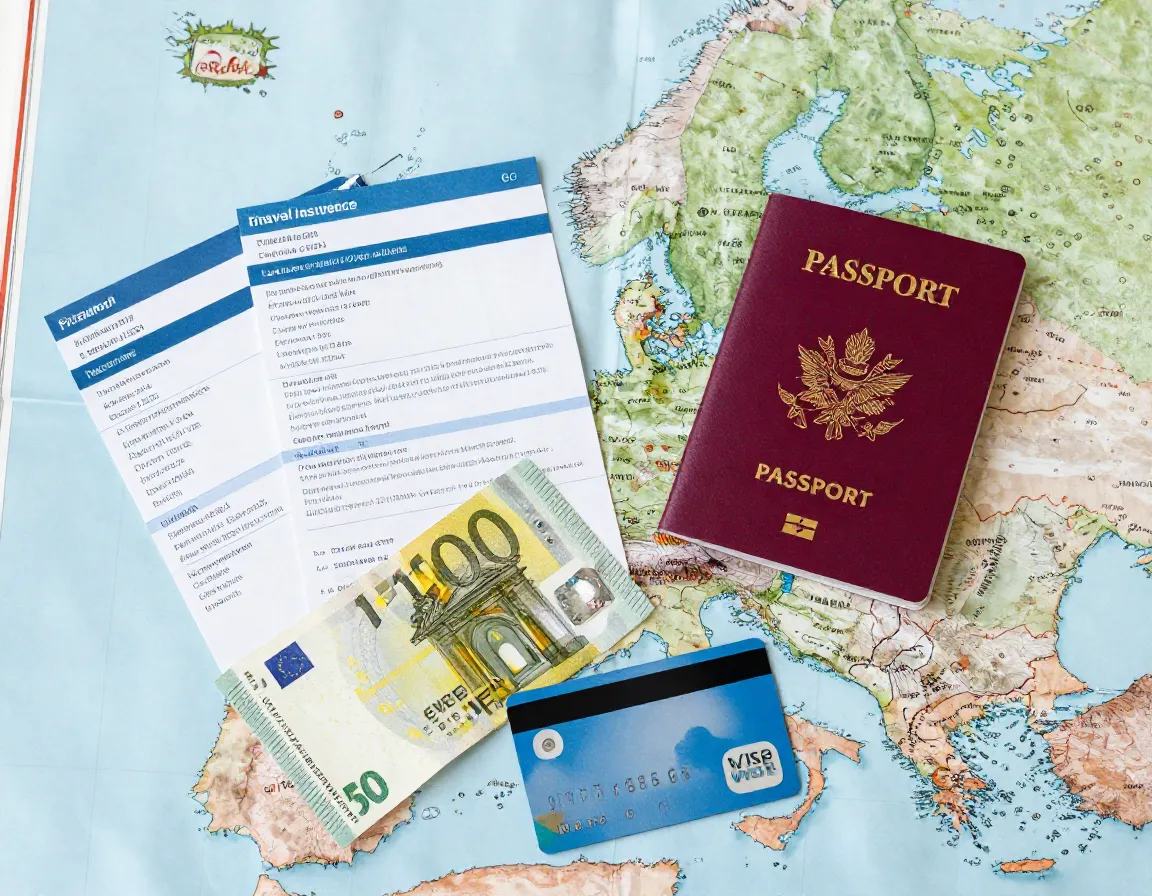
This category doesn’t weigh anything, but getting it wrong can derail your entire trip.
Document checklist:
- ✅ Passport (valid for at least 6 months beyond your travel dates)
- ✅ Printed and digital copies of bookings (flights, accommodation, trains)
- ✅ Travel insurance documents (never skip this — European medical care can be expensive for non-EU visitors)
- ✅ European Health Insurance Card (EHIC) if you’re an EU citizen
- ✅ International driving permit if you plan to rent a car
Financial tools:
- 2 debit/credit cards: Always carry a backup. Notify your bank before you travel to avoid fraud blocks.
- Fee-free travel cards: Cards like Charles Schwab (US) or Wise (international) offer no foreign transaction fees and free ATM withdrawals — essential for budget travel.
- Small amount of local cash: While most of Europe accepts cards widely, some smaller restaurants, markets, and rural areas are still cash-only.
💡 Always use ATMs attached to actual banks rather than standalone machines in tourist areas — the exchange rates on independent ATMs are often predatory.
9. Health, Safety, and Comfort Essentials
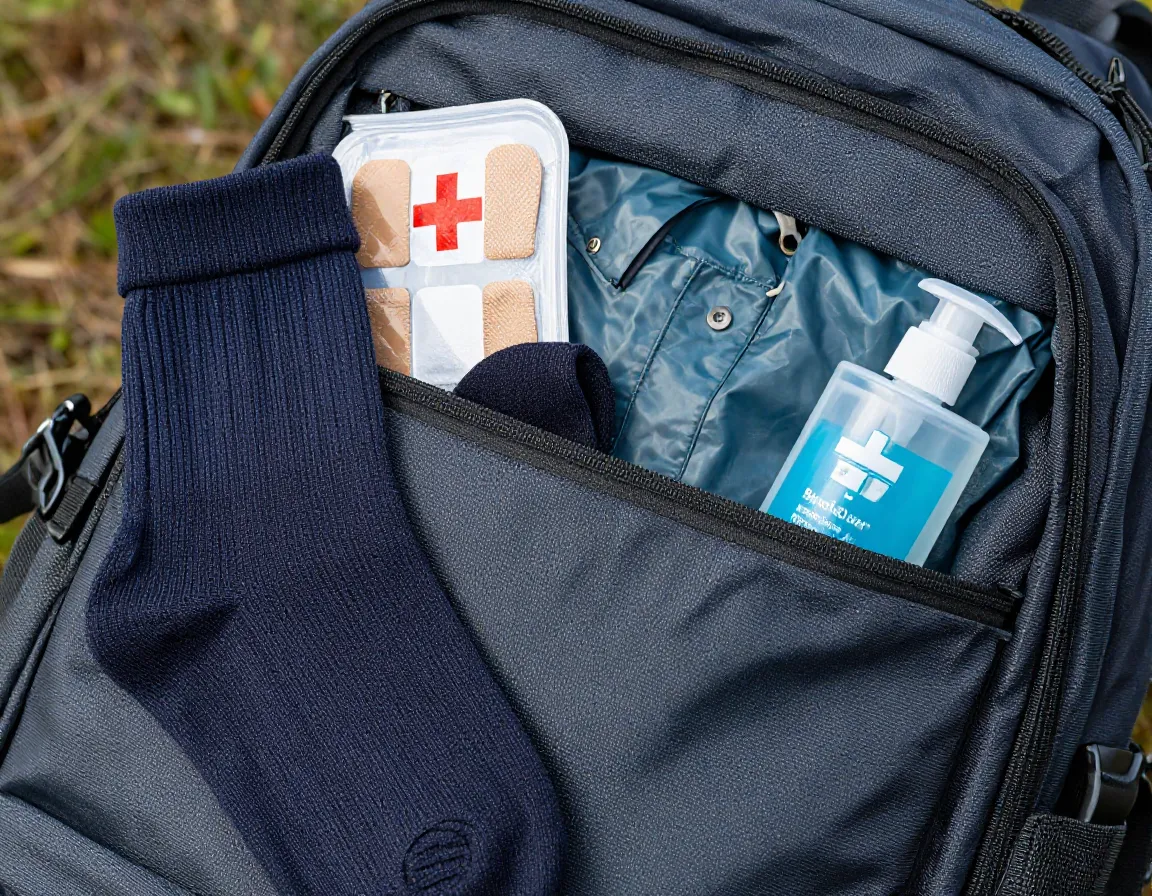
The final category covers the items that protect your health and make long travel days bearable [2].
Health and safety kit:
- Basic first aid: Adhesive bandages, blister plasters (non-negotiable for cobblestone cities), antiseptic wipes, and pain relievers.
- Prescription medications: As noted above — bring more than you think you need.
- Travel insurance: Not a physical item, but the most important “thing” you can have. A single medical evacuation in Europe can cost tens of thousands of dollars without coverage.
- Hand sanitizer: Small bottle for situations where soap and water aren’t available.
Comfort items for long journeys:
- Compression socks: Reduce swelling and DVT risk on long flights and overnight buses.
- Travel pillow: Inflatable options pack small and make overnight trains significantly more bearable.
- Lightweight rain jacket: Already mentioned in clothing, but worth emphasizing — European weather is famously unpredictable, and a packable rain jacket weighing under 300 grams is one of the smartest things you can carry [1].
The Savvy Backpacker’s 9-Item Packing List for Europe: Quick-Reference Summary
Here’s your complete at-a-glance checklist:
| # | Category | Key Items |
|---|---|---|
| 1 | Backpack | 35–45L, clamshell, carry-on compliant |
| 2 | Packing organization | Packing cubes, compression bags |
| 3 | Clothing | Merino wool tops, versatile bottoms, waterproof shell |
| 4 | Footwear | Trail runners + packable sandals |
| 5 | Travel accessories | Passport wallet, day bag, microfiber towel, locks |
| 6 | Electronics | Phone, universal adapter, power bank |
| 7 | Toiletries | Solid bars, hanging bag, prescriptions |
| 8 | Documents and finances | Passport, travel insurance, fee-free cards |
| 9 | Health and comfort | First aid, compression socks, rain jacket |
What NOT to Bring: The Backpacker’s Cut List
Knowing what to leave behind is just as important as knowing what to pack [2].
Leave these at home:
- ❌ Jeans (heavy, slow-drying, takes up too much space)
- ❌ More than 2 pairs of shoes
- ❌ A full-size hair dryer (hostels and hotels provide them)
- ❌ Books (use a Kindle or phone app)
- ❌ Excessive “just in case” clothing
- ❌ Valuables you’d be devastated to lose
- ❌ A 70-liter bag “just to have room”
“If you’re debating whether to bring something, the answer is almost always no.”
Conclusion: Pack Smart, Travel Farther
The Savvy Backpacker’s 9-Item Packing List for Europe isn’t about deprivation — it’s about freedom. When your bag weighs under 10 kilograms, you can run for trains, skip checked baggage lines, walk up four flights of hostel stairs without cursing, and move between cities on a whim. That’s the real reward of packing light.
Your actionable next steps:
- Lay everything out on your bed before packing and eliminate anything you haven’t used in the past month.
- Weigh your packed bag before you leave — aim for under 10 kg total.
- Do a test pack at least a week before departure so you have time to swap or return items.
- Trust the process: You can buy almost anything you forget in Europe, often cheaper than at home.
- Review the full gear lists at The Savvy Backpacker for season-specific recommendations and updated product picks [1][2].
Europe is waiting. Pack light, move fast, and enjoy every cobblestone.
References
[1] Europe Packing List – https://thesavvybackpacker.com/europe-packing-list/
[2] Backpacking Europe Packing List – https://thesavvybackpacker.com/backpacking-europe-packing-list/