The 6 Essential Pieces for a Summer Hiking Mountains Outfit
Picture this: you’re standing at the trailhead, gazing up at majestic peaks bathed in golden morning light. The adventure ahead promises breathtaking views, challenging terrain, and memories that will last a lifetime. But between you and that summit lies a journey that demands respect—and the right gear. The 6 Essential Pieces for a Summer Hiking Mountains Outfit can mean the difference between an epic adventure and a potentially dangerous situation.
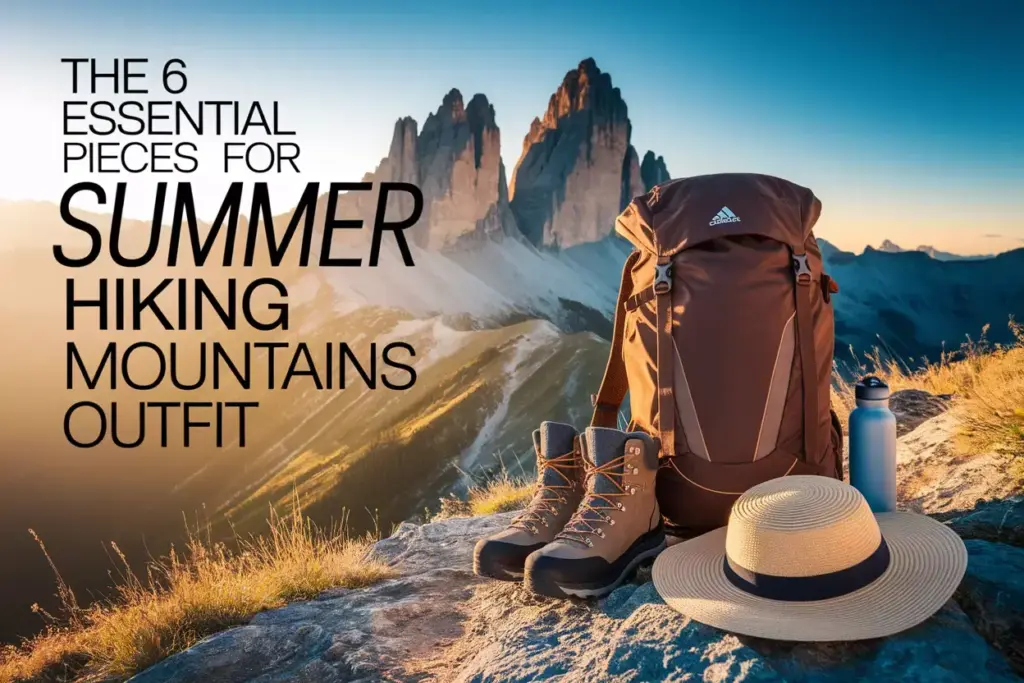
Mountain weather is notoriously unpredictable, even in summer. Temperatures can plummet from scorching heat to near-freezing conditions within hours. Sudden thunderstorms can roll in without warning, and UV exposure intensifies dramatically with altitude. That’s why understanding and assembling the proper mountain hiking outfit isn’t just about comfort—it’s about safety, performance, and ensuring every step toward the summit is a confident one.
Key Takeaways
- Layering is crucial: The foundation of any successful summer mountain hiking outfit relies on a strategic three-layer system that adapts to changing conditions
- Technical fabrics outperform cotton: Moisture-wicking synthetics and merino wool regulate temperature and dry quickly, while cotton retains moisture and loses insulation properties when wet
- Proper footwear prevents injuries: Sturdy hiking boots with ankle support and aggressive tread patterns are essential for navigating rocky, uneven mountain terrain
- Sun protection intensifies with altitude: UV exposure increases by 4% for every 1,000 feet of elevation gain, making comprehensive sun protection non-negotiable
- Quality gear is an investment: Well-made hiking equipment not only performs better but also lasts longer, making it more cost-effective over time
Understanding Mountain Weather Challenges 🏔️
Before diving into The 6 Essential Pieces for a Summer Hiking Mountains Outfit, it’s crucial to understand why mountain environments demand specialized gear. Mountains create their own weather systems, and conditions can change rapidly regardless of the season.
Temperature Variations: Even on hot summer days, temperatures typically drop 3-5 degrees Fahrenheit for every 1,000 feet of elevation gain. A comfortable 75°F at the trailhead can become a chilly 45°F at a 6,000-foot summit.
Weather Volatility: Afternoon thunderstorms are common in mountain regions during summer months. These storms can bring heavy rain, lightning, hail, and dramatic temperature drops within minutes.
Increased UV Exposure: The atmosphere becomes thinner at higher elevations, providing less protection from harmful UV rays. Snow patches and reflective rock surfaces can intensify exposure even further.
The Foundation: Understanding the Layer System
The cornerstone of any effective mountain hiking outfit is the three-layer system. This approach allows hikers to adapt to changing conditions by adding or removing layers as needed:
- Base Layer: Manages moisture and regulates body temperature
- Insulating Layer: Provides warmth and can be adjusted based on activity level
- Shell Layer: Protects against wind, rain, and external elements
Now, let’s explore each of The 6 Essential Pieces for a Summer Hiking Mountains Outfit in detail.
Essential Piece 1: Moisture-Wicking Base Layer
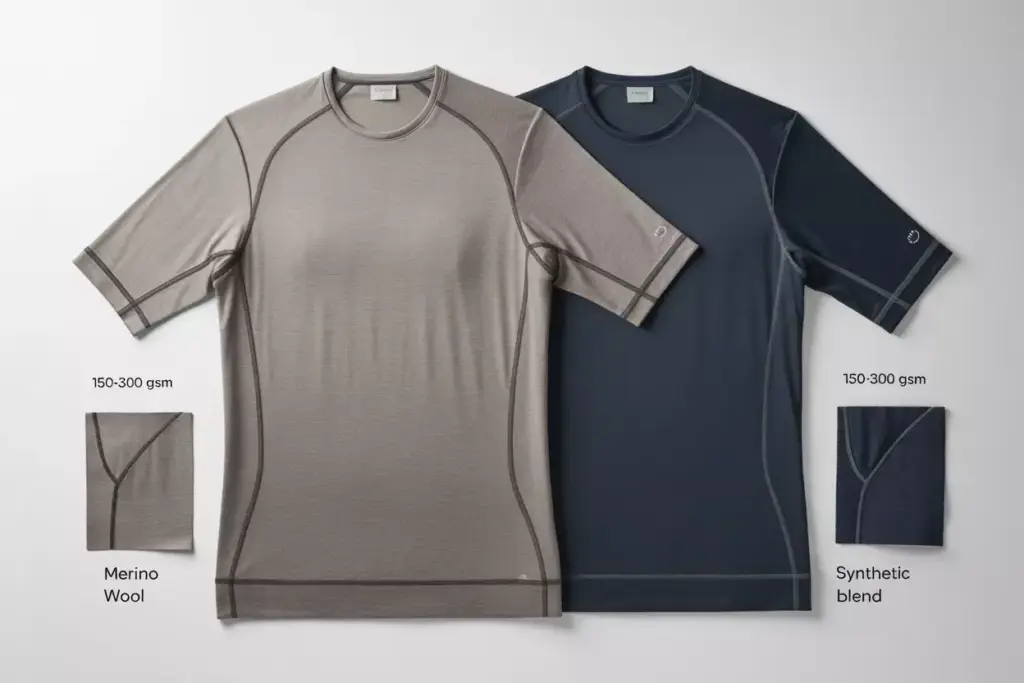
The base layer serves as the foundation of your mountain hiking outfit, directly contacting your skin and managing moisture throughout your adventure. This crucial first layer can make or break your comfort level on the trail.
Why Cotton Kills in the Mountains
The old adage “cotton kills” holds particularly true in mountain environments. Cotton fabric absorbs and retains moisture, losing up to 90% of its insulating properties when wet. In mountain conditions where temperatures can drop suddenly, wet cotton clothing can lead to hypothermia even in summer.
Top Base Layer Materials
Merino Wool:
- Naturally odor-resistant
- Retains warmth even when damp
- Soft and comfortable against skin
- Temperature regulating properties
Synthetic Fabrics (Polyester, Nylon blends):
- Superior moisture-wicking capabilities
- Quick-drying properties
- Durability and easy care
- Cost-effective options available
Base Layer Selection Guide
| Activity Level | Material Recommendation | Weight |
|---|---|---|
| High-intensity hiking | Lightweight synthetics | 150-200 GSM |
| Moderate hiking | Merino wool blends | 200-250 GSM |
| Cool weather/early morning | Midweight merino wool | 250-300 GSM |
Pro Tip: Choose base layers with flatlock seams to prevent chafing during long hikes. Look for extended back panels and thumbholes for added coverage and comfort.
Essential Piece 2: Insulating Mid-Layer
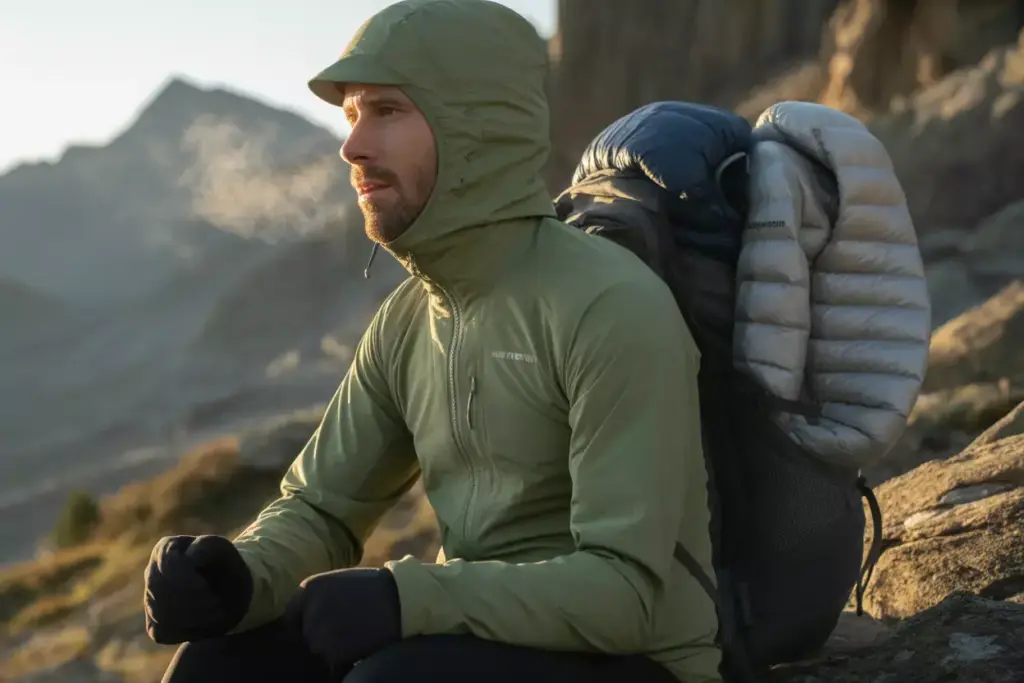
The insulating layer provides warmth while allowing moisture to pass through to the outer shell. This layer is your primary defense against temperature drops and can be easily adjusted based on activity level and weather conditions.
Types of Insulating Layers
1. Fleece Jackets
- Excellent warmth-to-weight ratio
- Breathable and quick-drying
- Easy to pack and lightweight
- Affordable and durable
2. Down Insulation
- Superior warmth for weight
- Highly compressible
- Long-lasting with proper care
- Drawback: Loses insulation when wet
3. Synthetic Insulation
- Maintains warmth when damp
- Quick-drying properties
- Hypoallergenic
- Performs well in humid conditions
Choosing the Right Mid-Layer Weight
Lightweight (100-200g insulation):
- Perfect for active hiking
- Easy temperature regulation
- Minimal bulk
Midweight (200-400g insulation):
- Versatile for varying conditions
- Good for rest stops and cooler weather
- Balance of warmth and packability
Mid-Layer Features to Consider
✅ Full-zip front for easy ventilation control
✅ Zippered chest and hand pockets for secure storage
✅ Helmet-compatible hood for mountain conditions
✅ Articulated sleeves for unrestricted movement
✅ Packable design that compresses into its own pocket
Essential Piece 3: Weather-Resistant Shell Layer
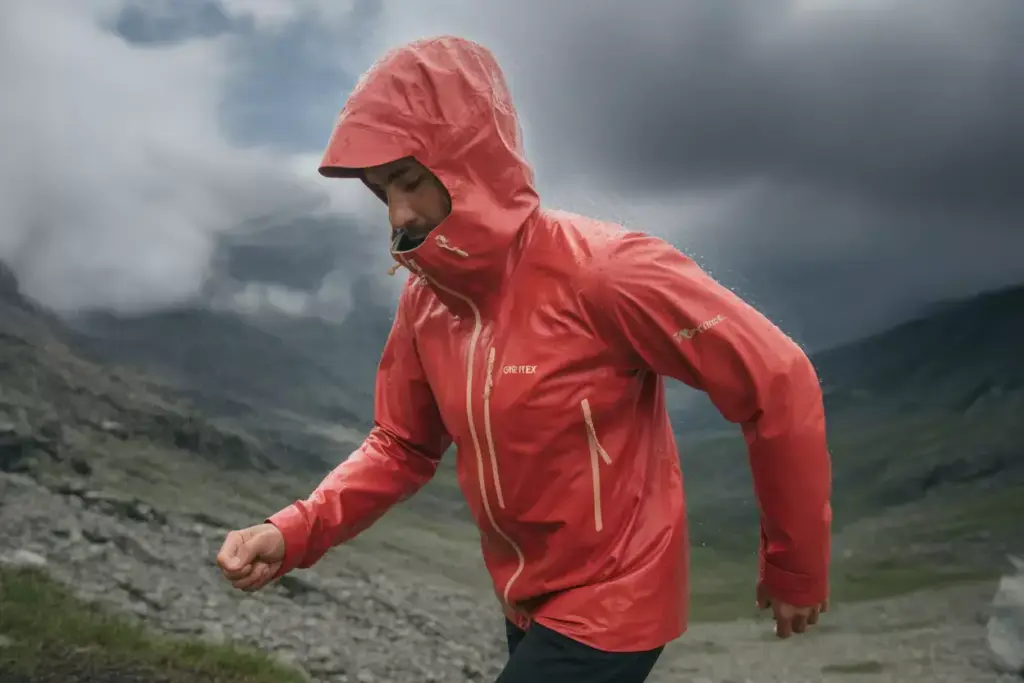
The outer shell is your first line of defense against wind, rain, and snow. In mountain environments where weather can change in minutes, a quality shell jacket can be literally life-saving.
Shell Layer Technologies
Waterproof-Breathable Fabrics:
- Gore-Tex: Industry standard for durability and performance
- eVent: Superior breathability for high-output activities
- Proprietary membranes: Brand-specific technologies (Patagonia H2No, Arc’teryx AC²)
Understanding Waterproof Ratings
| Rating (mm) | Protection Level | Best For |
|---|---|---|
| 5,000-10,000mm | Light rain | Day hiking in mild conditions |
| 10,000-20,000mm | Moderate rain | Most mountain hiking scenarios |
| 20,000mm+ | Heavy rain/snow | Extreme mountain conditions |
Key Shell Features for Mountain Hiking
Adjustable Hood: Should fit over a helmet and provide peripheral vision
Pit Zips: Essential for ventilation during high-output activities
Storm Flaps: Protect zippers from moisture infiltration
Articulated Cut: Allows for layering without restriction
Packability: Should compress into backpack when not needed
“A good shell jacket is like insurance—you hope you won’t need it, but when you do, nothing else will substitute.” – Mountain Safety Expert
Essential Piece 4: Supportive Hiking Footwear
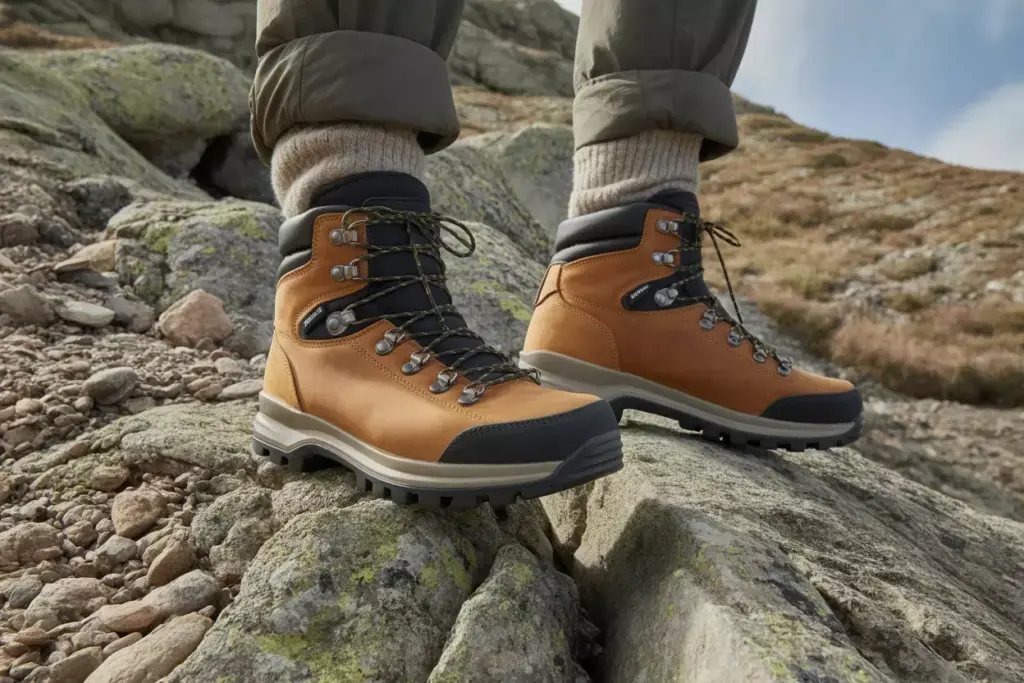
Proper hiking footwear forms the critical connection between hiker and mountain terrain. The right boots provide stability, protection, and confidence on challenging mountain trails.
Types of Mountain Hiking Footwear
1. Traditional Hiking Boots
- Ankle support: Crucial for uneven terrain
- Durability: Built to withstand rocky conditions
- Protection: Guards against rocks and debris
- Stability: Reduces ankle roll risk
2. Hiking Shoes
- Lighter weight: Less fatigue on long hikes
- Flexibility: Better for well-maintained trails
- Breathability: Cooler in hot weather
- Quick break-in: Ready to use sooner
3. Approach Shoes
- Technical terrain: Designed for scrambling
- Precise footwork: Sticky rubber soles
- Low profile: Enhanced ground feel
- Specialized use: Best for technical approaches
Boot Construction Elements
Upper Materials:
- Full leather: Maximum durability and support
- Nubuck leather: Good balance of flexibility and protection
- Synthetic materials: Lighter weight and quicker drying
- Fabric panels: Enhanced breathability
Sole Construction:
- Vibram outsoles: Industry standard for traction
- Aggressive lugs: Essential for loose terrain
- Heel brake: Prevents sliding on descents
- Toe protection: Guards against rock strikes
Proper Boot Fitting Guidelines
🦶 Size boots in the afternoon when feet are naturally swollen
🦶 Wear hiking socks during fitting process
🦶 Check toe room: Should have thumb-width space
🦶 Test heel hold: Minimal lifting during walking
🦶 Break in gradually: Start with short hikes
Gaiters: The Unsung Heroes
Gaiters deserve special mention as essential accessories for mountain hiking:
- Debris protection: Keep rocks and dirt out of boots
- Moisture barrier: Prevent water entry from above
- Snake protection: Additional safety in certain regions
- Warmth: Extra insulation around ankles
Essential Piece 5: Technical Hiking Backpack
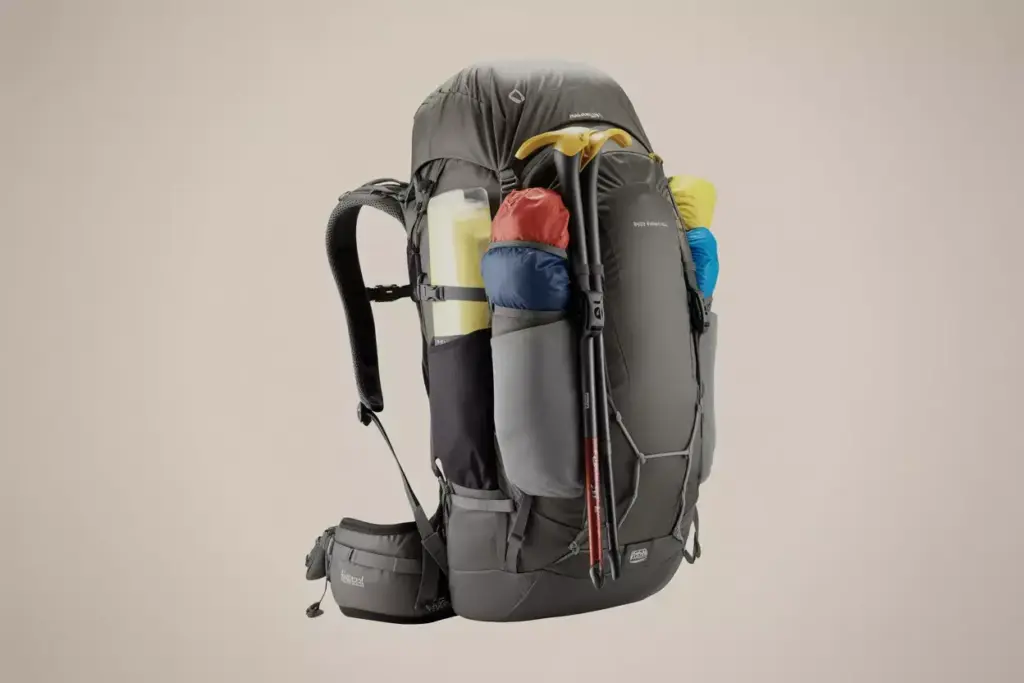
A technical hiking backpack serves as your mobile base camp, carrying everything needed for a safe and successful mountain adventure. The right pack distributes weight efficiently and provides organized access to gear.
Backpack Capacity Guidelines
Day Hiking (20-35 liters):
- Perfect for single-day mountain adventures
- Carries water, food, layers, and safety gear
- Lightweight and streamlined design
Extended Day Hikes (35-50 liters):
- Accommodates extra layers and gear
- Room for photography equipment
- Suitable for dawn-to-dusk adventures
Overnight Trips (50+ liters):
- Multi-day mountain expeditions
- Space for sleeping gear and extra food
- Enhanced organization systems
Critical Backpack Features
Suspension System:
- Adjustable torso length: Ensures proper fit
- Load-lifter straps: Transfers weight to hips
- Sternum strap: Stabilizes shoulder straps
- Hip belt: Carries majority of pack weight
Organization and Access:
- Multiple compartments: Separates gear types
- Side pockets: Quick access to water and snacks
- Top lid: Additional storage space
- Bottom access: Reaches gear without unpacking
Mountain-Specific Features:
- Hydration compatibility: Built-in reservoir sleeve
- Trekking pole attachments: Secure poles when not in use
- Ice axe loops: For technical mountain gear
- Compression straps: Reduce pack volume and secure load
Pack Loading Strategy
Bottom Third: Heavy items close to back (water, food)
Middle Third: Bulky, lightweight items (extra layers, sleeping bag)
Top Third: Frequently accessed items (snacks, first aid, rain gear)
Outside Pockets: Quick-access essentials (map, compass, sunscreen)
Essential Piece 6: Comprehensive Sun Protection
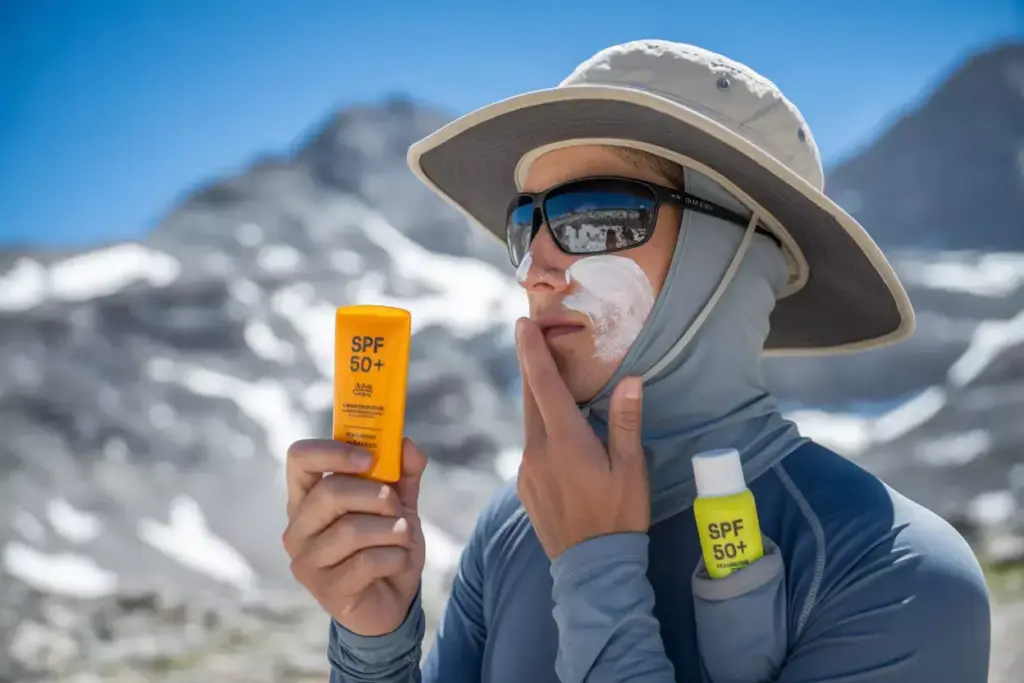
Sun protection becomes increasingly critical with elevation gain. Mountain environments intensify UV exposure through thinner atmosphere, reflective surfaces, and extended exposure times.
The Mountain Sun Challenge
Altitude Effects:
- UV intensity increases 4% per 1,000 feet of elevation
- At 10,000 feet, UV exposure is 40% higher than sea level
- Snow and rock reflection can double UV exposure
Complete Sun Protection System
1. Technical Sun Hat
- Wide brim: Minimum 3-inch protection all around
- UPF rating: Look for UPF 50+ fabrics
- Chin strap: Prevents loss in mountain winds
- Ventilation: Mesh panels for cooling
- Packability: Crushable for easy storage
2. High-Performance Sunglasses
- 100% UV protection: Blocks UVA and UVB rays
- Wraparound design: Prevents side light entry
- Category 3-4 lenses: Appropriate for high-altitude conditions
- Impact resistance: Polycarbonate or glass lenses
- Retention strap: Prevents loss during activity
3. Technical Sunscreen
- SPF 30 minimum: SPF 50+ recommended for extended exposure
- Broad spectrum: Protects against UVA and UVB
- Water/sweat resistant: Maintains protection during activity
- Zinc oxide/titanium dioxide: Physical blockers for sensitive skin
Advanced Sun Protection Strategies
UPF Clothing:
Modern technical fabrics offer built-in sun protection:
- Long-sleeve shirts: Lightweight, breathable options
- Convertible pants: Zip-off legs for adaptability
- Neck gaiters: Protects often-forgotten neck area
- Gloves: Lightweight options for extended exposure
Application Techniques:
- Reapply every 2 hours or after sweating heavily
- Use adequate amounts: 1 ounce for full body coverage
- Don’t forget: Ears, neck, hands, and feet
- Lip protection: SPF lip balm prevents painful burns
Sun Protection Checklist ☀️
✅ Wide-brim hat with chin strap
✅ High-quality sunglasses with retention strap
✅ SPF 50+ broad-spectrum sunscreen
✅ SPF lip balm
✅ Long-sleeve UPF shirt (optional but recommended)
✅ Lightweight gloves for extended exposure
Putting It All Together: Your Complete Summer Mountain Hiking Outfit
Now that we’ve explored The 6 Essential Pieces for a Summer Hiking Mountains Outfit, let’s see how they work together as a complete system:
Morning Departure Setup
- Base layer: Moisture-wicking shirt and underwear
- Light insulation: Lightweight fleece or vest
- Footwear: Properly fitted hiking boots with moisture-wicking socks
- Sun protection: Hat, sunglasses, and applied sunscreen
- Pack: Loaded with additional layers and essentials
Midday Adjustments
- Remove insulating layer as temperatures rise
- Increase ventilation through shell layer pit zips
- Reapply sunscreen and stay hydrated
- Monitor weather for afternoon storm development
Summit/Weather Protection
- Add shell layer for wind and potential precipitation
- Replace insulating layer if temperatures drop
- Secure loose items in pack to prevent loss
- Take photos and enjoy the accomplishment!
Seasonal Considerations for Summer Mountain Hiking
Even within summer months, mountain conditions vary significantly:
Early Summer (June)
- Snow patches may persist at higher elevations
- Stream crossings can be challenging due to snowmelt
- Weather volatility is highest during transition periods
- Gear emphasis: Waterproofing and traction
Mid-Summer (July-August)
- Stable weather patterns but afternoon storms common
- Peak UV exposure due to sun angle and clear skies
- Dry conditions may increase fire danger
- Gear emphasis: Sun protection and hydration
Late Summer (September)
- Temperature swings become more pronounced
- Earlier weather changes as seasons transition
- Shorter daylight hours require earlier starts
- Gear emphasis: Versatile layering options
Budget Considerations and Gear Investment Strategy
Building The 6 Essential Pieces for a Summer Hiking Mountains Outfit requires thoughtful investment. Here’s a strategic approach:
Priority Investment Order
1. Footwear (Highest Priority)
- Why first: Prevents injury and ensures comfort
- Investment range: $150-$400
- Longevity: 500-1000+ miles with proper care
2. Shell Layer (High Priority)
- Why second: Critical safety equipment
- Investment range: $200-$600
- Longevity: Many years with proper maintenance
3. Backpack (Medium-High Priority)
- Why third: Affects comfort and organization
- Investment range: $100-$400
- Longevity: Decades with quality construction
4. Base and Mid Layers (Medium Priority)
- Why fourth: Comfort and temperature regulation
- Investment range: $50-$200 per piece
- Longevity: Several years of regular use
Money-Saving Strategies
💰 End-of-season sales: Purchase gear during fall/winter clearances
💰 Previous year models: Often 30-50% less than current versions
💰 Outlet stores: Brand outlets offer significant discounts
💰 Used gear markets: Inspect carefully for wear and damage
💰 Rental programs: Test expensive items before purchasing
Maintenance and Care for Longevity
Proper care extends the life of your mountain hiking gear significantly:
Cleaning and Storage
- Wash technical fabrics according to manufacturer instructions
- Reproofing treatments maintain water-repellent finishes
- Proper storage prevents mold, mildew, and degradation
- Regular inspection identifies wear before failure
Repair and Replacement
- Learn basic repairs: Patch kits and seam sealers
- Professional services: For major repairs and reproofing
- Replacement timing: Before gear fails in the field
- Upgrade gradually: Improve one piece at a time
Safety Considerations Beyond Clothing
While The 6 Essential Pieces for a Summer Hiking Mountains Outfit form the foundation of mountain safety, additional considerations include:
Navigation and Communication
- Map and compass: Essential backup to GPS devices
- Emergency communication: Satellite communicators for remote areas
- Weather monitoring: Portable weather radios
- Route planning: Inform others of hiking plans
Emergency Preparedness
- First aid knowledge: Basic wilderness first aid training
- Emergency shelter: Lightweight bivy or emergency blanket
- Signaling devices: Whistle, mirror, or personal locator beacon
- Extra food and water: Plan for unexpected delays
Environmental Responsibility
Responsible mountain hiking includes minimizing environmental impact:
Leave No Trace Principles
- Plan ahead: Research regulations and conditions
- Stay on trails: Prevent erosion and vegetation damage
- Pack out waste: Leave mountains cleaner than found
- Respect wildlife: Observe from distance and secure food
Sustainable Gear Choices
- Durable construction: Buy once, use for years
- Repair over replace: Extend gear life through maintenance
- Responsible disposal: Recycle or donate when replacement needed
- Support ethical brands: Choose companies with environmental commitments
Conclusion
Mastering The 6 Essential Pieces for a Summer Hiking Mountains Outfit transforms mountain adventures from potentially dangerous endeavors into confident, enjoyable experiences. Each piece—from moisture-wicking base layers to comprehensive sun protection—plays a crucial role in maintaining comfort, safety, and performance throughout your mountain journey.
The layering system forms the foundation of effective mountain clothing, allowing adaptation to rapidly changing conditions. Quality footwear provides the stability and protection needed for challenging terrain. A well-fitted backpack carries essential gear comfortably, while comprehensive sun protection guards against the intensified UV exposure of high-altitude environments.
Remember that gear is only as effective as the knowledge behind its use. Take time to understand each piece of equipment, practice with layering systems before heading into the mountains, and gradually build experience in increasingly challenging conditions.
Your Next Steps:
- Assess your current gear against this essential list
- Prioritize purchases based on your most urgent needs
- Test new equipment on easier trails before mountain adventures
- Practice layering systems in various weather conditions
- Plan your first mountain hike with confidence in your preparation
The mountains await, and with The 6 Essential Pieces for a Summer Hiking Mountains Outfit properly selected and understood, every step toward the summit becomes a stride toward adventure, safety, and unforgettable experiences. The investment in quality gear pays dividends in comfort, safety, and the confidence to explore the magnificent mountain environments that call to adventurous spirits.
Start building your mountain hiking outfit today, and prepare to discover the transformative power of well-prepared mountain adventures. The peaks are calling—answer with confidence, preparation, and the right gear for the journey ahead.