How to Build the Perfect Women’s Fall Hiking Outfit (Warm, Dry & Stylish)
Picture this: crisp autumn air fills your lungs as you navigate a winding mountain trail surrounded by brilliant orange and gold foliage. The temperature hovers around 45°F, with morning frost giving way to afternoon warmth and the possibility of sudden rain showers. How to Build the Perfect Women’s Fall Hiking Outfit (Warm, Dry & Stylish) becomes crucial when facing these unpredictable conditions that can make or break your outdoor adventure.

Fall hiking presents unique challenges that demand strategic outfit planning. Unlike summer’s straightforward lightweight gear or winter’s heavy-duty protection, autumn requires versatile layering systems that adapt to rapidly changing weather conditions while maintaining both functionality and style.
Key Takeaways
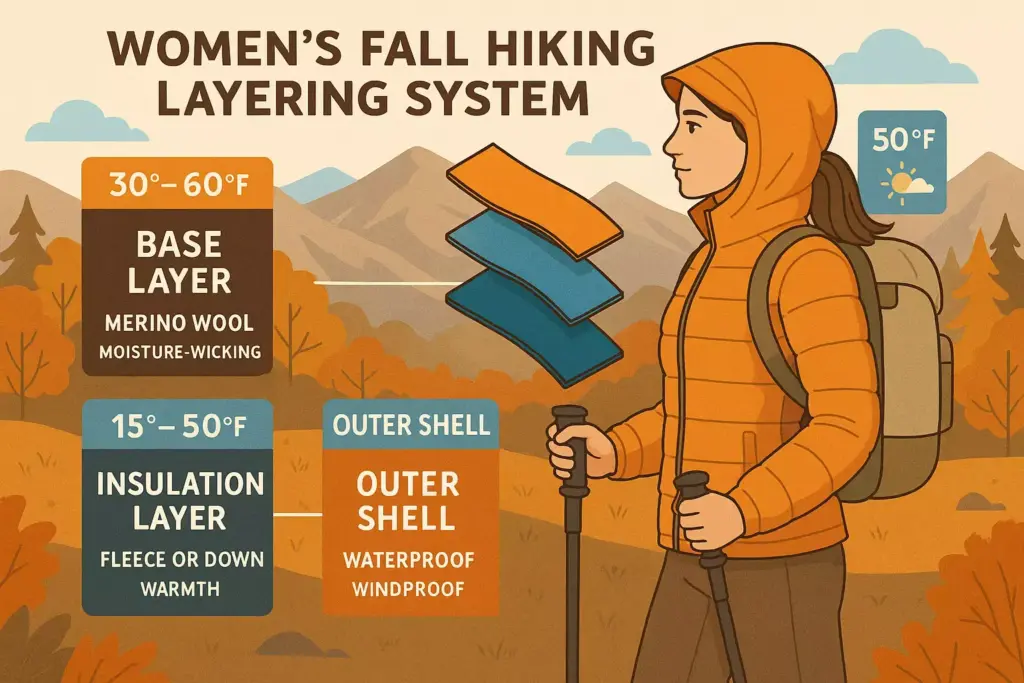
- Master the three-layer system: Base layer for moisture management, insulation layer for warmth, and outer shell for weather protection
- Prioritize versatile pieces: Choose clothing that easily adds or removes as temperatures fluctuate throughout the day
- Invest in quality footwear: Waterproof hiking boots with good traction are essential for wet leaves and muddy trails
- Don’t forget extremities: Hands, feet, and head lose heat quickly in cold weather, so pack appropriate accessories
- Plan for weather changes: Fall conditions can shift from sunny and warm to cold and wet within hours
Understanding Fall Hiking Challenges
Weather Variability 🌦️
Fall weather creates a perfect storm of hiking challenges. Morning temperatures might start at a chilly 35°F, climb to a comfortable 60°F by midday, then plummet again as the sun sets. Add potential rain, wind, and varying humidity levels, and the complexity becomes clear.
Temperature fluctuations throughout a single day can span 30+ degrees. This dramatic range means hikers must prepare for multiple scenarios simultaneously. The key lies in building an outfit system that adapts rather than commits to one temperature range.
Trail Conditions
Autumn trails present unique hazards that influence clothing choices:
- Wet leaves create slippery surfaces requiring enhanced traction
- Muddy paths from fall rains demand waterproof protection
- Branch debris calls for durable fabrics that resist tears
- Shorter daylight hours increase the likelihood of hiking in low-light conditions
Essential Layering System for Fall Hiking
Base Layer: Your Foundation
The base layer serves as your skin’s first line of defense against moisture and temperature changes. Moisture-wicking properties are non-negotiable, as even cool weather generates sweat during physical activity.
Top Choices for Base Layers:
| Material | Pros | Cons | Best For |
|---|---|---|---|
| Merino Wool | Natural odor resistance, temperature regulation | Higher cost, slower drying | Multi-day trips, sensitive skin |
| Synthetic Blends | Quick-drying, affordable, durable | Can retain odors | Day hikes, budget-conscious hikers |
| Silk | Lightweight, comfortable, packable | Less durable, expensive | Ultralight hiking, layering |
Fit Guidelines: Base layers should fit snugly without being restrictive. Look for flatlock seams that prevent chafing during extended wear.
Insulation Layer: Warmth Without Weight
The insulation layer traps warm air while allowing moisture transfer from the base layer. This middle layer provides the bulk of your warmth and should be easily removable as conditions change.
Fleece Options:
- Lightweight fleece (100-200 weight): Perfect for moderate activity levels and mild cold
- Midweight fleece (200-300 weight): Ideal for colder conditions or rest stops
- Grid fleece: Enhanced breathability for high-output activities
Down vs. Synthetic Insulation:
Down Advantages:
- Superior warmth-to-weight ratio
- Highly compressible
- Long-lasting with proper care
Synthetic Advantages:
- Maintains warmth when wet
- Faster drying
- More affordable
- Easier maintenance
“The best insulation layer is the one you’ll actually wear. Choose based on your typical hiking conditions and personal preferences.” – Trail Magazine
Outer Shell: Weather Protection
Your outer shell provides the final barrier against wind, rain, and snow. Breathability becomes crucial here, as a non-breathable shell creates a personal sauna that defeats the purpose of moisture-wicking base layers.
Shell Categories:
- Waterproof-Breathable: Full weather protection with moisture vapor transfer
- Water-Resistant: Light protection for brief showers
- Windproof: Blocks wind while maintaining breathability
- Softshell: Combines insulation with weather resistance
How to Build the Perfect Women’s Fall Hiking Outfit: Bottom Half Essentials
Hiking Pants and Leggings
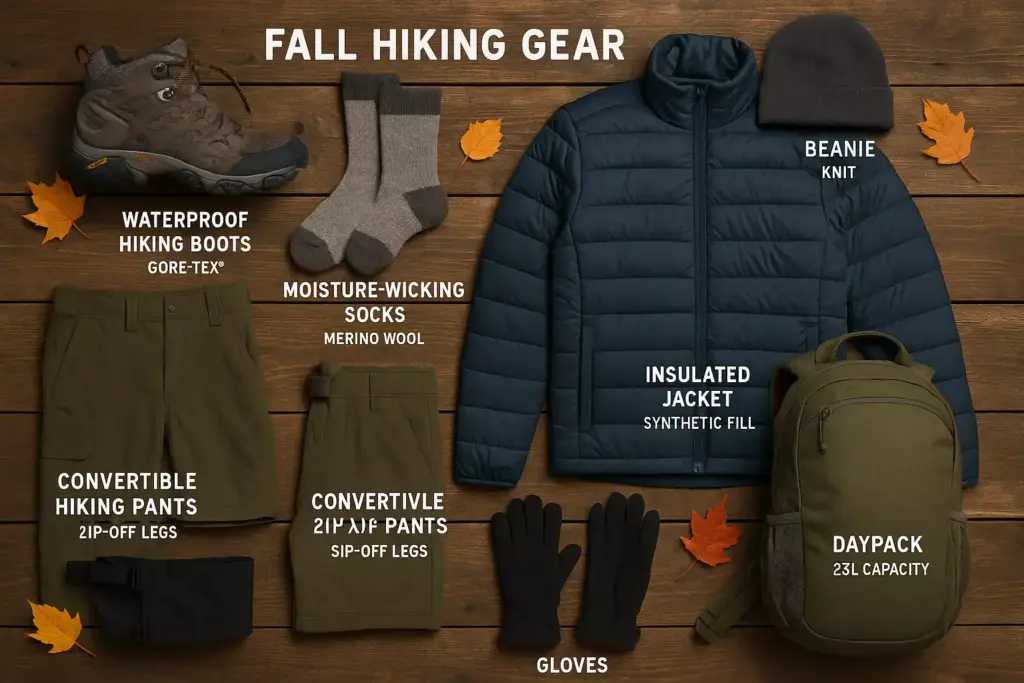
Convertible hiking pants offer maximum versatility for changing conditions. Quality options feature:
- Zip-off legs that convert to shorts
- Articulated knees for improved mobility
- Multiple pockets for essential gear storage
- Water-resistant treatments for light precipitation
Hiking leggings provide excellent mobility and comfort:
- High-waisted designs prevent gaps when bending
- Side pockets for phone and small items
- Reinforced knees for durability
- UPF protection for sun exposure
Footwear Selection
Waterproof hiking boots remain the gold standard for fall hiking. Key features include:
- Ankle support for uneven terrain
- Aggressive tread patterns for traction on wet surfaces
- Breathable waterproof membranes (Gore-Tex, eVent)
- Quick-lace systems for easy adjustments
Boot Height Options:
- Low-cut: Maximum mobility, less ankle support
- Mid-cut: Balance of support and flexibility
- High-cut: Maximum ankle protection, reduced flexibility
Sock Technology
Moisture management starts with proper socks. Avoid cotton at all costs, as it retains moisture and increases blister risk.
Recommended Materials:
- Merino wool: Natural moisture-wicking and odor resistance
- Synthetic blends: Quick-drying and durable
- Cushioning zones: Targeted padding for high-impact areas
Accessories That Make the Difference
Head and Neck Protection
Heat loss through the head can account for up to 40% of total body heat loss. Essential accessories include:
- Lightweight beanie: Packable warmth for temperature drops
- Sun hat with brim: UV protection during sunny periods
- Buff or neck gaiter: Versatile protection that serves multiple functions
Hand Protection 🧤
Layered hand protection allows fine motor control while maintaining warmth:
- Liner gloves: Thin base layer for dexterity
- Insulated gloves: Warmth for cold conditions
- Waterproof shells: Protection from wet conditions
Additional Accessories
Gaiters prevent debris from entering boots and provide lower leg protection from moisture and scratches. Leg warmers offer adjustable warmth that easily removes when temperatures rise.
Fabric Technologies and Materials
Performance Fabrics
Modern hiking clothing incorporates advanced fabric technologies that enhance comfort and performance:
DWR (Durable Water Repellent) Coatings:
- Cause water to bead and roll off fabric surfaces
- Maintain breathability while providing water resistance
- Require periodic reapplication for continued effectiveness
Stretch Fabrics:
- Improve mobility and comfort during dynamic movement
- Reduce binding and restriction
- Often incorporate elastane or spandex blends
Sustainable Options
Recycled materials increasingly appear in high-performance hiking clothing:
- Recycled polyester: Made from plastic bottles, offers durability and performance
- Responsible down: Ethically sourced with animal welfare standards
- Organic cotton blends: Reduced environmental impact for casual hiking pieces
How to Build the Perfect Women’s Fall Hiking Outfit: Style Considerations
Color Coordination
Earth tones naturally complement fall landscapes while providing practical benefits:
- Hunter green, rust, and burgundy: Blend with autumn foliage
- Neutral grays and blacks: Versatile base colors that hide dirt
- Bright accent colors: Improve visibility for safety
Fit and Silhouette
Proper fit enhances both function and appearance:
- Avoid overly baggy clothing that catches on branches
- Choose fitted base layers that layer smoothly
- Ensure adequate room in outer layers for underlying insulation
Transitional Pieces
Versatile garments that work on and off the trail maximize wardrobe value:
- Fleece jackets suitable for casual wear
- Hiking pants that pass for everyday attire
- Boots appropriate for urban environments
Weather-Specific Outfit Combinations
Mild Fall Days (50-65°F)
Base Layer: Lightweight merino wool long-sleeve top
Bottom: Hiking leggings or lightweight pants
Footwear: Low-cut hiking shoes or trail runners
Accessories: Sun hat, light gloves in pack
Cool Fall Days (35-50°F)
Base Layer: Medium-weight base layer top and bottom
Insulation: Lightweight fleece or synthetic jacket
Bottom: Insulated hiking pants or leggings with wind pants
Footwear: Mid-cut waterproof boots
Accessories: Beanie, insulated gloves, neck gaiter
Cold Fall Days (Below 35°F)
Base Layer: Heavyweight merino wool or synthetic blend
Insulation: Down or heavyweight fleece jacket
Outer Shell: Waterproof-breathable jacket and pants
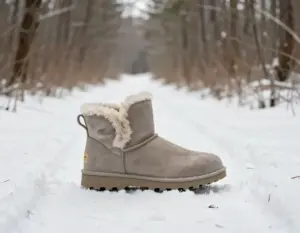
Footwear: Insulated waterproof boots
Accessories: Insulated hat, waterproof gloves, face protection
🥾 Fall Hiking Outfit Builder
Budget-Friendly Options
Building Quality on a Budget
Prioritize key pieces that provide the most value:
- Quality base layers – Direct skin contact makes comfort crucial
- Waterproof boots – Foot comfort and dryness are non-negotiable
- Versatile outer shell – Weather protection extends hiking seasons
Affordable Alternatives
Thrift stores and consignment shops often carry high-quality outdoor gear at reduced prices. End-of-season sales provide opportunities to purchase premium items at significant discounts.
Budget-Friendly Brands:
- Decathlon: European retailer with excellent value outdoor gear
- REI Co-op brand: Quality house brand at reasonable prices
- Columbia: Reliable performance at accessible price points
- Outdoor Research: Technical features without premium pricing
DIY Solutions
Layering regular clothing can work for casual fall hiking:
- Athletic leggings instead of hiking-specific pants
- Fleece hoodies for insulation layers
- Rain jackets from general retailers for weather protection
Maintenance and Care
Extending Gear Lifespan
Proper care significantly extends the life of technical hiking clothing:
Washing Guidelines:
- Use technical wash products that maintain DWR coatings
- Avoid fabric softeners that clog breathable membranes
- Wash similar colors together to prevent bleeding
- Air dry when possible to prevent heat damage
DWR Restoration
DWR treatments require periodic renewal:
- Clean thoroughly with technical wash
- Apply DWR treatment according to manufacturer instructions
- Heat activate using dryer or iron on low heat
- Test effectiveness with water droplet test
Storage Best Practices
Proper storage prevents damage during off-seasons:
- Clean before storage to prevent odor and fabric degradation
- Store in breathable containers to prevent moisture buildup
- Avoid compression for down insulation items
- Check periodically for signs of pest damage or moisture
Advanced Tips for Experienced Hikers
Microclimate Considerations
Elevation changes create significant temperature variations. Plan for 3-5°F temperature drops per 1,000 feet of elevation gain. Valley bottoms often collect cold air, while exposed ridges experience increased wind exposure.
Emergency Preparedness
Always pack emergency layers regardless of forecast:
- Emergency bivy or space blanket
- Extra insulation layer
- Waterproof emergency poncho
- Hand and foot warmers for unexpected cold
Trail-Specific Adaptations
Research trail conditions before departure:
- Recent weather patterns affecting trail conditions
- Typical microclimates along the route
- Water crossing requirements that might affect footwear choices
- Camping regulations for overnight trips
Conclusion
How to Build the Perfect Women’s Fall Hiking Outfit (Warm, Dry & Stylish) requires balancing multiple factors: temperature management, weather protection, comfort, and personal style preferences. The foundation lies in mastering the three-layer system while selecting versatile pieces that adapt to changing conditions.
Success depends on preparation and flexibility. Start with quality base layers, invest in reliable footwear, and build a collection of insulation and outer shell options that work together seamlessly. Remember that the perfect outfit varies by individual, trail conditions, and personal comfort preferences.
Take action today by assessing your current hiking wardrobe and identifying gaps in your layering system. Start with one quality piece and build gradually, prioritizing items that provide the most versatility across different conditions. Test your outfit combinations on shorter hikes before committing to longer adventures.
The investment in proper fall hiking attire pays dividends in comfort, safety, and enjoyment throughout the hiking season. Your perfect fall hiking outfit awaits – start building it today and embrace the incredible beauty of autumn trails with confidence and style.