9 Essential Items for Your Ski Trip Packing List (Don’t Forget #7!)
Picture this: you’ve arrived at the mountain after a long drive, the slopes are perfectly groomed, and fresh powder is waiting — but you’ve forgotten your ski goggles back home. 😩 That one oversight can turn a dream ski vacation into a frustrating, expensive scramble. I’ve been there, and I can tell you firsthand that smart packing makes all the difference. That’s exactly why I put together this guide covering the 9 Essential Items for Your Ski Trip Packing List (Don’t Forget #7!) — a complete checklist designed to help you hit the slopes fully prepared, safe, and comfortable in 2026.
Disclosure: This post contains affiliate links. As an Amazon Associate, we earn from qualifying purchases, and at no extra cost to you.

Whether you’re a first-timer or a seasoned powder hound, this ski trip packing list will cover everything from technical gear to the often-overlooked essentials that can make or break your mountain experience.
Key Takeaways 🎿
- Layering is everything — proper base, mid, and outer layers regulate your body temperature and keep you dry on the mountain.
- Safety gear like helmets and goggles are non-negotiable, not optional accessories.
- Item #7 is the most commonly forgotten essential — and it can seriously affect your health and performance on the slopes.
- Sun protection at altitude is far more intense than at sea level — don’t underestimate it.
- Packing smart saves money — resort shops charge premium prices for gear you could have brought from home.
Why a Ski Trip Packing List Matters More Than You Think
Most people focus on booking the lodge, buying lift tickets, and planning après-ski dinners. Packing? That gets rushed the night before departure. But here’s the reality: skiing is a high-performance sport in an extreme environment. Temperatures can drop below freezing, UV radiation at altitude is significantly stronger, and physical exertion is intense. Forgetting even one key item can lead to discomfort, injury, or a wasted ski day.
💬 “Failing to prepare is preparing to fail — and nowhere is that more true than on a ski mountain.”
According to the National Ski Areas Association, over 51 million skier and snowboarder visits are recorded in the U.S. each season, and a significant portion of injuries are linked to inadequate gear or preparation (NSAA, 2023). A well-thought-out ski trip packing list isn’t just about convenience — it’s about safety and maximizing your investment.
Let’s break down the 9 Essential Items for Your Ski Trip Packing List (Don’t Forget #7!) one by one.
The Complete 9 Essential Items for Your Ski Trip Packing List (Don’t Forget #7!)
1. Ski Helmet 🪖
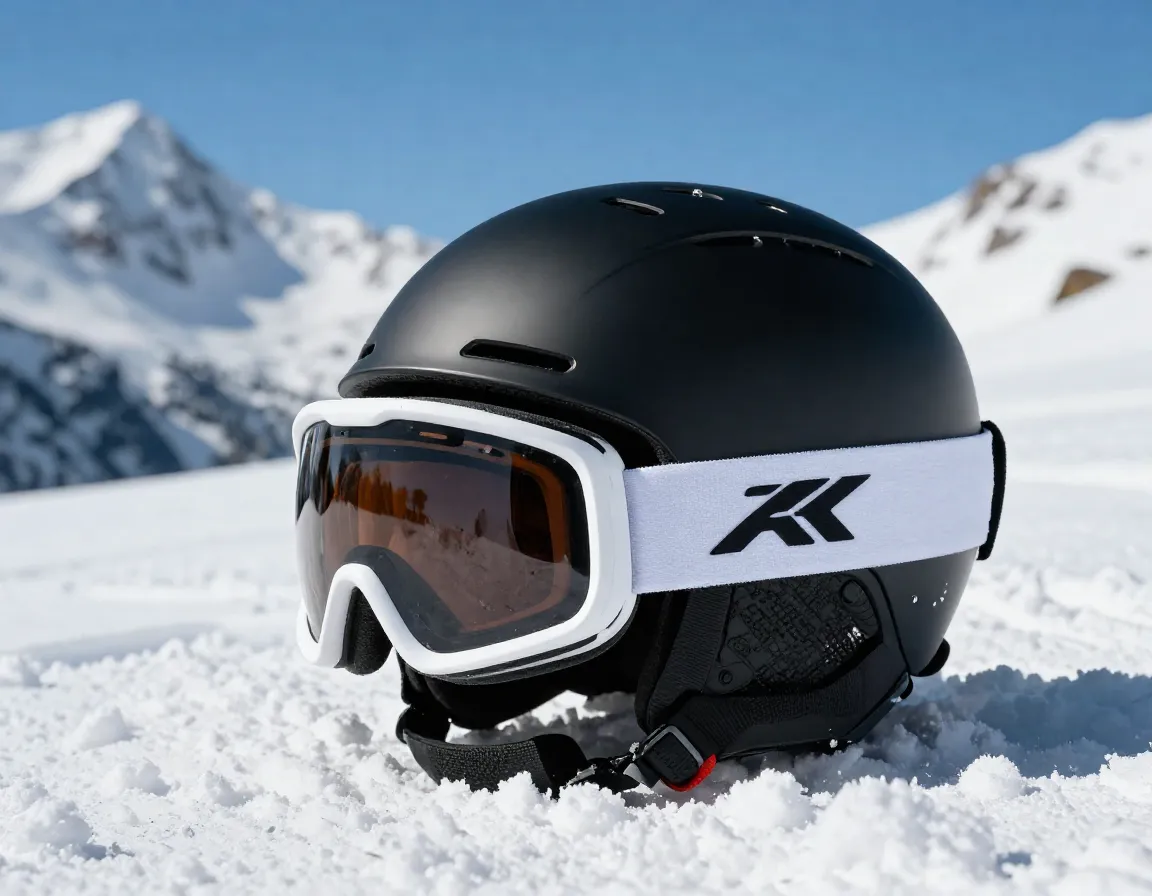
Safety first — always.
A ski helmet is the single most important piece of protective gear you can bring. Head injuries are among the most serious risks on the mountain, and a properly fitted helmet dramatically reduces that risk.
What to look for:
- ASTM F2040 or CE EN 1077 certified
- Adjustable fit system (dial or BOA closure)
- Ventilation channels for temperature control
- Compatibility with your goggles
| Helmet Type | Best For | Price Range |
|---|---|---|
| In-mold construction | Recreational skiers | $80–$200 |
| Hard shell | Advanced/backcountry | $150–$400 |
| MIPS-equipped | All levels (extra protection) | $120–$500 |
Pro tip: Never rent a helmet if you can avoid it. Rented helmets may have hidden damage from previous impacts. Invest in your own — your brain is worth it.
2. Ski Goggles 🥽
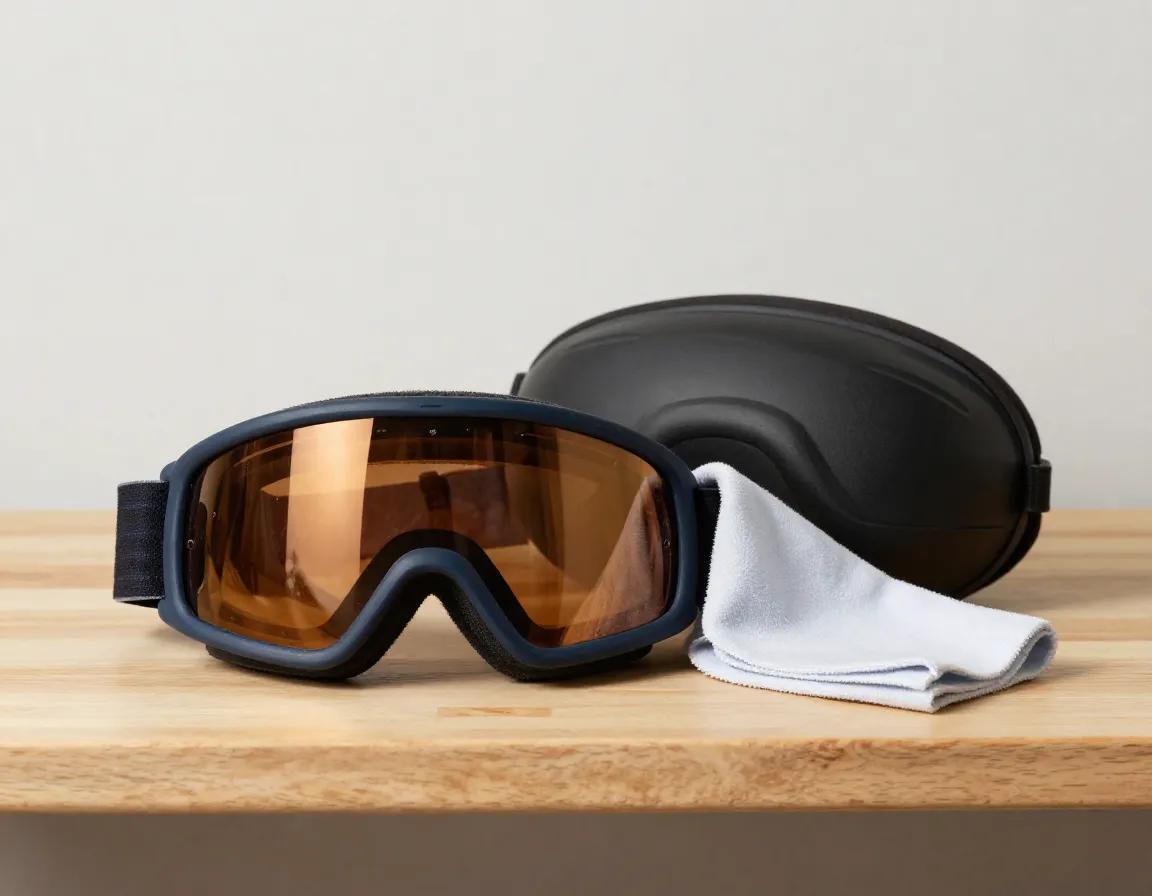
Goggles protect your eyes from UV rays, wind, snow glare, and flying debris. They also dramatically improve visibility in flat light or storm conditions — which is when most accidents happen.
Key features to prioritize:
- Lens tint: Amber/rose for low light; dark tints for sunny days; photochromic lenses adapt to both
- Anti-fog coating on the inner lens
- OTG (Over The Glasses) compatibility if you wear prescription eyewear
- Wide field of view for better peripheral awareness
Lens VLT (Visible Light Transmission) Guide:
| VLT % | Condition | Lens Color |
|---|---|---|
| 0–25% | Bright sunshine | Dark grey, black |
| 26–60% | Partly cloudy | Brown, copper |
| 61–90% | Overcast/flat light | Yellow, amber |
Don’t forget to pack a lens cloth and goggle case to protect them during travel.
3. Moisture-Wicking Base Layer 👕
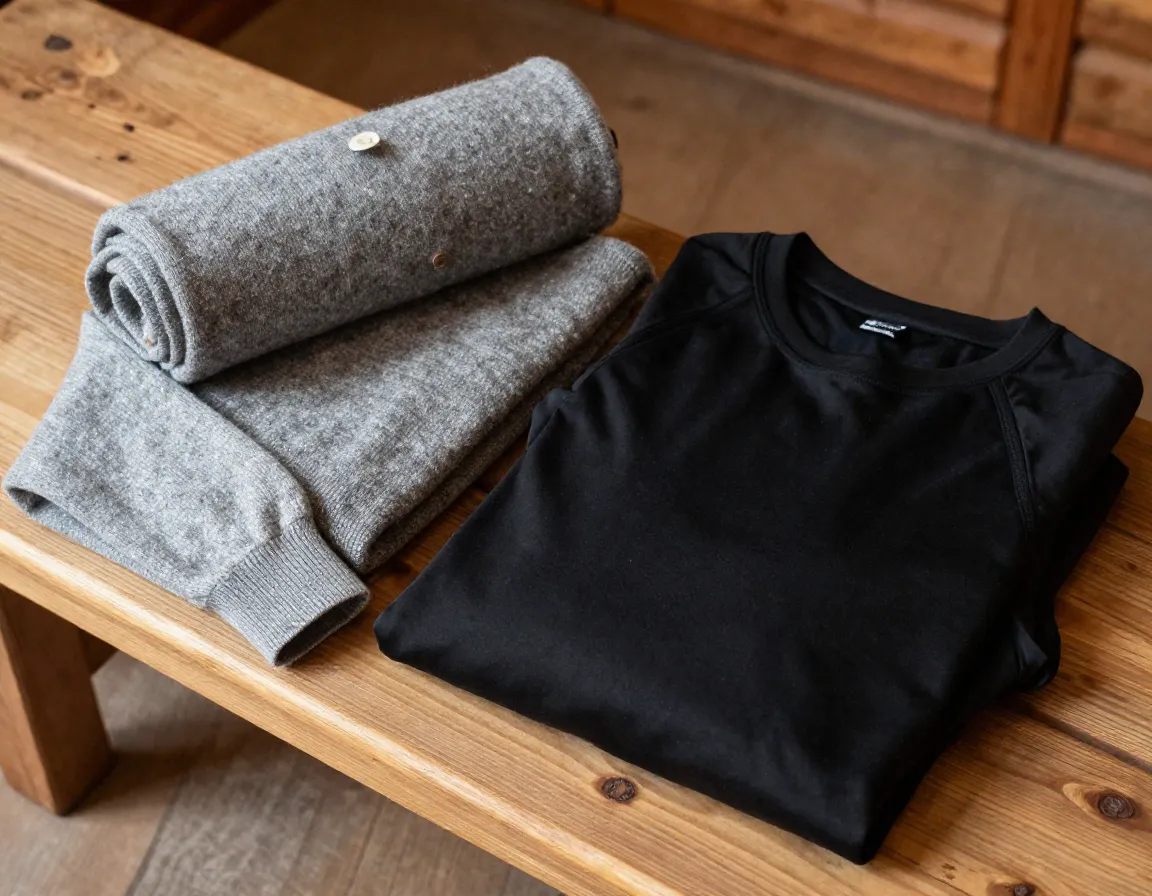
Your base layer is your foundation. It sits directly against your skin and its job is to pull sweat away from your body — keeping you warm and dry. Cotton is the enemy here. Never wear cotton as a base layer on the mountain.
Best materials for ski base layers:
- Merino wool — naturally odor-resistant, temperature-regulating, soft
- Synthetic (polyester/polypropylene) — fast-drying, durable, affordable
- Silk — lightweight and warm, though less durable
Recommended weight:
- Lightweight: for high-output activities and mild cold
- Midweight: the most versatile option for most ski days
- Heavyweight: for extreme cold or low-activity days
Pack at least two sets of base layers so you always have a dry option ready.
4. Insulating Mid-Layer 🧥
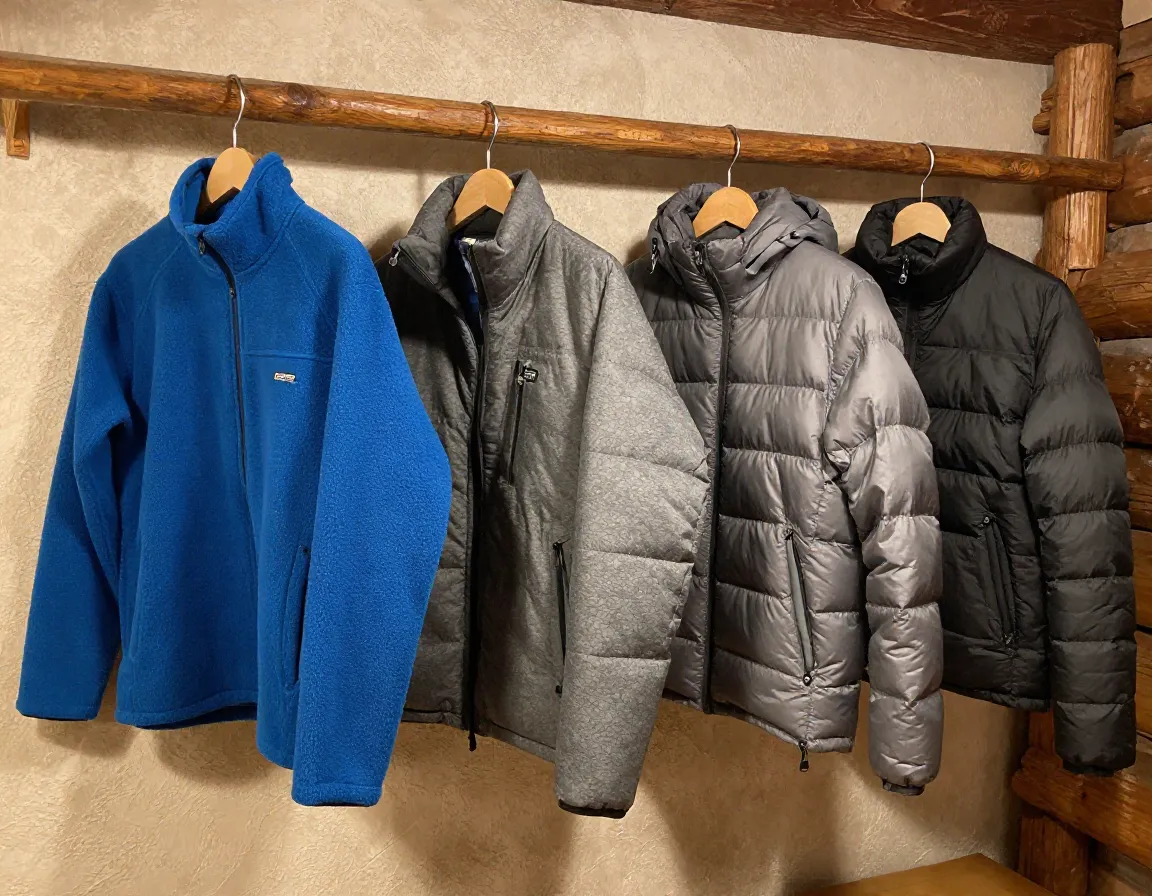
The mid-layer traps body heat and provides the core warmth in your layering system. Think of it as your personal insulation.
Top mid-layer options:
- Fleece jacket — breathable, quick-drying, packable
- Down jacket — exceptional warmth-to-weight ratio (not ideal if it gets wet)
- Synthetic insulated jacket — performs even when damp, great all-around choice
💬 “A good mid-layer is like a thermostat for your body — it regulates your core temperature so you can ski longer and harder.”
For most ski trips, a 100–200 weight fleece or a lightweight synthetic insulated jacket hits the sweet spot between warmth and packability.
5. Waterproof Ski Jacket and Pants 🌨️
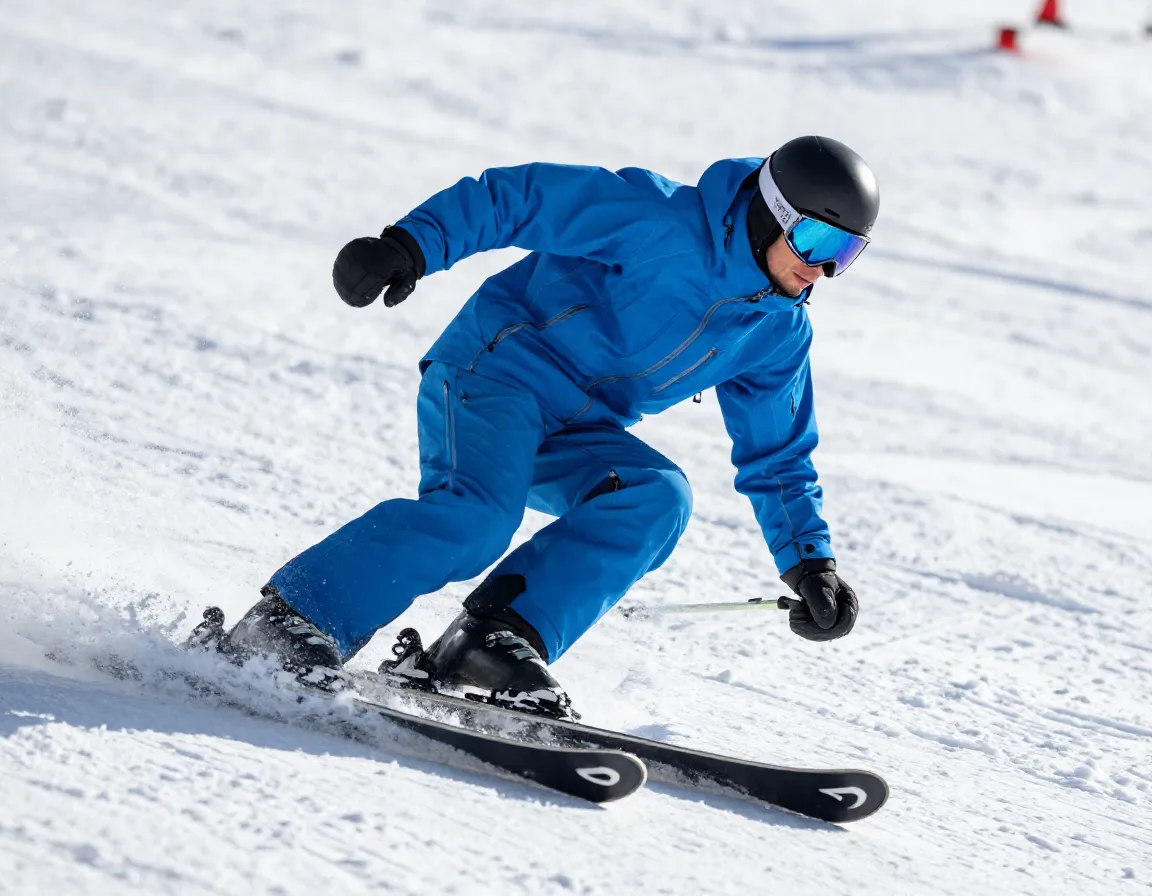
Your outer shell is your armor against wind, snow, and wet conditions. A quality ski jacket and pants are a significant investment — but they’re worth every penny.
What to look for:
- Waterproofing rating: Look for at least 10,000mm hydrostatic head rating; 20,000mm+ for heavy snowfall
- Breathability rating: At least 10,000g/m²/24hr to prevent overheating
- Sealed seams: Fully taped seams prevent water infiltration at stitching
- Snow skirt/powder skirt: Prevents snow from entering the jacket during falls
- Venting zippers: Underarm zips allow quick temperature regulation
Jacket vs. Shell vs. 3-in-1:
| Type | Warmth | Versatility | Best For |
|---|---|---|---|
| Insulated jacket | High | Moderate | Cold resorts, casual skiers |
| Hard shell | None (layer underneath) | High | Variable conditions, experts |
| 3-in-1 | Adjustable | Very high | Travelers, mixed conditions |
6. Ski Gloves or Mittens 🧤
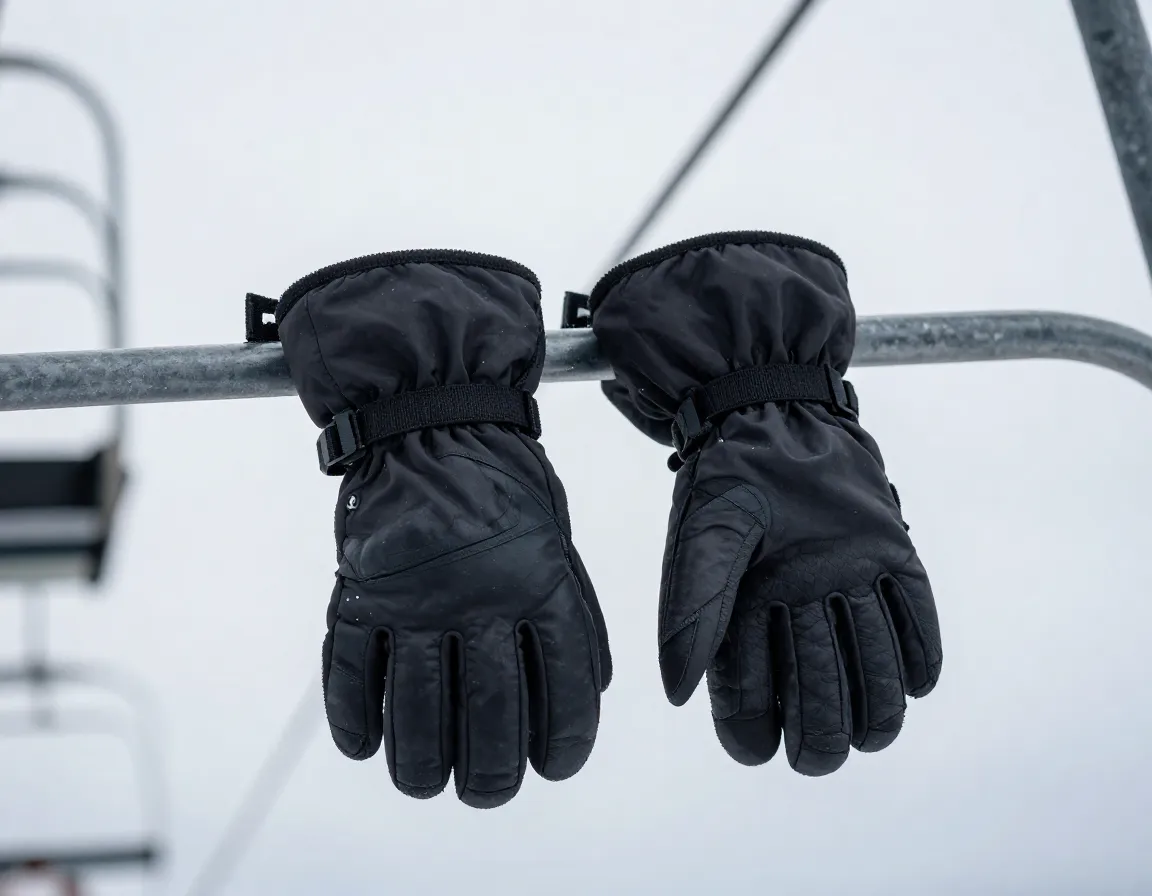
Cold, wet hands are miserable — and dangerous. Proper hand protection is essential for both comfort and safety (you need your hands to grip poles and navigate chairlifts).
Gloves vs. Mittens:
- Gloves offer better dexterity for pole handling and phone use
- Mittens are warmer because fingers share heat — ideal for extreme cold
Must-have features:
- Waterproof and windproof outer shell
- Insulation rated for your expected temperatures
- Wrist leash or strap to prevent loss on the chairlift
- Reinforced palm for grip
Pack a backup pair. Wet gloves on day two of a five-day trip are a serious problem. A lightweight liner glove also adds warmth and can be used alone in milder conditions.
7. High-SPF Sunscreen AND Lip Balm ☀️ (Don’t Forget This One!)
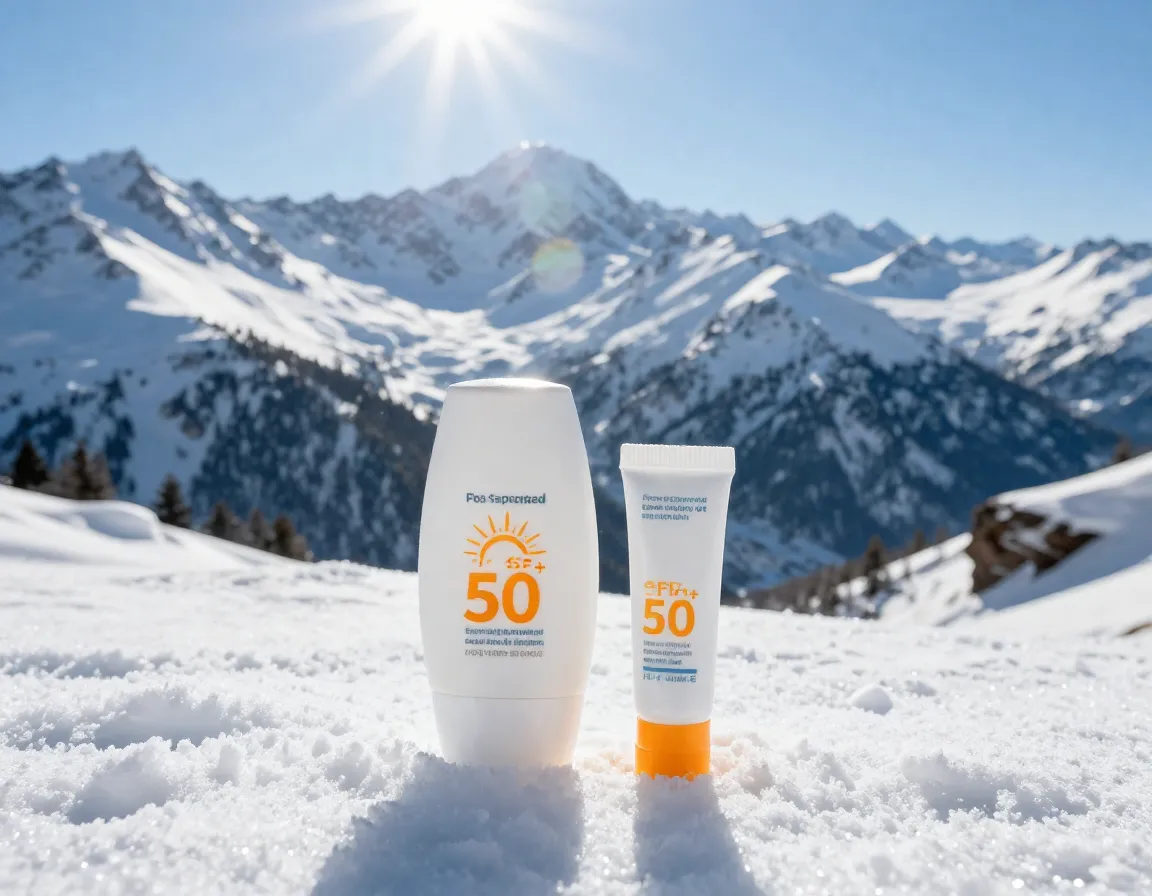
Here it is — the most commonly forgotten item on any ski trip packing list.
UV radiation increases approximately 4% for every 1,000 feet of altitude gain (Skin Cancer Foundation, 2022). At a typical ski resort elevation of 8,000–12,000 feet, you’re receiving 30–50% more UV exposure than at sea level — and snow reflects up to 80% of UV rays, essentially doubling your exposure.
⚠️ “Sunburn on the mountain happens faster than you think — and it’s not just uncomfortable, it’s a serious health risk.”
What to pack:
- Broad-spectrum SPF 50+ sunscreen (water-resistant formula)
- SPF lip balm (SPF 30 minimum — your lips burn easily at altitude)
- Zinc oxide stick for nose and cheeks (physical blocker, highly effective)
Application tips:
- Apply 30 minutes before heading outside
- Reapply every 2 hours, or after sweating heavily
- Don’t forget your neck, under your chin, and around your goggles — these are high-reflection zones
This is the item most skiers leave at home or forget to reapply — and it’s the one that sends them back to the lodge with a painful sunburn by noon. Don’t let that be you. 🛑
8. Hand Warmers and Emergency Essentials 🔥
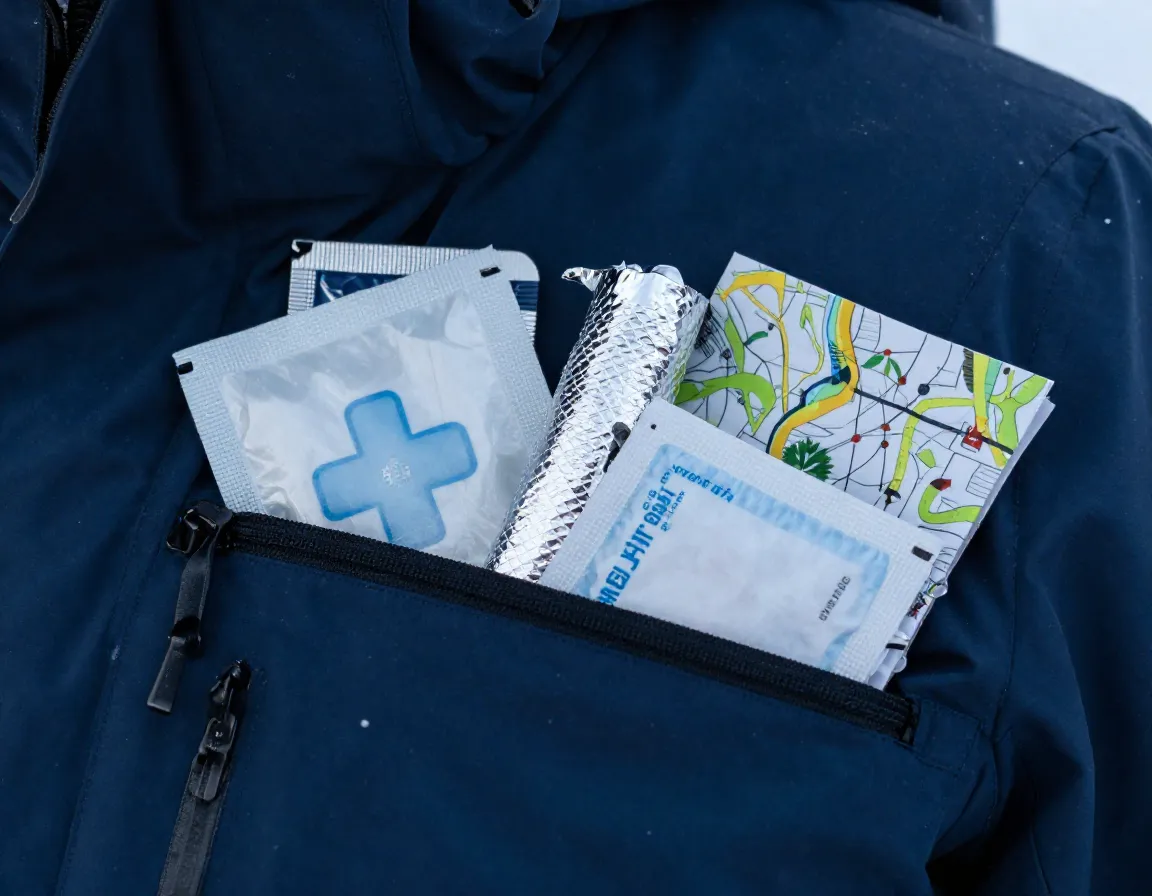
Hand warmers are cheap, lightweight, and absolutely invaluable on a cold ski day. But beyond personal comfort, having a small emergency kit in your jacket pocket can be a genuine lifesaver.
Hand warmer options:
- Disposable air-activated warmers (HeatMax, HotHands) — affordable, reliable
- Rechargeable electric hand warmers — reusable, eco-friendly, higher upfront cost
- Toe warmers — slip into ski boots for extra warmth on brutal days
Emergency essentials to pack:
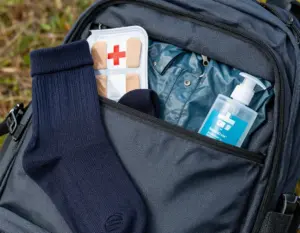
- Small first aid kit (bandages, blister pads, pain reliever)
- Emergency whistle
- Lightweight emergency mylar blanket
- Trail map of the resort (don’t rely solely on your phone — batteries die in cold)
- Fully charged portable phone charger (cold kills battery life fast)
💡 Cold temperatures can drain a smartphone battery by up to 50% in under an hour — always carry a backup power source.
9. Hydration Pack or Insulated Water Bottle 💧
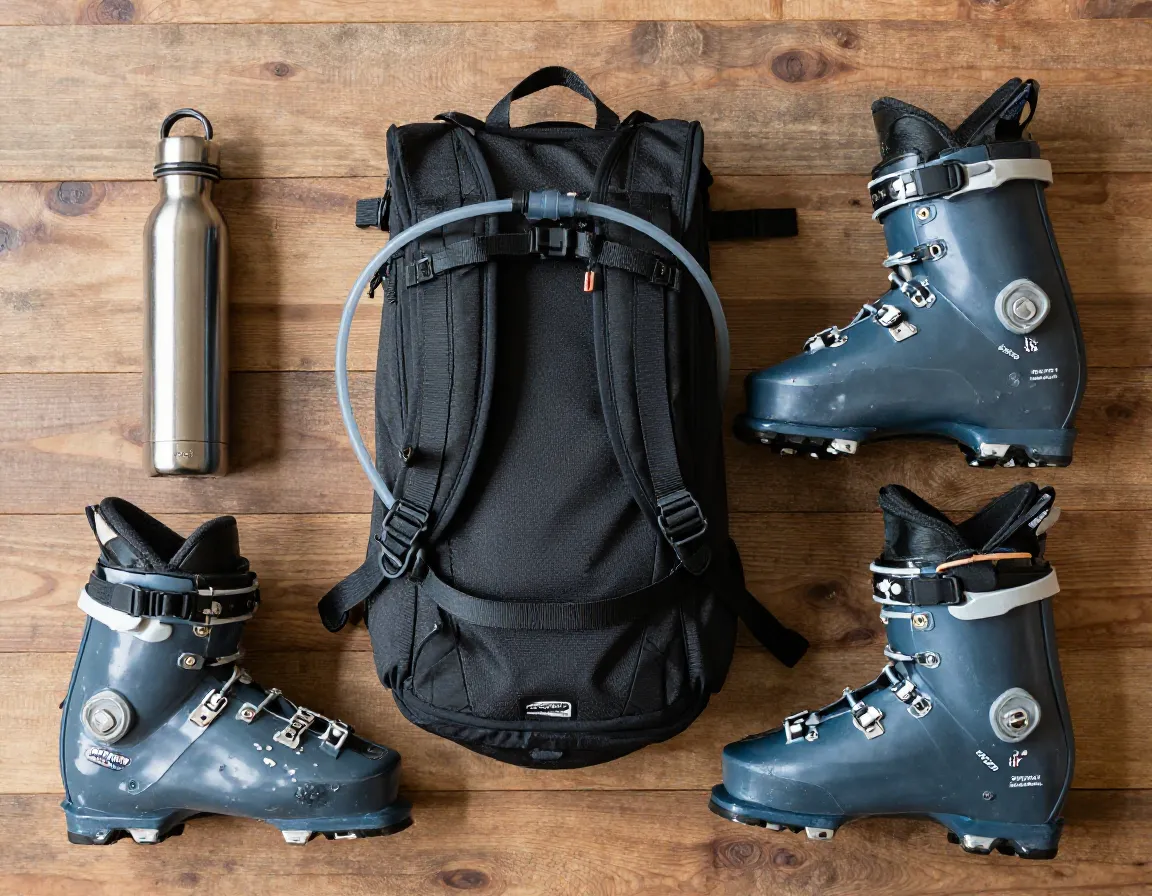
Dehydration on the mountain is sneaky. The cold air, high altitude, and physical exertion all accelerate fluid loss — but you don’t feel as thirsty as you would in summer heat. Altitude increases your respiratory rate, causing you to lose more water through breathing.
Signs of dehydration on the slopes:
- Fatigue and decreased coordination
- Headaches (often mistaken for altitude sickness)
- Muscle cramps
- Poor decision-making (a real safety concern)
Best hydration options for skiing:
| Option | Pros | Cons |
|---|---|---|
| Insulated water bottle | Durable, easy to use | Must stop to drink |
| Hydration pack (bladder) | Hands-free drinking | Hose can freeze in extreme cold |
| Insulated thermos | Keeps drinks hot | Heavier |
Tips:
- Drink at least 2–3 liters of water per ski day
- Add electrolyte tablets to your water to replace minerals lost through sweat
- If using a hydration pack, blow air back into the hose after each sip to prevent freezing
- Hot beverages in an insulated thermos are a morale booster on cold days ☕
Bonus Tips: What Else to Pack for a Complete Ski Trip
Beyond the core 9 Essential Items for Your Ski Trip Packing List (Don’t Forget #7!), here are some additional items that experienced skiers swear by:
Clothing extras:
- Wool or synthetic ski socks (avoid cotton — pack 2 pairs per day)
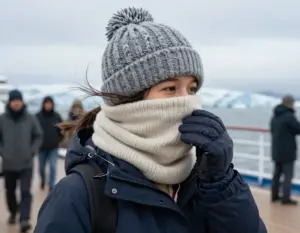
- Neck gaiter or balaclava for extreme cold
- Thermal underwear for legs
Gear and accessories:
- Boot bag for transporting ski boots
- Ski lock (to secure your skis/board at the lodge)
- Goggle anti-fog spray
- Small backpack for day use on the mountain
Health and wellness:
- Ibuprofen or acetaminophen for muscle soreness
- Blister pads (new ski boots can be brutal)
- Electrolyte powder packets
- Altitude sickness medication if traveling to high elevations (consult your doctor)
Documents and logistics:
- Lift tickets or season pass (digital or physical)
- Travel insurance documentation
- Emergency contact list
Quick-Reference Packing Checklist ✅
| # | Item | Priority | Notes |
|---|---|---|---|
| 1 | Ski Helmet | 🔴 Essential | ASTM/CE certified |
| 2 | Ski Goggles | 🔴 Essential | Multiple lens tints if possible |
| 3 | Base Layer | 🔴 Essential | Merino or synthetic only |
| 4 | Mid-Layer | 🔴 Essential | Fleece or synthetic insulation |
| 5 | Ski Jacket & Pants | 🔴 Essential | 10,000mm+ waterproofing |
| 6 | Gloves/Mittens | 🔴 Essential | Pack a backup pair |
| 7 | Sunscreen & Lip Balm | 🔴 Essential | SPF 50+ — don’t skip! |
| 8 | Hand Warmers & Emergency Kit | 🟡 Important | Cheap insurance |
| 9 | Hydration Pack/Bottle | 🔴 Essential | Minimum 2–3L per day |
Common Ski Packing Mistakes to Avoid
Even experienced skiers make these errors. Here’s what to watch out for:
- ❌ Packing cotton clothing — it absorbs moisture and stays wet, leading to rapid heat loss
- ❌ Skipping sunscreen — one of the most common and painful mistakes on any ski trip
- ❌ Overpacking your ski bag — extra weight means extra baggage fees and a heavy haul to the lodge
- ❌ Forgetting backup gloves — wet gloves on day two ruin the whole trip
- ❌ Relying only on your phone for navigation — cold kills batteries; always carry a paper map
- ❌ Underestimating hydration needs — altitude dehydration is real and affects performance
Conclusion: Pack Smart, Ski Better 🎿
Putting together the perfect ski trip packing list doesn’t have to be stressful. By focusing on the 9 Essential Items for Your Ski Trip Packing List (Don’t Forget #7!), you’ll be fully equipped to handle whatever the mountain throws at you — from bluebird powder days to cold, windy storm skiing.
Let me leave you with these actionable next steps before your next ski trip:
- Print or save the Quick-Reference Packing Checklist above and check off each item as you pack.
- Test your gear at home — put on your full layering system and check for comfort and mobility before you hit the slopes.
- Buy sunscreen and lip balm now — don’t wait until you’re at the resort where prices are 3x higher.
- Charge your hand warmers and portable battery pack the night before departure.
- Check the resort’s weather forecast 48 hours before arrival and adjust your layers accordingly.
The mountain is waiting. Pack smart, stay safe, and enjoy every run. 🏔️
References
- National Ski Areas Association. (2023). Kottke National End of Season Survey 2022–23. NSAA.
- Skin Cancer Foundation. (2022). Sun Protection for Snow Sports. Skincancer.org.
- American Academy of Dermatology. (2021). Sunscreen FAQs. AAD.org.
- Wilderness Medical Society. (2020). Practice Guidelines for Prevention and Treatment of Acute Altitude Illness. WMS.