8 Essential Tips for Your Mount Rinjani Trekking Adventure
Imagine standing on the rim of an ancient volcanic crater, staring down at a glittering turquoise lake while clouds roll past your knees — that is the reward waiting at the top of Mount Rinjani. But getting there safely in 2026 requires more preparation than ever before. This guide covers the 8 Essential Tips for Your Mount Rinjani Trekking Adventure so you can plan smarter, stay safer, and make the most of every step on Indonesia’s second-highest volcano.
Disclosure: This post contains affiliate links. As an Amazon Associate, we earn from qualifying purchases, and at no extra cost to you.

Key Takeaways
- 🎫 Permits must be booked in advance through a licensed operator — you cannot buy one at the gate.
- 🛡️ Premium insurance and a licensed guide are now mandatory for all trekkers in 2026.
- 📅 Trails reopen March 28, 2026 after the seasonal monsoon closure.
- 🏋️ Physical preparation weeks before your trip dramatically reduces risk on the mountain.
- ♻️ Zero-waste protocols are strictly enforced — leave nothing behind on the trail.
Tips 1–4: Planning and Permits for Your Mount Rinjani Trekking Adventure
Getting the logistics right before you leave home is the single most important part of any Rinjani trek. Skipping this step is the number one reason trekkers arrive in Lombok and cannot hike.
1. Book Your Permit Early — Very Early
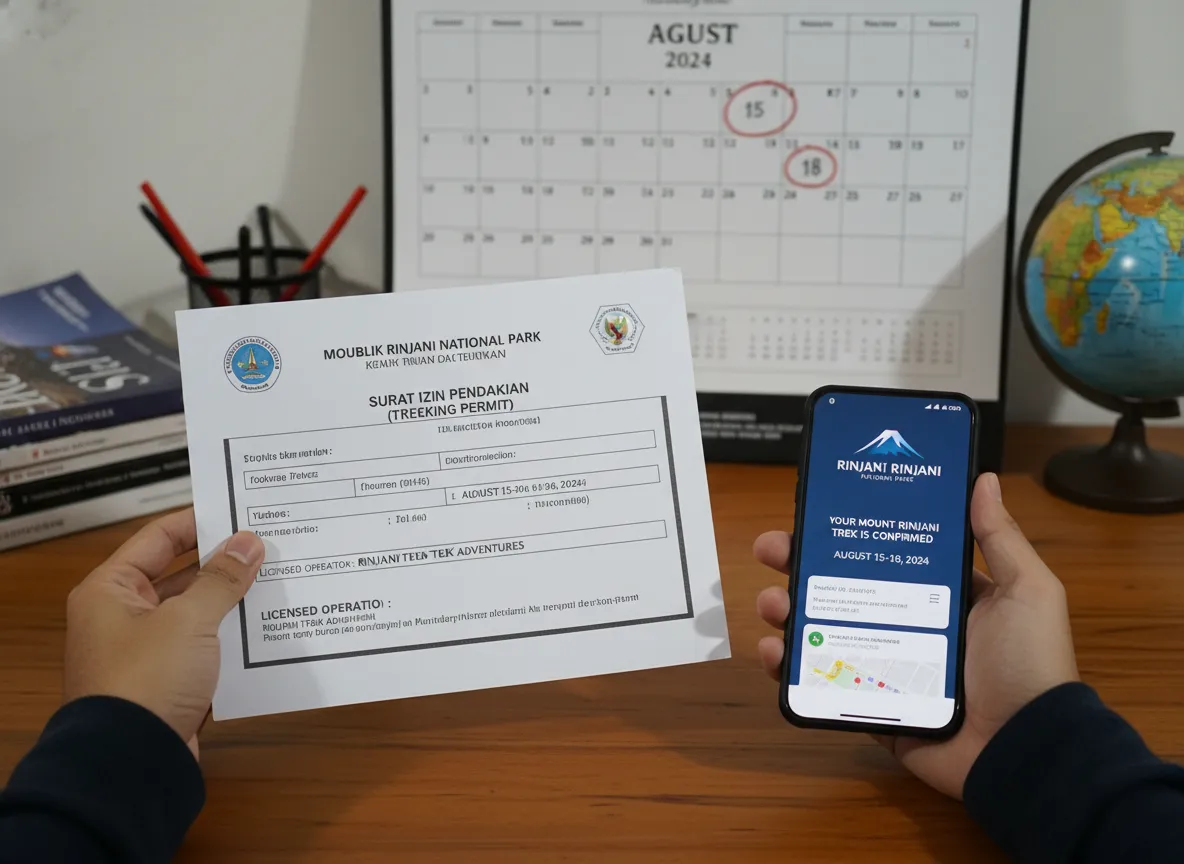
“Waiting until you land in Lombok to sort your permit is a gamble you will almost certainly lose during peak season.”
Permits for Mount Rinjani cannot be purchased at the trailhead. They must be obtained in advance through a licensed trekking organizer — this is the only legal way to enter Gunung Rinjani National Park [1]. During peak season (July through September), daily quotas fill up fast [4]. If you show up without a confirmed permit, you will be turned away regardless of how far you have traveled.
Action steps:
- Book at least 2–3 months ahead for July–September travel
- Confirm your operator holds an official license from the national park authority
- Keep digital and printed copies of your permit
2. Know the Reopening Dates and Seasonal Windows

Mount Rinjani follows a strict annual closure. The mountain shuts down from January 1 to March 27 each year due to monsoon rains and dangerous trail conditions. Trails officially reopen on March 28, 2026 [2]. Planning your trip outside the monsoon window — ideally between April and October — gives you the best weather and trail conditions.
| Season | Months | Conditions |
|---|---|---|
| 🌧️ Closed | Jan 1 – Mar 27 | Monsoon, trail closure |
| 🌤️ Shoulder | Mar 28 – Jun | Reopening, fewer crowds |
| ☀️ Peak | Jul – Sep | Best weather, high demand |
| 🍂 Late season | Oct – Dec | Quieter, some rain risk |
3. Secure Premium Insurance Before You Apply

Starting in 2026, Premium Insurance coverage is mandatory for every trekker who wants to obtain a Rinjani permit [3]. This is not optional and is not something you can add at the last minute. Make sure your travel insurance policy specifically covers high-altitude trekking and emergency evacuation. Standard travel insurance policies often exclude activities above a certain elevation — read the fine print carefully.
What your policy should cover:
- Emergency helicopter evacuation
- High-altitude medical treatment
- Trip cancellation due to weather or trail closure
4. Hire a Licensed Guide — It Is Now the Law
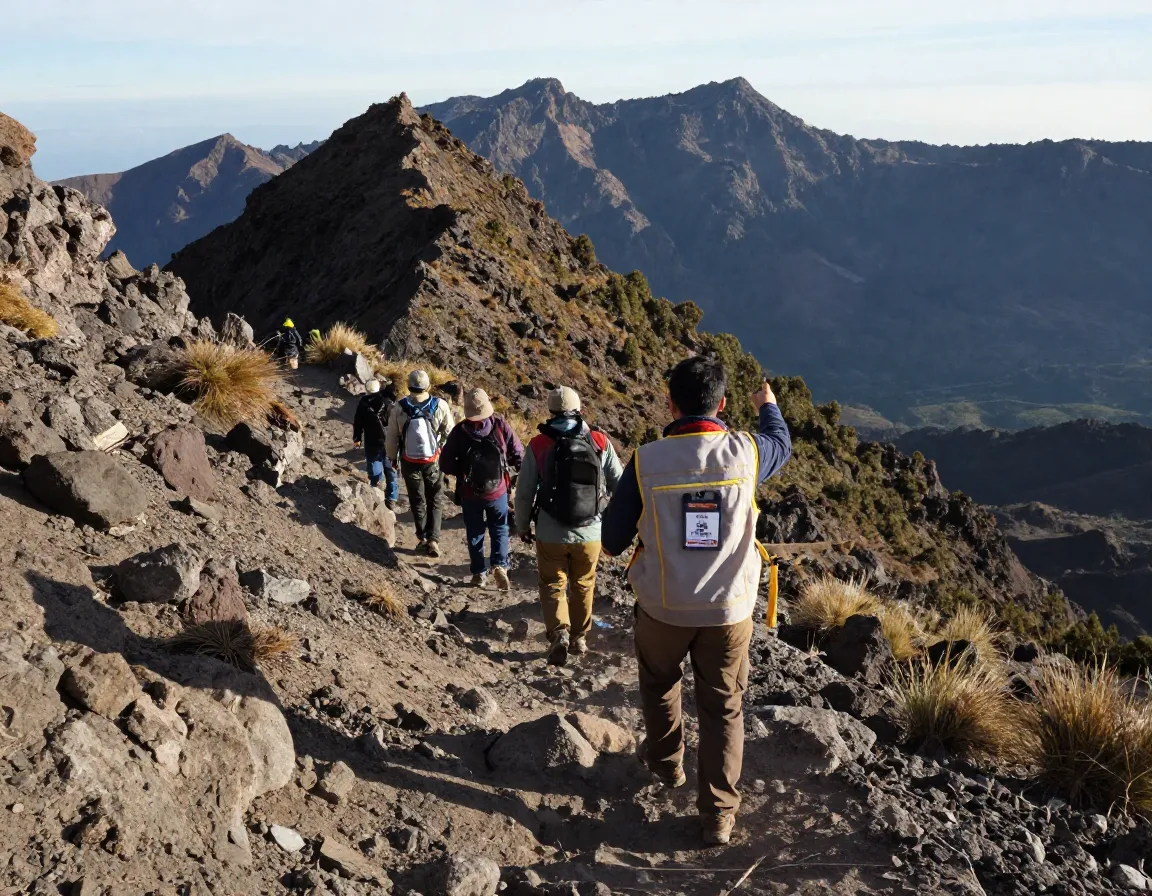
Solo climbing on Mount Rinjani is no longer permitted as of 2026 [4]. Every trekker must be accompanied by a licensed guide at all times. This rule exists for good reason. The terrain is steep, weather changes fast, and trails can be disorienting in low visibility. A licensed guide knows the mountain, manages group safety, and is your first line of support in an emergency.
Beyond safety, guides provide enormous practical value — they manage logistics, communicate with park authorities, and help you make smart decisions about whether to push for the summit or turn back.
Tips 5–8: Safety, Gear, and Sustainability on the Mountain
Once your permits and team are sorted, the focus shifts to what happens on the mountain itself. These four tips cover the physical, technical, and environmental side of your Rinjani trekking adventure.
5. Embrace the New RFID Safety Technology
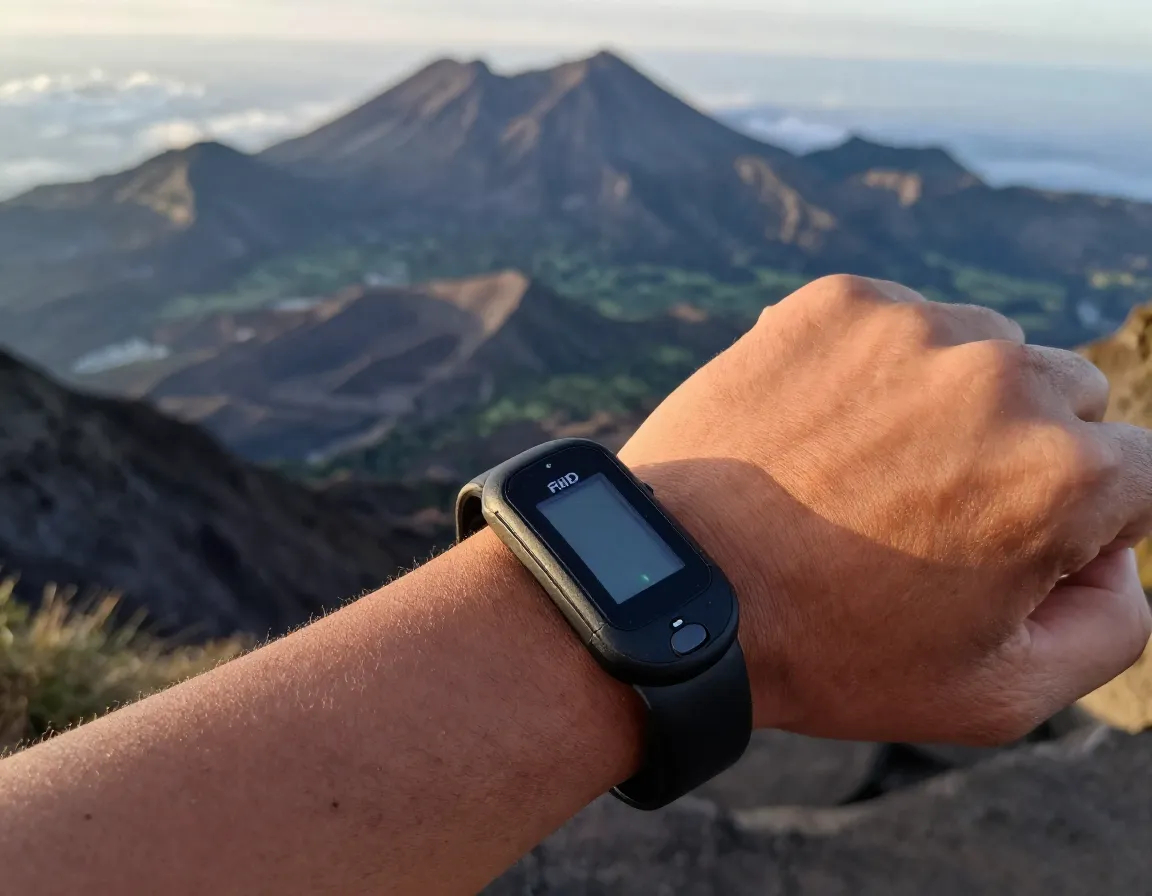
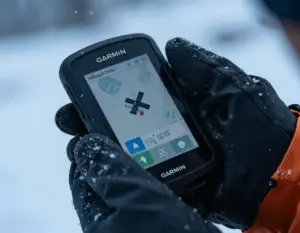
In 2026, Rinjani has deployed RFID bracelets and personal beacons for all registered trekkers [2]. These devices allow a centralized command center to monitor your real-time position on the mountain. If something goes wrong, rescue teams can locate you quickly without relying solely on a distress call.
Think of this technology as a safety net — it does not replace good judgment, but it dramatically improves emergency response times. Your licensed operator will issue the bracelet at the start of your trek. Do not remove it during the hike.
6. Choose Your Route Wisely and Prepare Your Body
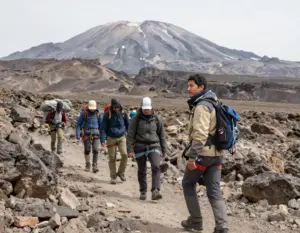
There are two main routes up Rinjani [4]:
- Sembalun Route — Longer, more open, and windier. This is the traditional summit route and offers dramatic exposed ridge walking. It is more physically demanding.
- Senaru Route — Starts through dense forest, offering shade and cooler temperatures in the lower sections before opening up toward the summit.
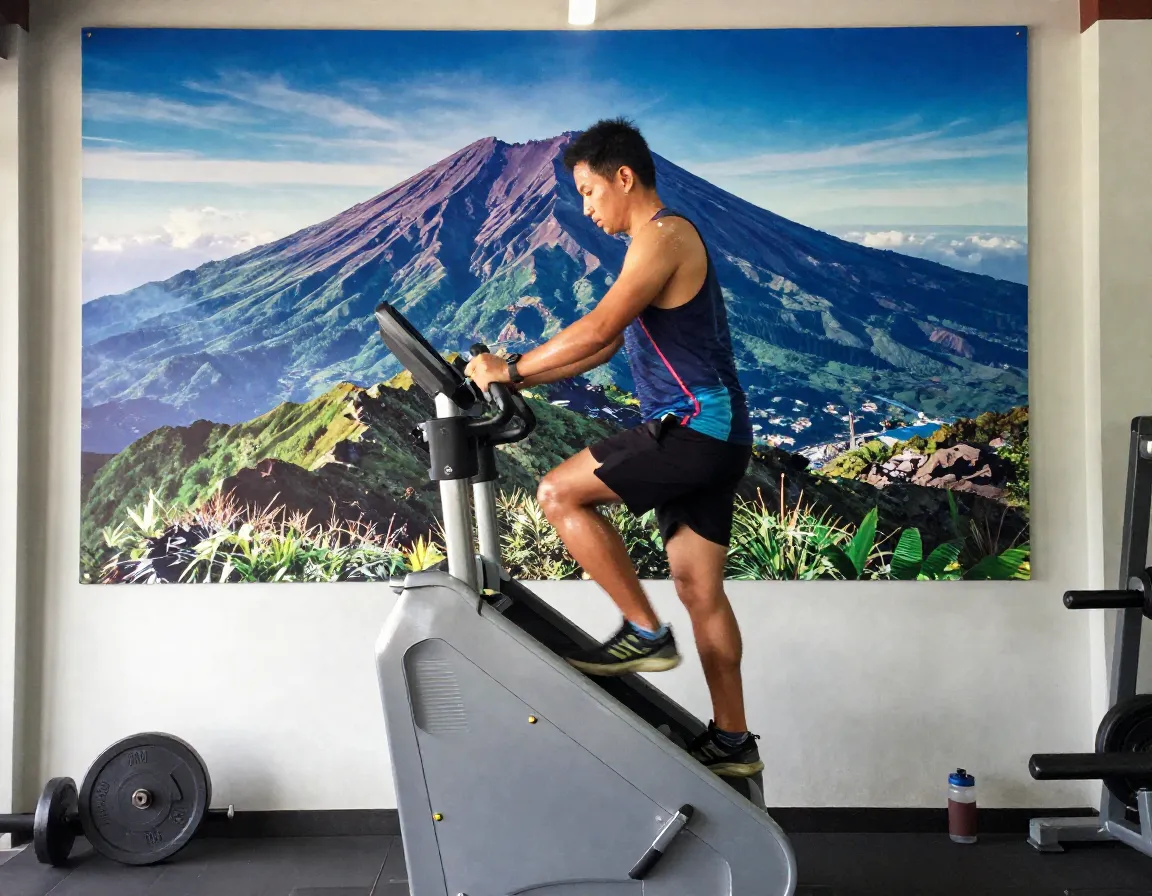
Many trekkers combine both routes for a full traverse experience. Whichever route you choose, physical preparation must start weeks before your trip [5]. A training plan that includes:
- Regular uphill hiking or stair climbing
- Cardiovascular endurance sessions (running, cycling)
- Strength training for legs and core
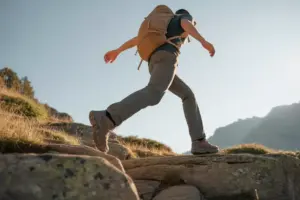
…will make a measurable difference above 2,600 meters where cold nights, thin air, and loose volcanic scree test every muscle in your body [5]. Summit attempts are always optional — your guide will help you decide based on your condition on the day.
7. Pack Smart — Let Your Porter Carry the Weight

One of the best decisions you can make on a Rinjani trek is to use the porter service offered by licensed operators. Porters carry your main gear, set up camp, and cook your meals on the trail [6]. Your job is simply to carry a personal daypack of around 7 kilograms, which should include:
- 💧 Water and hydration supplies
- 📱 Personal gadgets and power bank
- 💊 Personal medication and first aid basics
- 🧥 Extra warm layer for summit night
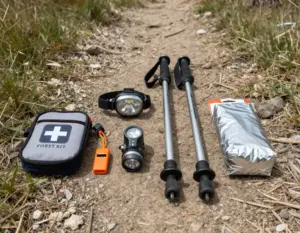
For gear, prioritize these essentials:
- Trekking boots with ankle support (broken in before the trip)
- Cold-weather layering — temperatures near the summit drop sharply at night
- Headlamp with spare batteries — summit attempts start around midnight
- Trekking poles — essential on loose scree descent
8. Follow Zero-Waste Rules and Respect the Mountain
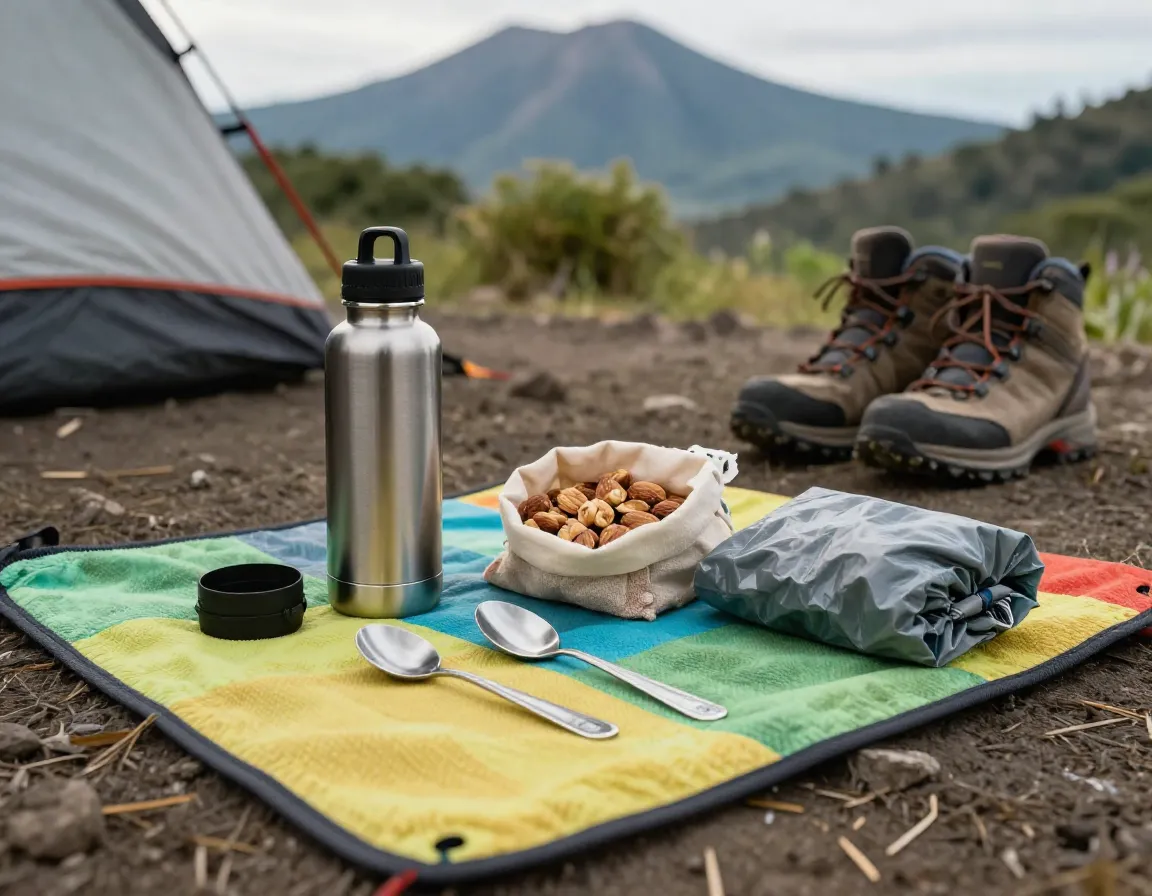
Rinjani’s natural environment is fragile. In 2026, zero-waste protocols are strictly enforced across all licensed operators [4]. Every piece of trash — food wrappers, plastic bottles, used packaging — must be carried back down the mountain. Operators are responsible for ensuring nothing is left behind.
As a trekker, you play a direct role in this system:
- Use reusable water bottles and avoid single-use plastics
- Pack snacks in minimal, reusable packaging
- Never leave food scraps at camp — wildlife and trail ecosystems depend on it
- Follow your guide’s instructions on designated rest and camping areas
“The mountain gives you one of the greatest experiences of your life. The least you can do is leave it exactly as you found it.”
Respecting these rules is not just about compliance — it protects the park for future generations and keeps your operator’s license in good standing.
Conclusion
The 8 Essential Tips for Your Mount Rinjani Trekking Adventure outlined in this guide give you a clear, actionable roadmap from permit booking to summit day. Rinjani in 2026 is a more regulated, safer, and more sustainable experience than ever before — and that is genuinely good news for serious trekkers.
Your next steps:
- ✅ Research licensed operators and book your permit now — do not wait
- ✅ Check your travel insurance covers high-altitude evacuation
- ✅ Start your physical training program at least 6–8 weeks before departure
- ✅ Pack the right gear, keep your daypack light, and trust your porter
- ✅ Commit to zero-waste practices from day one on the trail
Mount Rinjani will challenge you, humble you, and reward you with views that stay with you for life. Go prepared, go respectful, and go with a licensed team by your side. 🏔️
References
[1] How To Get A Rinjani Permit To Hike Mount Rinjani – https://lombok-indonesia.org/how-to-get-a-rinjani-permit-to-hike-mount-rinjani/
[2] The Ultimate Guide To Hiking Mount Rinjani In 2026 New Safety Tech Reopening Dates And Sustainable Luxury Trekking – https://www.travelandtourworld.com/news/article/the-ultimate-guide-to-hiking-mount-rinjani-in-2026-new-safety-tech-reopening-dates-and-sustainable-luxury-trekking/
[3] Rinjani Closure Update – https://rinjanitrekkingcenter.com/rinjani-closure-update
[4] Mount Rinjani 2026 Simple Guide Why Many Trekkers Choose Rinjani Team – https://rinjaniteam.com/mount-rinjani-2026-simple-guide-why-many-trekkers-choose-rinjani-team/
[5] Climbing Mount Rinjani Safely 2026 – https://rinjanidawnadventures.com/climbing-mount-rinjani-safely-2026/
[6] Term Condition – http://www.trekkingrinjani.com/term-condition.htm