8 Key Facts Every Hiker Should Know About The Alps Mountain Range
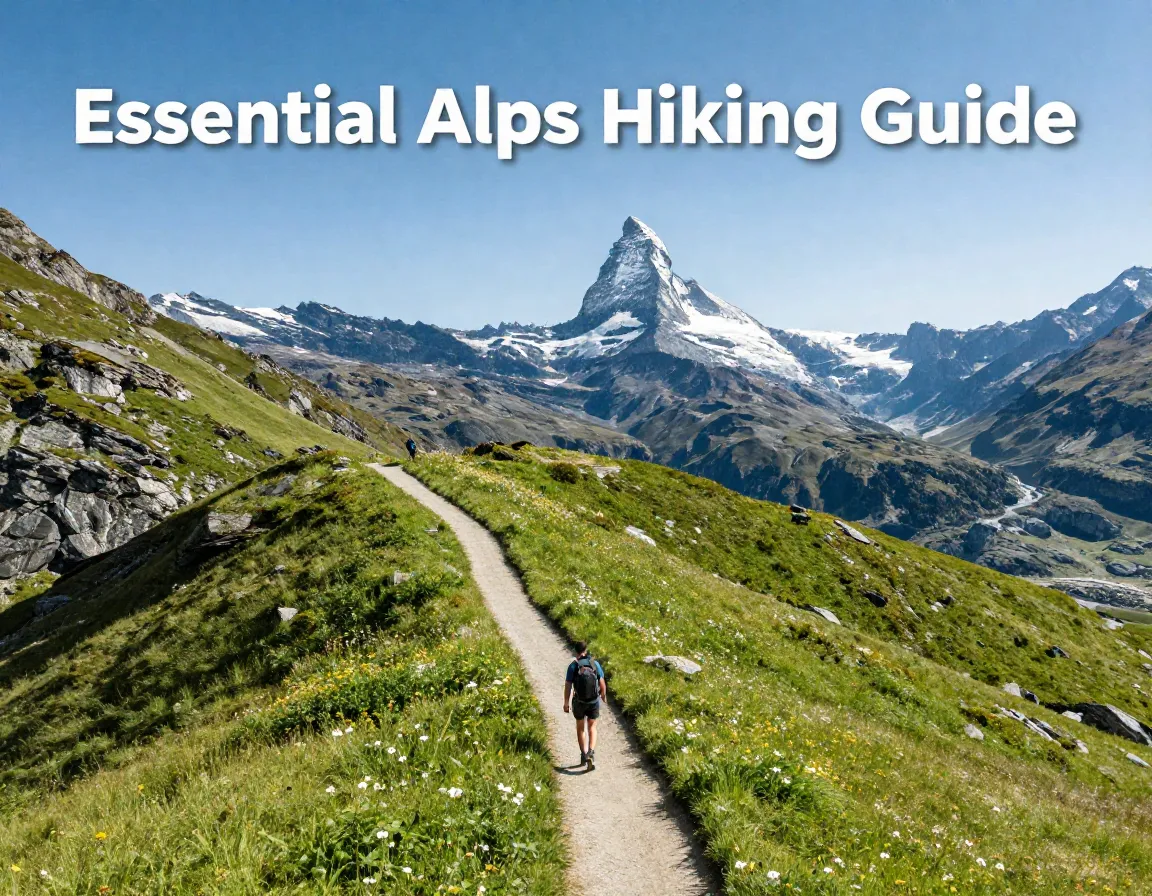
Imagine standing at the edge of a glacial meadow, the Eiger looming above you, wildflowers at your boots, and 200 kilometers of trail stretching ahead. The Alps are one of the most breathtaking hiking destinations on Earth — but they can also be unforgiving if you arrive unprepared. Whether you’re planning your first alpine adventure or your tenth, understanding the 8 key facts every hiker should know about the Alps mountain range can mean the difference between a trip you’ll never forget and one you’ll regret. Let’s break it all down.
Disclosure: This post contains affiliate links. As an Amazon Associate, we earn from qualifying purchases, and at no extra cost to you.
Key Takeaways
- 🏔️ The Alps attract roughly 120 million visitors per year, so timing and trail selection matter enormously [1]
- 📅 June through September is the optimal hiking window for safe, accessible trails [4][5]
- 💰 The Alps hiking market was valued at USD 29 billion in 2025 and is growing fast [2]
- ⚠️ Climate change is actively reshaping trail conditions — always check current advisories [7]
- 🗺️ Trails range from easy family walks to demanding multi-day crossings, suiting every fitness level [2]
The 8 Key Facts Every Hiker Should Know About The Alps Mountain Range
1. The Alps Host a Staggering Number of Visitors Each Year
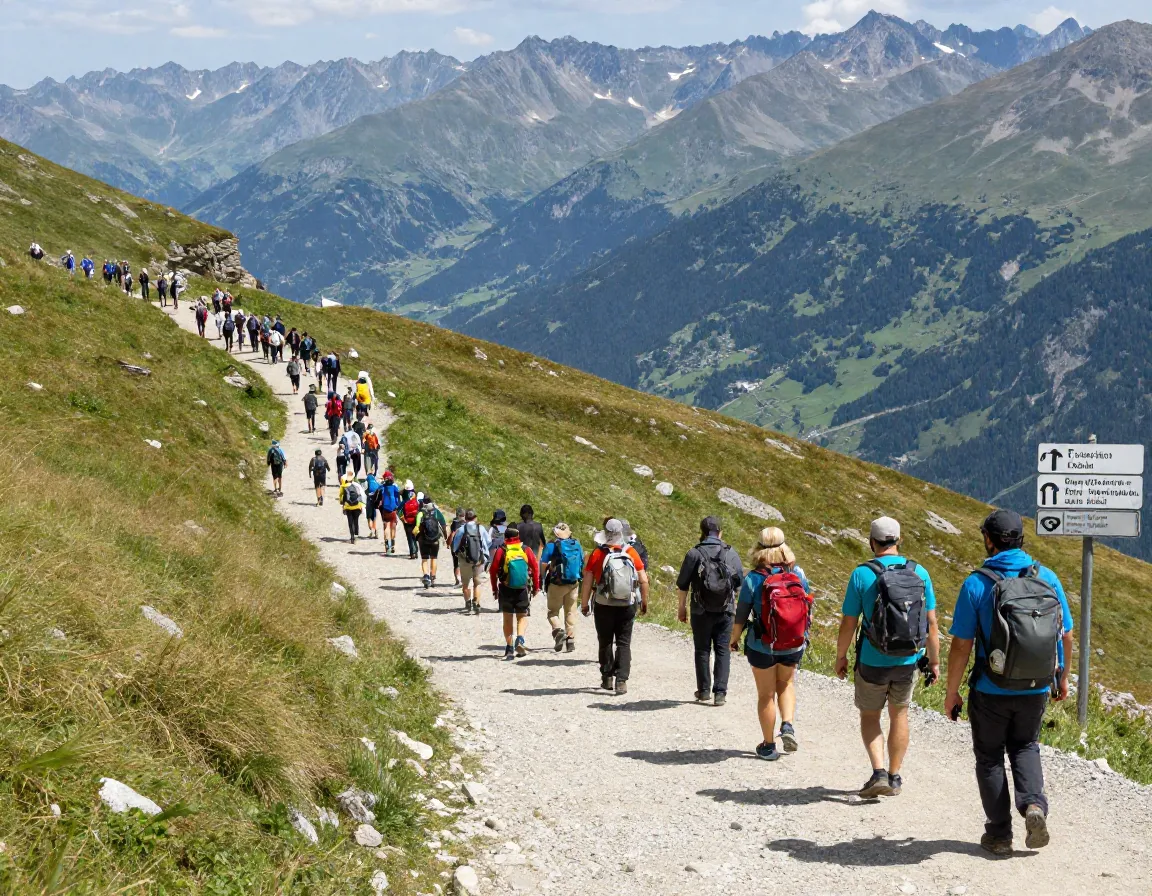
The scale of Alps tourism is hard to wrap your head around. Approximately 120 million people visit the Alps annually for activities including skiing, snowboarding, hiking, rock climbing, paragliding, and cycling [1]. That number is growing as more travelers seek cooler, closer-to-home destinations during increasingly hot summers.
What does this mean for you as a hiker? Crowds are real, especially on popular routes during peak season. Booking mountain huts well in advance, starting hikes early in the morning, and exploring lesser-known trails can dramatically improve your experience.
2. The Alps Hiking Market Is a Multi-Billion Dollar Industry
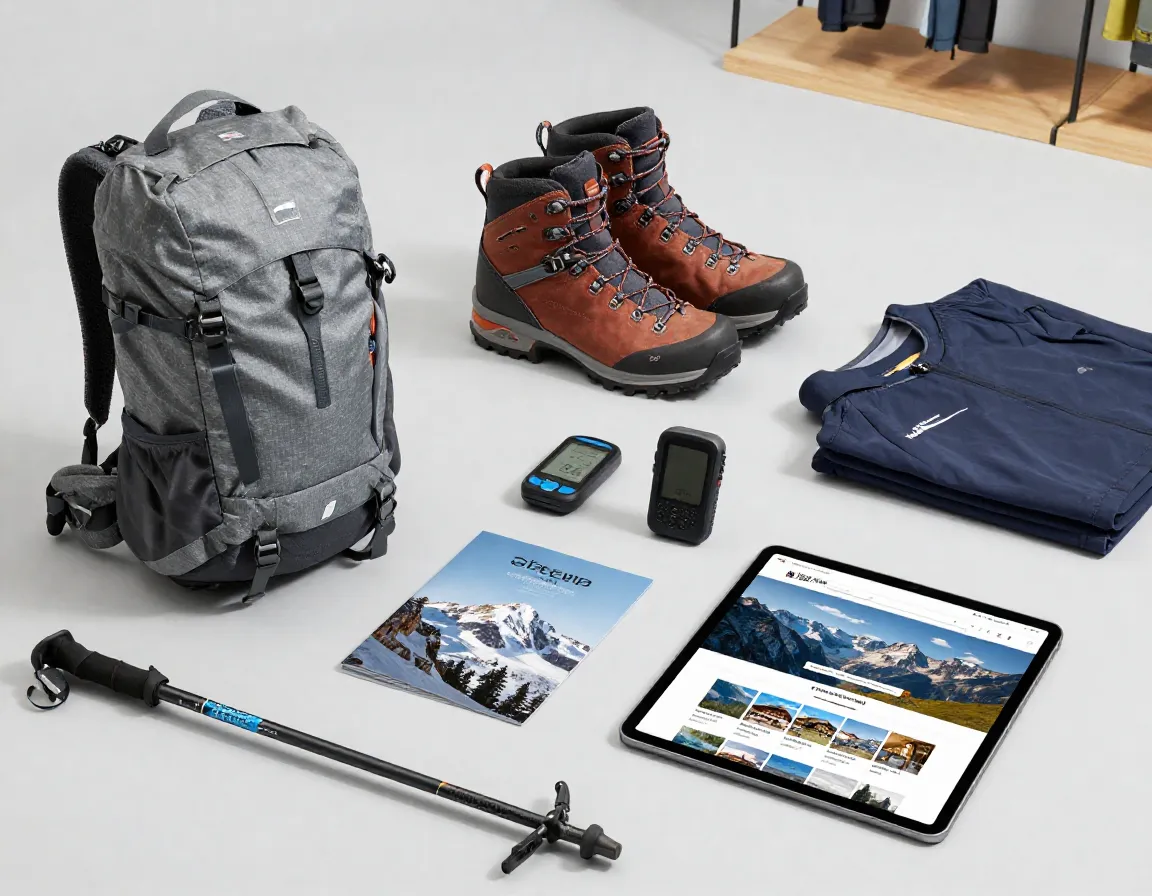
The global Alps hiking market was valued at USD 29 billion in 2025 and is projected to reach USD 42 billion by 2033, growing at a compound annual growth rate (CAGR) of 5.5% [2]. This explosive growth reflects rising global interest in outdoor wellness, adventure travel, and sustainable tourism.
| Market Metric | Value |
|---|---|
| Market Size (2025) | USD 29 billion |
| Projected Size (2033) | USD 42 billion |
| CAGR | 5.5% |
For hikers, this growth translates into better services, more guided tour options, improved trail infrastructure — and yes, higher prices in some areas.
3. Grindelwald, Switzerland Is One of the Hottest Destinations Right Now
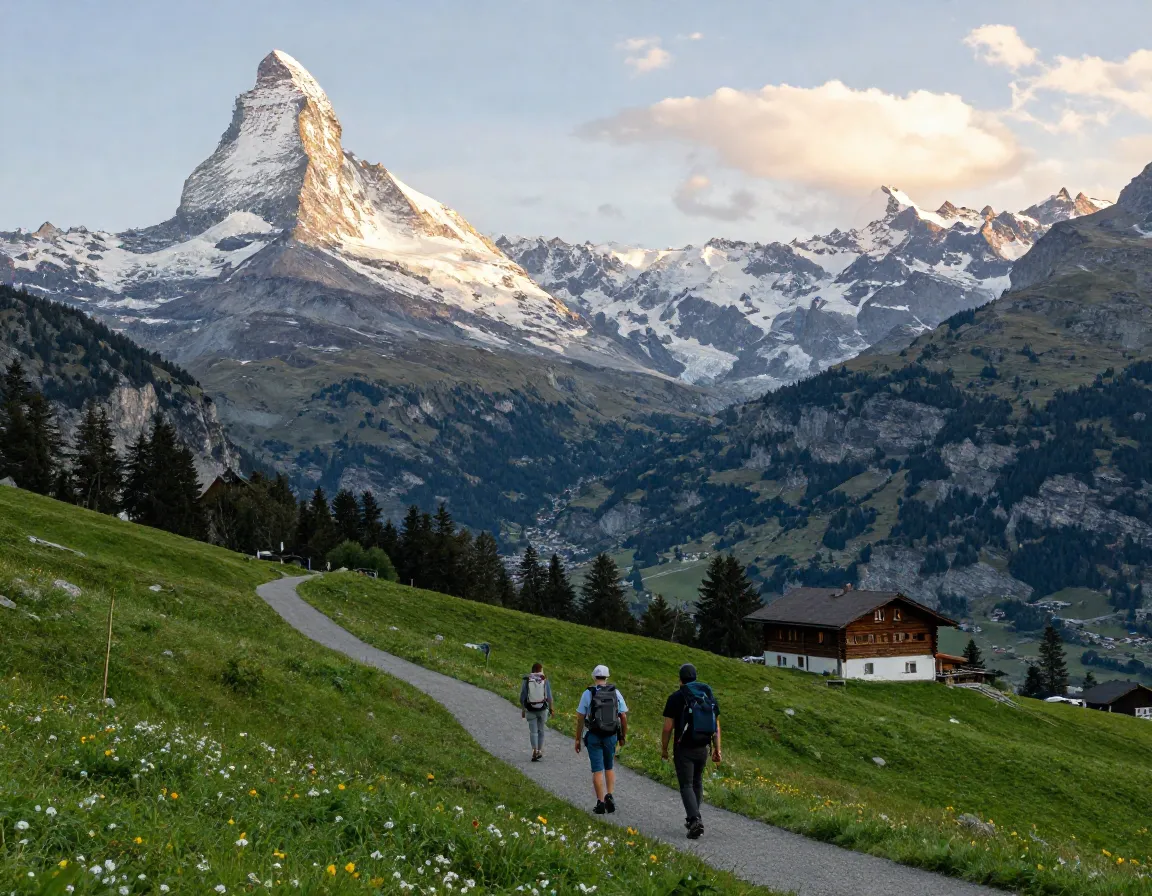
If you’re looking for where to hike in 2026, Grindelwald deserves serious attention. Interest in this Swiss alpine region has surged by an impressive 60% year-over-year, making it one of the fastest-growing hiking destinations in Europe [3].
“Grindelwald offers everything from gentle valley walks to challenging high-mountain routes — all beneath the iconic silhouettes of the Eiger, Mönch, and Jungfrau.”
Trails here are well-marked and cater to a wide range of abilities. The surrounding Bernese Oberland region offers some of the most dramatic alpine scenery anywhere in the world. Just book your accommodations early — this region fills up fast.
4. June to September Is the Optimal Hiking Season
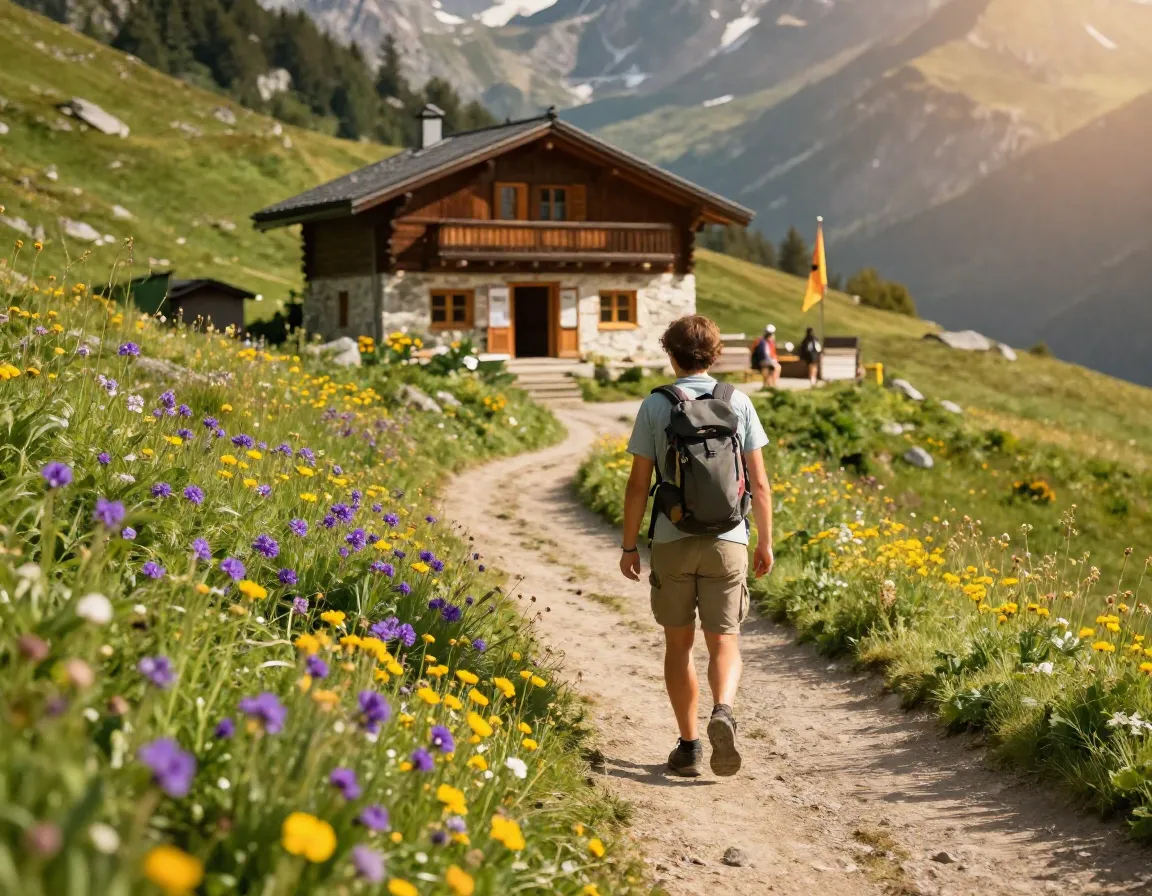
Timing your Alps trip correctly is critical. The best hiking window runs from June through September [4][5]. Here’s why:
- ❄️ Snow has melted significantly at middle altitudes by June
- 🌡️ Temperatures are comfortable for sustained hiking
- 🏠 Mountain huts are open, offering food, shelter, and community
- 🪧 Trail signage is fully visible and luggage transfer services are active
- 🌸 Wildflowers are in bloom, making the scenery especially rewarding
Hiking outside this window — particularly in early spring or late autumn — carries real risks including icy trails, closed huts, and limited rescue services. Always check local trail conditions before you go.
5. Trails Are Designed for Three Distinct Difficulty Levels
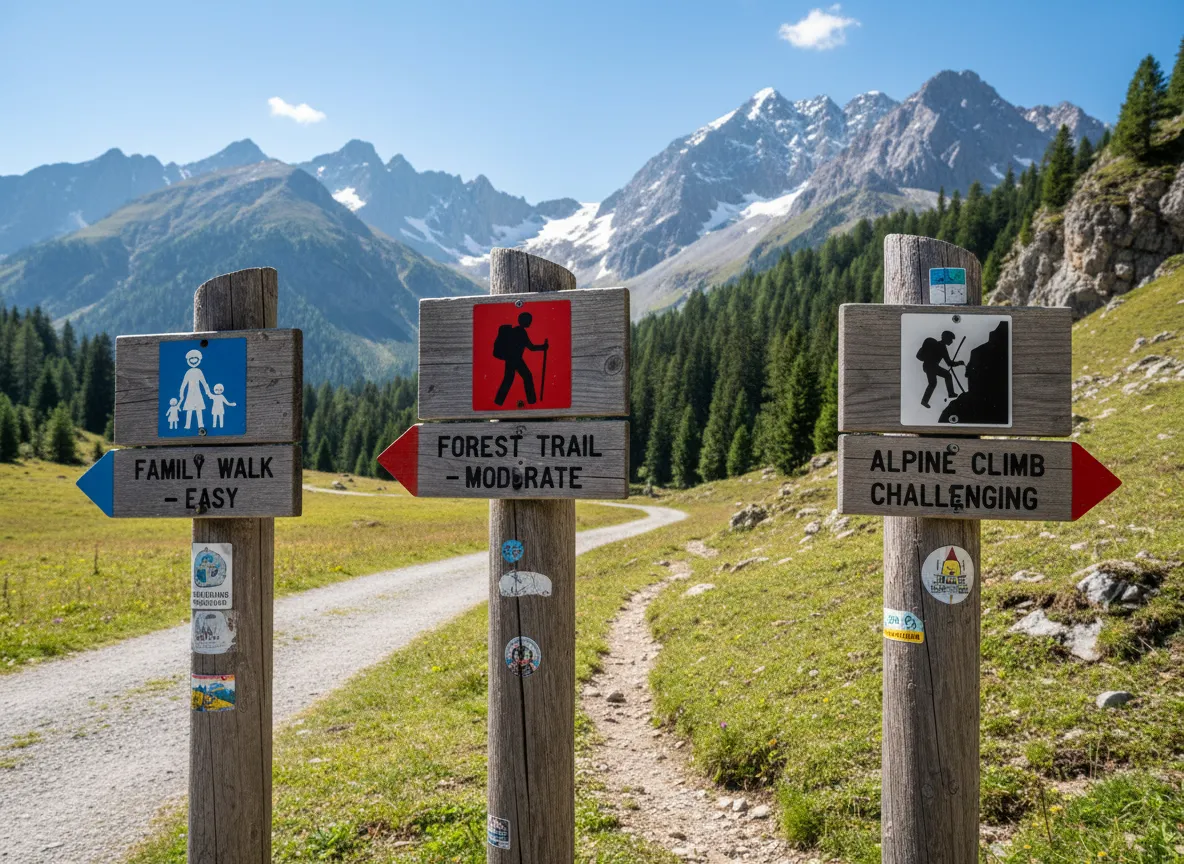
One of the smartest things about the Alps hiking infrastructure is how well trails are categorized. Three main difficulty tiers serve different hiker profiles [2]:
- Easy trails — Ideal for families, casual hikers, and seniors. Gentle slopes, manageable terrain, and shorter distances.
- Moderate trails — A balanced workout with some elevation gain. Great for adults seeking wellness and fitness without extreme challenge.
- Challenging trails — Steep ascents, rugged paths, and technical sections. Designed for experienced hikers with proper gear.
Young adults (18–35) tend to gravitate toward challenging routes, while adults aged 36–55 often prefer moderate options for wellness-focused trips. Seniors (55+) are increasingly active on easy and accessible trails, with growing demand for mobility accommodations across the network [2].
6. Infrastructure Is Excellent — But Accessibility Varies
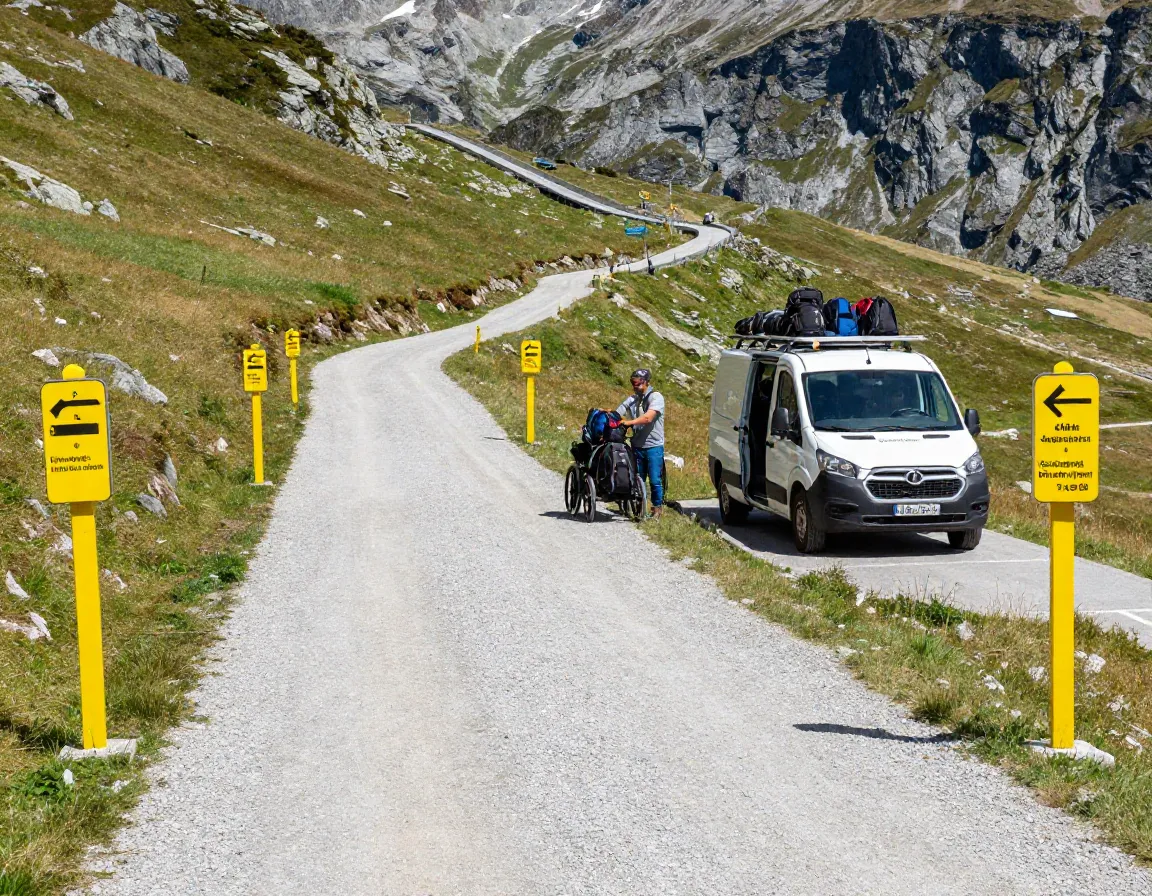
Europe leads the global hiking market largely because of its well-developed trail infrastructure [2]. Countries like France, Switzerland, Austria, and Italy have invested heavily in trail maintenance, signage, and hiker services.
Some key statistics worth knowing:
- 65% of hikers prefer well-marked and maintained trails for safety and experience [6]
- Over 25% of hiking trails in national parks are accessible for people with disabilities [6]
- Multi-day routes like the classic Alpine crossing from Garmisch to Merano and the Alpe-Adria Trail (Alps to the Adriatic Sea) are now accessible to many hikers thanks to luggage transfer services and comfortable accommodation networks [4]
That said, remote trails in border regions can be less developed. Always carry a detailed map and don’t rely solely on mobile data, which can be unreliable at altitude.
7. Climate Change Is Actively Reshaping the Alps Hiking Landscape
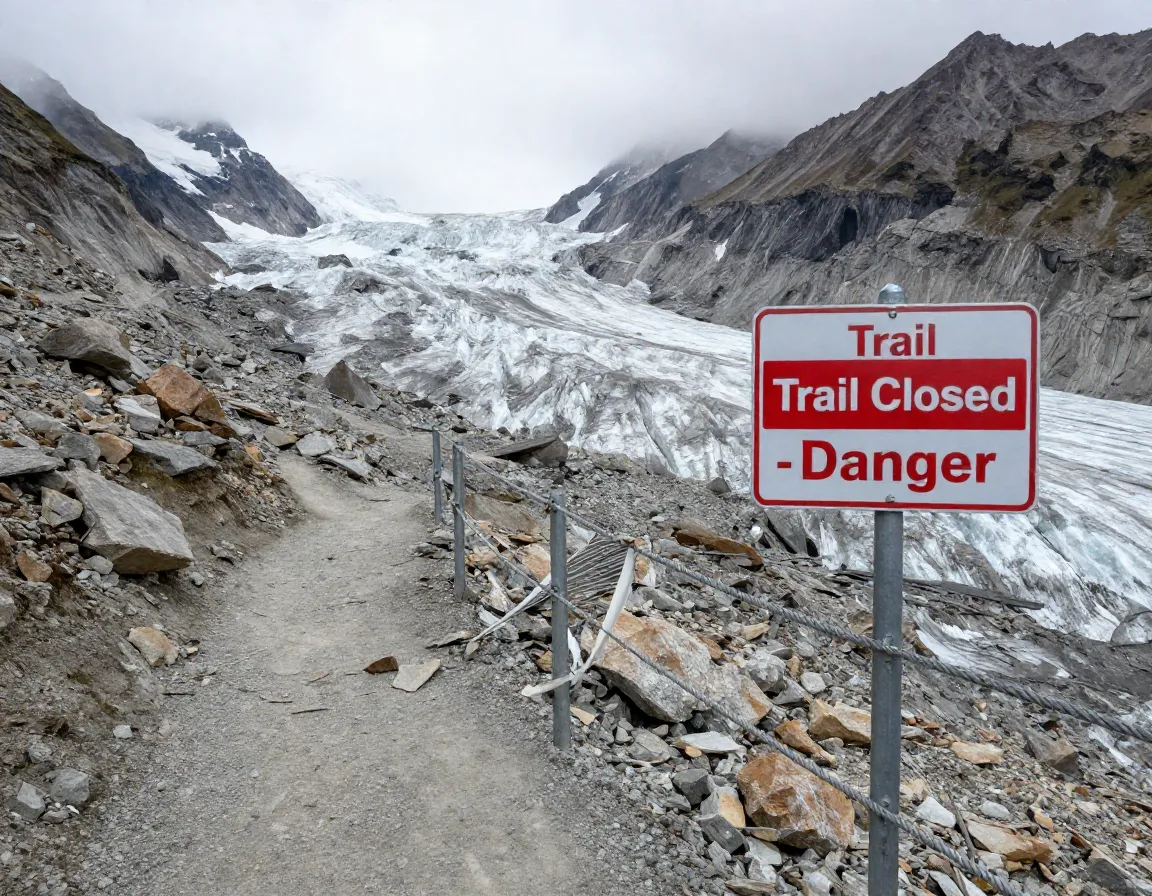
This is one of the most important facts every hiker should know about the Alps mountain range — and one that’s easy to overlook when you’re scrolling through gorgeous Instagram photos.
Climate change is having a measurable, serious impact on Alpine trails [1][7]:
- 🌡️ Permafrost degradation is destabilizing slopes and creating rockfall risks
- 🌊 Glacial melt is altering trail routes and exposing previously buried terrain
- ⛈️ Extreme weather events are becoming more frequent and harder to predict
- 🚫 Some trails have been permanently closed due to environmental damage
- 👥 Over-tourism is damaging fragile ecosystems along popular routes
“Excessive visitor numbers are damaging local environments, and permafrost degradation threatens the Alps’ traditional hiking landscape.” [7]
Before any trip, check current trail status with local alpine clubs (such as the SAC in Switzerland or the DAV in Germany). Conditions can change rapidly, even within a single season.
8. Cost Is a Real Barrier — But Smart Alternatives Exist
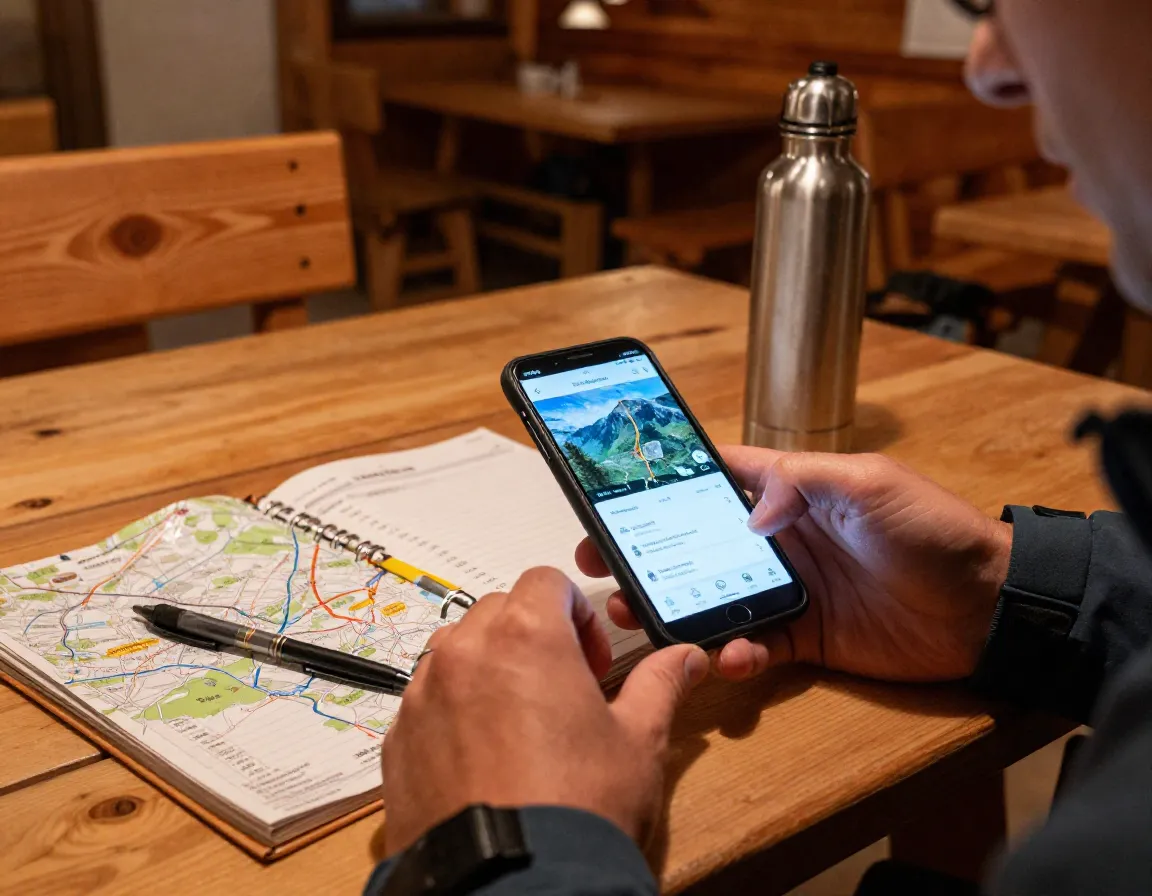
Let’s talk money. High costs remain one of the biggest obstacles for many hikers. Guided tours, quality equipment, and alpine accommodations can add up quickly [2]. A week-long guided Alps trek can easily run into the thousands of dollars per person.
However, cost-effective options are expanding:
- 📱 Mobile apps now offer GPS navigation, trail conditions, and hut booking in one place
- 🎒 Self-guided tours are growing in popularity, cutting guide fees while maintaining structure
- 🏕️ Mountain huts (refugios/refuges/hütten) offer affordable dormitory-style accommodation along major routes
- 🚂 Public transport in Switzerland, Austria, and France connects many trailheads efficiently
Planning ahead, traveling in shoulder season (early June or September), and choosing self-guided itineraries can make an Alps hiking trip far more accessible on a budget.
Conclusion: Plan Smart, Hike Better 🏔️
Understanding the 8 key facts every hiker should know about the Alps mountain range isn’t just useful trivia — it’s the foundation of a safe, rewarding, and responsible alpine adventure. From the staggering 120 million annual visitors to the very real impacts of climate change on trail conditions, being informed puts you ahead of the crowd.
Here are your actionable next steps before you lace up your boots:
- ✅ Choose your season wisely — aim for June through September
- ✅ Book huts and accommodation early, especially for popular routes like Grindelwald
- ✅ Match your trail difficulty to your actual fitness level, not your aspirational one
- ✅ Check current trail conditions with local alpine clubs before departure
- ✅ Consider self-guided options if budget is a concern
- ✅ Pack for rapid weather changes — the Alps can shift from sunny to stormy in hours
The Alps are extraordinary. With the right preparation, they’ll give you memories that last a lifetime. 🌄
References
[1] Hikers And Bikers Beware Climate Breakdown Has Hit Europes Alps Hard – https://energytransition.org/2024/03/hikers-and-bikers-beware-climate-breakdown-has-hit-europes-alps-hard/
[2] Alps Hiking Market – https://www.futuredatastats.com/alps-hiking-market
[3] Trending Hiking Destinations – https://www.macsadventure.com/us/blog/trending-hiking-destinations/
[4] Hiking Travel Trends For 2026 – https://www.eurohike.at/en/blog/hiking-travel-trends-for-2026
[5] When Best Time Visit – https://www.wildernesstravel.com/europe/alps/when-best-time-visit/
[6] Hiking Statistics – https://gitnux.org/hiking-statistics/
[7] How Weather Climate Change And Human Presence Are Taking Their Toll On Hiking Trails – https://www.euronews.com/travel/2026/01/20/how-weather-climate-change-and-human-presence-are-taking-their-toll-on-hiking-trails