9 Essential Items for Your Ultimate Food Shopping List for Camping
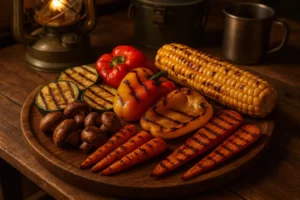
Picture this: you’re two miles deep into the backcountry, the sun is dipping behind the ridge, and your stomach is growling — only to discover you forgot to pack anything resembling a real meal. 😬 It’s a rookie mistake that ruins more camping trips than bad weather ever could. That’s exactly why building a smart, reliable food shopping list for camping is one of the most important steps in trip planning. In this guide, I’ll walk you through the 9 Essential Items for Your Ultimate Food Shopping List for Camping — a proven framework that keeps you fueled, satisfied, and ready for whatever the trail throws at you.
Disclosure: This post contains affiliate links. As an Amazon Associate, we earn from qualifying purchases, and at no extra cost to you.
Key Takeaways
- 🥜 Calorie density matters — prioritize foods that deliver maximum energy per ounce.
- 🧊 Shelf stability is king — choose items that won’t spoil without refrigeration.
- ⚡ Prep time counts — the best camping foods cook in under 10 minutes with minimal gear.
- 🌿 Nutrition balance — aim for a mix of carbohydrates, protein, and healthy fats at every meal.
- 📋 Plan per day — experienced campers recommend mapping out meals before hitting the store.
Why Your Camping Food Shopping List Can Make or Break Your Trip
Most outdoor enthusiasts underestimate how much food planning affects the overall camping experience. According to the Outdoor Industry Association’s 2025 Participation Report, camping participation in North America continues to grow, with over 57 million Americans camping at least once per year. With that surge in popularity, gear and food brands alike have expanded their offerings — but more options also means more room for poor choices at the store.
“The best camp meal is the one you actually have the energy to cook after a long day on the trail.” — Common wisdom among thru-hikers and backpacking guides.
A well-structured camping food list reduces waste, controls pack weight, and ensures you meet your daily caloric needs — typically 2,500–4,500 calories per day for active campers, depending on terrain and temperature. Let’s get into the list.
The 9 Essential Items for Your Ultimate Food Shopping List for Camping
1. Instant Oatmeal and Hot Cereals
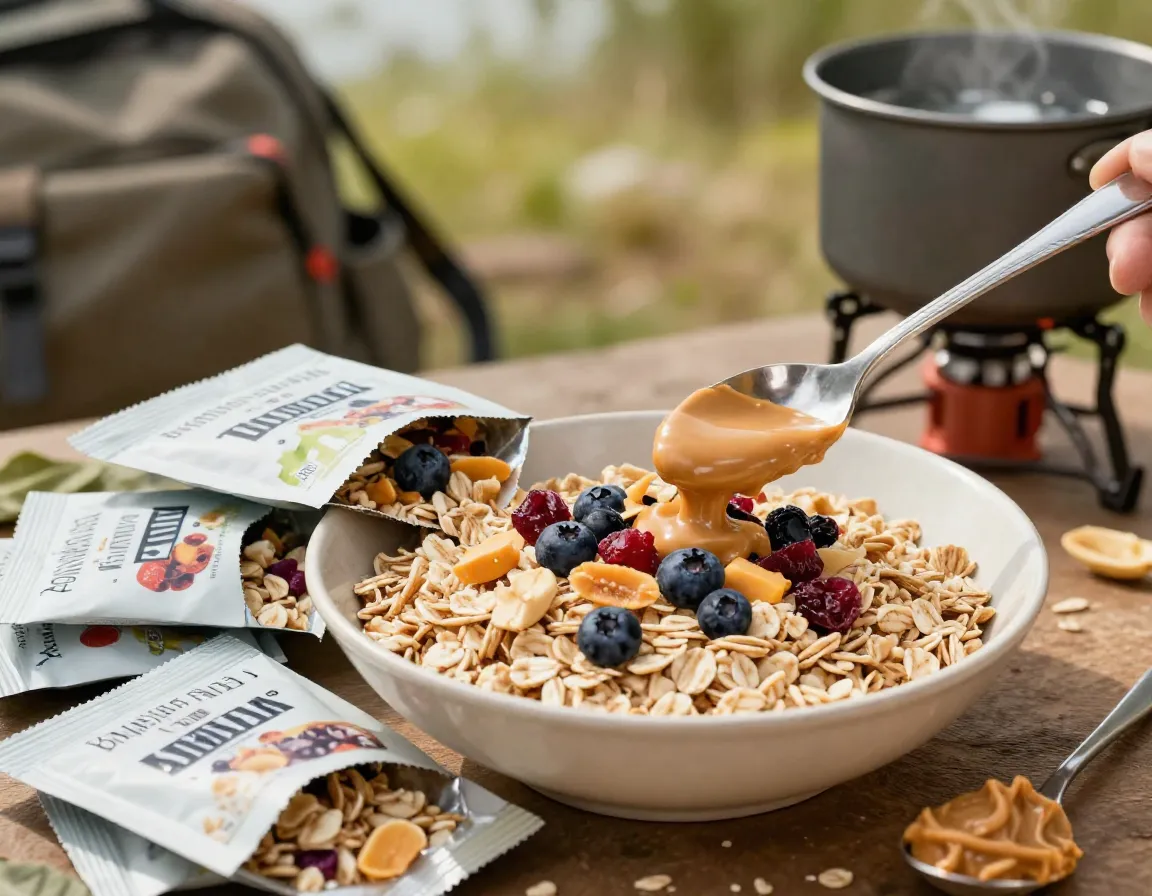
Breakfast is non-negotiable on the trail. Instant oatmeal is lightweight, fast to prepare, and delivers complex carbohydrates for sustained morning energy. Single-serving packets are ideal because they control portions and minimize mess.
What to look for:
- High-fiber varieties (5g+ per serving)
- Added protein options (oat + quinoa blends)
- Flavored packets to prevent taste fatigue
Pro tip: Add a tablespoon of powdered peanut butter or a handful of dried fruit to boost calories and flavor.
2. Nut Butters and Powdered Alternatives

Nut butters — peanut, almond, or sunflower seed — are calorie-dense superfoods for campers. A single 2-tablespoon serving delivers roughly 190 calories and 7 grams of protein. Single-serve squeeze packets are perfect for backpacking because they’re mess-free and portion-controlled.
| Type | Calories (2 tbsp) | Protein | Best Use |
|---|---|---|---|
| Peanut Butter | 190 | 7g | Wraps, oatmeal, crackers |
| Almond Butter | 196 | 6g | Energy bars, trail mix |
| Powdered PB | 60 | 5g | Sauces, mixing into meals |
3. Trail Mix and Mixed Nuts
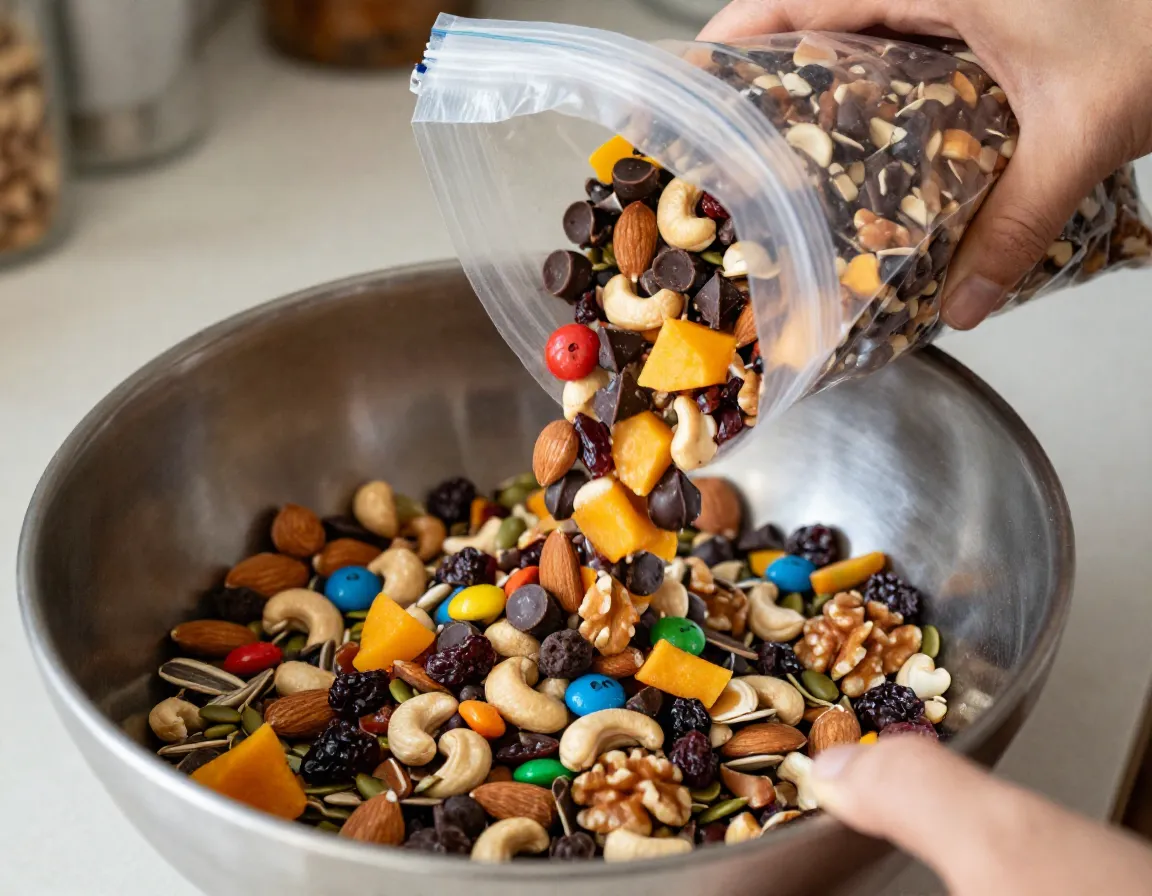
No camping food shopping list is complete without trail mix. It requires zero preparation, stores well in any temperature, and provides a powerful combination of healthy fats, protein, and quick-release carbohydrates from dried fruit.
Build your own mix with:
- Raw almonds, cashews, or walnuts
- Dark chocolate chips or M&Ms
- Dried cranberries, mango, or apricots
- Pumpkin seeds or sunflower seeds
Aim for a ratio of roughly 60% nuts to 40% dried fruit and extras to keep sugar levels balanced.
4. Freeze-Dried and Dehydrated Meals
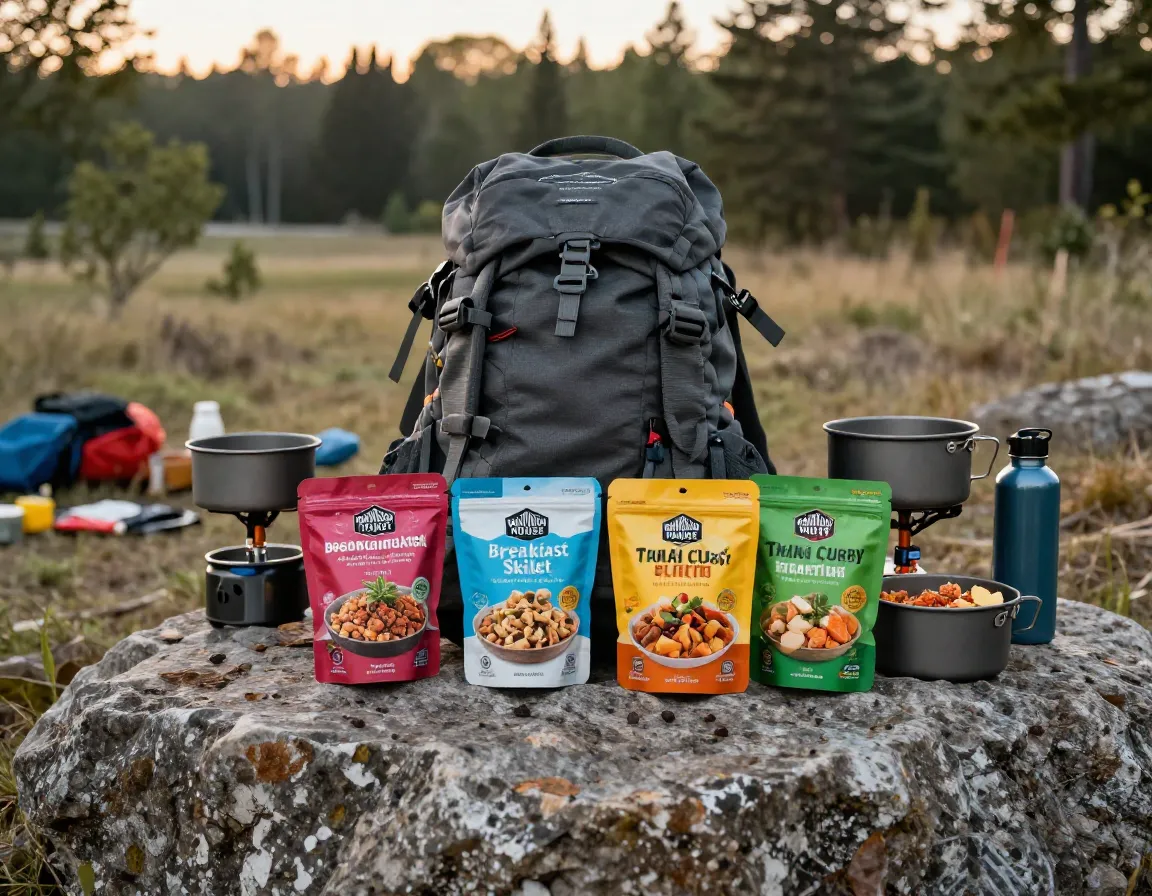
The freeze-dried meal market has exploded in 2026, with brands like Mountain House, Backpacker’s Pantry, and Good To-Go expanding their menus significantly. These meals are a cornerstone of any serious camping food list because they’re ultralight, shelf-stable for years, and genuinely satisfying after a long day of hiking.
Why they work:
- Rehydrate in 8–12 minutes with boiling water
- Calorie counts range from 400–700 per pouch
- Variety spans from breakfast scrambles to Thai curry
Cost consideration: Expect to spend $10–$16 per pouch, but the convenience and weight savings are worth it for multi-day trips.
5. Instant Rice, Pasta, and Grain Pouches

For car campers or those with slightly more pack space, instant rice and pasta pouches are budget-friendly, filling, and incredibly versatile. Brands like Minute Rice and Knorr offer single-serve packets that cook in under 10 minutes.
Pairing ideas:
- Instant rice + canned salmon + olive oil packets = a complete protein meal
- Pasta + powdered cheese + salami = a crowd-pleasing camp dinner
- Couscous + sun-dried tomatoes + olive oil = a Mediterranean-inspired side dish
6. Protein Bars and Energy Bars
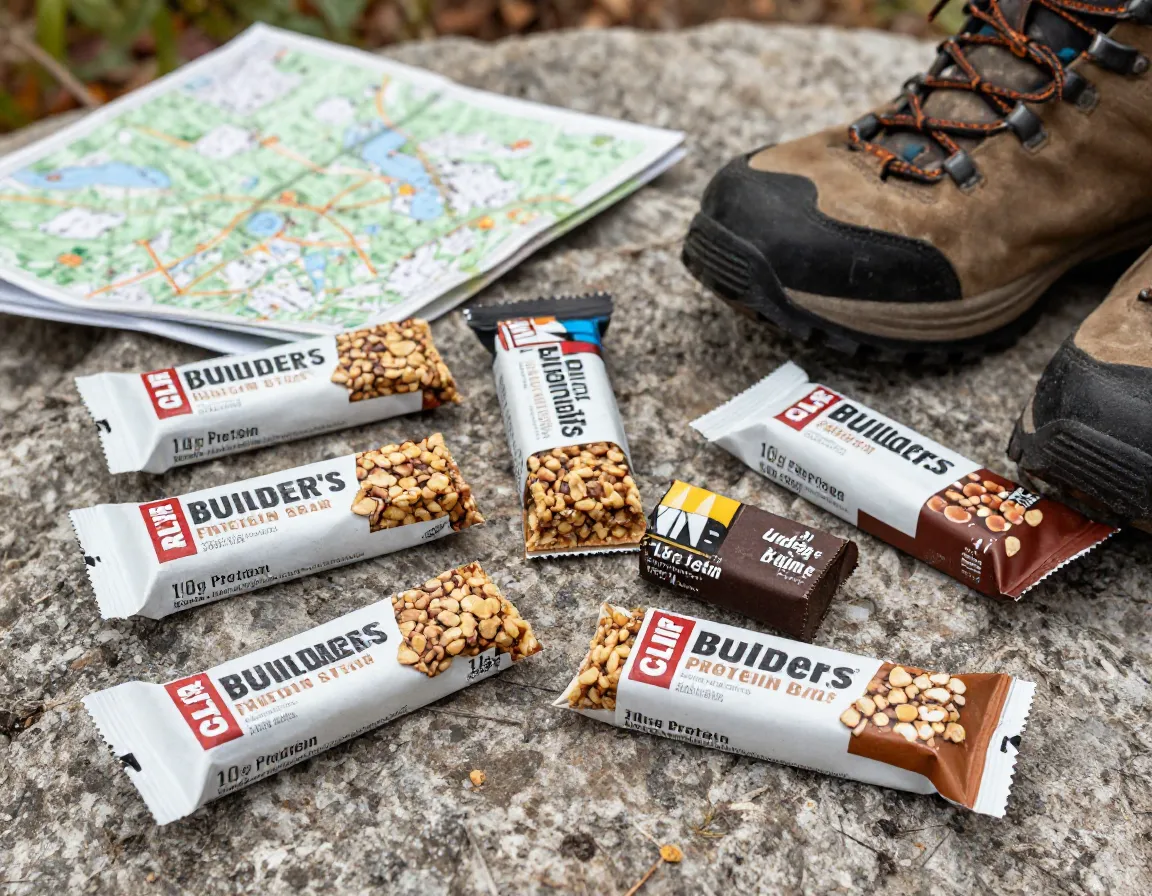
When you’re mid-hike and need a quick fuel boost without stopping to cook, protein bars are your best friend. In 2026, the functional snack bar market continues to grow, with options catering to every dietary need — from keto and vegan to high-protein and allergen-free.
What to prioritize on your shopping list:
- Minimum 10g of protein per bar
- Under 25g of sugar to avoid energy crashes
- Compact size — bars under 2 oz are ideal for pocket access on the trail
Top picks include RXBAR, Clif Builder’s, and Kind Protein bars for their clean ingredient lists and reliable calorie counts.
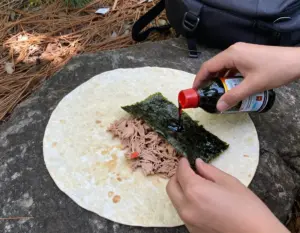
7. Canned and Pouched Proteins
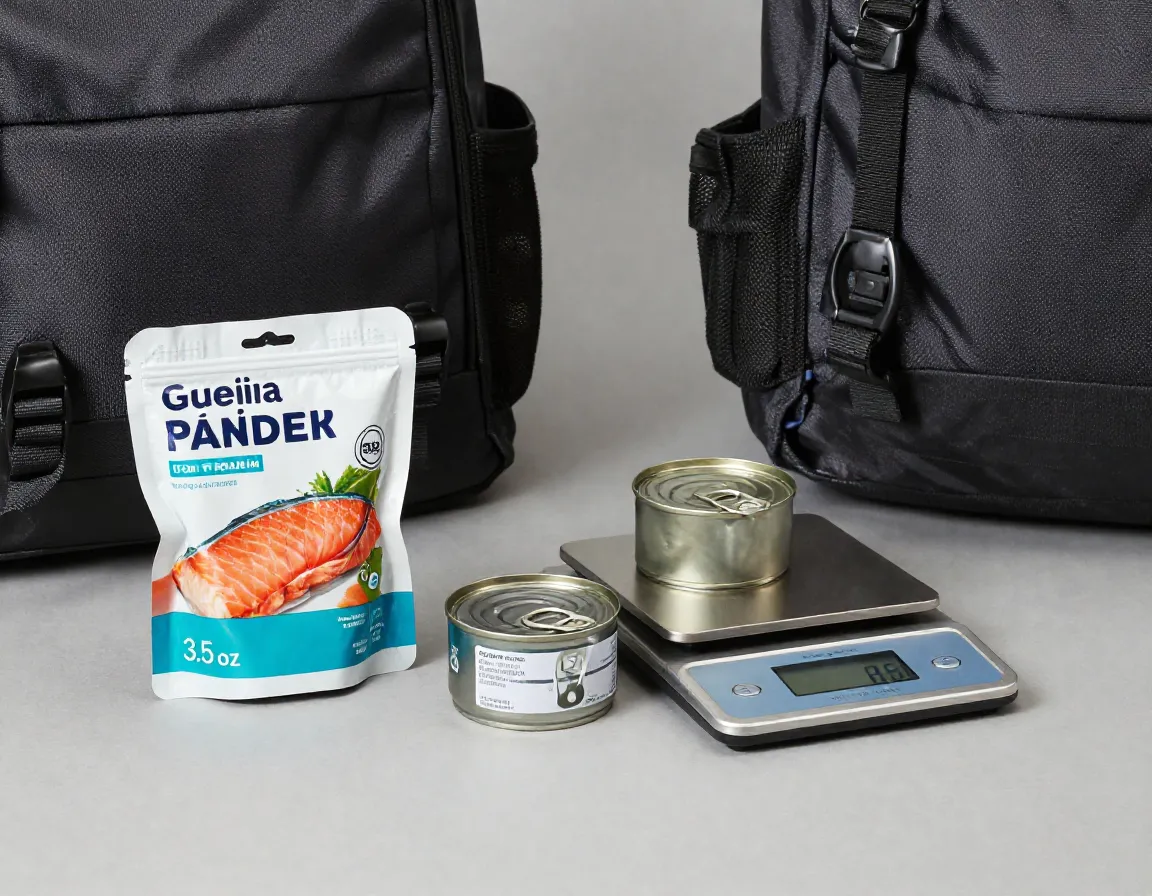
Shelf-stable proteins are the backbone of a balanced camping food shopping list. Canned tuna, salmon, chicken, and beans deliver essential amino acids without requiring refrigeration.
“Pouched proteins have largely replaced canned options in backpacking circles because they’re lighter and produce less waste.”
Best options to stock:
- Tuna or salmon pouches (3.5 oz = ~20g protein)
- Canned black beans or chickpeas
- Shelf-stable salami or pepperoni
- Jerky (beef, turkey, or plant-based)
Weight-conscious tip: Pouched proteins save roughly 30–40% weight compared to their canned equivalents.
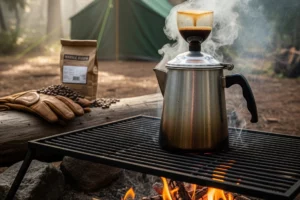
8. Instant Coffee, Tea, and Electrolyte Packets
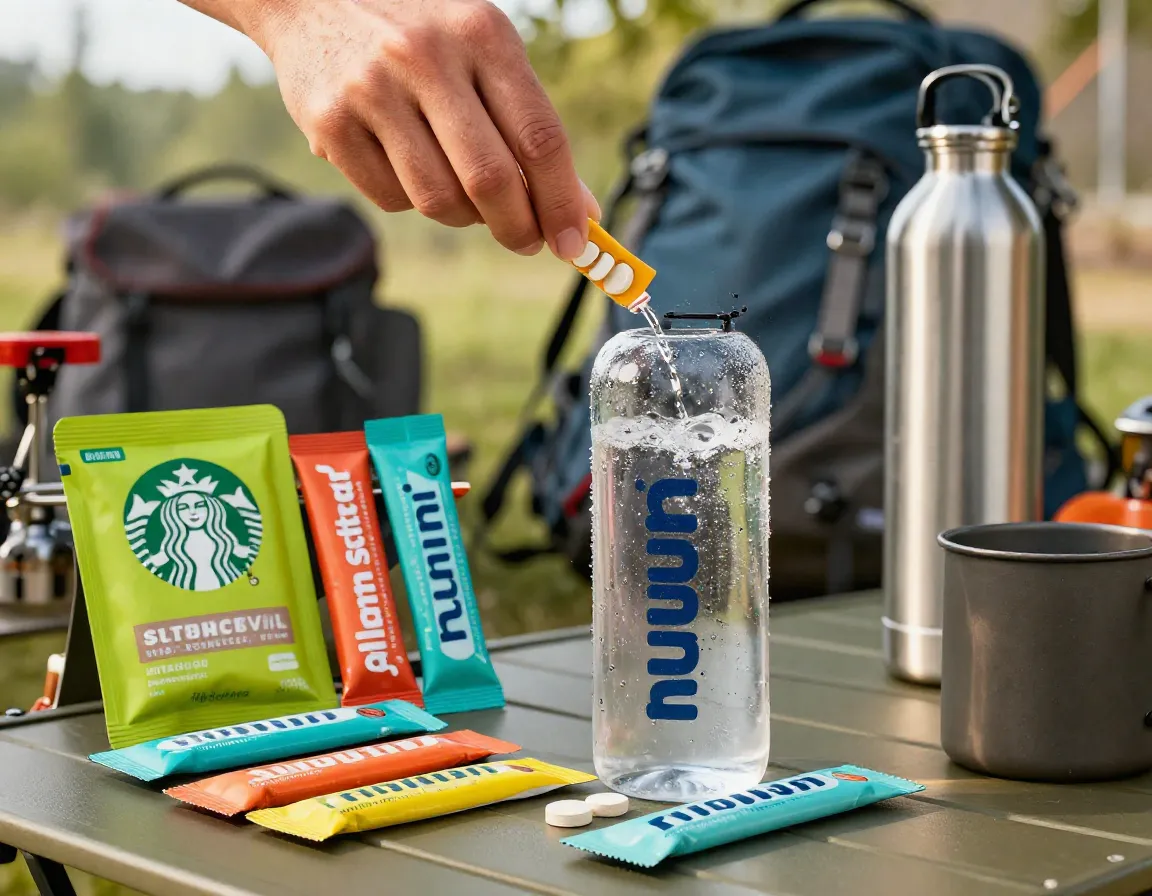
Hydration and morning morale are both critical in the outdoors. ☕ Instant coffee sachets (Starbucks Via, Alpine Start) have come a long way in quality and are now a staple on most camping food lists. Equally important are electrolyte drink mixes like Liquid IV or Nuun tablets, which replenish sodium, potassium, and magnesium lost through sweat.
Daily hydration checklist:
- 2–3 electrolyte servings on high-exertion days
- 1–2 hot beverage servings for morale and warmth
- Herbal tea bags for evening wind-down
9. Cooking Oils, Seasonings, and Condiment Packets

This is the item most campers forget — and it’s the one that transforms a bland camp meal into something genuinely enjoyable. A small bottle of olive oil or coconut oil adds calories and richness to almost any dish. Spice kits in mini zip-lock bags (salt, pepper, garlic powder, chili flakes) weigh almost nothing but make a massive difference.
Smart condiment packing:
- Collect single-serve packets (soy sauce, hot sauce, mayo) from restaurants
- Use a mini spice kit organizer
- Pack a small bottle of olive oil in a leak-proof container (adds ~120 calories per tablespoon)
Meal Planning Table: Sample 3-Day Camping Menu
| Day | Breakfast | Lunch | Dinner | Snacks |
|---|---|---|---|---|
| Day 1 | Instant oatmeal + dried fruit | Nut butter wrap + trail mix | Freeze-dried pasta primavera | Protein bar, jerky |
| Day 2 | Powdered eggs + instant coffee | Tuna pouch + crackers | Instant rice + canned salmon | Trail mix, energy chews |
| Day 3 | Granola + powdered milk | Salami + cheese + crackers | Freeze-dried chili mac | Nut butter packets, dried mango |
Quick Reference: Building Your Ultimate Food Shopping List for Camping
When you head to the store, use this checklist to ensure you’ve covered all 9 essential items from the 9 Essential Items for Your Ultimate Food Shopping List for Camping framework:
- ✅ Instant oatmeal or hot cereal
- ✅ Nut butters (packets or jars)
- ✅ Trail mix and mixed nuts
- ✅ Freeze-dried or dehydrated meals
- ✅ Instant rice, pasta, or grain pouches
- ✅ Protein bars and energy bars
- ✅ Canned or pouched proteins
- ✅ Instant coffee, tea, and electrolyte mixes
- ✅ Cooking oils, seasonings, and condiment packets
Conclusion
Building a smart camping food shopping list doesn’t have to be complicated. By focusing on the 9 Essential Items for Your Ultimate Food Shopping List for Camping — from instant oatmeal and nut butters to freeze-dried meals and electrolyte packets — you’ll ensure every trip is well-fueled, enjoyable, and stress-free.
Your actionable next steps:
- Plan your meals before you shop — map out breakfast, lunch, dinner, and snacks for each day of your trip.
- Calculate your caloric needs — active campers need 2,500–4,500 calories daily; adjust quantities accordingly.
- Test new foods at home first — never bring a brand-new food item on a multi-day trip without trying it first.
- Pack smart — use resealable bags to repackage bulk items and reduce packaging weight.
- Restock your pantry after each trip — keep a running list of what worked and what didn’t for next time.
Happy camping, and may your meals always be as good as the views! 🏕️
References
- Outdoor Industry Association. (2025). Outdoor Participation Trends Report 2025. Outdoor Industry Association.
- Mountain House. (2024). Freeze-Dried Meal Nutrition Guide. Oregon Freeze Dry, Inc.
- National Park Service. (2024). Leave No Trace Principles: Food Storage and Waste. U.S. Department of the Interior.
- REI Co-op. (2024). Backpacking Food: How to Choose. REI Expert Advice.
- Wilderness Medical Society. (2023). Nutritional Considerations for Wilderness Expeditions. Wilderness & Environmental Medicine Journal.