8 Mountain Aesthetic Poses for Men to Elevate Your Adventure Photos
Picture this: you’ve just conquered a challenging mountain trail, the summit stretches endlessly before you, and the golden hour light paints the peaks in breathtaking hues. Yet when you look at your adventure photos later, they feel flat and uninspiring. The difference between amateur snapshots and stunning mountain photography often comes down to one crucial element: intentional posing.
Disclosure: This post contains affiliate links. As an Amazon Associate, we earn from qualifying purchases, and at no extra cost to you.
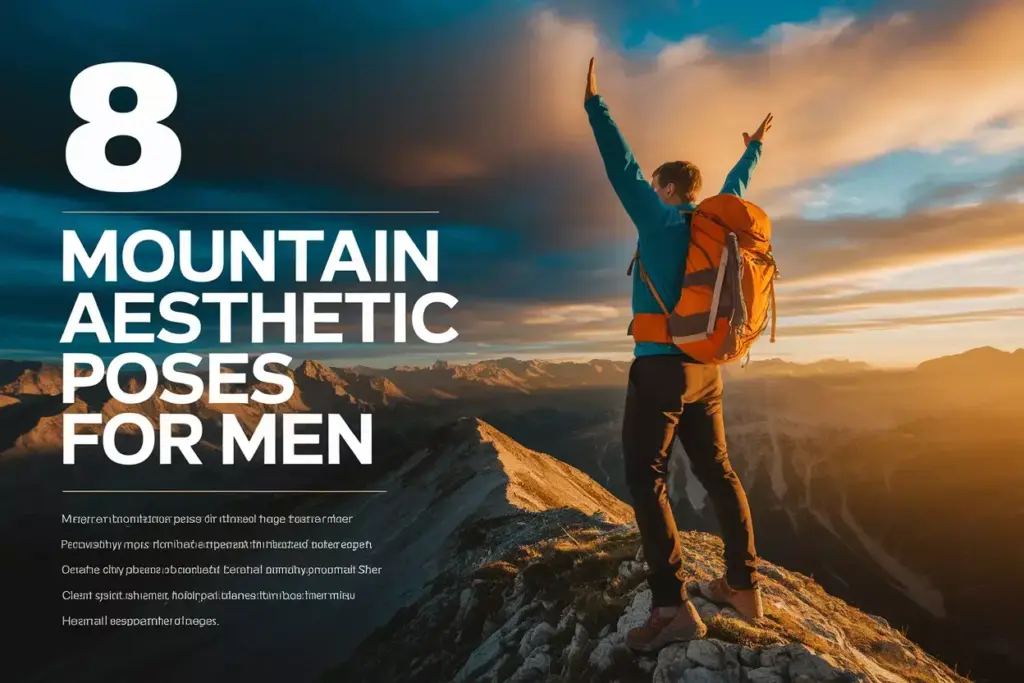
Mastering the art of 8 Mountain Aesthetic Poses for Men to Elevate Your Adventure Photos transforms ordinary hiking memories into compelling visual stories that capture both the grandeur of nature and the spirit of adventure. These carefully crafted poses don’t just document your journey—they create powerful images that inspire others to seek their own mountain adventures.
Key Takeaways
- Strategic positioning and body language can dramatically improve the visual impact of mountain photography
- Natural, authentic poses work better than forced or overly staged positions in outdoor settings
- Timing and lighting play crucial roles in executing these poses effectively
- Safety considerations must always take priority over getting the perfect shot
- Practice and preparation help achieve natural-looking poses that tell compelling adventure stories
Understanding Mountain Photography Fundamentals
Before diving into specific poses, understanding the unique challenges and opportunities of mountain photography sets the foundation for success. Mountain environments offer dramatic backdrops, but they also present technical challenges like changing light conditions, unpredictable weather, and safety considerations.
Environmental factors significantly impact pose selection and execution. Wind conditions affect hair and clothing, while temperature influences comfort levels and natural body language. The golden hour—roughly one hour after sunrise and before sunset—provides the most flattering light for mountain portraits, creating warm tones and dramatic shadows that enhance masculine features.
Safety always comes first when attempting these poses. Never compromise personal safety for a photograph. Choose stable footing, maintain awareness of surroundings, and avoid dangerous ledges or unstable terrain. The best adventure photos capture authentic moments while prioritizing the subject’s wellbeing.
The Classic Mountain Poses That Transform Adventure Photography
1. The Summit Conqueror
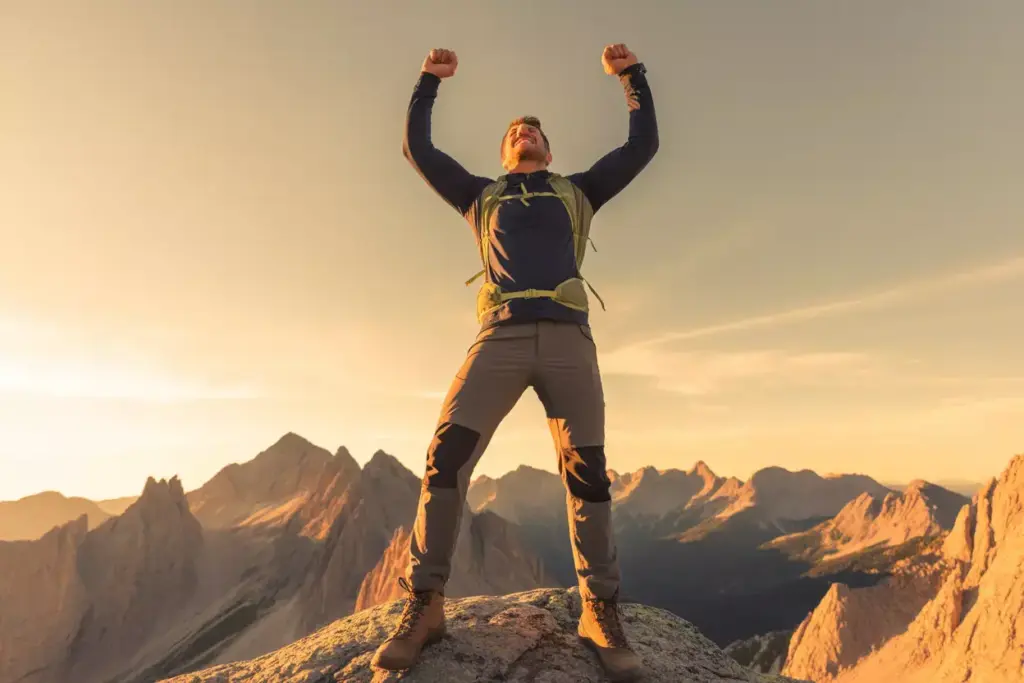
The Summit Conqueror pose embodies triumph and achievement. Stand with feet shoulder-width apart, arms raised in a V-shape toward the sky, face tilted slightly upward. This pose works exceptionally well on actual summits, large boulders, or prominent ridgelines where the subject appears to dominate the landscape.
Technical execution: Keep the stance grounded and stable. Flex the core muscles slightly to maintain good posture. The arms should form a natural V, not too wide or narrow. Facial expression should convey genuine satisfaction rather than forced excitement.
Best lighting conditions: This pose shines during golden hour when backlighting creates a dramatic silhouette effect. Side lighting also works well to highlight facial features and body definition.
2. The Contemplative Explorer
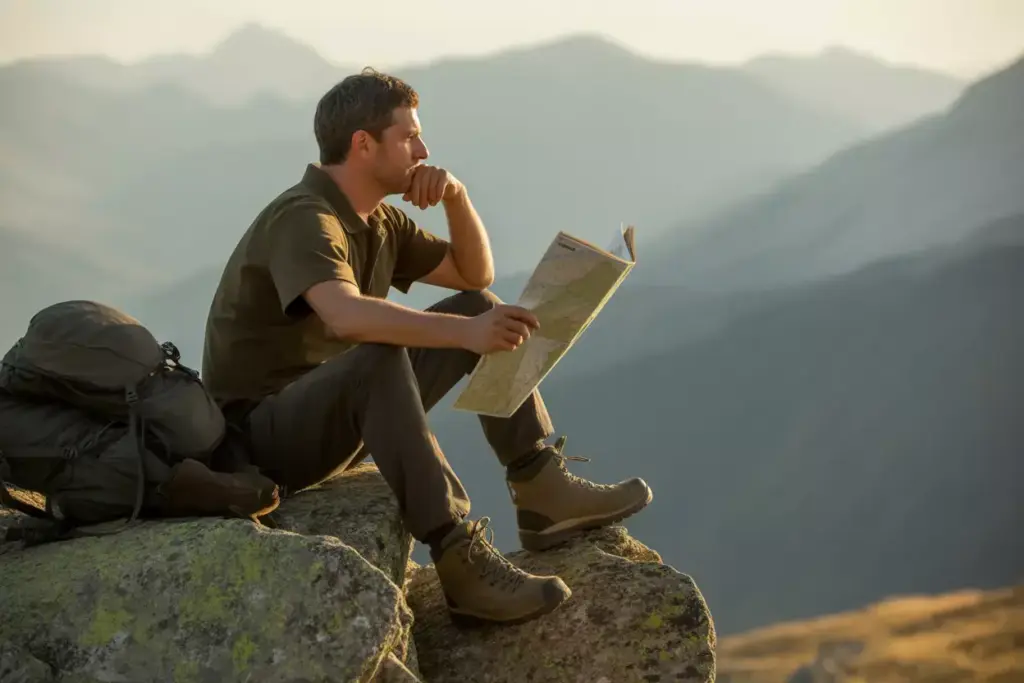
This introspective pose captures the reflective side of mountain adventures. Sit on a rock or log with one leg extended, the other bent, resting an elbow on the raised knee. Gaze toward the horizon or down the valley, conveying thoughtful consideration of the journey ahead or behind.
Variations include:
- Looking directly at distant peaks
- Studying a map or compass
- Removing hiking boots to rest tired feet
- Drinking water while surveying the landscape
The Contemplative Explorer works particularly well for storytelling photography, suggesting the mental and emotional aspects of mountain adventures beyond just physical achievement.
3. The Dynamic Climber
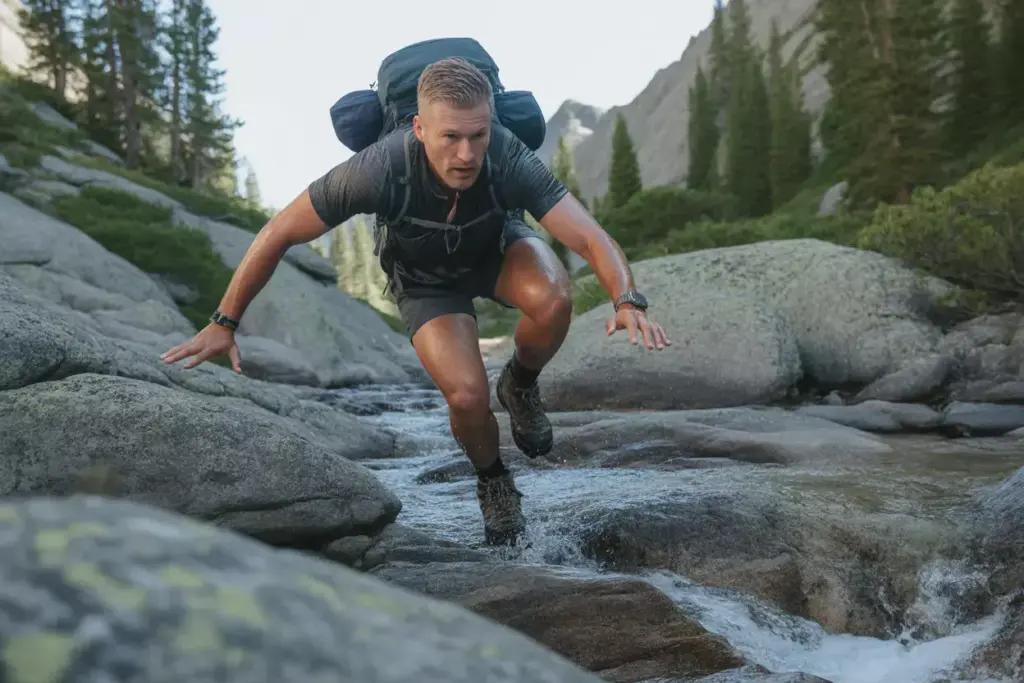
Action poses bring energy and movement to mountain photography. The Dynamic Climber captures the subject mid-motion—scrambling over rocks, stepping across a stream, or navigating challenging terrain. These poses require careful timing and often multiple attempts to achieve natural-looking results.
Key elements for successful dynamic poses:
- Natural movement patterns rather than forced action
- Appropriate facial expressions showing focus and determination
- Proper gear positioning with backpack straps, clothing, and equipment looking realistic
- Environmental interaction that makes sense for the terrain
4. The Ridge Walker Silhouette
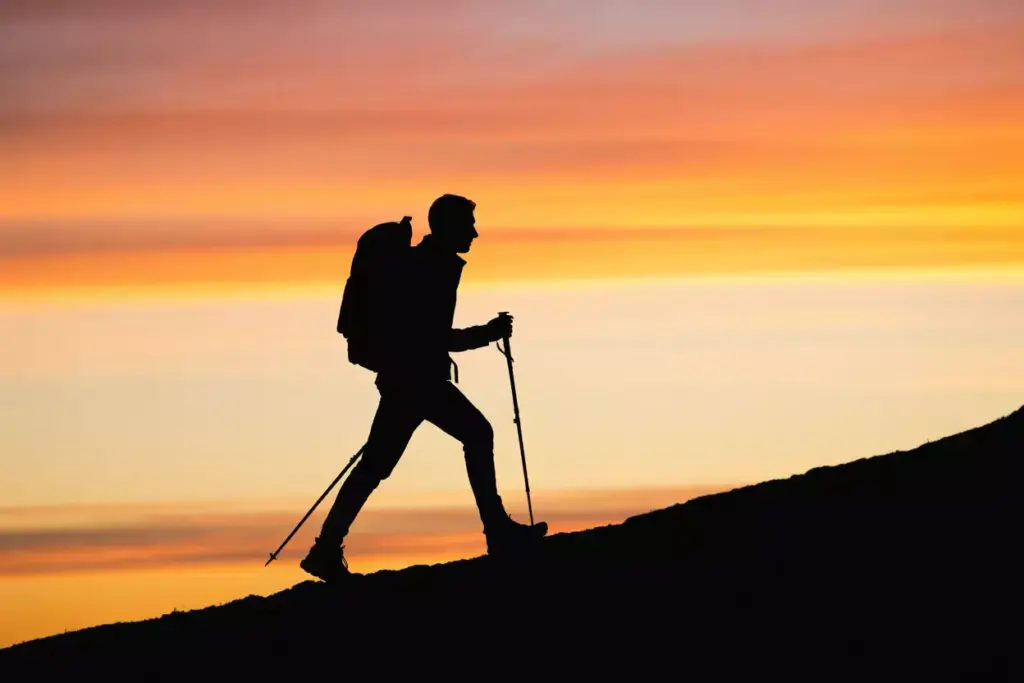
Silhouette photography creates powerful, minimalist images that emphasize shape and form. Position the subject along a ridgeline or elevated position against a bright sky. The Ridge Walker pose involves a natural walking stride, captured mid-step with arms swinging naturally.
Technical considerations:
- Exposure settings should prioritize the bright background, creating a dark silhouette
- Body positioning should create clear, recognizable shapes without overlapping limbs
- Profile angles often work better than front-facing positions for silhouettes
- Equipment silhouettes like hiking poles or backpacks add authentic detail
Advanced Posing Techniques for Professional-Quality Mountain Photos
5. The Gear Showcase
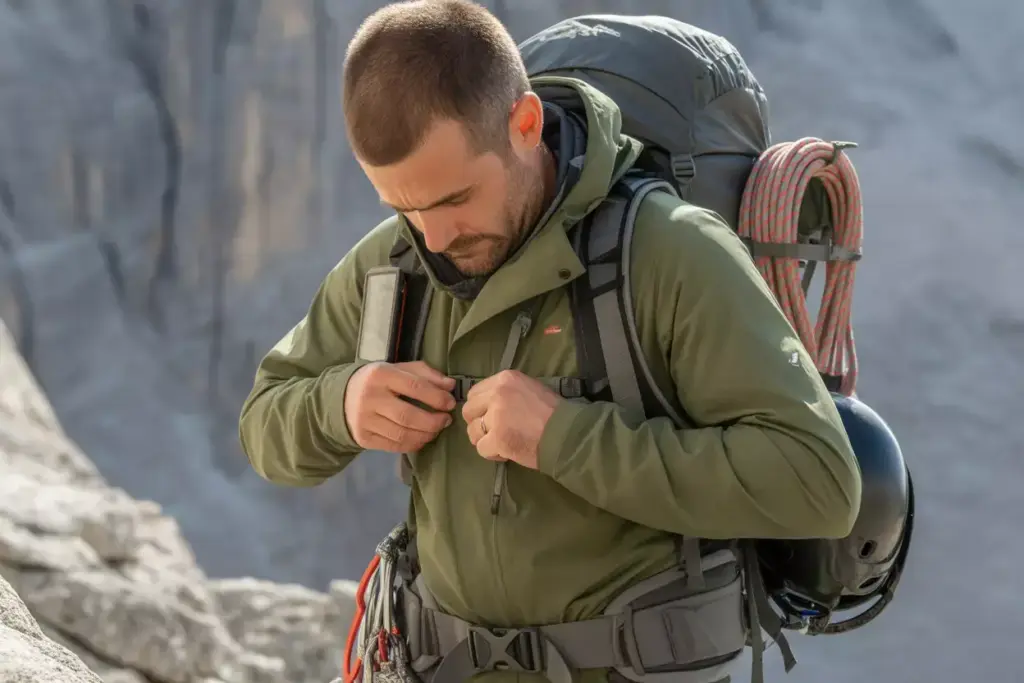
Mountain adventures involve specialized equipment, and incorporating gear into poses adds authenticity and visual interest. The Gear Showcase pose highlights essential equipment while maintaining focus on the human element. This might involve adjusting a backpack, checking navigation equipment, or preparing climbing gear.
Effective gear integration:
- Natural interaction with equipment rather than simply displaying it
- Functional positioning that suggests actual use rather than posing
- Brand consideration for sponsored content or gear reviews
- Safety equipment prominently featured to promote responsible adventuring
6. The Environmental Connection
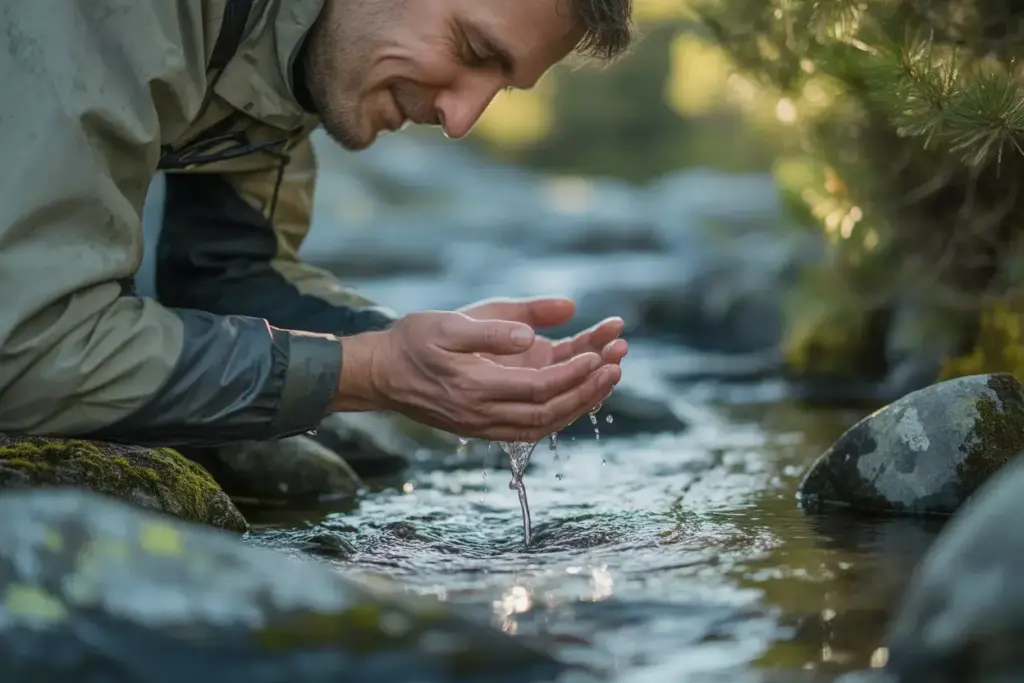
This pose emphasizes the relationship between adventurer and landscape. The subject interacts directly with natural elements—touching rock faces, examining plants, or feeling mountain streams. These poses create intimate connections between human and environment.
Environmental interaction examples:
- Running fingers through flowing water
- Examining interesting rock formations
- Touching ancient trees or unique vegetation
- Feeling wind direction or testing weather conditions
7. The Journey Documentation
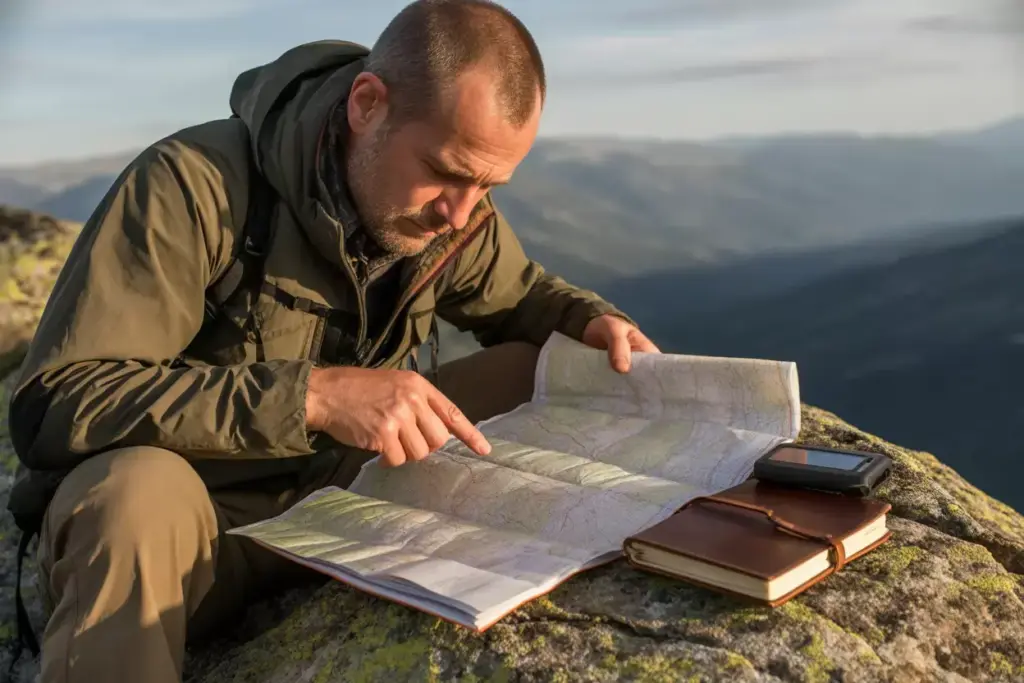
Documentary-style poses capture the process of mountain adventures rather than just destinations. These images show the subject consulting maps, taking notes, photographing landscapes, or recording GPS coordinates. Such poses appeal to viewers interested in the technical aspects of outdoor adventures.
Documentation elements:
- Map reading with natural concentration and focus
- Photography of the subject taking their own landscape photos
- Note-taking in adventure journals or logbooks
- Technology use with GPS devices, weather instruments, or communication equipment
8. The Victorious Return
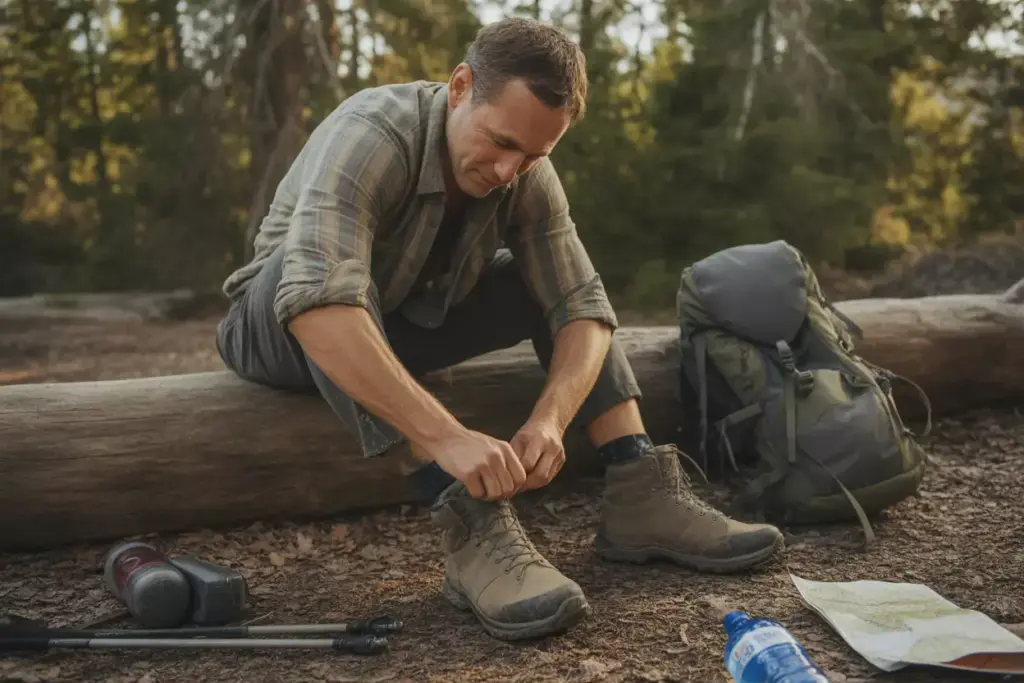
The final pose in our collection captures the satisfaction of completed adventures. Unlike the summit celebration, the Victorious Return shows quiet satisfaction and reflection. The subject might be removing boots, organizing gear, or simply sitting peacefully after a successful journey.
Emotional elements:
- Relaxed body language showing relief and satisfaction
- Gentle facial expressions conveying contentment rather than excitement
- Gear organization suggesting the adventure’s conclusion
- Environmental context placing the subject in base camp or trailhead settings
Technical Photography Tips for Mountain Aesthetic Poses
Lighting Mastery
Golden hour lighting remains the gold standard for mountain photography, but understanding how to work with various lighting conditions expands creative possibilities. Blue hour—the period just after sunset—creates moody, atmospheric images with deep blue skies and artificial lighting from headlamps or camp lights.
Harsh midday sun presents challenges but can create dramatic shadows and high-contrast images. Use natural reflectors like light-colored rocks or snow to fill shadows. Overcast conditions provide even, flattering light that works well for close-up portraits and detailed gear shots.
Composition Techniques
Rule of thirds applies to mountain photography, but don’t be afraid to break rules for dramatic effect. Leading lines from ridgelines, rivers, or trails draw viewers’ eyes toward the subject. Framing using natural elements like rock arches or tree branches adds depth and visual interest.
Scale relationships between subject and landscape emphasize the grandeur of mountain environments. Sometimes placing the subject small within the frame creates more impact than close-up portraits.
Camera Settings and Equipment
Aperture selection balances subject focus with landscape detail. F/8 to F/11 typically provides sharp focus across most of the frame while maintaining reasonable shutter speeds for handheld photography. Faster apertures (F/2.8 to F/5.6) create subject isolation when desired.
Shutter speed considerations become critical for action poses. Minimum 1/125s for static poses, 1/250s or faster for dynamic movement. Image stabilization in cameras or lenses helps achieve sharp images in challenging mountain conditions.
Safety and Preparation for Mountain Photo Sessions
Pre-Trip Planning
Location scouting through online resources, topographic maps, and local knowledge helps identify optimal photo locations while understanding terrain challenges. Weather monitoring influences timing, clothing choices, and safety preparations.
Gear preparation extends beyond photography equipment to include appropriate clothing, safety equipment, and emergency supplies. Physical conditioning ensures comfort and energy for executing poses throughout long mountain days.
On-Location Safety
Communication plans with others about location and expected return times provide essential safety backup. Emergency equipment including first aid supplies, emergency shelter, and communication devices should always accompany mountain photography sessions.
Environmental awareness includes understanding local wildlife, weather patterns, and terrain hazards. Leave No Trace principles ensure mountain environments remain pristine for future adventurers and photographers.
Risk Assessment
Pose selection should always consider current conditions and individual capabilities. Alternative options allow flexibility when conditions change or original plans become unsafe. Group dynamics require additional consideration when multiple people participate in photo sessions.
Post-Processing Tips for Mountain Adventure Photos
Color and Exposure Adjustments
Mountain lighting often requires careful post-processing to match the dramatic conditions witnessed in person. Graduated filters help balance bright skies with darker foregrounds. Shadow and highlight adjustments recover detail lost in challenging lighting conditions.
Color grading can enhance the natural beauty of mountain environments while maintaining realistic appearances. Warm tones during golden hour, cool blues for alpine environments, and neutral tones for overcast conditions each require different approaches.
Detail Enhancement
Clarity and texture adjustments bring out the rugged details of mountain landscapes and outdoor gear. Sharpening helps compensate for atmospheric haze common at high elevations. Noise reduction addresses high ISO performance when shooting in low light conditions.
Authenticity Considerations
Natural enhancement maintains the authentic feel of mountain adventures while improving technical quality. Avoid over-processing that creates unrealistic appearances inconsistent with actual mountain conditions. Consistent editing style across a series of adventure photos creates cohesive storytelling.
Building Your Mountain Photography Portfolio
Variety and Consistency
Diverse pose selection demonstrates versatility while maintaining consistent quality and style. Seasonal variations show different mountain conditions and challenges throughout the year. Location diversity expands the portfolio’s appeal and demonstrates adaptability.
Technical consistency in exposure, color treatment, and composition creates professional-looking portfolios that attract viewers and potential clients.
Storytelling Through Series
Sequential storytelling using multiple poses from single adventures creates compelling narratives. Before, during, and after sequences show complete adventure stories rather than isolated moments. Character development through consistent subject portrayal builds viewer connection and engagement.
Social Media and Sharing
Platform optimization requires understanding different social media requirements and audience preferences. Instagram favors square crops and vibrant colors, while Facebook allows more detailed captions and longer-form storytelling.
Hashtag strategy helps adventure photos reach interested audiences. Location tags connect with local outdoor communities and tourism interests.
Conclusion
Mastering these 8 Mountain Aesthetic Poses for Men to Elevate Your Adventure Photos transforms ordinary hiking snapshots into compelling visual stories that capture both the grandeur of mountain landscapes and the spirit of outdoor adventure. From the triumphant Summit Conqueror to the reflective Victorious Return, each pose serves a specific purpose in creating authentic, engaging mountain photography.
Success requires practice, preparation, and prioritizing safety above all else. Start with basic poses in familiar locations before attempting more challenging shots in remote mountain environments. Experiment with lighting conditions, composition techniques, and environmental interactions to develop a personal style that resonates with your adventure photography goals.
Take action today by selecting one or two poses that appeal to you most. Plan a local hiking trip specifically focused on practicing these techniques. Remember that authentic emotion and genuine connection with mountain environments create more compelling images than perfect technical execution alone.
The mountains offer endless opportunities for stunning photography. With these proven poses and techniques, your adventure photos will inspire others to seek their own mountain experiences while creating lasting memories of your outdoor journeys. Get out there, practice these poses, and start creating the mountain adventure photos you’ve always envisioned.