7 Autumn Mountain Trip Outfit Essentials for Ultimate Comfort & Style
Picture this: crisp mountain air fills your lungs as golden aspen leaves dance in the breeze around you. The autumn sun warms your face while a cool wind reminds you that winter isn’t far behind. Whether you’re planning a weekend hiking adventure or a scenic mountain getaway, having the right outfit can make or break your experience. The 7 Autumn Mountain Trip Outfit Essentials for Ultimate Comfort & Style aren’t just about looking good—they’re about staying comfortable, protected, and confident throughout your mountain adventure.
Disclosure: This post contains affiliate links. As an Amazon Associate, we earn from qualifying purchases, and at no extra cost to you.
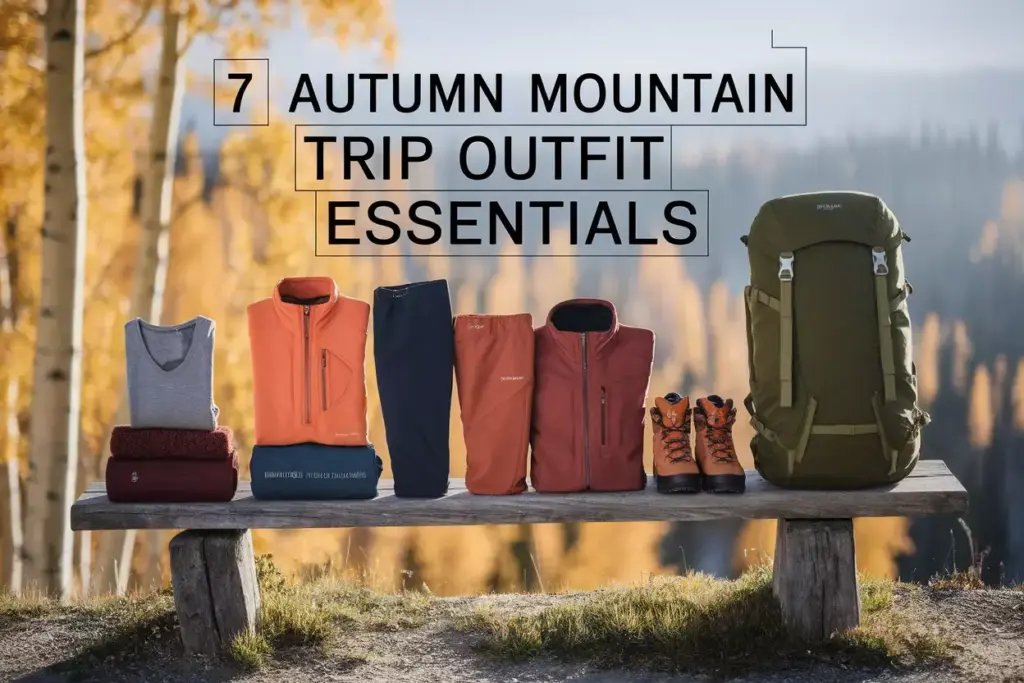
Mountain weather in autumn can be unpredictable and challenging. Temperatures can swing dramatically from warm sunny afternoons to freezing mornings, and sudden weather changes are common. The key to enjoying your trip lies in smart layering, quality materials, and versatile pieces that work together seamlessly.
Key Takeaways
- Layering is crucial for autumn mountain trips—base layers, insulating layers, and outer shells work together to regulate temperature
- Moisture-wicking materials like merino wool and synthetic blends keep you dry and comfortable during activity
- Quality footwear with proper ankle support and traction is essential for mountain terrain safety
- Weather protection through waterproof outer layers shields you from sudden mountain weather changes
- Versatile accessories like hats, gloves, and scarves provide quick temperature adjustments and style flexibility
Essential Foundation Layers for Mountain Comfort
1. Moisture-Wicking Base Layers
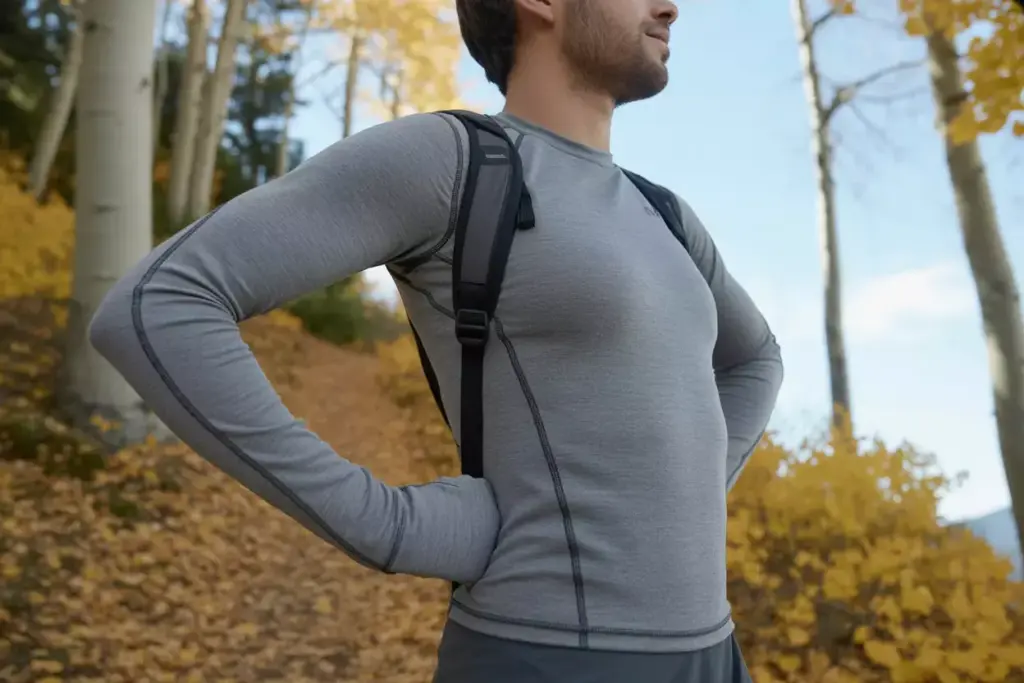
The foundation of any successful autumn mountain outfit starts with high-quality base layers. These aren’t your regular cotton t-shirts—mountain base layers need to wick moisture away from your skin while providing insulation and comfort.
Merino wool base layers are the gold standard for mountain adventures. Unlike synthetic materials, merino wool naturally resists odors, regulates temperature, and feels soft against the skin. Look for base layers with:
- Lightweight to medium weight fabric (150-250 GSM)
- Flat seam construction to prevent chafing
- Thumbhole cuffs for extended coverage
- Crew or quarter-zip styles for versatility
For those who prefer synthetic options, polyester blends offer excellent moisture-wicking properties and dry quickly. Brands like Patagonia, Smartwool, and Icebreaker create base layers specifically designed for mountain activities.
“The right base layer is like a second skin—you shouldn’t even notice it’s there, but it should be working hard to keep you comfortable all day long.” – Mountain Guide Sarah Chen
2. Insulating Mid-Layers
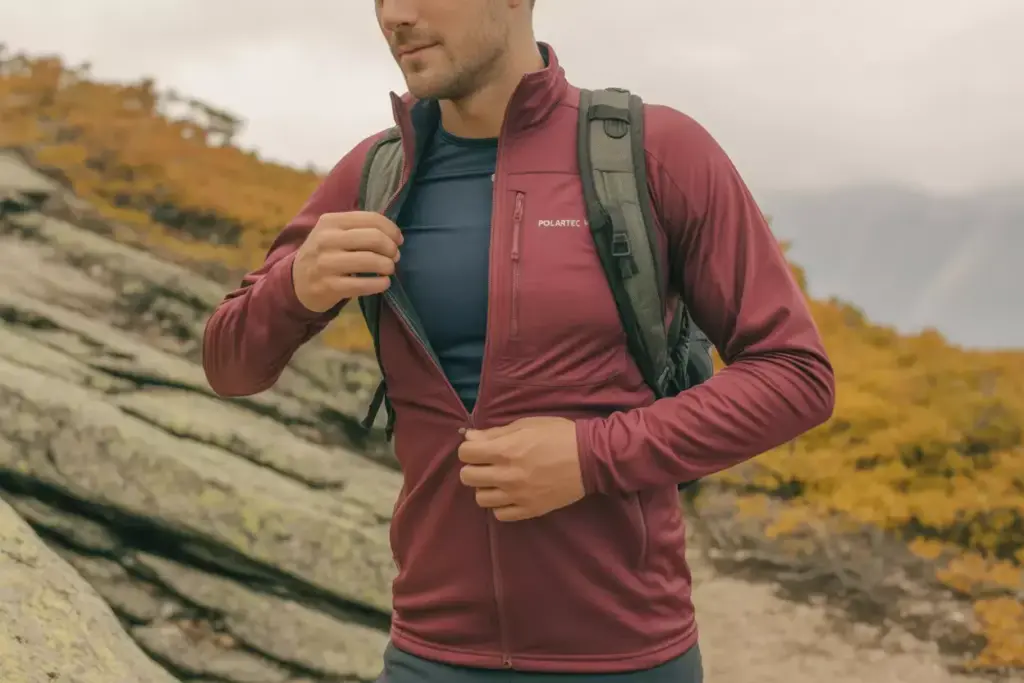
Mid-layers provide the bulk of your warmth while maintaining breathability. The beauty of quality insulating layers lies in their ability to trap warm air while allowing moisture to escape.
Fleece jackets remain a mountain classic for good reason. They’re lightweight, warm when wet, and incredibly versatile. Look for:
- Polartec or similar high-performance fleece
- Full-zip design for easy temperature regulation
- Zippered chest pocket for essentials
- Reinforced shoulders for backpack compatibility
Down vests offer another excellent mid-layer option, providing core warmth without restricting arm movement. Choose vests with:
- 700+ fill power down for optimal warmth-to-weight ratio
- Water-resistant treatment for mountain conditions
- Packable design for easy storage when not needed
Synthetic insulation works better than down in wet conditions and continues insulating even when damp. Primaloft and Climashield are excellent synthetic insulation options.
3. Versatile Mountain Pants
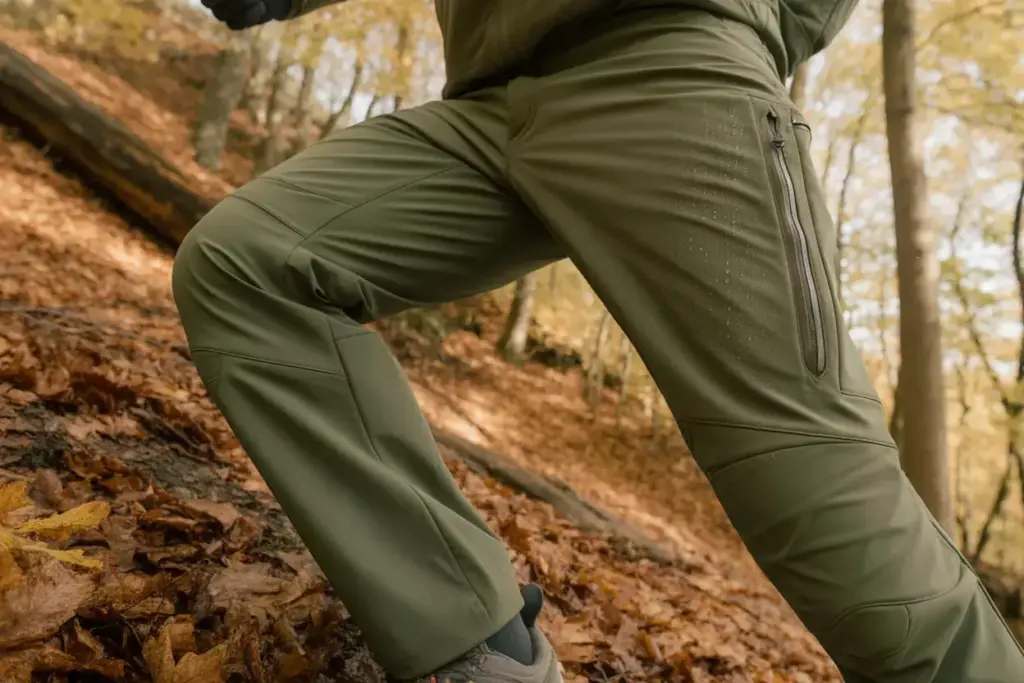
Your lower body needs just as much attention as your torso when it comes to mountain comfort. Hiking pants for autumn mountains should balance durability, comfort, and weather protection.
Softshell pants offer the perfect combination of stretch, breathability, and weather resistance. Key features include:
- Four-way stretch fabric for unrestricted movement
- DWR (Durable Water Repellent) coating for light rain protection
- Reinforced knees and seat for durability
- Zippered pockets with secure closures
- Articulated knees for natural movement
For variable conditions, consider convertible hiking pants that zip off into shorts. This versatility proves invaluable when mountain weather shifts throughout the day.
Merino wool leggings work excellently as base layers under pants for extra warmth, or on their own during milder conditions. They provide:
- Natural temperature regulation
- Odor resistance for multi-day trips
- Comfortable stretch for all-day wear
- Quick-drying properties
Complete Weather Protection and Accessories
4. Weather-Resistant Outer Shell
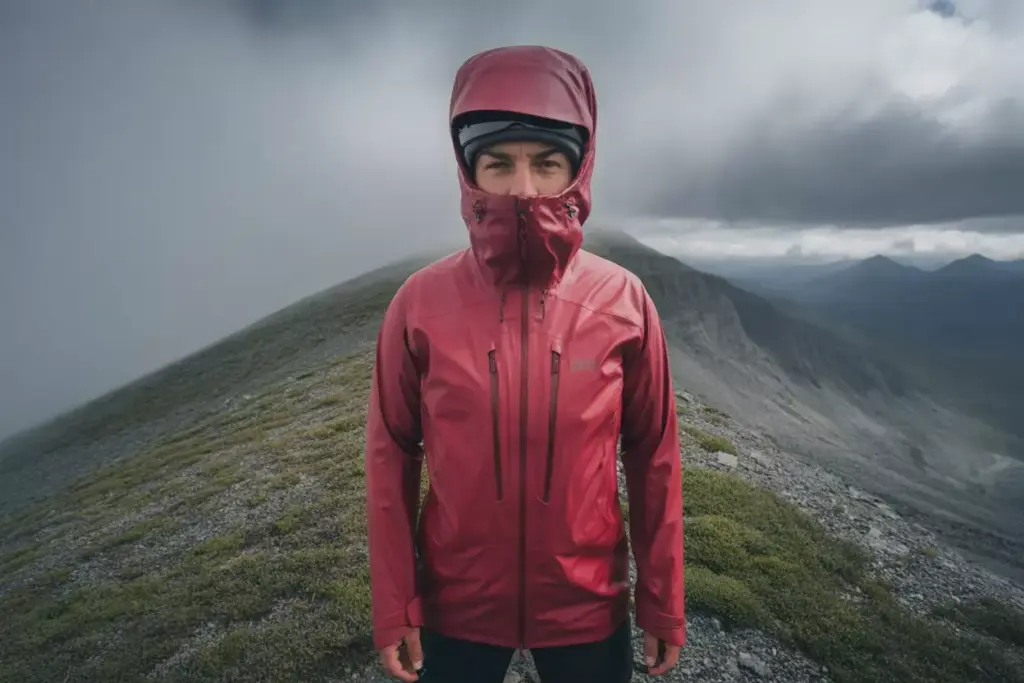
Mountain weather changes quickly, and having a reliable outer shell can mean the difference between a great day and a miserable experience. Your mountain weather protection layer should be your first line of defense against wind, rain, and snow.
Hardshell jackets provide maximum protection but can feel less breathable during high-activity periods. Look for:
- 3-layer Gore-Tex or similar membrane for durability
- Fully sealed seams to prevent water entry
- Pit zips for ventilation during activity
- Helmet-compatible hood that adjusts properly
- Two-way front zipper for easy access to gear
Softshell jackets offer more breathability and stretch but provide less waterproof protection. They work well for:
- Dry conditions with wind protection needs
- High-activity periods requiring maximum breathability
- Layering over insulation without bulk
Rain ponchos deserve consideration for their versatility and pack coverage. Modern ponchos offer:
- Lightweight packability
- Backpack coverage during rain
- Quick on/off capability
- Ventilation advantages over traditional jackets
5. Supportive Mountain Footwear
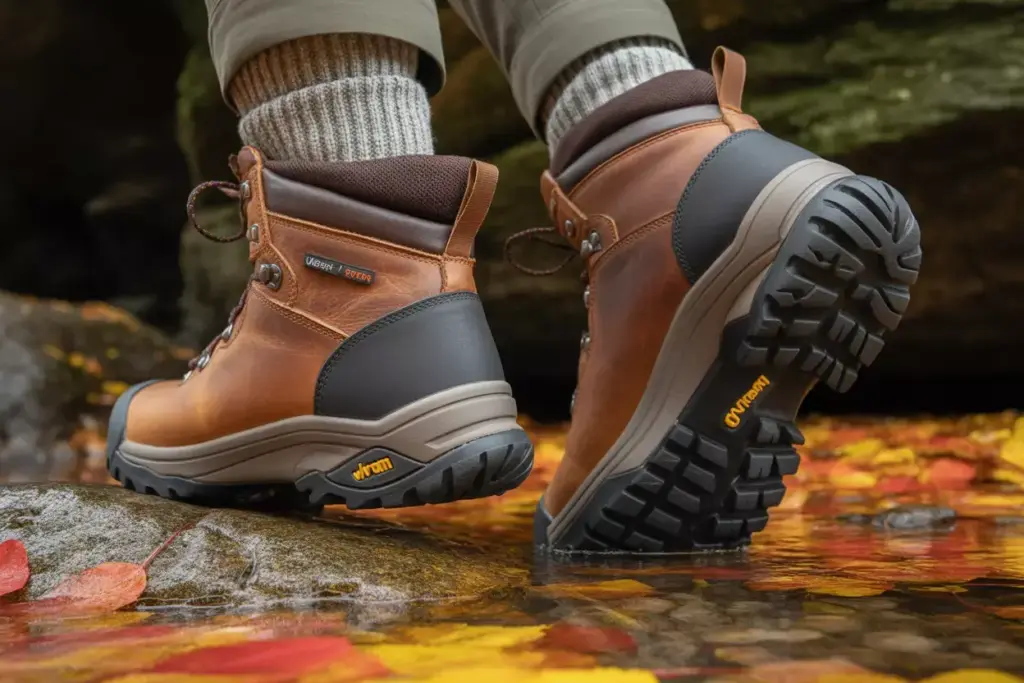
Your feet carry you through every mountain adventure, making proper hiking boots absolutely essential. Autumn mountain conditions demand footwear that handles wet leaves, rocky terrain, and potential snow.
Mid-height hiking boots provide the best balance of support and flexibility for most mountain trips. Essential features include:
- Waterproof/breathable membrane (Gore-Tex, eVent, or similar)
- Vibram or equivalent sole with aggressive tread pattern
- Ankle support without excessive stiffness
- Quality leather or synthetic upper for durability
- Comfortable fit with room for toe movement
Boot fit is crucial—visit a specialty outdoor retailer in the afternoon when your feet are naturally swollen to ensure proper sizing. Always try boots with the socks you’ll actually wear hiking.
Merino wool hiking socks complete your foot system by providing:
- Moisture management to prevent blisters
- Cushioning in high-impact areas
- Temperature regulation for all-day comfort
- Durability for multiple adventures
Consider bringing backup socks for longer trips or stream crossings.
6. Essential Mountain Accessories
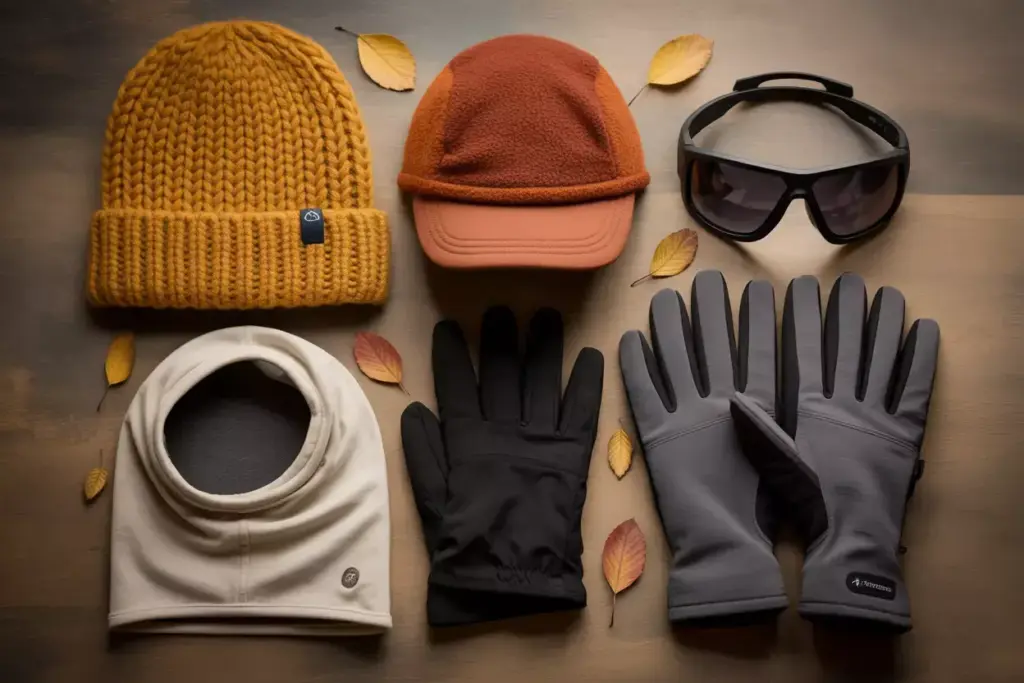
Mountain accessories aren’t just about style—they’re functional pieces that provide crucial protection and comfort adjustments throughout your adventure.
Warm headwear is essential since significant body heat escapes through your head. Options include:
- Merino wool beanie for warmth and breathability
- Fleece-lined cap with ear flaps for variable conditions
- Lightweight buff or neck gaiter for versatile protection
- Sun hat with brim for bright, sunny conditions
Hand protection becomes crucial as temperatures drop and wind picks up:
- Liner gloves for dexterity during gear handling
- Insulated gloves for warmth during rest stops
- Waterproof shell gloves for wet conditions
- Convertible mittens for maximum warmth when needed
Eye protection is often overlooked but essential:
- Polarized sunglasses for glare reduction
- UV protection rated for high-altitude conditions
- Wraparound design for wind protection
- Retainer strap to prevent loss during activity
7. Functional Mountain Backpack
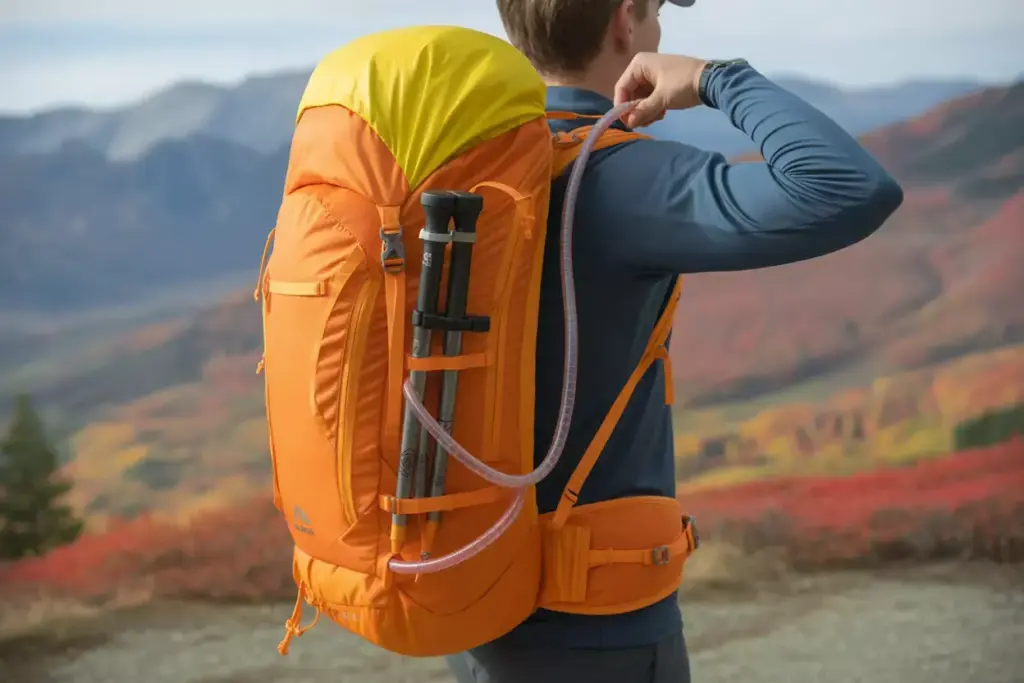
Your backpack ties your entire outfit system together while carrying essential gear for your mountain adventure. The right mountain daypack should feel like a natural extension of your body.
Capacity considerations for autumn mountain trips:
- 20-30 liters for day hikes with extra layers
- 30-40 liters for longer days or overnight trips
- 40+ liters for multi-day adventures or winter gear
Essential backpack features include:
- Adjustable torso length for proper fit
- Padded shoulder straps with load lifters
- Hip belt to transfer weight from shoulders
- Multiple compartments for organization
- External attachment points for gear
- Hydration system compatibility
- Rain cover or water-resistant materials
Organization tips for mountain backpacks:
- Keep frequently used items in easily accessible pockets
- Pack heavier items close to your back
- Use compression straps to stabilize the load
- Distribute weight evenly between left and right sides
Safety considerations for mountain backpacks:
- Bright colors for visibility
- Reflective elements for low-light conditions
- Emergency whistle attached to chest strap
- First aid kit in easily accessible pocket
Layering Strategies for Changing Mountain Conditions
Understanding how to effectively combine your 7 Autumn Mountain Trip Outfit Essentials for Ultimate Comfort & Style makes the difference between good gear and a great mountain experience.
Morning layering strategy for cold starts:
- Base layer for moisture management
- Insulating mid-layer for warmth
- Outer shell for wind protection
- Warm accessories including hat and gloves
Midday adjustment strategy as temperatures rise:
- Remove outer shell and store in backpack
- Unzip mid-layer for ventilation
- Switch to sun hat from warm beanie
- Remove gloves but keep accessible
Evening preparation as temperatures drop:
- Add layers back in reverse order
- Ensure dry base layers by changing if needed
- Put on warm accessories before getting cold
- Check weather protection for overnight conditions
Material Science and Technology
Modern outdoor clothing incorporates advanced materials that significantly improve comfort and performance in mountain environments.
Merino wool advantages:
- Natural antimicrobial properties reduce odor
- Temperature regulation works in various conditions
- Moisture management without feeling clammy
- Comfort against skin without itching
- Durability when properly cared for
Synthetic material benefits:
- Quick-drying properties for active use
- Consistent performance when wet
- Easy care and maintenance
- Cost-effective compared to natural fibers
- Color retention over time
Membrane technologies for weather protection:
- Gore-Tex for proven waterproof/breathable performance
- eVent for enhanced breathability
- Proprietary membranes from major manufacturers
- DWR treatments for water repellency
Seasonal Considerations for Autumn Mountains
Autumn mountain conditions vary significantly depending on elevation, latitude, and local weather patterns. Understanding these variations helps optimize your outfit choices.
Early autumn (September-early October):
- Warm days, cool nights require versatile layering
- Sudden weather changes demand preparedness
- Increased daylight hours allow longer adventures
- Stable weather patterns in many regions
Late autumn (late October-November):
- Shorter days require planning around daylight
- Potential snow at higher elevations
- Wet conditions from rain and melting snow
- Colder temperatures overall
Regional variations to consider:
- Rocky Mountains: Early snow possible above 10,000 feet
- Appalachians: Wet conditions and muddy trails common
- Pacific Northwest: Rain likely throughout autumn
- Desert mountains: Extreme temperature swings
Care and Maintenance of Mountain Gear
Proper care extends the life of your mountain outfit essentials and maintains their performance characteristics.
Washing guidelines:
- Follow manufacturer instructions exactly
- Use technical wash products designed for outdoor gear
- Avoid fabric softeners that can damage DWR coatings
- Wash similar items together to prevent damage
Drying recommendations:
- Air dry when possible to preserve materials
- Use low heat if machine drying is necessary
- Avoid direct sunlight for extended periods
- Ensure complete drying before storage
Storage best practices:
- Clean before storing to prevent odor and damage
- Store in breathable containers or hanging
- Avoid compression for down insulation
- Check periodically for signs of wear or damage
Budget Considerations and Investment Priorities
Building a complete mountain outfit system requires thoughtful investment prioritization to maximize value and performance.
High-priority investments:
- Quality hiking boots – foot comfort and safety are paramount
- Weather protection shell – essential for safety
- Base layers – foundation of comfort system
- Insulating mid-layer – crucial for warmth
Medium-priority investments:
- Quality backpack – comfort improves with better design
- Merino wool accessories – performance upgrade over basics
- Technical pants – durability and comfort benefits
Budget-friendly options:
- Synthetic base layers instead of merino wool initially
- Fleece instead of down for insulation
- Basic accessories that can be upgraded later
Money-saving strategies:
- End-of-season sales for significant discounts
- Outlet stores from major outdoor brands
- Previous year models with minimal feature changes
- Quality used gear from reputable sources
Conclusion
Mastering the 7 Autumn Mountain Trip Outfit Essentials for Ultimate Comfort & Style transforms your mountain adventures from endurance tests into enjoyable experiences. The key lies in understanding how each piece works together as a complete system rather than individual items.
Start with quality base layers that manage moisture and provide comfort against your skin. Build up with insulating mid-layers that trap warmth while remaining breathable. Add weather protection through reliable outer shells that shield you from mountain elements. Support your adventures with proper footwear that keeps you stable and comfortable on varied terrain.
Don’t overlook the importance of accessories—they provide the fine-tuning that keeps you comfortable as conditions change throughout the day. Finally, choose a backpack that carries your gear efficiently while integrating seamlessly with your layering system.
Your next steps:
- Assess your current gear and identify the biggest gaps in your mountain outfit system
- Prioritize investments based on your specific mountain activities and local conditions
- Test your complete system on shorter trips before major adventures
- Learn your gear through experience in various conditions
- Maintain your investment through proper care and storage
Remember that the best mountain outfit is the one you barely notice wearing—it should work seamlessly to keep you comfortable, protected, and confident throughout your autumn mountain adventures. Invest wisely, layer strategically, and enjoy the incredible beauty that autumn mountains offer to those properly prepared to experience them.