6 Winter Camper Living Hacks to Stay Warm, Safe, and Sane
Picture this: the temperature drops to -10°F outside, snow blankets the ground for miles, and the nearest town is 50 miles away. For many, this scenario sounds like a nightmare. But for winter campers who’ve mastered the art of cold-weather RV living, it’s just another beautiful day in paradise. The difference between a miserable winter camping experience and an enjoyable one often comes down to preparation, knowledge, and implementing the right strategies.
Disclosure: This post contains affiliate links. As an Amazon Associate, we earn from qualifying purchases, and at no extra cost to you.
Winter camping in an RV or camper presents unique challenges that summer campers never face. From preventing frozen pipes to maintaining mental health during long, dark days, successful winter camping requires a completely different approach. The 6 Winter Camper Living Hacks to Stay Warm, Safe, and Sane outlined in this comprehensive guide will transform any cold-weather camping experience from survival mode into comfortable, enjoyable living.
Key Takeaways
- Layered insulation systems and proper heating strategies can maintain comfortable temperatures even in sub-zero conditions
- Moisture management is critical to prevent condensation, mold, and structural damage to your camper
- Emergency preparedness with backup heating, communication devices, and extra supplies can be life-saving
- Mental health strategies including light therapy, routine maintenance, and social connections prevent cabin fever
- Proper winterization of plumbing and electrical systems prevents costly damage and ensures functionality
1. Master the Art of Layered Heating and Insulation Systems
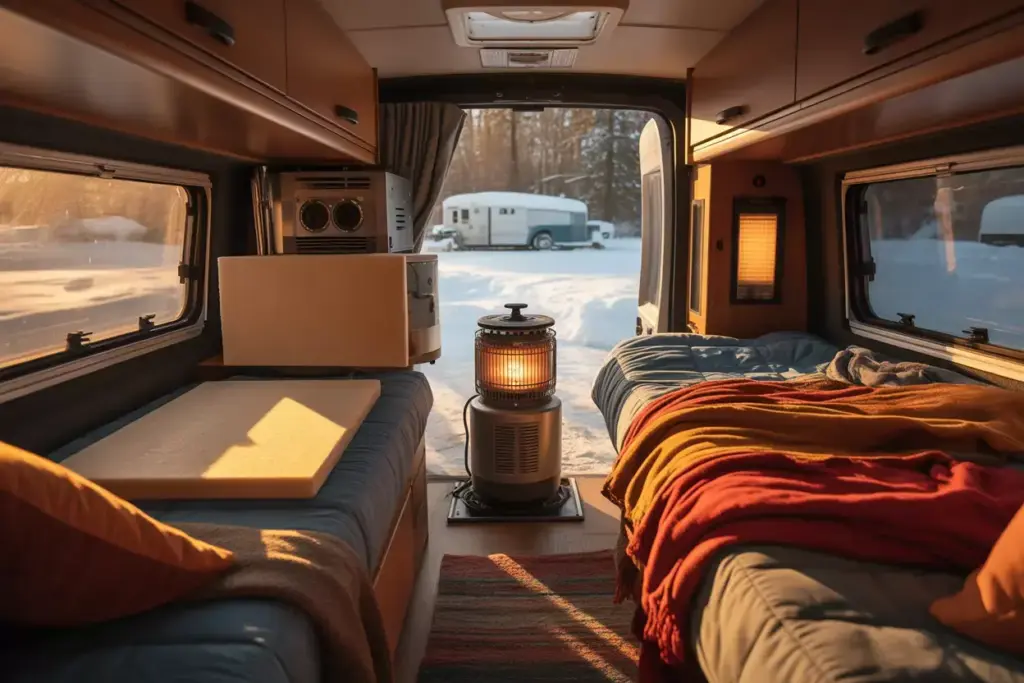
The foundation of successful winter camping lies in creating multiple layers of warmth throughout the camper. Effective heating strategies go far beyond simply cranking up a single heat source. Smart winter campers implement a comprehensive approach that combines primary heating, supplemental warmth, and strategic insulation.
Primary Heating Solutions
Propane furnaces remain the most reliable primary heat source for winter camping. These systems provide consistent, controllable heat and work independently of electrical hookups. However, propane consumption increases dramatically in cold weather, so carrying extra tanks is essential. A 20-pound propane tank typically lasts 3-5 days in temperatures below 20°F when running continuously.
Diesel heaters have gained popularity among serious winter campers due to their efficiency and lower operating costs. These compact units burn diesel fuel and can heat a camper for 12-16 hours on a single gallon. They also produce less moisture than propane heaters, reducing condensation issues.
Supplemental Heating Strategies
Electric space heaters work excellently when connected to shore power or running a generator. Ceramic and oil-filled radiator heaters provide gentle, consistent warmth without the fire hazards of older heating elements. Always ensure electrical systems can handle the additional load.
Heated mattress pads and electric blankets create targeted warmth where it matters most. These low-wattage devices keep sleeping areas comfortable while allowing overall camper temperatures to remain lower, saving fuel and reducing moisture production.
Advanced Insulation Techniques
Reflective window coverings can reduce heat loss by up to 40%. Custom-cut Reflectix or thermal curtains create an insulating air gap while reflecting heat back into the living space. Many winter campers create removable window inserts using foam board and reflective material.
Floor insulation often gets overlooked but makes a tremendous difference in comfort. Thick rugs, foam mats, or even temporary subflooring can eliminate the cold floor effect that makes the entire camper feel chilly.
Skirting the camper creates a dead air space underneath that prevents wind from stealing heat through the floor. Tarps, foam boards, or specialized RV skirting materials can reduce heating costs by 20-30%.
2. Implement Comprehensive Moisture and Condensation Control
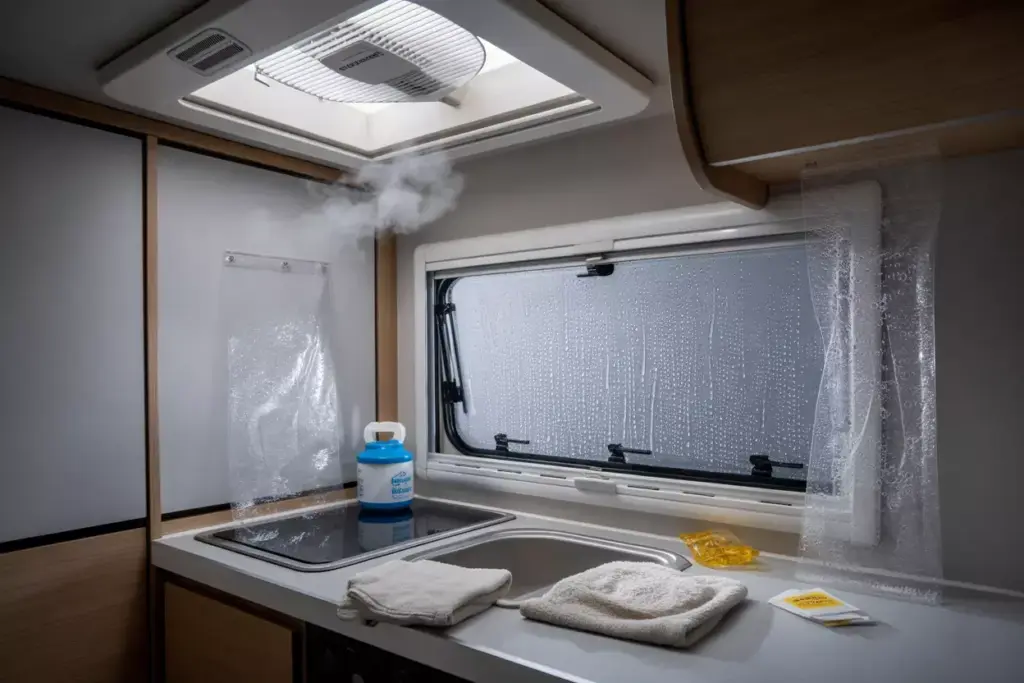
Winter camping creates a perfect storm for moisture problems. Condensation management becomes critical when warm, humid air inside the camper meets cold surfaces like windows, walls, and ceilings. Without proper moisture control, winter campers face mold, mildew, structural damage, and unhealthy living conditions.
Understanding the Moisture Problem
Every activity inside a camper generates moisture. Breathing, cooking, showering, and even propane heating produce water vapor. In summer, this moisture easily escapes through ventilation. In winter, sealed campers trap this humidity, leading to condensation on cold surfaces.
Temperature differential drives condensation formation. When indoor air at 70°F and 50% humidity contacts a window at 30°F, water droplets form immediately. This process continues 24/7 during winter camping, creating gallons of unwanted water inside the camper.
Strategic Ventilation Solutions
Roof vent fans must continue operating even in winter, albeit at reduced speeds. Many campers make the mistake of completely sealing their RV, which guarantees moisture problems. Running exhaust fans on low speed creates gentle air circulation without significant heat loss.
Crack windows strategically to create cross-ventilation. Opening bathroom and bedroom windows just 1-2 inches allows humid air to escape while maintaining overall warmth. This technique works especially well during cooking or showering.
Range hood operation during cooking removes moisture at the source. Always run the range hood when using the stovetop or oven, and continue running it for 10-15 minutes after cooking to clear residual humidity.
Moisture Absorption and Prevention
Desiccant products actively remove moisture from the air. DampRid containers, rechargeable silica gel packets, or electric dehumidifiers can significantly reduce indoor humidity levels. Place these products in areas prone to condensation like bathrooms, bedrooms, and storage compartments.
Vapor barriers on windows prevent direct contact between warm air and cold glass. Plastic sheeting, bubble wrap, or specialized window films create insulating air gaps while reducing condensation formation.
Immediate water removal prevents long-term problems. Wipe down windows, walls, and surfaces daily to remove condensation before it can cause damage. Keep absorbent towels handy and check problem areas multiple times daily.
Essential Winter Safety and Emergency Preparedness
Winter camping safety extends far beyond staying warm. Emergency preparedness becomes a matter of life and death when campers are isolated in harsh weather conditions. The 6 Winter Camper Living Hacks to Stay Warm, Safe, and Sane include comprehensive safety planning that covers heating failures, medical emergencies, and severe weather events.
3. Establish Redundant Heating Systems and Emergency Protocols
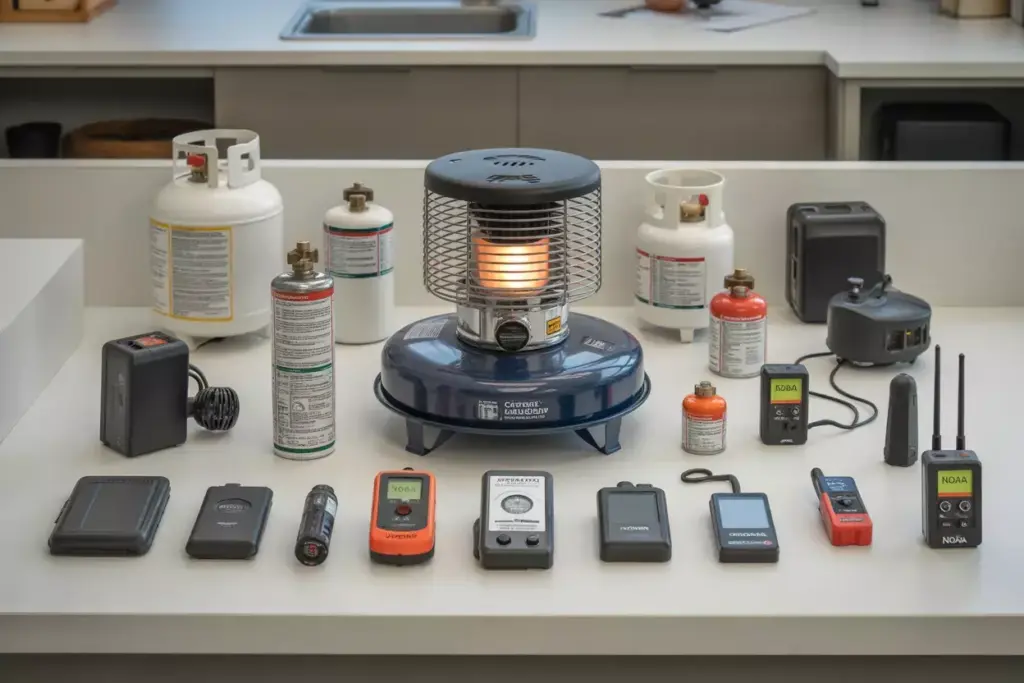
Backup heating sources provide security when primary systems fail. Propane catalytic heaters offer flameless heat that works during power outages. These units require adequate ventilation but can maintain livable temperatures for days without electricity.
Emergency heating supplies should include extra propane tanks, backup batteries for fans, and alternative fuel sources. Store these supplies in heated compartments to prevent freezing. Propane regulators can freeze in extreme cold, so keeping spare regulators warm ensures continued operation.
Carbon monoxide detection becomes critical with increased heating system usage. Install multiple CO detectors throughout the camper and test batteries monthly. Propane appliances, generators, and catalytic heaters all produce carbon monoxide, making detection systems essential safety equipment.
Communication and Location Safety
Satellite communication devices work when cell towers fail. Personal locator beacons (PLBs) or satellite messengers like Garmin inReach provide emergency communication regardless of location. These devices can summon help even from remote wilderness areas.
Weather monitoring equipment helps predict dangerous conditions. NOAA weather radios, barometric pressure monitors, and temperature alarms provide early warning of severe weather. Many modern weather stations connect to smartphones for convenient monitoring.
Location sharing protocols ensure someone knows the camper’s location. Share GPS coordinates with family or friends and establish regular check-in schedules. Provide detailed itineraries including planned moves and expected arrival times.
4. Create Comprehensive Emergency Supply Caches
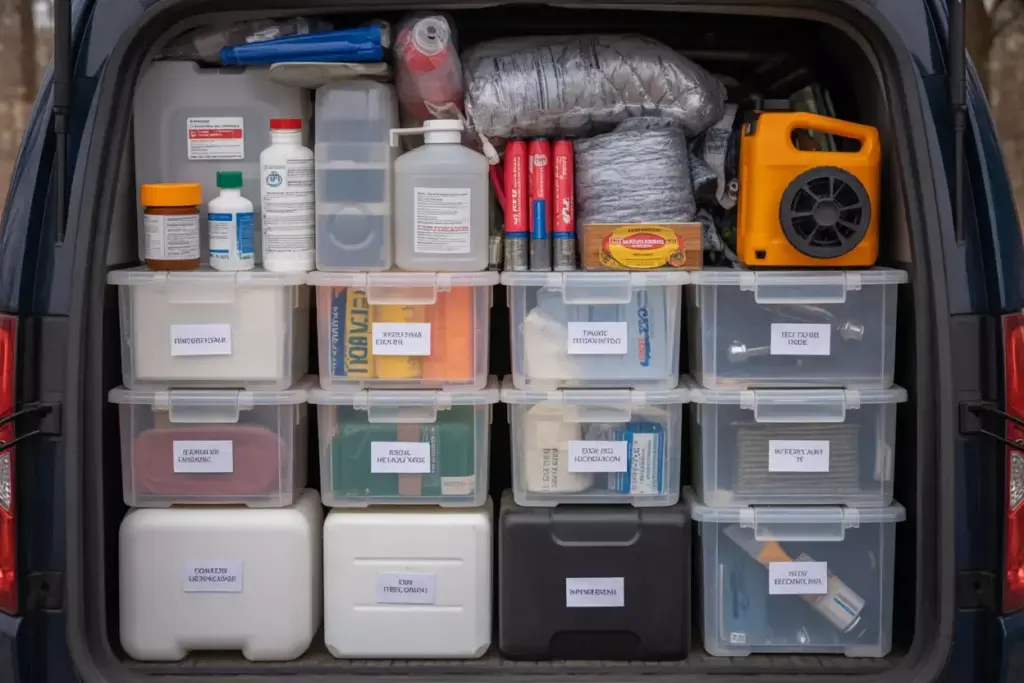
Medical emergency supplies must account for delayed rescue scenarios. Stock prescription medications for at least two weeks beyond planned trips. Include basic trauma supplies, hypothermia treatment materials, and emergency medications for common winter ailments.
Food and water reserves provide security during extended isolation. Store non-perishable foods that don’t require cooking in case of heating system failures. Maintain unfrozen water supplies using tank heaters or by storing water inside heated areas.
Tool and repair supplies enable self-rescue from common winter problems. Include pipe repair materials, electrical supplies, generator parts, and basic mechanical tools. Frozen pipes, electrical failures, and heating system problems often require immediate repairs.
Mental Health and Comfort Optimization Strategies
The psychological challenges of winter camping often prove more difficult than physical discomforts. Mental health maintenance during extended periods of cold, darkness, and isolation requires proactive strategies. The 6 Winter Camper Living Hacks to Stay Warm, Safe, and Sane recognize that mental wellness directly impacts safety and enjoyment.
5. Combat Seasonal Depression and Isolation
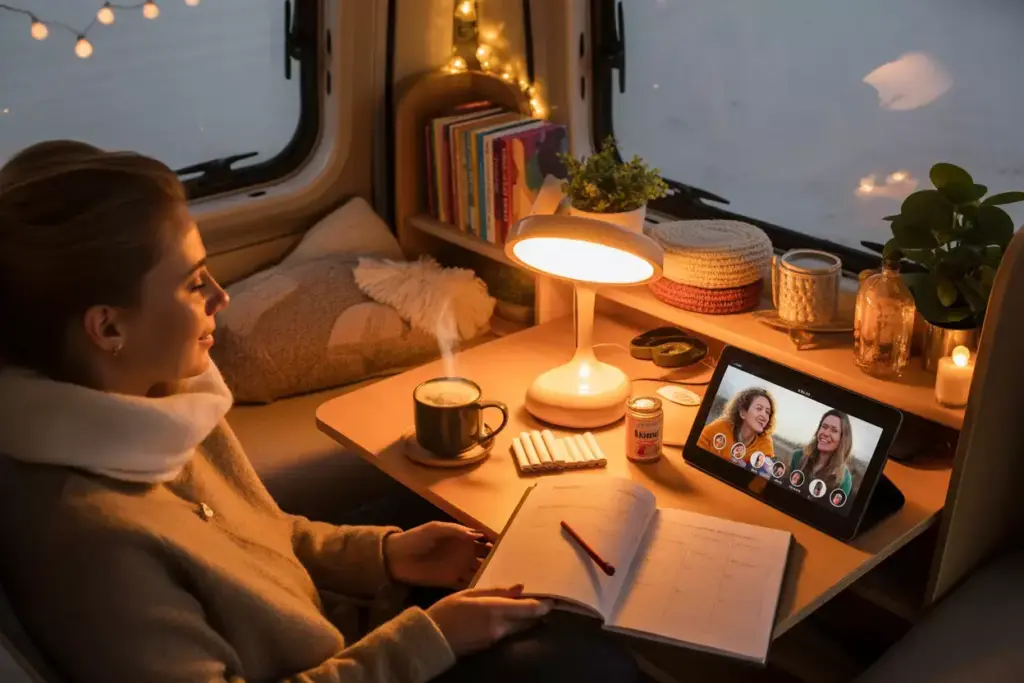
Light therapy systems counteract the effects of reduced daylight exposure. Full-spectrum LED lights or specialized therapy lamps help maintain circadian rhythms and improve mood. Use these lights for 30-60 minutes each morning to simulate natural sunrise patterns.
Vitamin D supplementation becomes essential during winter camping. Reduced sun exposure leads to vitamin D deficiency, which contributes to depression, fatigue, and weakened immune systems. Consult healthcare providers about appropriate supplementation levels.
Social connection maintenance prevents dangerous isolation. Satellite internet, cell boosters, or regular trips to towns with connectivity help maintain relationships. Schedule video calls, participate in online communities, or join winter camping groups for social interaction.
Activity Planning and Routine Development
Structured daily routines provide stability and purpose during long winter days. Establish regular wake times, meal schedules, and activity periods. Consistent routines help maintain mental health and prevent the aimless feeling that leads to cabin fever.
Indoor hobby stations create engaging activities during bad weather. Reading areas, craft supplies, musical instruments, or exercise equipment provide productive outlets. Rotate activities regularly to maintain interest and engagement.
Outdoor activity planning ensures regular fresh air and exercise. Snowshoeing, cross-country skiing, winter photography, or simple walks break the monotony of indoor living. Even 15-30 minutes of outdoor activity significantly improves mental health.
6. Optimize Living Space for Long-Term Comfort
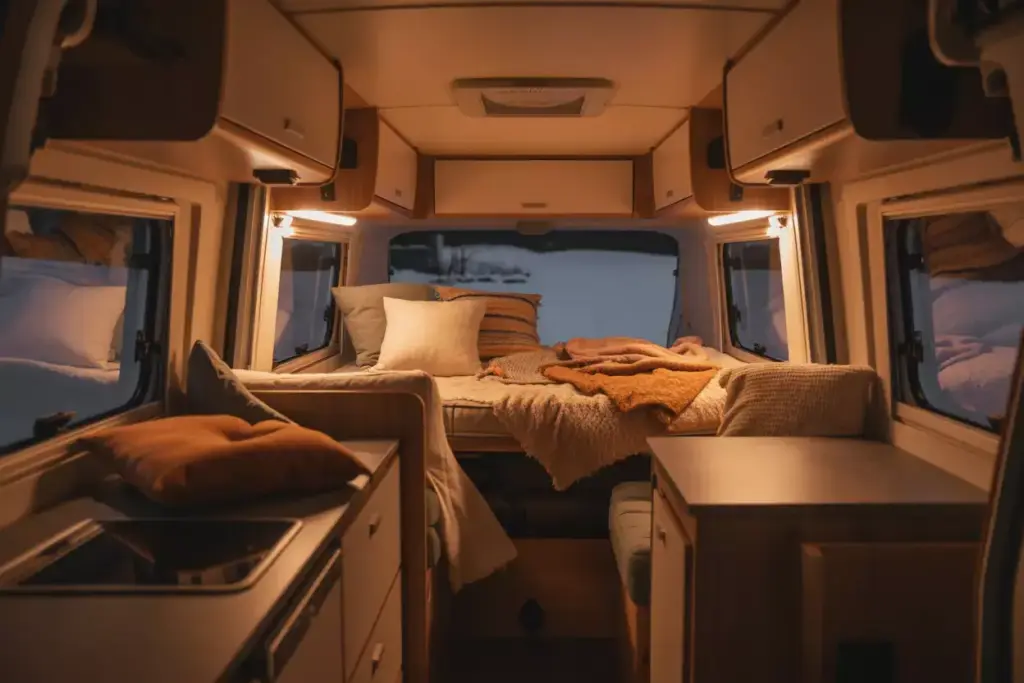
Lighting design dramatically affects mood and functionality. Warm LED lighting creates cozy atmospheres, while bright task lighting supports reading and activities. Dimmer switches allow lighting adjustment throughout the day to maintain natural rhythms.
Space organization becomes critical in confined winter living. Designate specific areas for different activities and maintain clear pathways. Clutter creates stress and makes the space feel smaller, while organization promotes calm and efficiency.
Comfort zone creation provides psychological refuge during difficult periods. Designate a specific area with favorite blankets, pillows, books, or personal items. This space becomes a retreat for relaxation and stress relief.
Advanced Winter Maintenance and Longevity Tips
Successful winter camping requires ongoing maintenance and system monitoring. Preventive maintenance prevents small problems from becoming dangerous emergencies. These advanced strategies ensure reliable operation throughout the winter season.
Plumbing System Protection
Heated water hoses and tank heating systems prevent freezing while maintaining water access. Thermostatically controlled heating elements automatically activate when temperatures drop. Insulated hose covers provide additional protection during extreme cold.
Pipe insulation and heat tape protect vulnerable plumbing components. Wrap exposed pipes with foam insulation and apply heat tape to areas prone to freezing. Monitor these systems daily to ensure proper operation.
Gray and black tank management requires special attention in winter. Heated dump valves, tank heaters, and appropriate chemical treatments prevent freezing and maintain sanitation system function.
Electrical System Optimization
Battery maintenance becomes challenging in cold weather. Lithium batteries perform better in cold conditions than lead-acid batteries, but both require protection from extreme temperatures. Battery heaters or insulated compartments maintain optimal performance.
Solar panel efficiency drops significantly in winter due to reduced daylight and snow coverage. Tiltable panel mounts maximize sun exposure, while regular snow removal maintains power generation. Consider supplemental charging methods like generators or wind power.
Power management strategies account for increased electrical demands. Heating systems, lights, and comfort devices consume more power during winter camping. Monitor usage carefully and adjust consumption to match available power generation.
Structural Protection and Maintenance
Roof maintenance prevents ice dams and structural damage. Regular snow removal reduces weight loads and prevents ice formation. Check for leaks, seal damage, and proper drainage to avoid water infiltration.
Slide-out protection requires special attention in winter conditions. Lubricate seals, check alignment, and avoid operating slides in extreme cold. Ice formation can damage seals and mechanisms, leading to expensive repairs.
Tire and leveling system care ensures mobility and stability. Monitor tire pressure regularly as cold weather reduces pressure. Protect leveling jacks from freezing and maintain proper lubrication for reliable operation.
Technology Integration for Winter Camping Success
Modern technology significantly improves winter camping safety and comfort. Smart monitoring systems provide real-time information about critical camper functions, while communication technology maintains connections to the outside world.
Monitoring and Control Systems
Remote temperature monitoring allows continuous oversight of critical areas. Wireless sensors in water bays, battery compartments, and living areas provide alerts when temperatures approach dangerous levels. Many systems send smartphone notifications for immediate awareness.
Propane monitoring systems track fuel consumption and predict refill needs. Smart propane gauges provide accurate readings regardless of temperature, while consumption monitors help plan fuel stops and usage patterns.
Battery monitoring technology tracks power system performance and alerts users to potential problems. Sophisticated battery monitors display voltage, current, and remaining capacity while predicting available runtime based on current usage.
Communication and Entertainment
Internet connectivity solutions maintain communication and provide entertainment during long winter days. Cellular boosters, satellite internet, and portable hotspots ensure reliable connections for work, communication, and streaming entertainment.
Weather monitoring apps and emergency alert systems provide critical safety information. NOAA weather apps, avalanche forecasts, and severe weather alerts help winter campers make informed decisions about travel and safety.
Entertainment systems combat boredom and isolation during extended indoor periods. Streaming services, downloaded content, gaming systems, and digital books provide endless entertainment options without requiring internet connectivity.
Conclusion
Mastering the 6 Winter Camper Living Hacks to Stay Warm, Safe, and Sane transforms winter camping from a survival challenge into an enjoyable lifestyle choice. Success depends on comprehensive preparation, redundant safety systems, and proactive maintenance of both physical and mental health.
The key to successful winter camping lies in understanding that cold weather amplifies every aspect of RV living. Small problems become major emergencies, comfort issues affect safety, and mental health directly impacts decision-making abilities. By implementing layered heating systems, managing moisture effectively, maintaining emergency preparedness, prioritizing mental health, and staying current with maintenance, winter campers can enjoy the unique beauty and solitude that cold-weather camping provides.
Take action today by evaluating current winter camping preparations against these comprehensive strategies. Start with the most critical safety items like backup heating, emergency communication, and moisture control systems. Gradually implement comfort and convenience improvements as experience and confidence grow.
Winter camping offers unparalleled opportunities for adventure, solitude, and natural beauty that summer campers never experience. With proper preparation and the right mindset, winter can become the most rewarding camping season of all.