9 Pro Tips for Your First Time Camping in Rocky Mountain National Park
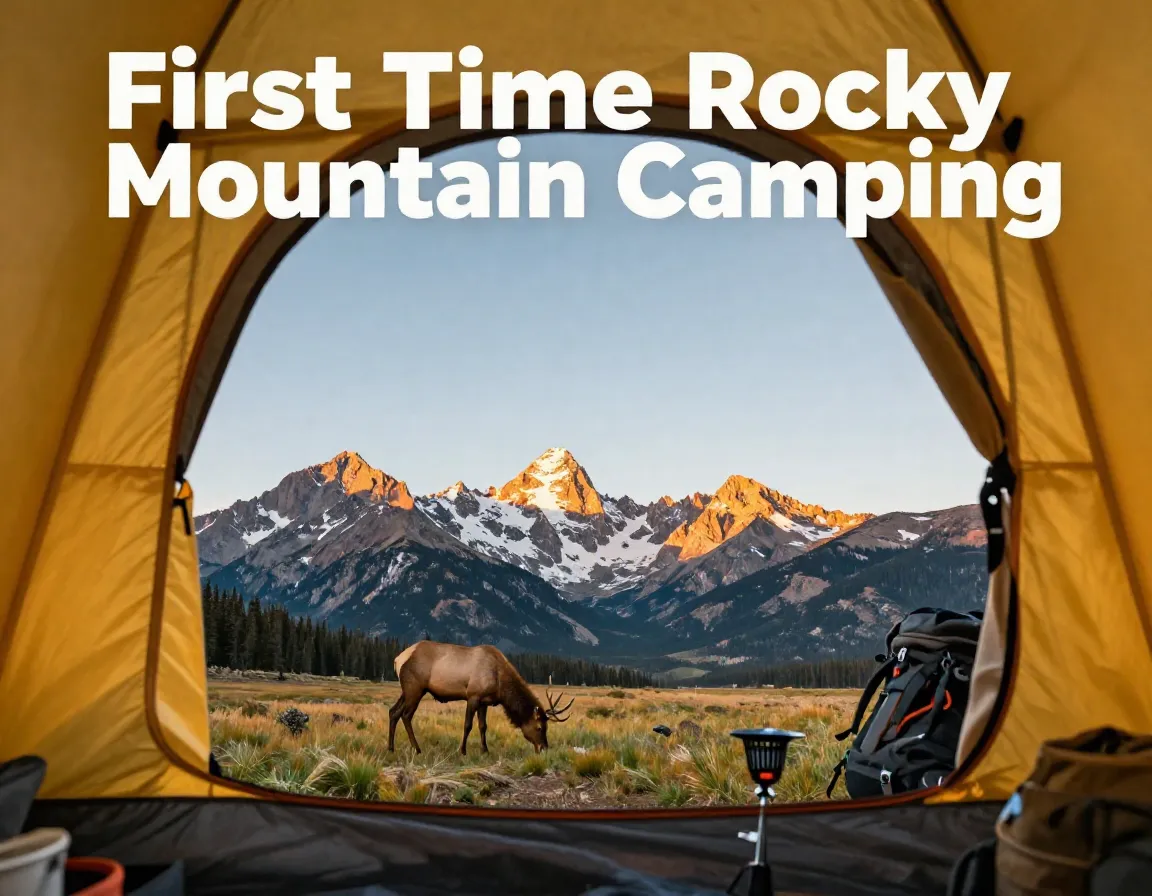
Imagine waking up at 10,000 feet above sea level, unzipping your tent door, and staring straight into a wall of jagged, snow-dusted peaks while a bull elk grazes 50 yards away. That moment is absolutely real — but only if you plan your trip the right way. If you skip the prep work, you could find yourself turned away at the gate, stuck without a campsite, or gasping for air on a trail you weren’t ready for. That’s exactly why I put together these 9 Pro Tips for Your First Time Camping in Rocky Mountain National Park — so your first visit becomes a story you brag about, not one you’d rather forget.
Whether you’re a weekend warrior or a complete beginner, this guide walks you through everything: reservations, timed entry permits, altitude prep, fire rules, and more.
Key Takeaways
- 🏕️ Book early — most campsite reservations open months in advance and sell out fast
- 🎟️ Timed entry permits are required during peak season starting May 22, 2026
- 🐻 Bear-safe food storage and fire regulations are strictly enforced
- 🏔️ Altitude sickness is real — prepare your body before you arrive
- 📋 Know your campground’s size limits before bringing an RV or large trailer
The Essential Planning Framework: Tips 1–5
1. Reserve Your Campsite as Early as Humanly Possible
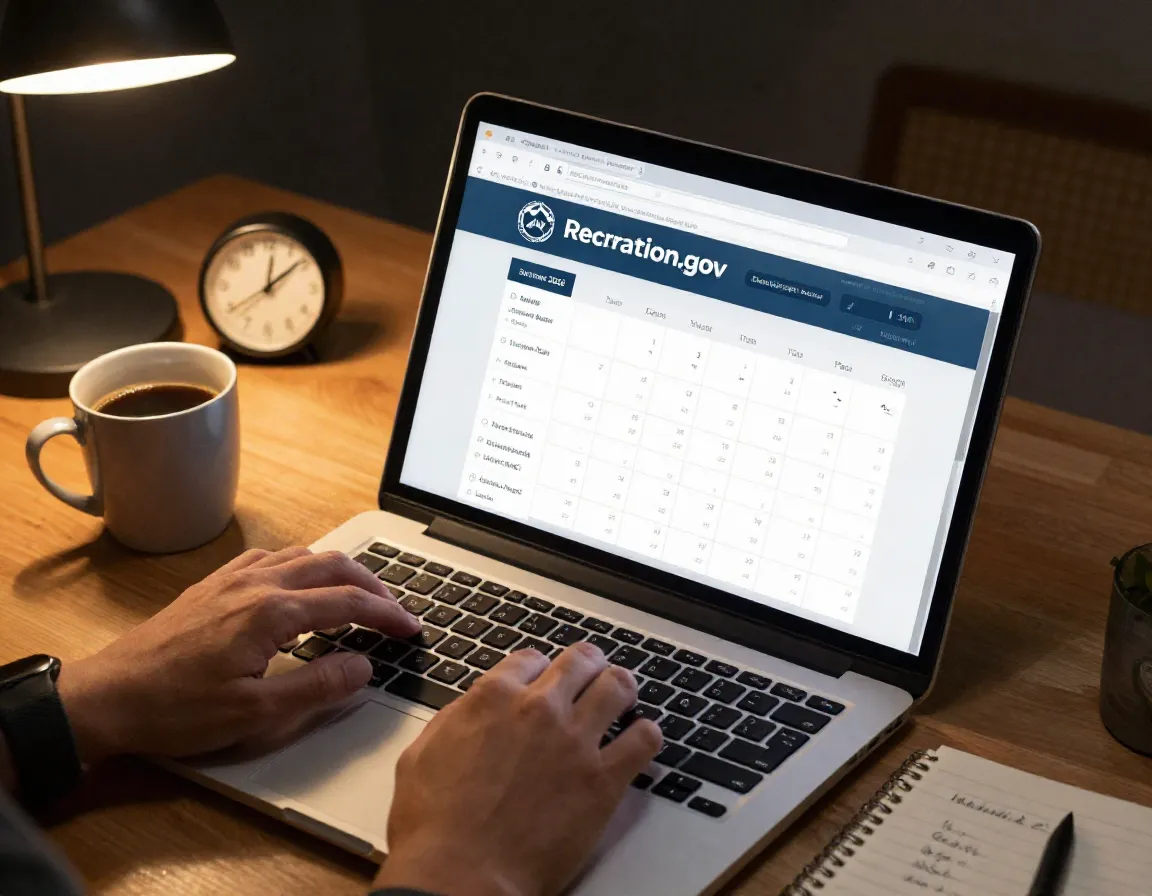
This is the single most important step for first-time campers. Rocky Mountain National Park’s campgrounds are wildly popular, and sites disappear within minutes of opening on Recreation.gov.
Here’s a quick look at the main campgrounds and what they offer in 2026:
| Campground | Max RV/Trailer | Opens (Summer 2026) | Reservation Type |
|---|---|---|---|
| Moraine Park | 40 feet | May 21, 2026 | Reservable |
| Glacier Basin | 35 feet | May 21, 2026 | Reservable |
| Aspenglen | 30 feet | May 21, 2026 | Reservable |
| Timber Creek | 30 feet | May 21, 2026 | Reservable |
| Longs Peak | Tents only | Early July 2026 | First-come, first-served |
Standard non-electric campsites cost $30 per night. Electric hookup sites (available in Loops B and C at Moraine Park) run higher. Each site allows a maximum of eight people and one camping unit plus one additional tent. Only two vehicles per site are permitted, and each must park on the gravel or paved pad [1].
💡 Pro Tip: Moraine Park Campground is open for winter camping through May 18, 2026, then closes briefly before reopening for summer on May 21, 2026 [1]. If you’re visiting in late May, plan around that gap.
2. Understand the 2026 Timed Entry Permit System

Here’s where many first-timers get tripped up. Starting May 22, 2026, you need a timed entry permit to drive into the park during peak hours — even if you already have a campsite reservation [2].
There are two permit types:
- Bear Lake Road Corridor permit — valid 5 a.m. to 6 p.m.
- Rest of park permit — valid 9 a.m. to 2 p.m.
The good news for campers: if you’re checking in on your first day, you can enter the park at 1 p.m. without a separate timed entry permit. However, if you want to arrive before 9 a.m., you’ll need to purchase an additional permit [3].
🎟️ “The timed entry system exists to protect the park’s ecosystems and improve the visitor experience — plan around it, not against it.”
3. Know the Stay Limits Before You Book
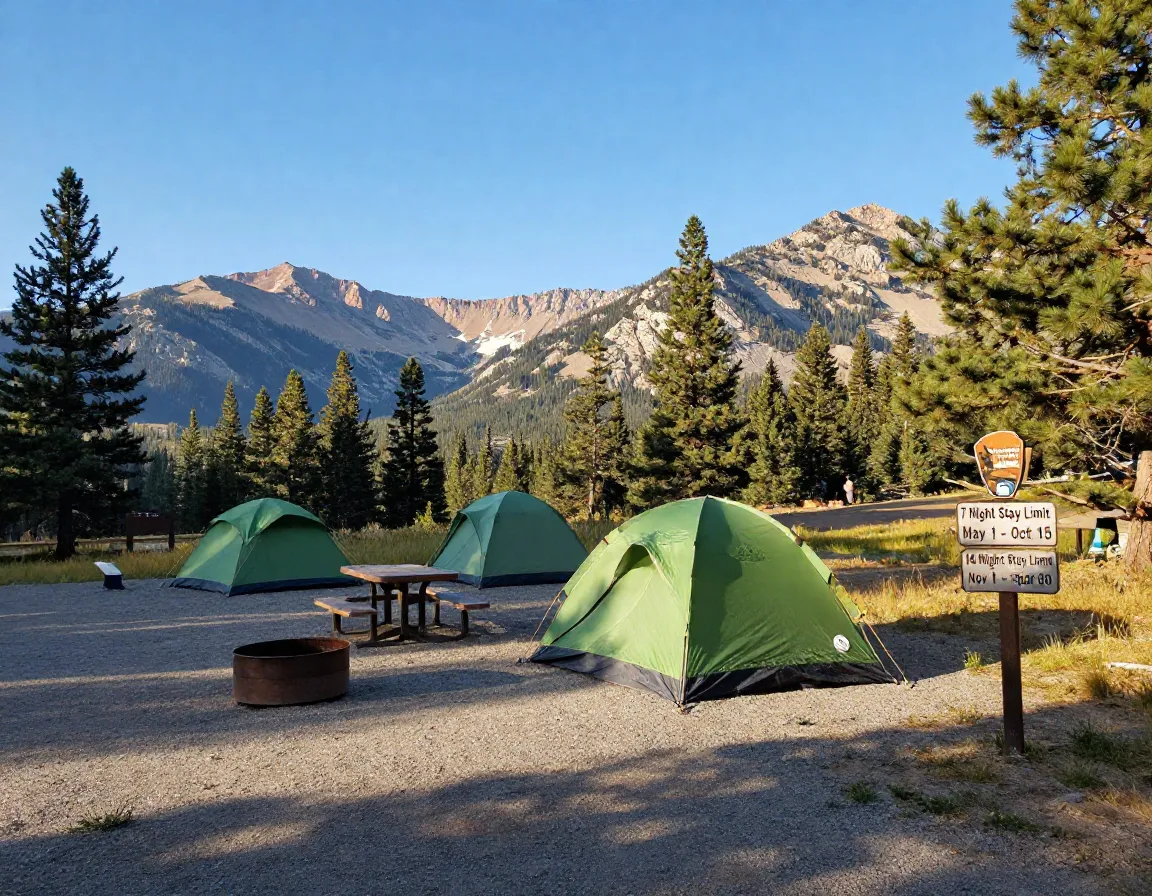
Rocky Mountain National Park enforces strict camping limits to protect resources and give everyone a fair shot [1]:
- Summer season (May 1–October 15): Maximum 7 nights total across all park campgrounds
- Winter season (November 1–April 30): Maximum 14 nights total
This means you can’t simply park yourself at Moraine Park for two weeks in July. Plan your itinerary around these caps, especially if you’re combining frontcountry camping with day hikes.
4. Get Your Wilderness Permit Early for Backcountry Camping
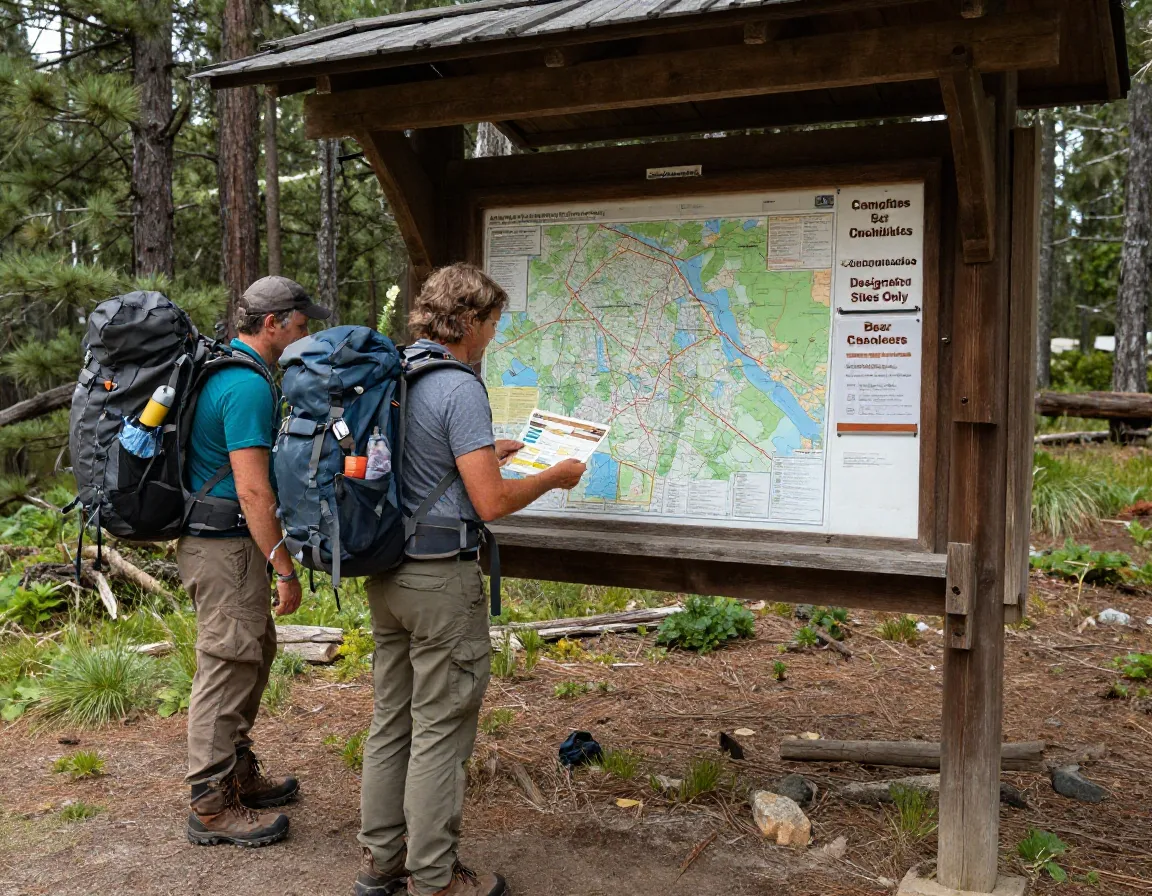
If you’re dreaming of sleeping under the stars deep in the backcountry, you’ll need a wilderness permit — and these are required year-round [5].
Summer permit reservations open at 8 a.m. MST on March 1 through Recreation.gov [4]. Spots go fast. Walk-up permits are available but not guaranteed during peak season.
Key backcountry rules to know:
- Camping is only allowed in designated sites — no cowboy camping
- Campfires are rarely permitted at wilderness sites; check your specific site’s rules
- Bear canisters or approved bear boxes must be used for food storage
5. Match Your Campground to Your Rig
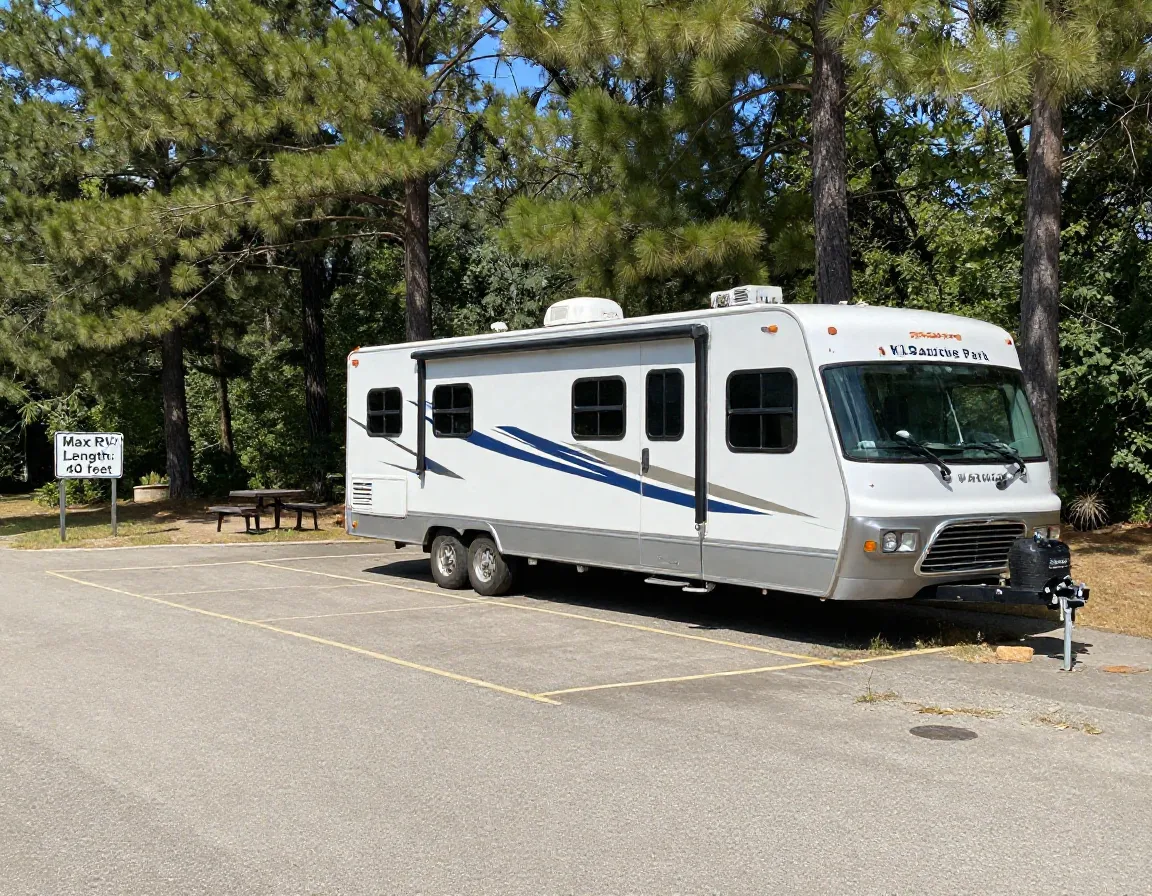
Nothing ruins a trip faster than showing up with a 38-foot trailer and discovering the campground only accepts rigs up to 30 feet. Double-check these limits before you leave home [1]:
- Moraine Park: 40 feet max
- Glacier Basin: 35 feet max
- Aspenglen: 30 feet max
- Timber Creek: 30 feet max
- Longs Peak: Tents only — no RVs, no trailers
Also remember: some individual sites within a campground only accommodate one vehicle, not two. Call ahead or check the Recreation.gov site map when booking.
On-the-Ground Success: Tips 6–9
6. Prepare Your Body for High Altitude
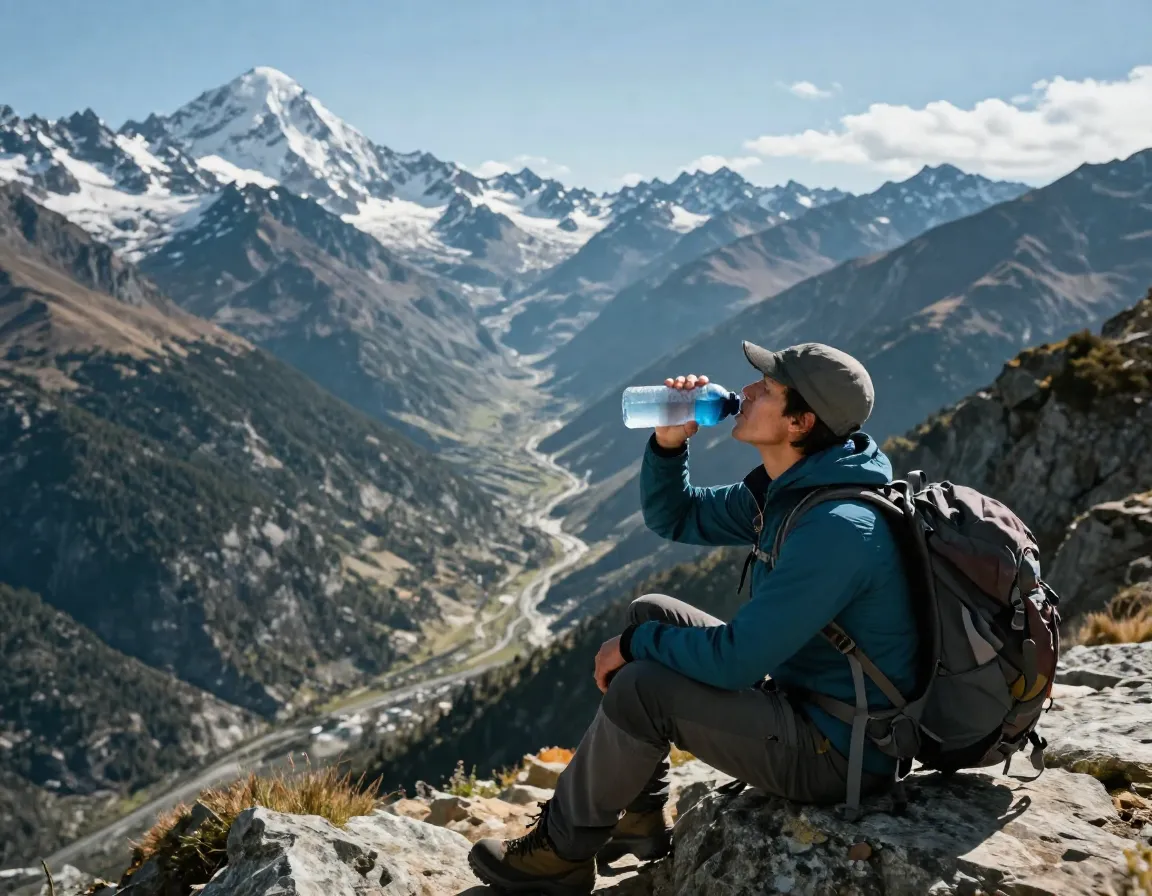
Rocky Mountain National Park sits at elevations ranging from about 7,500 feet to over 14,000 feet. For most visitors coming from lower elevations, this is a serious adjustment.
Altitude sickness symptoms can include:
- Headache and dizziness
- Nausea or loss of appetite
- Fatigue and shortness of breath
- Difficulty sleeping
Here’s how to reduce your risk:
- Arrive a day early and sleep at a lower elevation before heading into the park
- Stay hydrated — drink more water than you think you need
- Avoid alcohol for the first 24–48 hours
- Ascend gradually — don’t jump straight to a 13,000-foot trail on day one
- Talk to your doctor about acetazolamide (Diamox) if you’re highly susceptible
7. Follow Fire Rules to the Letter
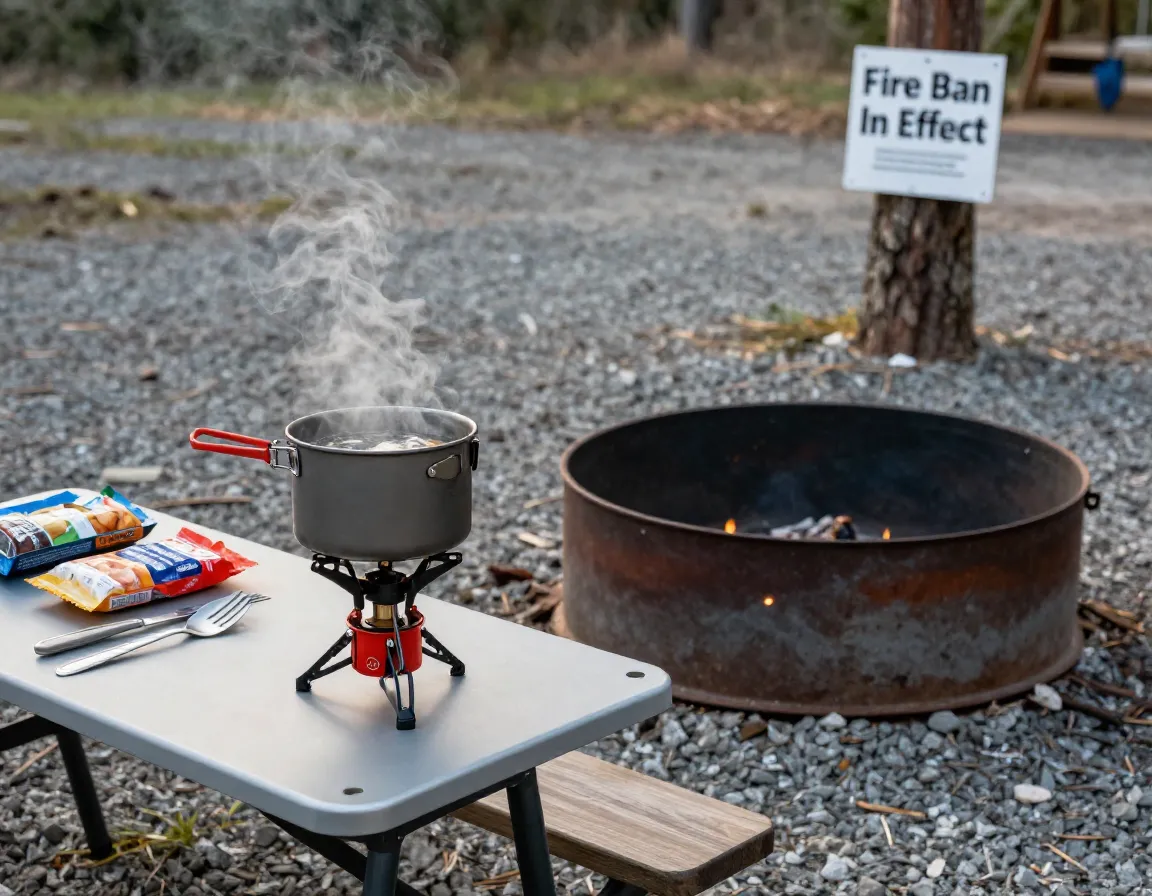
Fire regulations in Rocky Mountain National Park are non-negotiable, and violations carry real fines [5].
The rules are simple:
- Fires are only allowed in designated campsites with metal fire rings
- Very few wilderness sites permit campfires at all
- Never leave a fire unattended
- Drown fires completely with water — if it’s too hot to touch, it’s too hot to leave
🔥 During dry conditions, the park may impose a complete fire ban with zero notice. Always check current conditions at the park entrance or on the NPS website before your trip.
⚠️ Bring a camp stove. It’s the safest, most reliable way to cook at altitude, and it works even when fire bans are in effect.
8. Practice Bear-Safe Camping from Day One
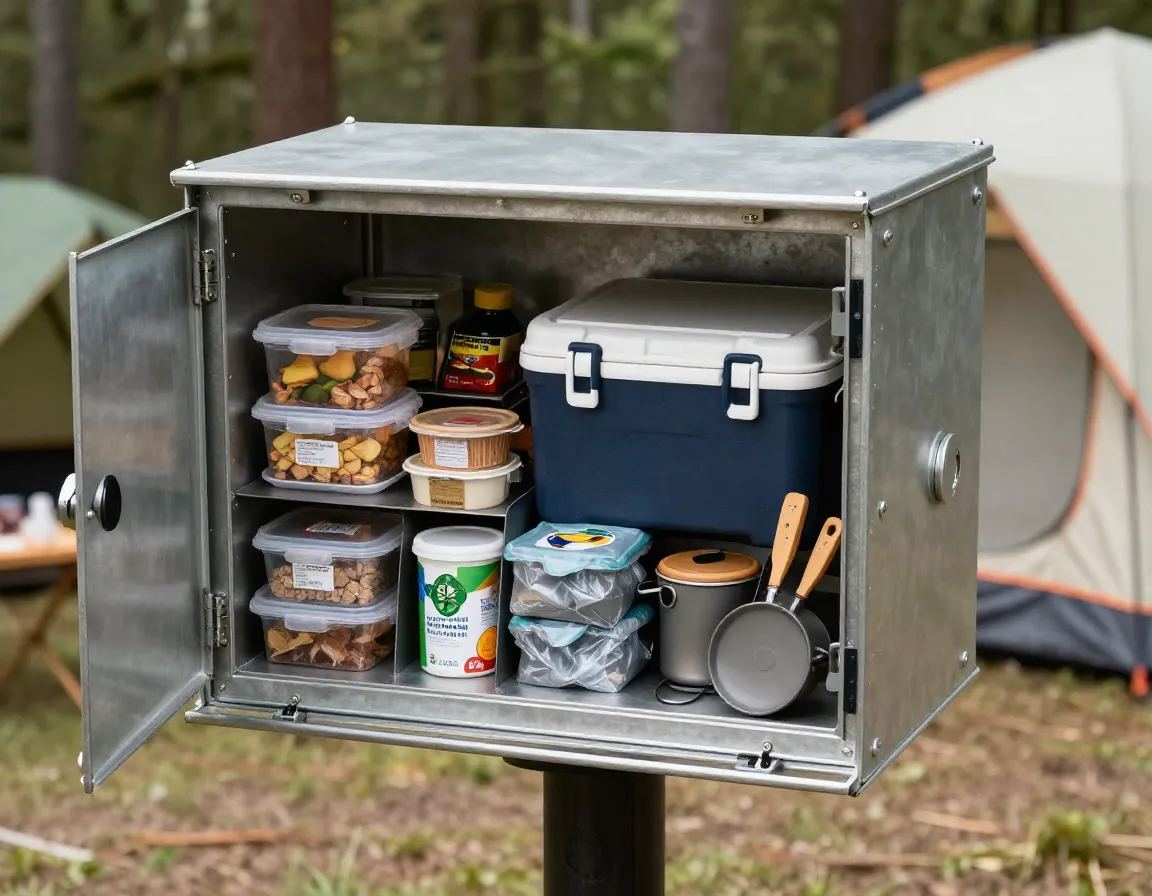
Black bears are active throughout Rocky Mountain National Park, and they’re smart. A bear that gets into human food becomes a problem bear — and problem bears often have to be euthanized. Don’t let your carelessness cost an animal its life.
Bear-safe rules every camper must follow:
- Store all food, trash, and scented items in a hard-sided vehicle or bear box when not in use
- Never store food in your tent — not even a granola bar
- Use bear canisters in the backcountry
- Clean up food scraps immediately after meals
- Keep a clean campsite at all times
Campgrounds provide bear boxes at most sites. Use them.
9. Layer Up and Expect Weather to Change Fast
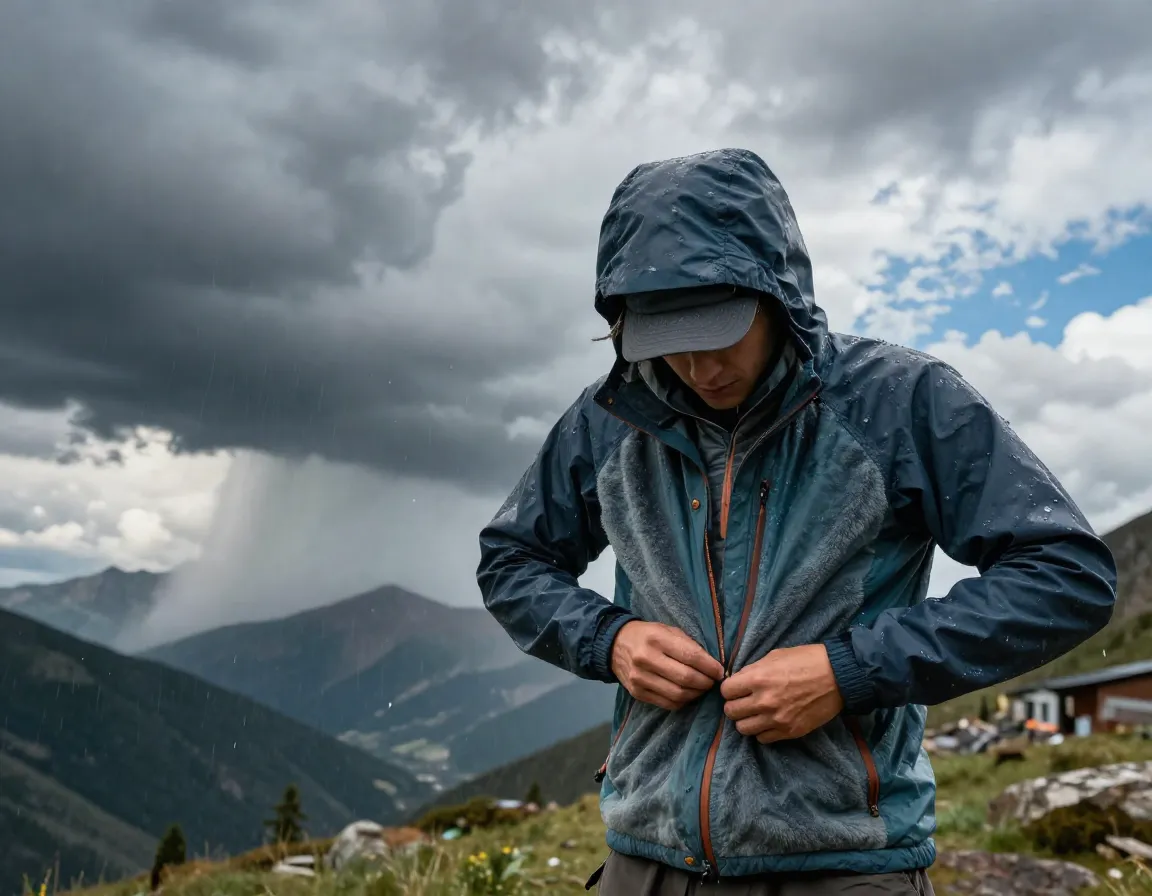
The Rocky Mountains are famous for afternoon thunderstorms, especially in July and August. At altitude, the weather can shift from sunny to hailing in under 30 minutes.
Essential clothing layers for RMNP camping:
- Base layer: Moisture-wicking synthetic or merino wool
- Mid layer: Fleece or down jacket
- Outer layer: Waterproof, windproof shell
- Extras: Warm hat, gloves (yes, even in summer), and waterproof boots
📅 Best practice: Plan hikes for early morning and be back at camp or below treeline by early afternoon. Lightning above treeline is extremely dangerous.
Conclusion
Your first time camping in Rocky Mountain National Park can be one of the most rewarding outdoor experiences of your life — but only if you go in prepared. These 9 Pro Tips for Your First Time Camping in Rocky Mountain National Park cover the most critical bases: booking your site early, navigating the 2026 timed entry system, understanding stay limits, respecting fire and bear safety rules, and preparing your body for high altitude.
Your actionable next steps:
- ✅ Visit Recreation.gov today and check campsite availability
- ✅ Book your timed entry permit for May 22, 2026 or later at recreation.gov
- ✅ Review the NPS camping regulations page for the latest 2026 updates
- ✅ Start your altitude acclimatization plan if you’re coming from sea level
- ✅ Pack your bear canister, rain shell, and camp stove before anything else
The mountains are waiting. Go prepared, leave no trace, and enjoy every breathtaking second of it. 🏔️
References
[1] Camping – https://www.nps.gov/romo/planyourvisit/camping.htm
[2] Rocky Mountain National Park Announces 2026 Timed Entry Reservation System – https://www.nps.gov/romo/learn/news/rocky-mountain-national-park-announces-2026-timed-entry-reservation-system.htm
[3] Timed Entry Permit System – https://www.nps.gov/romo/planyourvisit/timed-entry-permit-system.htm
[4] 2026 Ultimate Permit List – https://theparkschannel.com/featured/2026-ultimate-permit-list
[5] Regulations – https://www.rockymountainnationalpark.com/gallery/regulations/