9 Must-Have Travel Items for Your European Hiking Adventure
Picture this: you’re three hours into a stunning trail in the Dolomites when the sky turns dark, the temperature drops 10 degrees, and your cotton t-shirt is soaked through. Your feet are screaming, your knees ache on the descent, and you realize your “waterproof” jacket is anything but. Sound familiar? It doesn’t have to be. Knowing the 9 Must-Have Travel Items for Your European Hiking Adventure before you leave home is the difference between a miserable slog and the trip of a lifetime.

Whether you’re planning to tackle the Tour du Mont Blanc, wander the Cinque Terre coastal paths, or explore the rugged trails of Scotland’s Highlands, Europe’s hiking terrain demands smart preparation. In this guide, I’ll walk you through every essential piece of kit — from footwear to sun protection — so you can hit the trail with total confidence in 2026.
Key Takeaways
- ✅ Footwear is your foundation — the right boots or trail shoes can make or break your hike.
- ✅ Layering is everything — European mountain weather changes fast; pack moisture-wicking, quick-dry clothing you can layer.
- ✅ A quality waterproof jacket is non-negotiable — even on sunny days, conditions can shift without warning.
- ✅ Trekking poles reduce knee strain — especially critical on multi-day hikes with big elevation changes.
- ✅ Sun protection is often overlooked — high-altitude UV exposure is intense, even on cloudy days.
Why Packing Right Matters for European Hiking
Europe offers some of the world’s most diverse hiking terrain. You might start a morning hike in warm Mediterranean sunshine and end it in a cold mountain downpour. Trails range from gentle coastal walks to technical alpine scrambles above 3,000 meters.
The challenge? Most hikers either over-pack (lugging a 70L bag for a day hike) or under-pack (heading into the Alps in sneakers and a cotton hoodie). Both extremes lead to discomfort, injury risk, and ruined experiences.
💬 “The right gear doesn’t just make hiking more comfortable — it makes it safer. In the mountains, being unprepared isn’t just inconvenient; it can be dangerous.”
Getting the 9 Must-Have Travel Items for Your European Hiking Adventure right means you’ll be ready for whatever the trail throws at you — without breaking your back (or your budget) carrying unnecessary weight.
The Complete Guide to 9 Must-Have Travel Items for Your European Hiking Adventure
Let’s break down each essential item in detail, including what to look for, what to avoid, and pro tips for choosing the right option for your specific trip.
1. Hiking Boots or Trail Shoes
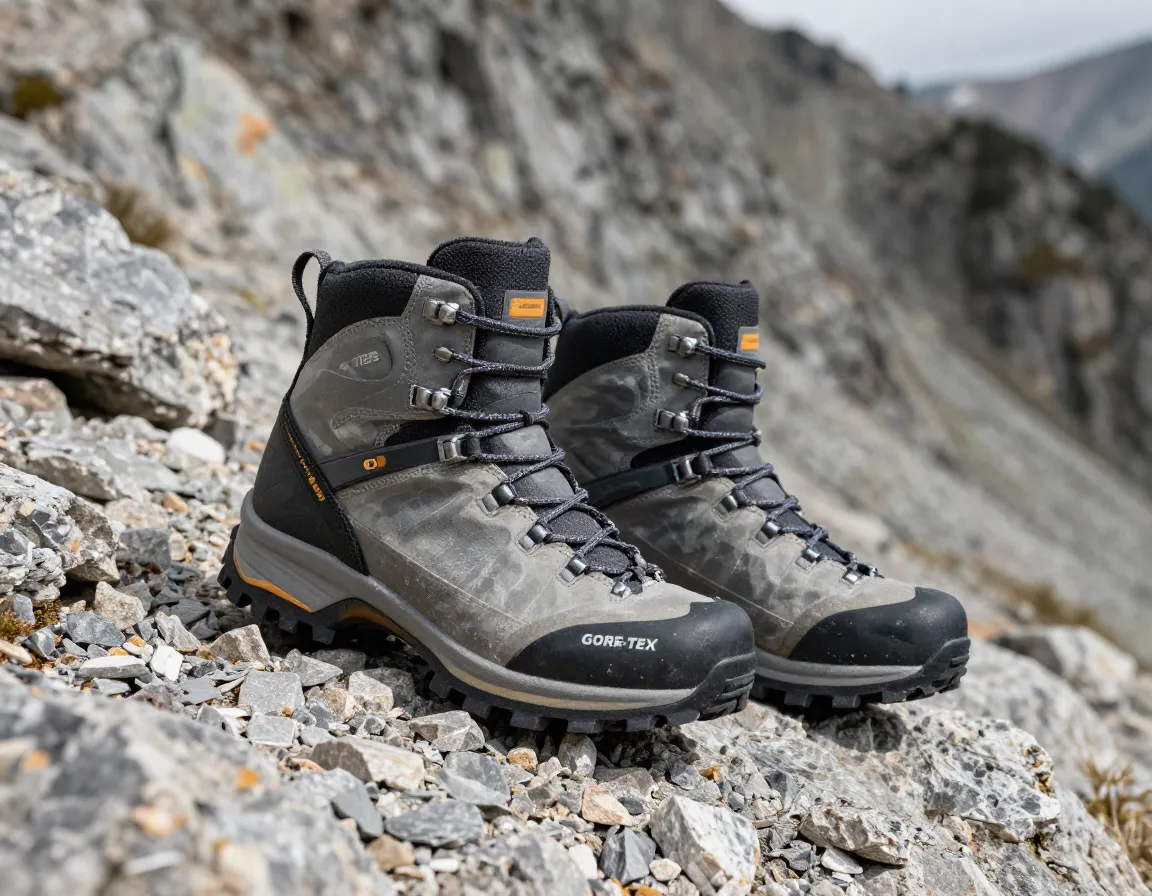
Your footwear is the single most important piece of gear you’ll own. Full stop.
What to look for:
- Ankle support for rocky, uneven, or alpine terrain
- Waterproofing (Gore-Tex lining is the gold standard)
- Proper grip and sole stiffness for the trail type
- A fit that accounts for foot swelling on long days
For demanding routes — think the GR20 in Corsica or any serious alpine trail — invest in quality hiking boots with strong ankle support [1]. For less technical routes like the Camino de Santiago or easy coastal paths, lightweight trail running shoes can work beautifully and save significant weight.
🥾 Pro Tip: Break in your boots at home for at least 2–3 weeks before your trip. New boots on a 10-day trek are a recipe for blisters.
For shorter day hikes on relatively flat terrain, well-supported walking shoes may be enough [1]. The key word is supported — never attempt a European hiking trail in flat sandals or unsupportive sneakers.
| Trail Type | Recommended Footwear |
|---|---|
| Alpine / Technical | Full ankle-support hiking boots |
| Multi-day trekking | Mid-cut waterproof hiking boots |
| Coastal / Easy trails | Trail running shoes |
| Short flat day hikes | Supportive walking shoes |
2. Premium Hiking Socks
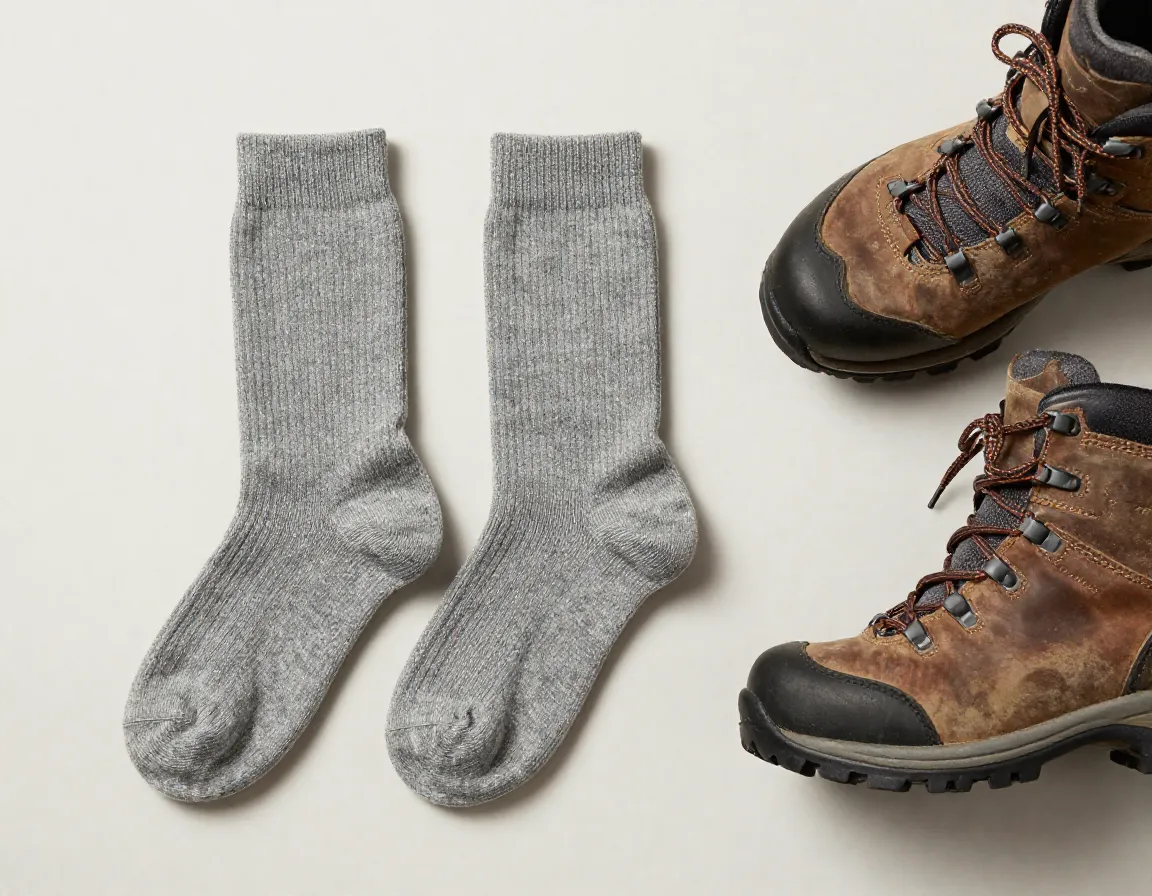
Socks might seem like a minor detail, but experienced hikers know the truth: bad socks ruin good boots.
Why quality matters:
- Prevents blisters by reducing friction
- Manages moisture to keep feet dry
- Provides cushioning on rocky terrain
- Regulates temperature in both heat and cold
Brands like Darn Tough receive strong endorsements from serious hikers for their durability and comfort [2]. These socks are made from merino wool, which naturally wicks moisture, resists odor, and keeps feet comfortable across a wide temperature range.
Pack 2–3 pairs minimum for a week-long trip. Merino wool socks dry quickly and can be hand-washed and dried overnight at most guesthouses or refuges.
💡 Avoid: Cotton socks entirely. Cotton holds moisture, which causes blisters and cold feet. This is a non-negotiable rule on the trail.
3. Waterproof Jacket (Gore-Tex)

If there’s one item on this list where you should never cut corners, it’s your waterproof jacket.
European mountain weather is notoriously unpredictable. A clear morning in the Swiss Alps can turn into a full thunderstorm by early afternoon. A lightweight, breathable Gore-Tex waterproof jacket is essential for most European hiking conditions [1].
What to look for:
- Gore-Tex or equivalent membrane for true waterproofing + breathability
- Packable design (fits into its own pocket or a stuff sack)
- Taped seams for full waterproofing
- Adjustable hood that fits over a helmet or hat
- Underarm zips for ventilation on climbs
Quality Gore-Tex jackets typically cost around £100 and upward [1], which sounds steep — but consider it an investment you’ll use for years. For demanding alpine terrain like the Alps or Pyrenees, a proper Gore-Tex jacket is essential. For less demanding hikes in areas like Mallorca or the Algarve, a lightweight, less expensive option may suffice [1].
🌧️ “A good waterproof jacket is like insurance — you hope you won’t need it, but you’ll be very glad you have it when the weather turns.”
4. Moisture-Wicking Hiking Clothing
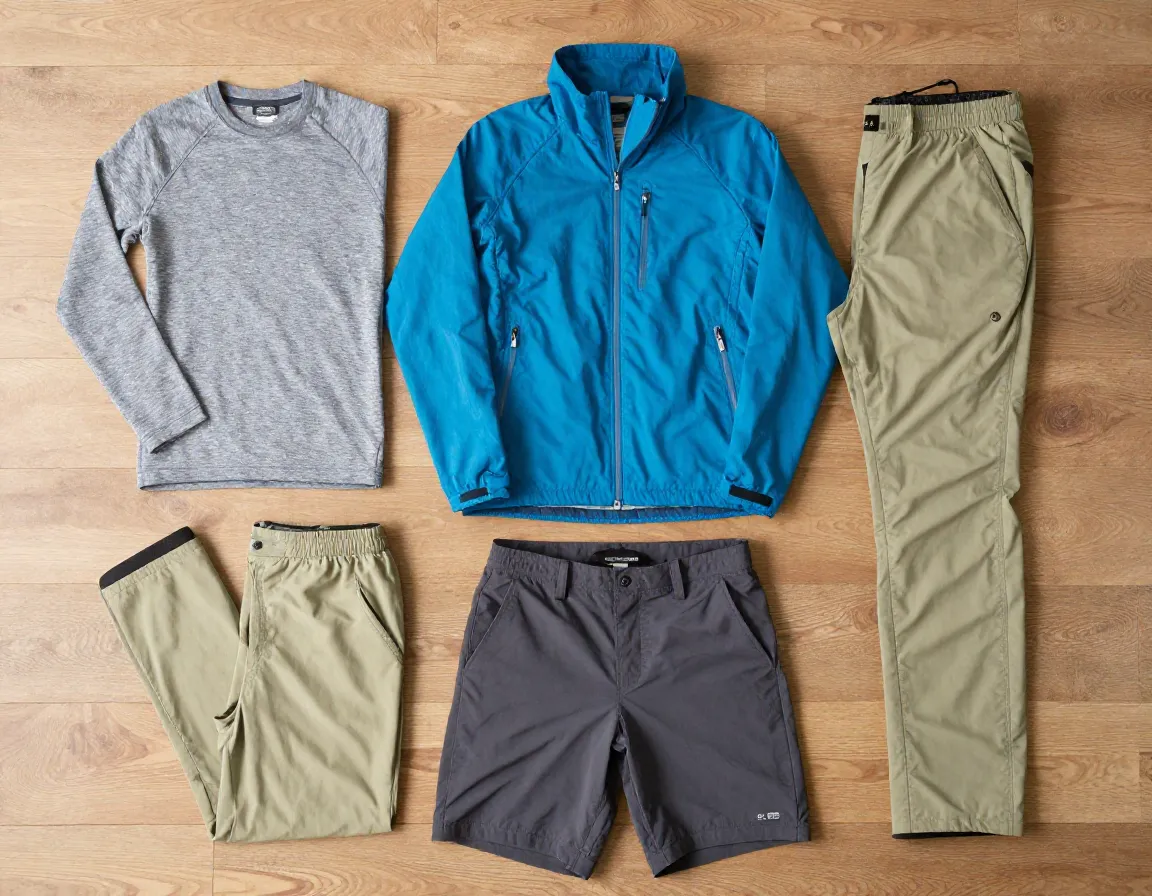
What you wear under your jacket matters just as much as the jacket itself. The golden rule of hiking clothing is simple: layer up, and never wear cotton.
The core hiking wardrobe:
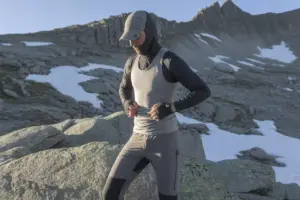
- Moisture-wicking tank tops or base-layer shirts
- Quick-dry hiking shorts for warm weather
- Lightweight hiking pants (convertible zip-off styles are great)
- Long-sleeve shirts with UPF/UV protection for sun exposure [2]
Avoid jeans and any fabrics that take a long time to dry [1]. When jeans get wet — from sweat, rain, or stream crossings — they stay wet, become heavy, and chafe badly. Opt instead for lightweight, stretchy, quick-drying materials that can be layered easily [1].
Recommended layering system:
- Base layer — moisture-wicking synthetic or merino wool
- Mid layer — lightweight fleece or insulated jacket
- Outer layer — waterproof shell (your Gore-Tex jacket)
This system lets you add or remove layers as conditions change throughout the day — which they will, especially in the mountains.
5. UV-Protection Hat
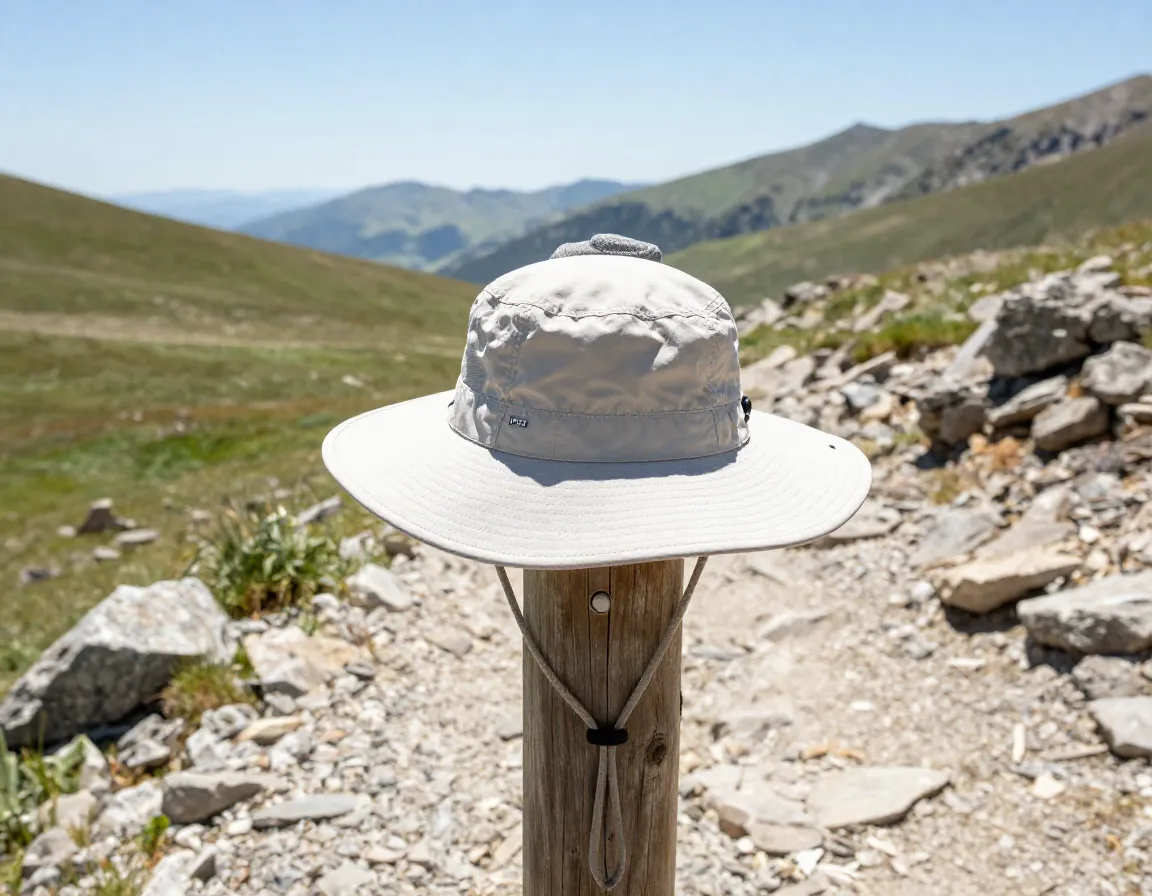
Sun protection is one of the most underestimated elements of a European hiking kit — and one of the most important.
At high altitude, UV radiation increases significantly. You can get serious sunburn on a cloudy day above 2,000 meters, especially on snow or glacier terrain that reflects UV rays back at you.
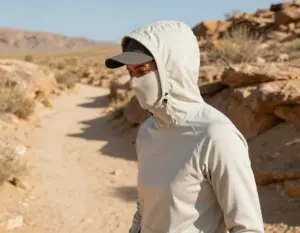
A UV-protection hat with a wider brim is recommended for open plateaus or extra-long, unforested hikes [2]. A baseball cap works fine for forest trails where you have natural shade, but for exposed ridgelines, alpine meadows, or coastal cliffs, a wide-brim hat is a much smarter choice [2].
What to look for in a hiking hat:
- UPF 50+ rating
- Lightweight and packable
- Moisture-wicking sweatband
- Chin strap for windy conditions
- Quick-dry material
☀️ Pro Tip: Pair your hat with SPF 50+ sunscreen — especially on your face, neck, ears, and the back of your hands. Reapply every 2 hours on full-day hikes. Sun hats and high SPF sunscreen are critical components of any serious hiking kit [2].
6. High SPF Sunscreen
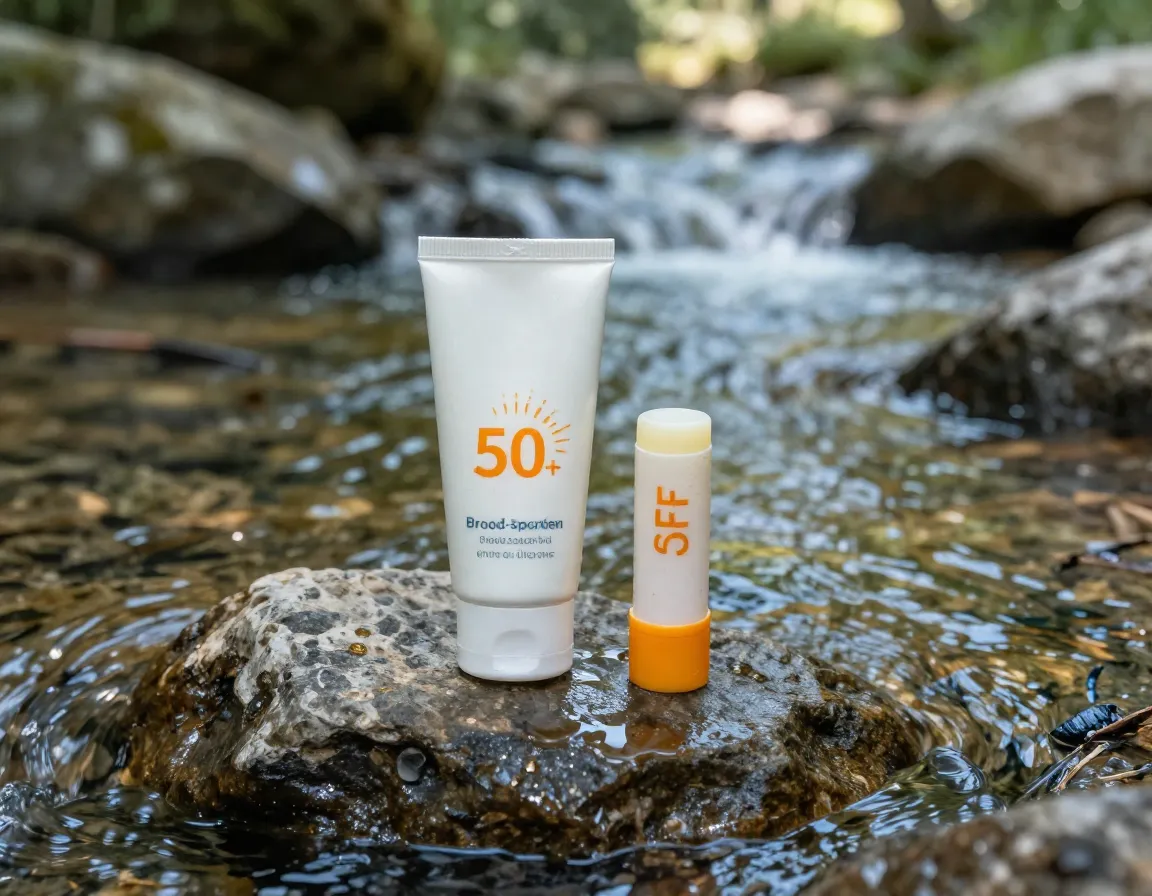
Speaking of sunscreen — it deserves its own spot on this list, because so many hikers forget it or underestimate how much they need.
Why sunscreen is essential on European hikes:
- Alpine UV levels can be 25–50% higher than at sea level
- Reflective surfaces (snow, water, light rock) amplify exposure
- Cloud cover does NOT block UV rays effectively
- Prolonged exposure over multi-day hikes adds up fast
Choose a sunscreen with SPF 50 or higher, broad-spectrum protection (UVA + UVB), and a water-resistant formula. Sweat and exertion will break down regular sunscreen faster than you expect.
Pack a travel-size tube (100ml or under to comply with EU flight restrictions) and a larger backup bottle in your main luggage for longer trips.
| Skin Area | Application Tip |
|---|---|
| Face | Apply 20 min before heading out |
| Neck & ears | Easy to forget — don’t |
| Hands | Reapply after using trekking poles |
| Lips | Use SPF lip balm |
7. The Right Backpack

Your backpack is your mobile base camp. Get the size and fit wrong, and you’ll be miserable within an hour.
Choosing the right size:
- Day hikes: A small daypack of 15–25L is ideal
- Multi-day treks: A 30–45L rucksack with side pockets and accessible compartments is recommended [1]
- Hut-to-hut hiking: 35–45L gives you enough room without excess
Choose a backpack that packs up small and light, since it will frequently move in and out of your main luggage during travel [1]. A collapsible or packable daypack is a brilliant option for hikers who want flexibility.
Key features to look for:
- Padded, adjustable shoulder straps
- Hip belt for weight distribution on longer hikes
- Chest strap for stability
- Side pockets for water bottles
- Rain cover (or waterproof material)
- Ventilated back panel to reduce sweating
🎒 Pro Tip: Pack your heaviest items (water, food, jacket) closest to your back and centered between your shoulder blades. This keeps your center of gravity stable and reduces strain.
8. Trekking Poles
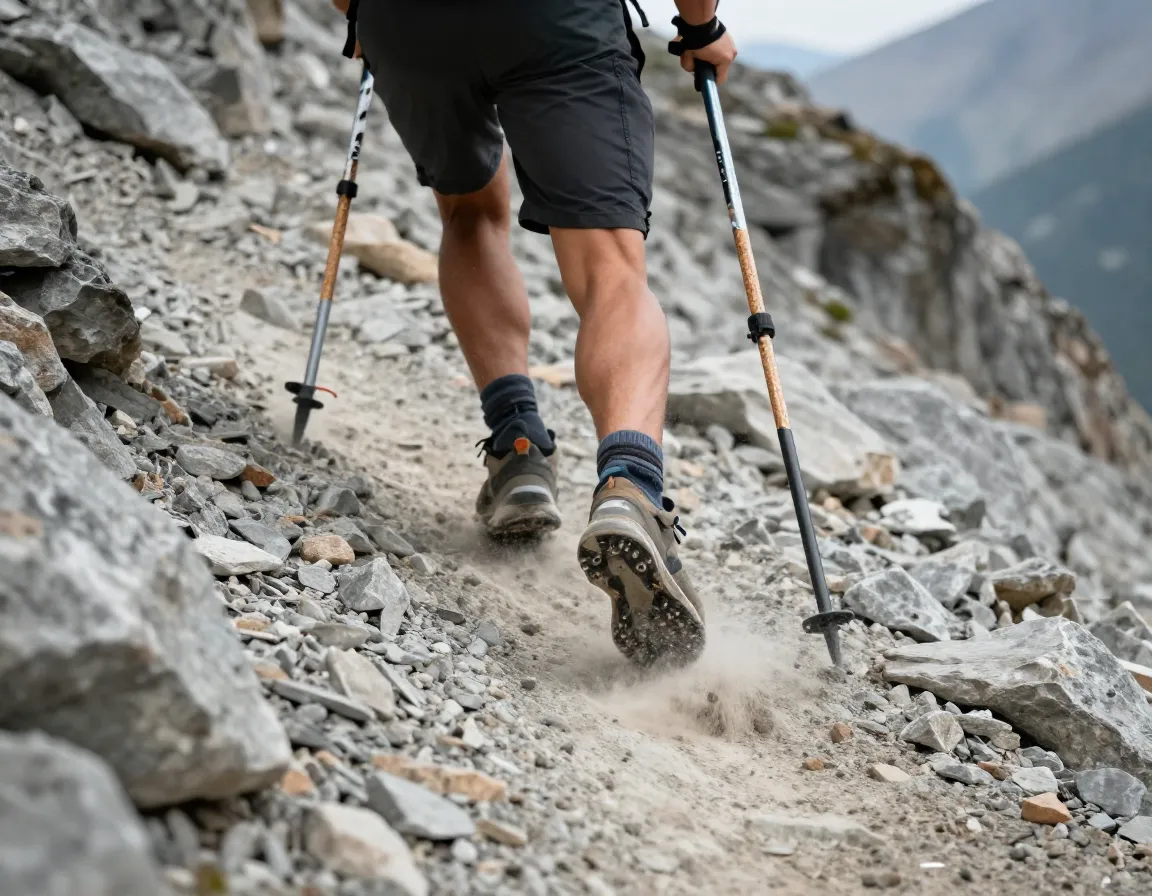
Trekking poles are the most underrated item in hiking gear — until you’ve done a serious descent without them.
Hiking poles are especially valuable for multi-day hikes with significant elevation gain and loss [3]. On sustained downhills — the kind you find after summiting an alpine pass — poles dramatically reduce the pressure on your knees and help prevent the “jelly legs” feeling that comes from hours of descent [3].
Benefits of trekking poles:
- Reduce knee strain by up to 25% on descents
- Improve balance on uneven or slippery terrain [3]
- Provide extra stability on stream crossings
- Help maintain rhythm and pace on long climbs
- Useful as tent poles for ultralight shelters
What to look for:
- Telescopic or folding design — poles that fold up small are far more practical for travelers [1]
- Comfortable cork or foam grips (avoid hard plastic on long days)
- Wrist straps for security
- Carbide tips for rocky terrain (with rubber tip covers for paved sections)
🥾 Tip: Adjust pole height so your elbow is at roughly 90 degrees when the pole tip touches the ground beside your foot. Shorten poles slightly for uphill sections, lengthen for downhill.
9. Navigation Tools and Safety Essentials
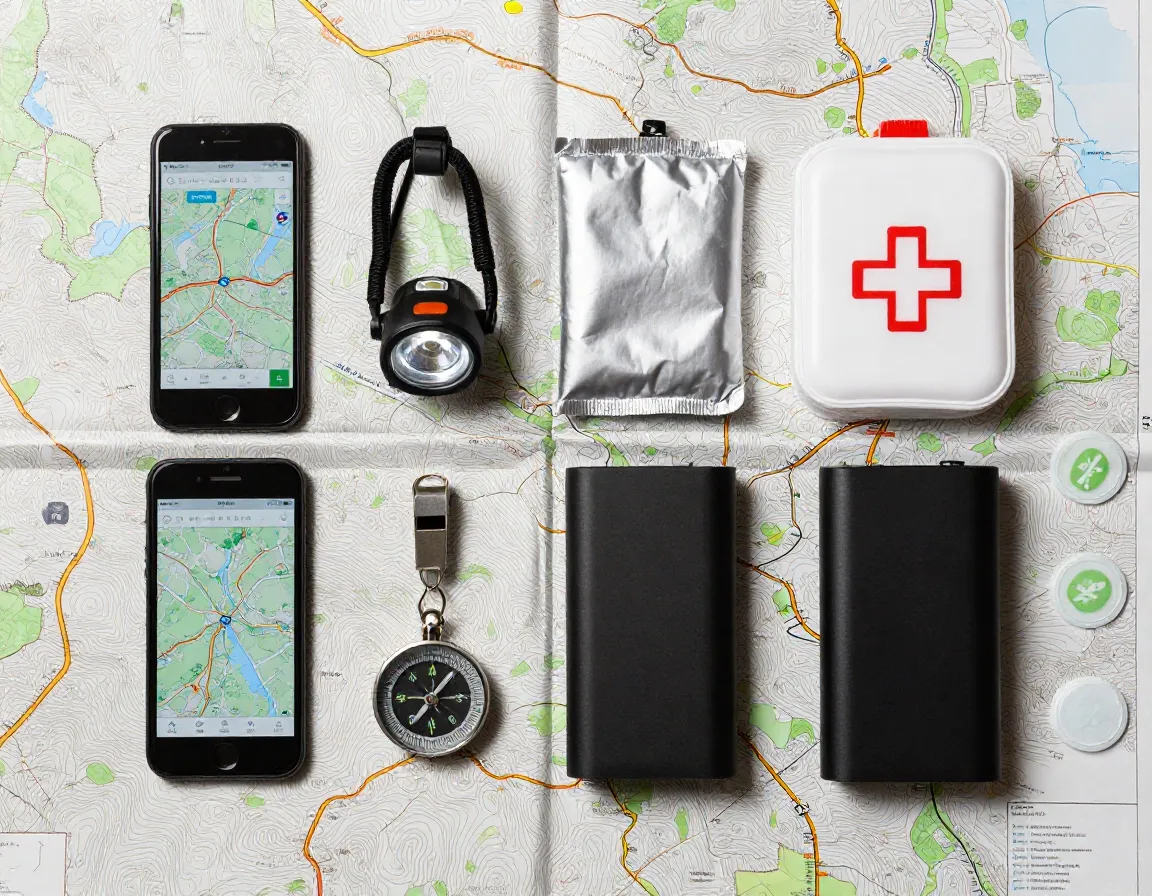
No list of 9 Must-Have Travel Items for Your European Hiking Adventure would be complete without addressing navigation and safety. These items don’t take up much space, but they can save your life.
Navigation:
- Offline maps app (Maps.me, Komoot, or AllTrails downloaded for offline use)
- Physical trail map of your specific region (available at local tourist offices)
- Compass as a backup (and know how to use it)
Safety essentials:
- Headlamp with fresh batteries — trails take longer than expected
- First aid kit — blister treatment, bandages, antiseptic wipes, pain relief
- Emergency whistle — standard signal is 6 blasts per minute
- Foil emergency blanket — weighs almost nothing, could save your life
- Fully charged power bank — keep your phone alive for navigation and emergency calls
- Water purification tablets or filter — for remote trails without reliable water sources
Quick safety checklist before every hike:
- ✅ Tell someone your planned route and expected return time
- ✅ Check the weather forecast (mountain-specific, not just local)
- ✅ Carry more water than you think you need (minimum 2L per person)
- ✅ Know the emergency number for the country you’re in (112 works across the EU)
- ✅ Download your trail map for offline use before leaving your accommodation
Packing Smart: A Quick Reference Table
| Item | Essential For | Budget Option | Premium Option |
|---|---|---|---|
| Hiking boots | All trail types | Decathlon Quechua | Salomon, Scarpa, Lowa |
| Hiking socks | All hikes | Smartwool | Darn Tough |
| Waterproof jacket | All European hikes | Columbia Watertight | Arc’teryx, Patagonia |
| Moisture-wicking clothing | All hikes | Decathlon | Icebreaker, Patagonia |
| UV-protection hat | Exposed trails | Any wide-brim hat | Sunday Afternoons |
| High SPF sunscreen | All hikes | Any SPF 50+ | La Roche-Posay Anthelios |
| Backpack | All hikes | Osprey Daylite | Osprey Atmos, Deuter |
| Trekking poles | Multi-day / alpine | Black Diamond Trail | Leki Micro Vario |
| Navigation & safety | All hikes | Free apps + whistle | Garmin GPS device |
Common Mistakes to Avoid
Even experienced travelers make these errors when packing for European hiking:
- Wearing new boots on day one — always break them in first
- Packing too many clothes — you’ll wash and re-wear; pack light
- Ignoring the weather forecast — mountain weather changes fast
- Skipping sun protection — altitude makes UV exposure much more intense
- Forgetting a physical map backup — phone batteries die and signal disappears
- Underestimating water needs — bring more than you think you’ll need
- Choosing fashion over function — jeans and cotton shirts have no place on the trail
Conclusion: Your European Hiking Adventure Starts With the Right Gear
The 9 Must-Have Travel Items for Your European Hiking Adventure we’ve covered in this guide aren’t just a shopping list — they’re the foundation of a safe, comfortable, and unforgettable experience on Europe’s incredible trails.
Let me recap what you need to prioritize:
- Proper footwear matched to your trail type
- Premium hiking socks (merino wool, not cotton)
- A quality waterproof jacket — Gore-Tex for serious terrain
- Moisture-wicking, quick-dry clothing in a smart layering system
- A UV-protection hat for exposed routes
- High SPF sunscreen — reapply throughout the day
- The right backpack for your trip length
- Trekking poles for multi-day and alpine hikes
- Navigation tools and safety essentials — never skip these
Your actionable next steps:
- 📋 Use the table above to audit your current gear against this list
- 🛒 Identify the gaps and prioritize the highest-impact items first (footwear, waterproofs, navigation)
- 🥾 Buy your boots early and break them in before your trip
- 📱 Download your trail maps for offline use before you leave home
- 🌤️ Check mountain-specific weather forecasts the night before and morning of each hike
Europe’s trails are waiting — from the dramatic ridgelines of the Dolomites to the ancient pilgrim paths of Spain. With the right gear in your pack, you’ll be ready to enjoy every step of the journey. Happy hiking! 🏔️
References
[1] Equipment Hiking Europe – https://www.heatheronhertravels.com/equipment-hiking-europe/
[2] Europe Packing Guide Hikers – https://www.notesfromeurope.com/travel-blog/europe-packing-guide-hikers
[3] What To Pack Hiking Trip Europe – https://www.wildernesstravel.com/blog/what-to-pack-hiking-trip-europe/