9 Must-Do Hikes in Guadalupe Mountains National Park
Imagine standing on the highest point in Texas, wind whipping past your face, with nothing but endless desert sky above you and 80+ miles of wild trail waiting below. That feeling is exactly why hikers from across the country keep returning to Guadalupe Mountains National Park — and why exploring the 9 Must-Do Hikes in Guadalupe Mountains National Park should be at the top of every serious hiker’s bucket list in 2026.
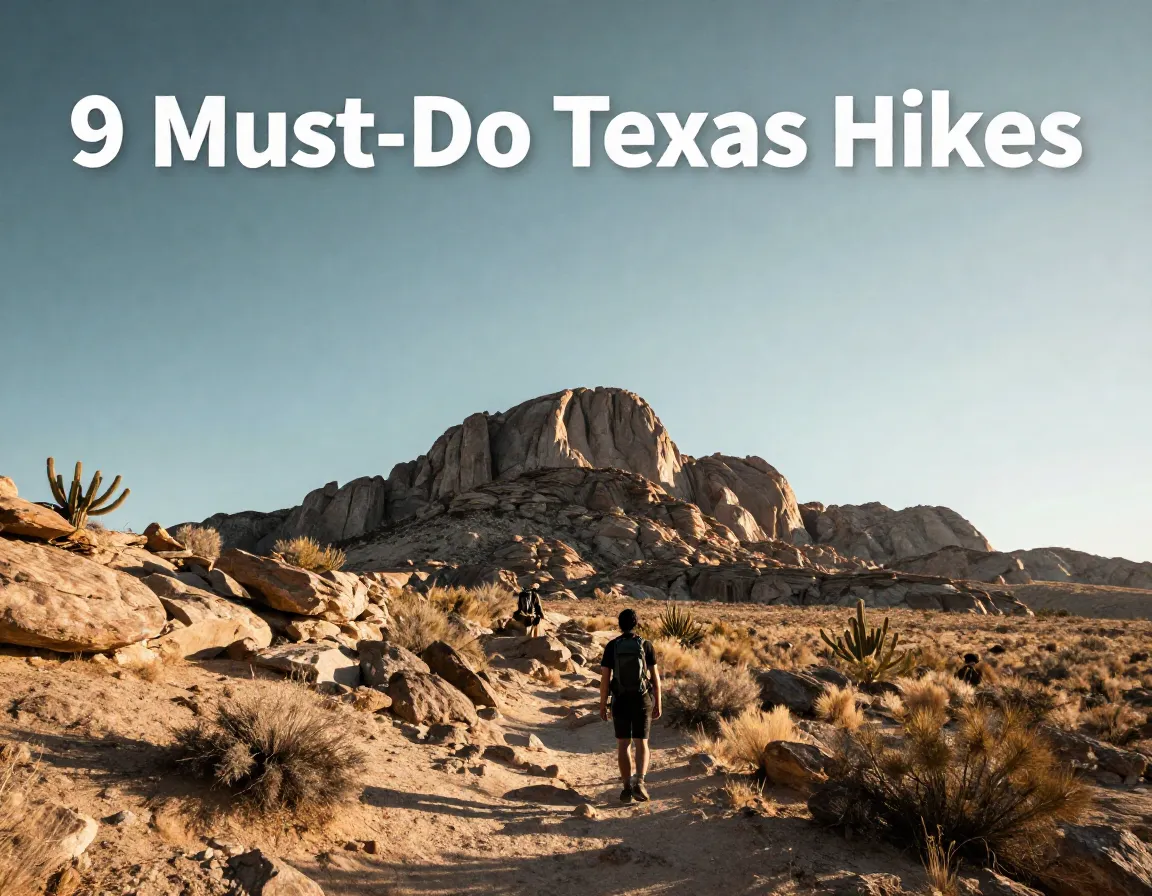
This remote gem in West Texas packs an incredible variety of terrain into one protected landscape: towering limestone peaks, slot canyons, ancient springs, sand dunes, and pine forests. Whether you’re a first-time visitor or a seasoned backcountry traveler, these trails deliver unforgettable experiences.
Key Takeaways 🏔️
- Over 80 miles of trails wind through diverse terrain — from flat desert walks to strenuous summit climbs [1]
- No trail reservations are required, making spontaneous adventure easy [1]
- Trails range from family-friendly 2.5-mile loops to multi-day backpacking routes exceeding 12 miles
- Guadalupe Peak is the crown jewel — the highest point in Texas at 8,749 feet
- Proper preparation (water, sun protection, sturdy boots) is essential in this high-desert environment
Overview: Why These Trails Stand Apart
Guadalupe Mountains National Park sits at the intersection of the Chihuahuan Desert and the ancient Capitan Reef — one of the world’s best-preserved fossil reefs. This unique geology creates dramatic elevation changes, hidden canyons, and ecosystems you won’t find anywhere else in Texas.
“The Guadalupe Mountains offer something rare: genuine wilderness challenge within reach of day hikers and backpackers alike.”
The park’s trail network covers more than 80 miles with no reservation system required, giving hikers the freedom to explore on their own terms [1]. Here are the 9 Must-Do Hikes in Guadalupe Mountains National Park, ranked and detailed to help you plan your perfect adventure.
The 9 Must-Do Hikes in Guadalupe Mountains National Park
1. Guadalupe Peak Trail ⭐ Most Popular

| Detail | Info |
|---|---|
| Distance | 8.4 miles roundtrip |
| Elevation Gain | 3,150 feet |
| Time | 4–6 hours |
| Difficulty | Strenuous |
This is the one everyone talks about — and for good reason. Guadalupe Peak is the highest point in Texas at 8,749 feet, and reaching its summit rewards you with panoramic views that stretch into New Mexico and Mexico. The trail is relentless in its climb, and the final half mile is particularly demanding, with loose rocks and narrow exposed edges that demand your full attention [1]. Start early, bring at least 3 liters of water, and pace yourself on the switchbacks.
2. Devil’s Hall Trail 🪨
| Detail | Info |
|---|---|
| Distance | 4.2 miles out-and-back |
| Elevation Gain | 548 feet |
| Difficulty | Moderate |
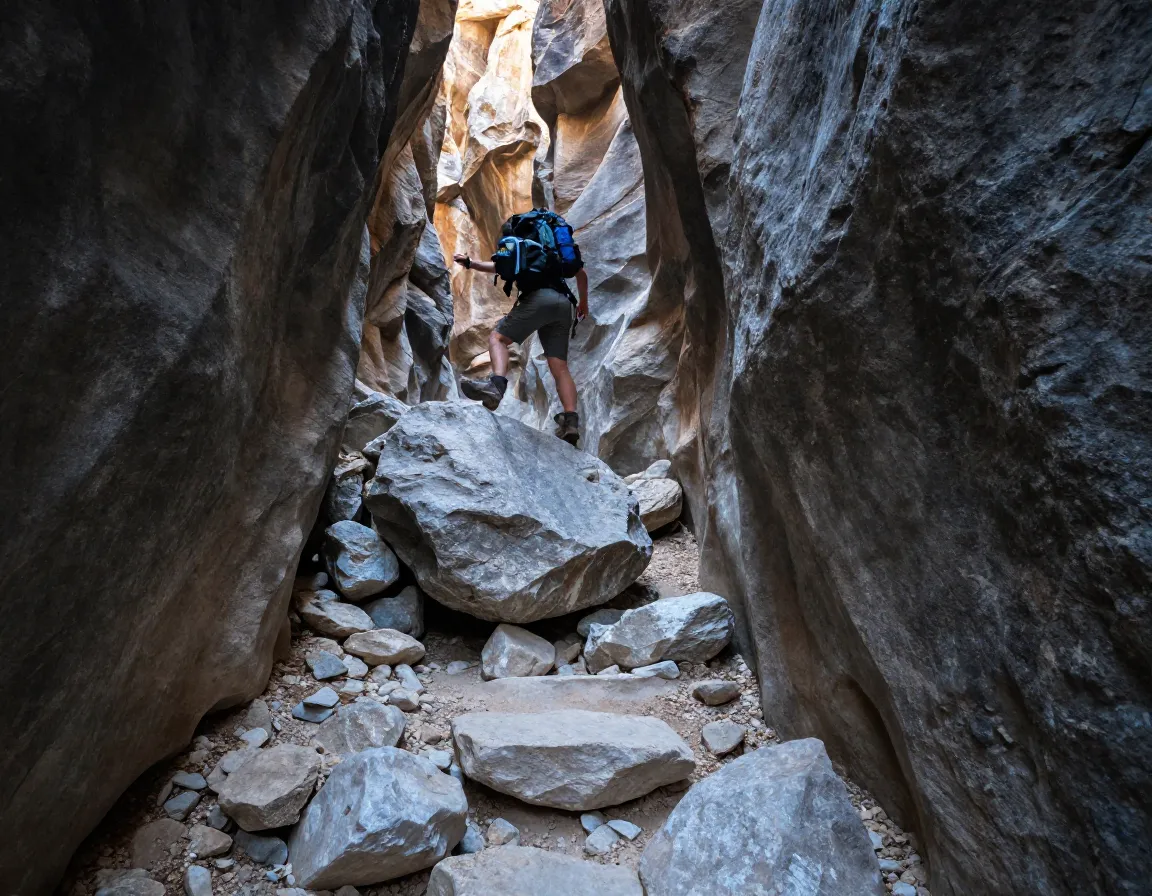
Don’t let the modest elevation gain fool you. Devil’s Hall Trail is a thrilling scramble through the Pine Spring Canyon wash, requiring boulder-hopping, stair-stepping over natural rock formations, and navigating a narrow slot canyon [1]. The payoff is a stunning natural hallway of towering limestone walls. This trail is ideal for hikers who want adventure without the brutal commitment of a summit climb.
3. McKittrick Canyon Trail 🍂
| Detail | Info |
|---|---|
| Distance | Up to 21 miles (first 3–4 miles accessible) |
| Elevation Gain | 2,820 feet (full route) |
| Difficulty | Easy to Extremely Strenuous |
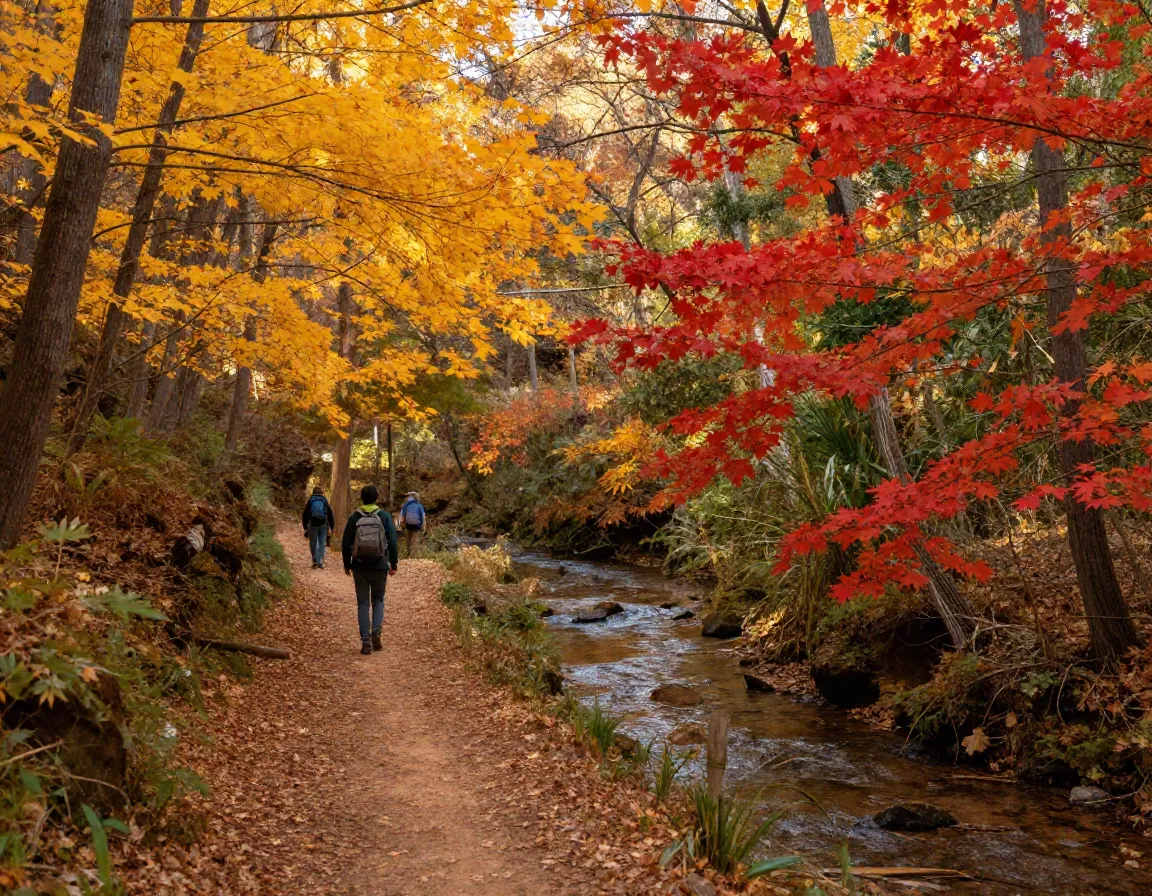
McKittrick Canyon is arguably the most beautiful canyon in Texas, especially during fall when the maples and oaks burst into gold and red. The first 3–4 miles follow a relatively flat, easy path along a seasonal stream — perfect for families or casual hikers [1]. Push deeper, however, and you’ll face what some describe as potentially the toughest trail in Texas, with relentless elevation gain and exposed ridgelines. Choose your distance wisely.
4. Tejas Trail 🎒
| Detail | Info |
|---|---|
| Distance | 12 miles (one-way) |
| Elevation Gain | 3,000 feet |
| Difficulty | Strenuous |
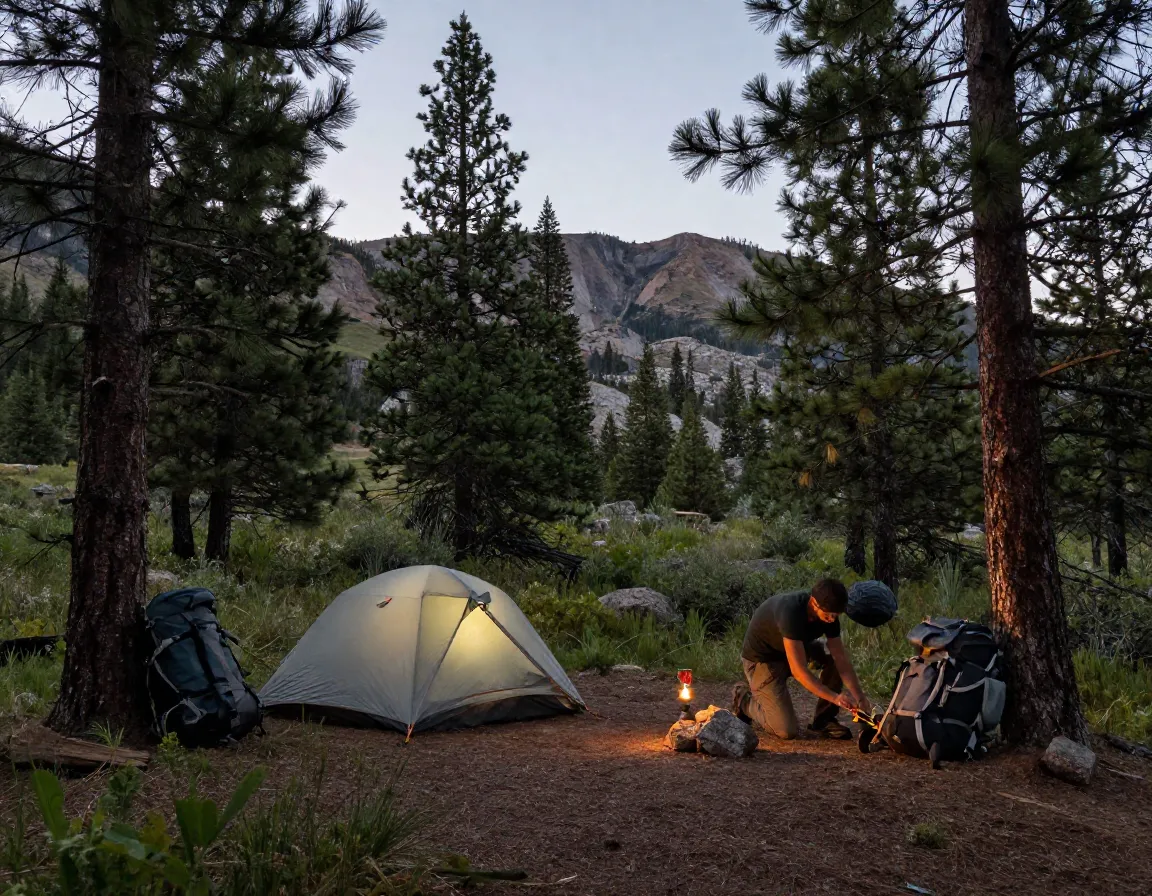
The Tejas Trail is the park’s major north-south connector, linking Pine Springs to Dog Canyon through high-country pine forests and open ridges [1]. With 3,000 feet of elevation gain across 12 miles, this trail is best approached as a multi-day backpacking trip rather than a day hike. Backcountry campsites along the route make it a rewarding overnight experience for those who want to go deep into the park’s wilderness.
5. Bush Mountain Trail 🌲

| Detail | Info |
|---|---|
| Distance | 13–16 miles (route-dependent) |
| Elevation Gain | Significant (varies by route) |
| Difficulty | Strenuous |
Bush Mountain is the second-highest peak in Texas, and the trail to its summit offers sweeping views of the high country’s pine and oak forests. Depending on whether you start from Pine Springs or Dog Canyon, the route stretches 13–16 miles [1]. Most hikers combine this with the Tejas and Juniper Trails to create a satisfying loop through the park’s most remote terrain.
6. Hunter Peak Trail 🔭
| Detail | Info |
|---|---|
| Distance | 8.7-mile loop |
| Elevation Gain | 2,700 feet |
| Difficulty | Strenuous |
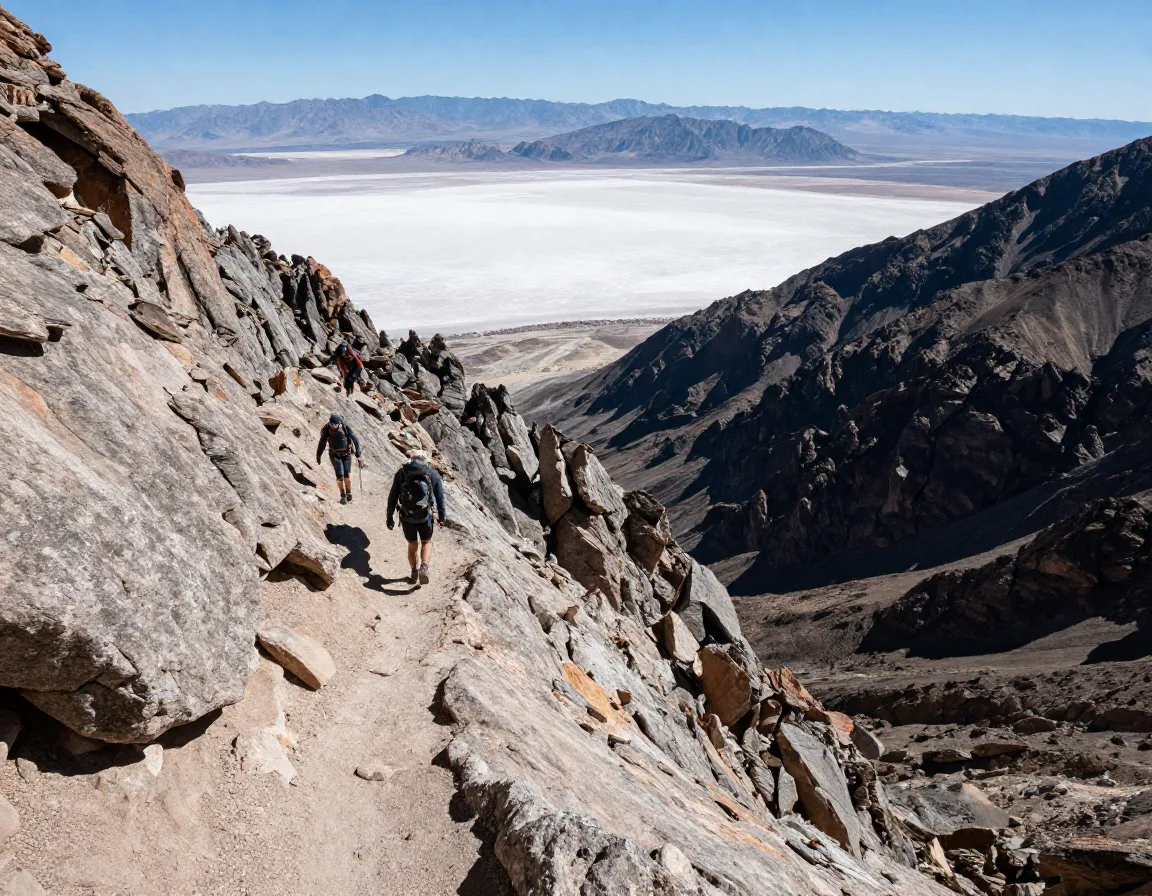
Hunter Peak may not be the tallest summit in the park, but the views it delivers are absolutely mind-boggling [1]. The loop takes determined day hikers through exposed ridgelines with dramatic drop-offs on either side. On a clear day, you can see the salt flats far below and the distant peaks of the Davis Mountains. This trail rewards those willing to push through a tough climb.
7. El Capitan Trail 🏜️
| Detail | Info |
|---|---|
| Distance | 11.3-mile loop |
| Elevation Gain | Moderate to significant |
| Difficulty | Moderate–Strenuous |
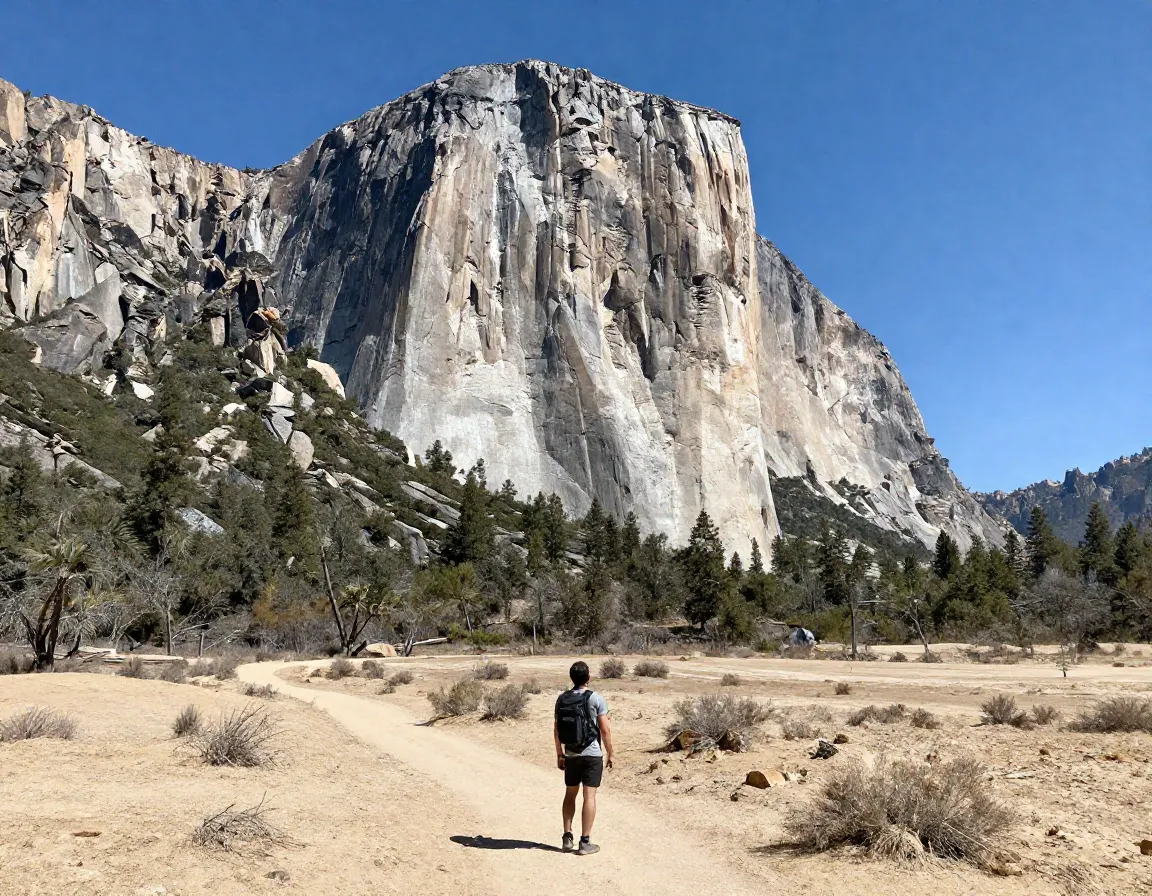
El Capitan is the iconic limestone escarpment that greets visitors arriving from the south — a sheer 1,000-foot cliff face that defines the park’s silhouette. The loop trail from Pine Springs drops into Guadalupe Canyon before climbing steeply back to rejoin the main trail [1]. The lower desert section offers a completely different perspective of the park, with wide-open views of the salt basin and endless Chihuahuan Desert.
8. Smith Spring Trail Loop 👨👩👧
| Detail | Info |
|---|---|
| Distance | 2.5 miles roundtrip |
| Elevation Gain | 400 feet |
| Difficulty | Easy |
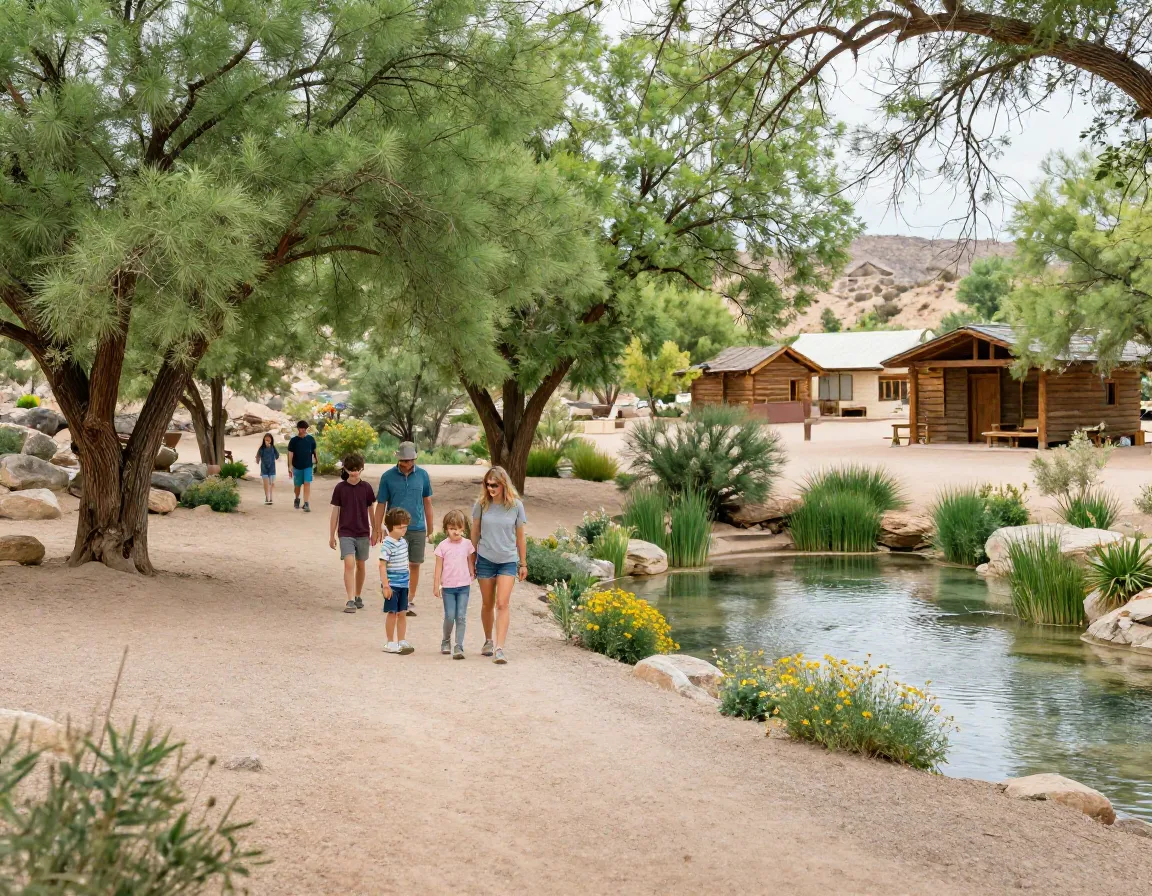
This is the perfect family hike in the park. Starting from historic Frijole Ranch, the Smith Spring Trail loops through a surprisingly lush landscape to reach both Manzanita Spring and Smith Spring — two rare desert oases that support cottonwood trees, wildlife, and wildflowers [1]. The easy terrain and short distance make it accessible for children and older adults. Don’t miss the historic ranch museum at the trailhead.
9. Salt Basin Dunes Trail 🌅
| Detail | Info |
|---|---|
| Distance | ~2 miles roundtrip |
| Elevation Gain | Minimal |
| Difficulty | Easy |
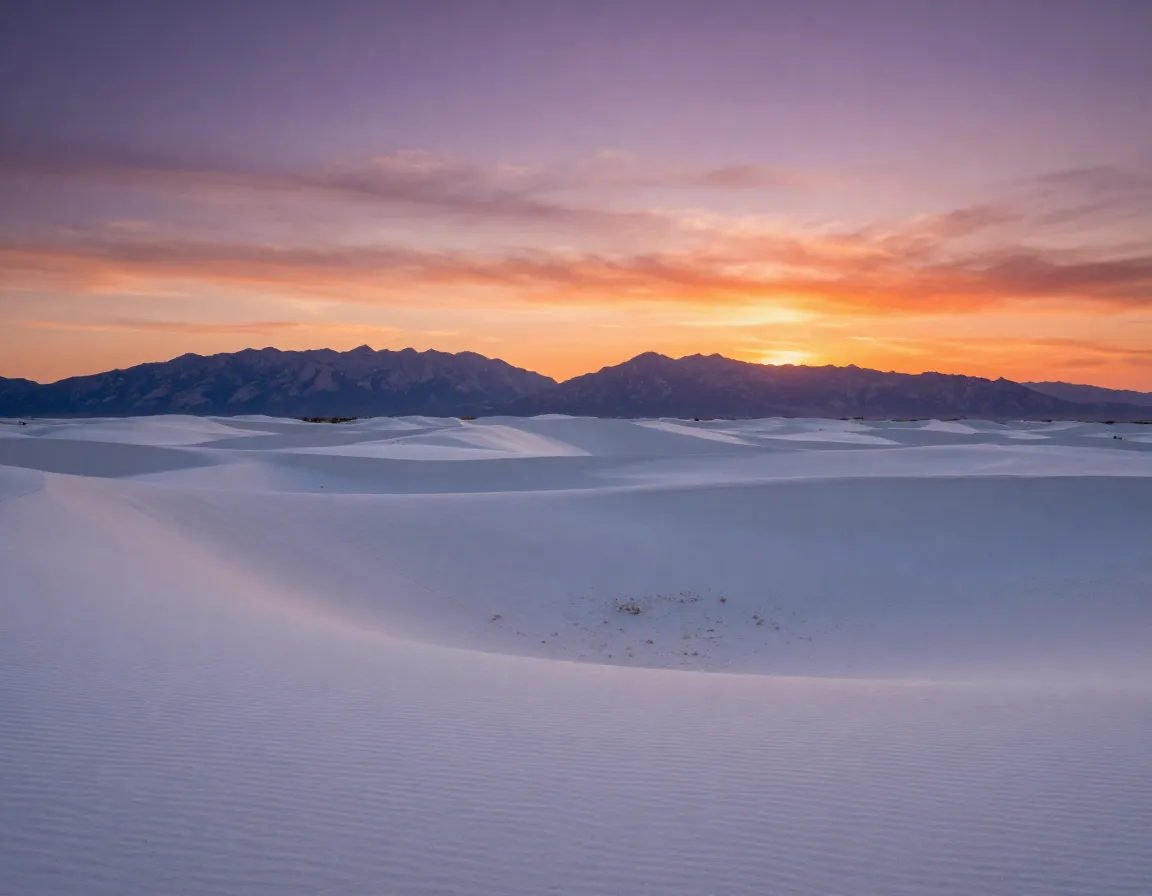
The park’s gypsum sand dunes offer a completely different hiking experience from the rocky mountain trails. Located on the park’s western edge, these white dunes create a surreal landscape that feels worlds apart from the limestone peaks visible to the east. The walk across the dunes is short and relatively flat, making it an excellent choice for a sunset stroll or a quick adventure between longer hikes.
Essential Tips Before You Hit the Trail 🧭
Preparation makes or breaks your experience in the Guadalupe Mountains. Here’s what every hiker should know:
- 💧 Water is critical — carry at least 1 liter per hour of hiking; there is no potable water on most trails
- 🌞 Sun exposure is intense — wear SPF 50+, a wide-brim hat, and UV-protective clothing
- 🥾 Footwear matters — ankle-supporting trail boots are strongly recommended for rocky terrain
- 🗓️ Best seasons — spring (March–May) and fall (September–November) offer the most comfortable temperatures
- 📵 Cell service is limited — download offline maps before you arrive
- 🐍 Wildlife awareness — watch for rattlesnakes, especially on warm rocky trails in summer
Pro tip: The park’s visitor center at Pine Springs has helpful rangers who can advise on current trail conditions — always worth a quick stop before heading out.
Conclusion: Your Adventure Starts Now
The 9 Must-Do Hikes in Guadalupe Mountains National Park cover everything from gentle family strolls to multi-day backcountry epics. Whether you’re chasing the summit of Guadalupe Peak, scrambling through Devil’s Hall, or watching fall colors ignite McKittrick Canyon, this park delivers experiences that stay with you long after the dust has settled on your boots.
Here are your actionable next steps:
- Choose your hike based on your fitness level and available time using the tables above
- Check current trail conditions at the Pine Springs Visitor Center or the NPS website [1]
- Pack smart — water, sun protection, and sturdy footwear are non-negotiable
- Start early — most strenuous trails should begin before 7 AM to avoid afternoon heat
- Leave No Trace — pack out everything you bring in to protect this remarkable landscape
The Guadalupe Mountains are waiting. Get out there. 🏔️
References
[1] Trails – https://www.nps.gov/gumo/planyourvisit/trails.htm