9 Incredible Costa Rica Animals You Must See on Your Hiking Trip
Imagine rounding a bend on a jungle trail, and suddenly a flash of emerald and crimson bursts through the canopy above you. That moment — heart pounding, camera raised — is exactly why hikers travel thousands of miles to Costa Rica. If you are planning an adventure in 2026, knowing the 9 Incredible Costa Rica Animals You Must See on Your Hiking Trip will transform a good hike into an unforgettable wildlife experience.

Costa Rica covers less than 0.03% of Earth’s surface, yet it shelters nearly 6% of the world’s biodiversity. With over 900 recorded bird species alone, plus mammals, reptiles, and amphibians around every corner, the odds of a jaw-dropping encounter are remarkably high. Let me walk you through the nine must-see animals and exactly where and how to spot them.
Key Takeaways
- 🦜 Costa Rica hosts over 900 bird species, making it one of the world’s top birdwatching destinations.
- 🦥 Both two-toed and three-toed sloths live in Costa Rica’s canopy; three-toed sloths are more active during daylight hours.
- 🐒 Three monkey species — howler, capuchin, and spider — are commonly spotted on forest trails.
- 🌿 The Savegre Valley and Monteverde Cloud Forest Reserve are among the best hiking zones for rare wildlife encounters.
- 📅 Planning your hike around dawn and dusk significantly increases your chances of spotting elusive animals.
The 9 Incredible Costa Rica Animals You Must See on Your Hiking Trip
1. Resplendent Quetzal 🦚

The Resplendent Quetzal is widely considered Costa Rica’s most famous and elegant bird — and a symbol of Central America’s cloud forests. The male’s iridescent green tail feathers can stretch up to three feet long, making it one of the most visually stunning animals on the planet.
Where to find it: The Savegre Valley in the Chirripó highlands is the gold-standard location, and the quetzal can be spotted there year-round. Trails around San Gerardo de Dota offer reliable sightings, especially at dawn.
“Seeing a quetzal in the wild feels like spotting a living jewel — nothing prepares you for how vivid and real it looks.”
Pro tip: Arrive at the trailhead before 6:00 AM. Quetzals are most active in the early morning when they feed on wild avocado fruits.
2. Scarlet Macaw 🦜
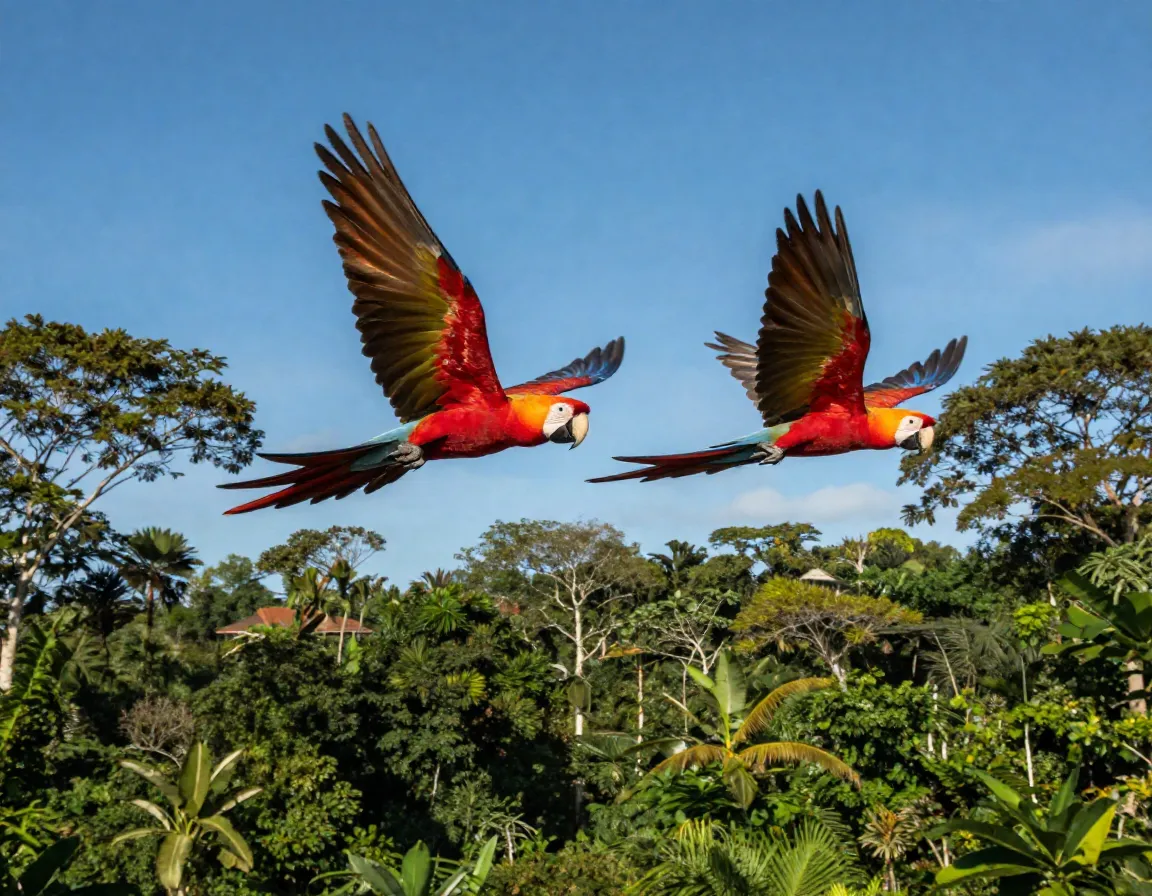
Few sights rival a pair of Scarlet Macaws soaring over a forest canopy, their vivid red, yellow, and blue plumage blazing against a clear blue sky. These large parrots are among the most sought-after sightings for any hiker visiting Costa Rica.
Where to find them: The Osa Peninsula (Corcovado National Park) and Carara National Park near the Pacific coast host thriving macaw populations. Listen for their loud, raspy calls before you see them.
| Feature | Detail |
|---|---|
| Wingspan | Up to 3 feet (90 cm) |
| Lifespan | Up to 75 years in the wild |
| Best viewing time | Early morning and late afternoon |
| Top locations | Corcovado, Carara National Park |
3. Three-Toed Sloth 🦥
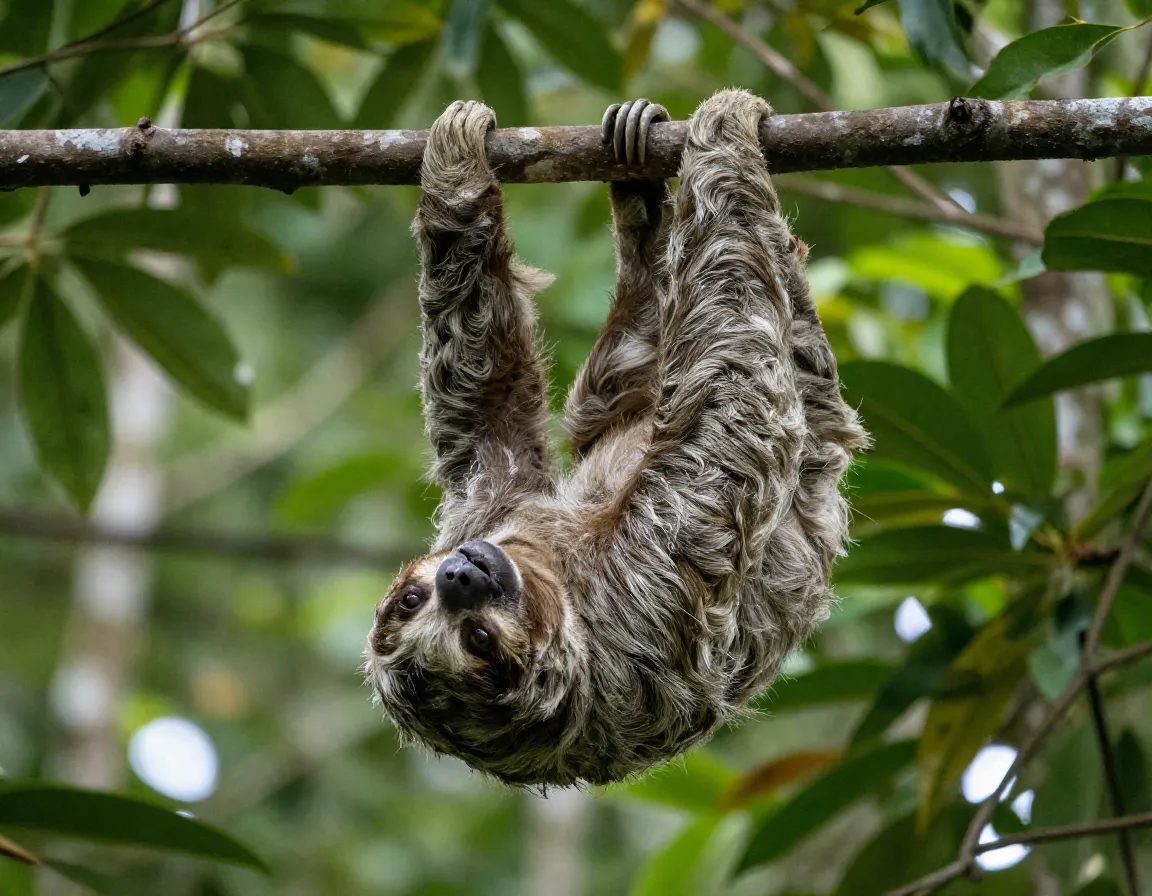
Of all the animals on this list, the Three-Toed Sloth is arguably the most beloved. Unlike its two-toed cousin, the three-toed sloth is more likely to be active during daylight hours, making it the easier of the two species to spot on a daytime hike.
Where to find them: Look up into cecropia trees along trails in Manuel Antonio National Park and the Caribbean lowlands. Sloths move slowly, so once you spot one, you can watch it for several minutes.
What to look for: A round, furry lump in the canopy that occasionally turns its head in an almost comically slow rotation.
4. Mantled Howler Monkey 🐒
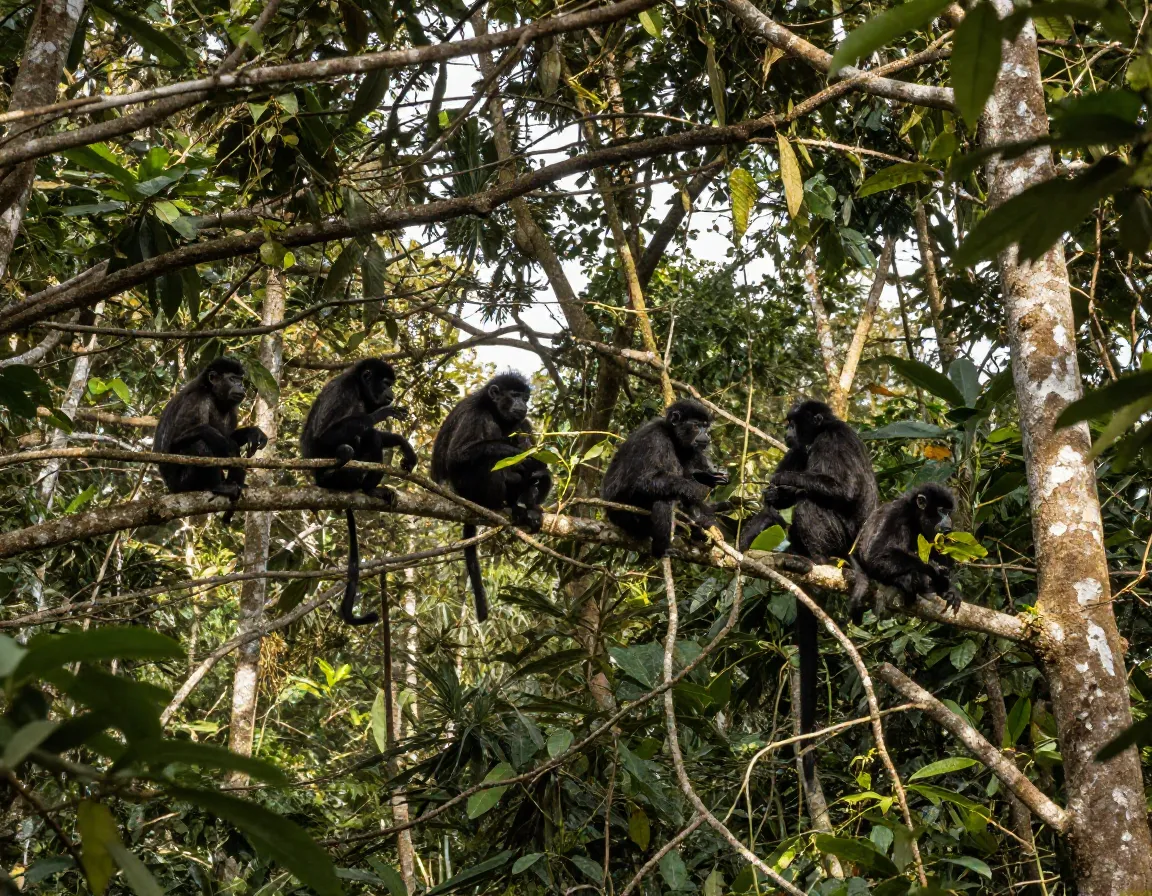
You will almost certainly hear the Mantled Howler Monkey before you see it. Their deep, guttural roar — which can carry up to three miles through dense forest — is one of the loudest sounds produced by any land animal.
Howlers travel in troops of 10 to 20 individuals and are commonly spotted in lowland and mid-elevation forests throughout Costa Rica. They spend most of their time in the upper canopy, feeding on leaves and fruit.
Best parks: Tortuguero National Park, Santa Rosa National Park, and Manuel Antonio.
5. White-Faced Capuchin Monkey
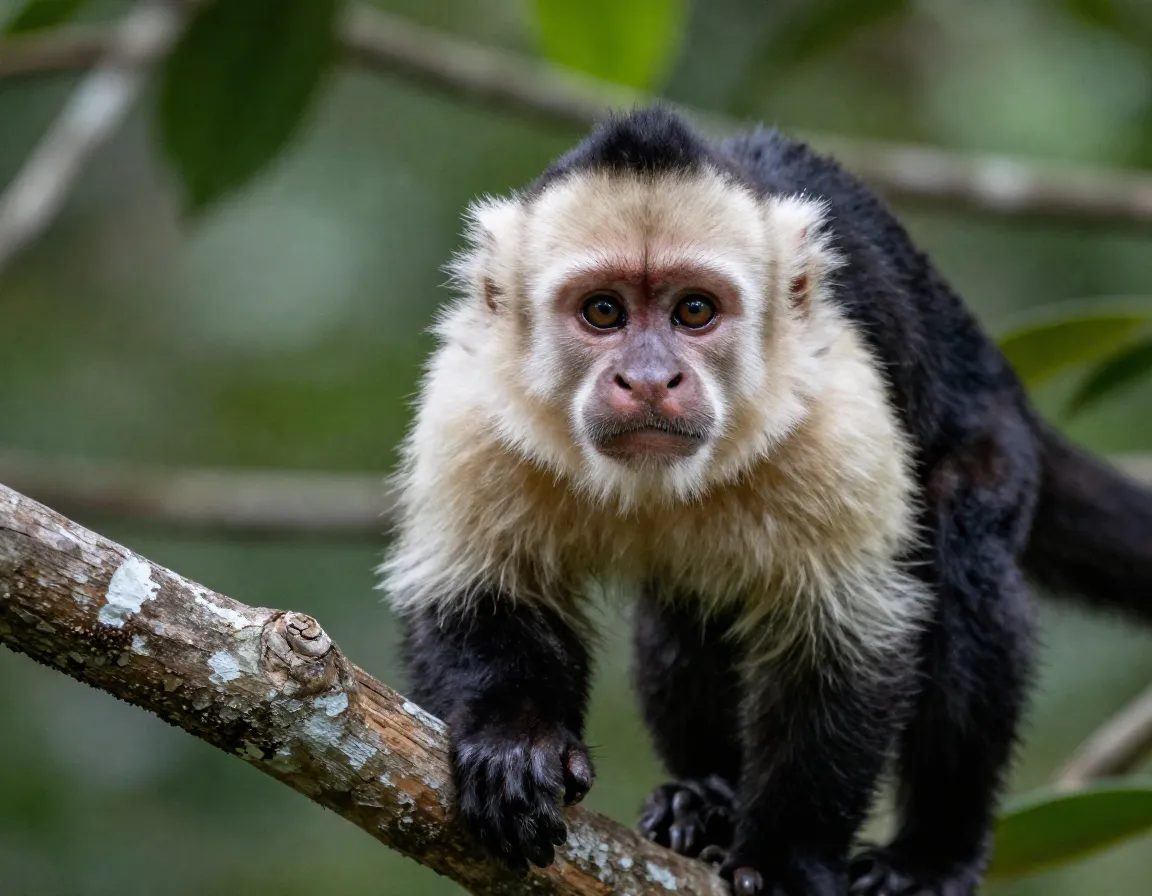
The White-Faced Capuchin is the bold, curious monkey you may have seen in wildlife documentaries — and they live up to their reputation on the trail. Highly intelligent and social, capuchins travel in groups and are known to investigate hikers with a mixture of curiosity and mischief.
Important: Never feed capuchins or any wild monkey. It disrupts their natural behavior and can cause aggression.
These monkeys are found in a wide range of habitats, from dry forests on the Pacific coast to humid Caribbean lowlands, making them one of the most reliably spotted animals in Costa Rica.
6. Spider Monkey
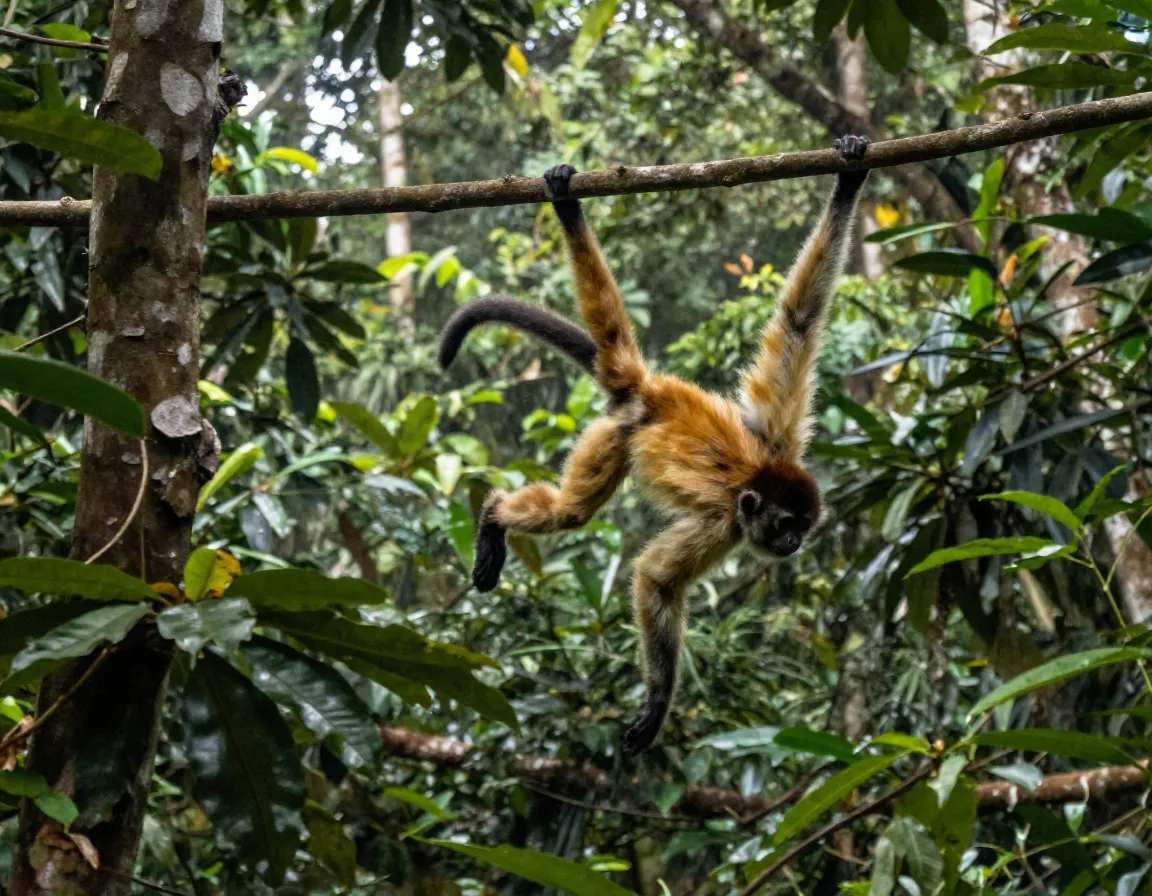
The Spider Monkey is the acrobat of Costa Rica’s primate trio. With extraordinarily long limbs and a prehensile tail that acts as a fifth hand, spider monkeys swing through the upper canopy with breathtaking speed and agility.
They are more sensitive to habitat disturbance than howlers or capuchins, so spotting them is a sign you are in a healthy, well-preserved forest. Corcovado National Park on the Osa Peninsula is the best place in Costa Rica to observe them.
“Watching a spider monkey launch itself across a 20-foot gap in the canopy is one of the most thrilling things I have ever witnessed on a hike.”
7. Green Basilisk Lizard 🦎
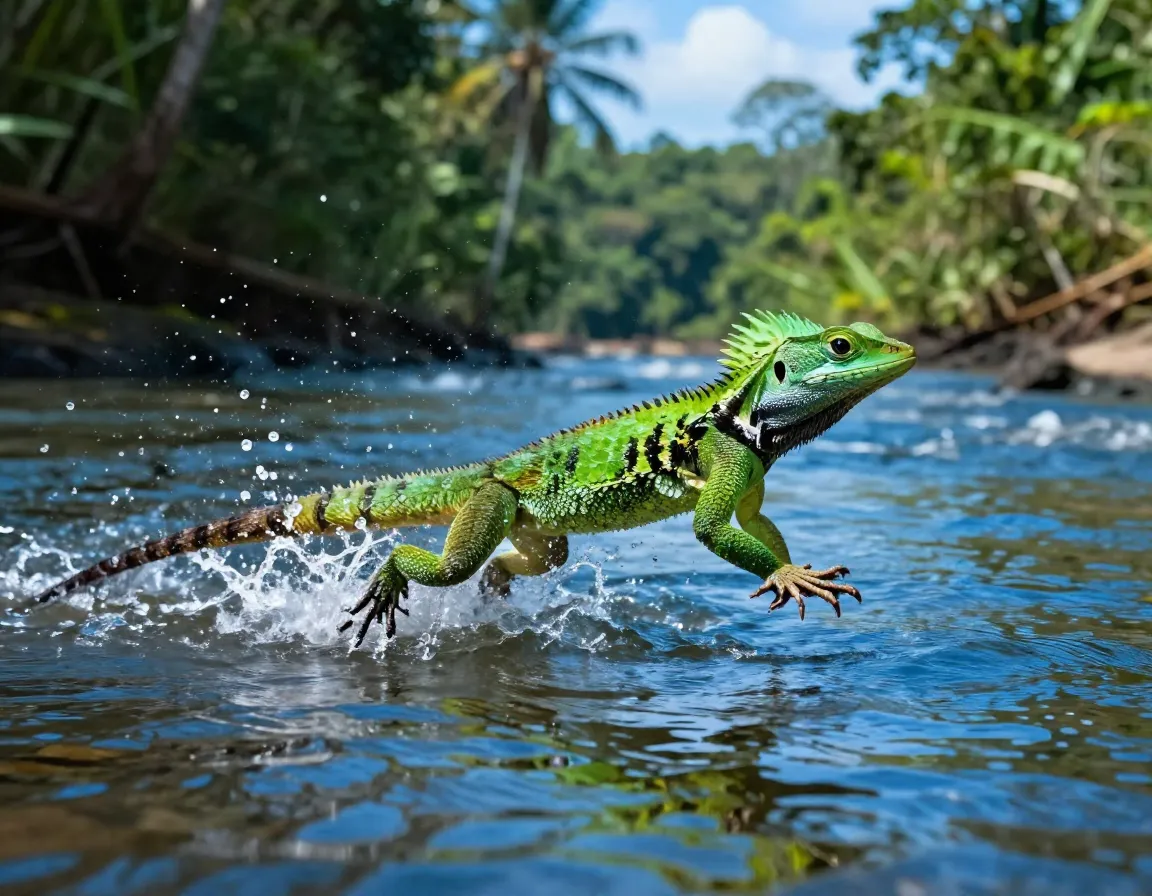
Known locally as the “Jesus Christ Lizard” for its remarkable ability to run across the surface of water, the Green Basilisk is one of Costa Rica’s most theatrical wildlife encounters.
Males display vivid green scales and dramatic crests along their heads and backs. They are commonly found near rivers and streams in lowland rainforests on the Caribbean slope.
Where to spot them: La Selva Biological Station and Tortuguero National Park offer excellent basilisk sightings along waterway trails.
8. Poison Dart Frog 🐸
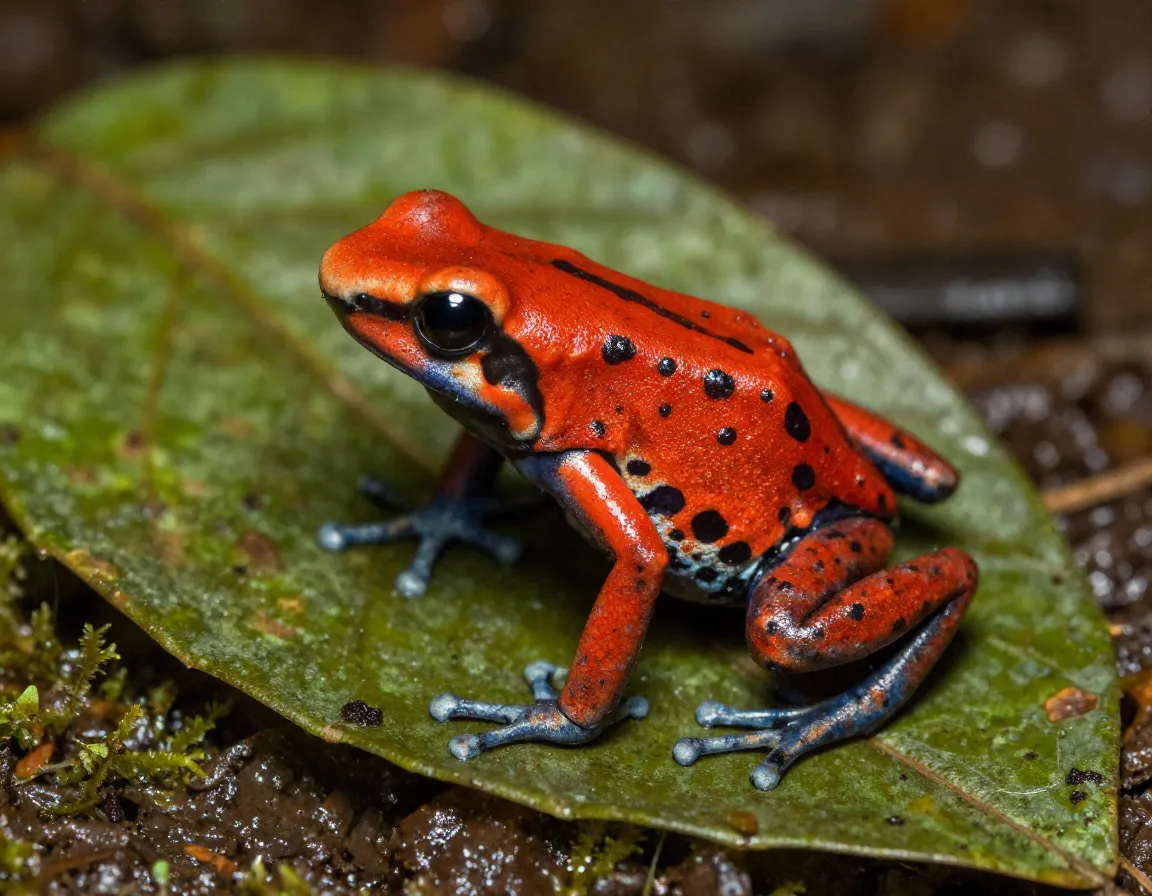
Do not let their tiny size fool you — Poison Dart Frogs are among the most visually striking animals in Costa Rica. Their brilliant colors (electric blue, vivid red, neon yellow) serve as a warning to predators: do not eat me.
Costa Rica is home to several species, including the Strawberry Poison Dart Frog and the Green-and-Black Poison Dart Frog. They are small — often less than two inches long — so slow down and look carefully at the forest floor and leaf litter.
Key facts:
- Toxicity comes from their diet of specific insects in the wild
- Captive-bred frogs are not toxic
- Best found in humid, lowland Caribbean forests
9. Jaguar 🐆
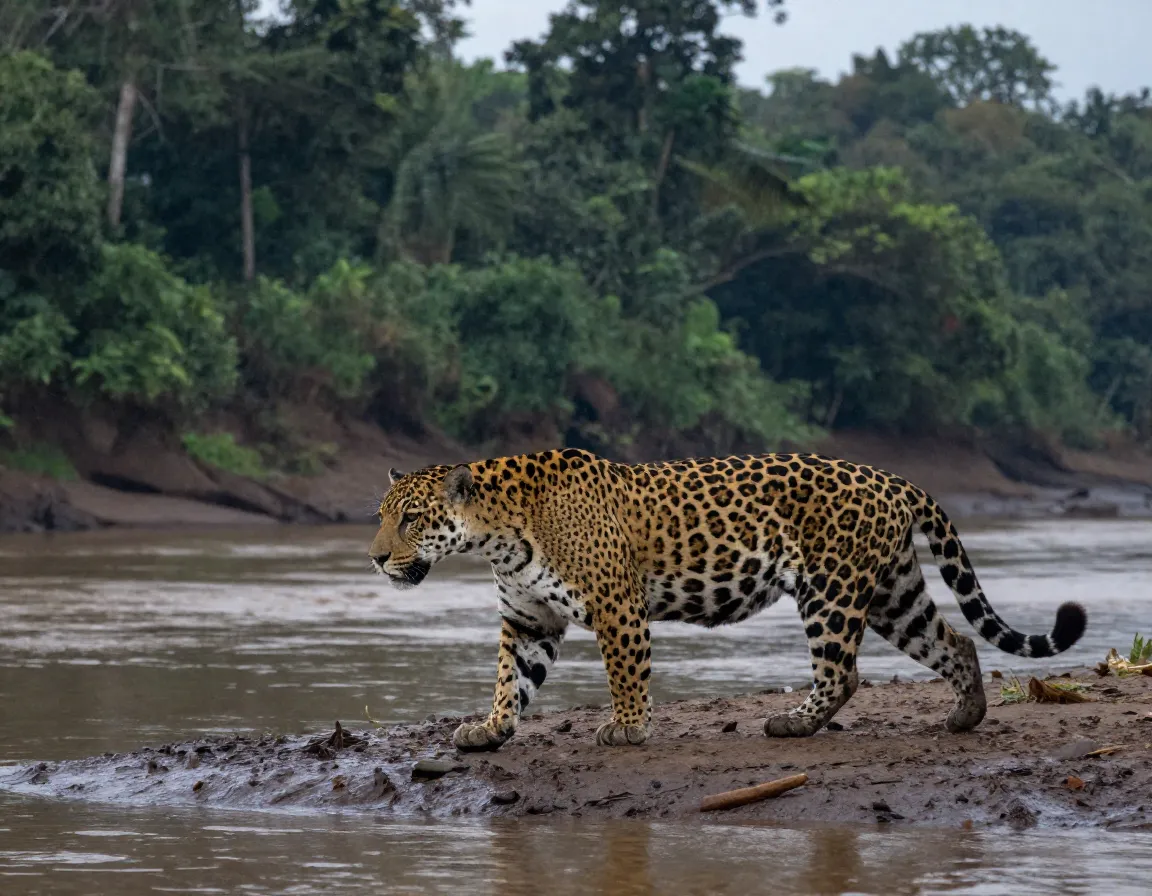
The Jaguar is the crown jewel of Costa Rica’s wildlife — and the hardest to spot. As the largest cat in the Americas, the jaguar commands the top of the food chain in Costa Rica’s most remote forests.
Sightings are rare but not impossible, particularly in Corcovado National Park, which holds the highest jaguar density in Central America. Most hikers encounter tracks or camera-trap images rather than the animal itself — but even that feels extraordinary.
Tips for maximizing your chances:
- Hire a licensed naturalist guide who knows jaguar territories.
- Choose multi-day hikes into the park’s interior.
- Look for tracks near river crossings at dawn.
- Stay quiet and move slowly on all trails.
Where to Hike: Quick Reference Guide
| Animal | Top Location | Best Time of Day |
|---|---|---|
| Resplendent Quetzal | Savegre Valley | Dawn |
| Scarlet Macaw | Corcovado, Carara | Morning & late afternoon |
| Three-Toed Sloth | Manuel Antonio | Midday |
| Howler Monkey | Tortuguero, Santa Rosa | Morning |
| Capuchin Monkey | Pacific & Caribbean coasts | Anytime |
| Spider Monkey | Corcovado | Morning |
| Green Basilisk | Tortuguero, La Selva | Morning |
| Poison Dart Frog | Caribbean lowlands | Morning |
| Jaguar | Corcovado interior | Dawn / dusk |
Essential Hiking Tips for Wildlife Spotting in Costa Rica
Knowing the 9 Incredible Costa Rica Animals You Must See on Your Hiking Trip is only half the battle. Here is how to maximize every encounter:
- Go slow. Wildlife rewards patience. Fast hikers miss 90% of what is there.
- Hire a local guide. Naturalist guides have trained eyes and know animal behavior intimately.
- Bring binoculars. A good pair of 8×42 binoculars is essential for canopy animals.
- Wear neutral colors. Bright clothing can startle animals.
- Visit during the dry season (December–April) for easier trail access, though the wet season brings lush greenery and active amphibians.
- Respect wildlife. Maintain a safe distance, never feed animals, and follow park regulations.
Conclusion
Costa Rica’s biodiversity is genuinely world-class, and the 9 Incredible Costa Rica Animals You Must See on Your Hiking Trip — from the iridescent Resplendent Quetzal to the elusive Jaguar — represent just a fraction of what awaits on its trails. In 2026, with growing ecotourism infrastructure and well-maintained national parks, there has never been a better time to lace up your boots and head into the jungle.
Your actionable next steps:
- Choose your park based on the animals you most want to see (Corcovado for jaguars and spider monkeys; Savegre Valley for quetzals).
- Book a certified naturalist guide through the Costa Rican Tourism Board (ICT).
- Pack the essentials: binoculars, a field guide, waterproof boots, and a quality camera.
- Plan your timing: arrive at trailheads at dawn for the best wildlife activity.
The jungle is waiting. Go see it. 🌿
References
- Garrigues, R., & Dean, R. (2007). The Birds of Costa Rica: A Field Guide. Cornell University Press.
- Wainwright, M. (2007). The Mammals of Costa Rica: A Natural History and Field Guide. Cornell University Press.
- BirdLife International. (2023). State of the World’s Birds. BirdLife International.
- Reid, F. A. (2009). A Field Guide to the Mammals of Central America and Southeast Mexico. Oxford University Press.