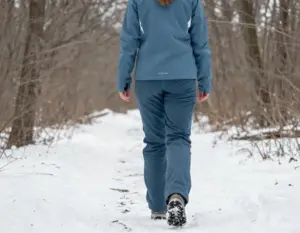
9 Essential Hiking Outfit Pieces for Men: From Day Hike to Backpacking
I’ve seen too many hikers hit the trail in cotton T-shirts and worn-out sneakers — and pay for it with blisters, sunburn, and miserable wet miles. The truth is, what you wear on the trail matters just as much as where you’re going. Whether you’re tackling a two-hour day hike or a five-day backpacking trip, building the right kit around the 9 Essential Hiking Outfit Pieces for Men: From Day Hike to Backpacking can mean the difference between a great adventure and a dangerous one. In 2026, outdoor gear has never been better — so there’s no excuse not to dress smart.
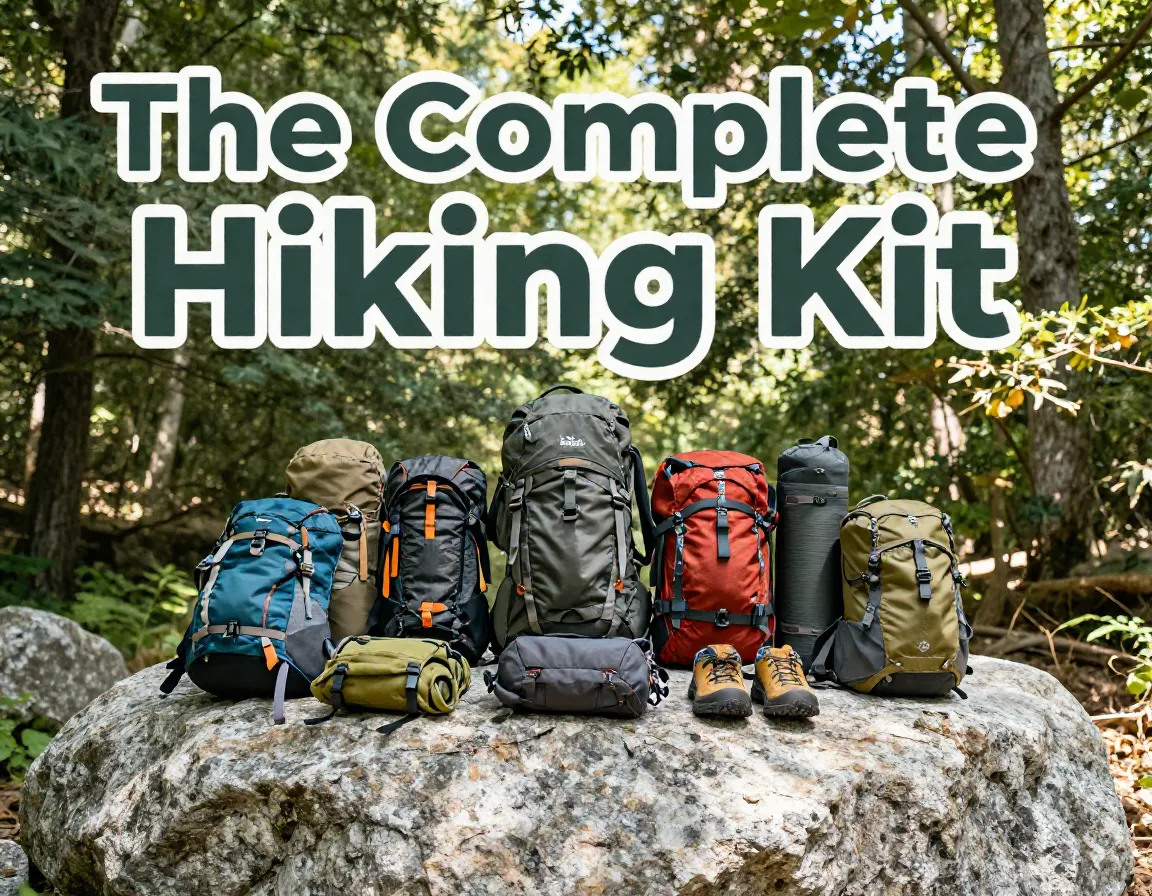
Key Takeaways
- 🥾 Footwear is your #1 investment — the right hiking shoe protects your feet and prevents injury.
- 🧥 Layering is the system — base layer, mid-layer, and outer shell work together to regulate temperature.
- 🌧️ Cotton kills — always choose moisture-wicking synthetics or merino wool over cotton.
- 🌞 Sun protection is non-negotiable — UV-blocking shirts, hats, and sunglasses protect on exposed trails.
- 🎒 Versatility saves weight — convertible pants, packable jackets, and multi-use accessories reduce pack weight.
The Complete Guide to the 9 Essential Hiking Outfit Pieces for Men: From Day Hike to Backpacking
Getting your hiking outfit right starts with understanding what each piece does and why it matters. Below, I’ve broken down every essential item — numbered in order of priority — so you can build your kit confidently.
1. Hiking Shoes or Trail Runners
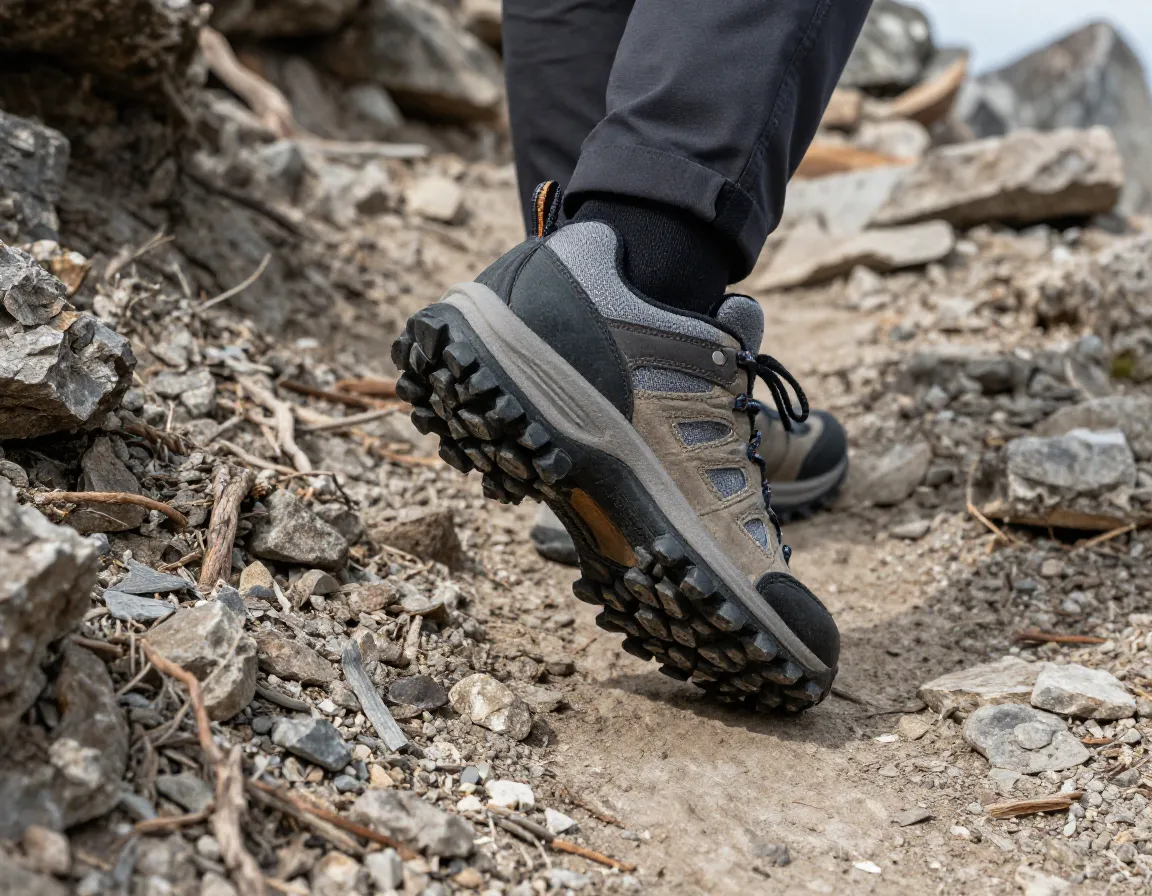
Your most important purchase, full stop.
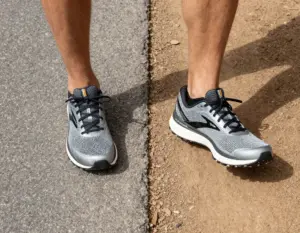
Hiking shoes with low ankle cuts and knobby rubber soles should be the very first thing you buy [1]. They deliver far more support than standard sneakers and protect your feet from sharp rocks and exposed roots. For day hikes on moderate terrain, a lightweight trail runner works great. For multi-day backpacking with a heavy pack, consider a mid-cut boot for added ankle stability.
| Terrain Type | Recommended Footwear |
|---|---|
| Flat, groomed trails | Trail runners |
| Rocky or rooted paths | Low-cut hiking shoes |
| Heavy pack / multi-day | Mid-cut hiking boots |
| Snow or winter conditions | Insulated, waterproof boots |
💡 Pro tip: Always break in new hiking shoes on short walks before committing to a long trail.
2. Moisture-Wicking Base Layer
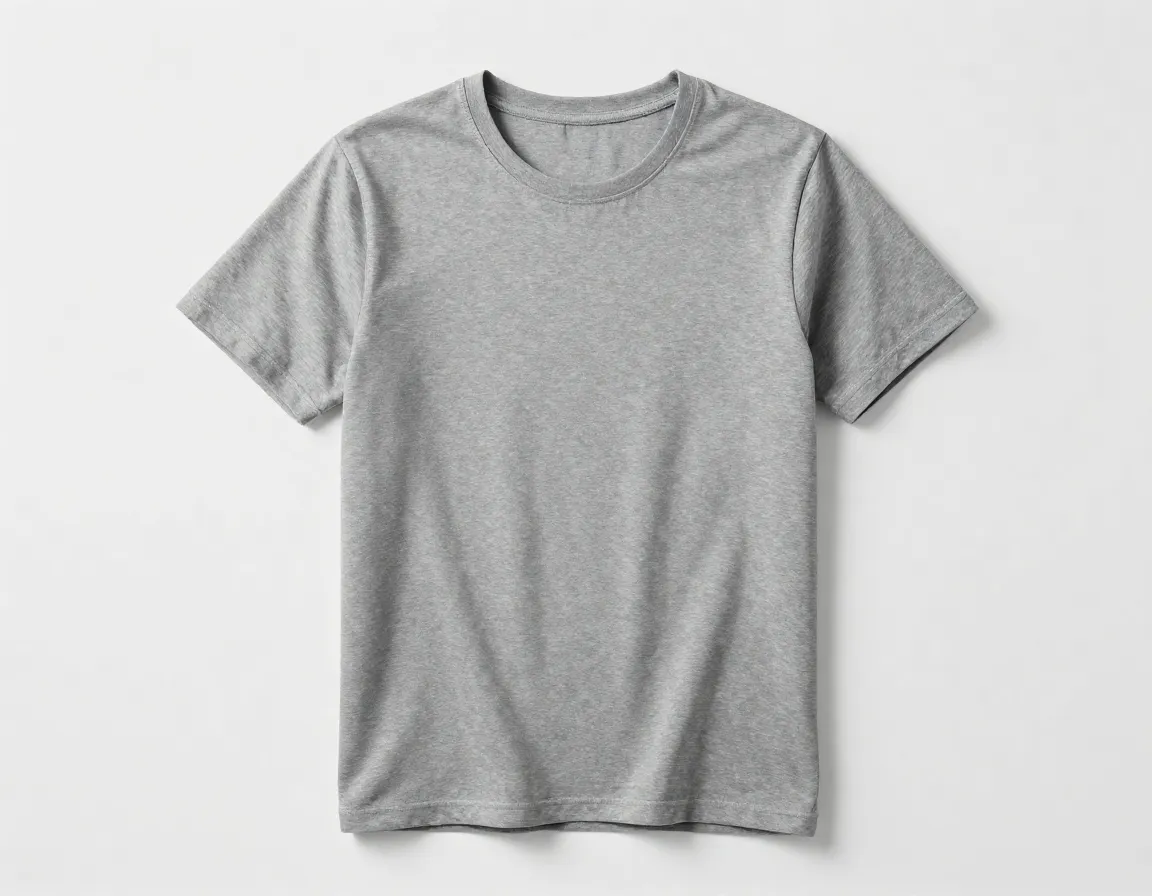
The foundation of your layering system.
Professional guides consistently recommend breathable, fast-drying fabrics — polyester, nylon, or merino wool — as the base layer of any hiking outfit [2]. Cotton absorbs sweat and stays wet, which leads to chafing, discomfort, and dangerous chilling in cold weather. A quality base layer moves moisture away from your skin and dries quickly, keeping you comfortable through sustained effort.
For warm weather, a lightweight polyester crew neck works well. For cooler conditions, merino wool offers natural odor resistance and temperature regulation — a huge bonus on multi-day trips.
3. UV-Blocking Performance Shirt
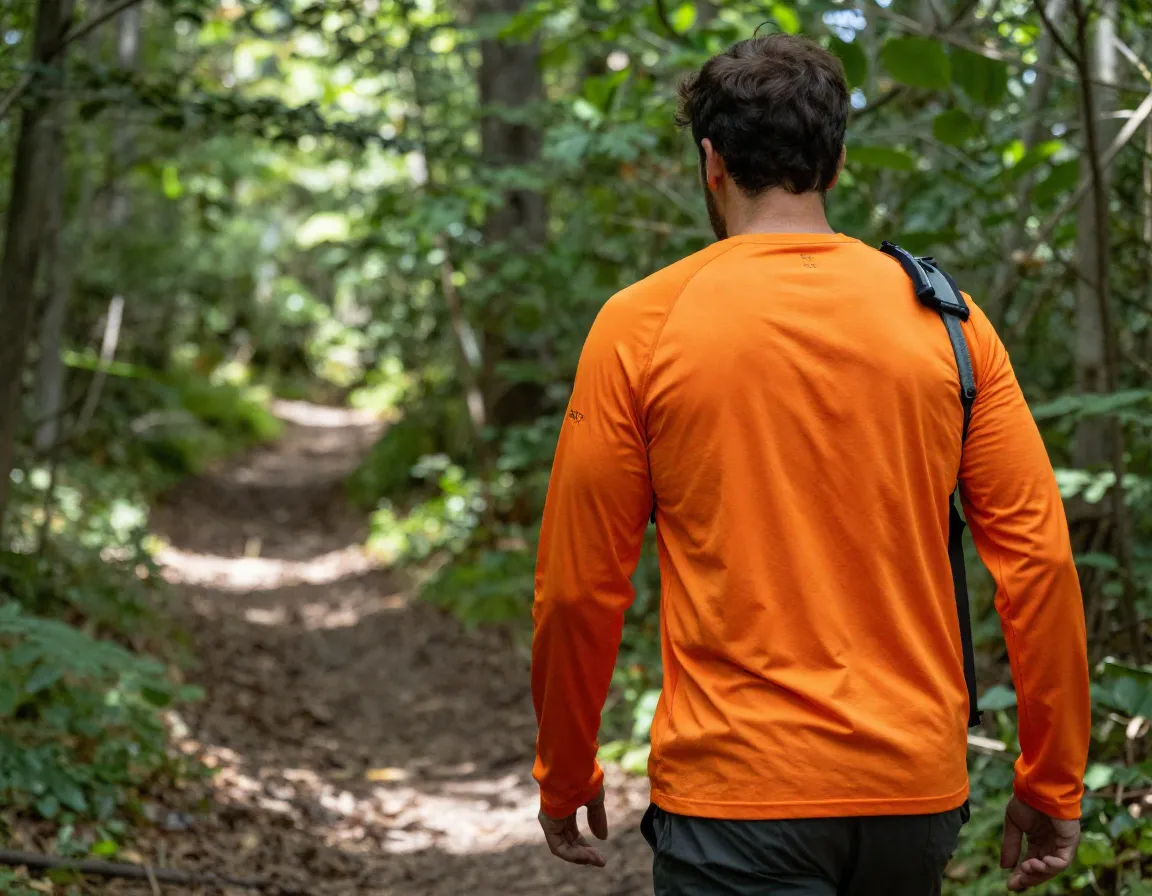
Protection and breathability in one layer.
Your hiking shirt does double duty: it manages sweat and shields your skin from the sun [3]. Look for shirts with a UPF 30+ or UPF 50+ rating, lightweight construction, and a relaxed athletic fit. Short-sleeve versions are ideal for warm-weather day hikes. Long-sleeve UPF shirts are the smarter choice on exposed ridgelines or desert trails where sun coverage is critical.
High-visibility colors — bright orange, yellow, or red — are also worth considering [3][4]. They make you easier to spot on difficult trails and in rescue situations, which is a real safety advantage.
4. Convertible Hiking Pants
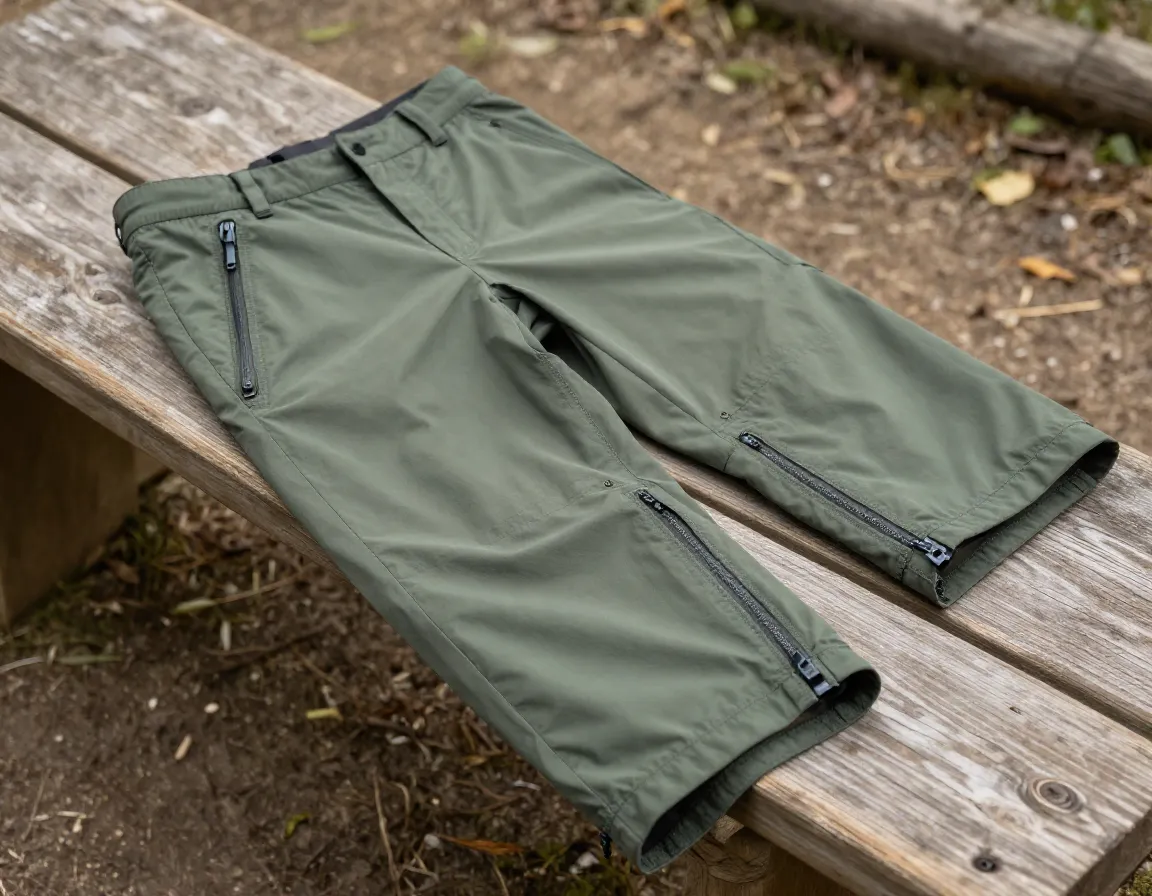
One pair, two configurations.
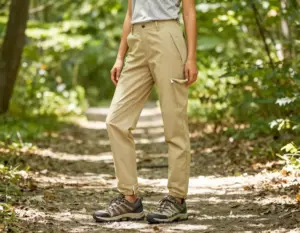
Convertible zip-off pants — like the popular REI Sahara model — let you switch between full-length pants and shorts as conditions change throughout the day [4]. This eliminates the frustrating choice of committing to one option when mountain weather can swing dramatically between morning and afternoon.
Look for pants made from quick-dry nylon or polyester blends with:
- Zippered pockets for security
- Articulated knees for mobility
- A gusseted crotch for unrestricted movement
- UPF sun protection built into the fabric
5. Merino Wool Hiking Socks
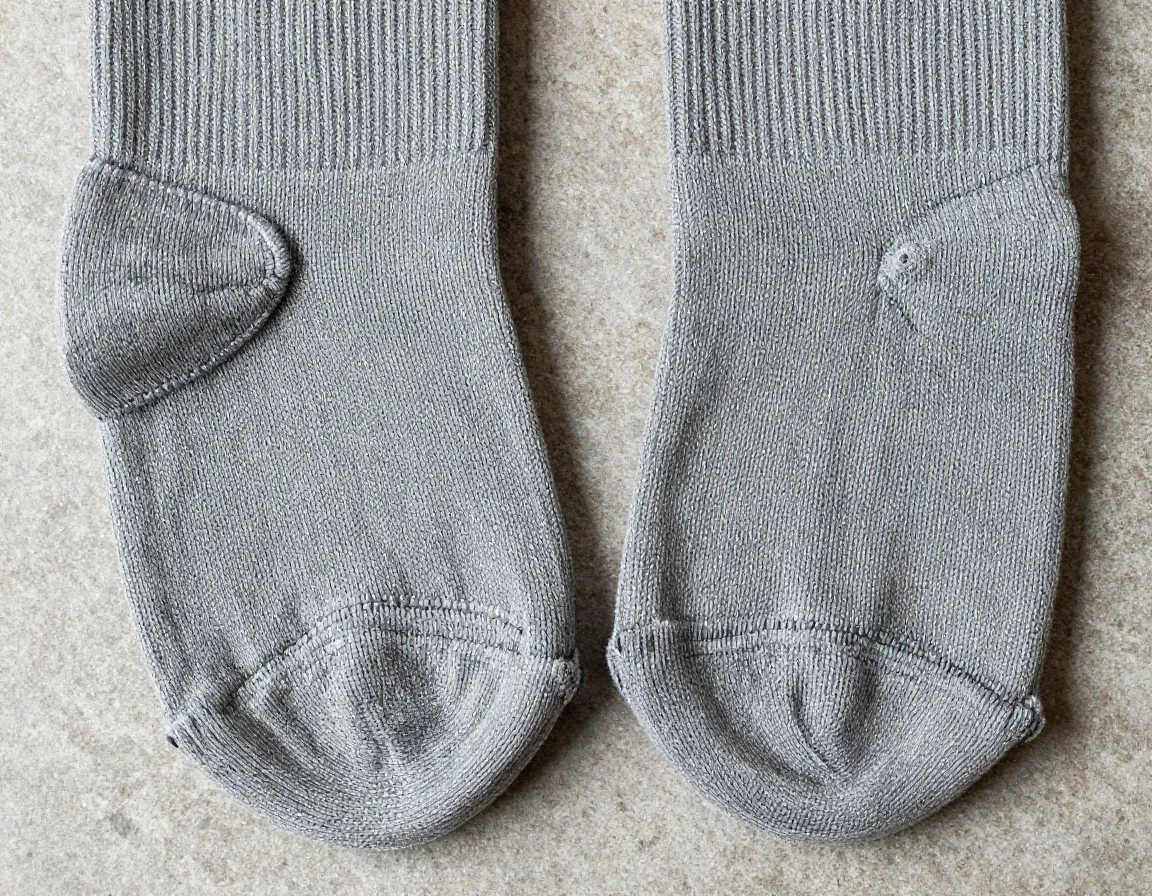
Small investment, massive payoff.
Blisters can end a hike faster than bad weather. Merino wool hiking socks with targeted cushioning are consistently recommended by professional guides as one of the most important pieces of gear you can own [3]. Merino wool keeps feet dry, resists odor, and regulates temperature better than synthetic-only options.
What to look for in a hiking sock:
- Merino wool content (at least 60%)
- Reinforced heel and toe zones
- Cushioning matched to terrain (light for day hikes, medium-heavy for backpacking)
- Seamless toe construction to prevent hot spots
6. Fleece or Insulated Mid-Layer
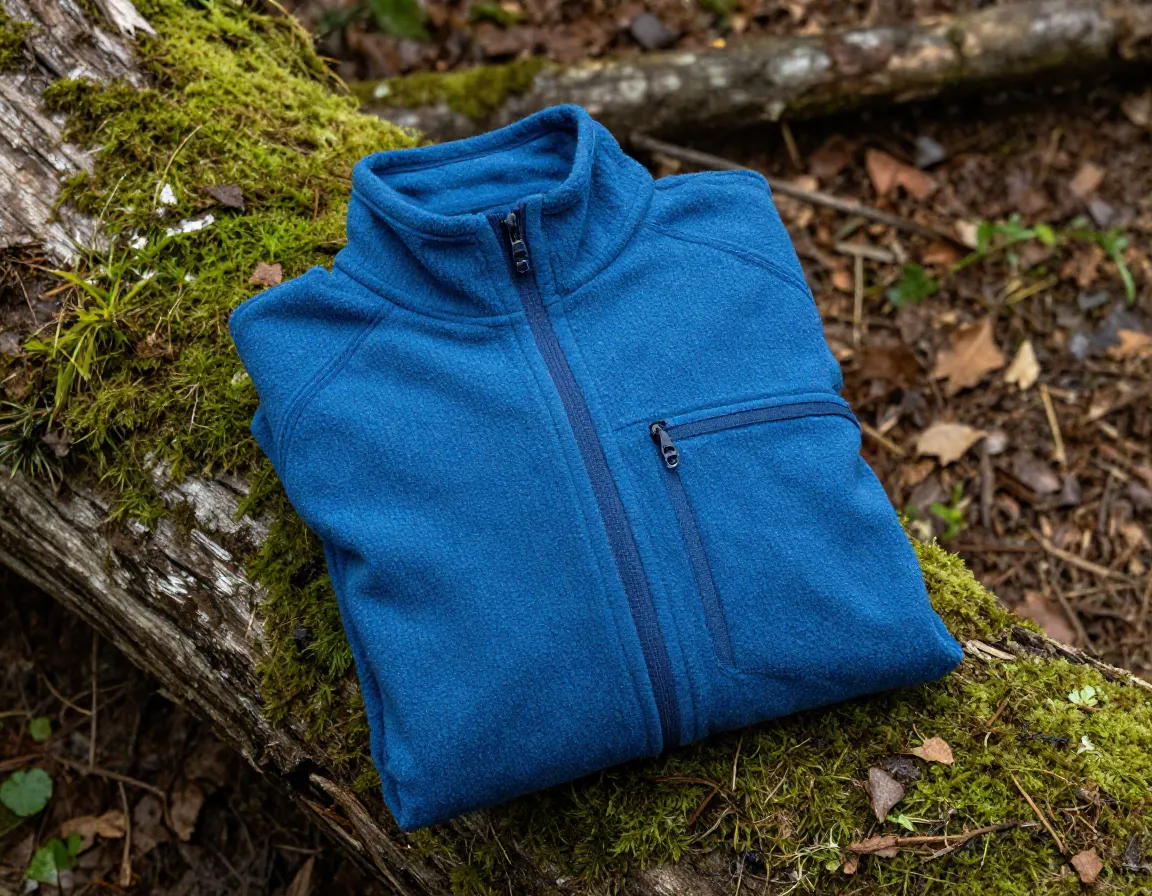
Your warmth buffer between base and shell.
Mid-layers are where your layering system earns its keep. Lightweight fleece jackets are ideal for cooler hiking days and high-output activity [2]. Quarter-zip fleece pullovers pack down small, making them a backpacker’s favorite for variable mountain conditions [3].
For wet environments or winter trips, choose a synthetic insulated jacket over traditional down. Synthetic fill retains warmth even when damp — a critical advantage when down loses its insulating power if it gets wet [2].
| Mid-Layer Type | Best For |
|---|---|
| Lightweight fleece | Active hiking in cool temps |
| Quarter-zip pullover | Packable warmth, variable weather |
| Synthetic puffy jacket | Cold, wet, or winter conditions |
| Down puffy jacket | Cold, dry conditions only |
7. Waterproof Rain Jacket
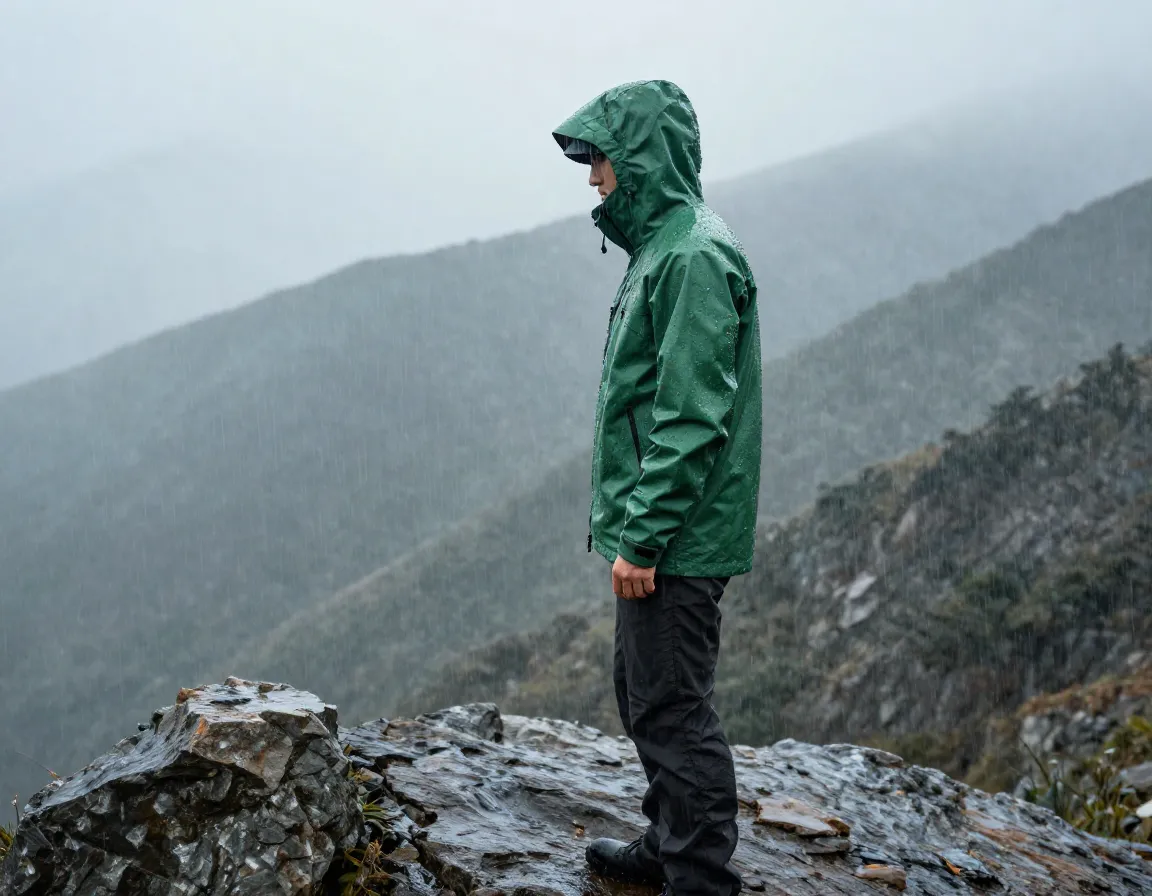
Your outer shell against wind and rain.
A quality rain jacket must do two things: block water and breathe [2]. Non-breathable rain gear creates a “plastic bag” effect — you stay dry from rain but soak in your own sweat. Look for jackets with waterproof-breathable membranes (like Gore-Tex or similar technologies), taped seams, and a packable design that compresses into its own pocket.
🌧️ “A rain jacket that doesn’t breathe is just a sauna suit with a hood.”
For backpacking, this piece is non-negotiable. Even on sunny day hikes, a packable rain shell weighs almost nothing and can save you from hypothermia if the weather turns.
8. Wide-Brimmed Hat or Waterproof Cap
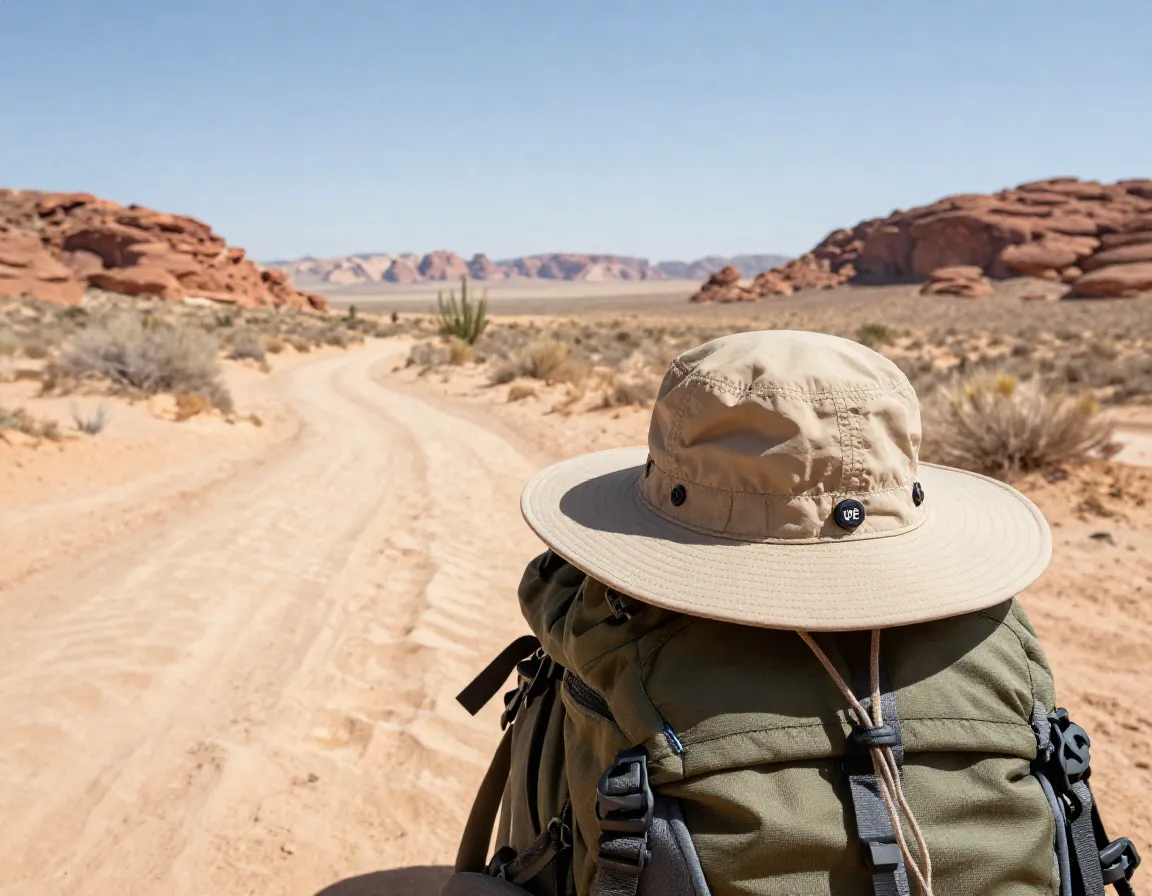
Head protection for every condition.
A wide-brimmed hat is a summer hiking essential — it shields your face, neck, and ears from UV radiation [2]. For desert environments, some hikers attach a sun cape to the brim for full neck coverage. In wet weather, switch to a waterproof brimmed hat or a baseball-style cap paired with your rain jacket hood.
Hat options by condition:
- ☀️ Summer / desert: Wide-brim with UPF rating
- 🌧️ Rain: Waterproof brim hat or cap
- ❄️ Cold: Insulated beanie under your hood
9. Gloves, Sunglasses, and Accessories
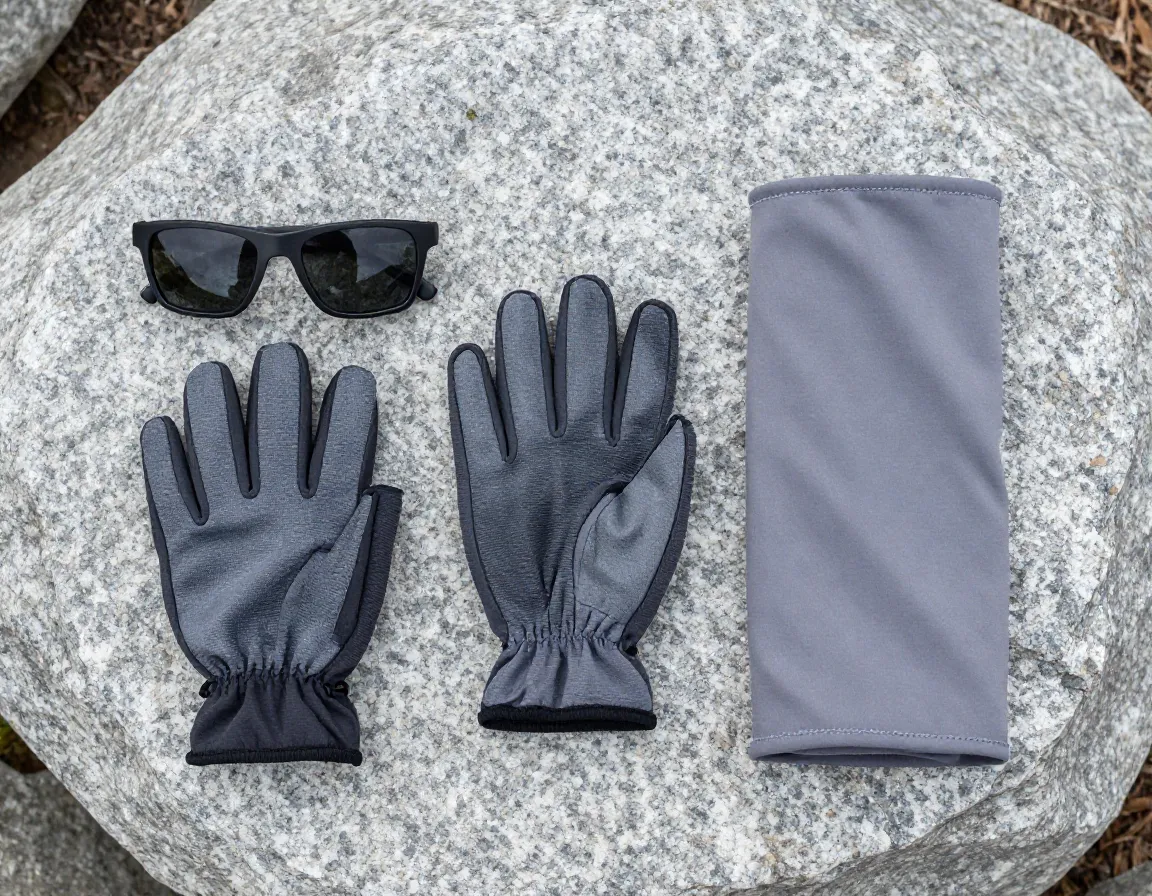
The finishing touches that complete the kit.
For winter or high-altitude hiking, insulated gloves are essential [5]. Options like waterproof sensor gloves (for touchscreen use) or GTX mittens for extended cold-weather trips cover the range of needs. In milder conditions, lightweight liner gloves add warmth without bulk.
Sunglasses are critical on snow, water, or high-altitude terrain where UV exposure is intense [5]. Pair them with a BUFF neck gaiter — a versatile tube of fabric that works as a neck warmer, balaclava, headband, or dust mask depending on conditions.
How to Layer the 9 Essential Hiking Outfit Pieces for Men: From Day Hike to Backpacking
Understanding how these pieces work together makes the whole system click. Here’s a quick reference:
| Condition | Layers to Wear |
|---|---|
| Warm day hike | UPF shirt + convertible pants + trail shoes + hat + sunglasses |
| Cool morning hike | Base layer + fleece + convertible pants + hiking shoes + hat |
| Rainy day | Base layer + fleece + rain jacket + hiking pants + waterproof cap |
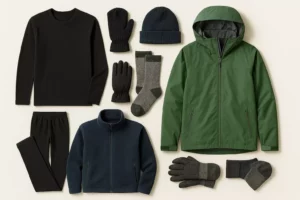
| Winter / backpacking | Base layer + insulated mid-layer + rain shell + hiking boots + gloves + beanie |
Conclusion
Building your hiking wardrobe around the 9 Essential Hiking Outfit Pieces for Men: From Day Hike to Backpacking doesn’t have to be expensive or complicated. Start with the non-negotiables — trail shoes, moisture-wicking base layers, and merino wool socks — then layer up from there based on your climate and trip length.
Your actionable next steps for 2026:
- Audit your current gear — identify what you already own that meets the criteria above.
- Prioritize footwear first — visit a specialty outdoor retailer and get properly fitted.
- Replace any cotton layers — swap them for polyester, nylon, or merino wool alternatives.
- Build your rain and insulation layers — even for day hikes, these can be lifesavers.
- Test your full kit on a short local hike before committing to a longer adventure.
The trail rewards preparation. Gear up right, and every mile gets better. 🥾
References
[1] Best Hiking Gear – https://www.outdoorgearlab.com/topics/camping-and-hiking/best-hiking-gear
[2] How To Choose Hiking Clothes – https://www.rei.com/learn/expert-advice/how-to-choose-hiking-clothes.html
[3] Hiking – https://www.orvis.com/men/activity/hiking
[4] Best Hiking Gear – https://hikingguy.com/best-hiking-gear/
[5] Watch – https://www.youtube.com/watch?v=2s98afADHFw