9 Clever Cooking While Camping Ideas to Save Time & Effort
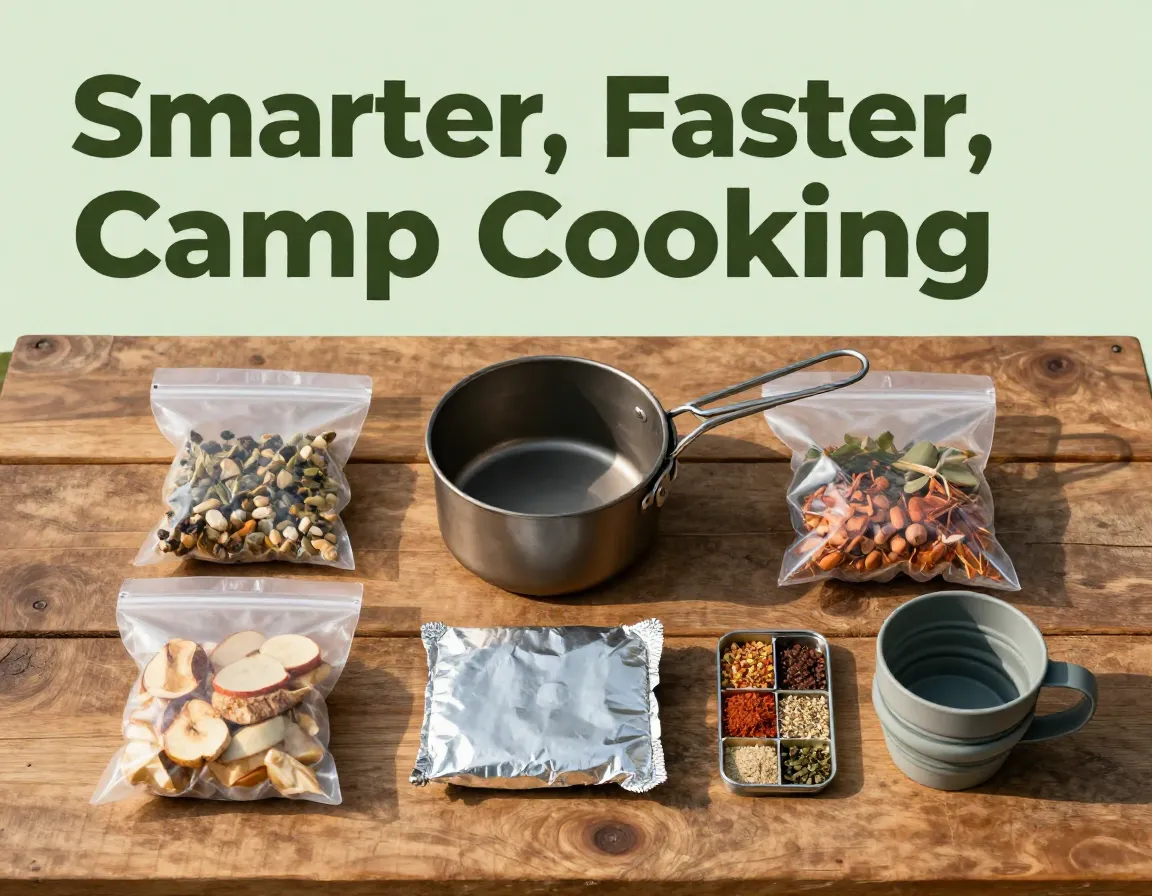
Imagine spending less time hunched over a camp stove and more time soaking in the stars. That dream becomes reality when you master the 9 Clever Cooking While Camping Ideas to Save Time & Effort — a set of strategies that seasoned outdoor cooks swear by. Whether you’re a weekend warrior or a long-trail thru-hiker, smart campsite cooking can transform your entire outdoor experience. In this guide, we’ll walk through every idea step by step, so you can eat better, stress less, and keep your adventure on track.
Key Takeaways
- 🔥 Prep at home to cut campsite cooking time by up to 50%.
- 🍳 One-pot and foil packet meals minimize cleanup and maximize flavor.
- ♻️ Lightweight, multi-use cookware saves pack weight and effort.
- 📦 Smart food storage and pre-portioning reduces waste and speeds up mealtime.
- 🌿 Sustainable cooking habits — like solar cooking and biodegradable packaging — are trending in 2026.
Why Smart Camp Cooking Matters in 2026
The outdoor recreation market is booming. The global camping and outdoor cooking equipment market is projected to surpass $3.5 billion by 2027, driven by a surge in family camping, solo adventures, and overlanding trips [1][4]. More people are camping than ever before, and with that growth comes a demand for smarter, faster, and more sustainable ways to cook outdoors.
“The best camp meal isn’t the fanciest one — it’s the one that gets you back to the campfire fastest.”
According to industry data, over 60% of campers say meal preparation is one of their biggest pain points [2]. The good news? The 9 Clever Cooking While Camping Ideas to Save Time & Effort below solve exactly that problem.
The 9 Clever Cooking While Camping Ideas to Save Time & Effort
1. Pre-Prep and Pre-Portion Everything at Home
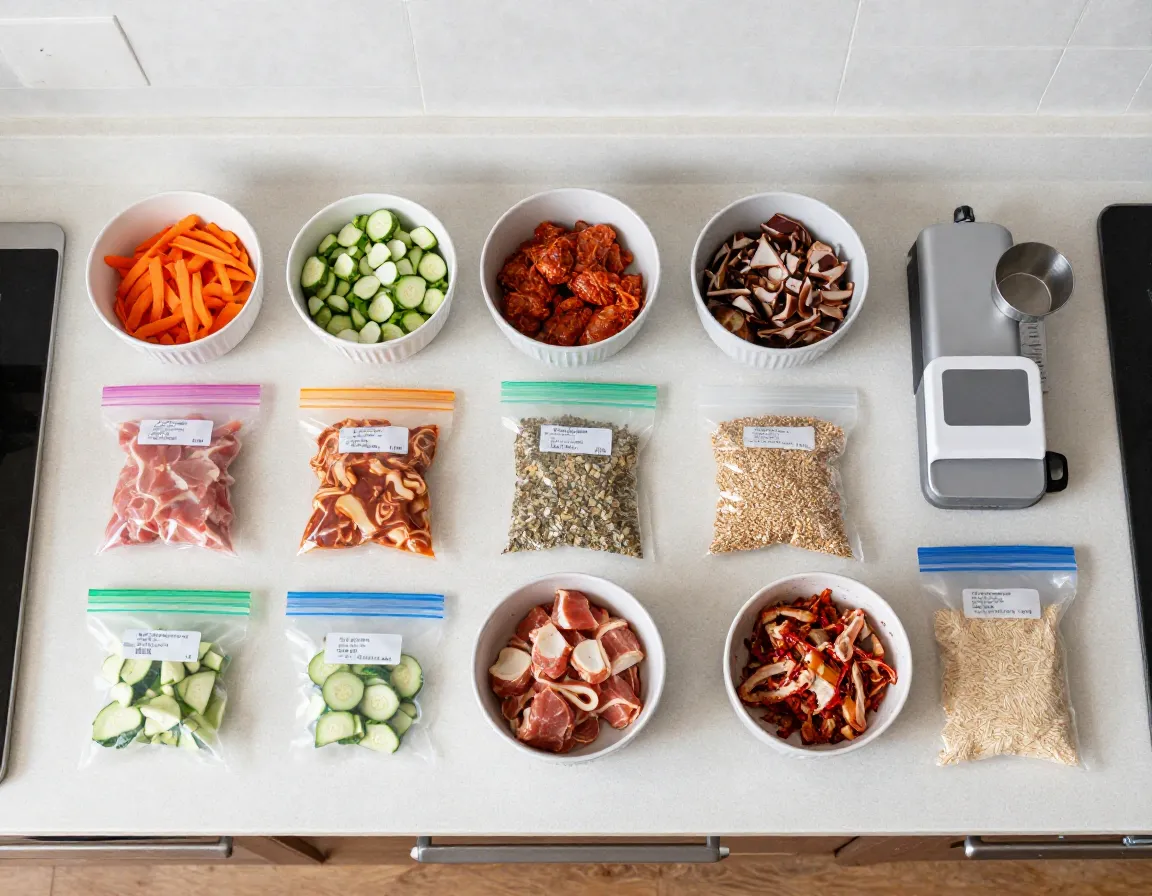
Before you even pack your tent, do as much cooking prep as possible in your own kitchen. Chop vegetables, marinate proteins, and measure out spices into small, labeled zip-lock bags or reusable silicone pouches.
Why it works:
- Cuts active campsite cooking time by up to 50%
- Reduces the number of utensils you need to bring
- Keeps ingredients fresher longer with vacuum sealing
Pro tip: Pre-cook grains like rice or quinoa at home, then refrigerate them. At camp, you only need to reheat — saving 20+ minutes per meal.
2. Master the One-Pot Meal Method
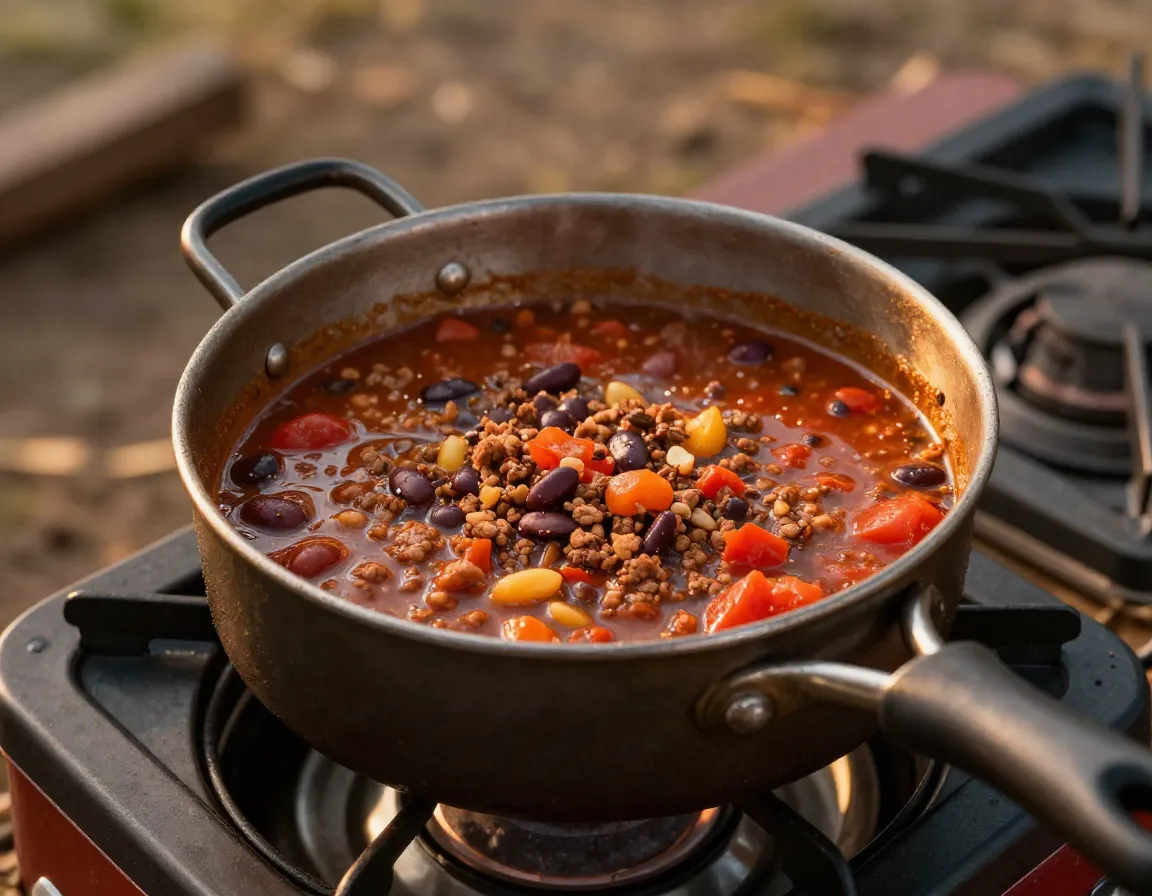
One-pot cooking is the gold standard of camp cuisine. A single pot of chili, pasta, or curry means one thing to wash, one thing to monitor, and one less headache.
| Meal Type | Cook Time | Difficulty | Cleanup |
|---|---|---|---|
| Camp Chili | 20 min | Easy | Minimal |
| One-Pot Pasta | 15 min | Easy | Minimal |
| Lentil Curry | 25 min | Medium | Minimal |
| Ramen Upgrade | 10 min | Easy | Minimal |
How to do it: Layer ingredients by cook time — start with proteins, add dense vegetables, then liquids, and finish with quick-cooking items like leafy greens or noodles.
3. Use Foil Packet Cooking for Zero-Mess Meals
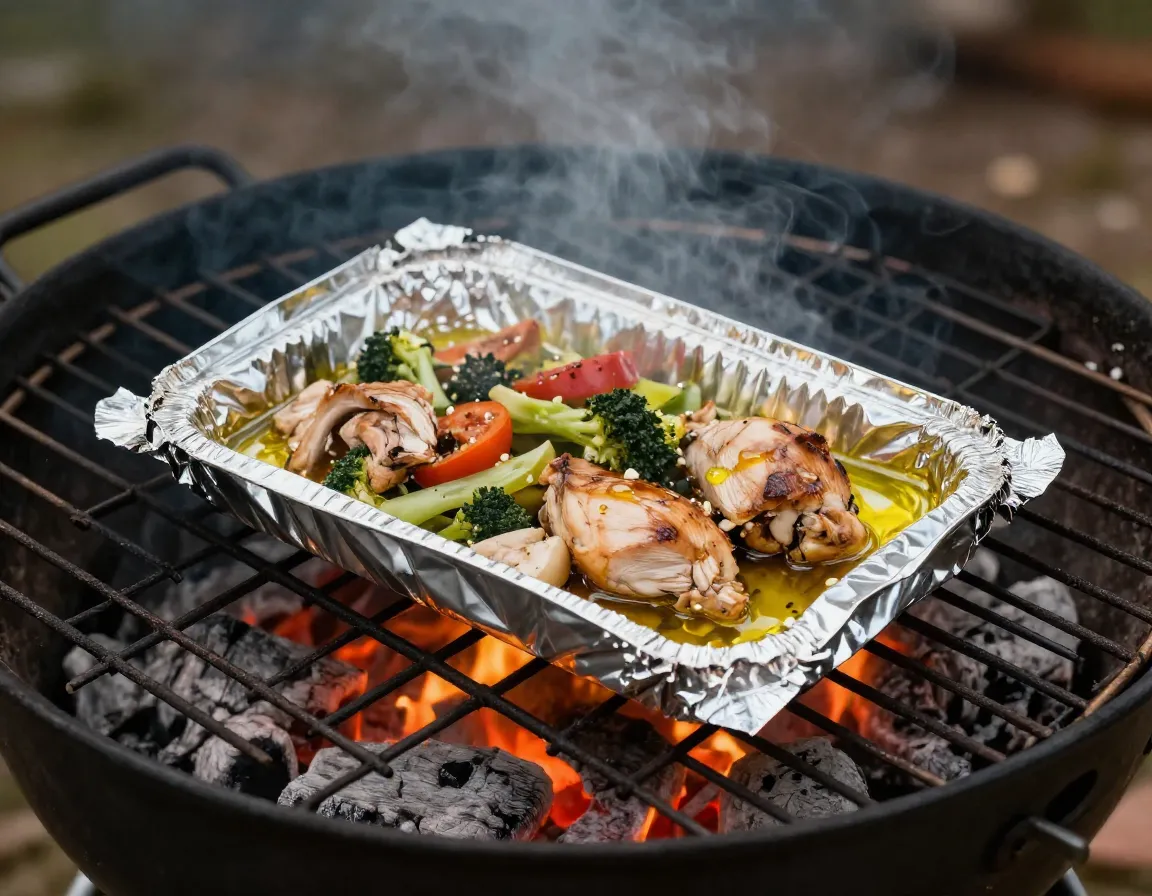
Foil packets are a camper’s best friend. Wrap your ingredients in heavy-duty aluminum foil, toss them on hot coals or a camp grill, and let heat do the work.
Basic foil packet formula:
- Lay out a large sheet of heavy-duty foil
- Add protein (chicken, fish, sausage, or tofu)
- Layer vegetables and seasonings
- Add a splash of olive oil or butter
- Seal tightly and cook 15–25 minutes, turning once
🌟 Bonus: The foil doubles as your plate — eat right from the packet and toss it when done (use recycled foil where possible).
4. Invest in Lightweight, Multi-Use Cookware
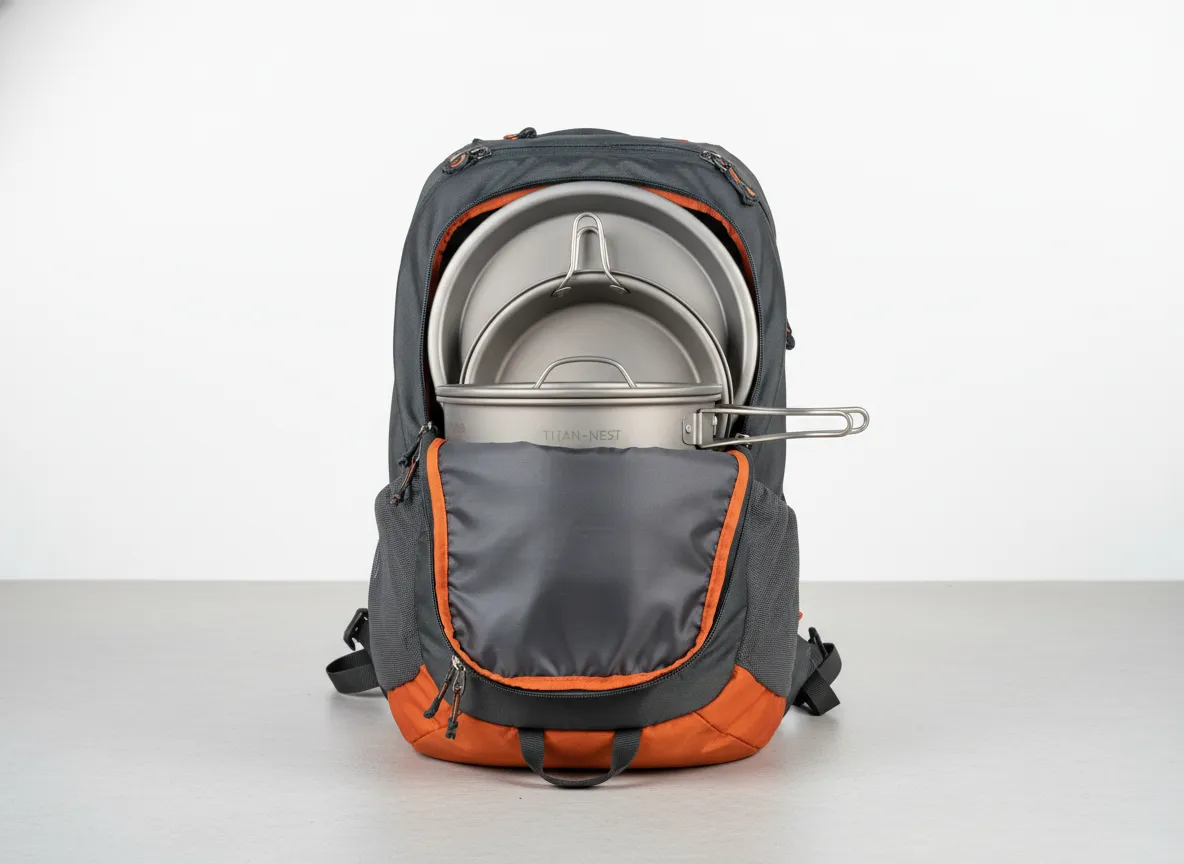
The outdoor cookware market is seeing a wave of innovation in 2026, with titanium, hard-anodized aluminum, and ceramic-coated options offering incredible durability at a fraction of traditional weight [3][4].
What to look for:
- Titanium pots: Ultra-light, corrosion-resistant, and long-lasting
- Nesting cookware sets: Multiple pots and pans that stack inside each other
- Lids that double as skillets: A two-in-one design that saves space
“Switching to a titanium cook set cut 1.2 lbs from my pack — that’s a game-changer on a 5-day trail.”
Multi-use gear means fewer items to carry, fewer items to clean, and more time enjoying your surroundings.
5. Plan a Themed Meal Schedule
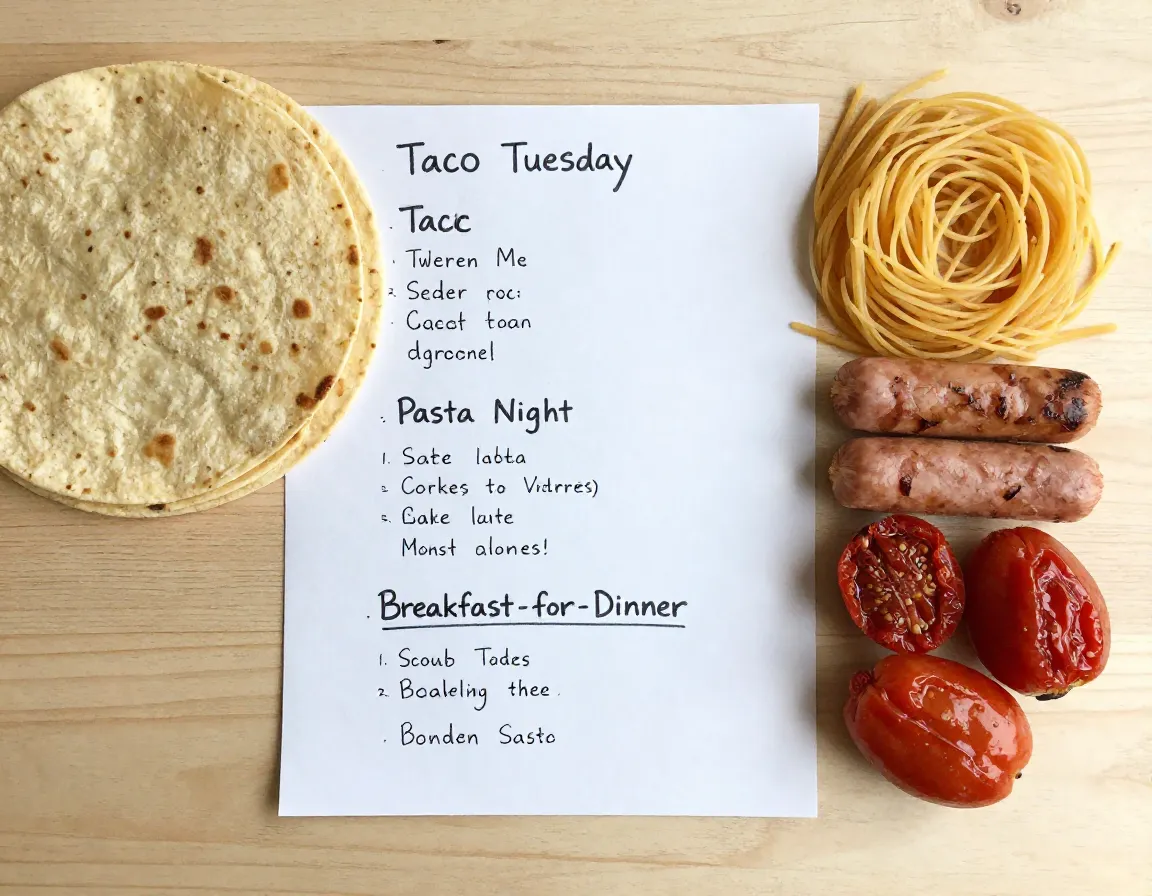
Meal planning before you leave is one of the most underrated time-savers in camp cooking. Assign a theme to each day — Taco Tuesday, Pasta Night, Breakfast-for-Dinner — so you never stand at the camp stove wondering what to make.
Simple 3-day camp meal plan:
- Day 1: Foil packet chicken with roasted veggies
- Day 2: One-pot pasta with sun-dried tomatoes and sausage
- Day 3: Campfire breakfast burritos (great for dinner too!)
When you know exactly what you’re making, you buy only what you need, prep only what’s necessary, and waste almost nothing.
6. Harness the Power of the Camp Dutch Oven
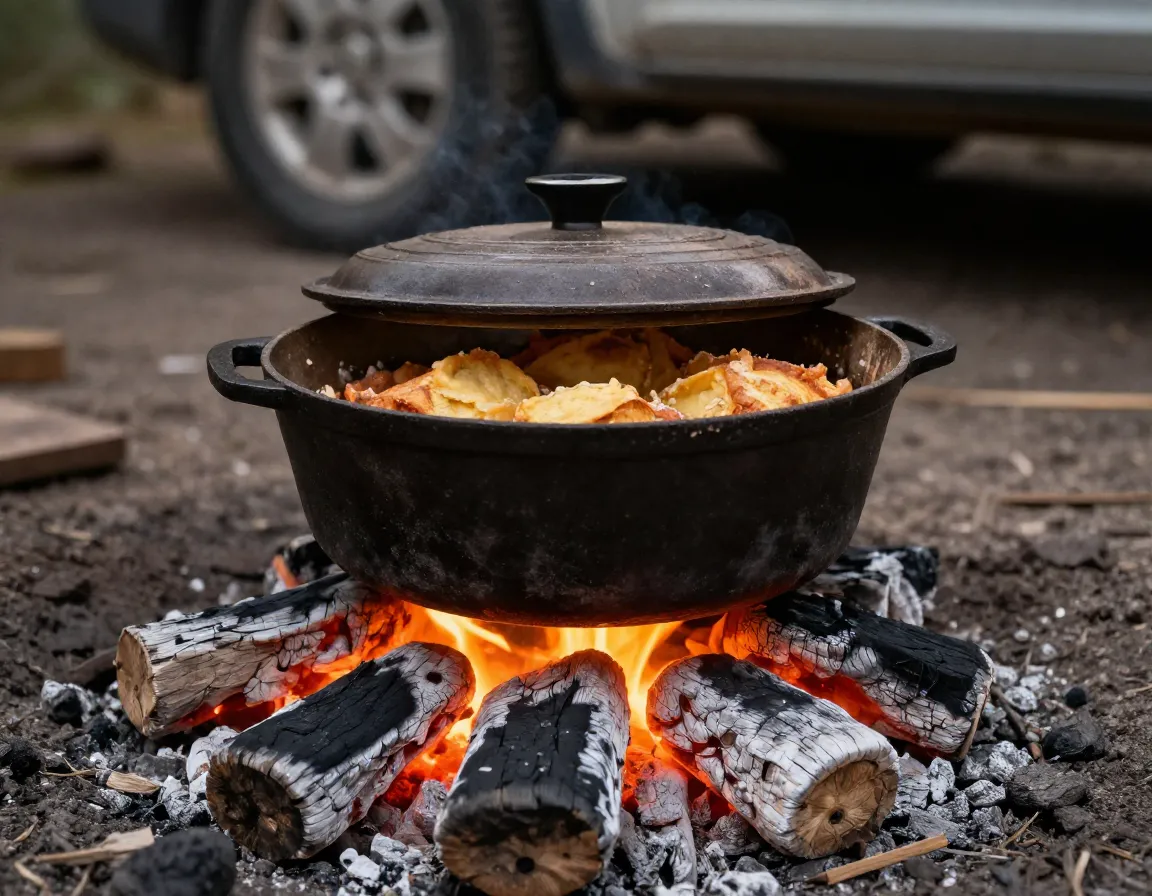
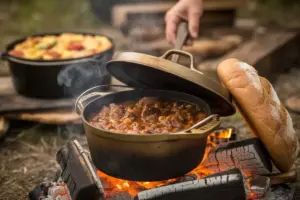
A cast iron Dutch oven is the Swiss Army knife of camp cooking. You can bake, braise, fry, and simmer — all in one vessel. While it’s heavier than titanium options, it’s ideal for car camping or base camps where weight isn’t a concern.
Dutch oven quick tips:
- Use charcoal briquettes for consistent, measurable heat (1 briquette ≈ 25°F)
- Place coals on the lid and underneath for oven-style cooking
- Bake cornbread, cobblers, or even pizza at camp with ease
Cast iron also retains heat exceptionally well, meaning food stays warm longer — a real bonus on cold nights.
7. Embrace No-Cook and Cold-Soak Meal Options
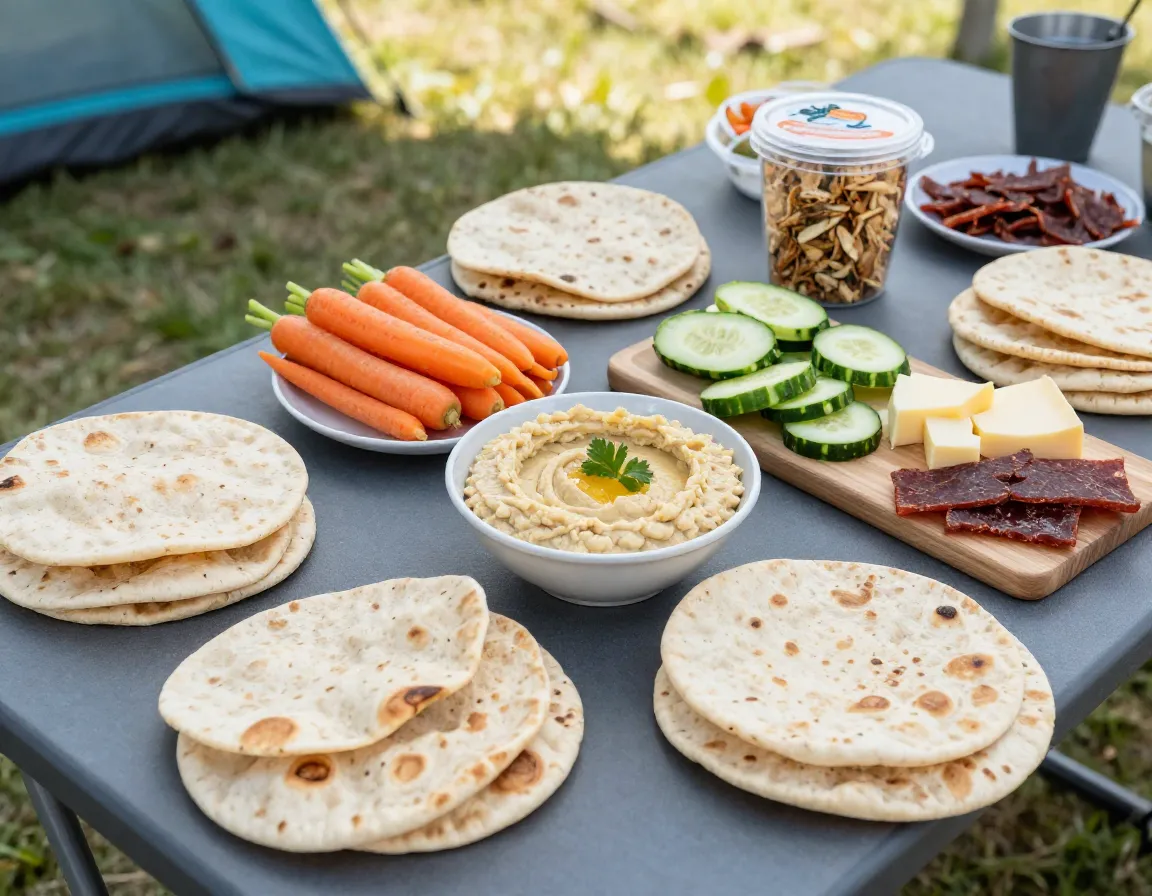
Not every camp meal needs heat. No-cook meals are perfect for lunch, snack time, or when you’re simply too tired to fire up the stove.
Best no-cook camp foods:
- Peanut butter and tortilla wraps
- Hummus with pita and raw veggies
- Overnight oats (prepared in a jar the night before)
- Trail mix, jerky, and cheese boards
- Cold-soak ramen or couscous (just add cold water and wait 20 minutes)
Cold-soaking is especially popular among ultralight backpackers. You skip the stove entirely — saving fuel, time, and gear weight.
8. Use Smart Spice Kits and Flavor Shortcuts
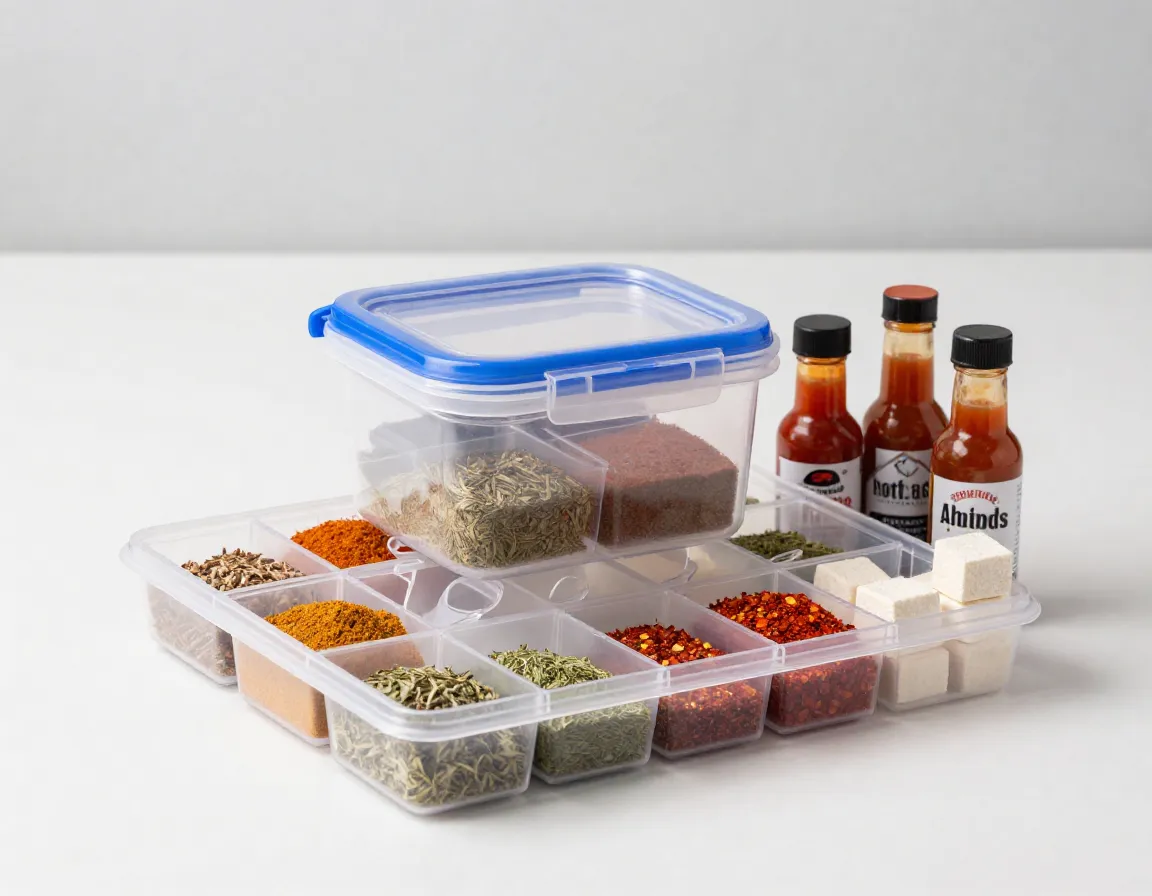
Bland camp food is a thing of the past. Pre-mixed spice blends and flavor shortcuts let you cook restaurant-quality meals with minimal effort.
Build your camp spice kit:
- All-purpose seasoning (garlic powder, onion powder, paprika, salt, pepper)
- Taco seasoning blend
- Italian herb mix
- Chili flakes
- Instant bouillon cubes (add depth to any broth or stew)
Store spices in a small, waterproof container or repurpose a daily pill organizer for individual servings. Pre-mixed blends mean you season confidently without measuring at camp.
🌶️ Flavor hack: Pack a small bottle of hot sauce, soy sauce, or balsamic glaze — a few drops transform any dish instantly.
9. Try Solar Cooking for a Sustainable Edge
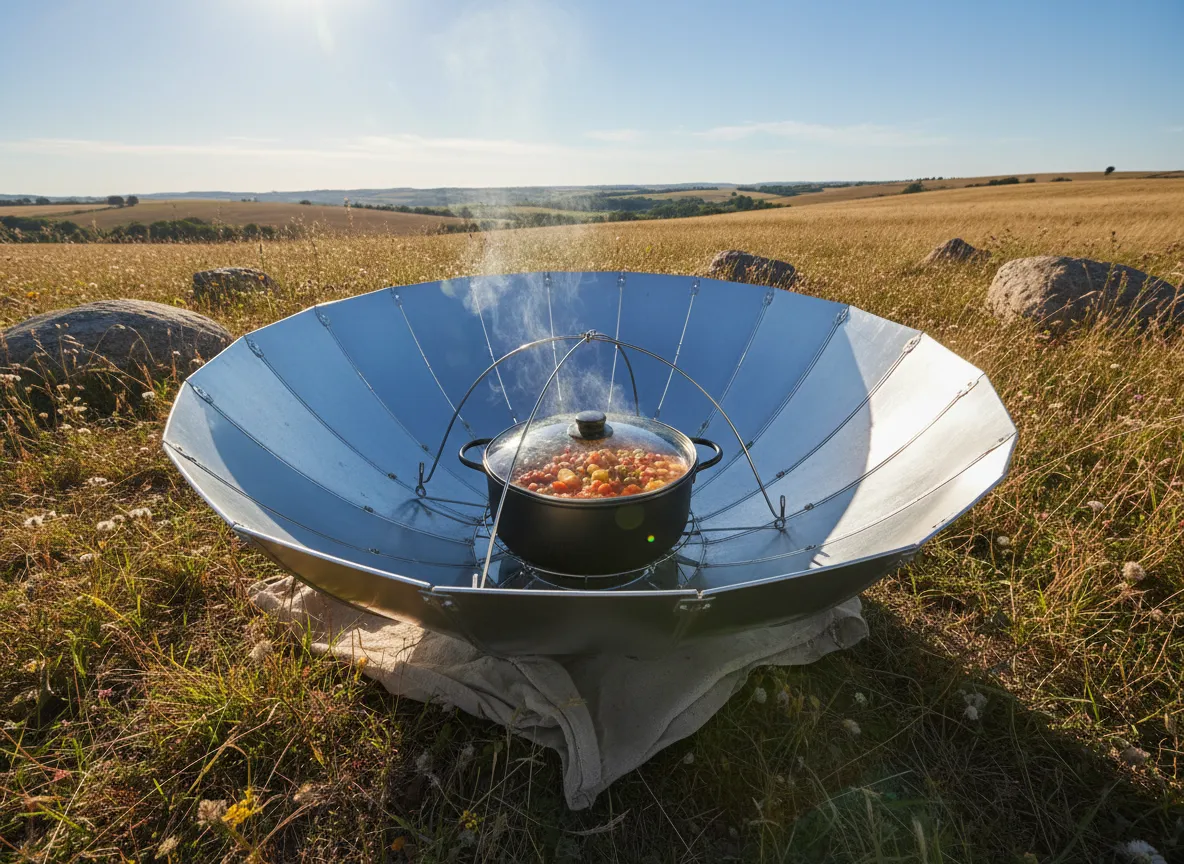
Solar cookers are one of the most exciting innovations hitting the camping world in 2026 [3][4]. These lightweight, foldable devices use reflected sunlight to heat food — no fuel required.
How solar cooking works:
- Reflective panels focus sunlight onto a dark cooking pot
- Temperatures can reach 250–300°F on a sunny day
- Best for slow-cooking stews, rice, or reheating meals
Pros and cons of solar cooking:
| Pros | Cons |
|---|---|
| Zero fuel cost | Needs direct sunlight |
| Eco-friendly | Slower cook times |
| Lightweight | Weather dependent |
| Great for long base camps | Not ideal for quick meals |
As sustainability becomes a core value for outdoor enthusiasts, solar cooking is moving from novelty to necessity.
Bonus Tips to Maximize Your Camp Kitchen Efficiency
- ✅ Bring a collapsible wash basin to speed up dishwashing
- ✅ Use biodegradable soap to stay eco-friendly near water sources
- ✅ Pack a small cutting board that doubles as a serving tray
- ✅ Label everything — bags, containers, and spice kits
- ✅ Prep your coffee the night before (cold brew or cowboy coffee grounds pre-measured)
Conclusion
The 9 Clever Cooking While Camping Ideas to Save Time & Effort aren’t just tips — they’re a mindset shift. When you prep smarter, pack lighter, and cook with intention, every meal at camp becomes an experience rather than a chore.
Your actionable next steps:
- This week: Plan your next camping menu and pre-portion ingredients at home.
- Before your trip: Audit your cookware and replace heavy, single-use items with lightweight multi-use options.
- At camp: Try at least one new technique — foil packets, Dutch oven baking, or cold-soaking — and see how it changes your mealtime.
- Long term: Build a go-to camp recipe rotation so planning becomes effortless.
The outdoors is waiting. Spend less time cooking and more time exploring. 🏕️
References
- Grand View Research. (2023). Outdoor Cooking Equipment Market Size & Share Report. grandviewresearch.com
- Kampgrounds of America (KOA). (2023). North American Camping Report. koa.com
- Outdoor Retailer Industry Insights. (2024). Emerging Trends in Lightweight Cookware and Sustainable Outdoor Gear. outdoorretailer.com
- Allied Market Research. (2023). Camping Equipment Market – Global Opportunity Analysis and Industry Forecast. alliedmarketresearch.com