8 Travel Essentials Toiletries for Every Camping & Hiking Trip
Picture this: you’re two days into a backcountry hike, miles from the nearest town, and you realize you forgot sunscreen. Your skin is burning, your lips are cracking, and the trip that was supposed to be a highlight of 2026 is turning into a miserable slog. 😬 I’ve been there — and trust me, it’s completely avoidable.

Packing the right 8 travel essentials toiletries for every camping & hiking trip is not just about comfort. It’s about safety, environmental responsibility, and making sure your adventure stays an adventure. Whether you’re a weekend warrior or a seasoned thru-hiker, knowing exactly what goes into your hygiene kit can make or break your time outdoors. In this guide, I’ll walk you through the definitive list of 8 travel essentials toiletries for every camping & hiking trip, backed by expert sources and real-world experience.
Key Takeaways
- ✅ Biodegradable, multi-use products save weight and protect the environment on the trail.
- ✅ Sun protection and insect repellent are non-negotiable safety items, not optional extras.
- ✅ Packing smart — using waterproof containers and solid product formats — prevents leaks and reduces bulk.
- ✅ Hygiene directly impacts health outdoors; hand sanitizer and a basic first aid kit can prevent serious illness or injury.
- ✅ Ultralight principles (like 2–4 squares of toilet paper per day) help you carry less without sacrificing cleanliness.
Why Your Toiletry Kit Matters More Than You Think
Most hikers obsess over their boots, their tent, and their sleeping bag rating. Toiletries? Those get thrown in last, often as an afterthought. But your hygiene kit is one of the most safety-critical parts of your pack.
“The difference between a great camping trip and a miserable one often comes down to the small things — and your toiletry bag is full of them.”
Dirty hands before meals can lead to stomach illness in the backcountry, where medical help is far away. Skipping sunscreen on a high-altitude ridge can cause serious burns. Forgetting blister care can turn a 10-mile day into an emergency evacuation. The stakes are real.
At the same time, what you bring into nature matters. Leave No Trace principles demand that we choose products that don’t harm waterways, wildlife, or soil. That’s why every item on this list has been chosen with both performance and environmental impact in mind.
The Complete Guide to 8 Travel Essentials Toiletries for Every Camping & Hiking Trip
Let’s break down each item in detail — what to look for, how much to bring, and why it earns its place in your pack.
1. Toothbrush and Toothpaste
Weight category: Ultra-light | Priority: Essential
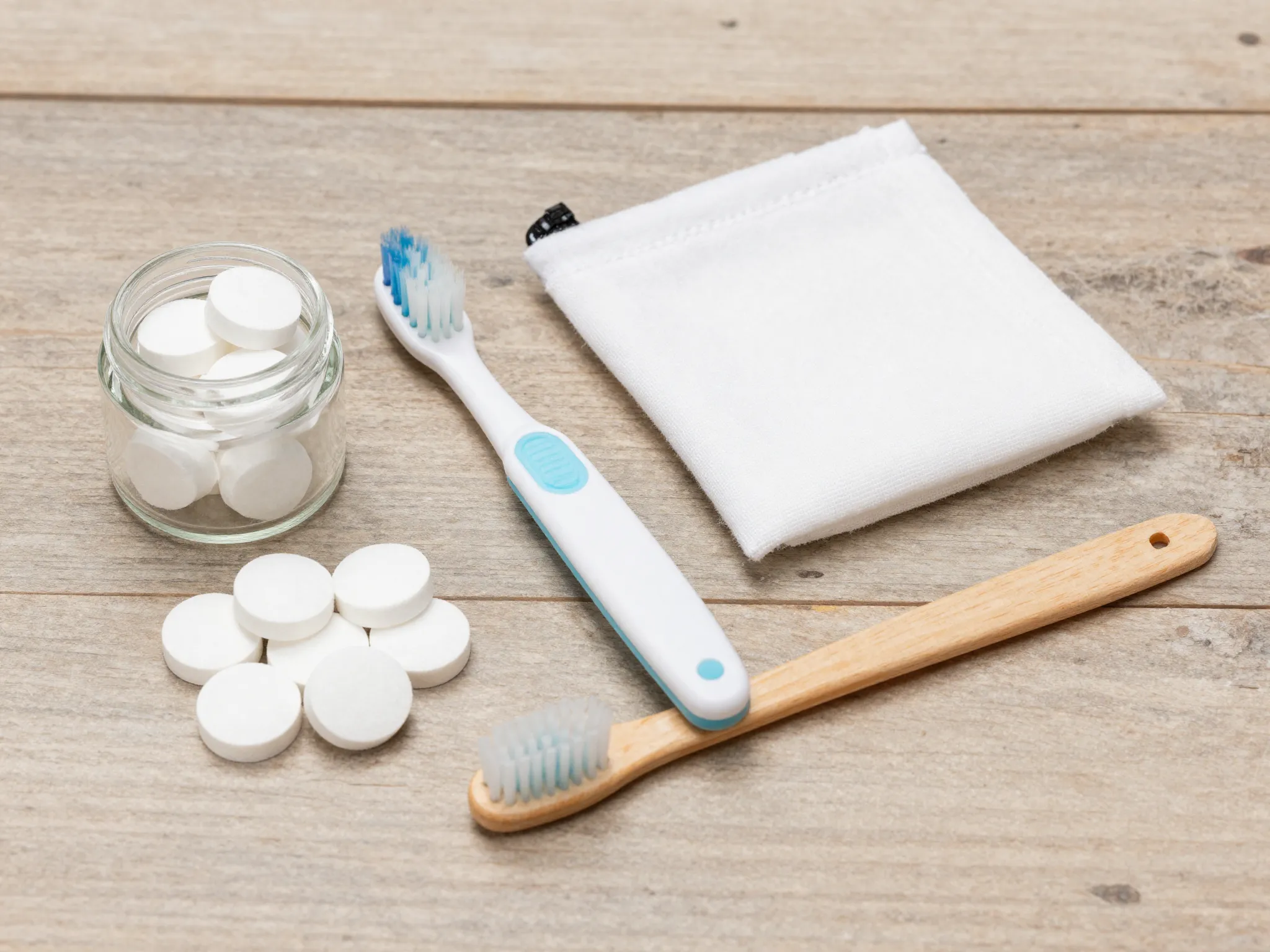
Oral hygiene doesn’t take a vacation just because you’re in the woods. A travel-sized toothbrush — ideally a folding or compact design — is a must-have that takes up almost no space [1]. For toothpaste, you have a few smart options:
- Travel-sized toothpaste tubes (look for ones under 1 oz)
- Toothpaste tablets — no liquid, no mess, TSA-friendly
- Baking soda — a lightweight, effective alternative recommended by many seasoned backpackers [2]
| Option | Weight | Eco-Friendly | Convenience |
|---|---|---|---|
| Travel toothpaste tube | Low | Moderate | High |
| Toothpaste tablets | Very Low | High | Very High |
| Baking soda | Very Low | High | Moderate |
Pro tip: Cut your toothbrush handle in half to shave a few extra grams if you’re going ultralight. Every ounce counts on a long-distance hike.
2. Biodegradable Soap
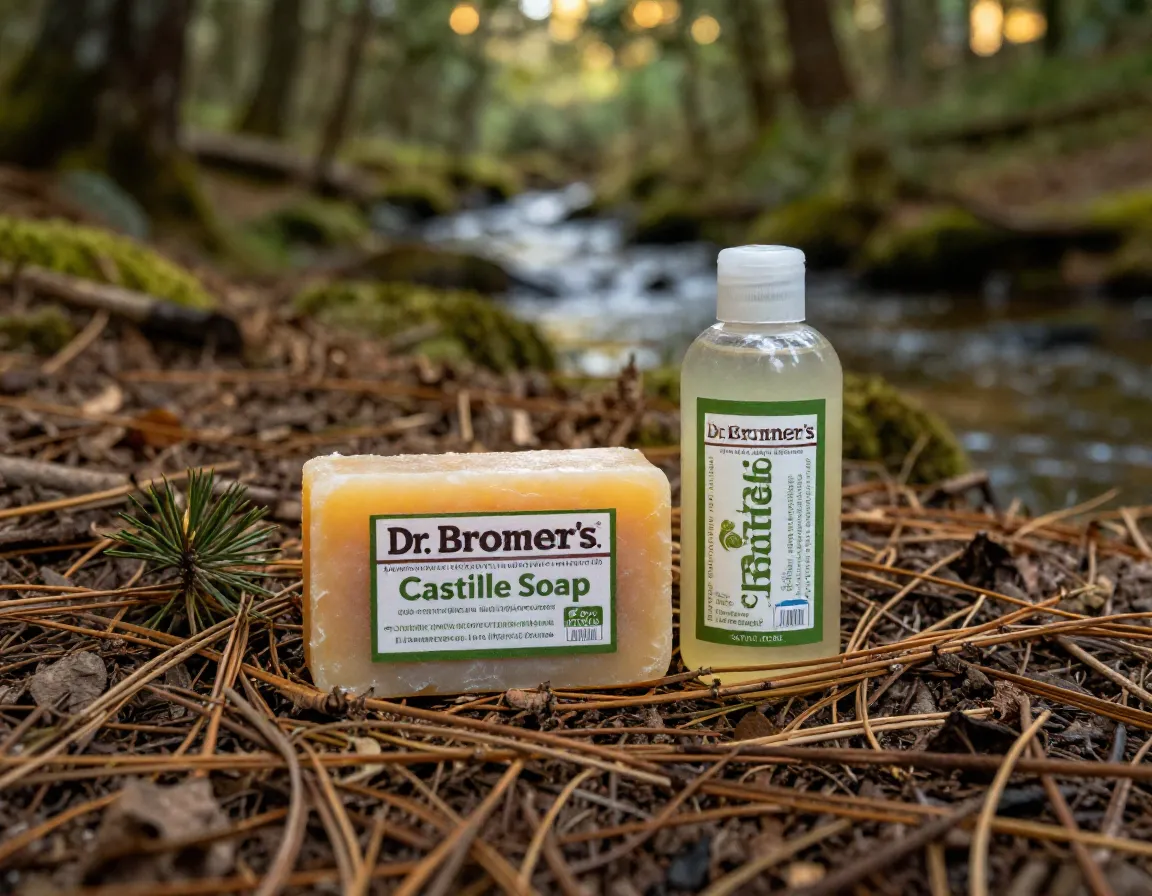
Weight category: Light | Priority: Essential
This is the workhorse of your camping toiletry kit. A biodegradable, multi-purpose soap can handle your body, your hair, and even your camp dishes — all in one compact bottle or bar [2][3]. This is the definition of packing smart.
Why biodegradable? Conventional soaps contain chemicals that can harm aquatic ecosystems. Even biodegradable soap should be used at least 200 feet from any water source to allow the soil to filter it naturally.
Top picks to consider:
- Dr. Bronner’s Castile Soap (liquid or bar)
- Sea to Summit Wilderness Wash
- Solid soap bars (zero packaging waste)
Key benefits of biodegradable soap:
- ✅ Multi-functional (body, hair, dishes)
- ✅ Minimal environmental impact
- ✅ Available in liquid and solid formats
- ✅ Widely available at outdoor retailers
3. Hand Sanitizer
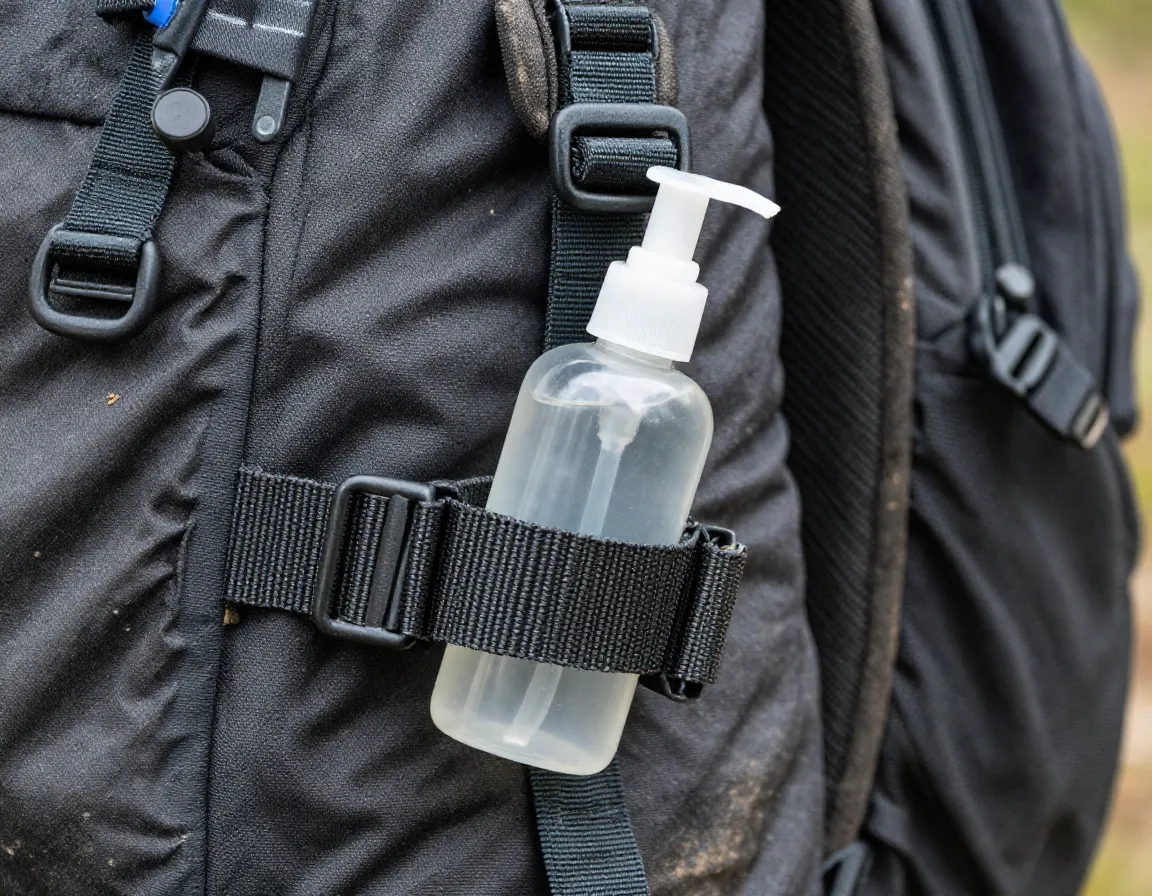
Weight category: Ultra-light | Priority: Critical
Hand sanitizer might be the single most important hygiene item in your kit. In areas without reliable access to soap and water, it’s your first line of defense against illness [4][2].
When to use it:
- Before every meal 🍽️
- After using the bathroom
- After handling trash or waste
- After touching shared surfaces at campsites
Look for a travel-sized bottle (1–2 oz) with at least 60% alcohol content — that’s the CDC-recommended minimum for effectiveness. Gel formulas are less likely to spill than liquid ones.
“Hand sanitizer is cheap, weighs almost nothing, and can prevent you from spending three days sick in your tent. There’s no excuse not to carry it.”
A small bottle clipped to the outside of your pack or hip belt means you’ll actually use it consistently throughout the day.
4. Sunscreen and Lip Balm with SPF

Weight category: Light | Priority: Critical
Sun exposure at elevation is no joke. For every 1,000 feet of altitude gain, UV radiation increases by roughly 4–5%. If you’re hiking alpine terrain, you’re getting significantly more UV exposure than at sea level — even on cloudy days [1][2].
What to pack:
- Sunscreen: SPF 30 minimum; SPF 50+ for high-altitude or snow environments. Stick sunscreen formats are less likely to leak and easier to apply on the go.
- Lip balm with SPF: Your lips are extremely vulnerable to UV damage and wind. A lip balm with SPF 15 or higher is essential [2].
| Sunscreen Type | Pros | Cons |
|---|---|---|
| Cream/lotion | Wide coverage | Can leak in pack |
| Stick | No-spill, easy apply | Limited coverage area |
| Spray | Fast application | Wind can waste product |
Reapplication reminder: Sunscreen wears off. Set a timer on your watch or phone to reapply every 2 hours, especially if you’re sweating heavily.
5. Quick-Dry Microfiber Towel
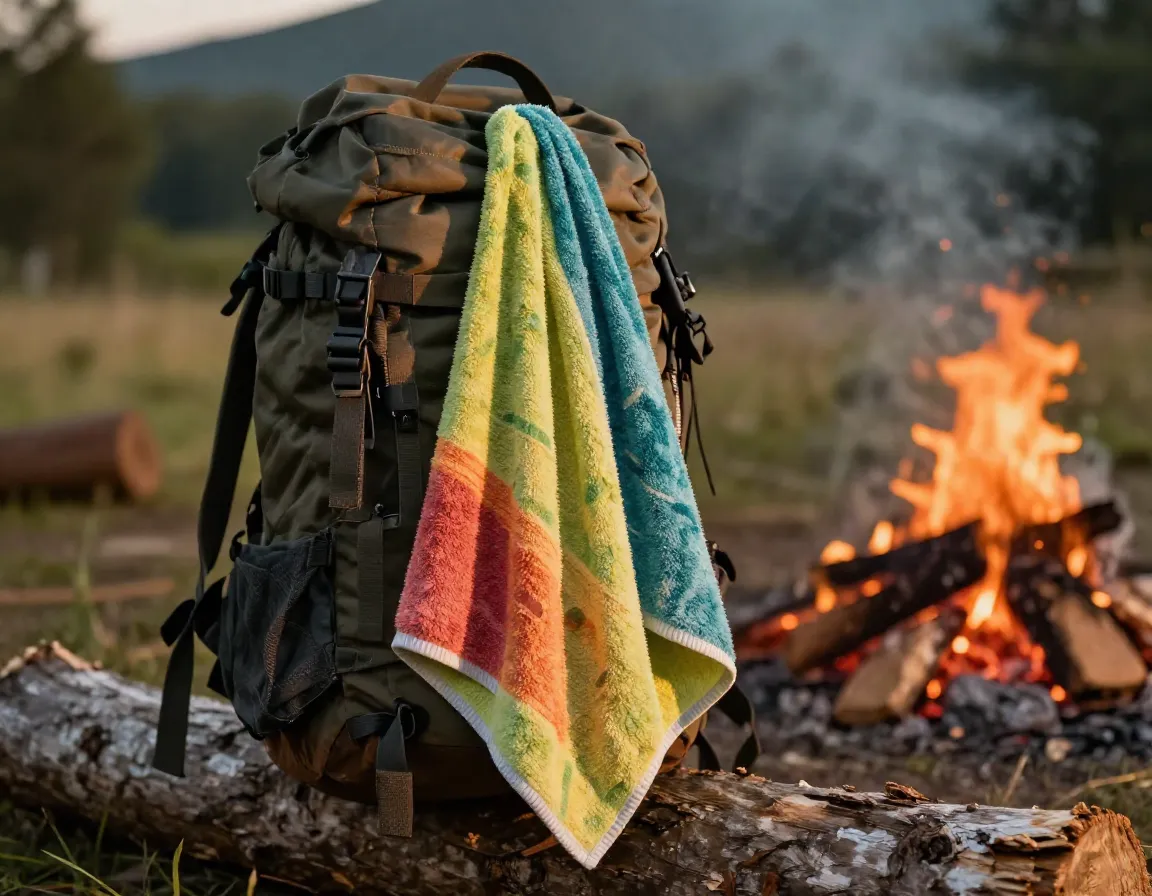
Weight category: Light | Priority: High
A quick-dry microfiber towel is one of those items that feels like a luxury until you don’t have one — then it feels essential. Standard cotton towels are bulky, heavy, and take forever to dry in humid trail conditions [2][5].
Microfiber towels designed for backpackers offer:
- 🏆 Ultra-absorbent — holds up to 4x their weight in water
- 🏆 Fast-drying — ready to use again within hours
- 🏆 Compact — folds down to the size of a paperback book
- 🏆 Lightweight — most weigh under 3 oz
Size guide:
- Small (16″x24″): Face and hands only
- Medium (20″x40″): Full body drying
- Large (30″x60″): Beach/swimming use
For most backpacking trips, a medium-sized microfiber towel hits the sweet spot between coverage and packability.
6. Insect Repellent

Weight category: Light | Priority: Critical
Bugs are more than an annoyance — in many regions, they’re a genuine health risk. Mosquitoes can carry diseases, and ticks are vectors for Lyme disease and other serious illnesses. Insect repellent is a non-negotiable item for most outdoor environments [1][2].
Your main options:
- DEET-based repellents — Most effective; 20–30% DEET is sufficient for most conditions
- Picaridin — Nearly as effective as DEET, less greasy, odorless
- Oil of Lemon Eucalyptus (OLE) — Natural option; CDC-approved for mosquito protection
- Permethrin — Applied to clothing, not skin; highly effective against ticks
Smart packing tip: Consider a pump spray or lotion format rather than aerosol to save space and avoid pressurization issues in your pack. A 1–2 oz travel bottle is usually enough for a week-long trip.
“Don’t wait until you’re being eaten alive to apply repellent. Put it on before you hit the trail.”
7. Toilet Paper and Waste Bags
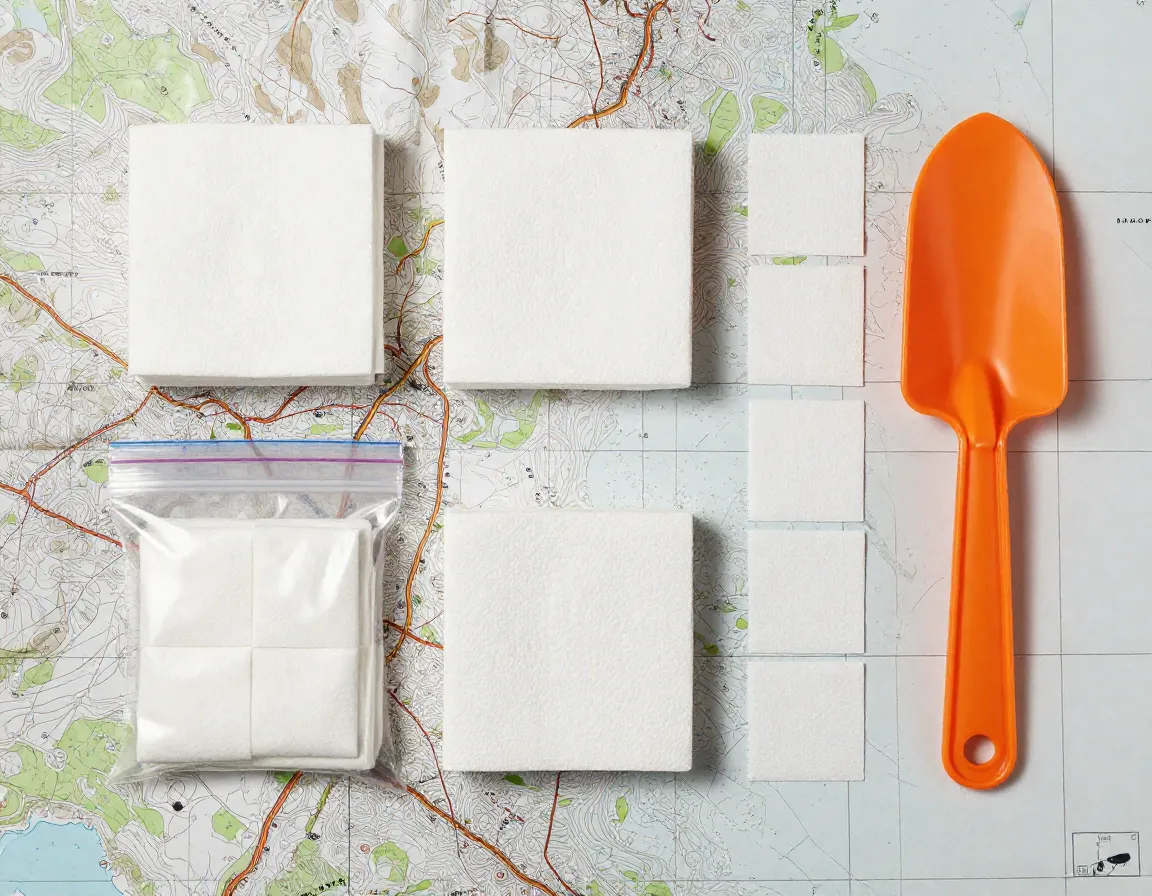
Weight category: Ultra-light | Priority: Essential
This one might seem obvious, but how you pack it matters enormously — both for weight savings and for Leave No Trace compliance.
Ultralight recommendation: Pack just 2–4 squares of toilet paper per day [3][4]. That sounds minimal, but it’s genuinely sufficient for most people. Pre-count and pre-pack your supply in a small zip-lock bag to keep it dry and organized.
Waste disposal options:
- Cat holes: Dig a hole 6–8 inches deep, at least 200 feet from water, trails, and campsites. Bury waste and used paper.
- Pack it out: In high-use areas or above treeline, many land managers require you to pack out all waste. WAG bags (Waste Alleviation and Gelling bags) are the standard solution [4].
- Trowel: A lightweight plastic or titanium trowel makes digging cat holes much easier.
Biodegradable toilet paper is available and breaks down faster, but it still needs to be buried or packed out — it does not disappear overnight.
8. Compact First Aid Kit
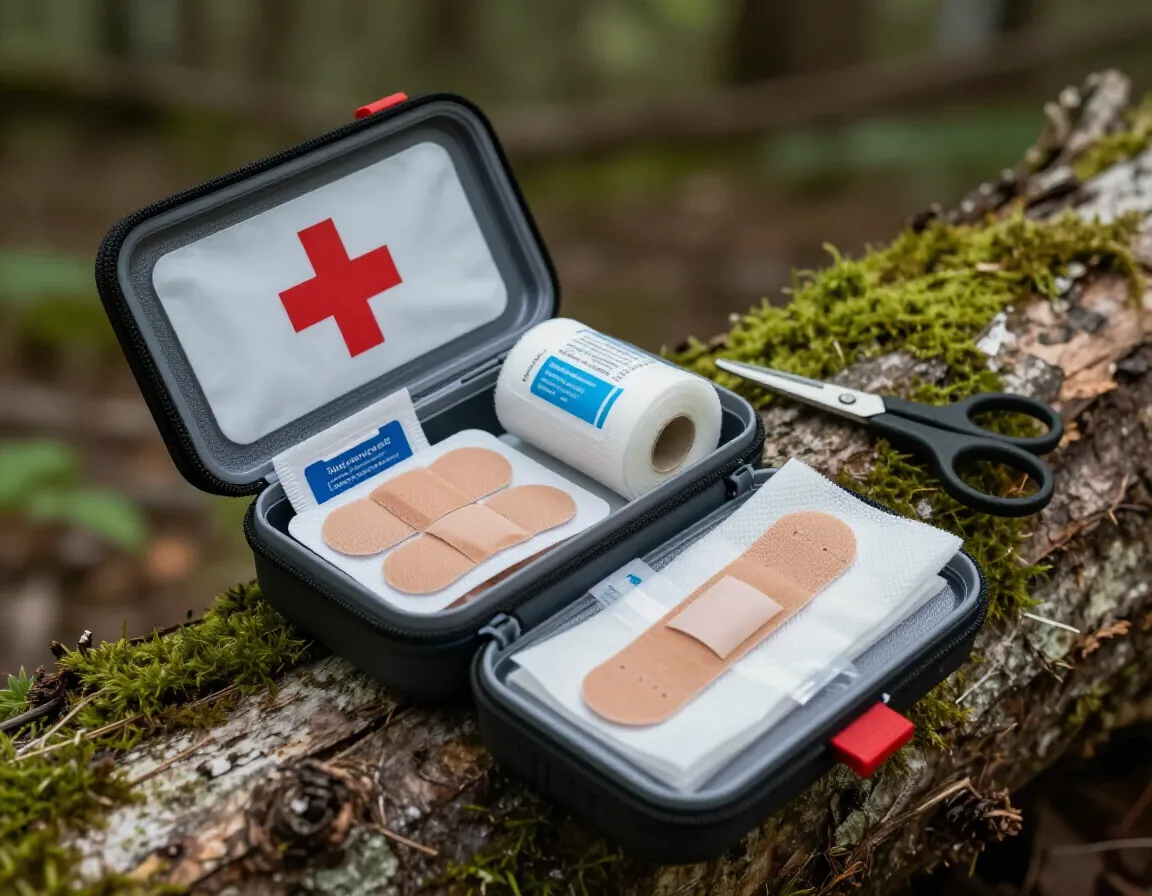
Weight category: Light to Moderate | Priority: Critical
A basic first aid kit rounds out the 8 travel essentials toiletries for every camping & hiking trip and is arguably the most important item on this list from a safety standpoint [2][5].
Core first aid kit contents:
- 🩹 Adhesive bandages (assorted sizes)
- 🧴 Antiseptic wipes or small bottle of antiseptic
- 💊 Pain relievers (ibuprofen, acetaminophen)
- 🦶 Blister care — moleskin or blister pads (a hiker’s best friend)
- 🩺 Medical tape and gauze
- ✂️ Small scissors or trauma shears
- 💊 Antihistamine tablets
- 🌡️ Emergency whistle (often included in kits)
Blister prevention and treatment deserves special attention. Blisters are the #1 reason hikers cut trips short. Apply moleskin at the first sign of a hot spot — don’t wait until a blister has already formed [2][5].
| Kit Size | Weight | Best For |
|---|---|---|
| Ultralight | 2–4 oz | Solo day hikes |
| Standard | 4–8 oz | Multi-day backpacking |
| Group kit | 8–16 oz | Group trips, remote expeditions |
Pro tip: Pre-built kits from brands like Adventure Medical Kits or REI are a great starting point. Customize them by adding any personal medications you need.
Bonus Items Worth Considering
While the 8 essentials above form the core of any camping toiletry kit, a few additional items are worth mentioning for longer or more demanding trips:
Deodorant: A travel-sized stick or natural deodorant in compact packaging keeps you comfortable on multi-day trips [2]. It won’t keep you smelling like a rose, but it helps.
Wet Wipes: Plan for 2 wipes per day as a substitute for showering [4][3]. Biodegradable versions are preferred. They’re great for a quick refresh at the end of a hard day on the trail.
Solid Shampoo and Conditioner Bars: These compact bars can last 3+ months and take up a fraction of the space of liquid products [5]. They’re also spill-proof — a major win for your pack.
Waterproof Containers and Zip-Lock Bags: None of your toiletries do you any good if they leak all over your sleeping bag. Use waterproof containers or heavy-duty zip-lock bags to organize and protect everything [2].
How to Pack Your Toiletry Kit Like a Pro
Getting the right items is only half the battle. Packing them efficiently is the other half.
Golden rules for packing toiletries:
- Use a dedicated waterproof bag — keeps everything organized and protects your other gear from spills
- Decant liquids into small travel bottles — never bring full-sized products
- Choose solids over liquids wherever possible — bars, tablets, and sticks weigh less and can’t leak
- Double-bag anything that can spill — even “leak-proof” lids fail under pack pressure
- Keep your most-used items accessible — hand sanitizer and sunscreen should be easy to grab without digging
Estimated total weight for a complete kit:
| Trip Type | Target Toiletry Weight |
|---|---|
| Ultralight day hike | Under 4 oz |
| Weekend backpacking | 4–8 oz |
| Week-long expedition | 8–16 oz |
Environmental Responsibility on the Trail
Choosing the right products isn’t just about your comfort — it’s about protecting the wild places we love to explore. Here are the key principles to keep in mind:
- 🌿 Always use biodegradable products near natural water sources
- 🌿 Pack out all waste in high-use or sensitive ecosystems
- 🌿 Use products sparingly — you need less than you think
- 🌿 Choose minimal packaging — solid bars and tablets generate far less waste than single-use plastic bottles
- 🌿 Stay 200 feet from water when washing or disposing of any product
The outdoor community has a responsibility to leave trails and campsites better than we found them. Your toiletry choices are a small but meaningful part of that commitment.
Conclusion
Packing the right 8 travel essentials toiletries for every camping & hiking trip doesn’t have to be complicated — but it does require intention. The eight items we’ve covered — toothbrush and toothpaste, biodegradable soap, hand sanitizer, sunscreen and lip balm, microfiber towel, insect repellent, toilet paper with waste bags, and a compact first aid kit — form a complete, lightweight, and responsible hygiene system for any outdoor adventure.
Your actionable next steps:
- Audit your current toiletry kit against this list and identify gaps.
- Replace full-sized products with travel-sized or solid alternatives.
- Invest in a quality waterproof toiletry bag to keep everything organized.
- Practice Leave No Trace hygiene habits before your next trip.
- Customize your kit based on trip length, destination, and personal needs.
The trails of 2026 are waiting. Pack smart, travel light, and leave no trace. 🏔️
References
[1] Best Camping List – https://www.outdoorgearlab.com/topics/camping-and-hiking/best-camping-list
[2] How To Pack Toiletries For Backpacking Your Ultimate Guide – https://www.battlbox.com/blogs/camping/how-to-pack-toiletries-for-backpacking-your-ultimate-guide
[3] Ultralight Backpacking Checklist – https://www.rei.com/learn/expert-advice/ultralight-backpacking-checklist.html
[4] What To Bring You Your Toiletry Kit – https://www.alpineascents.com/blog/what-to-bring-you-your-toiletry-kit/
[5] Toiletries Packing List – https://www.thebrokebackpacker.com/toiletries-packing-list/