8 Traditional Appalachian Mountain Foods to Try on Your Hike
Imagine biting into a dense, molasses-sweet stack cake while resting on a sun-warmed boulder somewhere along the Blue Ridge — the same treat that Appalachian families have carried into the mountains for generations. If you’ve been fueling your hikes with instant noodles and energy bars, you’re missing something far more meaningful. The 8 Traditional Appalachian Mountain Foods to Try on Your Hike listed in this guide connect you to a living culinary culture that stretches back centuries, rooted in resourcefulness, community, and the land itself. In 2026, as interest in heritage travel and slow food continues to grow, these trail-ready flavors deserve a spot in every hiker’s pack.

Key Takeaways 🏔️
- Appalachian food traditions are deeply tied to survival, community, and the region’s rich natural landscape.
- Many traditional foods — like leather britches, cornbread, and pawpaw — are surprisingly practical for hiking.
- These foods offer real nutritional value: high fiber, natural sugars, and slow-burning energy.
- Sourcing locally from Appalachian farmers markets or foraging responsibly adds authenticity to your experience.
- Trying these foods is a form of cultural respect — you’re honoring the heritage of mountain communities.
A Living Food Tradition: Why Appalachian Cuisine Belongs on the Trail
Appalachian mountain food isn’t just comfort food — it’s survival food. For hundreds of years, families living in the hollows and ridges of the Appalachian range (stretching from Alabama to New York) relied on what the land gave them. They dried, smoked, pickled, and fermented everything they could. The result is a food culture that is both humble and remarkably sophisticated.
“Appalachian cooking is not poor people’s food — it is people’s food. It belongs to everyone who has ever had to make something from nothing.”
What makes these foods especially relevant for hikers today is their portability, caloric density, and shelf stability. These weren’t kitchen recipes — they were field foods, barn foods, and trail foods long before “trail mix” became a marketing category.
Here’s a quick comparison of traditional Appalachian trail foods vs. modern hiking staples:
| Food | Calories (per serving) | Shelf Stable? | Cultural Value |
|---|---|---|---|
| Stack Cake | ~250 | ✅ Yes | ⭐⭐⭐⭐⭐ |
| Leather Britches | ~120 | ✅ Yes | ⭐⭐⭐⭐⭐ |
| Cornbread | ~190 | ✅ (1–2 days) | ⭐⭐⭐⭐ |
| Pawpaw | ~80 | ❌ Fresh only | ⭐⭐⭐⭐⭐ |
| Instant Ramen | ~380 | ✅ Yes | ⭐ |
| Energy Bar | ~200 | ✅ Yes | ⭐ |
The difference is clear. Now, let’s get into the list.
The 8 Traditional Appalachian Mountain Foods to Try on Your Hike
1. Stack Cake 🎂
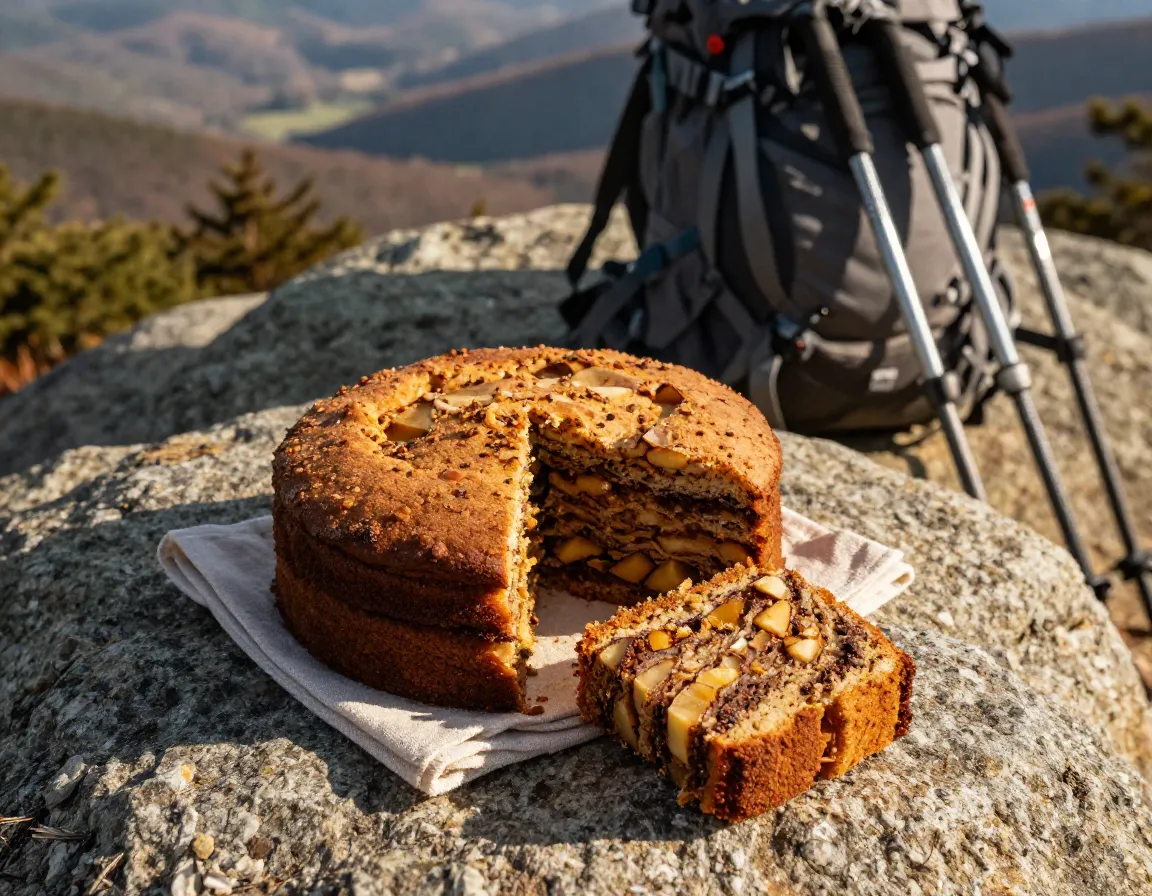
Stack cake is arguably the most iconic Appalachian dessert. Made from thin, gingerbread-like layers stacked with spiced dried apple filling, this cake was historically baked communally — each family at a wedding would bring a layer, and the taller the cake, the more beloved the family. It travels exceptionally well, holds together in a pack, and provides a steady energy boost from natural sugars and complex carbohydrates.
Why it works on the trail: Dense, slow-burning energy. No refrigeration needed for a day hike.
2. Leather Britches (Dried Green Beans) 🫘
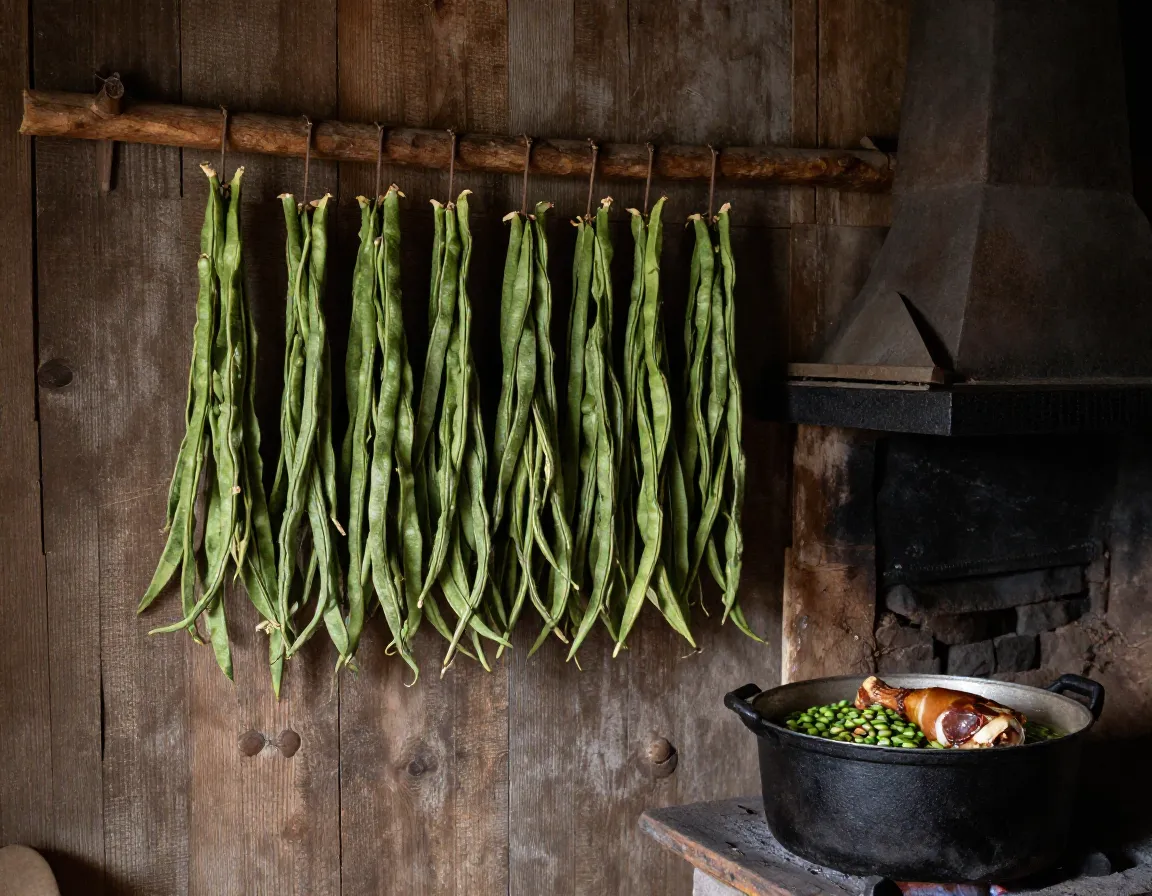
Leather britches are green beans that have been strung on thread and hung to dry — a preservation method passed down for generations in the Appalachian highlands. When rehydrated and cooked with a ham hock, they become a deeply savory, protein-rich dish. For hikers, dried leather britches can be packed raw and cooked at camp with minimal gear.
Nutritional bonus: High in fiber, iron, and plant-based protein.
3. Ramps (Wild Leeks) 🌿
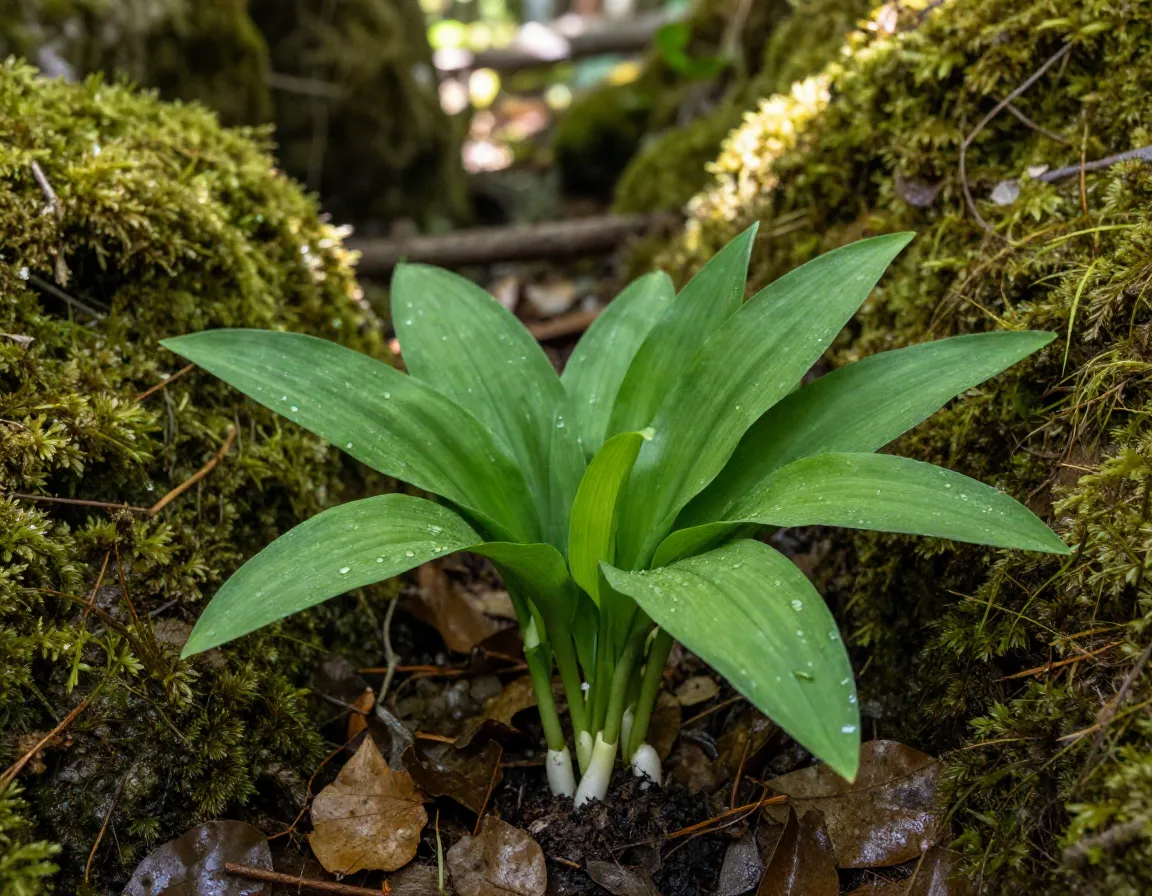
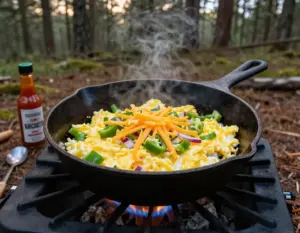
Ramps are wild onions that grow in the shaded coves and creek hollows of the Appalachian range, typically from March through May. They have a sharp, garlicky flavor and are celebrated with annual festivals across the region. Foraged fresh, ramps can be eaten raw on the trail, added to camp eggs, or pickled for longer journeys.
⚠️ Foraging note: Always forage responsibly and check local regulations. Never harvest more than 10% of a ramp patch, as overharvesting is a growing concern.
4. Cornbread 🌽

Few foods are more central to Appalachian identity than cornbread. Made from stone-ground cornmeal (often grown locally), Appalachian cornbread is typically unsweetened — a point of regional pride — and baked in a cast-iron skillet. It pairs with everything: beans, greens, wild game, or just a drizzle of sorghum syrup. Baked the night before a hike, a wedge of cornbread holds up well for a full day on the trail.
Pro tip: Wrap slices in beeswax wrap to keep them fresh and reduce waste.
5. Pawpaw Fruit 🍈
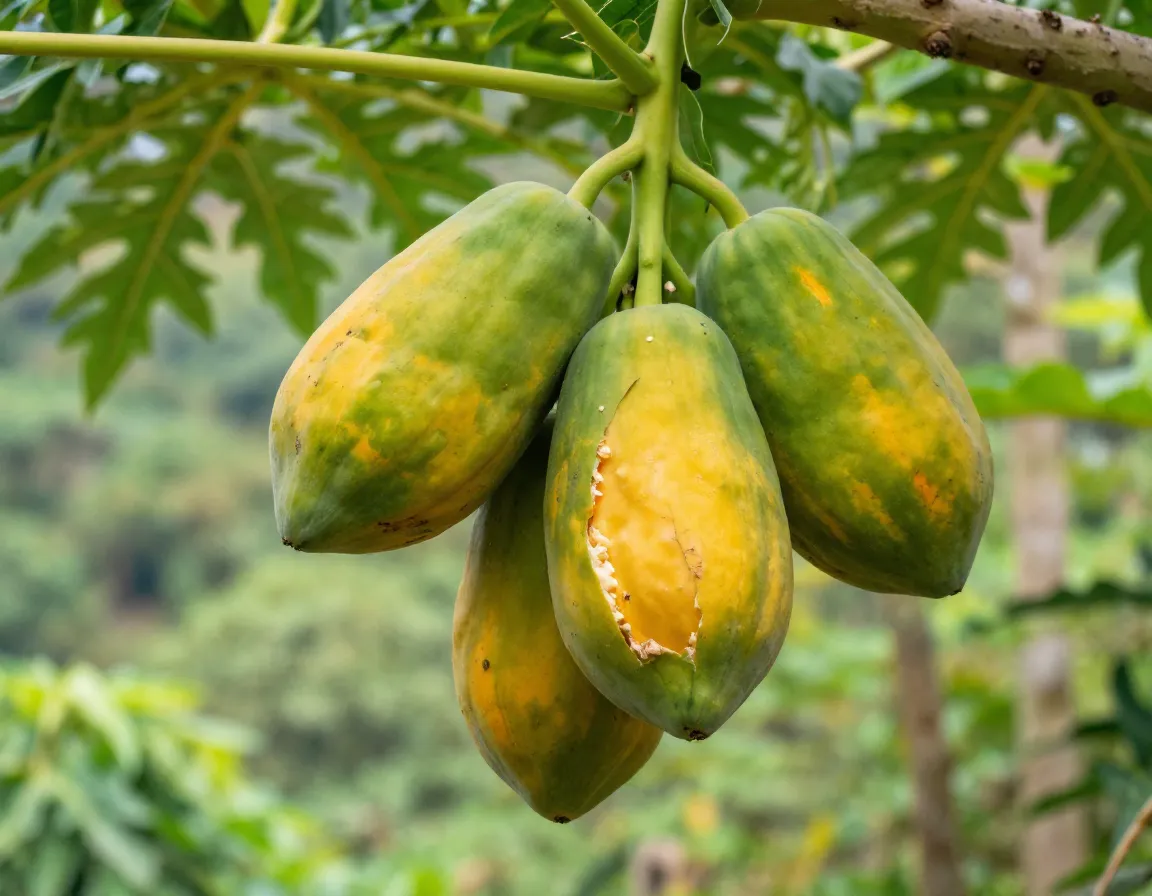
The pawpaw is North America’s largest native fruit, and it grows wild across much of the Appalachian region. With a flavor often described as a cross between banana and mango, pawpaws are rich in vitamins C and A, magnesium, and iron. The catch? They ripen quickly — usually in September — and don’t travel far. But if you’re hiking in pawpaw season, spotting a patch is a genuine trail treasure.
Best season: Late August through October.
6. Sorghum Syrup 🍯
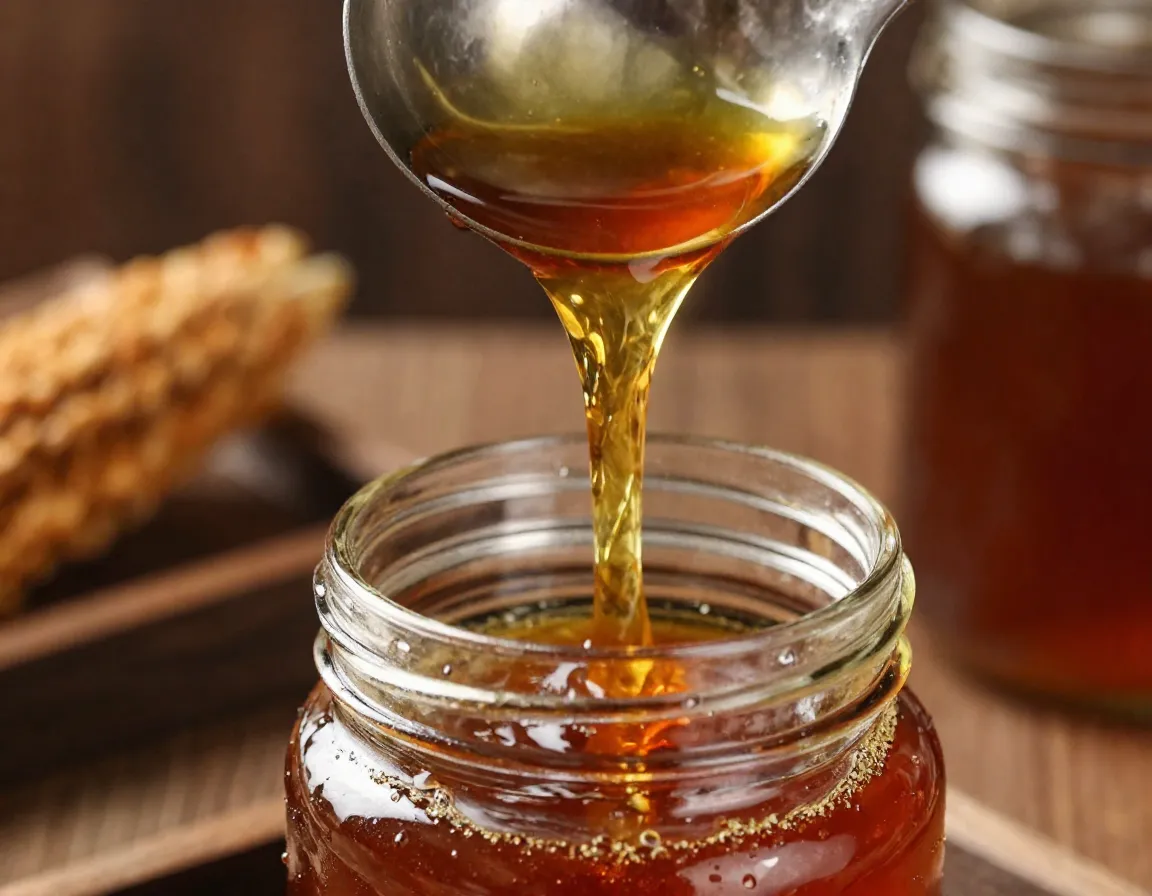
Sorghum syrup (sometimes called sorghum molasses) is made from the juice of sorghum cane, pressed and cooked down into a thick, earthy sweetener. It was the primary sweetener in Appalachian households before refined sugar became widely available. Packed in a small flask or squeeze bottle, sorghum syrup makes an excellent trail sweetener — drizzle it over cornbread, stir it into oatmeal, or eat it straight for a quick energy hit.
Caloric value: Approximately 60 calories per tablespoon, with trace minerals including iron, calcium, and potassium.
7. Pinto Beans and Soup Beans 🫕
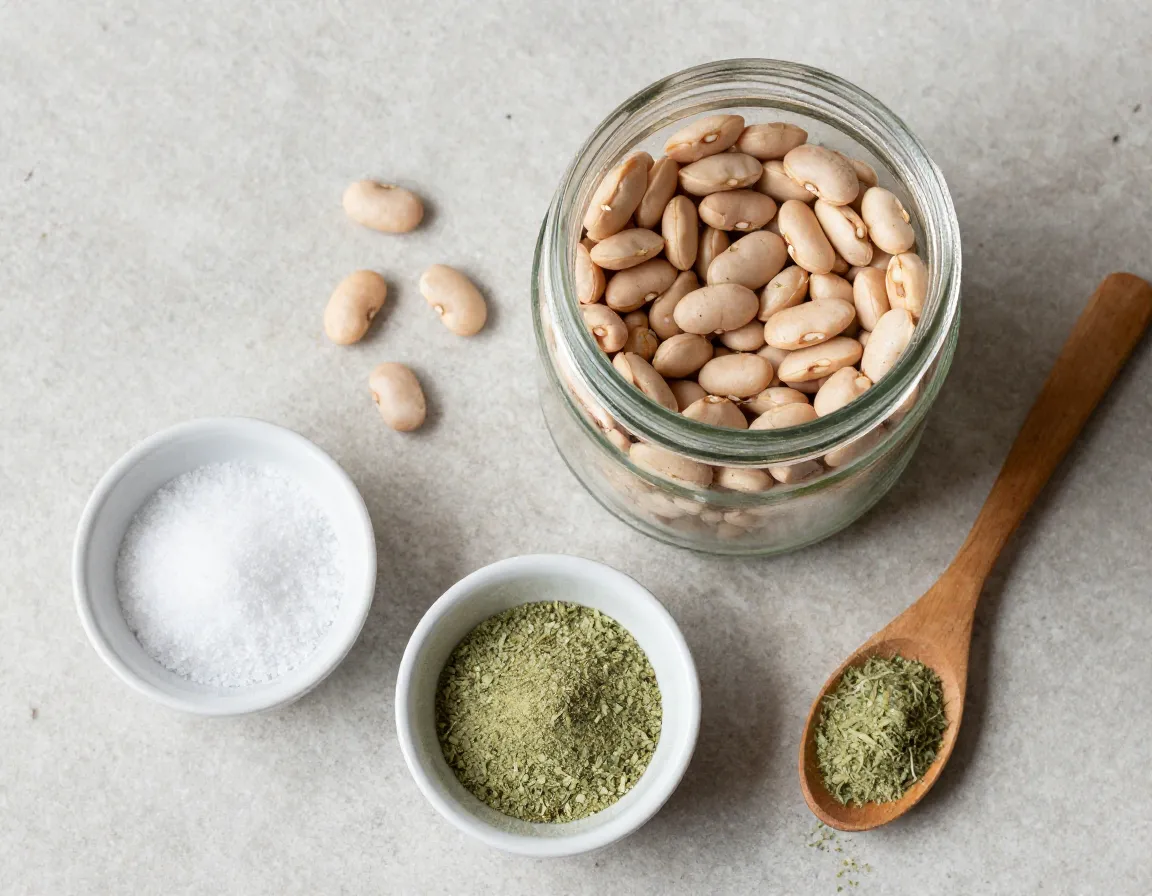
Soup beans — typically pinto beans slow-cooked with fatback or ham — are the backbone of Appalachian mountain cooking. While you won’t carry a slow cooker on the trail, dried pinto beans are one of the most calorie-efficient, lightweight foods you can pack for a multi-day trip. Pre-cook and dehydrate them at home, then rehydrate at camp. Season with a little smoked salt and dried ramp powder for an authentic mountain flavor.
Caloric density: ~340 calories per 100g (dried).
8. Blackberry or Elderberry Jam on Biscuits 🫐
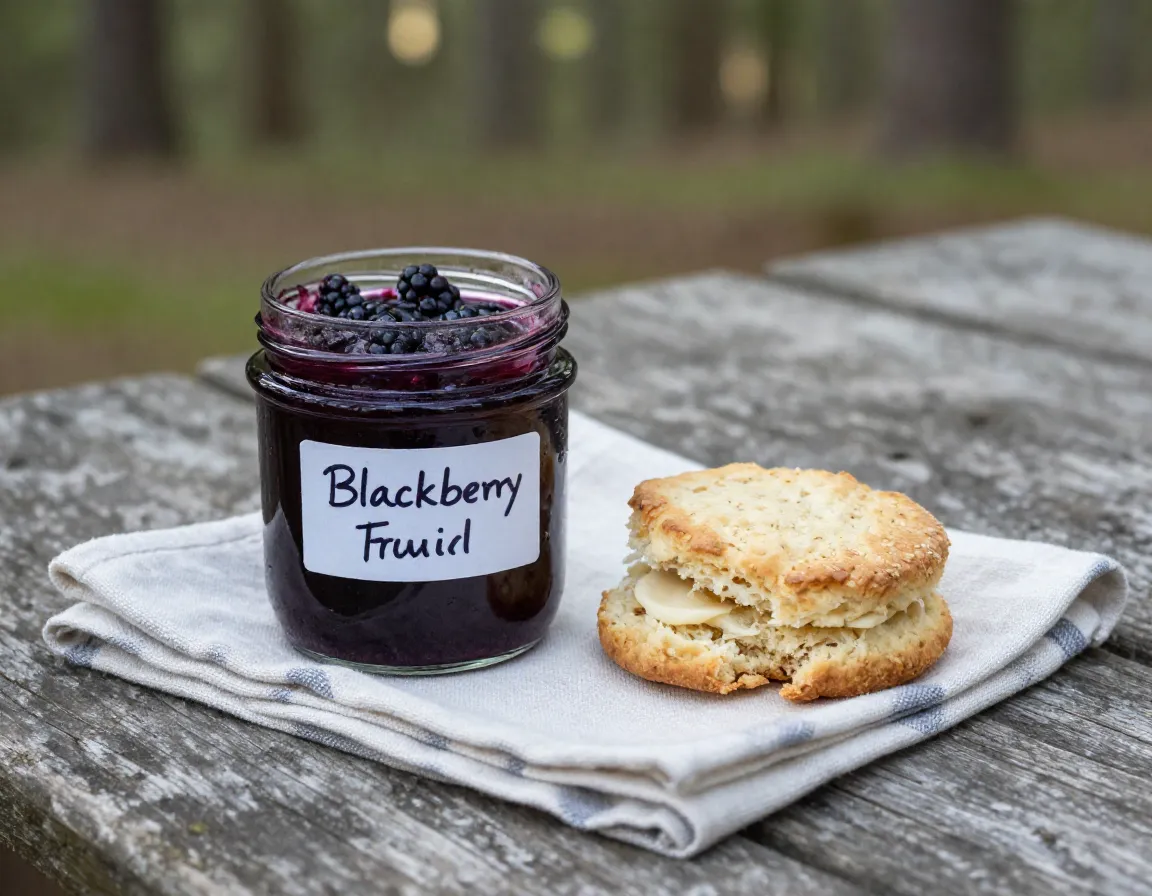
Wild blackberries and elderberries grow abundantly along Appalachian ridgelines and forest edges throughout summer. Traditionally preserved as jams and jellies, these spreads were spread on hand-rolled biscuits — a combination that sustained mountain families through long working days. For hikers, a small jar of locally made blackberry jam and a couple of homemade biscuits wrapped in cloth is a deeply satisfying, culturally rich trail snack.
Where to find it: Look for small-batch jams at Appalachian farmers markets, roadside stands, or specialty food shops in towns like Boone, NC, or Abingdon, VA.
How to Source and Pack These Foods for Your Next Hike
Now that you know the 8 Traditional Appalachian Mountain Foods to Try on Your Hike, here’s how to bring them into your real trail experience:
- Visit local farmers markets in Appalachian trail towns — places like Damascus, VA, Hot Springs, NC, or Harpers Ferry, WV often have vendors selling regional foods.
- Make ahead — stack cake, cornbread, and biscuits all bake well the night before and pack easily.
- Dehydrate at home — leather britches and soup beans can be prepped and dehydrated for multi-day trips.
- Forage seasonally — ramps in spring, pawpaws in fall, blackberries in summer. Always follow Leave No Trace principles.
- Pack smart — use reusable beeswax wraps, small glass jars, or silicone pouches to keep foods fresh without adding plastic waste.
Conclusion: Hike with History in Your Pack
The 8 Traditional Appalachian Mountain Foods to Try on Your Hike aren’t just novelties — they’re a living connection to the people who called these mountains home long before hiking became a hobby. Every bite of stack cake or spoonful of sorghum syrup is a small act of cultural remembrance.
Your actionable next steps:
- 🗺️ Plan your next hike along the Appalachian Trail or Blue Ridge Parkway with a food-sourcing stop built into your itinerary.
- 🛒 Visit an Appalachian farmers market and pick up at least two items from this list.
- 📖 Learn more about Appalachian food history through regional cookbooks or the Appalachian Food Summit.
- 🌿 Try foraging one item — responsibly and legally — on your next spring or fall hike.
The mountains have always fed the people who respect them. In 2026, let them feed you too.
References
- Sohn, Mark. Appalachian Home Cooking: History, Culture, and Recipes. University Press of Kentucky, 2005.
- Engelhardt, Elizabeth S. D. A Mess of Greens: Southern Gender and Southern Food. University of Georgia Press, 2011.
- Veteto, James R., and Edward M. Maclin, eds. The Slaw and the Slow Cooked: Culture and Barbecue in the Mid-South. Vanderbilt University Press, 2011.
- Lundy, Ronni. Victuals: An Appalachian Journey, with Recipes. Clarkson Potter, 2016.
- Cavender, Anthony. Folk Medicine in Southern Appalachia. University of North Carolina Press, 2003.