8 Must-Haves for Your Alaska Cruise Packing List (Weather-Proof!)
Imagine standing at the rail of your cruise ship as a massive glacier calves into the sea — chunks of ancient ice crashing into steel-blue water just a few hundred yards away. Now imagine being soaked to the bone, shivering, and squinting into the glare because you packed for the wrong trip. 🥶 That scene plays out far too often for first-time Alaska cruisers who underestimate the Last Frontier’s legendary unpredictability. That’s exactly why I put together this guide to the 8 Must-Haves for Your Alaska Cruise Packing List (Weather-Proof!) — so you can focus on the magic, not the misery.
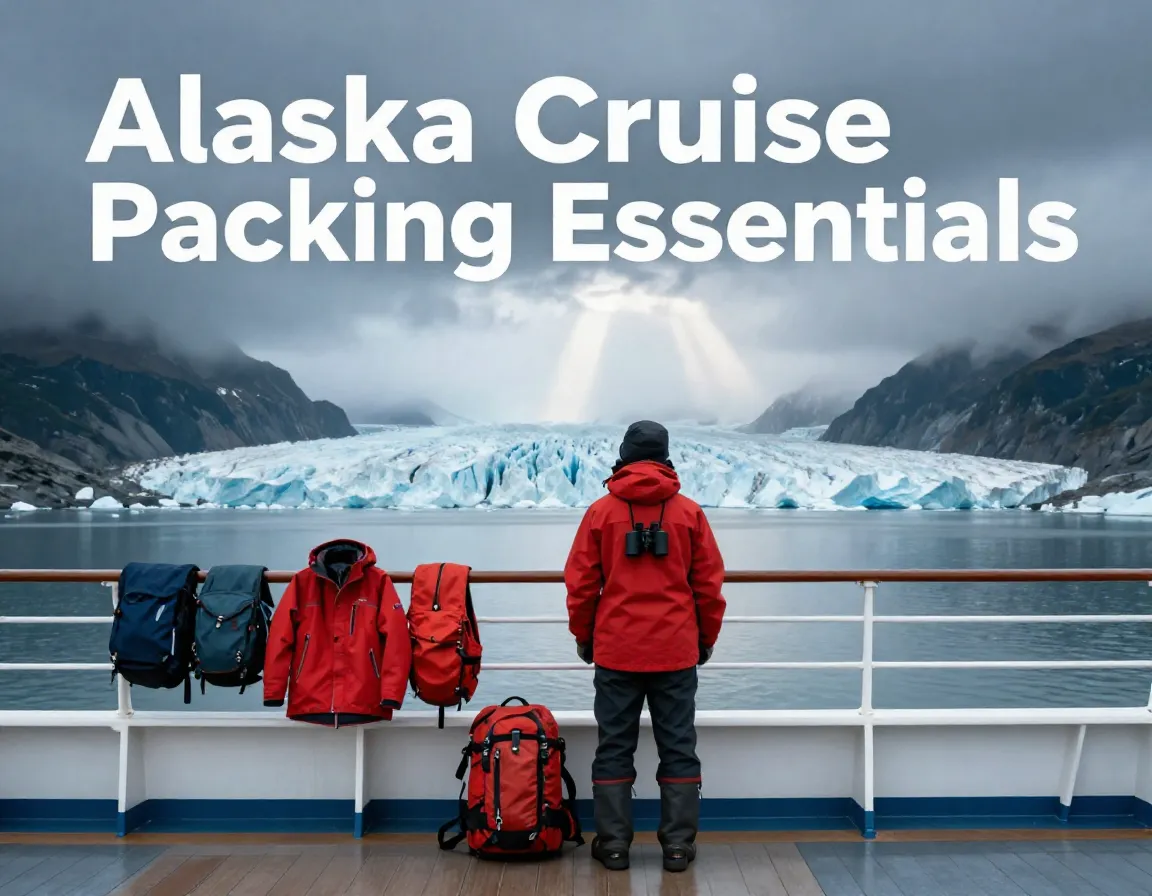
Alaska’s Inside Passage and Gulf Coast ports can deliver sunshine, sideways rain, and near-freezing wind gusts in the same afternoon. Whether you’re sailing in 2026 or planning ahead, the right gear makes the difference between an unforgettable adventure and a very expensive lesson. This article walks you through every essential item, explains why it matters, and gives you practical tips for choosing the best version of each.
Key Takeaways
- 🧥 Layering is everything — Alaska’s weather shifts by the hour, so a three-layer clothing system is your best defense.
- ☔ Waterproof beats water-resistant — From jackets to backpacks to boots, full waterproofing is worth the investment.
- 🦅 Gear up for wildlife, not just weather — Binoculars and a good daypack transform shore excursions from passive to extraordinary.
- ☀️ Sun protection is non-negotiable — Glacier glare and water reflection amplify UV exposure even on overcast days.
- 🔋 Small items matter big — A sleep mask, power bank, and insect repellent are easy to overlook but hard to live without onboard.
The Complete 8 Must-Haves for Your Alaska Cruise Packing List (Weather-Proof!)
Before we dive into each item, here’s a quick-reference table of everything you’ll need:
| # | Item | Why It Matters | Priority |
|---|---|---|---|
| 1 | Waterproof Jacket with Hood | Rain and wind protection | 🔴 Critical |
| 2 | Moisture-Wicking Base Layers | Temperature regulation | 🔴 Critical |
| 3 | Packable Mid-Layer Insulation | Core warmth without bulk | 🔴 Critical |
| 4 | Waterproof Boots or Shoes | Traction on wet terrain | 🔴 Critical |
| 5 | Broad-Spectrum Sunscreen SPF 30+ | UV protection from glare | 🟠 High |
| 6 | Warm Hat, Gloves & Scarf | Wind and cold protection | 🟠 High |
| 7 | Binoculars for Wildlife Viewing | Glacier and wildlife spotting | 🟡 Recommended |
| 8 | Waterproof Daypack | Carry-all for excursions | 🔴 Critical |
1. Waterproof Jacket with Hood
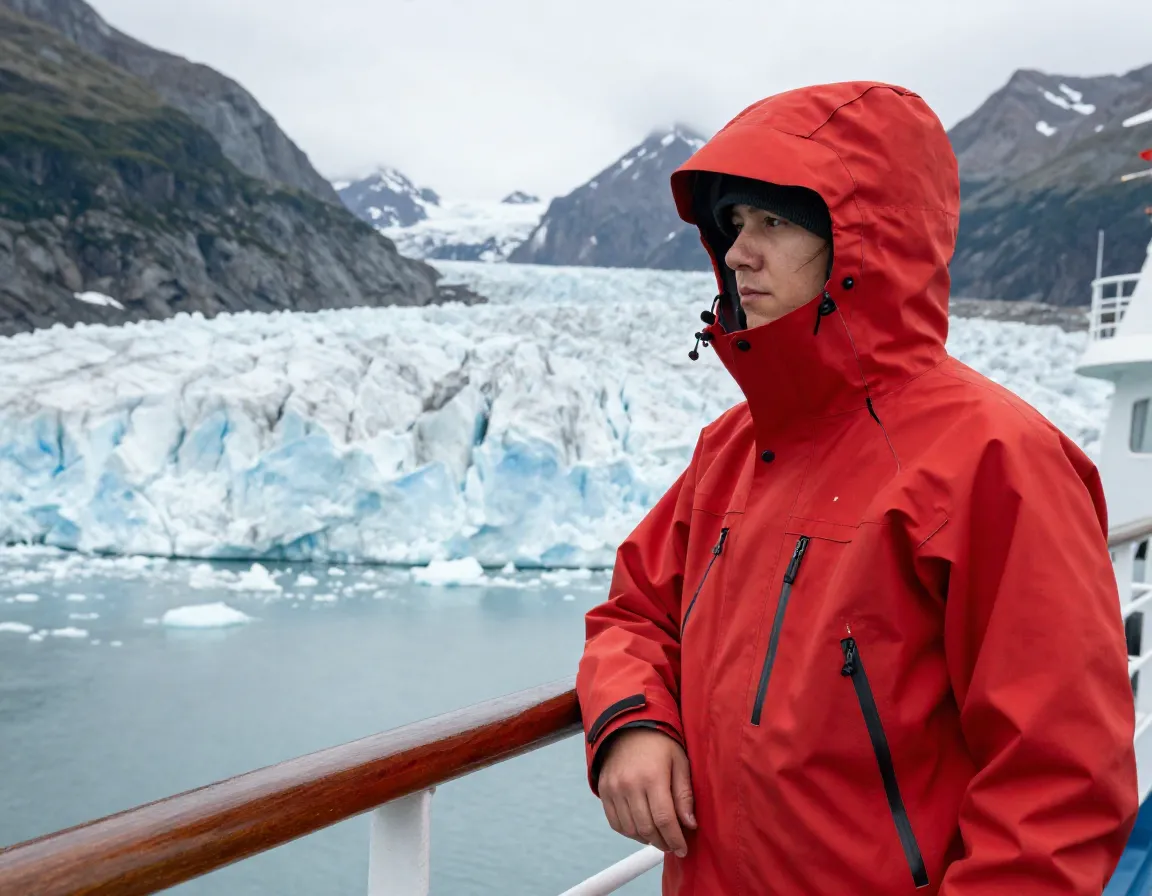
The single most important item on your Alaska packing list.
A waterproof outer shell is non-negotiable when cruising Alaska’s coast. Rain can arrive without warning — and in Southeast Alaska, it often does. A jacket that is merely “water-resistant” will soak through during a long whale-watching excursion or a glacier hike. You need full waterproofing with sealed seams [1][2].
What to look for:
- Taped or welded seams (not just a DWR coating)
- An attached, adjustable hood that covers your forehead and face
- Underarm vents (pit zips) for breathability when you’re active
- A packable design that compresses into its own pocket
💬 “Think of your waterproof jacket as your armor. Everything else you wear underneath depends on it staying dry.”
Pro tip: Bright colors like red or orange are practical on excursion boats — guides can spot you easily, and they photograph beautifully against Alaska’s grey-green landscape.
2. Layered Base Layers (Moisture-Wicking)

Alaska weather changes hourly, making a proper base layer system essential for staying comfortable all day [2][3]. Cotton is the enemy here — it absorbs moisture and stays wet, which accelerates heat loss. Instead, pack moisture-wicking synthetics or merino wool that pull sweat away from your skin and dry quickly.
Recommended base layer kit:
- 2–3 long-sleeve moisture-wicking tops
- 1–2 pairs of thermal or lightweight leggings
- Merino wool socks (at least 3–4 pairs)
Merino wool vs. synthetic — which is better?
| Feature | Merino Wool | Synthetic |
|---|---|---|
| Odor resistance | ⭐⭐⭐⭐⭐ | ⭐⭐⭐ |
| Moisture wicking | ⭐⭐⭐⭐ | ⭐⭐⭐⭐⭐ |
| Dry time | ⭐⭐⭐ | ⭐⭐⭐⭐⭐ |
| Warmth when wet | ⭐⭐⭐⭐ | ⭐⭐ |
| Cost | Higher | Lower |
For a 7–10 day Alaska cruise, merino wool is worth the investment — you can wear it multiple days without it becoming unpleasant, which saves packing space.
3. Packable Mid-Layer Insulation
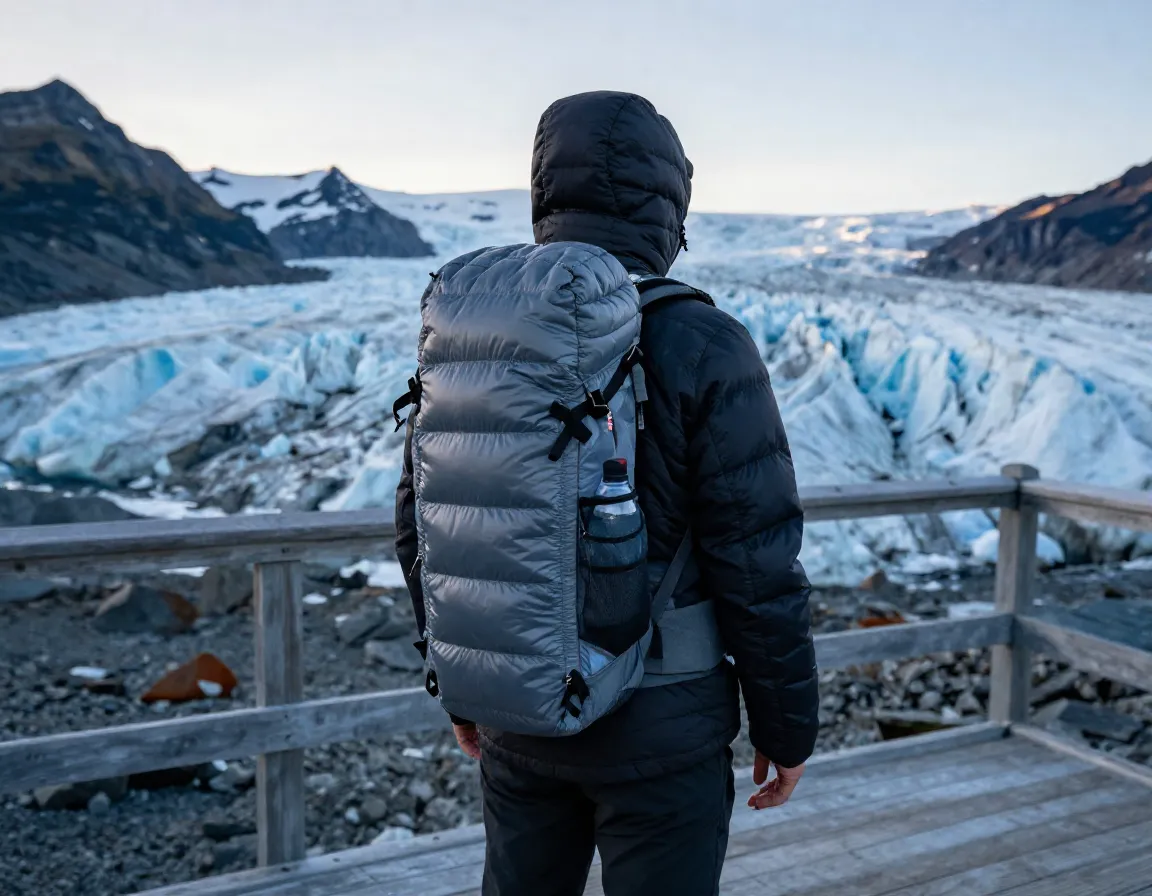
Your three-layer system works like this: base layer wicks moisture, mid-layer traps warmth, and outer shell blocks wind and rain. The mid-layer is where most people cut corners — and then regret it the moment they step onto a glacier viewing platform at 6 a.m.
A packable down jacket or a quality fleece sweater is the ideal choice [1][2]. Down offers the best warmth-to-weight ratio, while fleece performs better in wet conditions since it retains some insulating ability even when damp.
What to pack:
- 1 lightweight down jacket (800-fill or higher for maximum warmth-to-weight)
- 1 mid-weight fleece pullover as a backup
💡 Key insight: The best mid-layer compresses into a stuff sack the size of a water bottle. This means you can toss it in your daypack and add it when temperatures drop — which they will.
Avoid bulky ski jackets or heavy wool sweaters. They take up too much suitcase space and are hard to carry during active excursions.
4. Waterproof Walking or Hiking Boots
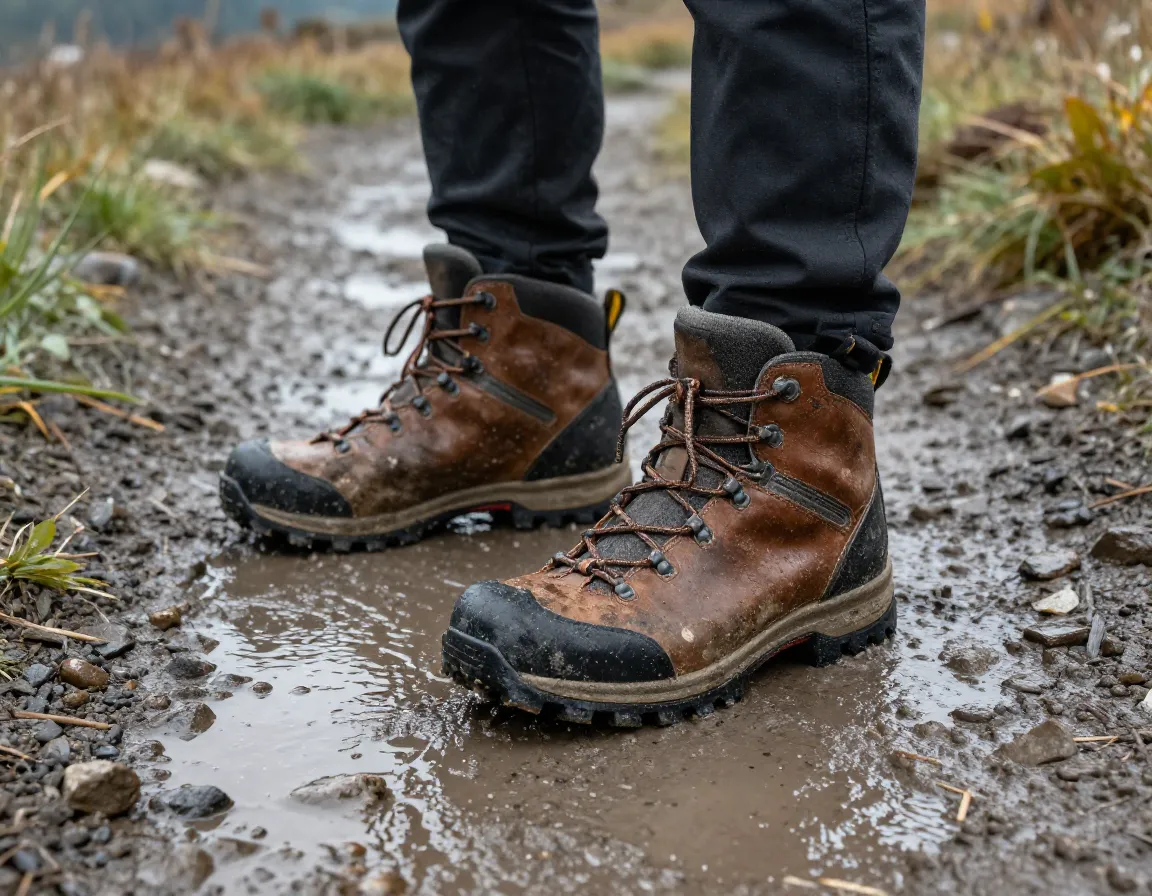
Most Alaska cruise excursions involve walking on wet docks, light hiking on muddy trails, and exploring port towns where puddles are a fact of life [1][4]. Waterproof footwear with strong traction is essential — and this is one area where you absolutely should not pack new shoes.
Why worn-in boots matter: New hiking boots are the #1 cause of blisters on Alaska shore excursions. Break them in at home for at least 2–3 weeks before your cruise.
What to look for in Alaska cruise footwear:
- Full waterproofing (Gore-Tex or similar membrane)
- Aggressive rubber outsole for wet rock and mud
- Ankle support for uneven terrain
- Comfortable enough for 6–8 hours of walking
Also bring: A pair of comfortable waterproof slip-ons or casual shoes for port towns and onboard evenings. You don’t need hiking boots for every outing.
5. Broad-Spectrum Sunscreen (SPF 30+)
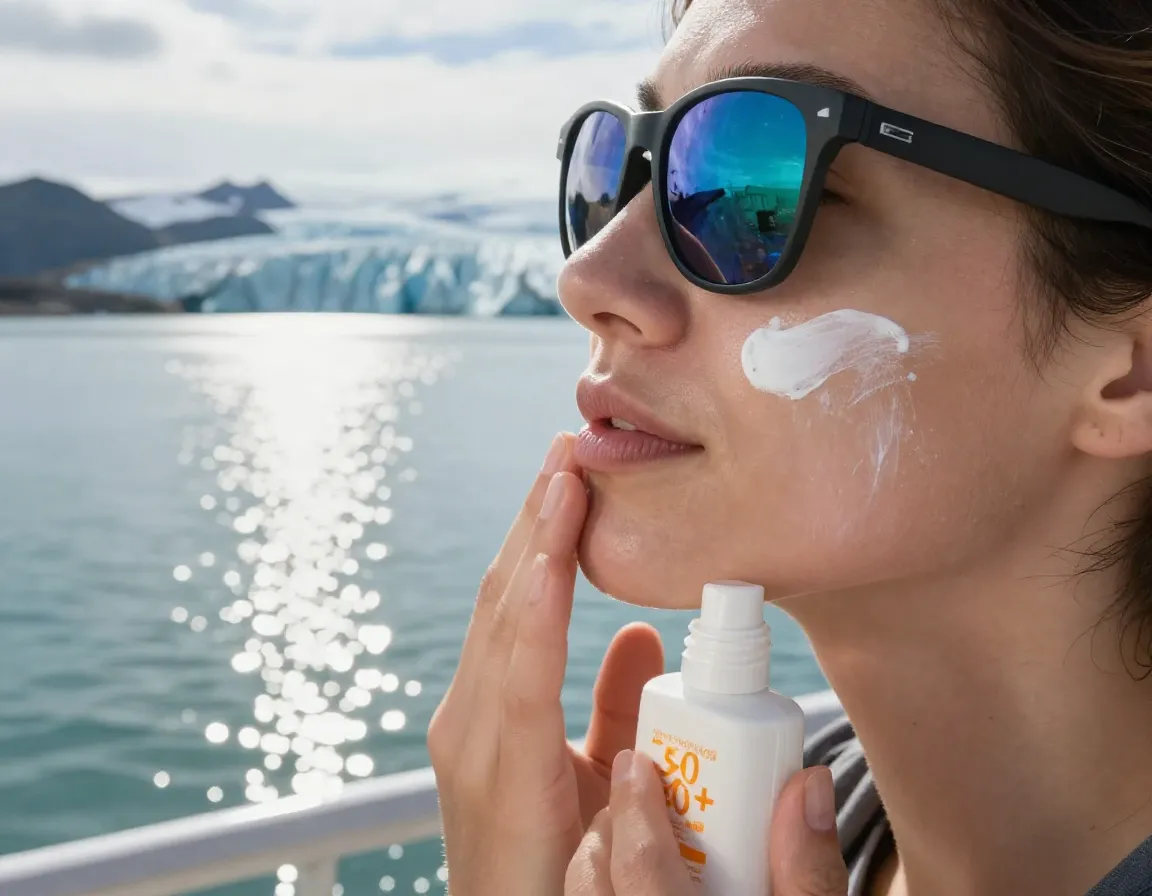
Here’s the item that surprises most first-time Alaska cruisers: sunscreen is absolutely essential, even when it’s cloudy [2][5].
UV exposure in Alaska is intense for two reasons. First, the sun stays low on the horizon during summer, meaning UV rays hit your face and neck at a more direct angle than you’d expect. Second, glaciers, snow, and open water reflect UV radiation back at you — effectively doubling your exposure.
☀️ “Glacier glare is real. I’ve seen passengers come back from a morning excursion with serious sunburns on overcast days because they skipped the sunscreen.”
Sunscreen packing checklist:
- SPF 30+ broad-spectrum (UVA and UVB protection)
- Water-resistant formula (stays effective through rain and sweat)
- Lip balm with SPF 15 or higher
- UV-protective sunglasses (more on this below)
Bonus item: Pack UV-protective sunglasses with polarized lenses. They cut glare off water and glaciers dramatically and protect your eyes from the same reflected UV that burns your skin [2][7].
6. Warm Hat, Gloves, and Scarf
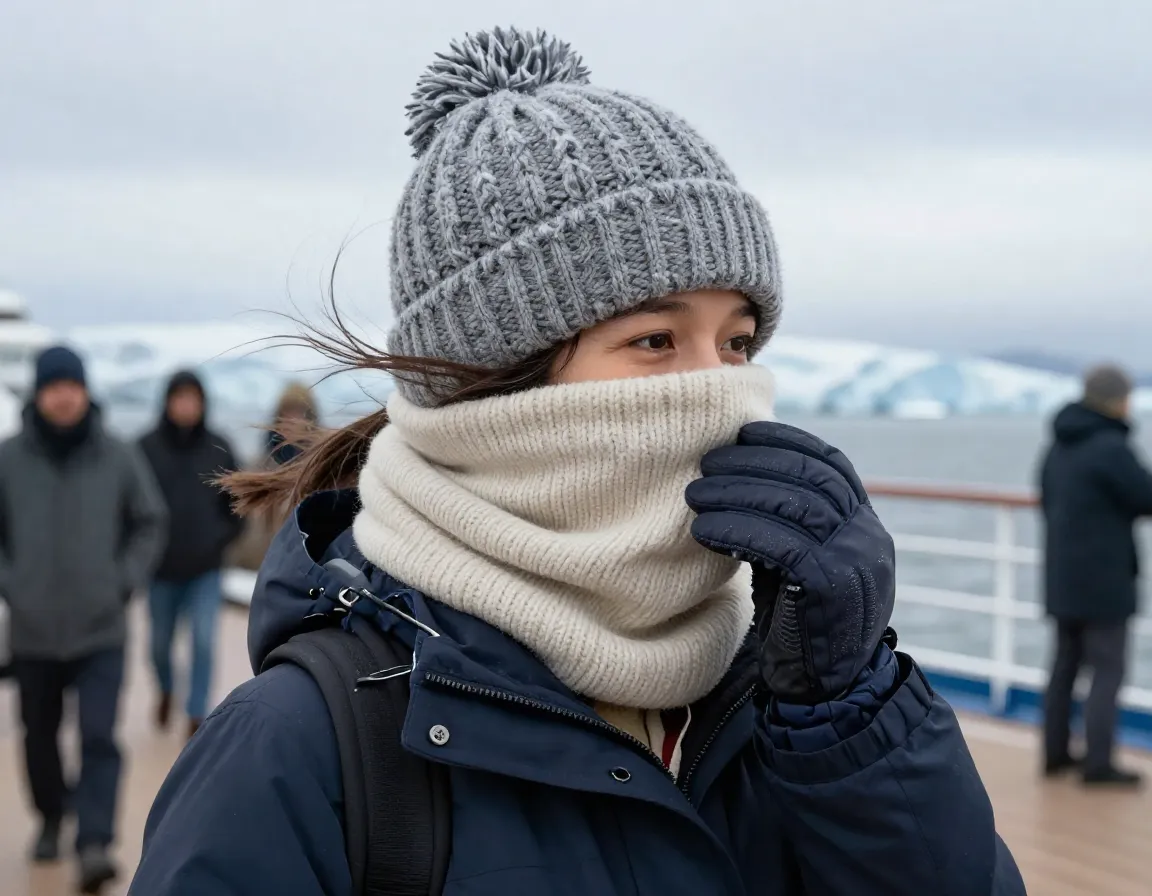
Don’t let the word “cruise” fool you into packing light on cold-weather accessories. Brisk mornings, open-deck glacier viewing, and wind off the water make a warm hat, gloves, and a scarf or neck gaiter three of the most-used items in your bag [2][3].
Accessories breakdown:
- Beanie or warm hat: Wool or fleece, covers ears fully. Avoid cotton.
- Gloves or mittens: Waterproof outer shell with a warm liner. Mittens are warmer; gloves offer more dexterity for cameras and phones.
- Scarf or neck gaiter: A neck gaiter is more versatile — it can be pulled up over your nose and mouth in wind, worn as a headband, or used as a light sleep mask in a pinch.
Multi-use tip: A merino wool neck gaiter can double as a sleep mask, a hair cover on windy decks, and a face warmer during whale watching. Pack one and get four uses out of it.
7. Binoculars for Wildlife Viewing
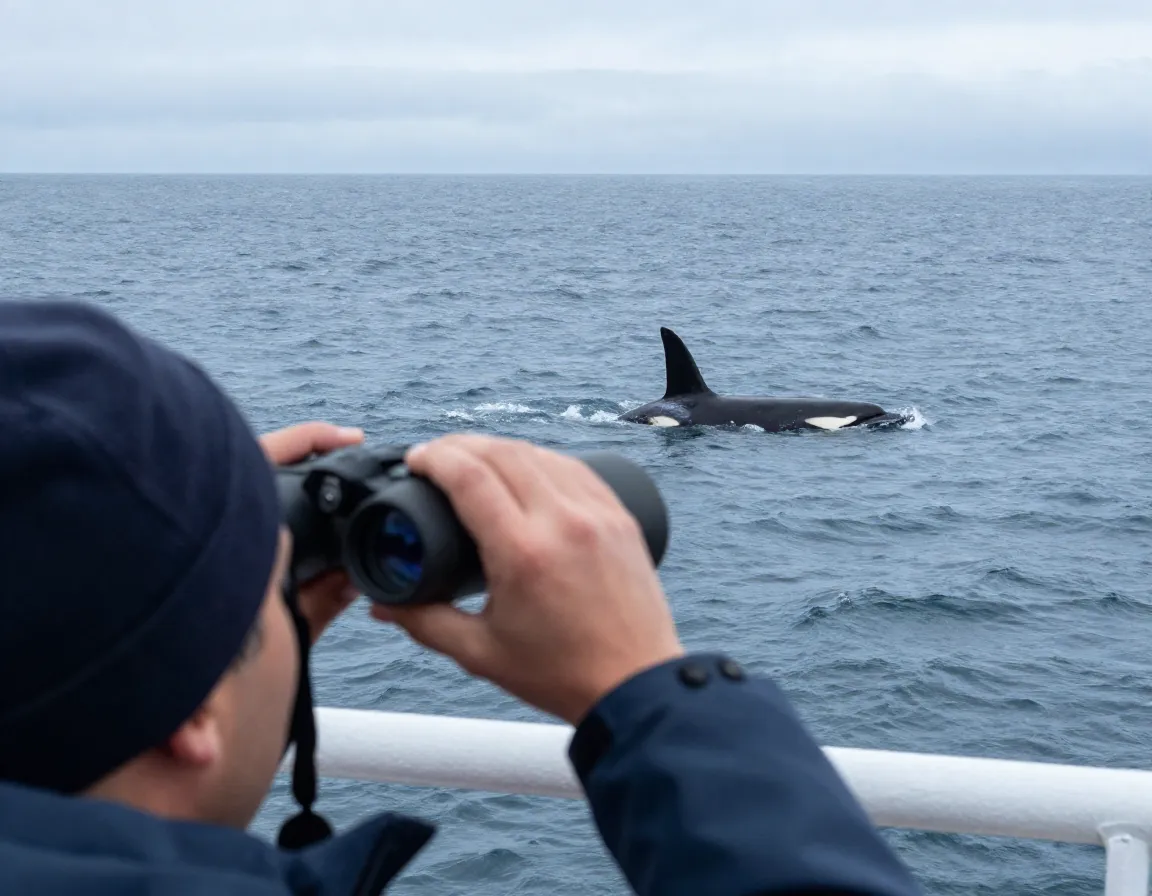
This is the item that transforms a good Alaska cruise into a great one. 🦅🐋
Binoculars are essential for glacier viewing and wildlife spotting — humpback whales, orcas, brown bears, bald eagles, and sea otters all tend to keep their distance from cruise ships [1][6]. A quality pair of binoculars brings them close enough to see clearly.
What magnification do you need?
| Use Case | Recommended Magnification |
|---|---|
| General wildlife & scenery | 8×42 |
| Glacier detail & distant wildlife | 10×42 |
| Compact/travel-friendly | 8×25 |
For most Alaska cruisers, 8×42 binoculars hit the sweet spot — enough magnification to spot a bear on a hillside, but stable enough to use on a moving ship without getting dizzy.
Pro tip: Waterproof, fog-proof binoculars are worth the extra cost. Fog and rain are constants in Southeast Alaska, and standard binoculars will fog up internally and potentially be damaged by moisture.
8. Waterproof Daypack or Backpack
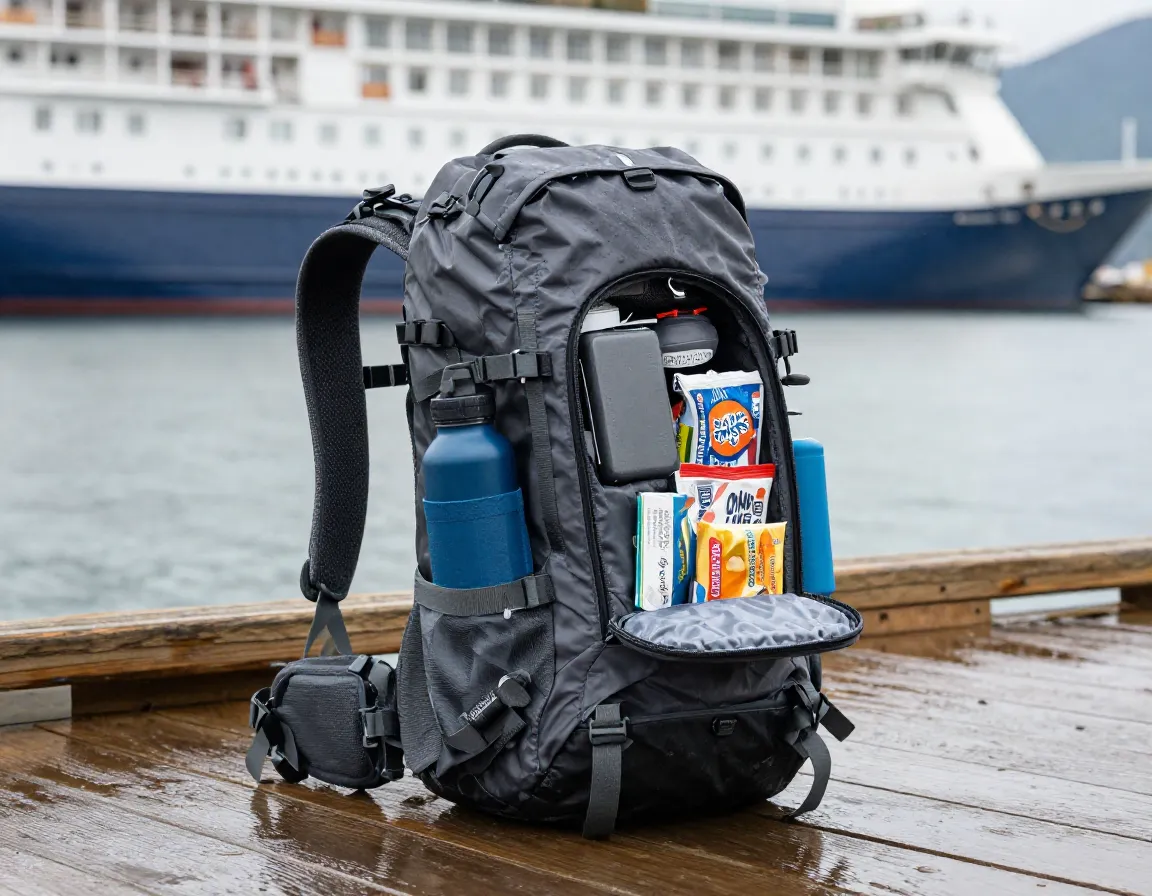
Every shore excursion requires you to carry things — extra layers, sunscreen, water, snacks, your camera, binoculars, and whatever souvenirs you pick up along the way. A lightweight, waterproof daypack is the gear that holds all your other gear [2][6].
What to look for:
- Fully waterproof construction or an included rain cover
- 20–30 liter capacity (enough for a full day without being too bulky)
- Padded shoulder straps for comfort during hikes
- External attachment points for trekking poles or a rain jacket
Also pack inside it:
- Portable power bank (cold weather drains phone and camera batteries fast) [6]
- Reusable water bottle
- Snacks for long excursions
- Small first-aid kit
🔋 Don’t forget: A portable power bank is a game-changer in Alaska. Cold temperatures can drain a phone battery from 80% to dead in under two hours. Keep your power bank in an inner pocket close to your body to keep it warm and functional.
Bonus Items Worth Adding to Your Alaska Cruise Packing List
The 8 must-haves above cover your core needs, but a few additional items will make your trip significantly more comfortable.
🦟 Insect Repellent
Mosquitoes are surprisingly aggressive in certain Alaska port areas during summer, especially near forests and rivers [3][4]. Pack a waterproof DEET-based repellent or a picaridin alternative for sensitive skin.
😴 Sleep Mask for the Midnight Sun
During summer Alaska cruises, the sun barely sets — and stateroom curtains are rarely thick enough to block it completely [2][6]. A comfortable sleep mask is a $10 investment that dramatically improves your rest.
📸 Camera or Smartphone with Extra Memory
Alaska will fill your memory card faster than any destination you’ve ever visited. Pack extra SD cards or ensure your cloud backup is set up before you board.
🧴 Motion Sickness Remedies
The Gulf of Alaska can be rough. Pack motion sickness patches, wristbands, or medication even if you’ve never had issues before.
Packing Smart: The Alaska Cruise Layering System Explained
The 8 Must-Haves for Your Alaska Cruise Packing List (Weather-Proof!) are built around one core principle: the three-layer system. Understanding how these layers work together helps you pack efficiently and stay comfortable in any conditions.
How the Three-Layer System Works
Layer 1 — Base (Moisture Management)
Your moisture-wicking base layer sits against your skin. Its job is to pull sweat away so you stay dry from the inside out. This layer determines your comfort during active excursions.
Layer 2 — Mid (Insulation)
Your packable down jacket or fleece sits over the base layer. Its job is to trap warm air close to your body. This is the layer you add and remove most frequently as temperatures shift.
Layer 3 — Outer (Protection)
Your waterproof shell sits on top of everything. Its job is to block wind, rain, and spray. It should be breathable enough to let moisture vapor escape while keeping liquid water out.
💡 The golden rule of Alaska dressing: It’s always easier to remove a layer than to wish you had one.
What NOT to Pack
Knowing what to leave at home is just as important as knowing what to bring:
- ❌ Cotton base layers (they stay wet and get cold)
- ❌ Heavy winter coats (bulky and hard to layer under a shell)
- ❌ Stilettos or dress shoes for excursions (wet gangways are slippery)
- ❌ Brand-new hiking boots (blisters guaranteed)
- ❌ Umbrella (useless in Alaska wind — hoods are better)
Frequently Asked Questions About Alaska Cruise Packing
Q: What temperature should I pack for on an Alaska cruise?
Summer Alaska cruise temperatures typically range from 45°F to 65°F (7°C to 18°C) during the day, with evenings dropping into the 40s. Pack for the low end and you’ll always be comfortable.
Q: Do I need formal wear for an Alaska cruise?
Most Alaska cruise lines have relaxed their formal night requirements. Check with your specific cruise line, but generally 1–2 smart-casual outfits are enough for evening dining.
Q: Can I buy forgotten items in Alaska ports?
Some items are available in larger ports like Juneau and Ketchikan, but prices are significantly higher than at home. Don’t rely on port shopping for essentials.
Q: How many days of clothing should I pack?
For a 7-day cruise, pack 5–6 days of base layers (they dry quickly), 2–3 mid-layers, and 1 outer shell. You’ll repeat outfits — that’s normal and expected.
Conclusion: Pack Right, Experience Everything
An Alaska cruise is one of the most spectacular travel experiences available in 2026 — and the right gear is what allows you to fully embrace it. The 8 Must-Haves for Your Alaska Cruise Packing List (Weather-Proof!) aren’t just suggestions; they’re the foundation of a comfortable, safe, and memorable trip.
Your actionable next steps:
- Start with your waterproof jacket — this is your most important purchase if you don’t already own one.
- Build your layering system — base, mid, and outer shell working together.
- Break in your boots now — don’t wait until the week before departure.
- Add the small items last — sunscreen, sleep mask, power bank, and insect repellent are easy to forget but critical to have.
- Check your cruise line’s specific guidelines — some excursions have gear requirements worth knowing in advance.
Pack smart, dress in layers, and keep your binoculars close. Alaska will deliver the wildlife, the glaciers, and the scenery — your job is simply to be ready for it. 🏔️🛳️
References
[1] What To Pack For An Alaska Cruise Packing List – https://cruisetipstv.com/what-to-pack-for-an-alaska-cruise-packing-list/
[2] Alaska Cruise Packing List – https://www.royalcaribbean.com/guides/alaska-cruise-packing-list
[3] What To Pack For An Alaska Cruise – https://www.princess.com/blog/what-to-pack-for-an-alaska-cruise
[4] What To Pack For Alaska Cruise – https://www.expeditions.com/travel-guide/alaska-travel-guide/what-to-pack-for-alaska-cruise
[5] Alaska Cruise Packing List – https://travelingears.com/alaska-cruise-packing-list/
[6] Alaska Cruise Packing List 2026 – https://alaskacruiseshirts.com/blogs/alaska-cruise-guide/alaska-cruise-packing-list-2026
[7] Alaska Cruise Packing Guide – https://www.cunard.com/en-us/cruise-destinations/alaska/alaska-cruise-packing-guide