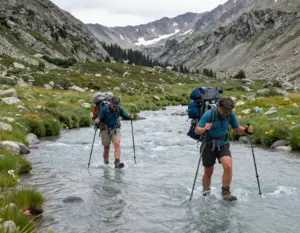
8 Key Necessities for International Travel on a Wilderness Expedition
Imagine standing at the base of a remote mountain range in a foreign country, your heart racing with excitement — and then realizing you forgot a critical document, piece of gear, or health certification. That single oversight could end your expedition before it even begins. Whether you’re trekking through Nepal’s high-altitude passes or navigating dense rainforests in South America, preparation is everything. Understanding the 8 key necessities for international travel on a wilderness expedition is not just smart planning — it’s the difference between a life-changing adventure and a dangerous disaster.
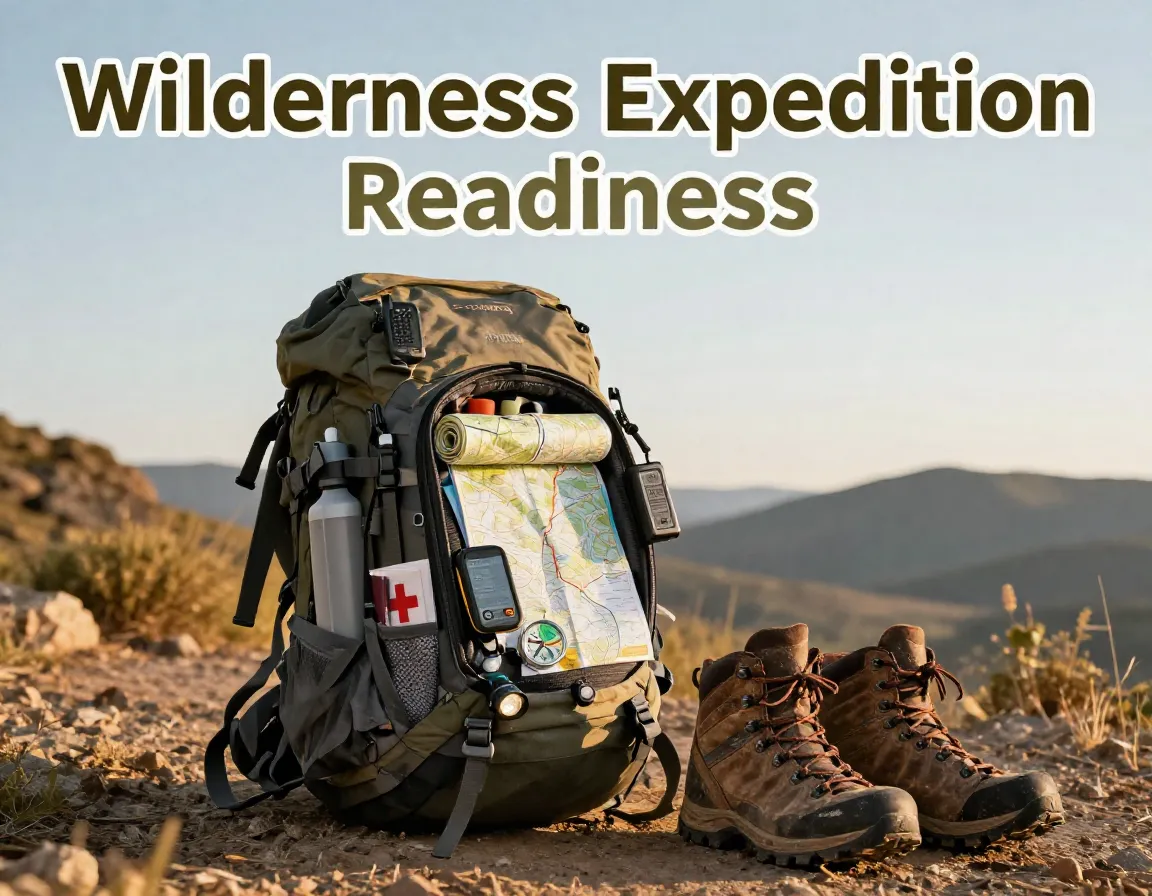
In 2026, international wilderness expeditions are more regulated, more demanding, and more rewarding than ever. From stricter permit requirements to evolving physical fitness standards, the bar has been raised. I’ve put together this comprehensive guide to walk you through every essential you need to check off before you leave home.
Key Takeaways
- ✅ Permits and documentation are non-negotiable — many countries now require proof of prior experience before issuing expedition permits.
- ✅ Medical certification is mandatory for all expedition members in many high-altitude destinations, including guides and support staff.
- ✅ Physical fitness must meet specific benchmarks — including carrying 25–50+ lbs over uneven terrain for up to 10 hours per day.
- ✅ Communication tools and emergency protocols are essential for safety in remote, off-grid environments.
- ✅ Environmental responsibility, including paying conservation fees, is now a formal legal requirement in many wilderness destinations.
Why Preparation Defines Every Wilderness Expedition
Before diving into the 8 key necessities for international travel on a wilderness expedition, it’s worth understanding why preparation matters so much. Wilderness expeditions in foreign countries combine the challenges of international travel — visas, permits, cultural differences, language barriers — with the raw demands of the natural environment. One gap in your preparation can cascade into a full-blown emergency.
The stakes are high. Remote terrain, extreme weather, altitude sickness, and limited access to medical care mean that every item on your checklist serves a real purpose. Let’s break down each necessity in detail.
The 8 Key Necessities for International Travel on a Wilderness Expedition
1. Valid Passports, Visas, and Expedition Permits
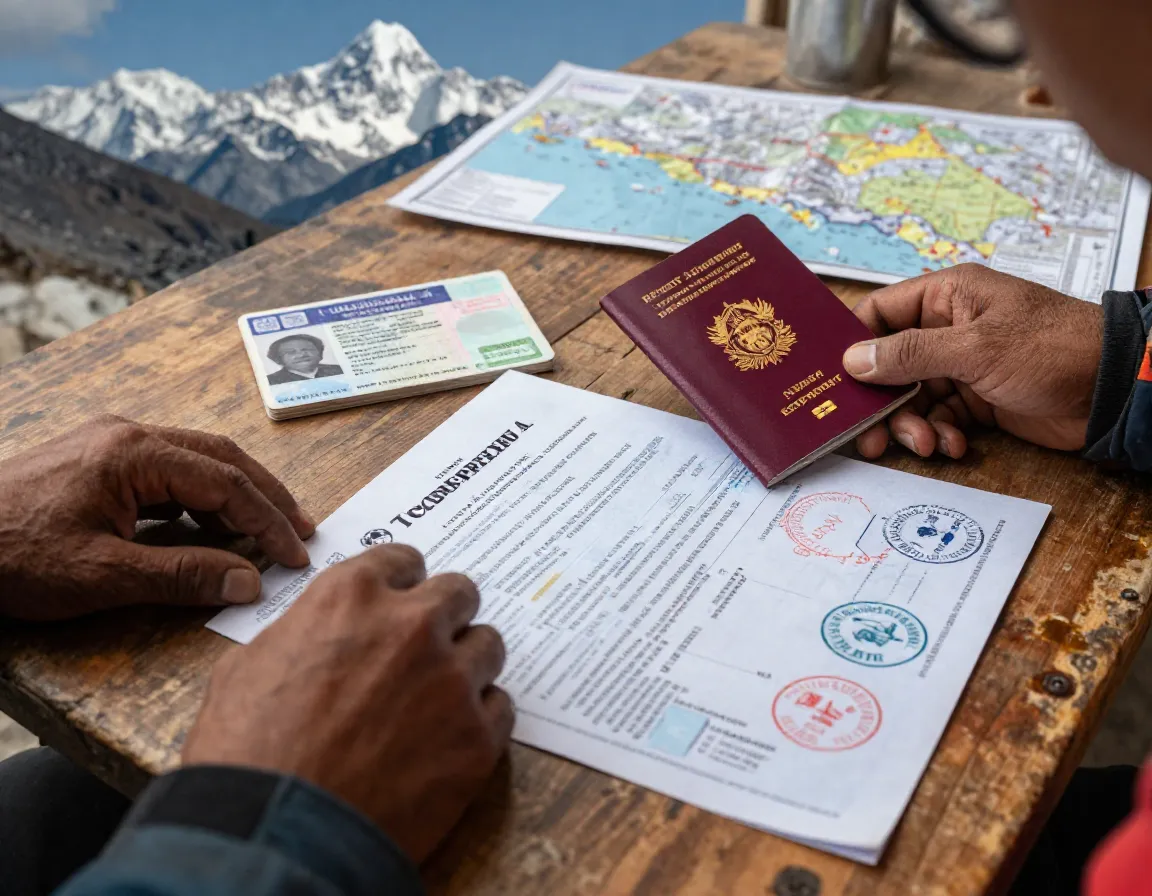
Your journey starts with paperwork — and lots of it. A valid passport is the most basic requirement, but for international wilderness expeditions, you’ll also need destination-specific visas and, in many cases, specialized expedition permits.
In Nepal, for example, the 2026 Everest Expedition rules have introduced significant changes to the permitting process. Under these updated regulations, climbers must have successfully summited a peak of at least 7,000 metres within Nepal before they become eligible for an Everest permit [1]. This experience-based requirement is designed to reduce accidents and overcrowding on high-altitude routes.
Key documents to prepare:
- Valid passport (with at least 6 months remaining validity)
- Destination-specific tourist or expedition visa
- Expedition or trekking permit from the relevant national authority
- Proof of prior summit experience (where required)
- Insurance documentation (see Necessity 4)
💡 Pro tip: Start your permit applications at least 3–6 months in advance. Some permits have annual quotas that fill up quickly.
2. Medical Certification and Health Clearance

One of the most important — and often overlooked — necessities is medical certification. In 2026, Nepal’s expedition regulations require that medical certification is mandatory for all expedition members, including guides and support staff [1]. This isn’t just a formality. It ensures that every person on the team is physically capable of handling the demands of high-altitude or remote wilderness travel.
Even if your destination doesn’t legally require it, getting a full medical clearance before any international wilderness expedition is strongly recommended.
What a pre-expedition medical evaluation typically includes:
| Assessment Area | Why It Matters |
|---|---|
| Cardiovascular health | High altitude and exertion stress the heart |
| Lung function | Essential for altitude and endurance trekking |
| Musculoskeletal screening | Prevents injury on uneven terrain |
| Mental health evaluation | Isolation and stress affect performance |
| Vaccination status | Protects against region-specific diseases |
Make sure your doctor is familiar with wilderness medicine or travel medicine. Bring copies of your medical records and any prescriptions, especially if you’re carrying medications like acetazolamide for altitude sickness prevention.
3. Proven Physical Fitness and Endurance
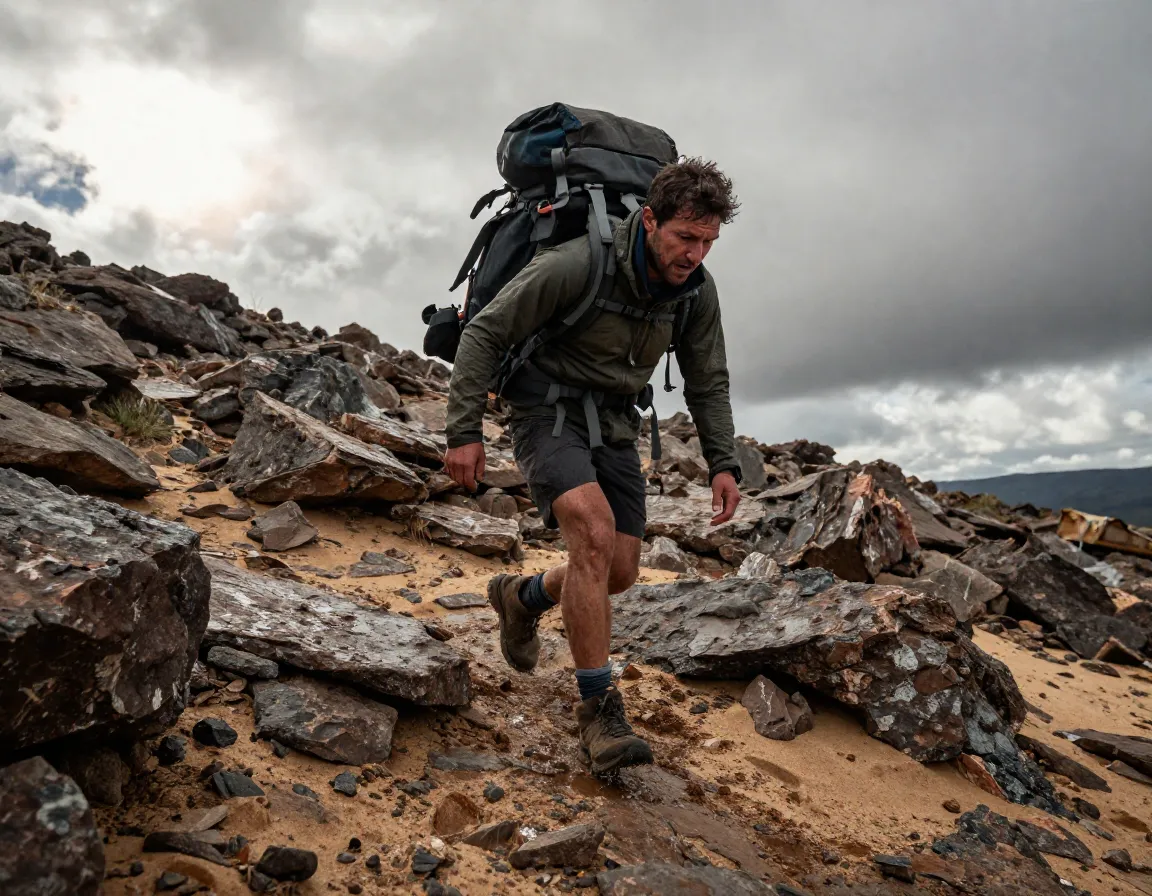
International wilderness expeditions are physically brutal — and that’s not an exaggeration. Participants must be able to remain active and manage personal care for extended periods of mobility and exertion, potentially over 10 hours per day [2].
For backpacking-style expeditions, the physical demands are even more specific. You must be able to independently carry a backpack weighing 25–50+ pounds, or at least 25% of your body weight, while traveling over wet, dry, sandy, rocky, uneven, and/or unstable ground for up to 10 hours or more per day [2].
That’s a serious benchmark. If you’re not already training, start now.
A simple 12-week pre-expedition fitness framework:
- Weeks 1–4: Build aerobic base with daily 45–60 minute hikes or brisk walks
- Weeks 5–8: Add weighted pack training (start at 20 lbs, increase weekly)
- Weeks 9–12: Simulate expedition conditions — long days, uneven terrain, full pack weight
Additionally, you must be able to endure exposure to diverse and changing weather conditions, including temperatures ranging from below freezing (32°F/0°C) to above 100°F/37°C [2]. Train in varied conditions whenever possible.
4. Comprehensive Travel and Expedition Insurance
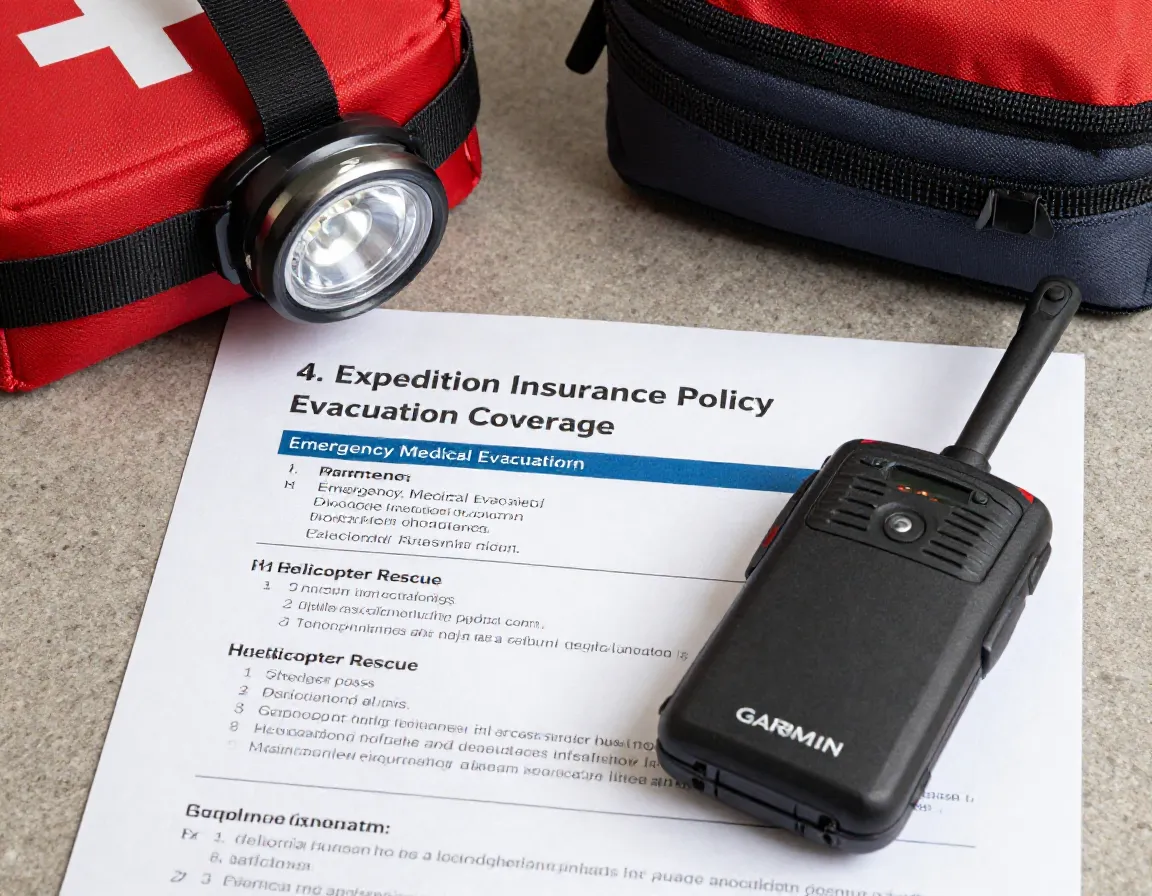
Standard travel insurance won’t cut it for a wilderness expedition. You need a specialized expedition or adventure travel insurance policy that covers:
- Emergency medical evacuation (including helicopter rescue)
- High-altitude illness treatment
- Trip cancellation and interruption
- Search and rescue operations
- Gear and equipment loss or damage
📌 “The cost of a helicopter evacuation from a remote wilderness area can exceed $50,000 USD. Insurance isn’t optional — it’s a survival tool.”
When comparing policies, pay close attention to altitude limits. Many standard adventure policies cap coverage at 4,000–5,000 metres. If you’re heading above that, you need a policy specifically designed for high-altitude expeditions.
Questions to ask your insurer:
- What is the maximum altitude covered?
- Is search and rescue included?
- Does the policy cover pre-existing conditions?
- What is the claims process in a remote area with no cell service?
5. Essential Personal Gear and Supplies
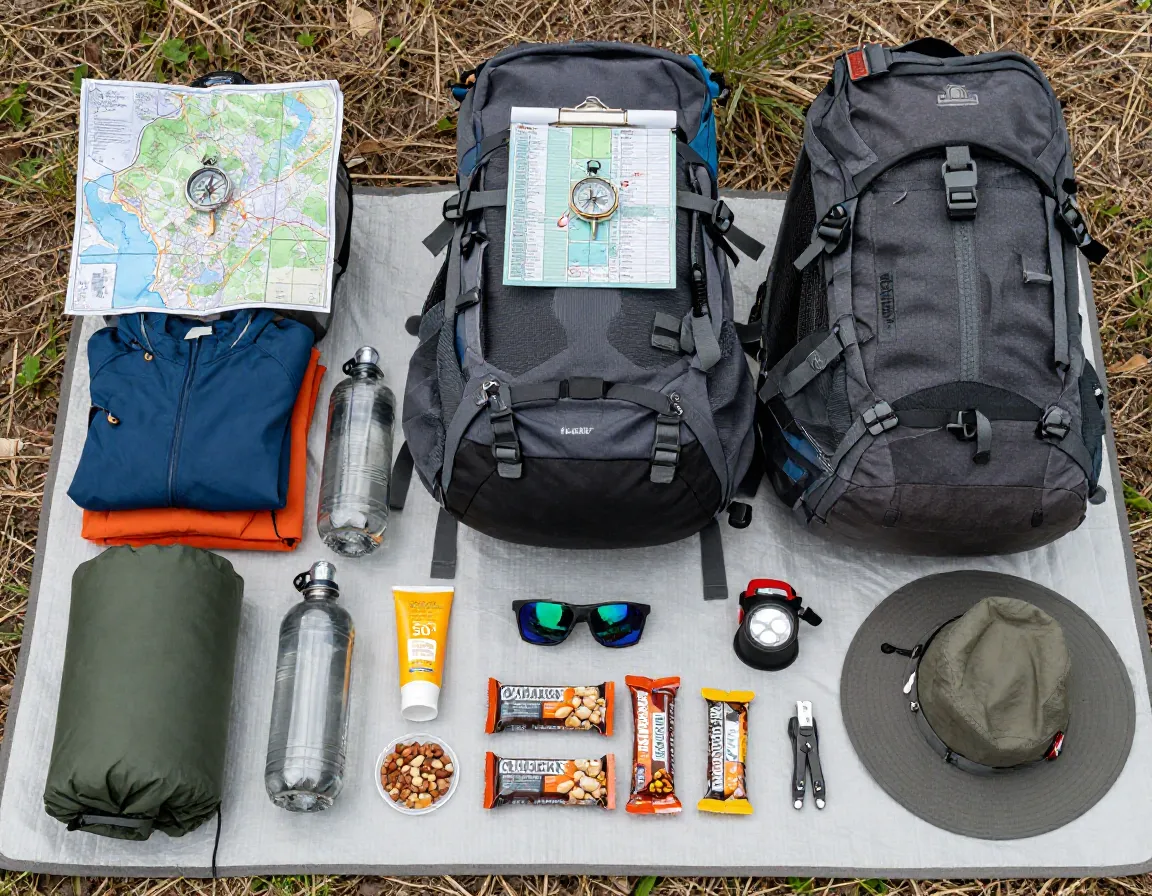
This is where the rubber meets the trail. Carrying the right gear — and knowing how to use it — is one of the core 8 key necessities for international travel on a wilderness expedition.
According to established wilderness trekking standards, climbers and trekkers must carry personal gear including a day-pack, at least two liters of water per person, extra clothing, rain gear, sunscreen, food and snacks [2].
The essential gear checklist:
- Navigation tools: Topographic map, compass, GPS device
- Hydration: Minimum 2 liters of water capacity + purification tablets or filter
- Clothing layers: Moisture-wicking base layer, insulating mid-layer, waterproof outer shell
- Sun protection: SPF 50+ sunscreen, UV-blocking sunglasses, wide-brim hat
- Food and nutrition: High-calorie snacks (nuts, energy bars, dried fruit), emergency rations
- Shelter: Emergency bivy or lightweight tent appropriate for conditions
- Lighting: Headlamp with extra batteries
- Multi-tool or knife: For camp tasks and emergency repairs
Weight management tip: Use the 10% rule — your total pack weight should not exceed 10–15% of your body weight for day hikes, or 25% for multi-day backpacking [2]. Prioritize lightweight, multi-use items wherever possible.
6. First Aid Kit and Wilderness Medical Training
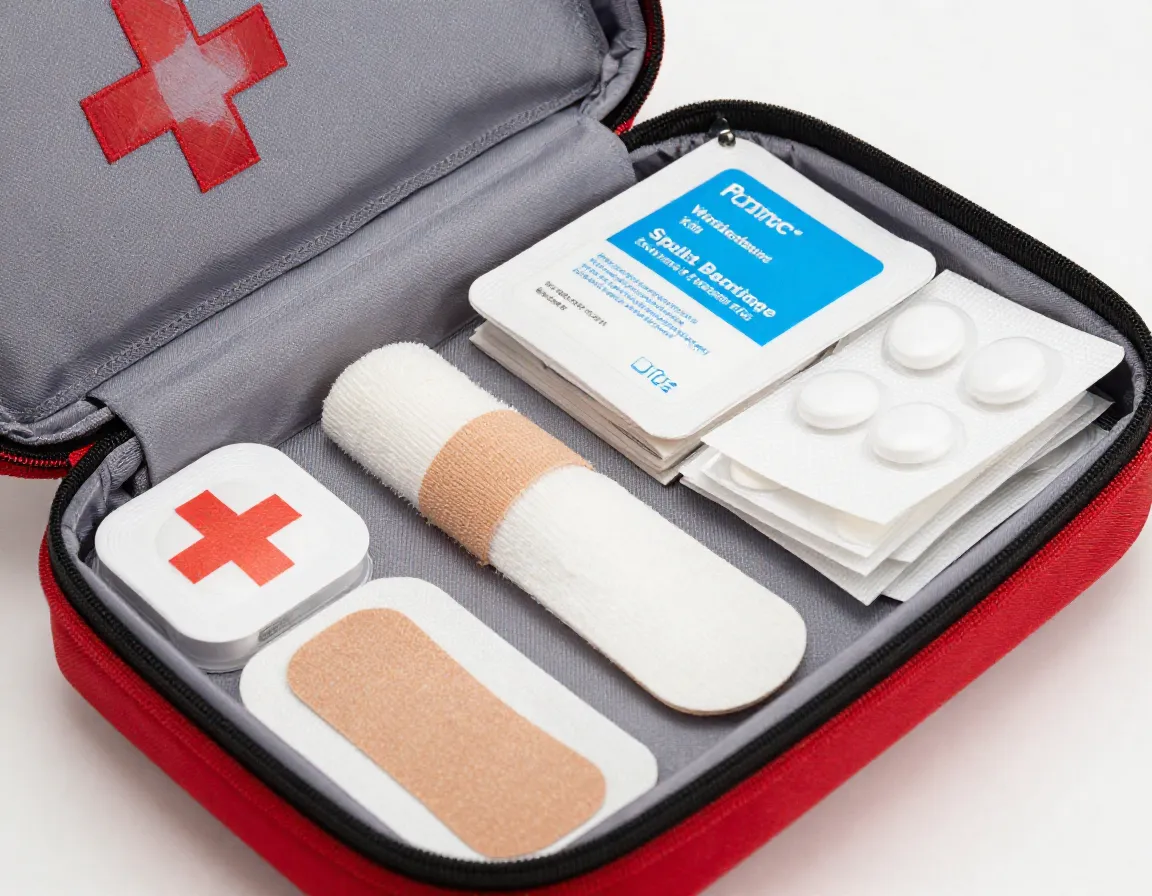
In a remote wilderness environment, the nearest hospital could be days away. Your first aid kit and your knowledge of how to use it are critical lifelines.
A wilderness-grade first aid kit goes well beyond the standard office kit. It should be customized to your destination, the duration of your trip, and the number of people in your group.
Core wilderness first aid kit components:
- Blister treatment (moleskin, hydrocolloid bandages)
- Wound care (antiseptic wipes, closure strips, sterile gauze)
- Medications: pain relievers, antihistamines, anti-diarrheal, altitude sickness medication
- SAM splint and elastic bandage for sprains/fractures
- Emergency dental kit
- Epinephrine auto-injector (if any team member has severe allergies)
- Water purification tablets as backup
Beyond the kit itself, consider completing a Wilderness First Aid (WFA) or Wilderness First Responder (WFR) course before your expedition. These certifications teach you to manage medical emergencies when evacuation is delayed by hours or days — a scenario that is very real in international wilderness travel.
7. Communication Devices and Emergency Protocols
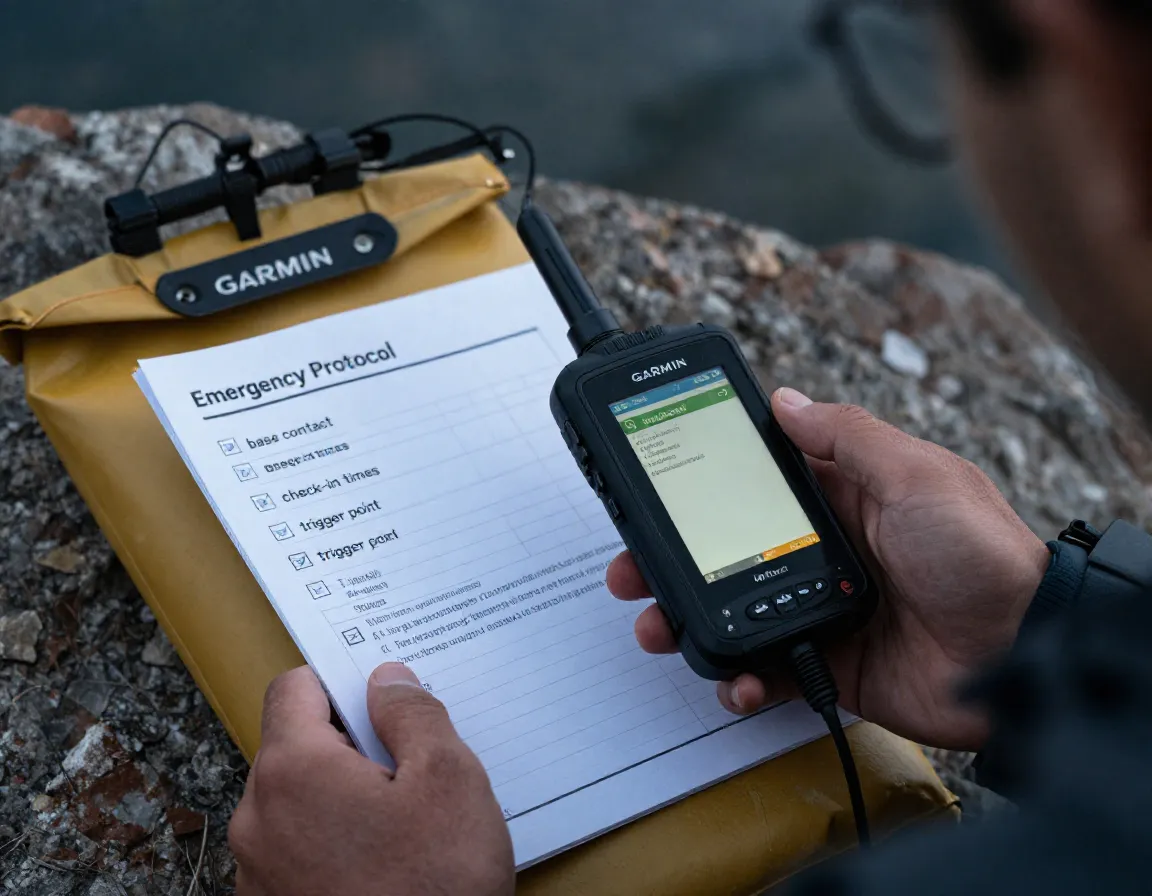
One of the most underestimated necessities is the ability to call for help — and to do so effectively. Participants must be able to effectively communicate personal distress, injury, illness, or the need for assistance to companions, trip leaders, or other participants, including in adverse weather conditions [2].
Cell phones are largely useless in remote wilderness areas. You need dedicated communication tools.
Communication device comparison:
| Device | Coverage | Best For |
|---|---|---|
| Satellite communicator (e.g., Garmin inReach) | Global | Two-way messaging + SOS |
| Personal Locator Beacon (PLB) | Global | One-way SOS only |
| Satellite phone | Global | Voice calls |
| VHF/UHF radio | Local (line of sight) | Team communication |
Every expedition should also establish a clear emergency protocol before departure:
- Designate a base contact at home who knows your itinerary
- Set scheduled check-in times (e.g., every 24–48 hours)
- Establish a trigger point — if no check-in is received by X time, the contact initiates rescue protocols
- Carry written emergency contact information in a waterproof bag
8. Environmental Compliance and Conservation Fees
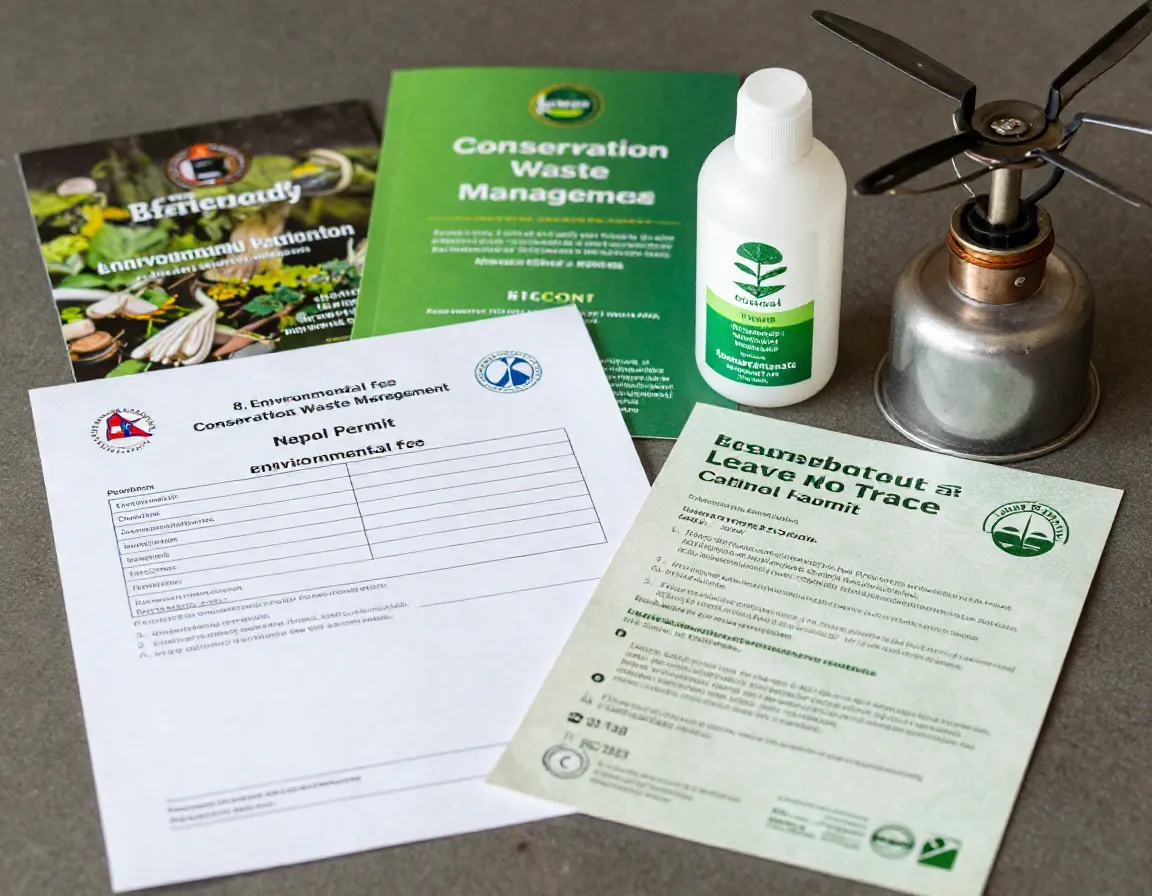
The final necessity is one that’s grown significantly in importance in recent years: environmental responsibility. In many wilderness destinations, this is now a legal requirement, not just an ethical choice.
Under Nepal’s 2026 expedition regulations, an environmental fee is required as part of the permit process to support waste management and conservation initiatives [1]. Similar fees and regulations exist in protected wilderness areas across the globe, from Patagonia to the Himalayas to East Africa.
Environmental compliance checklist:
- ✅ Pay all required environmental and conservation fees
- ✅ Follow Leave No Trace (LNT) principles at all times
- ✅ Use designated waste disposal systems or pack out all waste
- ✅ Respect wildlife corridors and restricted zones
- ✅ Use biodegradable soaps and cleaning products
- ✅ Minimize campfire impact — use a camp stove instead where fires are restricted
🌿 “Wilderness expeditions are a privilege, not a right. The landscapes we explore depend on every traveler choosing to leave them better than they found them.”
Beyond legal compliance, environmental stewardship is what ensures these incredible wild places remain accessible for future generations. Build conservation fees into your budget from the start, and research the specific environmental regulations for your destination well in advance.
Quick Reference: The 8 Key Necessities at a Glance
| # | Necessity | Priority Level |
|---|---|---|
| 1 | Passports, Visas & Expedition Permits | 🔴 Critical |
| 2 | Medical Certification & Health Clearance | 🔴 Critical |
| 3 | Physical Fitness & Endurance | 🔴 Critical |
| 4 | Travel & Expedition Insurance | 🔴 Critical |
| 5 | Essential Personal Gear & Supplies | 🟠 High |
| 6 | First Aid Kit & Wilderness Medical Training | 🟠 High |
| 7 | Communication Devices & Emergency Protocols | 🟠 High |
| 8 | Environmental Compliance & Conservation Fees | 🟡 Important |
Common Mistakes to Avoid on International Wilderness Expeditions
Even experienced trekkers make avoidable errors. Here are the most common pitfalls:
- Underestimating permit lead times — Some permits require months of advance planning and proof of experience.
- Skipping medical clearance — Altitude sickness, cardiac events, and musculoskeletal injuries are leading causes of expedition evacuations.
- Over-packing or under-packing — Both extremes cause problems. Use a proven gear list and stick to it.
- Relying on cell phones for communication — In remote wilderness areas, satellite communication is the only reliable option.
- Ignoring environmental regulations — Fines, permit revocations, and even criminal charges can result from non-compliance.
- Neglecting fitness training — Starting an expedition without adequate physical preparation is one of the most dangerous mistakes you can make.
Conclusion: Take Action Before Your Expedition Begins
Mastering the 8 key necessities for international travel on a wilderness expedition is not something you do the week before you leave. It’s a process that begins months — sometimes years — in advance. Each of the eight necessities we’ve covered builds on the others, creating a safety and preparedness framework that gives you the best possible chance of a successful, safe, and responsible adventure.
Your actionable next steps:
- Start your permit research today — Identify every permit and visa required for your destination and begin the application process immediately.
- Book a pre-expedition medical evaluation — Find a travel medicine or wilderness medicine specialist in your area.
- Begin your fitness training program — Use the 12-week framework outlined above as your starting point.
- Purchase expedition-grade insurance — Compare at least three policies before committing.
- Assemble and test your gear — Do a shakedown hike with your full pack before your expedition departure.
- Enroll in a Wilderness First Aid course — Knowledge you hope you never need, but will be grateful for if you do.
- Research and pay all environmental fees — Build them into your budget from day one.
- Set up your communication protocol — Purchase a satellite communicator and establish your emergency check-in system.
The wilderness doesn’t care how excited you are. It rewards preparation, respects experience, and demands respect in return. Go prepared, go safe, and go leave it better than you found it. 🏔️
References
[1] Discover The New Everest Expedition 2026 Rules In Nepal Expert Travel Tips Safety Guidelines And High Altitude Preparation For Climbers Worldwide – https://www.travelandtourworld.com/news/article/discover-the-new-everest-expedition-2026-rules-in-nepal-expert-travel-tips-safety-guidelines-and-high-altitude-preparation-for-climbers-worldwide/
[2] Essential Eligibility Requirements – https://wildlandtrekking.com/about-wildland/essential-eligibility-requirements/