8 Genius Ways to Use Packing Vacuum Bags for Camping & Travel
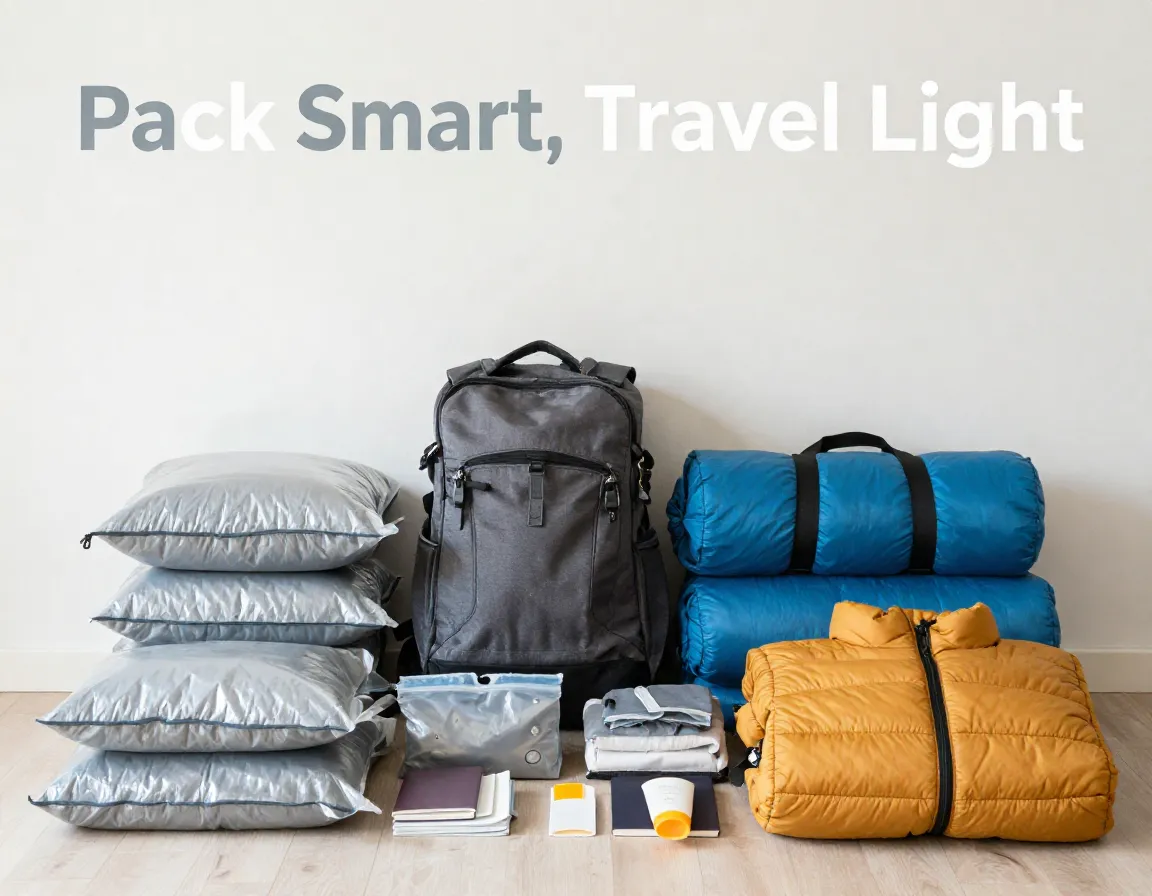
Imagine arriving at your campsite with a perfectly organized pack — no overstuffed zippers, no wrinkled gear, and room to spare for the things that actually matter. That dream is closer than you think, and it starts with one simple tool most travelers overlook. In this guide, I’m breaking down the 8 Genius Ways to Use Packing Vacuum Bags for Camping & Travel that will completely change how you prepare for your next adventure. Whether you’re a weekend hiker or a full-time nomad, these strategies will help you pack smarter, protect your gear, and reclaim serious space in your bag.
Key Takeaways
- 🧳 Vacuum compression bags can increase your packing capacity by up to 75–80%, turning bulky gear into compact, manageable bundles.
- 🏕️ They work for far more than just clothes — think sleeping bags, first-aid kits, food supplies, and more.
- 🌧️ Vacuum bags double as waterproof and dust-proof protection for sensitive gear.
- 🗂️ Using different bag sizes to organize by category makes unpacking faster and more efficient.
- ✈️ They’re equally useful for camping trips, international travel, relocation, and seasonal storage.
Why Packing Vacuum Bags Are a Game-Changer for Travelers and Campers
Before we dive into the 8 genius ways to use packing vacuum bags for camping and travel, let’s talk about why these simple tools deserve a permanent spot in your gear list.
Packing vacuum bags — also called compression bags or space-saver bags — work by removing the air from around your items, shrinking their overall volume dramatically. According to packing experts and travel bloggers alike, a good set of vacuum bags can compress bulky winter coats down to roughly laptop-sized packages, freeing up enormous amounts of space in your luggage or backpack [2].
💡 “The biggest mistake travelers make is thinking vacuum bags are only for closets. They’re one of the most versatile tools in any packer’s arsenal.”
The benefits go beyond space savings. These bags also:
- Protect gear from moisture, dust, bugs, and odors
- Organize your pack into logical, easy-to-find sections
- Reduce wrinkles on clothing during transport
- Extend the life of delicate fabrics and insulated gear
Now let’s get into the strategies that make the biggest difference.
8 Genius Ways to Use Packing Vacuum Bags for Camping & Travel
1. Compress Your Sleeping Bag to Free Up Critical Pack Space

Ask any experienced backpacker what takes up the most room in their pack, and they’ll say the same thing: the sleeping bag. Even high-end ultralight bags can be bulky when stuffed into their sacks. This is where vacuum compression bags shine brightest.
By placing your sleeping bag inside a large vacuum compression bag and removing the air — either with a hand pump or by rolling — you can reduce its volume by 50 to 75% [1]. That’s the difference between a bag that barely fits and one that slides in with room to spare.
Pro Tips for Sleeping Bag Compression:
- Use a large or extra-large vacuum bag designed for bedding
- Don’t over-compress down-filled bags for long-term storage (it can damage loft), but short-term travel compression is perfectly safe
- Re-fluff your sleeping bag when you arrive to restore its insulating properties
- Roll rather than fold before sealing to push air out more evenly
2. Pack Bulky Outerwear Without Sacrificing Luggage Space
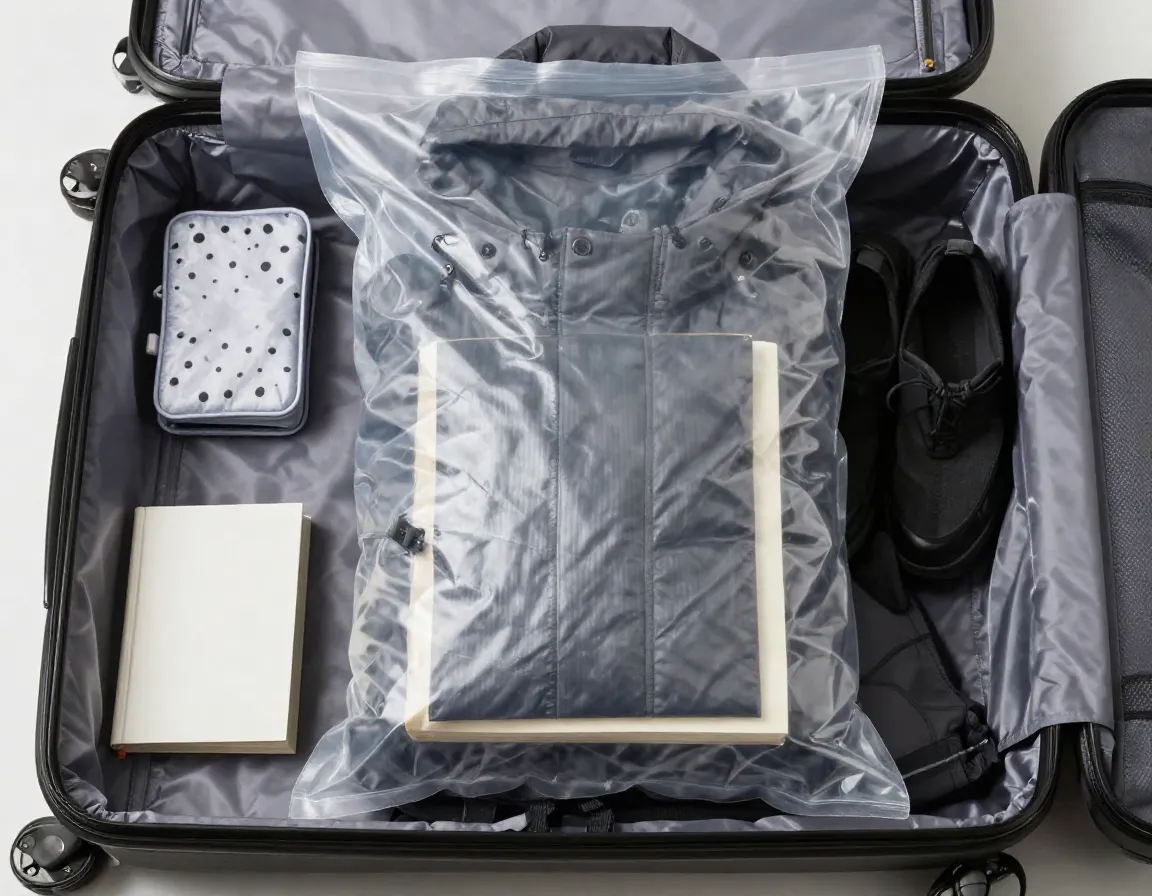
Winter camping or cold-weather travel means bulky jackets, fleece layers, and thermal pants — the kind of gear that eats your suitcase alive. One of the most popular of the 8 genius ways to use packing vacuum bags for camping and travel is using medium-sized bags to compress outerwear.
A standard winter coat can be compressed down to roughly the size of a thick paperback book [2]. That means you can bring multiple layers for a cold-weather trip without checking a second bag.
Outerwear Compression Guide:
| Item | Uncompressed Size | After Vacuum Compression |
|---|---|---|
| Winter parka | Large grocery bag | Thick hardcover book |
| Fleece jacket | Medium backpack pocket | Folded magazine |
| Thermal base layer set | Shoe box | Paperback novel |
| Down vest | Medium shopping bag | Thick envelope |
This approach is especially useful for international travel, where airline baggage fees can quickly add up. Compressing your outerwear means you can often get away with carry-on luggage only — even in winter.
3. Organize Clothing by Category Using Different Bag Sizes
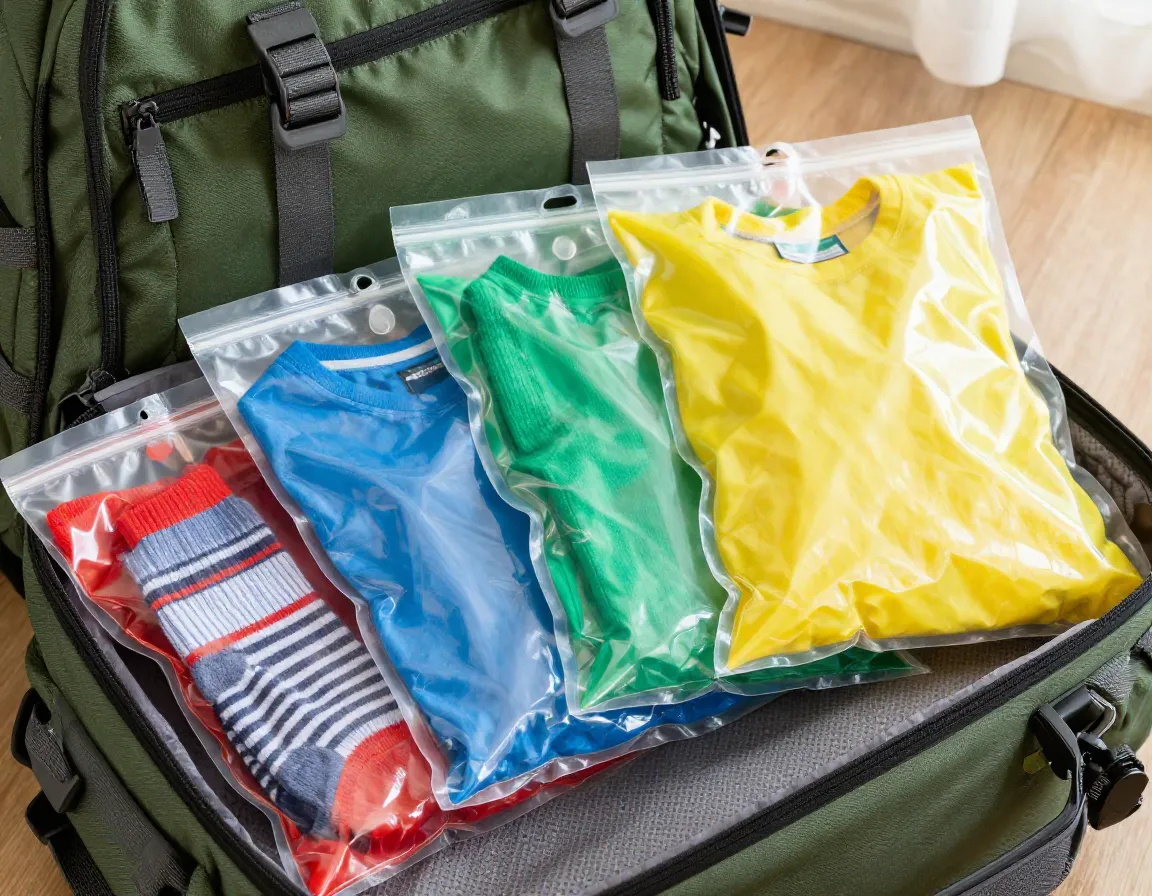
One of the smartest — and most underrated — uses of vacuum bags is as an organizational system, not just a space-saver. By using different bag sizes for different clothing categories, you create a modular packing system that makes finding things fast and easy [2][3].
Here’s a simple system that works well:
Small bags → Socks, underwear, accessories
Medium bags → T-shirts, shorts, light layers
Large bags → Pants, sweaters, mid-layers
Extra-large bags → Sleeping bags, jackets, bulky gear
This method works especially well for family camping trips, where multiple people’s gear can easily get mixed together. Color-coded bags take it one step further — assign each family member a color so everyone can grab their own bag without digging through the whole pack.
🗂️ Pro Tip: Label your bags with a small piece of masking tape and a marker. It takes 30 seconds and saves you minutes of searching at camp.
4. Protect Gear from Rain, Moisture, and Humidity
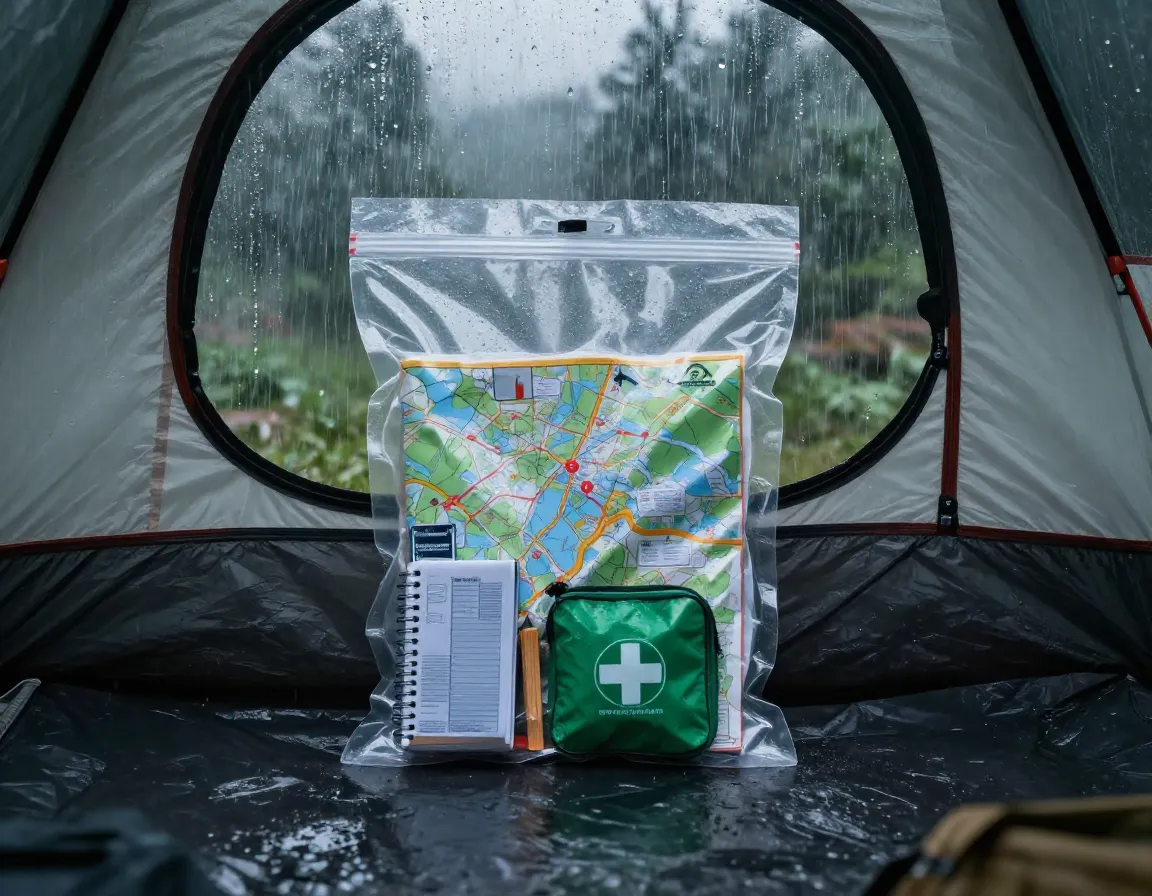
Camping and travel both expose your gear to moisture — from rain, humidity, condensation, or accidental spills. A sealed vacuum bag creates a near-airtight, waterproof barrier that keeps your clothes and gear dry even in wet conditions [2].
This is particularly valuable for:
- 🌧️ Rainy camping trips where your pack might get soaked
- 🏖️ Beach or water-based travel with high humidity
- 🚢 Boat or kayak trips where gear can get splashed
- 🌍 Tropical destinations with unpredictable weather
Even if you don’t use the vacuum function, a sealed compression bag acts as a reliable dry bag for sensitive items like electronics cases, first-aid supplies, and important documents.
What to Always Keep in a Sealed Bag:
- Spare clothing (especially base layers)
- First-aid kit
- Fire-starting materials
- Maps, documents, and permits
- Electronics accessories and chargers
5. Use Them as a Makeshift Dry Bag for Valuables
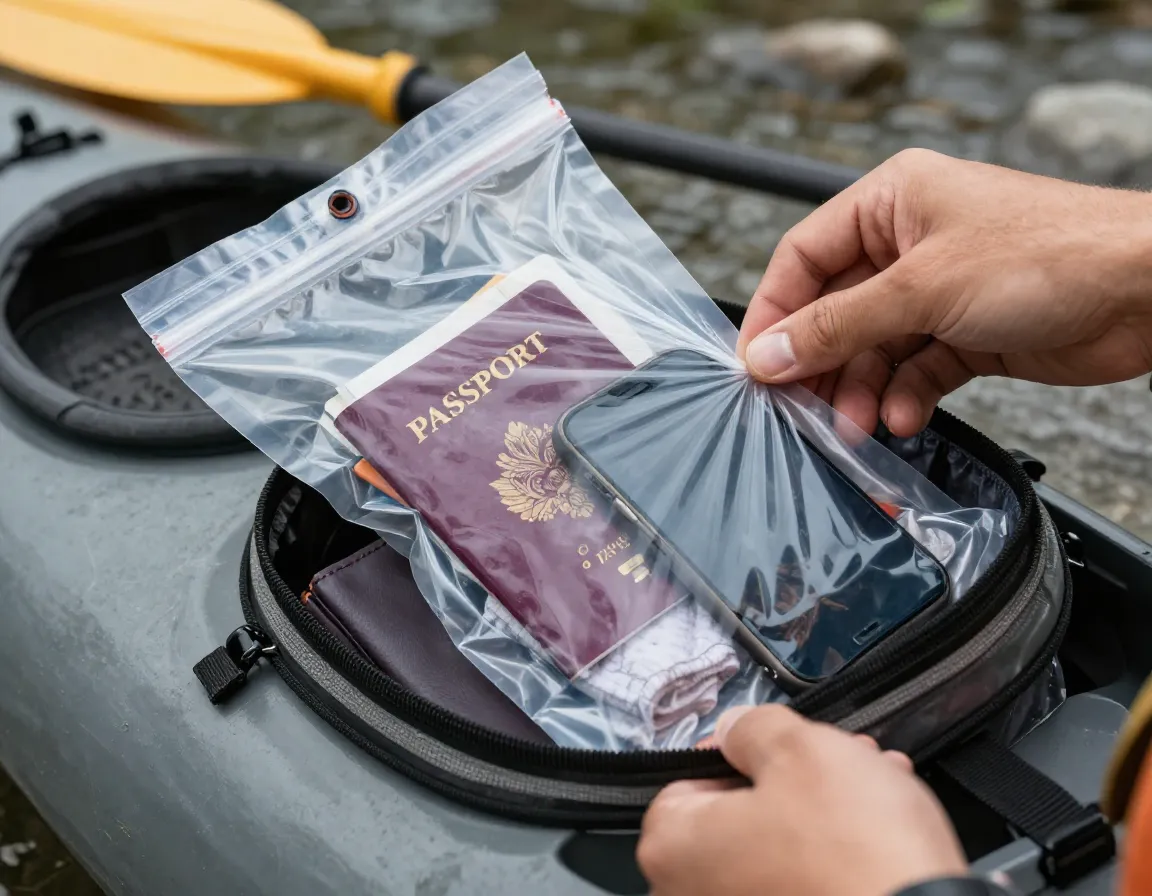
Building on the waterproofing benefit, vacuum bags can serve as improvised dry bags for valuables that you need to keep absolutely safe. While they’re not a replacement for a purpose-built waterproof case, they offer solid protection in a pinch.
For kayaking day trips, river crossings, or sudden downpours, sealing your passport, phone, wallet, and spare clothes in a vacuum bag gives you real peace of mind. The airtight seal keeps water out far better than a standard zip-lock bag, and the compression keeps the package small enough to fit in a hip pack or top lid pocket.
Quick Comparison: Vacuum Bag vs. Standard Zip-Lock for Moisture Protection
| Feature | Vacuum Compression Bag | Standard Zip-Lock Bag |
|---|---|---|
| Water resistance | ✅ High (airtight seal) | ⚠️ Moderate |
| Compression | ✅ Yes | ❌ No |
| Reusability | ✅ Many uses | ⚠️ Limited |
| Size options | ✅ Multiple | ⚠️ Limited |
| Cost | ⚠️ Higher upfront | ✅ Cheap |
6. Streamline Packing for Multi-Destination Trips
Multi-stop travel is exciting but logistically challenging. When you’re moving between a beach resort, a mountain campsite, and a city hotel in the same trip, you need gear for completely different environments — and you need to access the right items quickly.
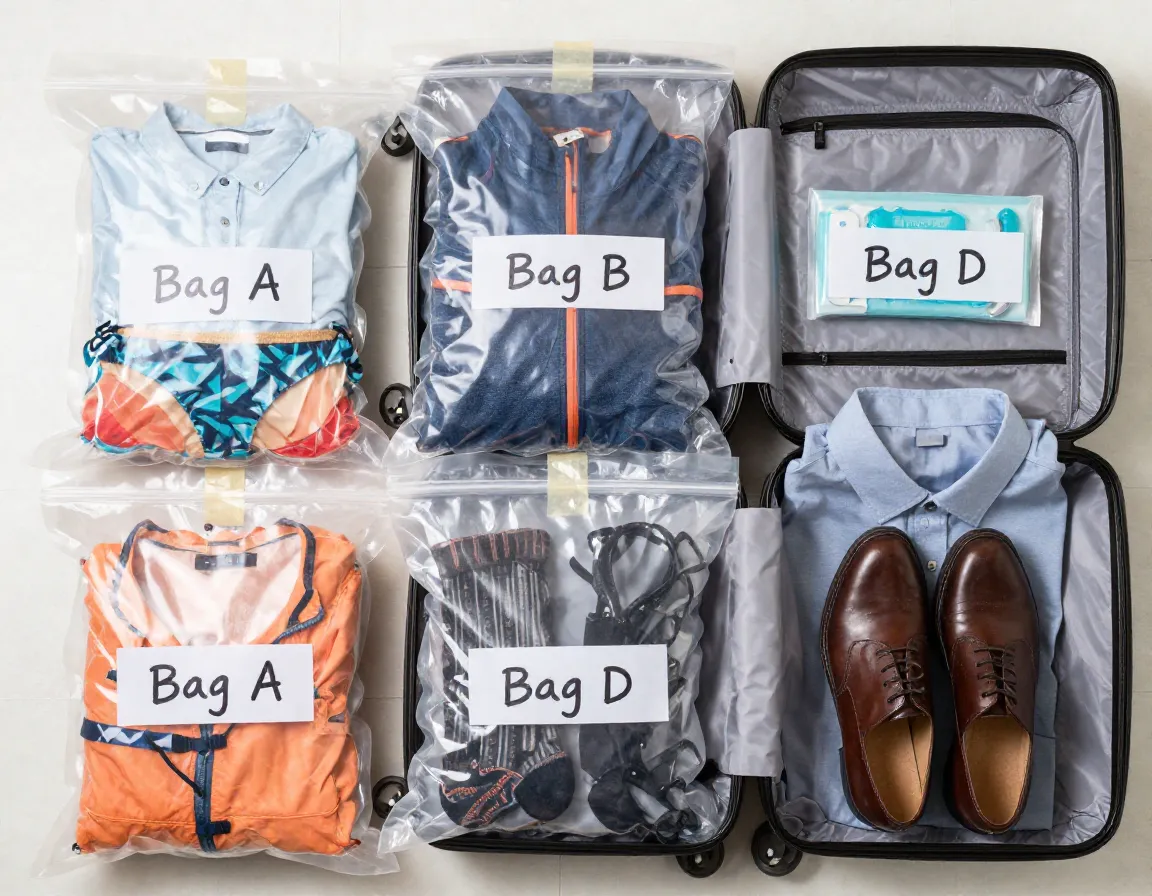
Using vacuum bags as destination-specific modules solves this problem elegantly. Pack one bag for beach gear, one for hiking layers, and one for city clothes. When you arrive at each destination, you only need to open the relevant bag. Everything else stays compressed and organized.
This is one of the 8 genius ways to use packing vacuum bags for camping and travel that frequent travelers swear by because it eliminates the chaos of repacking every time you change locations.
Multi-Destination Packing System:
- Bag A — Beach/warm weather: swimwear, light shirts, sandals bag
- Bag B — Mountain/camping: thermal layers, fleece, hiking socks
- Bag C — City/travel: smart-casual outfits, dress shoes bag
- Bag D — Universal: toiletries, electronics, documents pouch
Keep Bag D accessible at all times. Rotate the others based on your current destination.
7. Extend the Use Case to Relocation and Moving
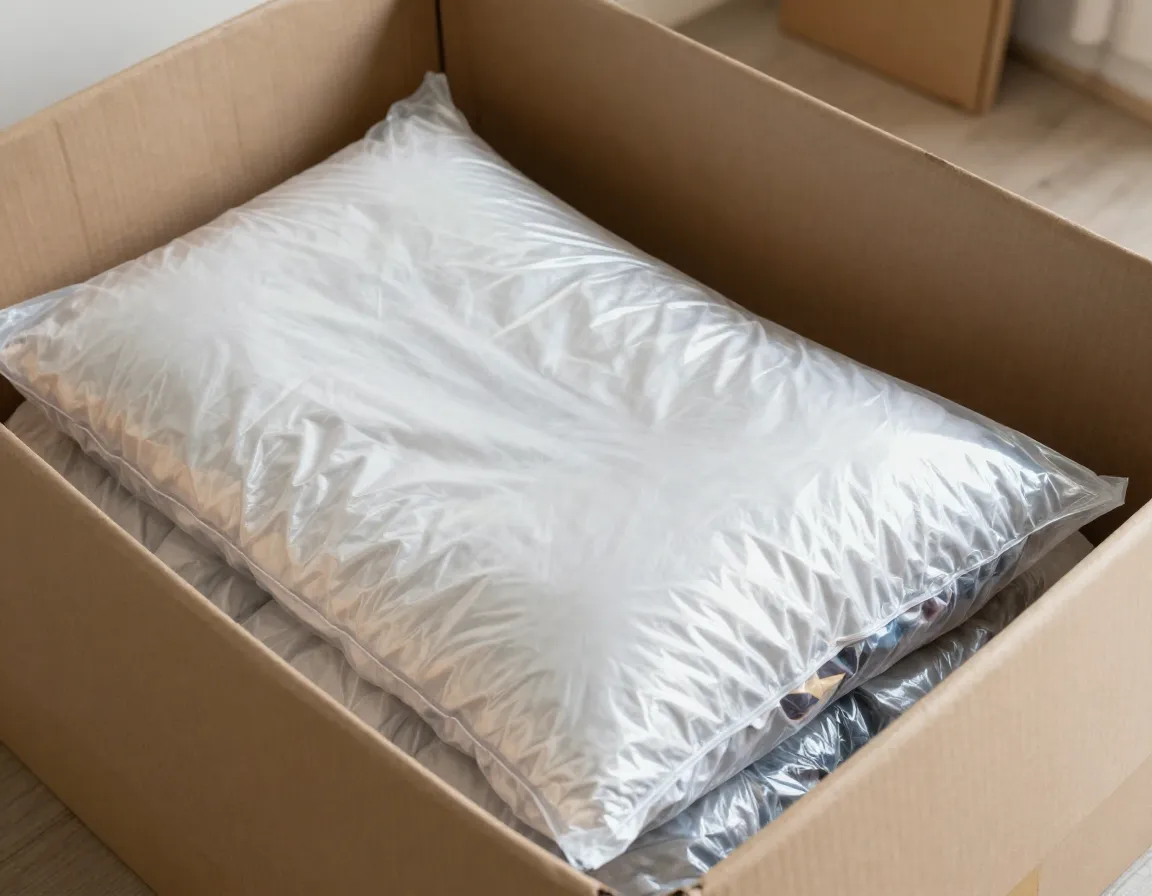
The versatility of vacuum compression bags goes well beyond single trips. If you’re relocating — whether across the country or internationally — these bags are incredibly useful for compressing clothing and soft goods during the move [3].
Moving boxes take up enormous space, and soft items like bedding, pillows, and seasonal clothing are some of the worst offenders. Vacuum-sealing them can cut the number of boxes you need significantly, which translates directly into lower moving costs.
Relocation Use Cases:
- Compress seasonal clothing (winter coats, heavy blankets) that you won’t need immediately
- Protect delicate fabrics from dust and moisture during storage or transit
- Reduce the volume of bedding sets to fit more in each box
- Keep camping gear organized and protected during the move
📦 Many people discover vacuum bags during a camping trip and end up using them year-round for storage, travel, and moving. Once you start, it’s hard to go back.
This crossover utility makes vacuum bags an excellent long-term investment rather than a single-use travel accessory.
8. Use Seasonal Storage Bags to Prep Your Gear Between Trips
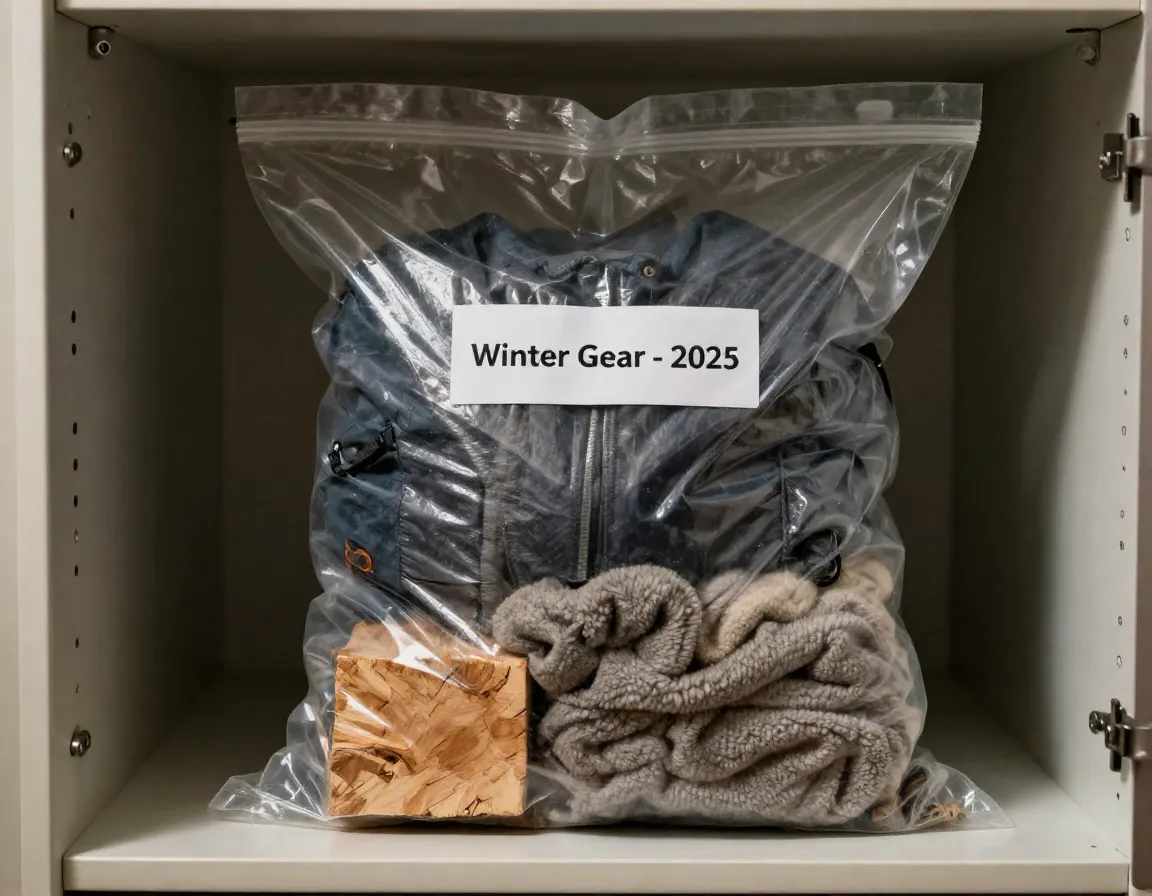
The final strategy in our list of 8 genius ways to use packing vacuum bags for camping and travel is one that happens between adventures: seasonal gear storage.
After a camping season ends, most people stuff their gear into closets or storage bins where it can accumulate dust, moisture, and odors. Vacuum bags solve all three problems at once [2].
Seasonal Storage Best Practices:
- Clean and dry all gear thoroughly before sealing (moisture trapped inside can cause mold)
- Use cedar blocks or silica gel packets inside the bag to absorb any residual moisture and deter pests
- Store bags in a cool, dry location away from direct sunlight
- Label each bag with contents and the date sealed
- For down gear specifically, consider using a breathable compression bag rather than a fully airtight vacuum bag for storage longer than 3 months
Seasonal Storage Calendar:
| Season | What to Store | Bag Size Recommended |
|---|---|---|
| Post-winter | Heavy coats, thermal layers, wool blankets | Extra-large |
| Post-summer | Camping gear, lightweight sleeping bags | Large |
| Post-fall | Mid-layers, rain gear, hiking boots bag | Medium/Large |
| Year-round | Off-season clothing, spare bedding | Small/Medium |
By rotating your gear in and out of vacuum storage seasonally, you keep your closet organized, your gear protected, and your packing process faster when the next trip rolls around.
Choosing the Right Vacuum Bag for Your Needs
Not all vacuum bags are created equal. Here’s a quick guide to help you pick the right type for your use case:
Types of Vacuum Bags:
- Roll-up bags — No pump needed; you roll from the bottom to push air out. Great for travel since you can’t bring a pump on a plane.
- Pump-required bags — Achieve tighter compression; ideal for home storage and car camping.
- Hand-pump bags — A middle ground; compact pump fits in your pack for use at camp.
- Electric pump bags — Fastest option; best for home use and large volumes of gear.
Key Features to Look For:
- ✅ Double-zip seal for airtight closure
- ✅ Durable, puncture-resistant material (at least 80-micron thickness)
- ✅ Multi-use valve compatible with standard pumps
- ✅ Clear material so you can see contents without opening
- ✅ Multiple size options in one pack
Avoid bags that:
- ❌ Have single-layer seals (they fail under pressure)
- ❌ Are made from thin, crinkly plastic (prone to tearing)
- ❌ Come without a valve (limits your compression options)
Common Mistakes to Avoid
Even with the best vacuum bags, a few common errors can reduce their effectiveness or damage your gear:
- Overpacking the bag — Leave about 20% of the bag empty before sealing. Overstuffed bags are harder to seal and more likely to pop open.
- Sealing damp items — Always ensure gear is completely dry before sealing to prevent mold and mildew.
- Using them for long-term down storage — Down insulation needs to breathe over long periods. Use breathable storage sacks for seasonal down storage.
- Forgetting to re-fluff compressed items — Sleeping bags and jackets should be aired out and re-fluffed when you arrive at your destination.
- Buying cheap, thin bags — Low-quality bags lose their seal quickly. Invest in a reputable brand for reliable performance.
Conclusion
The 8 genius ways to use packing vacuum bags for camping and travel covered in this guide represent a genuine upgrade to how most people approach packing. From compressing sleeping bags and outerwear to creating destination-specific modules and protecting gear from moisture, vacuum compression bags are one of the most versatile and cost-effective tools a traveler or camper can own.
In 2026, with airline fees higher than ever and outdoor adventures more popular than ever, packing efficiently isn’t just a nice-to-have — it’s a real money and stress saver.
Your Action Plan:
- Start with one set of mixed-size vacuum bags on your next trip to test the system.
- Identify your biggest packing pain point (sleeping bag bulk? too many layers?) and target that first.
- Try the modular organization system — different bags for different clothing categories — and notice how much faster unpacking becomes.
- Use the seasonal storage strategy between trips to keep your gear protected and your home organized.
- Share what works with your camping or travel crew — these tools are even more useful when the whole group adopts the system.
Pack less. Carry more. Travel smarter. 🏕️✈️
References
- TravelFashionGirl. (2019). How to use packing cubes and compression bags. Travel Fashion Girl. https://travelfashiongirl.com
- SpaceBag. (2021). The complete guide to vacuum storage bags. SpaceBag. https://www.spacebag.com
- Ziploc. (2020). Space bag storage solutions for travel and moving. Ziploc. https://www.ziploc.com