8 Essential Pieces of Woman Hiking Attire for Comfort & Safety
Picture this: you’re two miles into a mountain trail, the sun is beating down, your feet are aching, and you’re soaked through from an unexpected rain shower. Sound familiar? The right gear changes everything — and knowing the 8 Essential Pieces of Woman Hiking Attire for Comfort & Safety can mean the difference between a miserable outing and an unforgettable adventure. In 2026, women’s hiking apparel has never been more functional, stylish, or purpose-built. Whether you’re a weekend warrior or a seasoned trail runner, this guide breaks down every item you need to hike smarter and safer.
Key Takeaways
- 🥾 Footwear is your foundation — sturdy boots with ankle support and waterproofing prevent injury on rugged terrain.
- 🧥 Layering is non-negotiable — a base layer, insulating mid-layer, and waterproof shell protect you from shifting weather.
- ☀️ Sun protection saves skin — a wide-brimmed hat, UV sunglasses, and UPF-rated tops guard against harmful rays.
- 🧦 Small details matter most — moisture-wicking socks and the right underwear prevent blisters and chafing before they start.
- 🔄 Versatility = smart packing — convertible pants and packable accessories let you adapt quickly without carrying extra weight.
Why Your Hiking Outfit Is a Safety Decision
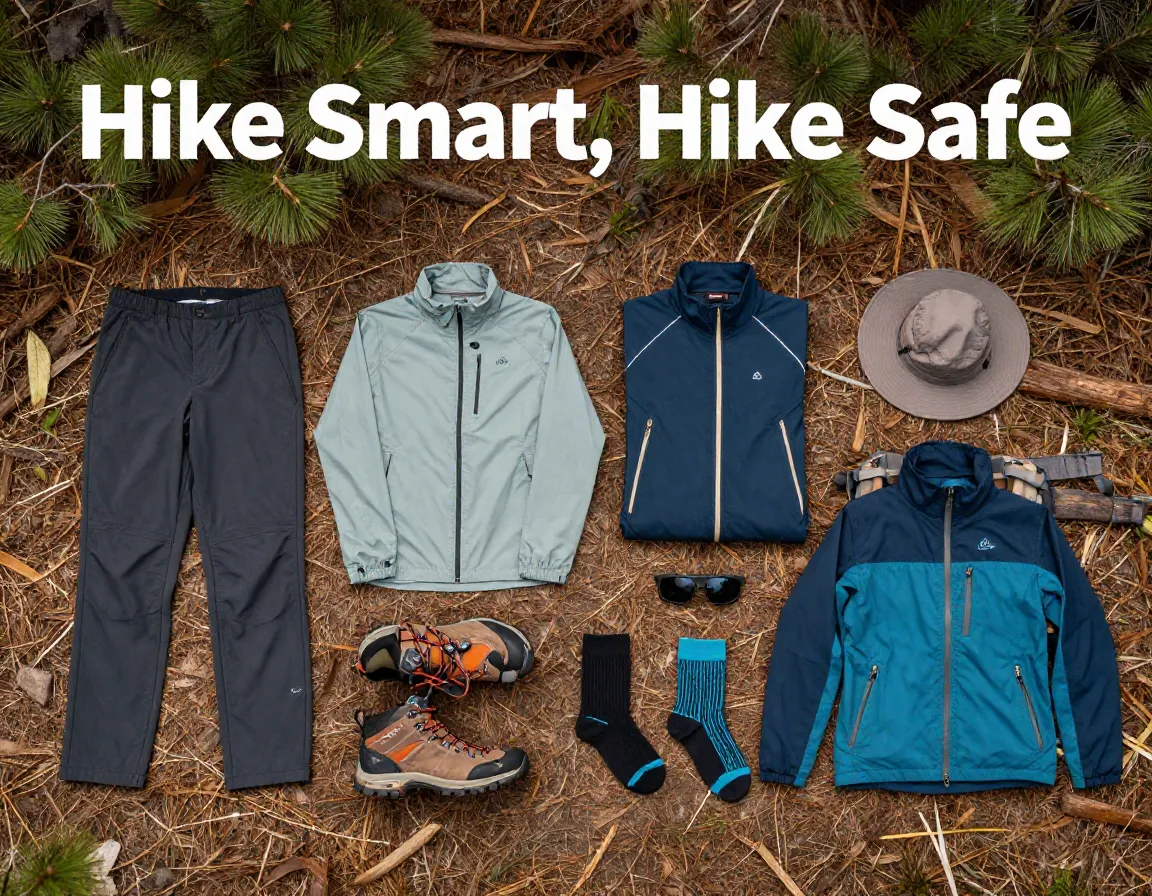
Most hikers focus on trail maps and snacks — but your clothing is your first line of defense against the elements. The right woman hiking attire manages sweat, blocks UV rays, prevents blisters, and keeps you warm when temperatures drop unexpectedly. Think of your outfit as a system, not just separate pieces. Every item works together to regulate your body temperature, protect your skin, and keep you moving comfortably for hours.
“Your hiking clothes are your first layer of protection — choose them as carefully as you’d choose any safety gear.”
The 8 Essential Pieces of Woman Hiking Attire for Comfort & Safety
1. Moisture-Wicking Base Layer
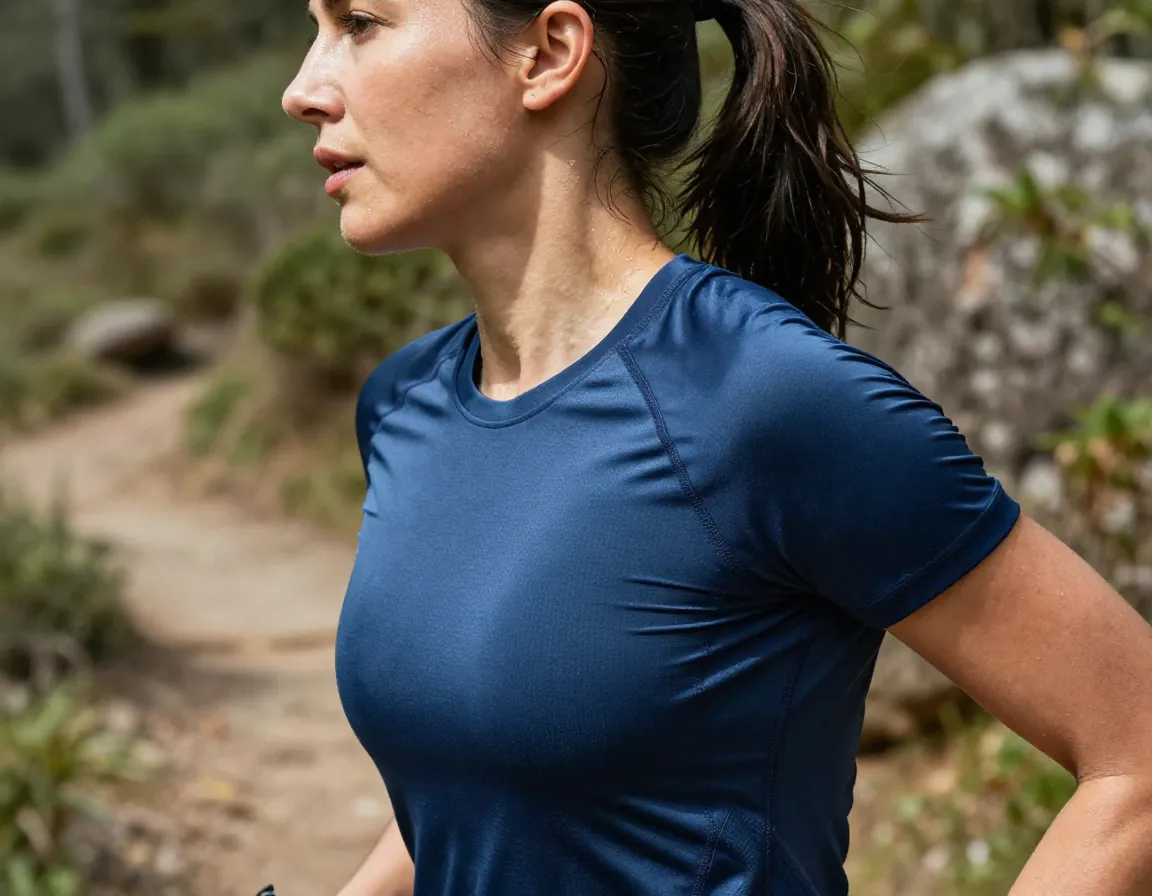
Your base layer is the foundation of your entire outfit. It sits directly against your skin, so it needs to pull sweat away quickly and dry fast. Moisture-wicking base layers regulate body temperature and prevent that clammy, cold feeling that sets in when wet fabric clings to skin [1].
What to look for:
- Synthetic fabrics (polyester, nylon) or Merino wool
- Fitted but not restrictive cut
- Flatlock seams to prevent chafing
- Quick-dry technology
Avoid cotton at all costs — it holds moisture and can lead to dangerous chilling on cool days.
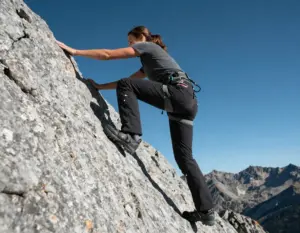
2. Breathable Hiking Pants or Shorts
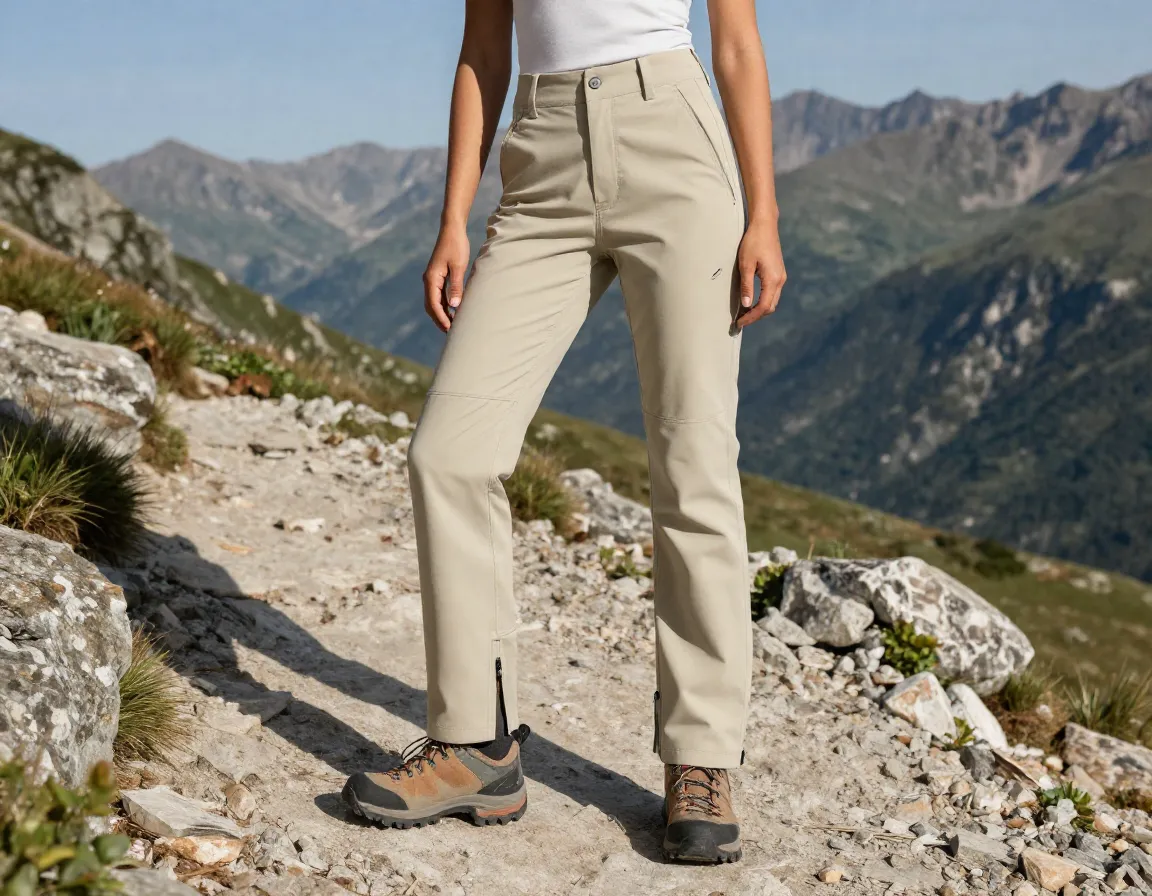
Pants and shorts are where comfort meets function. Breathable hiking pants with unrestricted movement protect against brush and insects while keeping you cool [1][2]. In 2026, options range from traditional straight-leg cuts to legging-style fits and even flare-leg designs for those who want a fashion-forward look on the trail.
| Style | Best For | Key Benefit |
|---|---|---|
| Straight-leg pants | All-day hikes | Durability & coverage |
| Legging-style | Technical terrain | Flexibility & fit |
| Convertible zip-off | Variable weather | Versatility |
| Shorts | Hot, dry trails | Maximum airflow |
Pro tip: Convertible pants with zip-off legs are a smart pick for unpredictable weather — you can switch from pants to shorts in seconds as temperatures shift [3].
3. Lightweight Sun-Protective Top
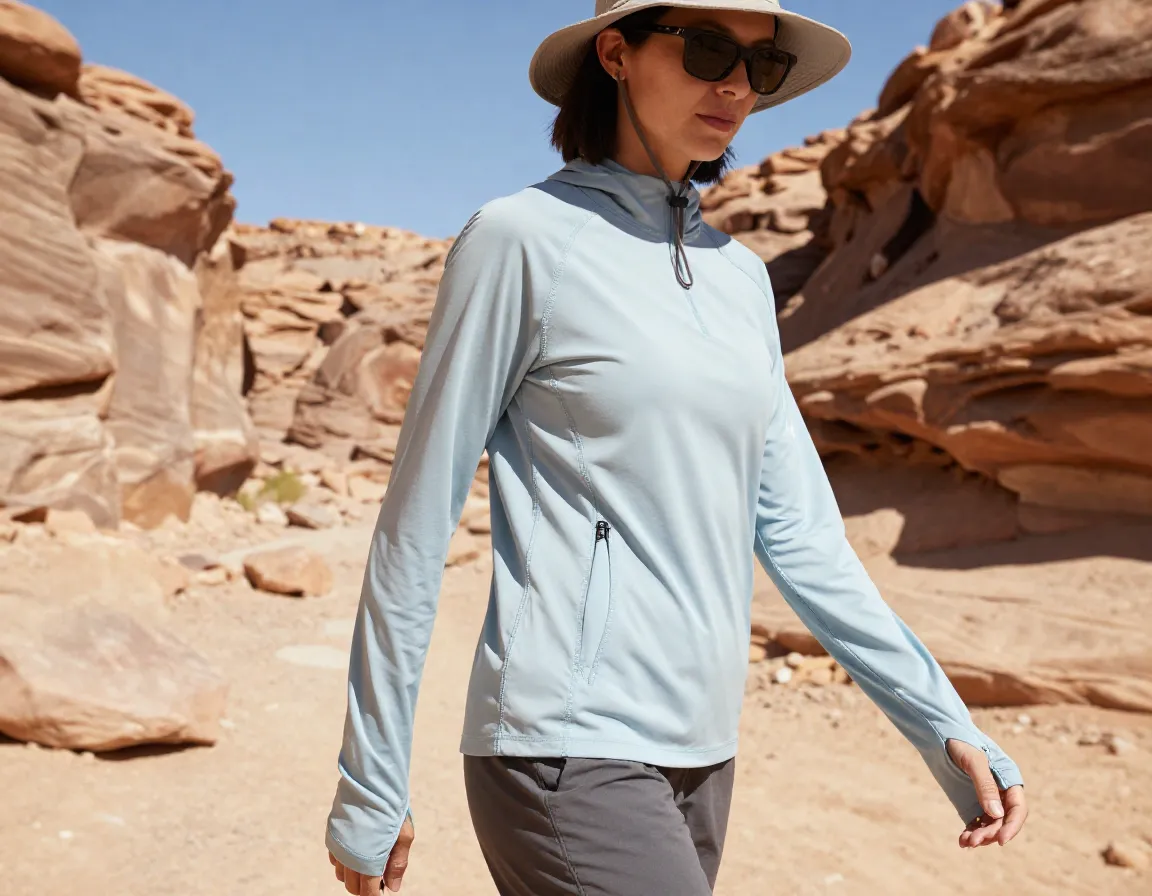
Your shirt does more than cover your arms — it’s a UV shield, a temperature regulator, and a layer of protection from scrapes and bugs. Lightweight long-sleeve or short-sleeve tops with built-in UPF protection are highly recommended for hot-weather hiking [3].
Key features to prioritize:
- UPF 30+ or UPF 50+ rating
- Vented back panels for airflow
- Thumbholes to keep sleeves in place
- Relaxed athletic fit
Long sleeves may feel counterintuitive in summer, but a UPF 50+ shirt actually keeps you cooler than bare skin in direct sun by blocking radiant heat.
4. Sturdy Hiking Boots with Ankle Support

Nothing ends a hike faster than a twisted ankle or soaked feet. Sturdy hiking boots with ankle support are essential for navigating rugged terrain safely [1]. Look for boots featuring GORE-TEX® waterproofing — a top-rated technology that keeps water out while still allowing your feet to breathe.
Boot checklist:
- High ankle collar for stability
- GORE-TEX® or equivalent waterproof membrane
- Vibram or rubber lug outsole for grip
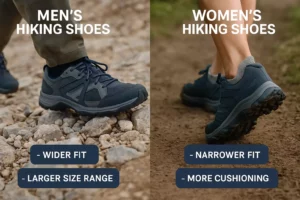
- Women’s-specific last (foot shape) for better fit
- Break them in before your first big hike!
For lighter trails, trail runners with ankle support are a solid alternative. But for rocky, uneven terrain, a full hiking boot is always the safer choice.
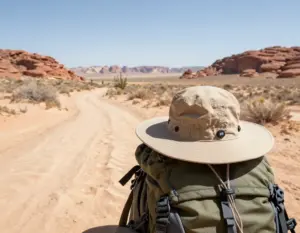
5. Wide-Brimmed Hat for Sun Protection
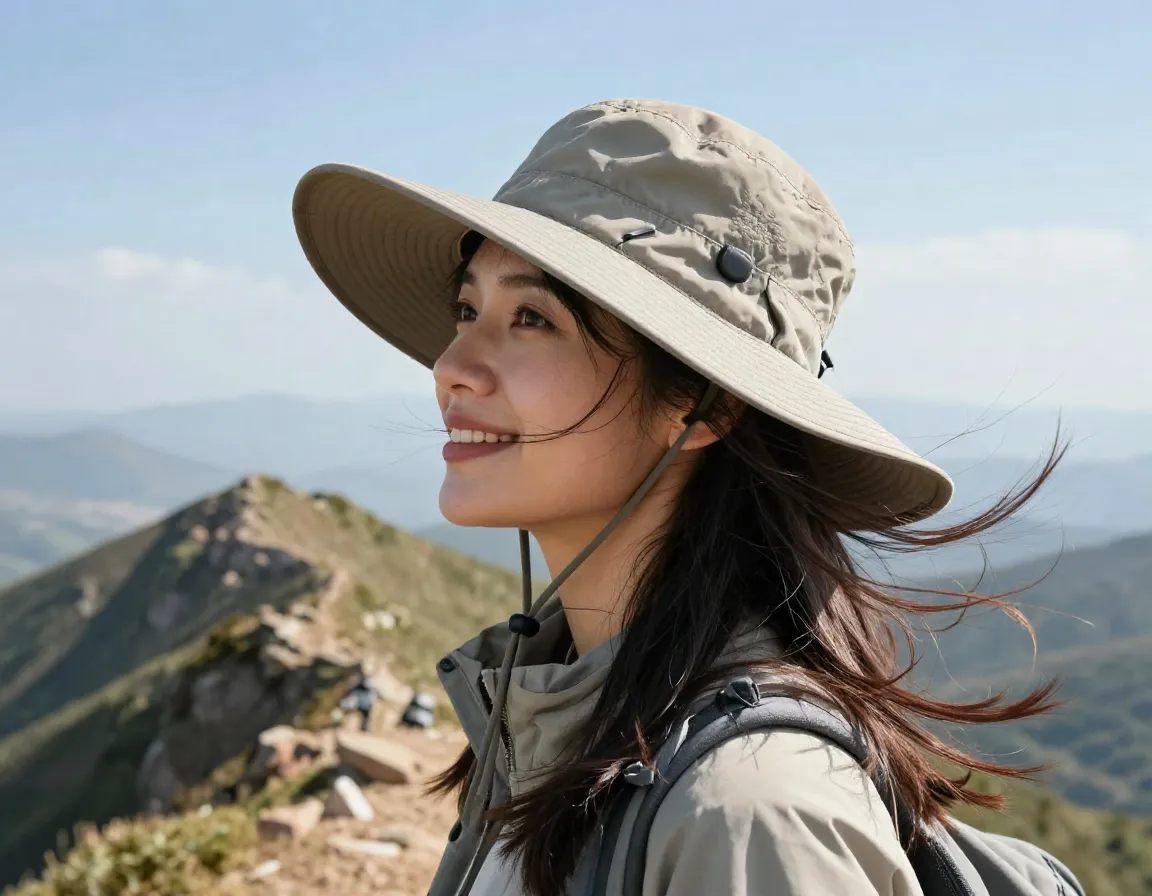
A wide-brimmed hat is one of the most non-negotiable items in any woman’s hiking attire checklist [1][3]. It shields your face, neck, and ears from UV rays — areas that sunscreen alone often misses. Packable designs are especially popular because they fold flat into your daypack without losing their shape.
“A wide-brimmed hat is the simplest, most effective piece of sun protection you can wear on the trail.”
What makes a great trail hat:
- 🌞 Brim width of at least 3 inches all around
- 🎒 Packable or crushable design
- 💨 Moisture-wicking sweatband inside
- 🔒 Chin strap for windy ridgelines
- UPF 50+ rated fabric
6. UV-Protective Sunglasses
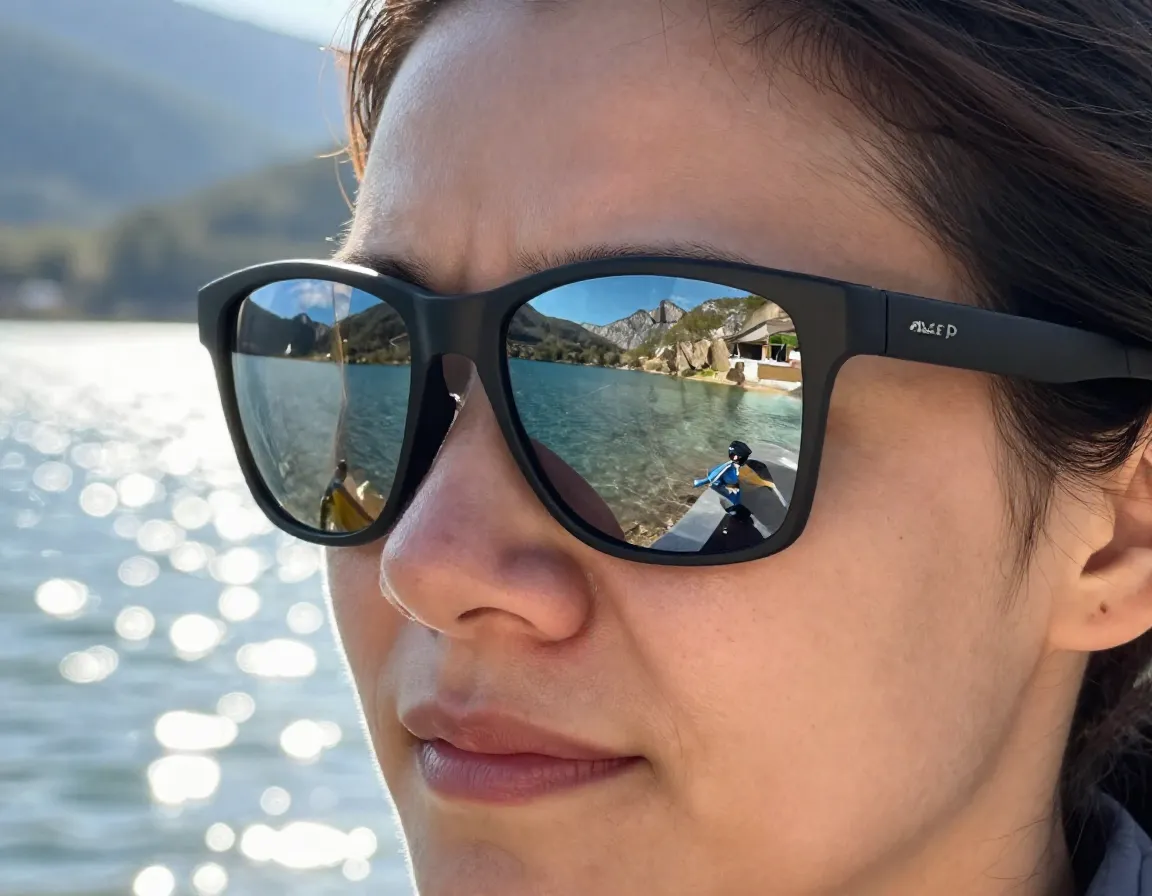
Your eyes are just as vulnerable to sun damage as your skin. UV-protective sunglasses shield your eyes from harsh sunlight, glare off snow or water, and airborne debris on windy trails [1]. This is a standard safety recommendation that many hikers overlook until it’s too late.
What to look for in trail sunglasses:
- 100% UVA/UVB protection
- Wraparound or close-fitting frame
- Polarized lenses for glare reduction
- Lightweight, durable frame material
- Secure fit that won’t bounce during movement
Polarized lenses are especially valuable near water, snow, or open rocky terrain where glare can be intense and disorienting.
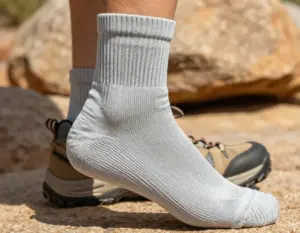
7. Moisture-Wicking Socks
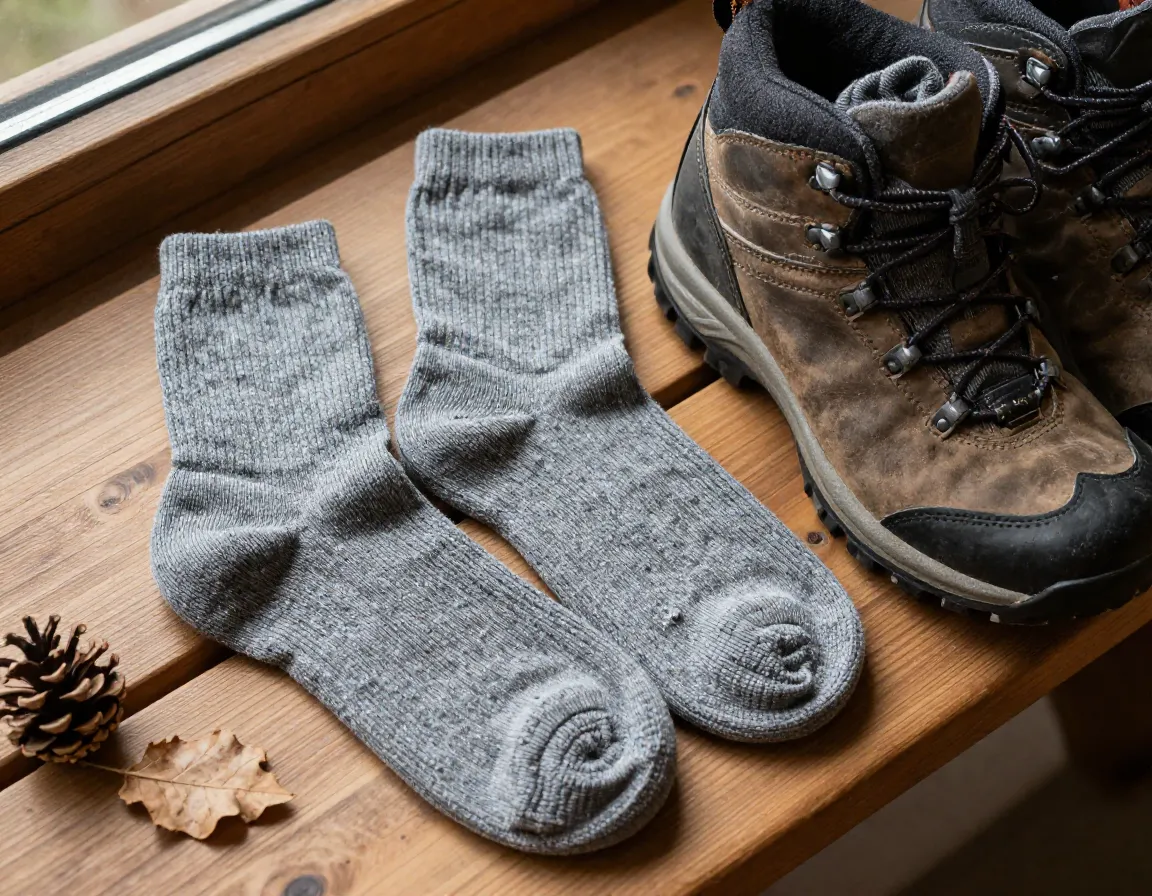
Blisters are the number one complaint among hikers — and almost all of them are preventable with the right socks. Moisture-wicking socks keep feet dry and reduce friction, with breathable materials like COOLMAX® technology specifically recommended for summer hiking [3][1].
Sock selection guide:
| Condition | Recommended Sock Type |
|---|---|
| Hot summer trails | Thin COOLMAX® liner socks |
| Cool mountain hikes | Merino wool mid-weight |
| Multi-day backpacking | Cushioned Merino wool |
| Wet/rainy conditions | Waterproof sock liner |
Always wear your hiking socks when trying on boots. The fit changes significantly, and getting this wrong is the most common cause of blisters.
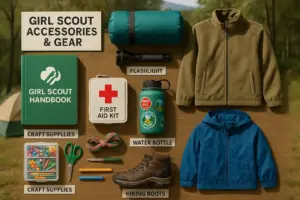
8. Layering System: Insulating Mid-Layer + Waterproof Shell
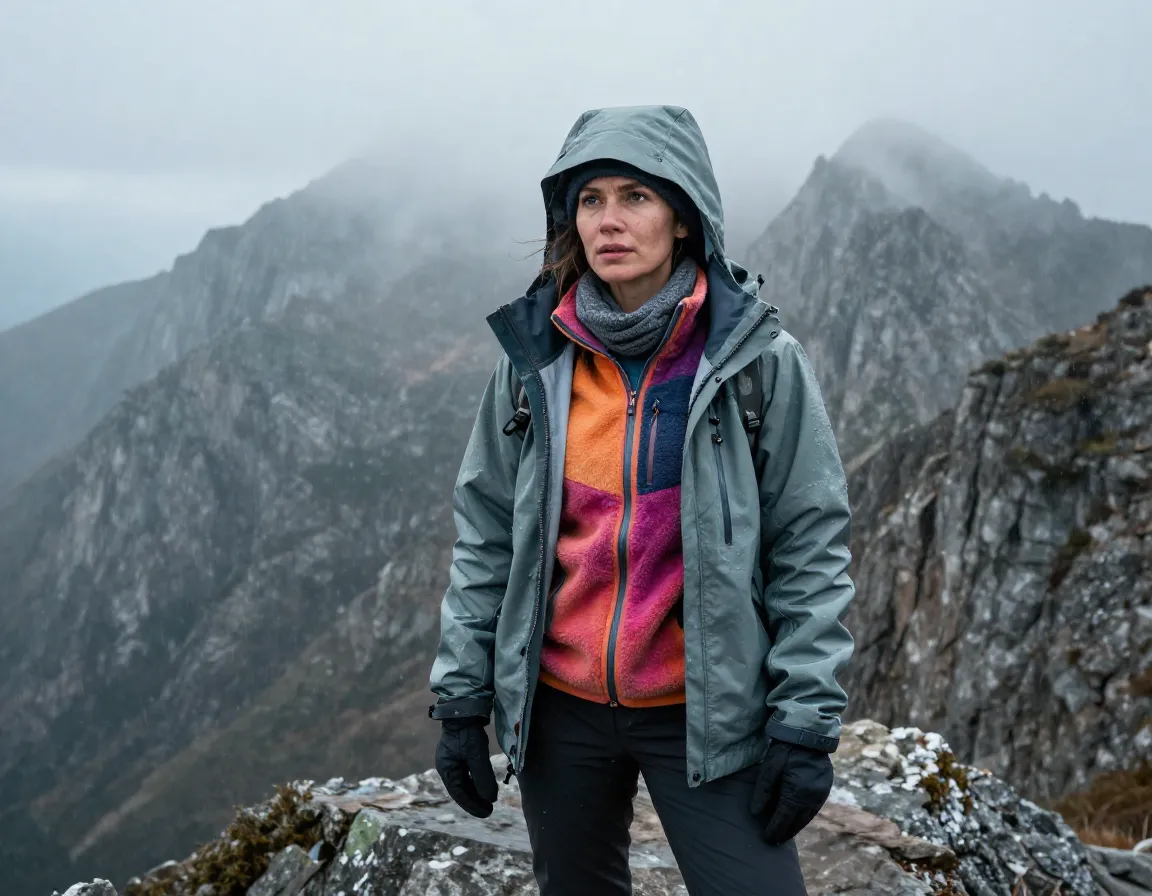
The final — and arguably most critical — piece of the puzzle is a complete layering system. This means an insulating mid-layer (fleece or down jacket) paired with a windbreaker or waterproof rain jacket [2][1]. Mountain weather can shift from sunny to stormy in under an hour, and being caught without layers is genuinely dangerous.
The three-layer system explained:
- Base layer — wicks moisture away from skin (covered in #1)
- Mid-layer — traps body heat (fleece, down, or synthetic insulation)
- Outer shell — blocks wind, rain, and cold
Bonus accessories worth adding:
- 🧤 Gloves — protect hands from rough surfaces and cold [6]
- 🧣 Merino Wool buff — wearable as a scarf, headband, or face covering [6]
- 🦵 Hiking tights with knee protection — great alternative to pants, often feature extra pockets for phones and snacks [7]
Pack your rain jacket even on clear days. It weighs almost nothing and can be a literal lifesaver if conditions change.
Quick Reference: 8 Essential Pieces at a Glance
| # | Item | Primary Benefit |
|---|---|---|
| 1 | Moisture-wicking base layer | Temperature regulation |
| 2 | Breathable hiking pants/shorts | Comfort & protection |
| 3 | Sun-protective top | UV defense |
| 4 | Hiking boots with ankle support | Injury prevention |
| 5 | Wide-brimmed hat | Sun & heat protection |
| 6 | UV-protective sunglasses | Eye safety |
| 7 | Moisture-wicking socks | Blister prevention |
| 8 | Layering system (mid + shell) | Weather adaptability |
Conclusion
Mastering the 8 Essential Pieces of Woman Hiking Attire for Comfort & Safety isn’t about spending a fortune — it’s about making smart, intentional choices that protect your body and enhance your experience on the trail. Start with the basics: a moisture-wicking base layer, supportive boots, and a reliable layering system. Build from there as your hiking ambitions grow.
Your actionable next steps:
- ✅ Audit your current hiking wardrobe against this list
- ✅ Prioritize footwear and socks first — they impact your comfort most
- ✅ Invest in a packable rain jacket before your next outing
- ✅ Test your full outfit on a short local hike before tackling longer trails
- ✅ Replace cotton items with moisture-wicking alternatives one piece at a time
The trail is waiting — dress for it. 🏔️
References
[1] Womens Hike 263759 – https://www.thenorthface.com/en-us/c/womens/womens-hike-263759
[2] Best Hiking Gear – https://www.outdoorgearlab.com/topics/camping-and-hiking/best-hiking-gear
[3] Summer Hiking Outfit Essentials – https://theazhikeaholics.com/summer-hiking-outfit-essentials/
[6] Ultimate Hiking Gear Guide For Women – https://www.theblondeabroad.com/ultimate-hiking-gear-guide-for-women/
[7] Womens Clothes For Hiking – https://monkeysandmountains.com/womens-clothes-for-hiking/