8 Critical Women Hiking Gear Items for Your Next Backpacking Trip
Every year, thousands of women head into the backcountry underprepared — not because they didn’t pack enough, but because they packed the wrong gear. The truth is, women’s bodies have different proportions, thermoregulation patterns, and biomechanical needs than men’s. Generic, unisex gear often fails to account for these differences, leading to blisters, sore hips, cold nights, and trips cut short. That’s why knowing the 8 Critical Women Hiking Gear Items for Your Next Backpacking Trip can be the difference between a miserable slog and the adventure of a lifetime.
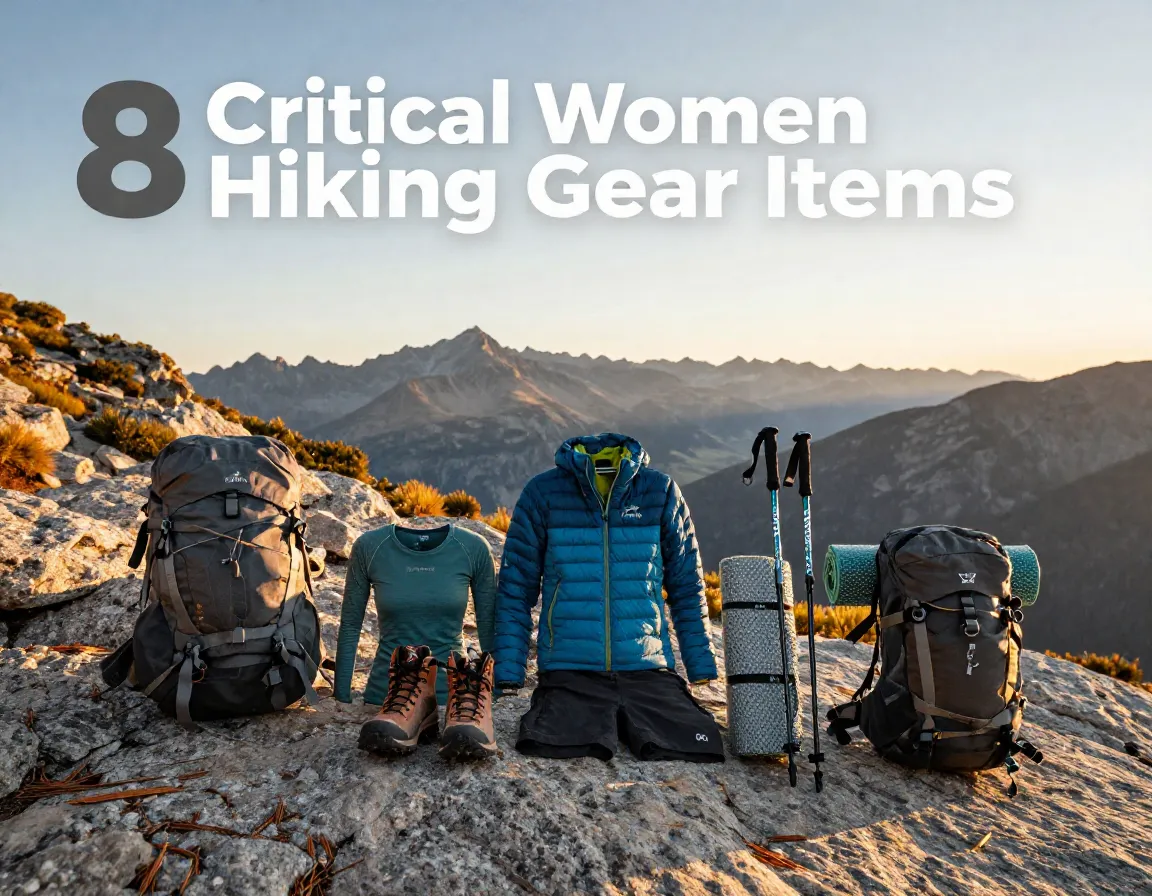
Whether you’re a first-time backpacker or a seasoned trail veteran, this guide breaks down the must-have gear designed specifically for women — with real product recommendations and practical tips to help you hit the trail with confidence in 2026.
Key Takeaways 📌
- Women-specific gear matters — it’s engineered for female anatomy, not just recolored in pink.
- Weight and fit are the two most critical factors when choosing any backpacking item.
- Layering systems (base layer + insulation + shell) are essential for temperature regulation.
- Footwear and trekking poles directly impact joint health and injury prevention on long trips.
- Investing in quality gear upfront saves money, discomfort, and potential safety issues down the trail.
Why Women-Specific Backpacking Gear Is a Game-Changer
For decades, outdoor gear was designed with men as the default. Women were left choosing between ill-fitting equipment or bulky workarounds. Today, leading brands have invested heavily in women-specific designs that address real anatomical differences — shorter torso lengths, wider hips, narrower shoulders, and different heat distribution patterns.
“The best gear isn’t the most expensive — it’s the gear that fits your body and supports your goals on the trail.”
Let’s dive into the 8 Critical Women Hiking Gear Items for Your Next Backpacking Trip that every female backpacker should consider before heading out.
The 8 Critical Women Hiking Gear Items for Your Next Backpacking Trip
1. Women-Specific Backpack 🎒
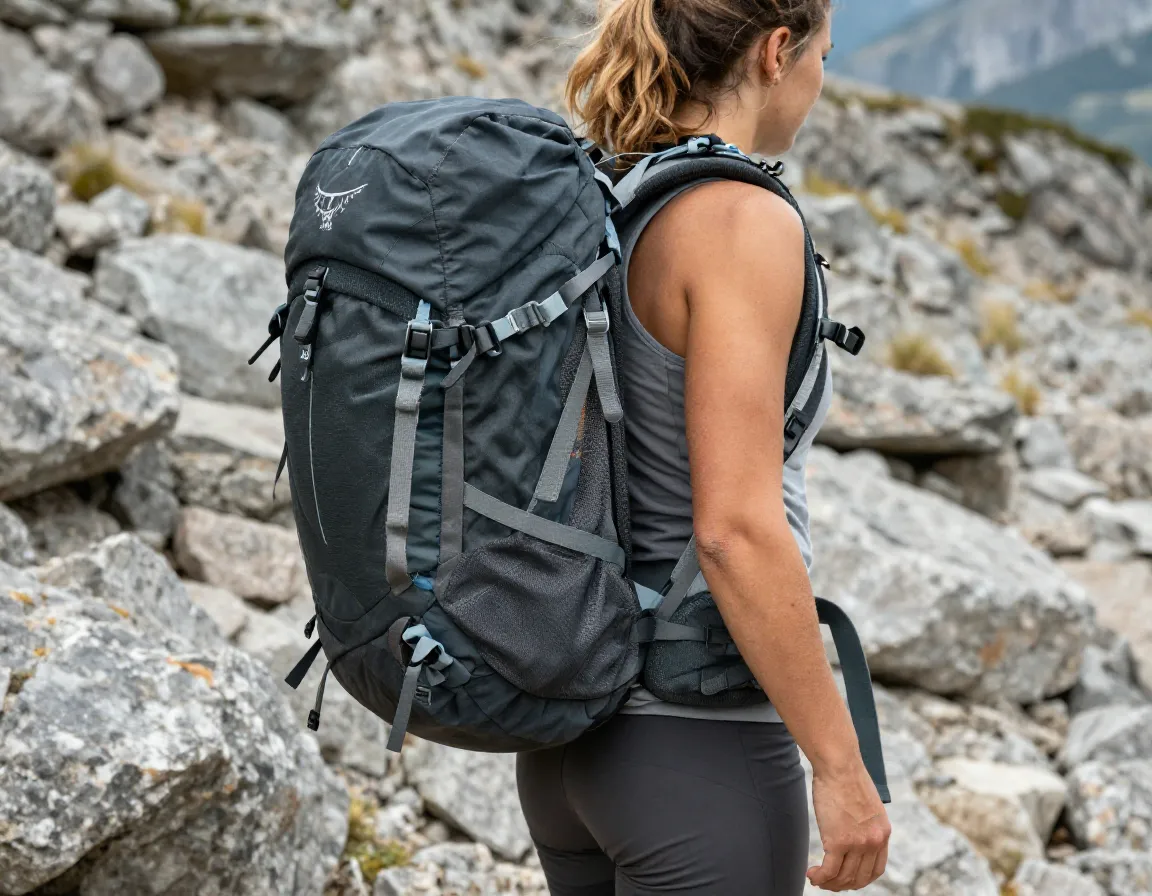
Your pack is the foundation of your entire backpacking setup. A poorly fitting pack causes back pain, shoulder bruising, and hip chafing — all of which can ruin a multi-day trip fast.
What makes women’s packs different:
- Shorter torso lengths to match women’s average spine length
- Narrower shoulder straps to prevent slipping
- Waist belts angled inward to fit women’s hip structure
Top Pick: The Osprey Renn 65 is widely regarded as the best overall women’s backpacking pack. It features a ventilated back panel, an adjustable torso length, and a hip belt specifically contoured for women’s hips.
| Feature | Why It Matters |
|---|---|
| Torso fit | Prevents lower back strain |
| Hip belt angle | Transfers weight to hips, not shoulders |
| Shoulder strap width | Reduces pressure on neck and collarbone |
2. Waterproof Women’s Hiking Boots 👟

Your feet carry you every mile. Choosing the wrong footwear leads to blisters, twisted ankles, and knee pain. Modern women’s hiking boots have evolved dramatically — they’re now lighter, more breathable, and better cushioned than ever before.
Key features to look for:
- Waterproof membrane (like Gore-Tex) for wet terrain
- Mid-cut ankle support for uneven trails
- Women-specific last (the mold the boot is built on) for a narrower heel and wider toe box
Top Picks:
- La Sportiva Ultra Raptor II Mid GTX — excellent grip and lightweight construction
- Merrell Moab 3 Mid Waterproof — trusted comfort for long-distance hiking
Break your boots in before your trip. At least 20–30 miles of pre-trip use prevents painful hot spots on the trail.
3. Women’s Sleeping Pad 🛏️
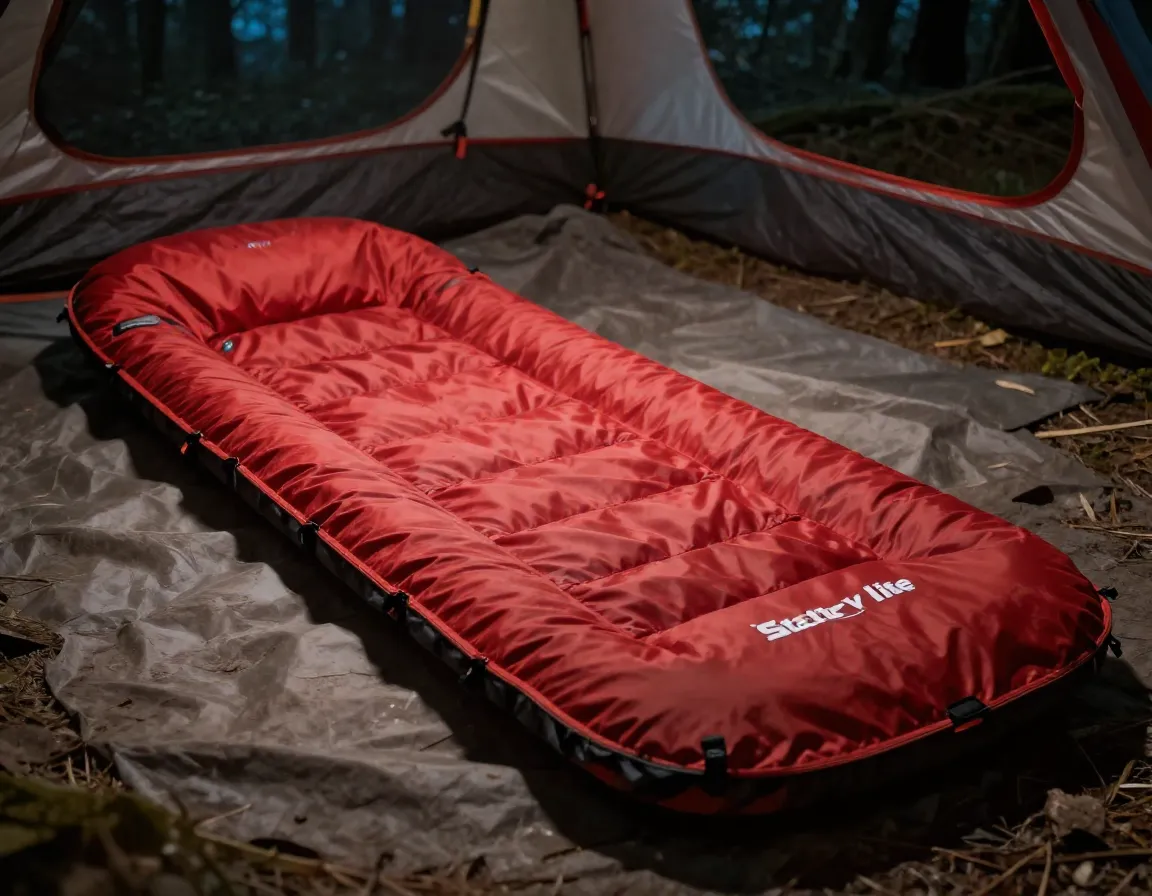
Many backpackers overlook the sleeping pad, but it’s arguably more important than your sleeping bag. The ground pulls heat away from your body far faster than cold air does. A well-insulated, properly sized women’s sleeping pad keeps you warmer and more comfortable through the night.
Women’s sleeping pads are typically:
- Slightly shorter and narrower to reduce pack weight
- Higher R-value (insulation rating) to compensate for women’s tendency to sleep colder
Top Pick: The Klymit Static V Lite Insulated offers excellent warmth-to-weight ratio and is designed to maximize thermal efficiency without adding bulk to your pack.
4. Moisture-Wicking Base Layer 🧥
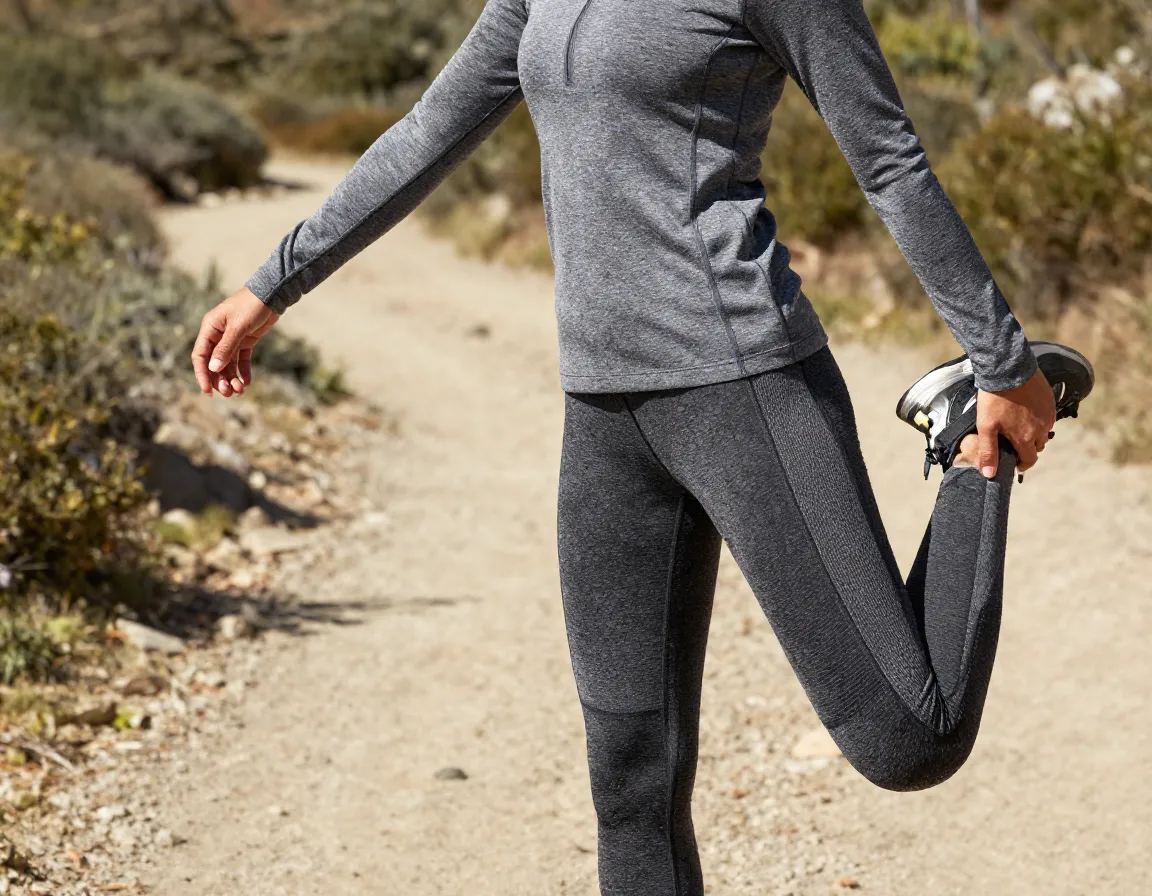
A quality base layer is the cornerstone of any smart layering system. It sits directly against your skin, and its job is simple: move sweat away from your body to keep you dry and warm.
Merino wool vs. synthetic:
| Material | Pros | Cons |
|---|---|---|
| Merino Wool | Odor-resistant, naturally warm | More expensive, slower drying |
| Synthetic | Fast-drying, affordable | Retains odor faster |
Top Pick: The Icebreaker 200 ZoneKnit Merino Thermal Leggings are a standout option. They use zoned construction to place breathable panels where you generate the most heat, and merino wool everywhere else for warmth and odor control.
Avoid cotton base layers entirely — cotton holds moisture and can lead to dangerous chilling in cool or wet conditions.
5. Down Insulation Jacket 🧣
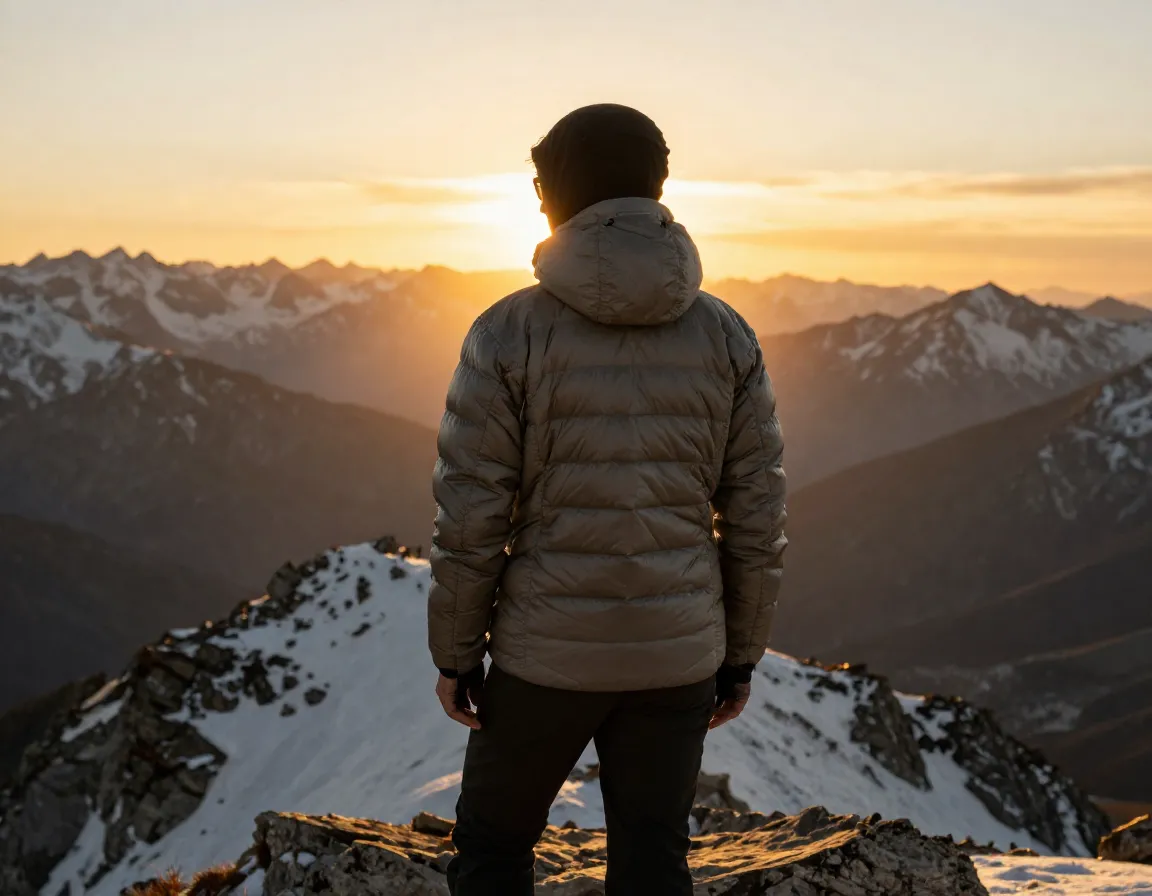
When the temperature drops — especially at altitude or after sunset — a quality insulation layer is non-negotiable. Down remains the gold standard for warmth-to-weight ratio in backpacking.
Why down wins:
- Lightest insulator available per unit of warmth
- Compresses into a tiny stuff sack
- Lasts for years with proper care
Top Pick: The Arc’teryx Rho Hoody is a women-specific down layer that offers exceptional warmth without bulk. Its slim profile makes it easy to layer under a rain shell when conditions turn ugly.
Pro tip: Look for hydrophobic down (treated to resist moisture) if you’re hiking in wet climates.
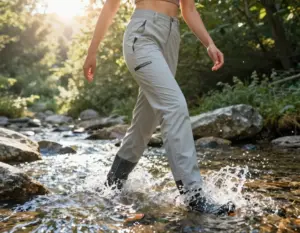
6. Breathable Hiking Shorts or Pants 🩳
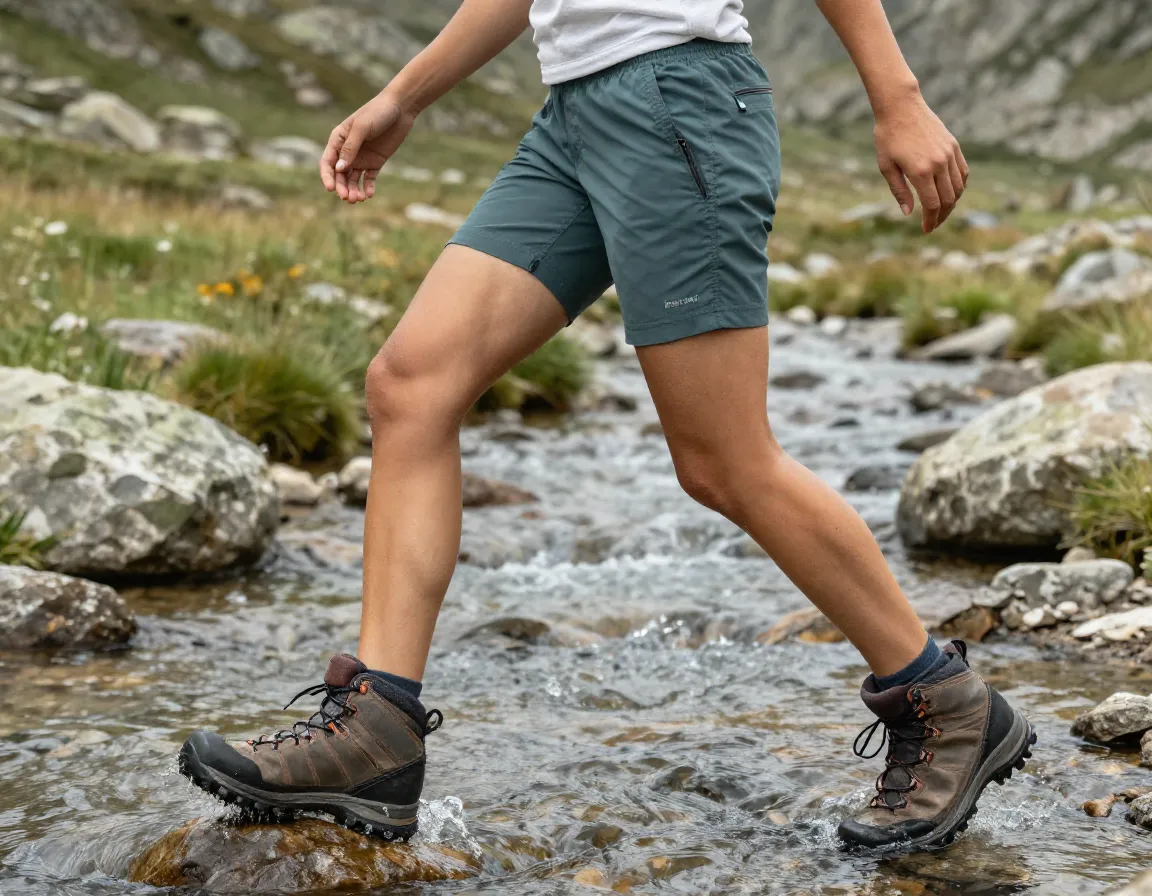
Comfort in your lower body is critical for long trail days. Stiff, non-stretchy bottoms restrict movement, cause chafing, and trap heat in ways that quickly become miserable.
What to look for in women’s trail bottoms:
- 4-way stretch fabric for full range of motion
- Quick-dry technology for stream crossings and sweat
- UPF sun protection for exposed alpine terrain
- Secure pockets for snacks, a phone, or a map
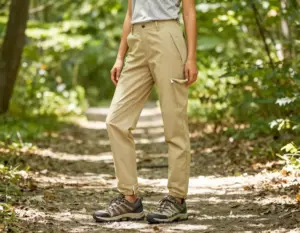
Top Pick: The Outdoor Research Ferrosi Shorts for women are a fan favorite in the backpacking community. They’re lightweight, stretchy, and dry incredibly fast — perfect for spring and summer trips.
For shoulder-season or high-altitude trips, consider convertible pants that zip off into shorts for versatility.
7. Women’s-Specific Trekking Poles 🥢
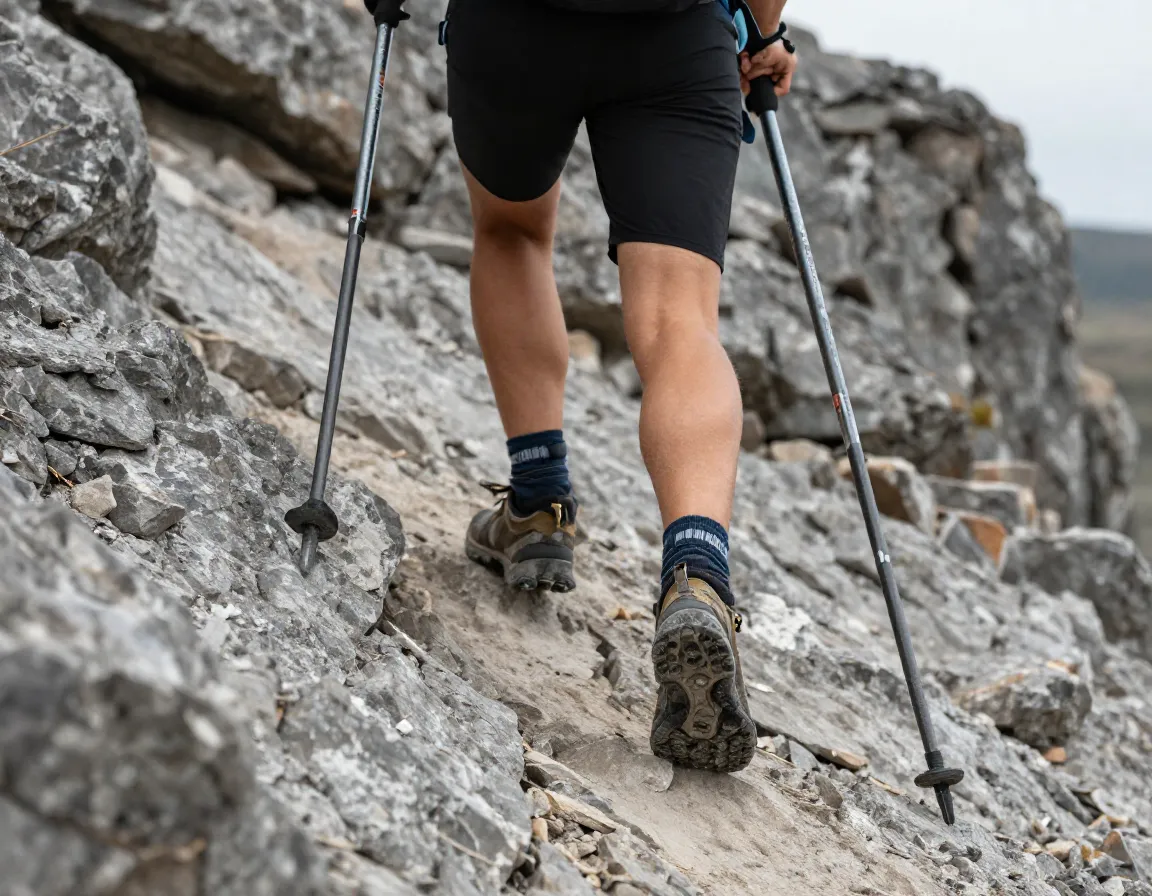
Trekking poles are often seen as optional, but for serious backpackers — especially on steep descents with a loaded pack — they’re essential tools for protecting your knees and improving stability.
Benefits of using trekking poles:
- Reduces impact on knees by up to 25% on downhill sections
- Improves balance on uneven or wet terrain
- Helps maintain pace and rhythm on long climbs
- Can double as tent poles for ultralight shelters
Women’s-specific poles are typically shorter and lighter, with grips sized for smaller hands.
Top Pick: The MSR DynaLock Ascent Carbon is the best overall women’s-specific trekking pole for backpacking. Carbon construction keeps weight minimal while maintaining strength and durability.
8. Women’s Daypack for Base Camp Exploration 🌄

If your backpacking trip includes a base camp where you’ll leave your main pack and do day hikes, a lightweight women’s daypack is a smart addition to your kit.
What a good women’s daypack offers:
- Cushy, anatomically shaped hip belts
- Padded shoulder straps designed for narrower shoulders
- Ventilated back panels to reduce sweating
- Enough volume (15–25L) for a day’s worth of water, food, and layers
Top Pick: The Osprey Tempest 20 is purpose-built for women’s trail performance. It features a ventilated back panel, a women-specific hip belt, and a streamlined design that won’t slow you down on fast-and-light day hikes from camp.
Quick Gear Checklist ✅
Here’s a fast reference for the 8 Critical Women Hiking Gear Items for Your Next Backpacking Trip:
- Women-specific backpack (e.g., Osprey Renn 65)
- Waterproof hiking boots (e.g., Merrell Moab 3 Mid)
- Women’s sleeping pad (e.g., Klymit Static V Lite Insulated)
- Moisture-wicking base layer (e.g., Icebreaker 200 ZoneKnit)
- Down insulation jacket (e.g., Arc’teryx Rho Hoody)
- Breathable hiking shorts (e.g., Outdoor Research Ferrosi)
- Women’s trekking poles (e.g., MSR DynaLock Ascent Carbon)
- Women’s daypack (e.g., Osprey Tempest 20)
Conclusion: Gear Up and Hit the Trail 🏔️
The right gear doesn’t just make backpacking more comfortable — it makes it safer, more enjoyable, and more sustainable over the long haul. The 8 Critical Women Hiking Gear Items for Your Next Backpacking Trip outlined in this guide represent the core of a smart, women-specific kit that respects your body’s unique needs.
Your actionable next steps:
- Audit your current gear against this list and identify gaps.
- Visit a specialty outdoor retailer to get properly fitted for a pack and boots — in person fitting matters.
- Prioritize fit over price — a well-fitting $150 boot beats an ill-fitting $300 one every time.
- Test your full kit on a short overnight before committing to a longer trip.
- Join a women’s hiking community (online or local) to get real-world gear reviews from people with similar needs.
The mountains are waiting. Pack smart, hike strong, and enjoy every mile. 🌿
References
- Outdoor Gear Lab. (2023). Best Women’s Backpacking Gear. OutdoorGearLab.com.
- REI Co-op Staff. (2022). Women’s Hiking Gear Guide. REI.com.