8 Classic Colorado Mountains Hiking Trails You Have to Try
Colorado’s mountains have a way of stopping you in your tracks — literally. Whether you’re gasping at a 14,000-foot summit view or catching your breath on a wildflower-lined ridge, the Rockies deliver experiences that stay with you for life. If you’ve been searching for the 8 Classic Colorado Mountains Hiking Trails You Have to Try, you’re in the right place. This guide covers the most iconic, rewarding, and unforgettable routes across the state — from beginner-friendly paths to challenging alpine ascents — so you can plan your next adventure with confidence.
Key Takeaways
- 🏔️ Colorado offers trails for every skill level, from gentle valley walks to demanding 14er summits.
- 📅 In 2026, trail conditions vary widely — always check snowpack reports before heading out.
- 🥾 New trail projects in Colorado Springs (Blodgett Open Space, Austin Bluffs, Rock Island Trail) are expanding access for hikers this year.
- 💧 Carry extra water, start early, and respect altitude — most trails sit above 8,000 feet.
- 🗺️ Planning ahead and knowing your trail’s difficulty rating can make or break your experience.
Why Colorado Is a Hiker’s Paradise in 2026
Colorado is home to 58 fourteeners (peaks above 14,000 feet), hundreds of miles of maintained trails, and some of the most diverse mountain ecosystems in North America. In 2026, the state’s trail network continues to grow. New construction at Blodgett Open Space, Austin Bluffs, and the Rock Island Trail in Colorado Springs is opening fresh access points for hikers of all abilities.
“Colorado’s trail system is one of the most dynamic in the country — and 2026 is shaping up to be a landmark year for new access and exploration.”
However, 2026 snowpack conditions in the Colorado Rockies have been above average in several zones, meaning some high-altitude trails may open later than usual. Always check Colorado Avalanche Information Center (CAIC) updates and local ranger station reports before you go.
Quick Trail Difficulty Reference:
| Difficulty | Typical Elevation Gain | Best For |
|---|---|---|
| Easy | Under 500 ft | Beginners, families |
| Moderate | 500–1,500 ft | Casual hikers |
| Hard | 1,500–3,000 ft | Experienced hikers |
| Strenuous | 3,000+ ft | Advanced/14er climbers |
The 8 Classic Colorado Mountains Hiking Trails You Have to Try
These eight trails represent the best of Colorado hiking — iconic routes that have earned their legendary status through stunning scenery, memorable challenges, and unforgettable rewards.
1. Maroon Bells via Crater Lake Trail — Aspen
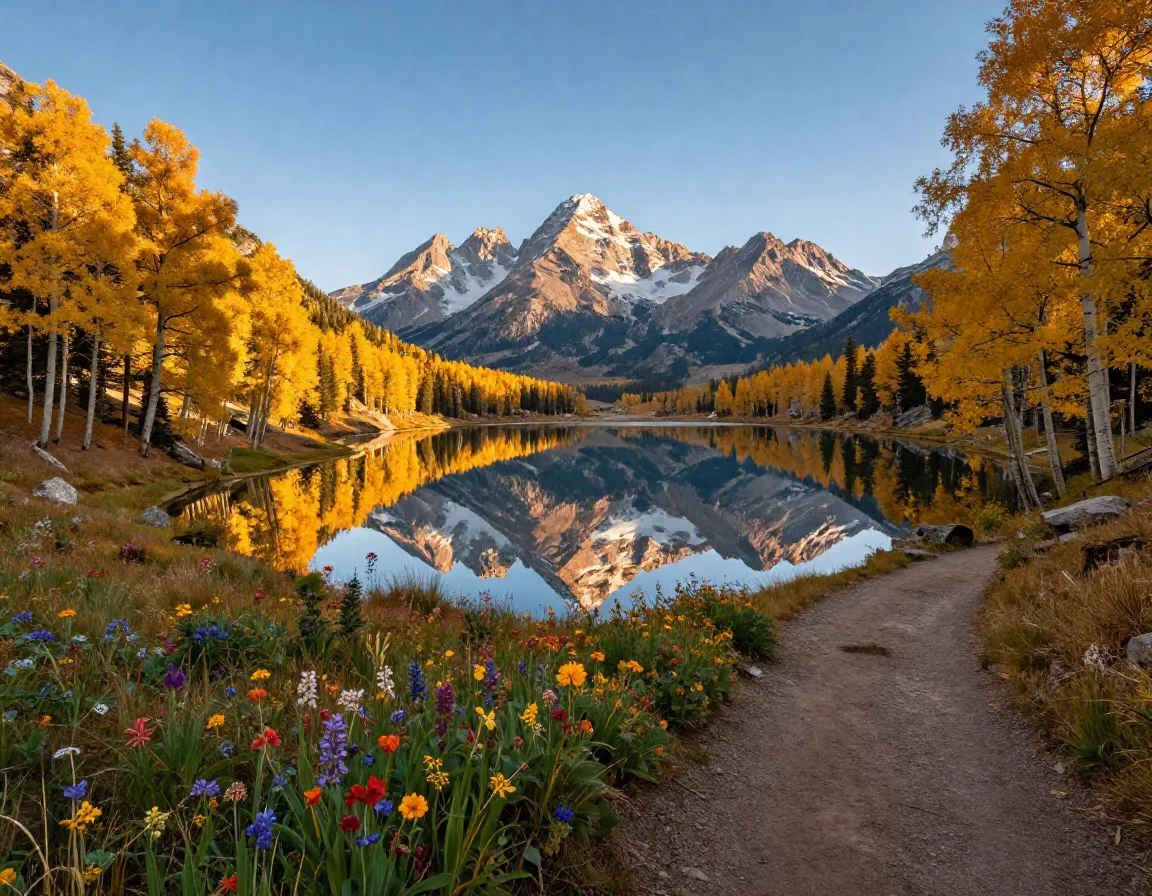
Difficulty: Easy–Moderate | Distance: 3.6 miles round trip | Elevation Gain: 500 ft
Few scenes in Colorado are more photographed than the Maroon Bells reflected in Maroon Lake. The Crater Lake Trail extends that beauty into a short, accessible hike through aspen groves and wildflower meadows. This is a perfect entry point for visitors new to Colorado mountain hiking. Shuttle service from Aspen runs seasonally — book early, as spots fill fast in summer.
🌸 Best season: Late June through early October
2. Longs Peak — Rocky Mountain National Park
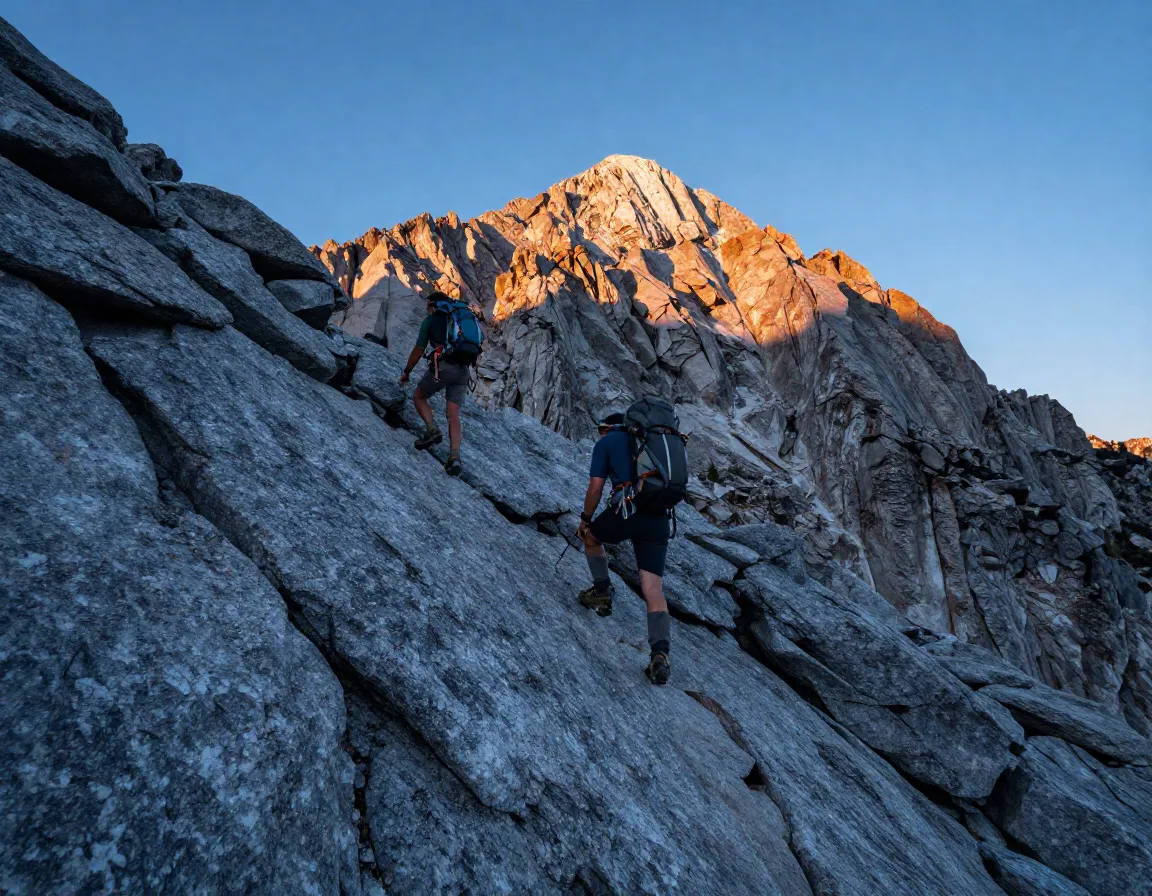
Difficulty: Strenuous | Distance: 15 miles round trip | Elevation Gain: 5,100 ft
Longs Peak is Colorado’s northernmost fourteener and one of its most demanding. The Keyhole Route takes hikers through boulder fields, exposed ledges, and the famous “Narrows” before reaching the 14,259-foot summit. Start no later than 3:00 AM to avoid afternoon thunderstorms. This trail is not for the faint of heart — but the summit view is worth every step.
⚡ Pro tip: Check RMNP’s permit system before visiting. Trailhead quotas apply during peak season.
3. Hanging Lake Trail — Glenwood Canyon
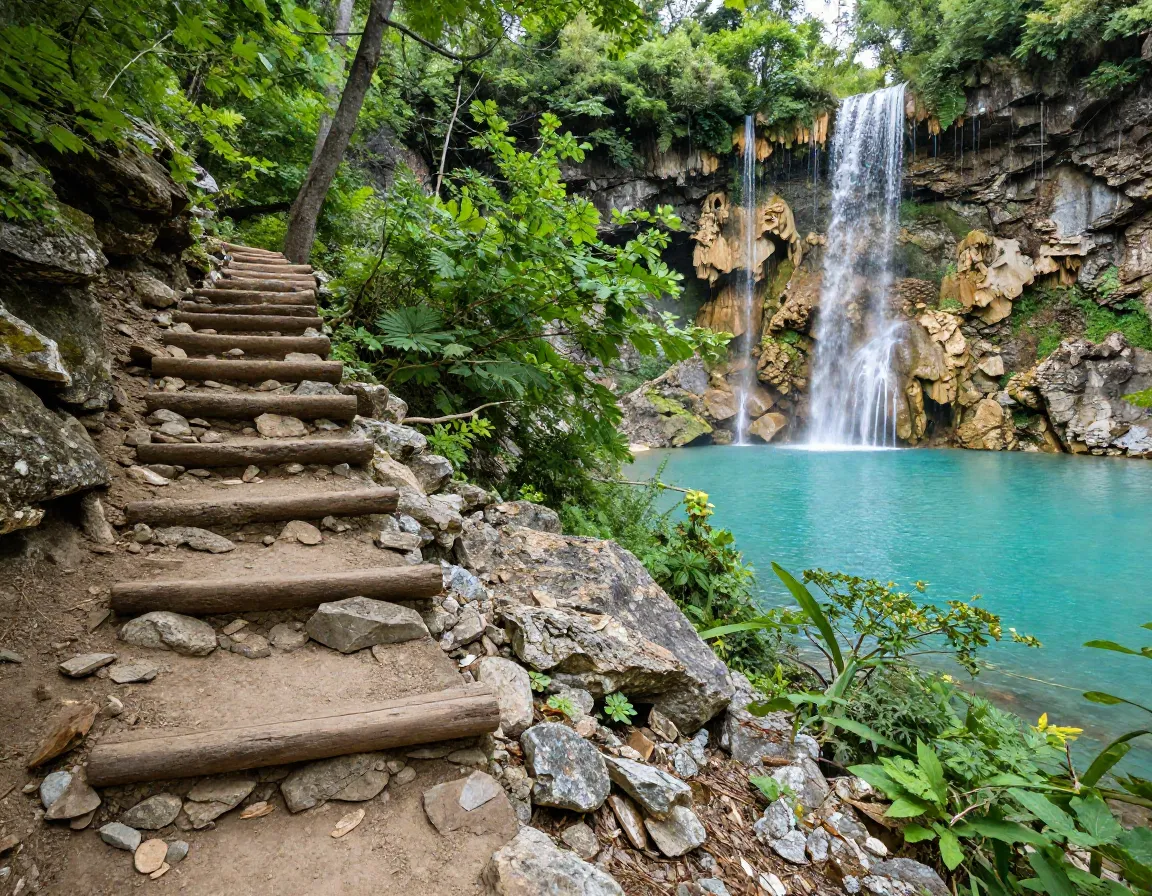
Difficulty: Hard | Distance: 2.8 miles round trip | Elevation Gain: 1,020 ft
Don’t let the short distance fool you — Hanging Lake is a relentless climb. The reward is a stunning turquoise lake perched on a cliff ledge, fed by waterfalls that cascade through travertine formations. This trail requires a timed entry permit (available through Recreation.gov), which helps protect the fragile ecosystem. It’s one of Colorado’s true natural wonders.
💧 Note: Swimming and wading are strictly prohibited to preserve water quality.
4. Quandary Peak — Breckenridge Area
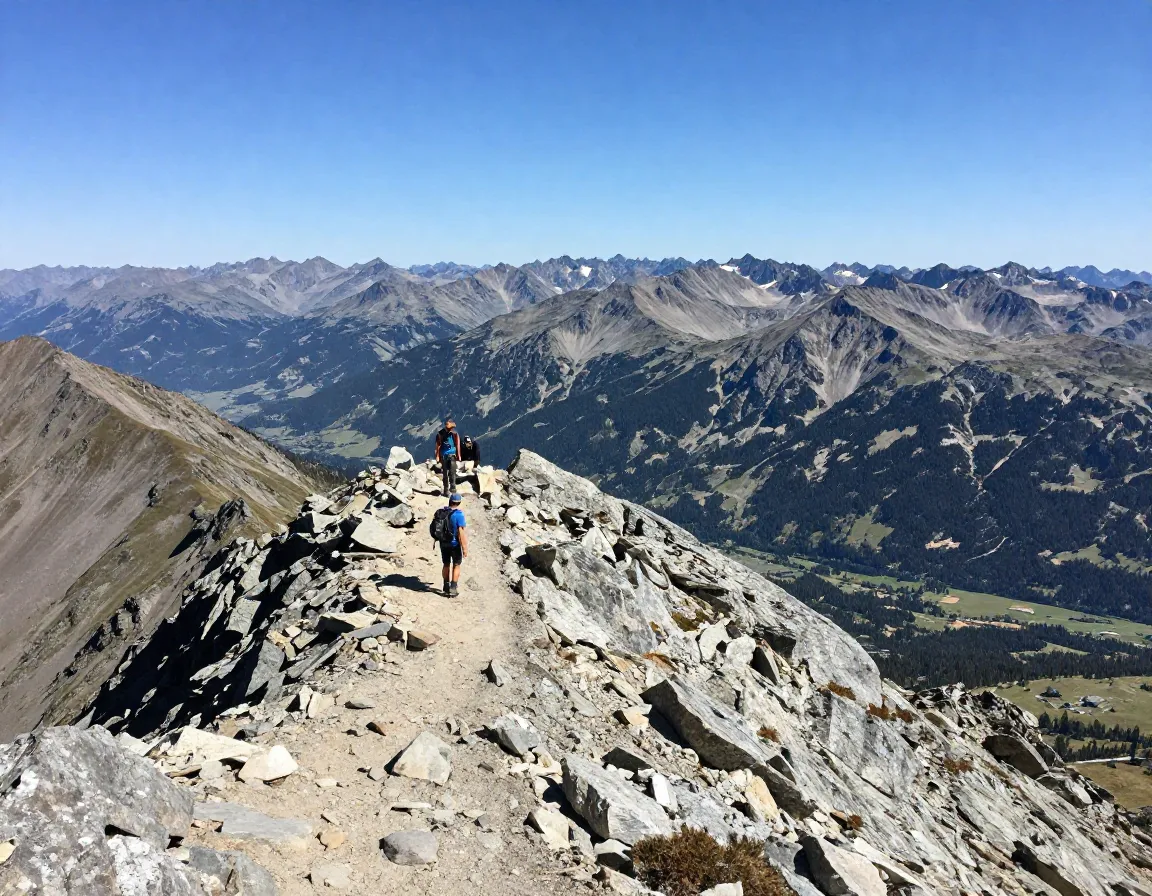
Difficulty: Hard | Distance: 6.75 miles round trip | Elevation Gain: 3,350 ft
Quandary Peak is widely considered the most accessible fourteener in Colorado, making it a top choice for hikers attempting their first 14,265-foot summit. The East Ridge Route is well-marked and relatively straightforward, though altitude and weather demand respect. Parking at the trailhead fills by 6:00 AM on weekends — arrive early or carpool.
🏆 Fun fact: Quandary is one of the most climbed fourteeners in the state, welcoming thousands of hikers each summer.
5. Grays and Torreys Peaks — Clear Creek County
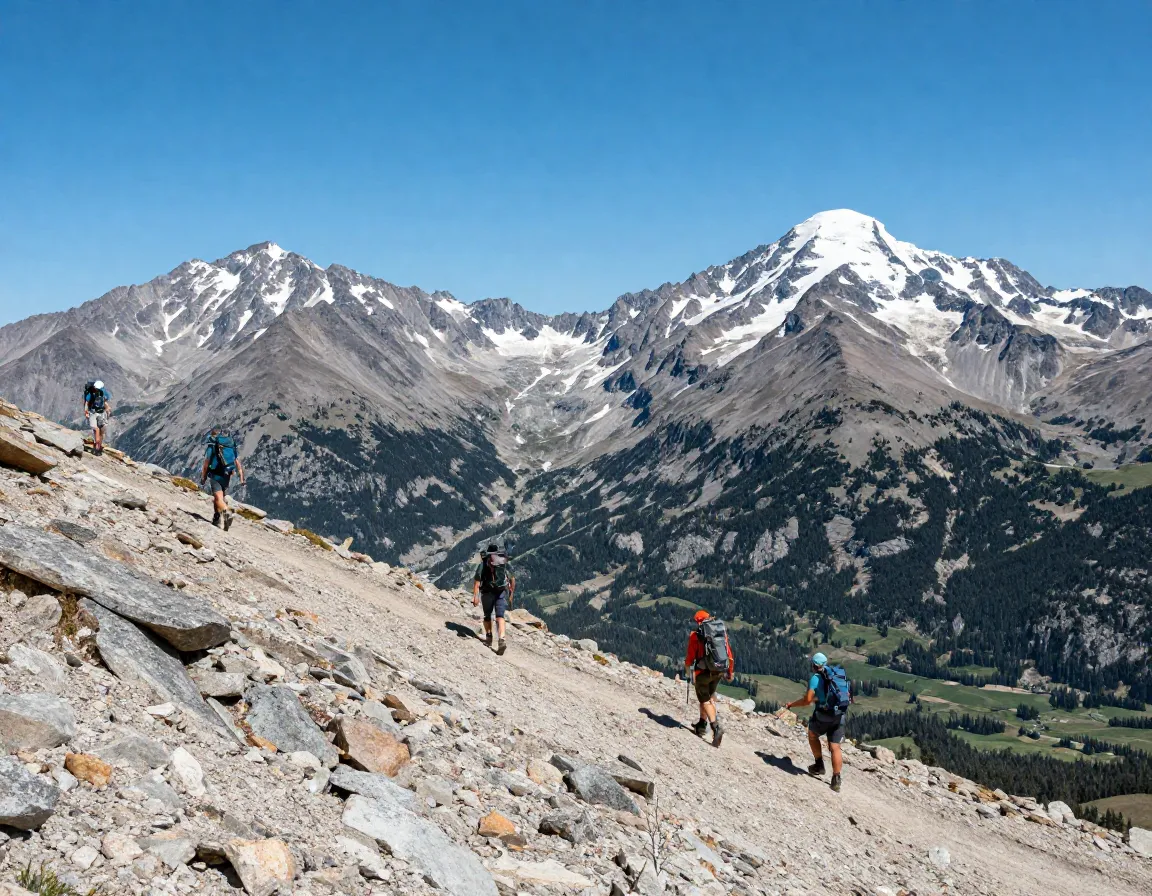
Difficulty: Hard | Distance: 8 miles round trip (both peaks) | Elevation Gain: 3,600 ft
Why summit one fourteener when you can bag two in a single day? Grays Peak (14,270 ft) and Torreys Peak (14,267 ft) sit side by side along the Continental Divide, connected by a ridgeline that makes a double-summit day very achievable. This is a classic Colorado mountain experience and a rite of passage for serious hikers.
🗺️ Trailhead: Stevens Gulch Trailhead, off I-70 near Bakerville
6. Royal Arch Trail — Boulder
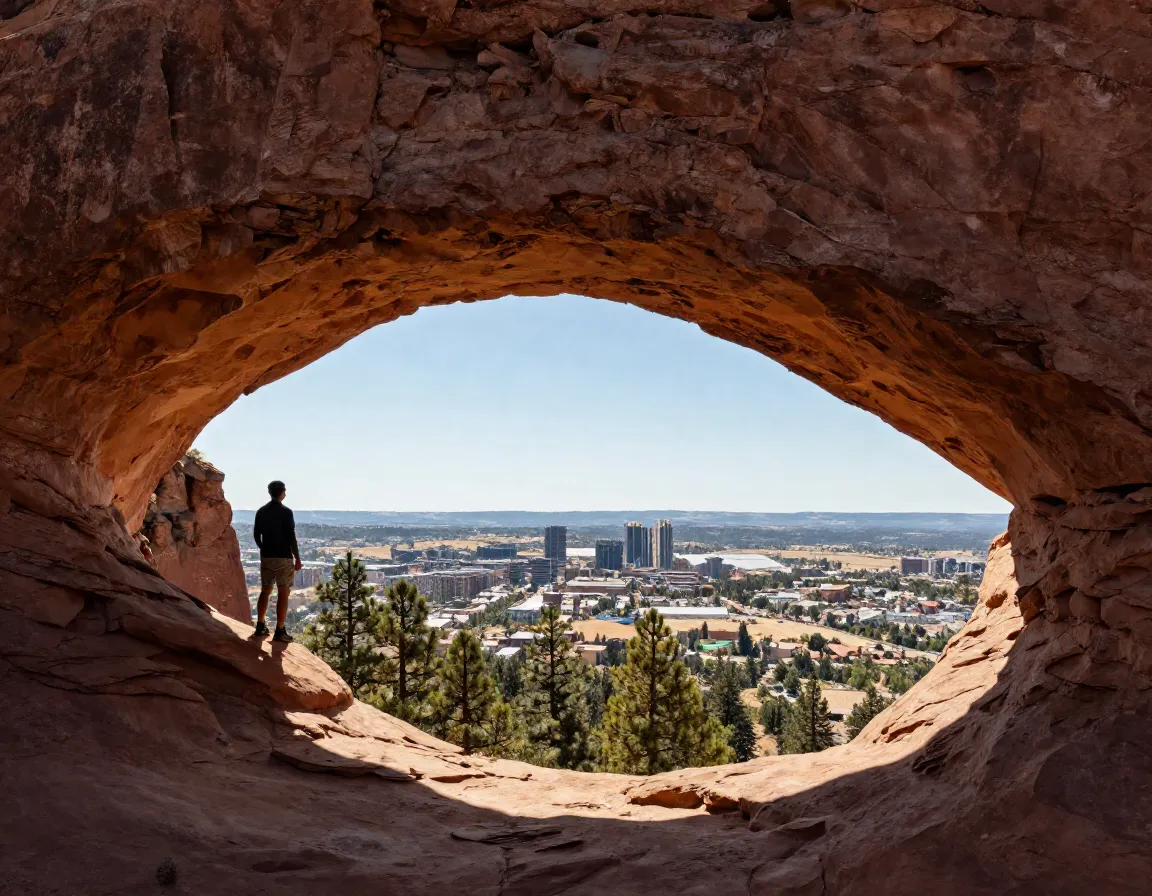
Difficulty: Moderate–Hard | Distance: 3.4 miles round trip | Elevation Gain: 1,400 ft
Tucked into Chautauqua Park in Boulder, the Royal Arch Trail punches well above its weight class. The steep climb through ponderosa pine forest leads to a dramatic natural sandstone arch framing the Boulder Valley below. It’s one of the most rewarding short hikes on the Front Range — and a favorite among locals who want a serious workout close to the city.
🌲 Bonus: The Chautauqua Meadow at the trailhead is perfect for a post-hike picnic.
7. American Lake Trail — Aspen
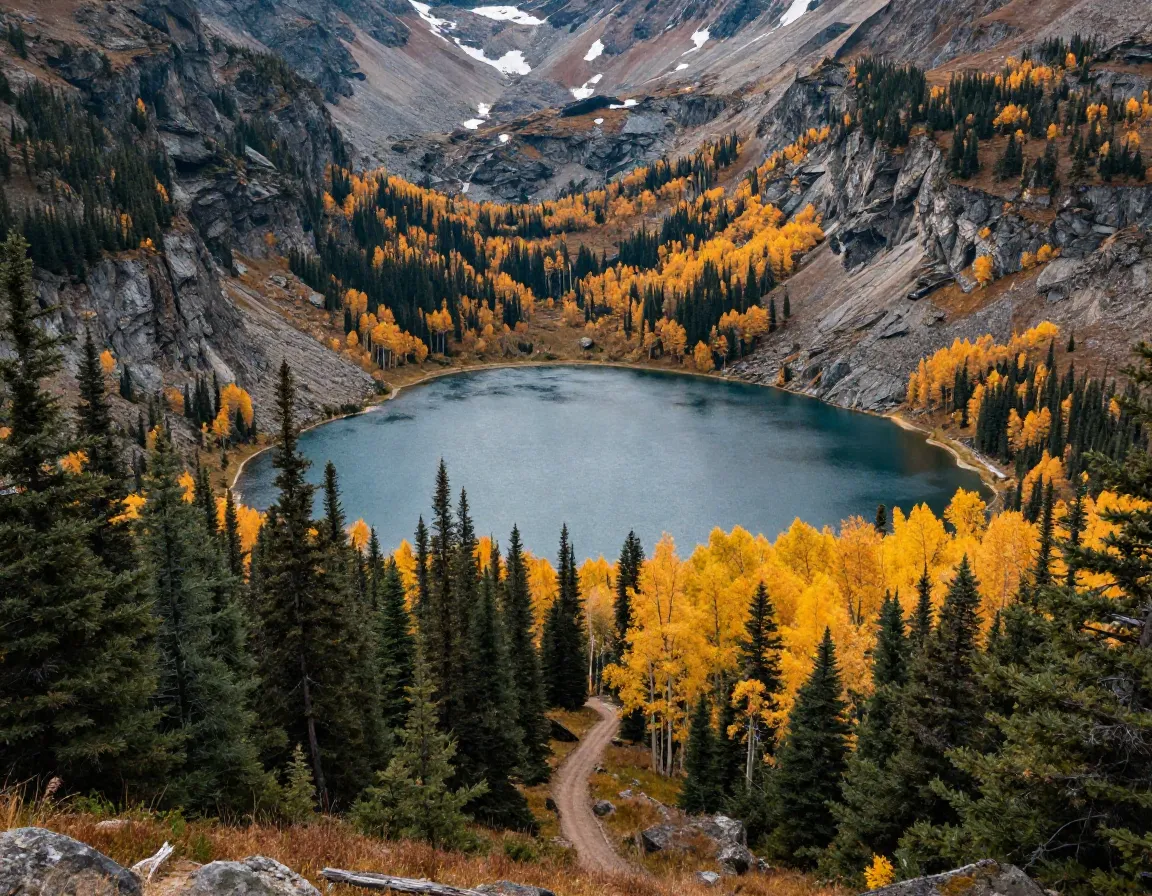
Difficulty: Moderate | Distance: 8.5 miles round trip | Elevation Gain: 2,200 ft
Less crowded than the Maroon Bells area but equally beautiful, American Lake sits in a glacial cirque above Aspen at 11,800 feet. The trail winds through dense spruce-fir forest before opening into an expansive alpine basin. This is a hidden gem that rewards hikers who want solitude alongside stunning scenery. Fall colors here, typically in late September, are extraordinary.
🍂 Best season: July through September
8. Devil’s Head Trail — Pike National Forest
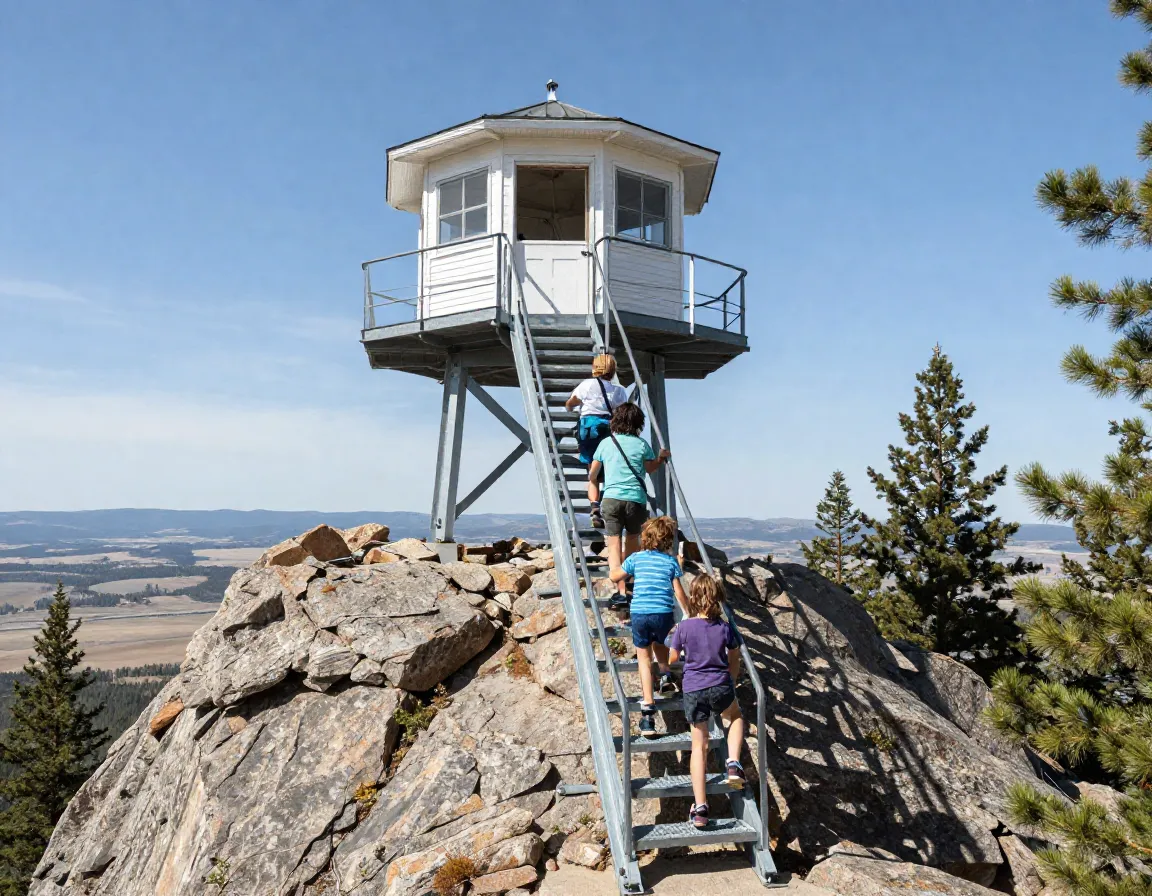
Difficulty: Moderate | Distance: 2.8 miles round trip | Elevation Gain: 940 ft
Devil’s Head is one of Colorado’s most unique hikes — it ends at a historic fire lookout tower perched on a granite summit in Pike National Forest. The final approach involves climbing a series of steel staircases bolted into the rock face. From the tower, views extend across the Front Range, the plains, and on clear days, as far as Pikes Peak. It’s accessible, family-friendly, and genuinely thrilling.
🔭 Unique feature: The fire lookout is one of only a few still staffed in Colorado.
Planning Your Colorado Hiking Adventure in 2026
Before you lace up your boots, a little planning goes a long way. Here’s what every hiker should know heading into the 2026 season:
Essential Pre-Hike Checklist:
- ✅ Check current trail conditions and snowpack reports
- ✅ Reserve permits where required (Hanging Lake, RMNP, Maroon Bells)
- ✅ Start hikes before sunrise for fourteeners
- ✅ Pack the Ten Essentials (navigation, sun protection, insulation, etc.)
- ✅ Tell someone your plan and expected return time
- ✅ Download offline maps (AllTrails Pro or Gaia GPS)
2026 Trail Highlights to Watch:
Colorado Springs is expanding its trail network significantly this year. The Blodgett Open Space project, Austin Bluffs trail improvements, and the Rock Island Trail development are all progressing through 2026 construction timelines. These additions will connect neighborhoods to open space and offer new options for Front Range hikers. Check Colorado Springs Parks, Recreation & Cultural Services for updated opening dates.
Colorado State Parks are also hosting guided hiking events throughout 2026, including ranger-led summit hikes and wildflower walks — a great way for newer hikers to explore safely.
“The best hike is the one you actually finish safely. Preparation is what separates a great story from a rescue call.”
Conclusion
The 8 Classic Colorado Mountains Hiking Trails You Have to Try represent the very best of what this remarkable state has to offer — from accessible day hikes near Boulder and Colorado Springs to legendary fourteener ascents in the heart of the Rockies. Whether you’re a first-time visitor or a seasoned Colorado local, these trails deliver the kind of experiences that remind you why you hike in the first place.
Your next steps:
- Pick one trail from this list that matches your current fitness level.
- Check 2026 trail conditions and permit requirements at Recreation.gov or the specific land management agency.
- Gear up, start early, and respect the mountain — it’ll be there long after we’re gone.
- Share your experience and help others discover Colorado’s incredible trail system.
The mountains are calling. Go answer them. 🏔️
References
- Colorado Avalanche Information Center. (2024). Snowpack and avalanche conditions. https://avalanche.state.co.us
- Colorado Springs Parks, Recreation & Cultural Services. (2023). Trail development projects: Blodgett Open Space, Austin Bluffs, Rock Island Trail. City of Colorado Springs.
- National Park Service. (2023). Longs Peak trail information. Rocky Mountain National Park. https://www.nps.gov/romo
- Recreation.gov. (2024). Hanging Lake permit system. https://www.recreation.gov
- Colorado Fourteeners Initiative. (2023). Trail stewardship and fourteener statistics. https://www.14ers.org
- Colorado Parks & Wildlife. (2024). State park hiking events and programming. https://cpw.state.co.us