8 Best Camp Clothes Lines and Drying Systems for Any Site
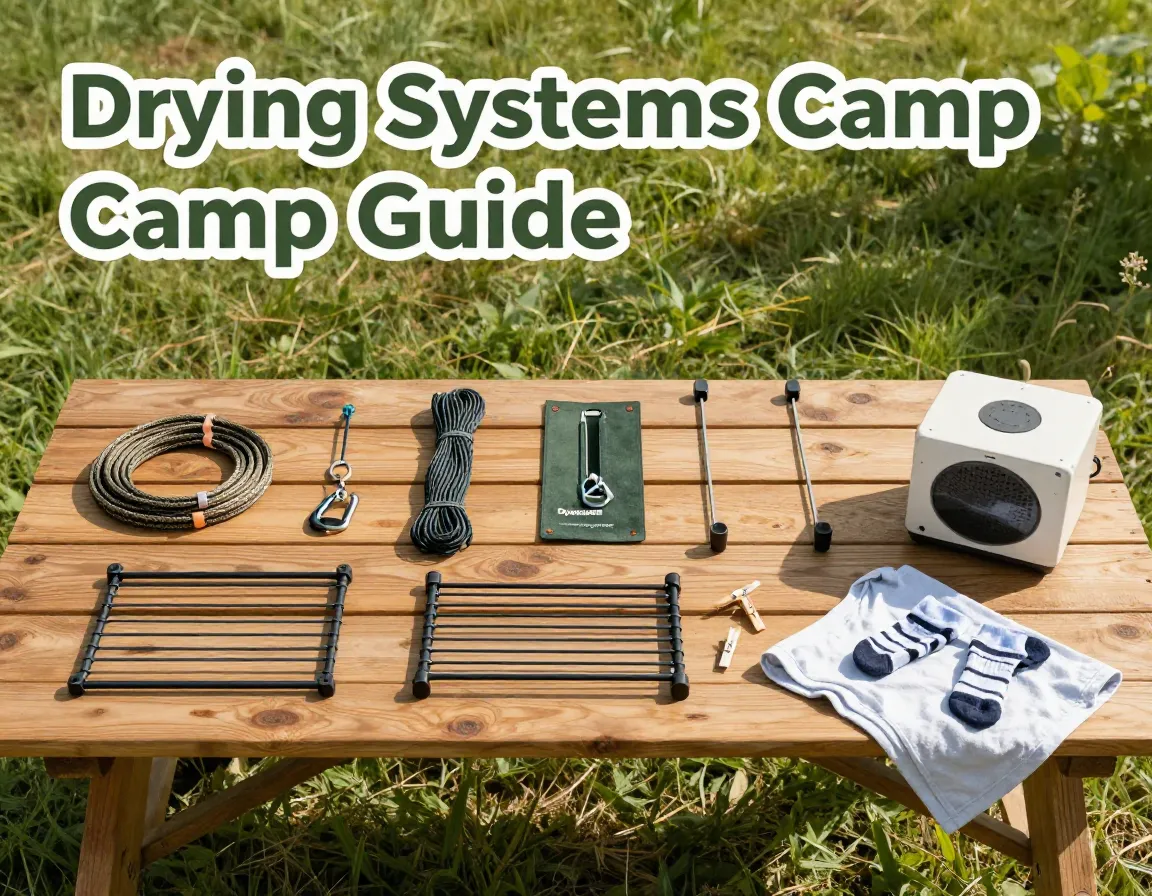
There’s nothing worse than stuffing wet socks into your hiking boots on a cold morning — trust me, I’ve been there. Whether you’re car camping for a weekend or backpacking for two weeks, having a reliable way to dry your clothes can make or break a trip. That’s exactly why I put together this guide to the 8 Best Camp Clothes Lines and Drying Systems for Any Site. From simple rope setups to compact electric dryers, there’s a solution for every camper, every budget, and every campsite condition.
Key Takeaways
- 🏕️ The right drying system depends on your campsite type — car campers have more options than backpackers.
- 💡 Weight and packability matter — ultralight rope lines weigh almost nothing; freestanding racks are bulkier but more versatile.
- ⚡ Portable electric dryers exist and work well when you have access to power hookups [1].
- 🌬️ Airflow is everything — position your line in a breezy, sunny spot for the fastest drying times.
- 🔒 Knot-free tensioning systems save time and frustration at camp.
What to Look for in a Camp Drying System
Before diving into the list, it helps to know what separates a great camp drying solution from a frustrating one. Here are the key factors to consider:
| Factor | Why It Matters |
|---|---|
| Weight | Critical for backpackers; less so for car campers |
| Length | More line = more clothes dried at once |
| Setup speed | Nobody wants to wrestle with knots after a long hike |
| Durability | Needs to handle wind, moisture, and UV exposure |
| Versatility | Can it work between trees, at a picnic table, or inside a tent? |
💬 “The best camp clothesline is the one you’ll actually use — not the one that stays buried at the bottom of your pack.”
The 8 Best Camp Clothes Lines and Drying Systems for Any Site
1. Braided Nylon Rope Clothesline
Best for: Budget-conscious campers and beginners
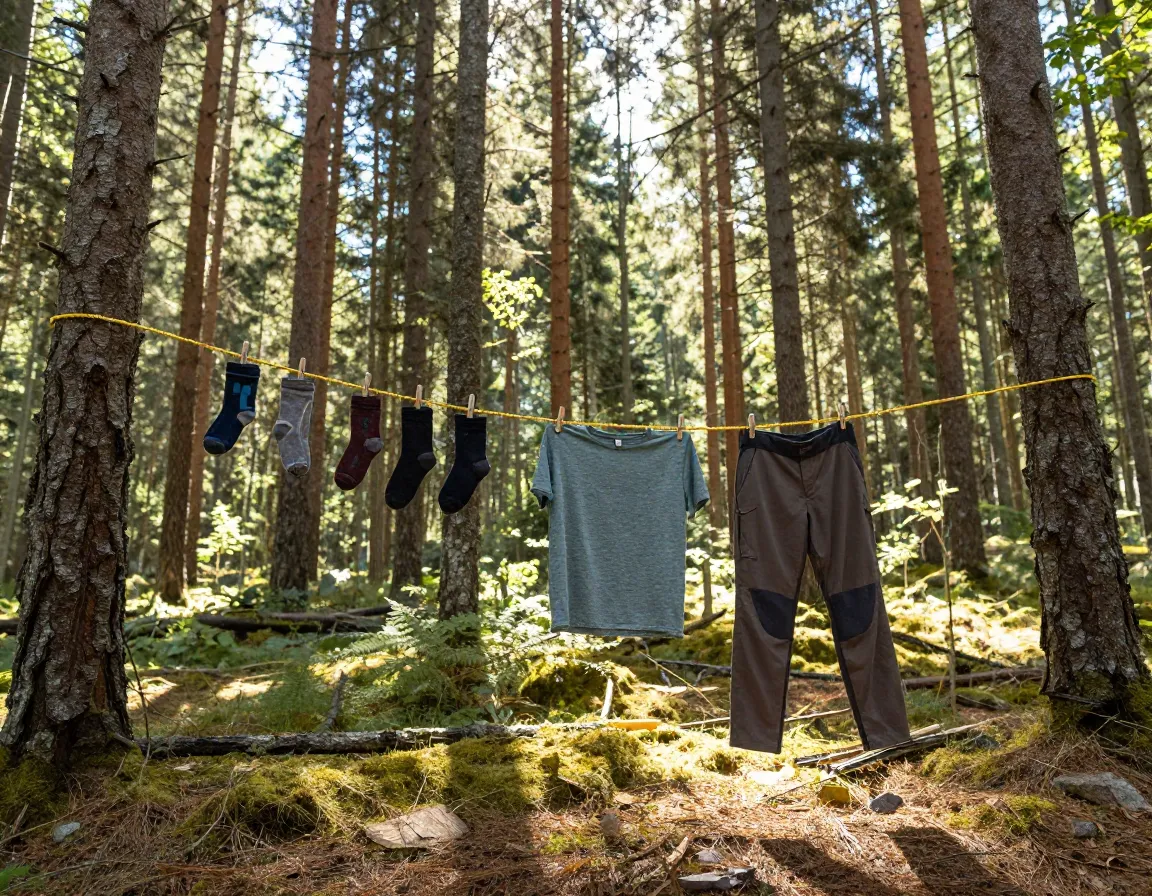
A simple braided nylon rope is the classic starting point. You can buy 50 feet for just a few dollars, cut it to your preferred length, and tie it between two trees. Nylon resists moisture, dries quickly, and holds weight well. The downside is that you’ll need to know a few basic knots — a taut-line hitch or bowline works great. For anyone just getting started with camp drying systems, this is the no-fuss entry point.
Key specs:
- Weight: Under 2 oz for a 30-ft section
- Cost: $3–$8
- Best site type: Any site with two anchor points
2. Retractable Camping Clothesline
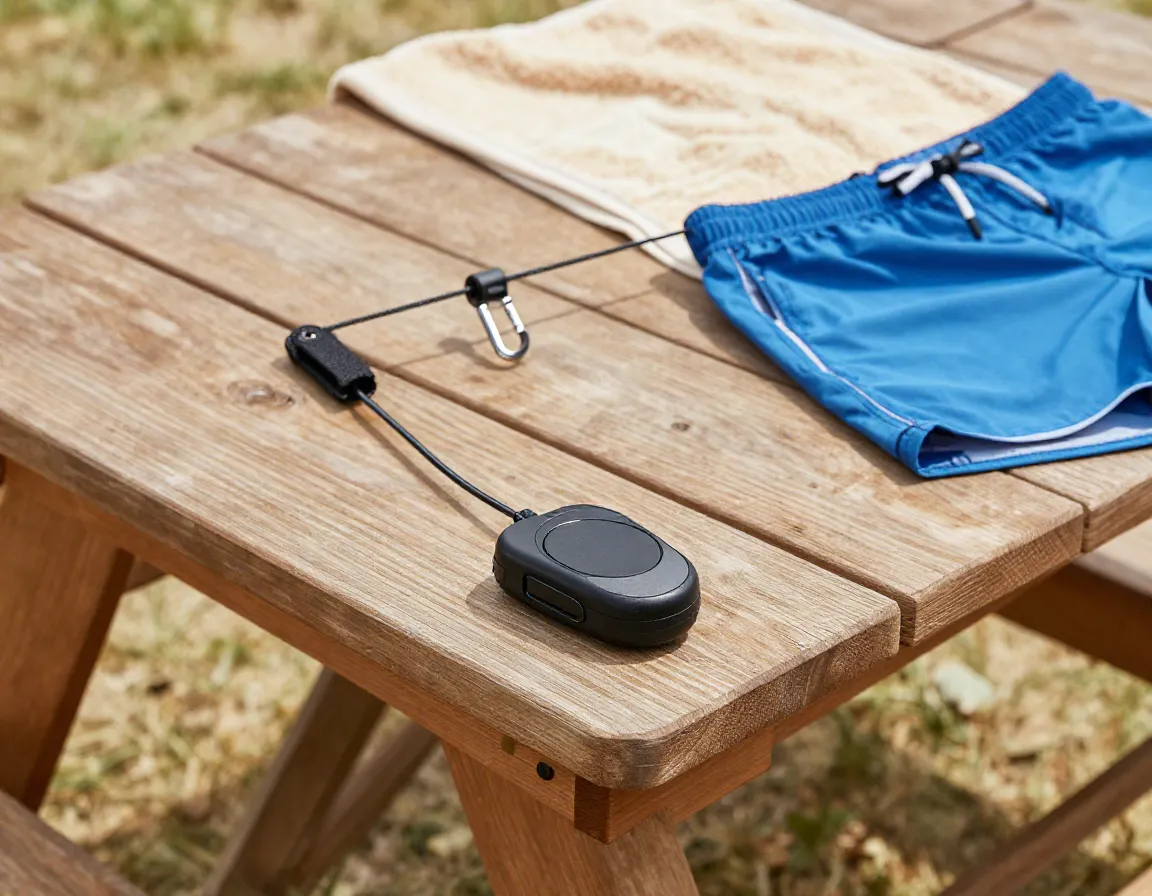
Best for: Car campers and RV travelers who want convenience
Retractable lines — like those made by Coghlan’s or similar brands — spool out to 12–15 feet and lock in place with a simple hook-and-loop system. No knots required. When you’re done, it winds back into a compact housing that fits in your palm. Many models include a built-in tensioner to keep clothes from sagging. This is one of the most popular camp drying solutions for good reason: it’s fast, foolproof, and reusable for years.
Key specs:
- Weight: 3–5 oz
- Cost: $8–$20
- Best site type: Car camping, RV sites, covered shelters
3. Paracord Clothesline with Carabiner Clips
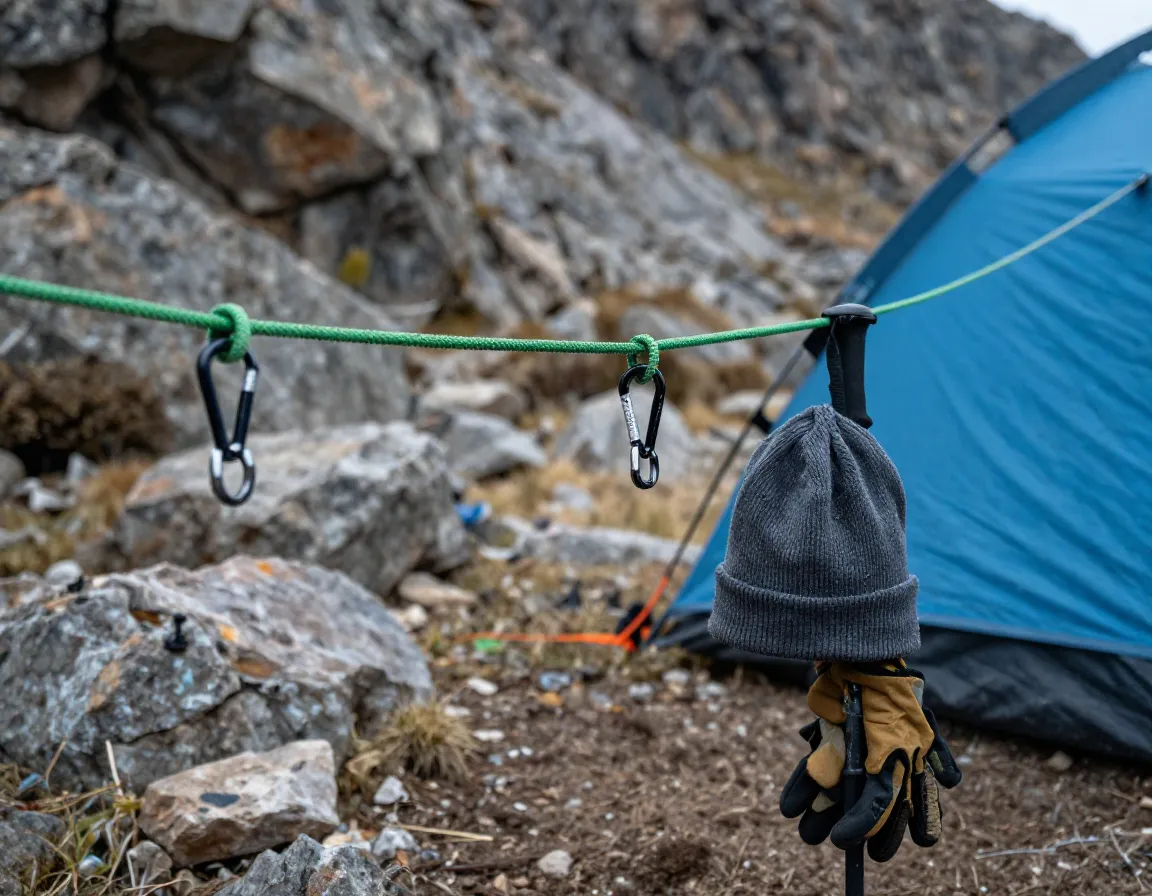
Best for: Backpackers and adventure campers
Paracord is a backpacker’s best friend. A 50-foot hank of 550 paracord weighs about 3 oz and can serve as a clothesline, tent guy-line, gear lashing, or emergency repair cord. Pair it with two small carabiners and you have a versatile anchor system that clips to tent loops, tree branches, or trekking poles. It’s not as quick to set up as a retractable line, but the multi-use value is unbeatable for minimalist campers.
Key specs:
- Weight: 3 oz (50 ft)
- Cost: $5–$15
- Best site type: Backcountry, primitive sites
4. Ultralight Dyneema or Spectra Line
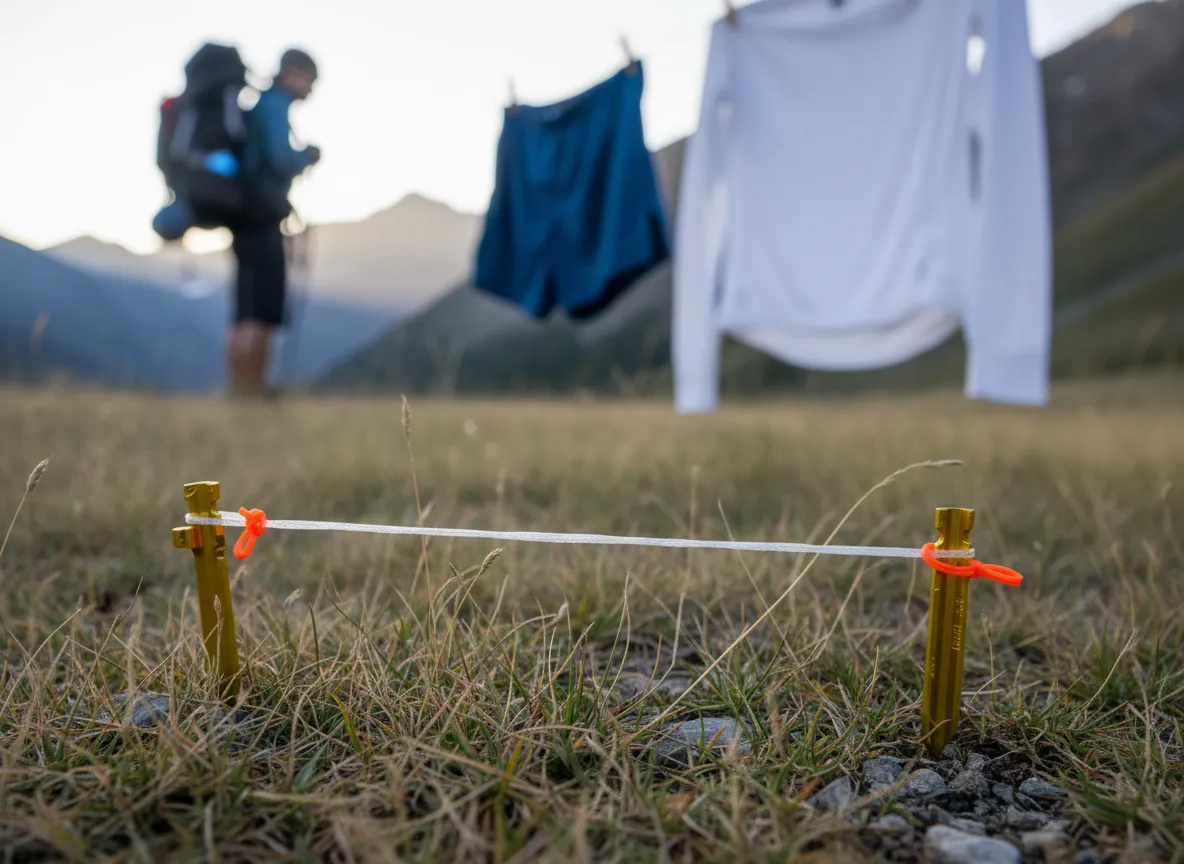
Best for: Ultralight backpackers counting every gram
If you’re obsessed with weight savings, Dyneema (also called Spectra) cord is the answer. It’s incredibly strong — stronger than steel by weight — and a 30-foot section can weigh less than half an ounce. Brands like Lawson Equipment and Zpacks offer pre-cut sections with loops already tied. The only trade-off is cost; Dyneema is pricier than nylon. But for thru-hikers or fastpackers, the weight savings are worth every penny.
Key specs:
- Weight: Under 0.5 oz for 30 ft
- Cost: $15–$30
- Best site type: Backcountry, ultralight setups
5. Freestanding Collapsible Drying Rack
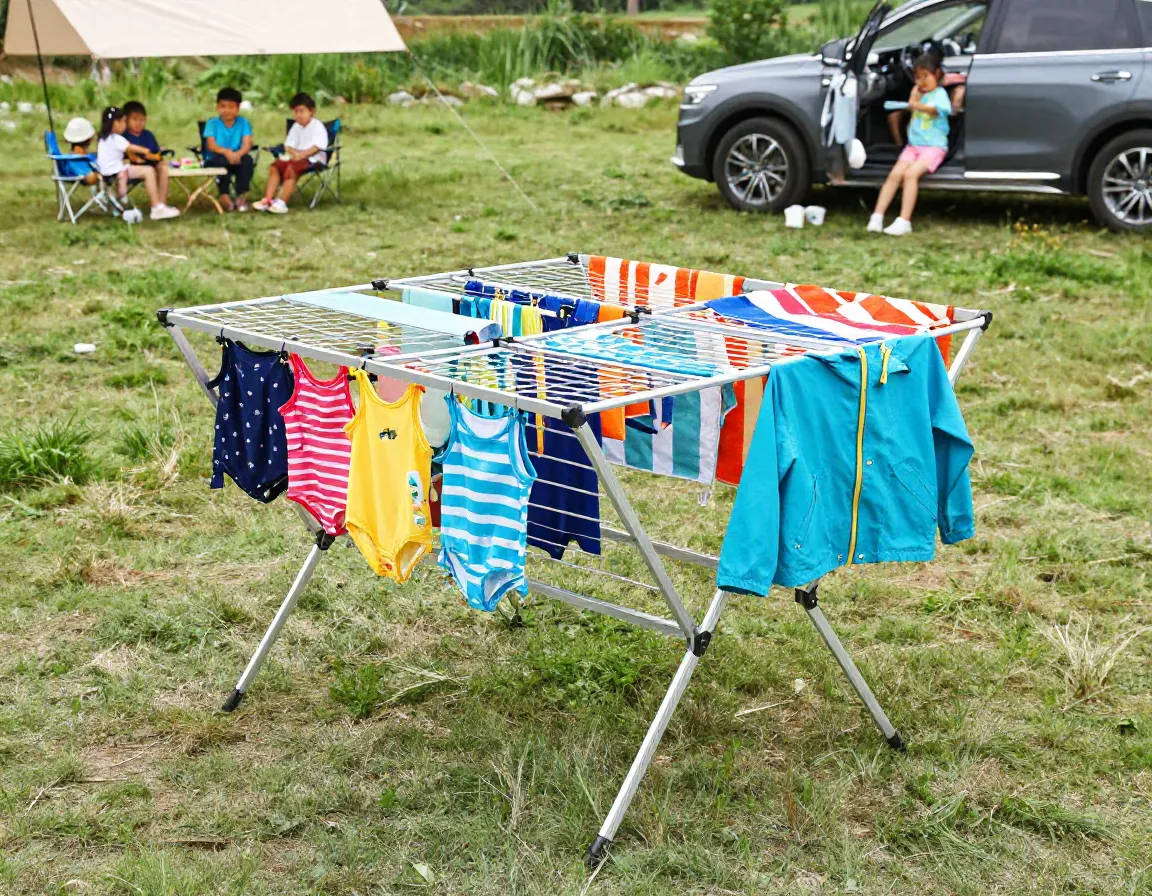
Best for: Car campers with families or large groups
When you have a car or truck to haul gear, a freestanding collapsible rack opens up a whole new level of drying capacity. These racks — similar to the indoor models reviewed by Good Housekeeping [2] — fold flat for transport and pop open to provide multiple tiers of drying space. Look for aluminum or powder-coated steel frames that resist rust. Some models include side wings that extend outward, giving you 15–20 feet of total drying surface. Perfect for drying swimwear, towels, and full outfits after a rainy day.
Key specs:
- Weight: 3–8 lbs
- Cost: $25–$60
- Best site type: Car camping, base camps, group sites
6. Tension-Based Elastic Clothesline (No-Knot System)
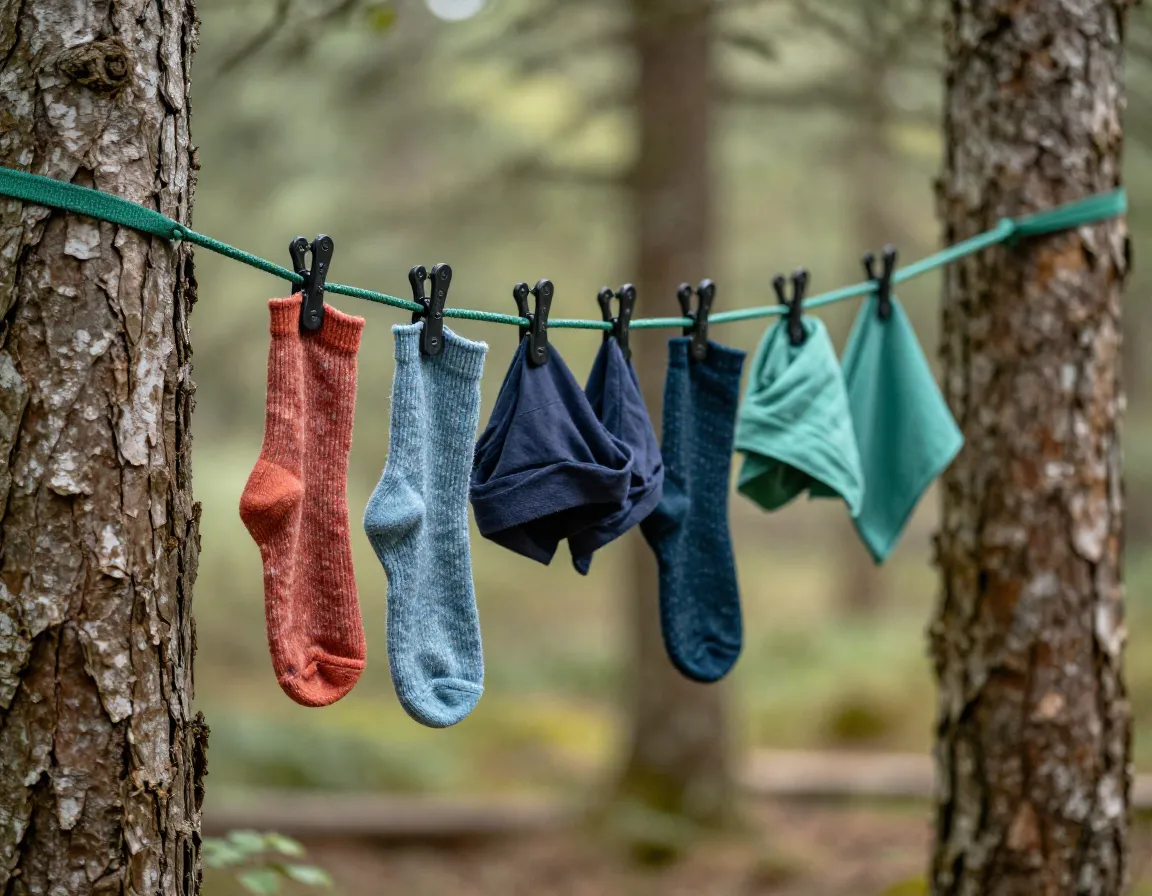
Best for: Campers who hate tying knots
Elastic or bungee-style camping clotheslines use a woven elastic design that lets you tuck clothes between the strands without any clips or clothespins. Brands like Stansport and similar outdoor gear makers offer these in 6–10 foot lengths. The elastic tension holds garments securely, even in a light breeze. They’re especially handy for smaller items like socks, underwear, and bandanas. Setup takes about 30 seconds — just loop each end around a post or branch.
Key specs:
- Weight: 2–4 oz
- Cost: $6–$15
- Best site type: Any site with two anchor points
7. Portable Mini Drying Rack with Stakes
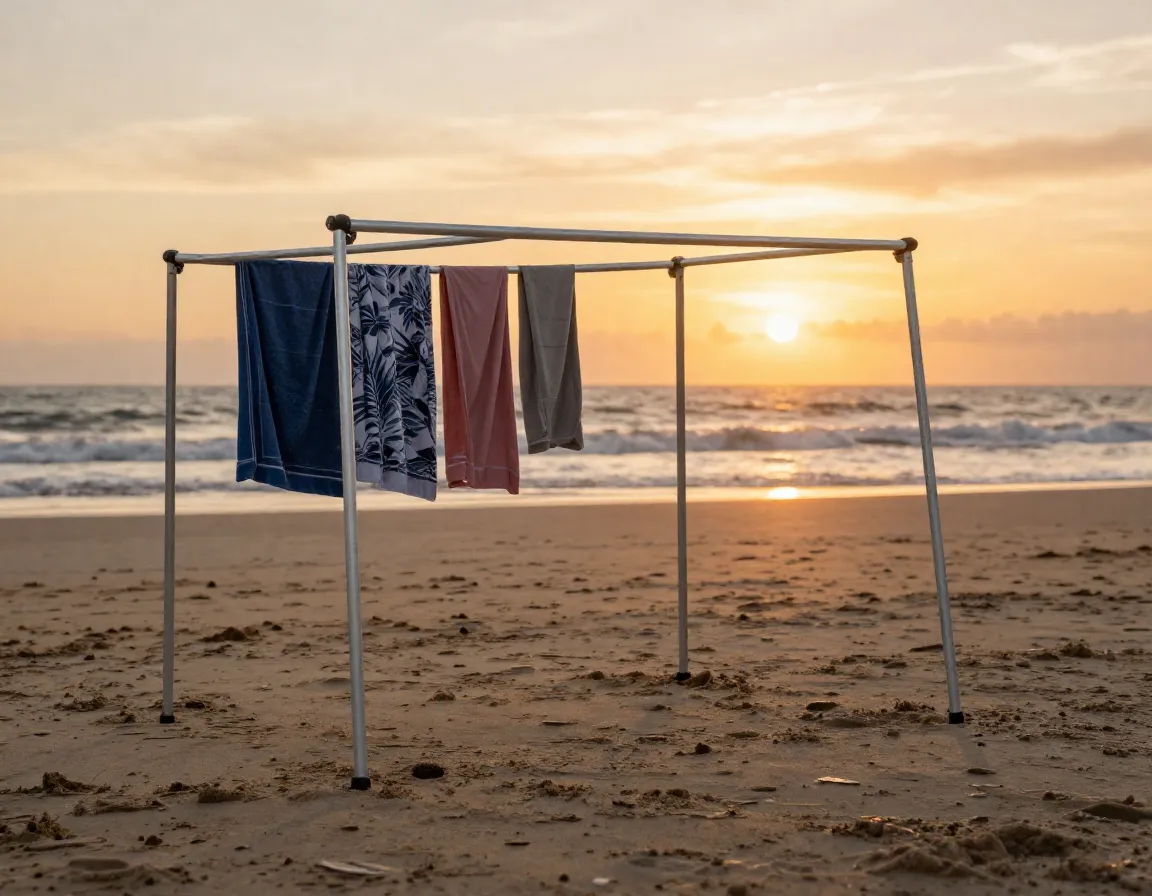
Best for: Campers without nearby trees
Not every campsite has conveniently spaced trees. A portable mini rack with ground stakes solves this problem. These compact systems — often made from lightweight aluminum tubing — stake into the ground and hold a horizontal bar at waist height. Some models extend to 6 feet wide and collapse to the size of a tent pole set. They’re particularly useful at desert campsites, beach sites, or open meadow areas where tree anchors simply aren’t available.
Key specs:
- Weight: 1–2 lbs
- Cost: $20–$45
- Best site type: Open campsites, desert, beach
8. Portable Electric Dryer (Power Hookup Sites Only)
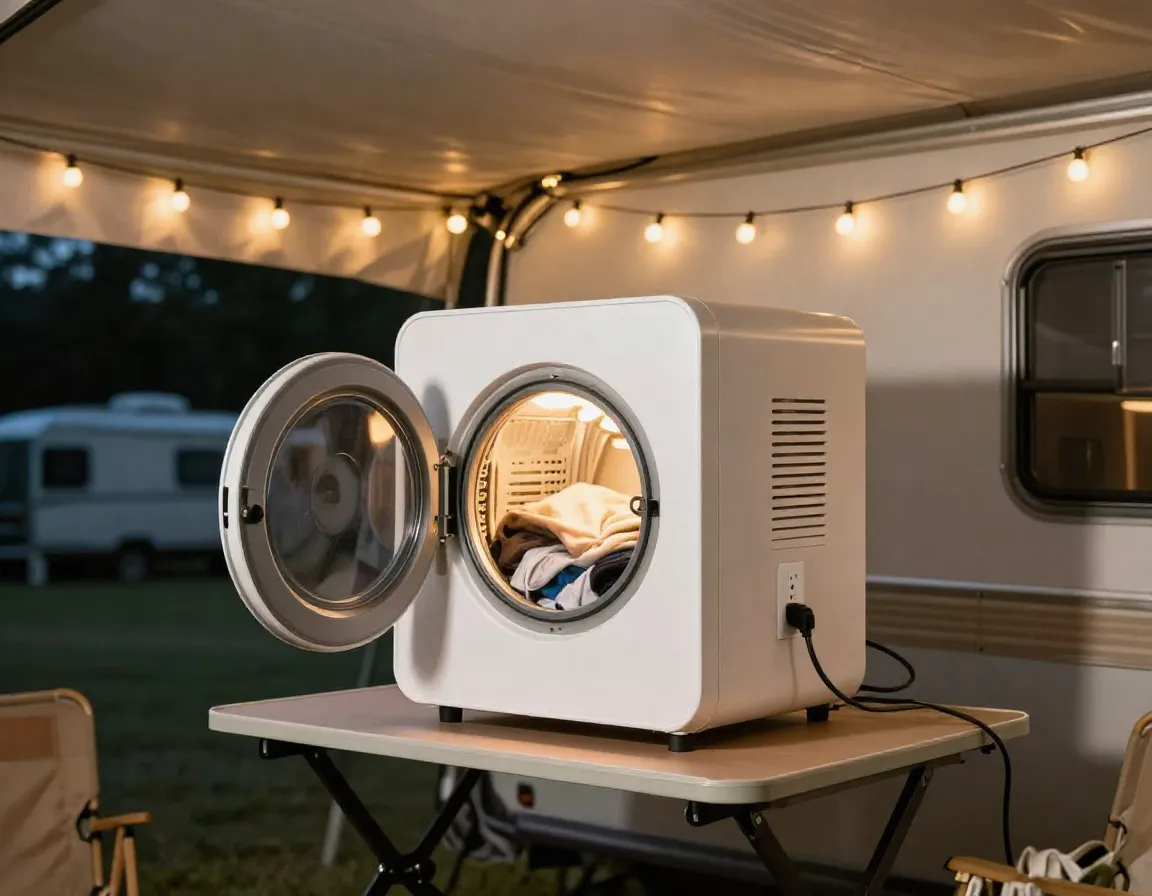
Best for: RV campers and glampers with electrical access
For campers who stay at sites with electrical hookups, a portable electric dryer is a game-changer. Compact units from brands like Euhomy, Panda, and ROVSUN have been reviewed positively for their ability to dry clothes quickly without a full laundry setup [1]. These plug into a standard outlet and use gentle heat circulation to dry a small load in 45–90 minutes. They’re not practical for backpacking, but for RV travelers or glamping setups, they eliminate the need for laundromat trips entirely.
Key specs:
- Weight: 15–25 lbs
- Cost: $80–$200
- Best site type: RV parks, electric hookup sites, glamping
Quick Comparison: All 8 Systems at a Glance
| # | System | Weight | Cost | Best For |
|---|---|---|---|---|
| 1 | Braided Nylon Rope | <2 oz | $3–$8 | Beginners |
| 2 | Retractable Clothesline | 3–5 oz | $8–$20 | Car campers |
| 3 | Paracord + Carabiners | 3 oz | $5–$15 | Backpackers |
| 4 | Dyneema/Spectra Line | <0.5 oz | $15–$30 | Ultralight hikers |
| 5 | Freestanding Rack | 3–8 lbs | $25–$60 | Families/groups |
| 6 | Elastic No-Knot Line | 2–4 oz | $6–$15 | Knot-haters |
| 7 | Portable Rack + Stakes | 1–2 lbs | $20–$45 | Treeless sites |
| 8 | Portable Electric Dryer | 15–25 lbs | $80–$200 | RV/glamping |
Pro Tips for Faster Drying at Camp 🌞
- Wring clothes thoroughly before hanging — removing excess water cuts drying time in half.
- Hang in direct sunlight and breeze whenever possible; shade drying takes 2–3x longer.
- Spread items out rather than bunching them — overlapping fabric traps moisture.
- Turn items halfway through drying to ensure even airflow on both sides.
- Use a quick-dry towel or chamois to blot heavy fabrics like denim or fleece before hanging.
Conclusion
Finding the right camp drying system doesn’t have to be complicated. Whether you’re an ultralight backpacker who needs a half-ounce Dyneema cord or an RV camper who wants a plug-in electric dryer, the 8 Best Camp Clothes Lines and Drying Systems for Any Site covered in this guide give you a clear path forward.
Here’s what I recommend as your next steps:
- Identify your campsite type — do you have trees, stakes, or electrical hookups?
- Set a weight budget — backpackers should stay under 4 oz; car campers can go heavier.
- Pick one system from this list that matches your needs and try it on your next trip.
- Combine two systems for maximum flexibility — for example, a paracord line plus a mini elastic cord for small items.
Dry clothes mean a more comfortable, healthier, and more enjoyable camping experience. Don’t leave this gear behind — it weighs almost nothing and pays off every single trip. 🏕️
References
[1] Watch – https://www.youtube.com/watch?v=g66M7N-uCMo
[2] Best Clothes Drying Rack – https://www.goodhousekeeping.com/home-products/g64353377/best-clothes-drying-rack/