The 6-Piece Mountain Trekking Outfit That Conquers Any Trail
Picture this: You’re standing at the base of a towering mountain peak, watching seasoned hikers stride confidently up the trail while you’re still fumbling with your gear. The difference between a successful mountain adventure and a miserable experience often comes down to one crucial factor—what you wear. The 6-Piece Mountain Trekking Outfit That Conquers Any Trail isn’t just about looking the part; it’s about creating a system that keeps you comfortable, safe, and performing at your best regardless of what Mother Nature throws your way.
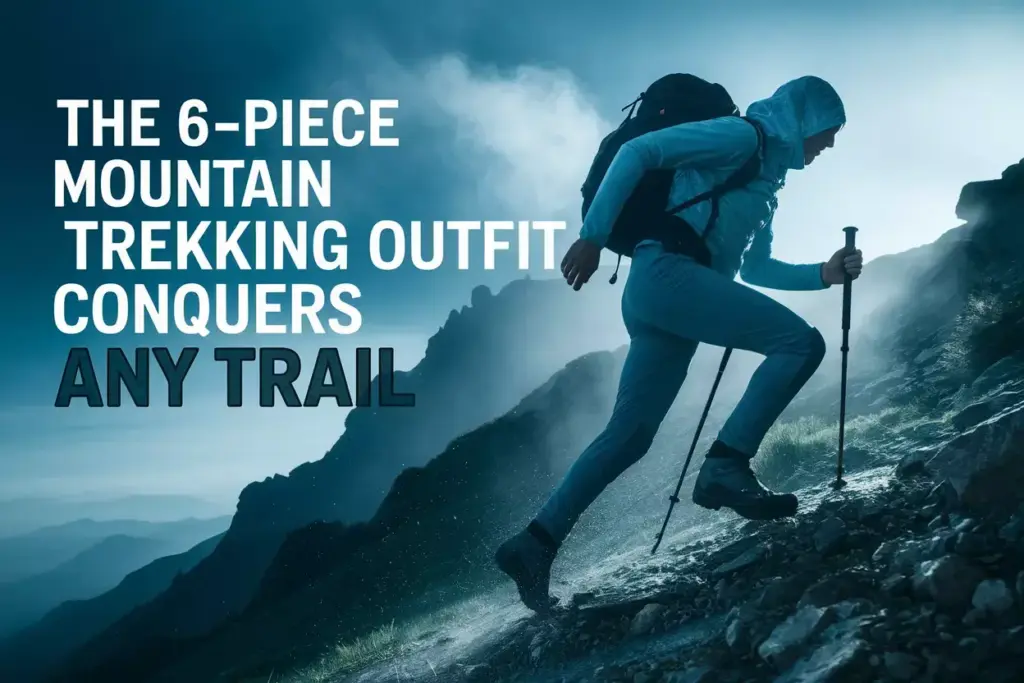
Mountain trekking demands respect for the environment and preparation for rapidly changing conditions. Whether you’re tackling your first day hike or preparing for a multi-day expedition, having the right gear can mean the difference between an unforgettable adventure and a dangerous situation. The key lies in understanding that successful mountain trekking isn’t about having the most expensive gear—it’s about having the right pieces that work together as a cohesive system.
Key Takeaways
- Layering is everything: The foundation of any successful mountain trekking outfit relies on a three-layer system that adapts to changing weather conditions
- Quality over quantity: Six carefully selected pieces outperform a backpack full of mediocre gear every time
- Material matters: Modern synthetic and merino wool fabrics provide superior performance compared to cotton in mountain environments
- Fit and function: Proper sizing and understanding each piece’s role ensures maximum comfort and safety on the trail
- Investment mindset: Quality mountain trekking gear lasts for years and can literally save your life in challenging conditions
Understanding the Mountain Environment Challenge
Mountain environments present unique challenges that demand specialized clothing solutions. Temperature fluctuations can range from scorching sun exposure to freezing conditions within hours. Weather patterns change rapidly, with clear skies transforming into dangerous storms without warning. Physical demands require clothing that moves with your body while providing protection and comfort.
The concept behind The 6-Piece Mountain Trekking Outfit That Conquers Any Trail stems from decades of mountaineering wisdom distilled into essential components. Each piece serves multiple functions while working harmoniously with the others to create a versatile system.
Why Six Pieces Work Better Than More
Many novice trekkers make the mistake of overpacking or underpacking. Too much gear weighs you down and creates decision fatigue. Too little leaves you vulnerable to changing conditions. Six carefully chosen pieces provide:
- Optimal weight-to-functionality ratio 🎯
- Simplified decision-making on the trail
- Comprehensive coverage for most mountain conditions
- Budget-friendly approach to building a quality kit
The Complete 6-Piece Mountain Trekking System
1. Moisture-Wicking Base Layer
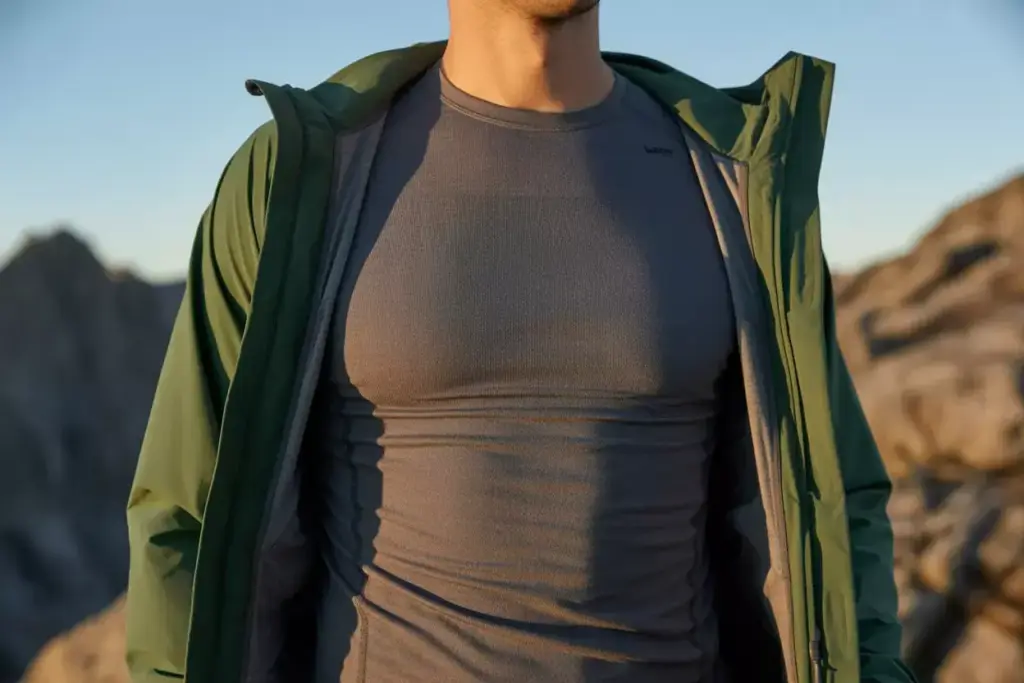
The foundation of The 6-Piece Mountain Trekking Outfit That Conquers Any Trail starts with your base layer. This isn’t just an undershirt—it’s your first line of defense against moisture and temperature regulation.
Key Features to Look For:
- Merino wool or high-quality synthetic materials
- Seamless construction to prevent chafing
- Odor resistance for multi-day adventures
- Quick-drying properties
Top Material Options:
| Material | Pros | Cons | Best For |
|---|---|---|---|
| Merino Wool | Natural odor resistance, temperature regulation | Higher cost, slower drying | Cold weather, multi-day trips |
| Synthetic Blend | Quick-drying, durable, affordable | Can retain odors | Warm weather, day hikes |
| Bamboo Fiber | Soft, naturally antimicrobial | Less durable | Sensitive skin, casual hiking |
The base layer works by wicking moisture away from your skin and creating a microclimate that regulates body temperature. During intense climbs, it prevents overheating. During rest stops, it maintains warmth without causing clamminess.
2. Insulating Mid-Layer
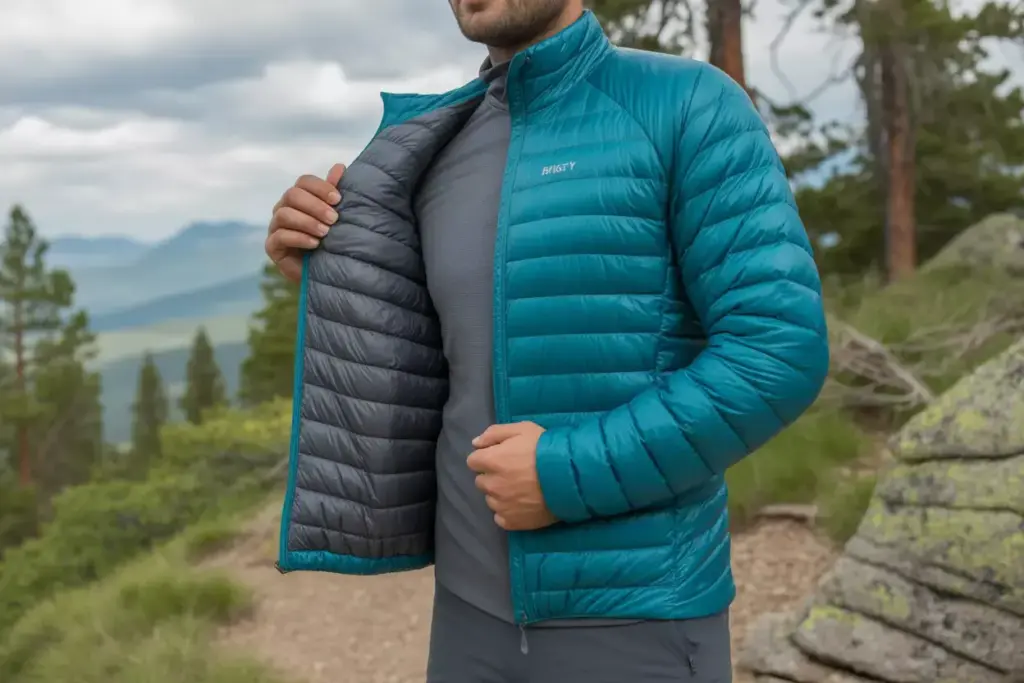
Your mid-layer provides warmth without bulk and serves as the adjustable component in your layering system. This piece can be added or removed as conditions change throughout your trek.
Essential Characteristics:
- Lightweight insulation (fleece, down, or synthetic fill)
- Full-zip design for easy temperature regulation
- Packable construction for storage when not needed
- Breathable materials to prevent overheating
Insulation Types Compared:
Fleece Advantages: 🔥
- Retains warmth when wet
- Dries quickly
- Affordable and durable
- Easy to care for
Down Advantages: ⭐
- Superior warmth-to-weight ratio
- Highly compressible
- Long-lasting with proper care
- Excellent for cold, dry conditions
Synthetic Fill Advantages: 💪
- Performs well when wet
- Hypoallergenic
- Maintains loft over time
- Lower cost than down
3. Weather-Resistant Outer Shell
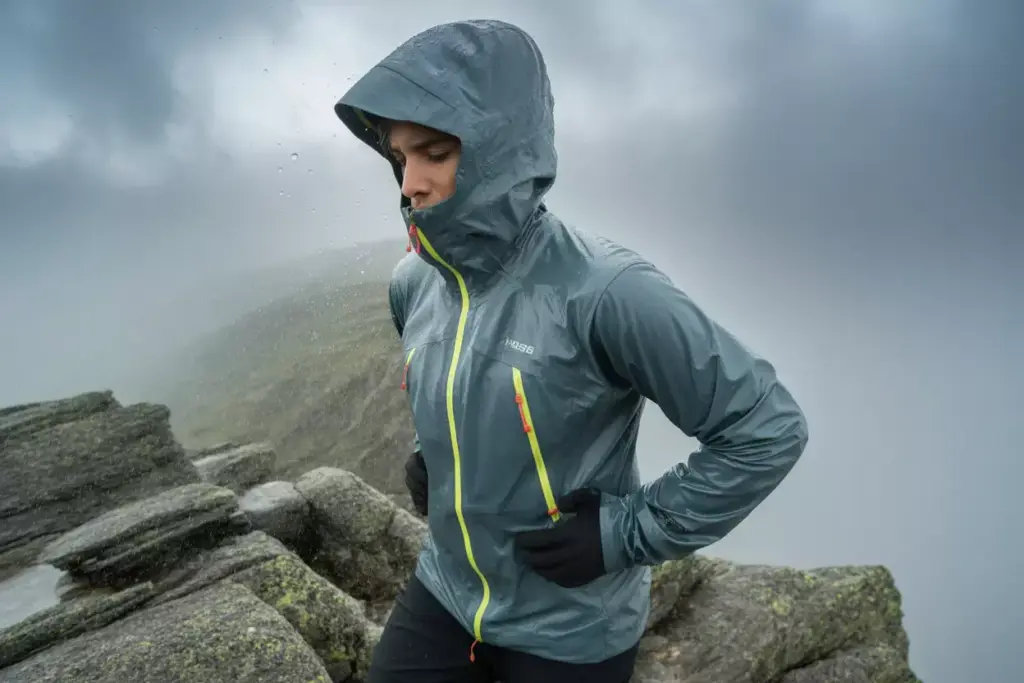
The outer shell completes your three-layer system and serves as your primary protection against wind, rain, and snow. This is where The 6-Piece Mountain Trekking Outfit That Conquers Any Trail really shines in harsh conditions.
Critical Features:
- Waterproof-breathable membrane (Gore-Tex or equivalent)
- Fully sealed seams to prevent water intrusion
- Adjustable hood that fits over a helmet if needed
- Pit zips for ventilation during intense activity
“A quality shell jacket isn’t just about staying dry—it’s about maintaining your body’s microclimate while allowing moisture vapor to escape. This balance is crucial for comfort and safety in mountain environments.” – Mountain Safety Expert
Shell Jacket Technologies:
3-Layer Construction: Most durable and breathable, best for serious mountaineering
2.5-Layer Construction: Good balance of weight and performance for most trekkers
2-Layer Construction: Budget-friendly option for occasional use
4. Technical Hiking Pants
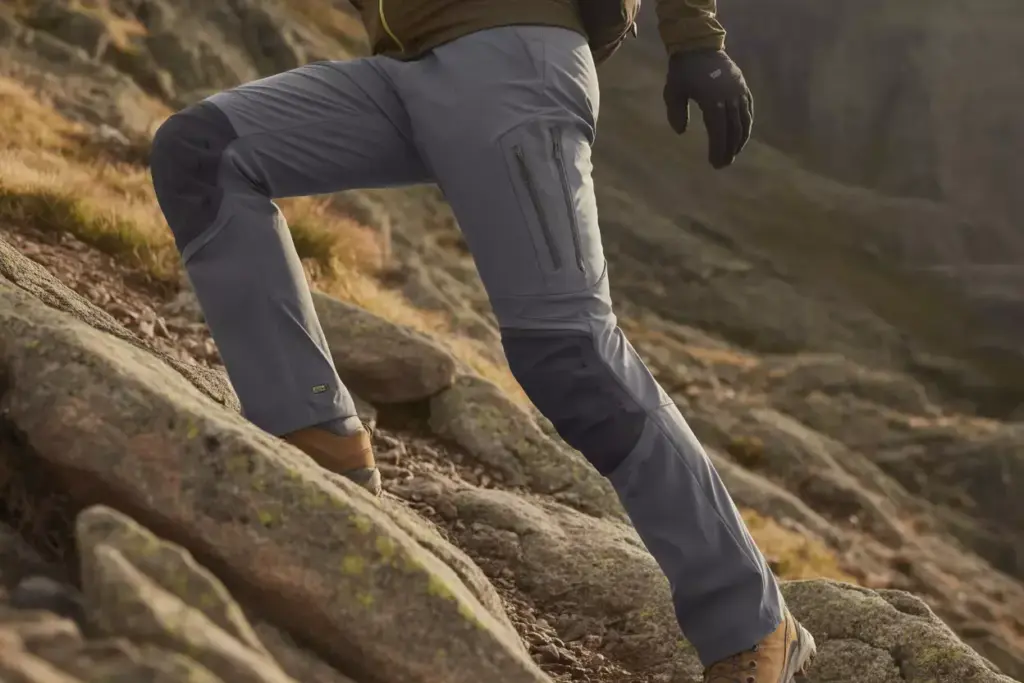
Your lower body protection needs to balance durability, flexibility, and weather resistance. Technical hiking pants designed for mountain use differ significantly from casual outdoor pants.
Must-Have Features:
- Ripstop fabric for tear resistance
- Articulated knees for natural movement
- Multiple pockets with secure closures
- Reinforced high-wear areas
- Water-resistant treatment
Fabric Options:
Softshell Material: Stretchy, breathable, water-resistant
Hardshell Material: Fully waterproof, less breathable
Hybrid Construction: Combines both materials strategically
Many experienced trekkers prefer convertible pants that zip off into shorts, providing ultimate versatility for changing conditions and temperatures throughout the day.
5. High-Performance Hiking Socks
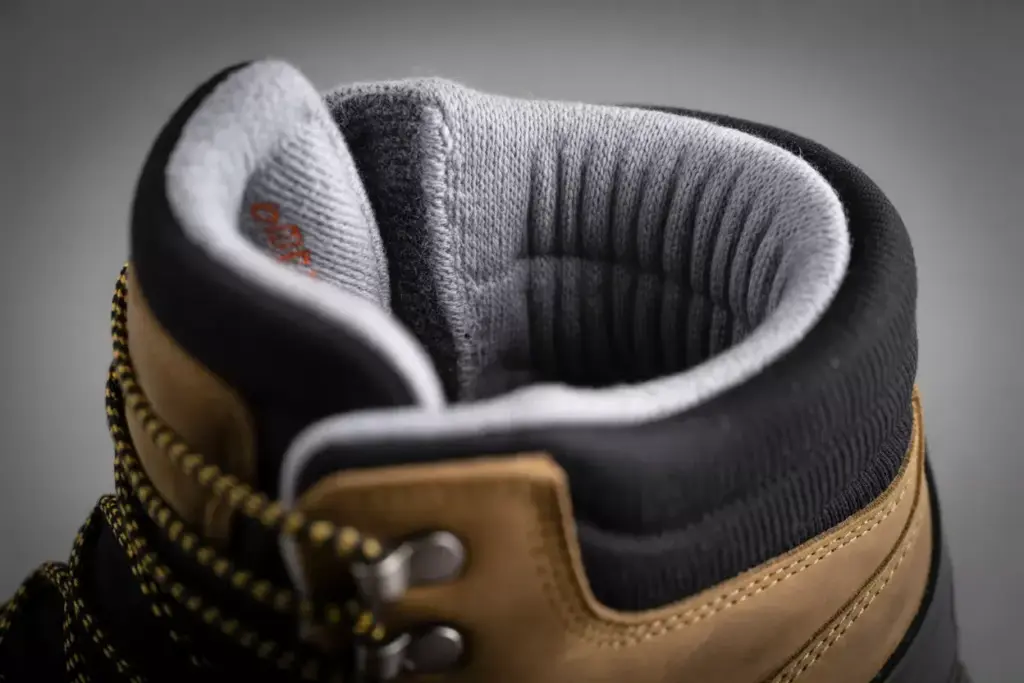
Often overlooked, proper socks are crucial components of The 6-Piece Mountain Trekking Outfit That Conquers Any Trail. Your feet endure tremendous stress during mountain trekking, and the right socks prevent blisters, regulate temperature, and provide cushioning.
Essential Sock Features:
- Merino wool blend for moisture management
- Cushioned heel and toe areas
- Seamless toe construction
- Compression zones for support
- Appropriate height (crew or boot height)
Sock Construction Details:
Cushioning Levels: 🦶
- Maximum: For heavy boots and long distances
- Medium: All-around performance for most hiking
- Light: For lightweight boots and day hikes
Fiber Blends:
- 70% Merino Wool, 30% Synthetic: Optimal balance
- Synthetic Blend: Quick-drying, durable
- Pure Merino: Maximum comfort, slower drying
6. Mountain-Ready Hiking Boots
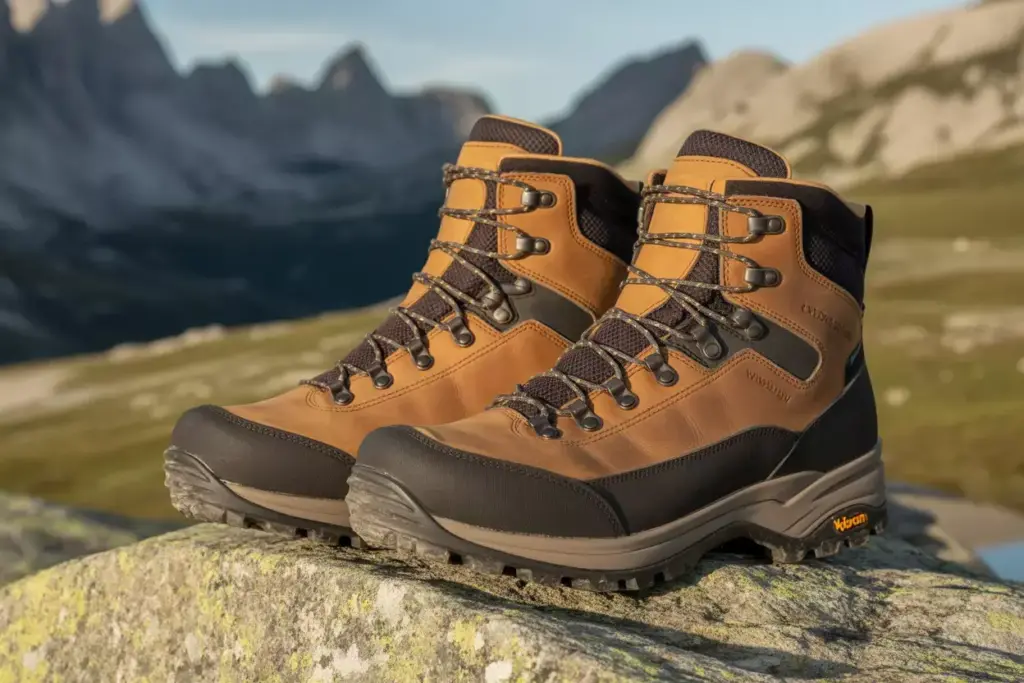
Your boots are the foundation that connects you to the trail. They must provide support, protection, and traction while remaining comfortable during long days of hiking.
Boot Categories for Mountain Trekking:
Day Hiking Boots: 🥾
- Lightweight construction
- Moderate ankle support
- Flexible sole design
- Quick break-in period
Backpacking Boots: 🏔️
- Enhanced ankle support
- Durable construction
- Stiffer sole for stability
- Weather-resistant materials
Mountaineering Boots: ⛰️
- Maximum support and protection
- Compatible with crampons
- Insulated options available
- Built for extreme conditions
Key Boot Features:
| Feature | Importance | What to Look For |
|---|---|---|
| Waterproofing | High | Gore-Tex or similar membrane |
| Sole Design | Critical | Vibram or equivalent grippy compound |
| Ankle Support | Variable | Based on load and terrain difficulty |
| Break-in Time | Practical | Minimal break-in for immediate use |
Putting It All Together: The Complete System
The 6-Piece Mountain Trekking Outfit That Conquers Any Trail works because each component complements the others. Understanding how to use this system effectively requires knowledge of layering principles and condition-based adjustments.
Layering Strategy by Conditions
Warm Weather Hiking (Above 70°F):
- Base layer only on torso
- Technical hiking pants or convertible shorts
- High-performance socks and boots
- Shell jacket packed for emergencies
Moderate Conditions (50-70°F):
- Base layer plus light mid-layer
- Full hiking pants
- Shell available for weather changes
- All sock and boot components
Cold Weather Trekking (Below 50°F):
- Full three-layer system
- Insulated mid-layer
- Shell jacket worn or immediately accessible
- Warm hiking pants
- Wool socks with insulated boots
Seasonal Adaptations
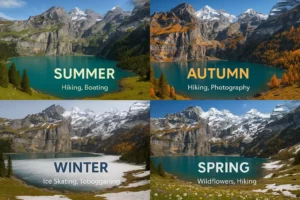
Spring Trekking Considerations: 🌸
- Expect rapid weather changes
- Pack all layers regardless of morning conditions
- Focus on waterproof capabilities
- Consider gaiters for muddy trails
Summer Mountain Adventures: ☀️
- Prioritize breathability and sun protection
- Lighter mid-layer options
- Emphasis on moisture-wicking base layers
- Ensure adequate ventilation features
Fall Hiking Preparations: 🍂
- Layer management becomes critical
- Weather windows shorter
- Insulation more important
- Daylight considerations affect gear choices
Winter Mountain Challenges: ❄️
- Full system deployment required
- Insulation levels increased
- Waterproofing absolutely critical
- Consider specialized winter variants
Advanced Tips for Maximizing Your 6-Piece System
Fabric Care and Maintenance
Proper care extends the life and performance of The 6-Piece Mountain Trekking Outfit That Conquers Any Trail:
Washing Guidelines:
- Technical fabrics require specialized detergents
- Avoid fabric softeners that clog breathable membranes
- Air dry when possible to preserve treatments
- Reproofing waterproof garments annually
Storage Best Practices:
- Clean before storage to prevent odor and fabric degradation
- Avoid compression for down insulation long-term
- Hang shell jackets to maintain membrane integrity
- Rotate gear to prevent uneven wear
Fit Optimization
Base Layer Fit: Snug but not restrictive, allows full range of motion
Mid-Layer Fit: Room for base layer underneath, comfortable when arms are raised
Shell Fit: Accommodates both underlying layers with room for movement
Pants Fit: Comfortable when knees are fully bent, appropriate length for boots
Sock Fit: No bunching or excess material, proper heel placement
Boot Fit: Thumb-width space at toe, secure heel, comfortable with hiking socks
Budget-Conscious Building Strategy
Building The 6-Piece Mountain Trekking Outfit That Conquers Any Trail doesn’t require breaking the bank:
Priority Investment Order:
- Hiking boots – Foundation of comfort and safety
- Shell jacket – Critical for weather protection
- Base layer – Affects comfort throughout the day
- Hiking socks – Prevents foot problems
- Mid-layer – Can substitute initially with existing fleece
- Technical pants – Can use quality athletic pants initially
Money-Saving Strategies:
- End-of-season sales offer significant discounts
- Previous year models provide same performance at lower cost
- Outlet stores and online deals reduce premium brand costs
- Quality used gear from reputable sources
Safety Considerations and Emergency Preparedness
The 6-Piece Mountain Trekking Outfit That Conquers Any Trail serves as your primary safety system in mountain environments. Understanding the safety aspects of each piece helps prevent dangerous situations.
Weather Emergency Preparedness
Hypothermia Prevention: 🌡️
Your layering system provides the first line of defense against dangerous heat loss. The base layer maintains a dry microclimate, the mid-layer provides insulation, and the shell prevents wind and moisture from compromising your body temperature.
Hyperthermia Management: ☀️
Proper ventilation and moisture management prevent overheating. The ability to adjust layers quickly allows for temperature regulation during varying activity levels and environmental conditions.
Gear Failure Backup Plans
Shell Jacket Damage:
- Carry duct tape for temporary repairs
- Know how to layer mid-layer and base layer for wind protection
- Understand emergency shelter techniques
Boot Problems:
- Proper sock rotation prevents most foot issues
- Carry blister treatment supplies
- Know emergency foot care techniques
Conclusion
The 6-Piece Mountain Trekking Outfit That Conquers Any Trail represents more than just a gear list—it’s a comprehensive system designed to keep you safe, comfortable, and performing at your best in mountain environments. By focusing on these six essential pieces, you create a versatile foundation that adapts to changing conditions while maintaining optimal functionality.
The beauty of this system lies in its simplicity and effectiveness. Rather than overwhelming yourself with countless gear options, you invest in quality pieces that work together harmoniously. Each component serves multiple functions while contributing to the overall performance of the system.
Your Next Steps:
- Assess your current gear against this six-piece framework
- Prioritize upgrades based on your most common hiking conditions
- Test your complete system on shorter hikes before major adventures
- Practice layering adjustments to understand how each piece functions
- Maintain your gear properly to ensure long-term performance
Remember that the best gear is the gear you know how to use effectively. Take time to understand each piece of The 6-Piece Mountain Trekking Outfit That Conquers Any Trail and how it contributes to your overall safety and comfort. With proper selection, fitting, and use of these six essential pieces, you’ll be prepared to tackle any trail with confidence and enjoy the incredible experiences that mountain trekking offers.
The mountains are calling, and now you have the knowledge to answer that call properly equipped. Whether you’re planning your first mountain adventure or looking to upgrade your existing gear, this six-piece system provides the foundation for countless successful treks ahead. Invest in quality, understand the system, and prepare for adventures that will create memories lasting a lifetime.