
The Ultimate Travel Items Checklist: 9 Things You Can’t Forget
Picture this: you’ve just landed after a 10-hour flight, exhausted and excited — only to realize your phone is dead, your adapter is at home, and your medication is in your checked bag somewhere on a different continent. 😩 It’s a nightmare scenario that happens to even seasoned travelers. That’s exactly why having The Ultimate Travel Items Checklist: 9 Things You Can’t Forget isn’t just helpful — it’s essential. Whether you’re hopping on a weekend getaway or embarking on a month-long international adventure, the right packing checklist can mean the difference between a smooth trip and a stressful disaster.
Disclosure: This post contains affiliate links. As an Amazon Associate, we earn from qualifying purchases, and at no extra cost to you.
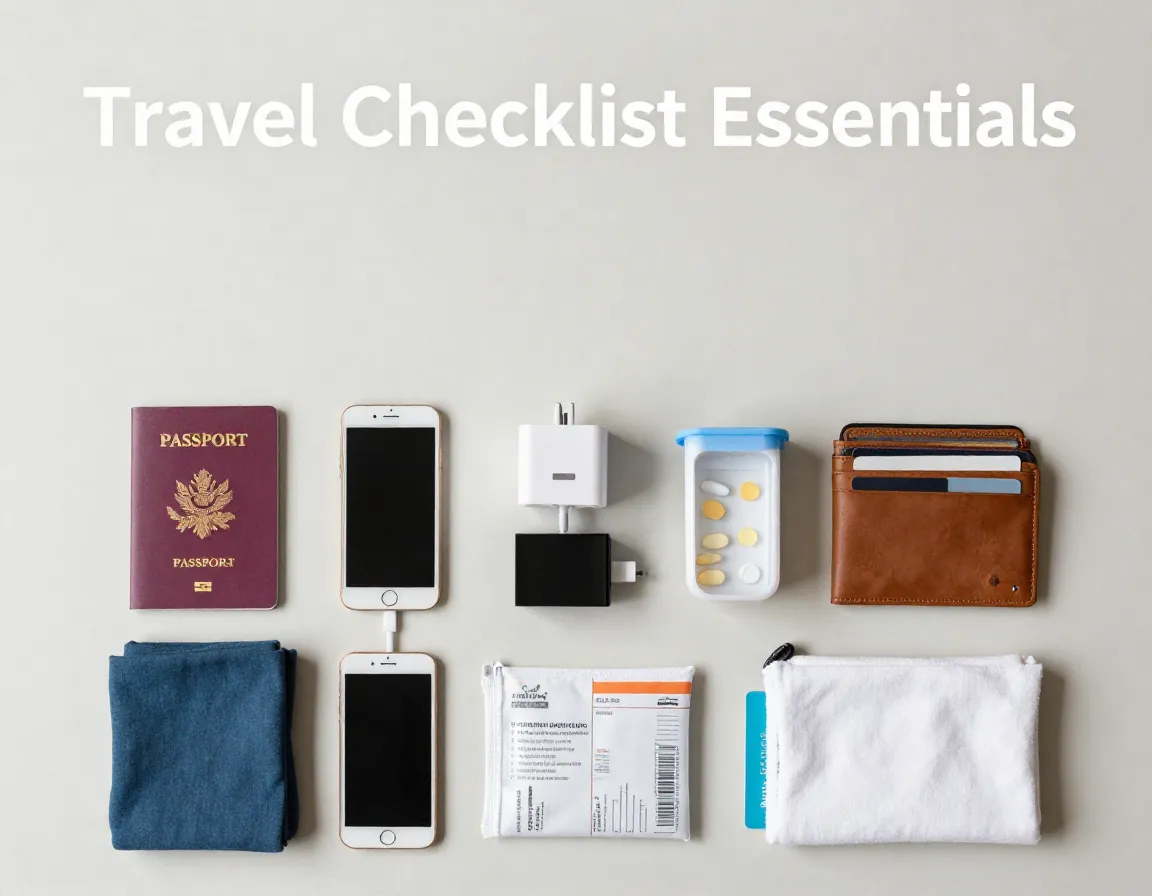
In 2026, travel is more complex and more exciting than ever. Airports are busier, airline policies are stricter, and the cost of forgetting something critical has never been higher. This guide cuts through the noise and gives you a focused, expert-backed list of the nine most important items every traveler must bring — no fluff, no filler.
Key Takeaways
- ✅ Your passport or government ID is the single most critical document — always check expiry dates before booking.
- ✅ Your phone, charging cable, and power bank function as your GPS, camera, and lifeline — never let them run out of power.
- ✅ Travel insurance details are frequently overlooked but absolutely critical in emergencies.
- ✅ Always carry at least two payment methods and a complete change of clothes in your carry-on.
- ✅ Both digital and physical backups of your travel documents can save your trip if technology fails.
Why a Travel Items Checklist Matters More Than You Think
Most of us believe we’re good packers. We’ve traveled before, we know the drill. But research and traveler reports consistently show that even experienced globetrotters forget critical items — especially under the time pressure of packing. A well-structured travel essentials checklist removes the guesswork and protects you from costly, stressful mistakes.
“A good packing checklist isn’t about bringing everything — it’s about never forgetting the things that matter most.”
The nine items in this guide aren’t about luxury or comfort. They’re about function, safety, and peace of mind. Think of them as your travel survival kit. Miss one, and your trip could be seriously disrupted. Get all nine right, and you’re set up for success from the moment you leave home.
Let’s break them down one by one.
The Ultimate Travel Items Checklist: 9 Things You Can’t Forget
1. Passport or Government-Issued ID
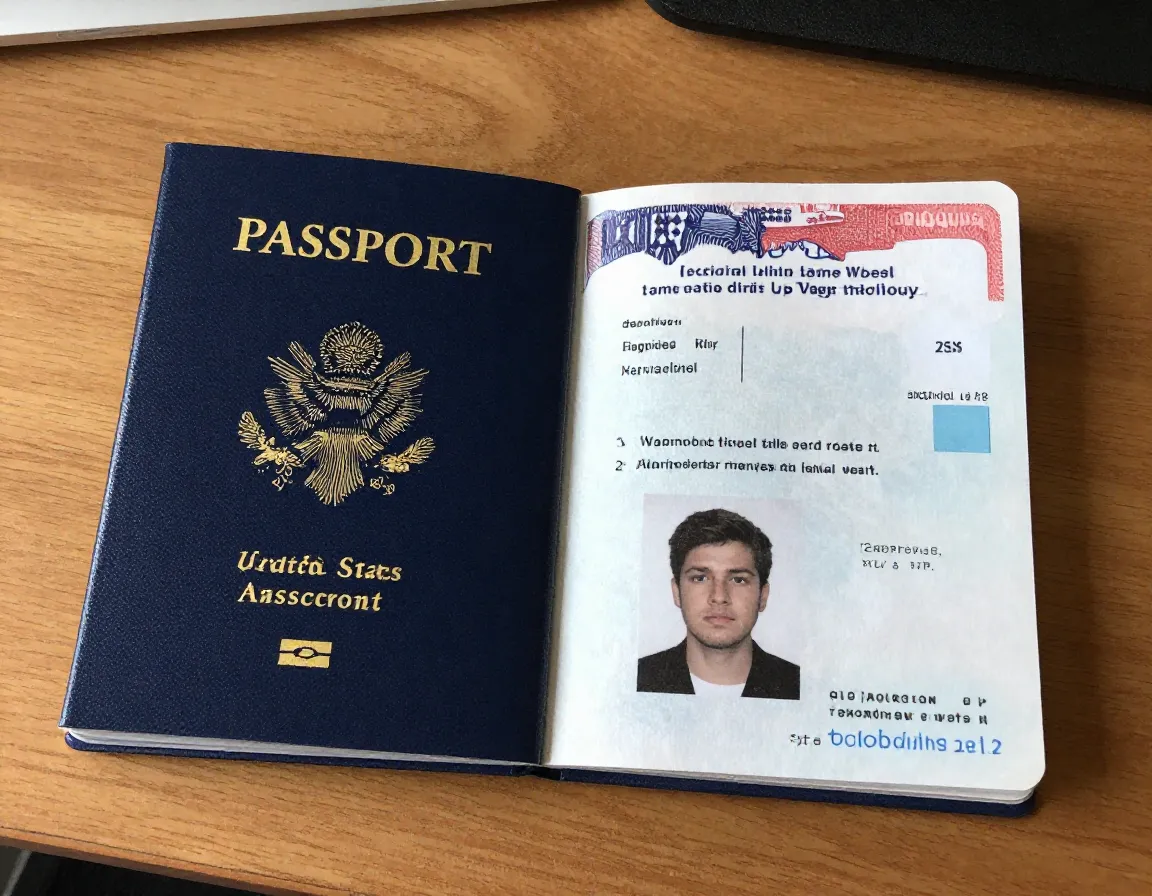
Your passport is the foundation of every international trip. Without it, you simply cannot travel — and no amount of charm or credit cards will fix that at the airport gate [1][2][3].
What to check before you pack:
| Item | What to Verify |
|---|---|
| Expiry date | Must be valid for at least 6 months beyond your travel dates for most countries |
| Visa requirements | Check destination country rules at least 4–6 weeks in advance |
| Physical condition | Damaged or water-stained passports may be rejected |
| Name match | Must match your airline ticket exactly |
For domestic travel, a driver’s license or state ID is usually sufficient — but always confirm with your airline. If you’re traveling internationally, do not assume your passport is valid. Check it today, even if you think it’s fine. Passport renewal times in 2026 can still run several weeks, so plan ahead [2].
📌 Pro tip: Make a color photocopy of your passport’s photo page and store it separately from the original. Also save a digital scan in your email or cloud storage.
2. Phone + Charging Cable + Power Bank
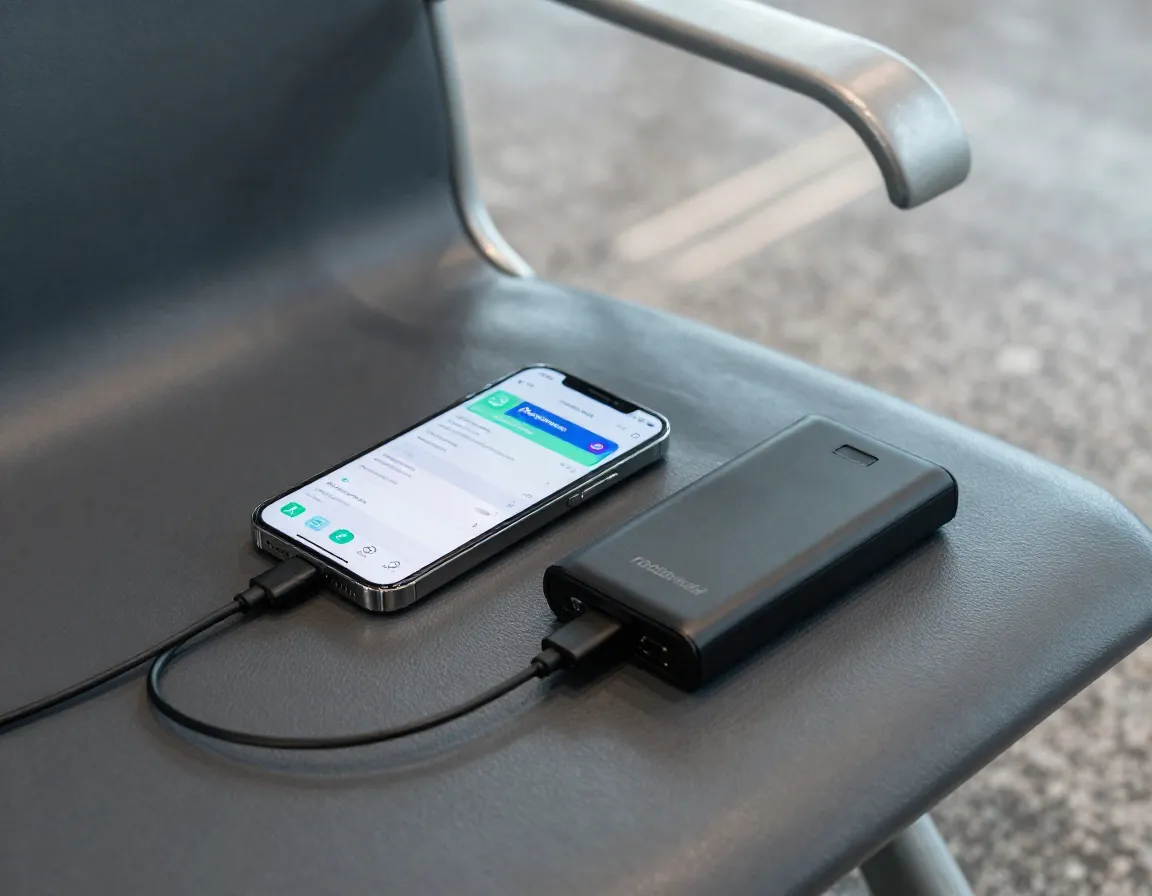
Across virtually every expert travel packing guide, the smartphone-and-charger combo is ranked as the number one most essential item a traveler can carry [1][2][3]. And for good reason — your phone is no longer just a communication device. In 2026, it functions as your:
- 🗺️ GPS and navigation system
- 📷 Camera and video recorder
- 🎫 Digital boarding pass and hotel key
- 💬 Real-time translator
- 🏦 Mobile payment tool
- 📞 Emergency contact device
But a dead phone is useless. That’s why your charging cable and a quality power bank are just as critical as the phone itself. Airlines and airports aren’t always reliable for charging access, and international outlets vary wildly.
Recommended power bank capacity:
- Short trips (1–3 days): 10,000 mAh
- Long trips (4+ days): 20,000 mAh or more
- Always check airline carry-on rules for lithium battery limits
3. Universal Travel Adapter
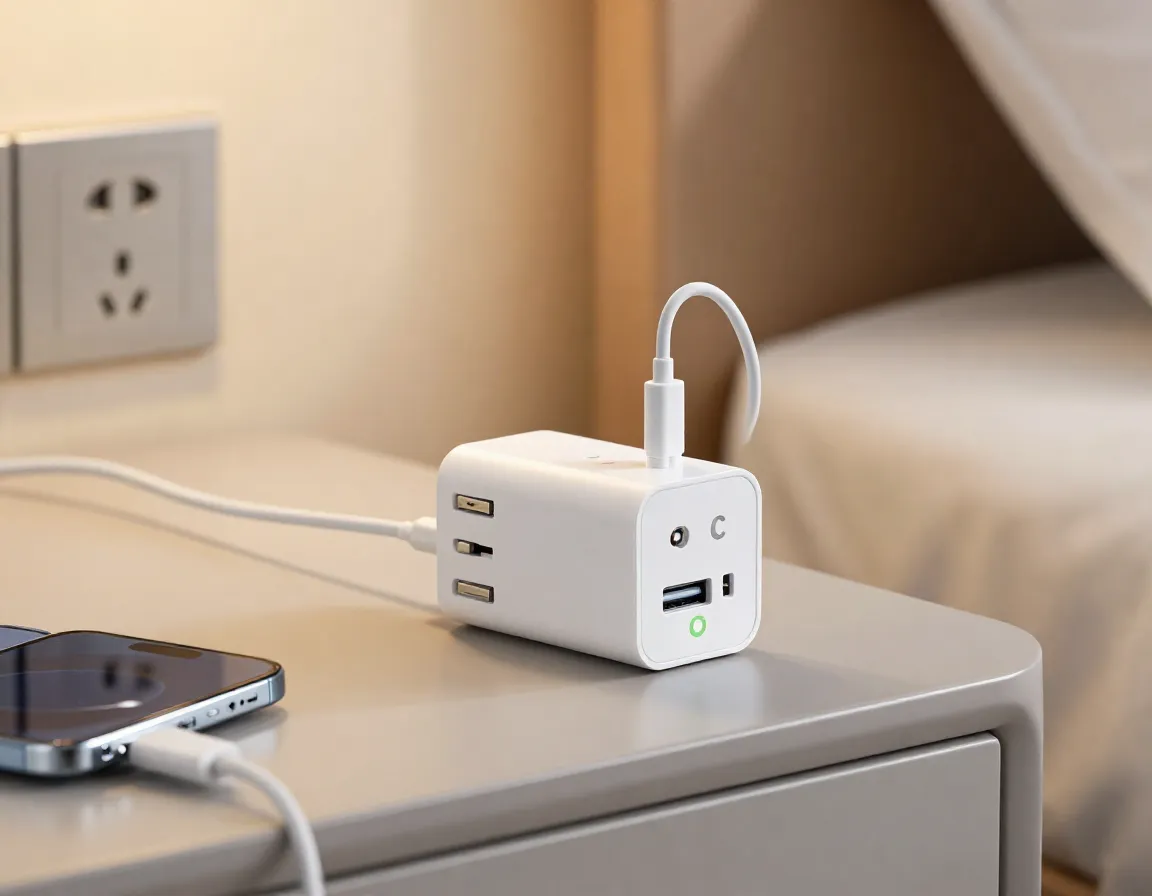
This one is frequently underestimated — until you arrive in a foreign country and realize you can’t plug in a single device [2][3]. Electrical outlets differ dramatically around the world. The UK uses Type G plugs. Europe uses Type C or F. Japan uses Type A. Australia uses Type I. Without the right adapter, your phone, laptop, and camera are all useless.
A universal travel adapter solves this problem in one compact device. Look for one that:
- ✔️ Covers all major plug types (A, B, C, G, I, and more)
- ✔️ Includes USB-A and USB-C ports for simultaneous charging
- ✔️ Has a built-in surge protector
- ✔️ Is compact and lightweight (under 200g is ideal)
“Forgetting a travel adapter is one of the most common — and most avoidable — mistakes international travelers make.” [2]
Note: An adapter changes the plug shape but not the voltage. If you’re traveling with devices that aren’t dual-voltage (100–240V), you’ll also need a voltage converter. Check your device labels before you go.
4. Essential Medications with Prescription Information
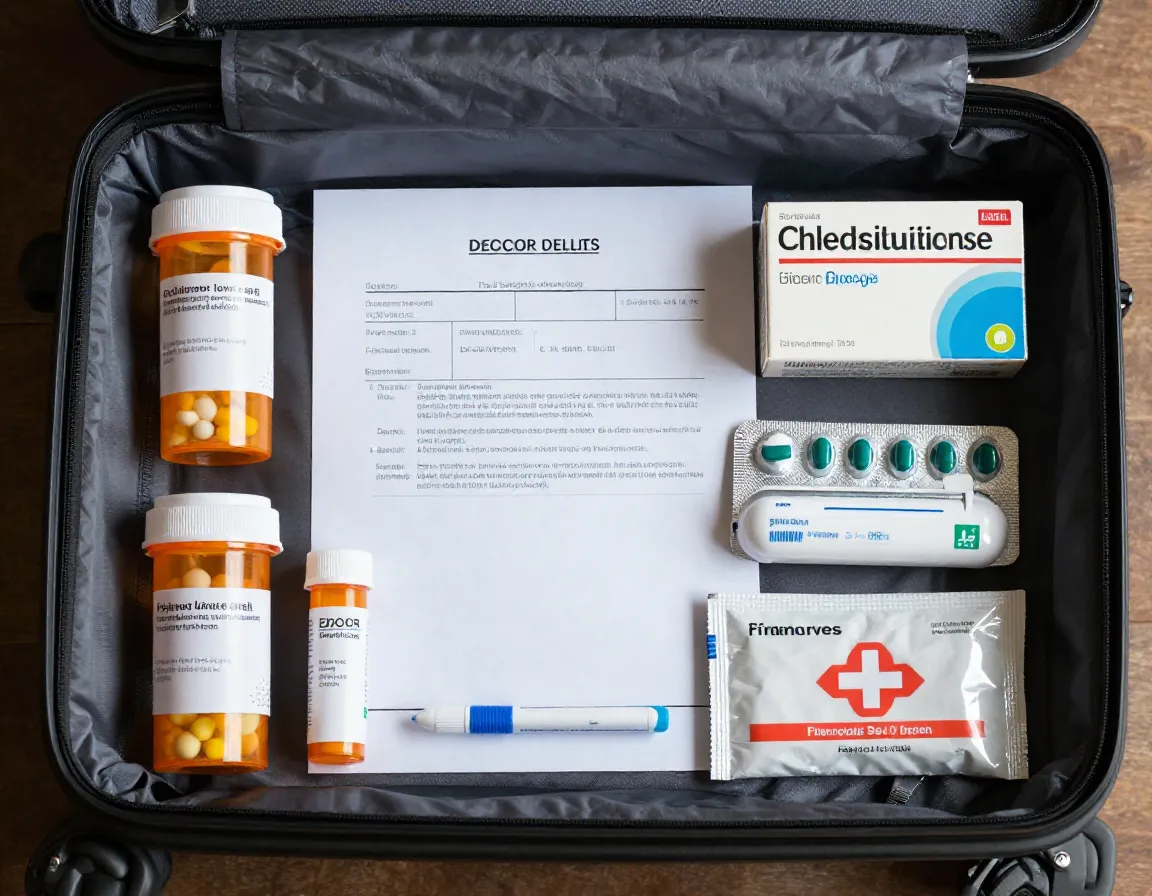
This is the item that can turn a minor inconvenience into a genuine medical emergency if forgotten. Medications — especially prescription drugs — are classified as a carry-on must by travel experts, and for very good reason [2].
Never pack essential medications in checked luggage. Bags get lost, delayed, or damaged. If your medication is in a checked bag that doesn’t arrive, you could be without it for 24–72 hours or longer.
What to bring:
- All prescription medications in original labeled containers
- A printed or digital copy of your prescription
- A letter from your doctor for controlled substances or injectable medications
- Over-the-counter essentials: pain relievers, antacids, antihistamines, motion sickness tablets
- Any medical devices (EpiPens, inhalers, glucose monitors)
📌 Important: Research your destination country’s rules on medications before travel. Some countries restrict certain drugs — including common ones like codeine or certain ADHD medications — that are legal in your home country.
5. Wallet with at Least Two Payment Options
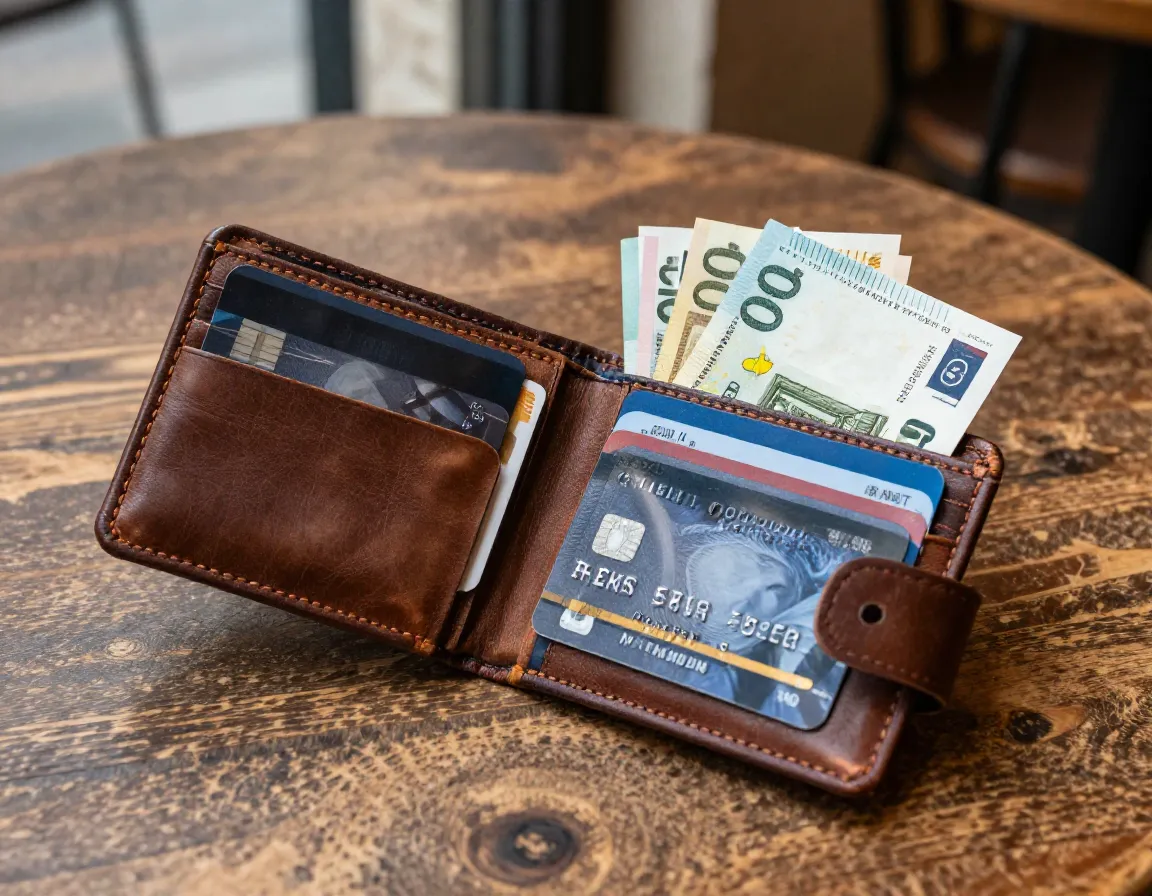
Cash is not always king — but cards aren’t always accepted either. The safest strategy, recommended consistently by travel experts in 2026, is to carry at least two different payment methods whenever you travel [2].
Recommended payment setup:
| Payment Method | Why It Matters |
|---|---|
| Primary debit/credit card | Widely accepted; use a no-foreign-transaction-fee card |
| Backup card (different bank) | In case your primary card is frozen or lost |
| Local cash (small amount) | Essential for taxis, markets, tips, and small vendors |
| Digital wallet (Apple Pay, Google Pay) | Convenient and increasingly accepted worldwide |
Before you travel:
- Notify your bank of your travel dates and destinations
- Know your card’s daily ATM withdrawal limit
- Write down your bank’s international collect call number (not just the 1-800 number, which won’t work abroad)
💡 Smart tip: Keep your backup card and some emergency cash in a separate location from your main wallet — like a hidden travel pouch or your carry-on bag’s inner pocket.
6. One Complete Change of Clothes (in Your Carry-On)
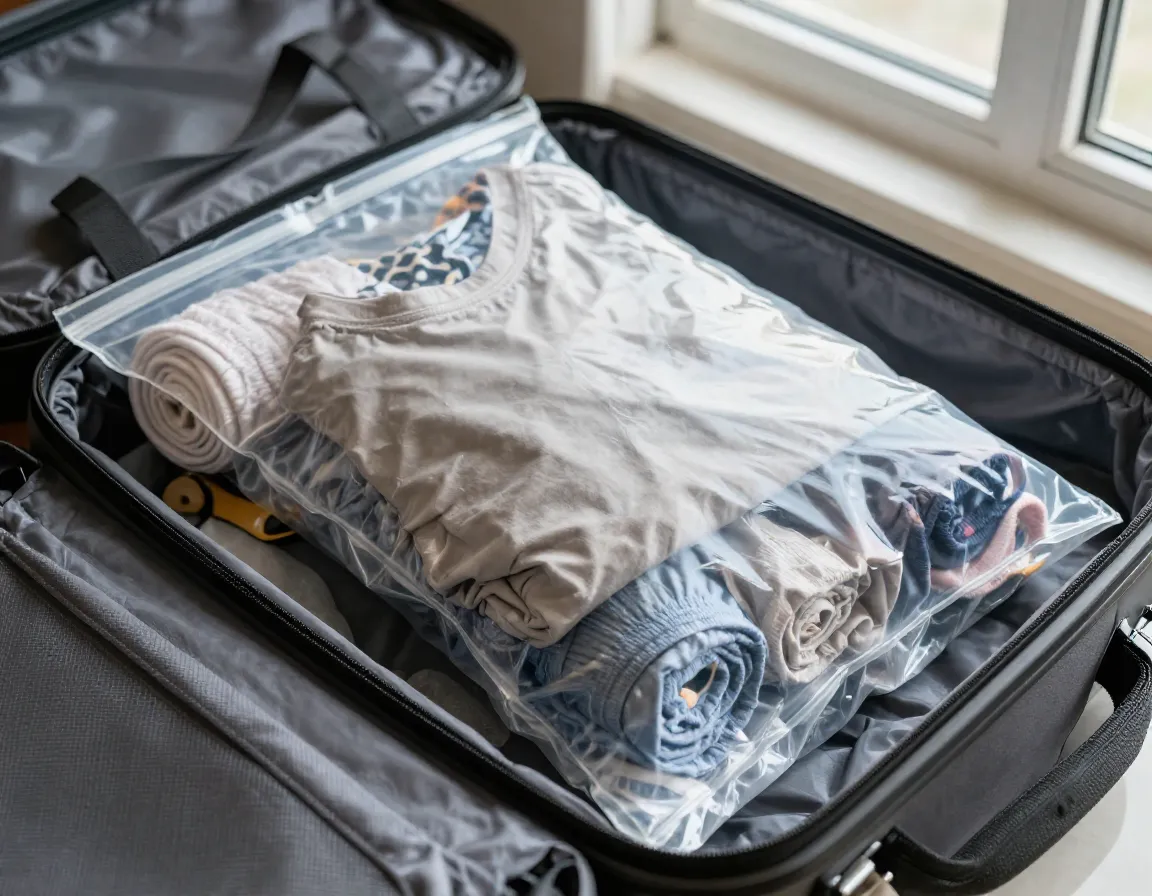
Here’s a scenario that plays out thousands of times every day at airports worldwide: checked luggage is delayed, misrouted, or lost. Airlines report that baggage handling issues affect millions of travelers annually. When it happens to you, having one complete change of clothes in your carry-on can be the difference between a fresh start and a very uncomfortable first day [2].
What “one complete change” should include:
- Clean underwear and socks
- A versatile top (neutral color works for most settings)
- Comfortable bottoms (pants or a dress that can go from casual to semi-formal)
- Light layer or jacket if traveling to a cooler climate
The goal is simple: if your checked bag doesn’t arrive for 24–48 hours, you can still function, attend meetings, explore, or check in to your hotel without feeling like a disaster.
📌 Packing tip: Roll your change of clothes tightly and place it in a small compression bag to save space in your carry-on.
7. Basic Toiletries (Toothbrush, Toothpaste, Deodorant)
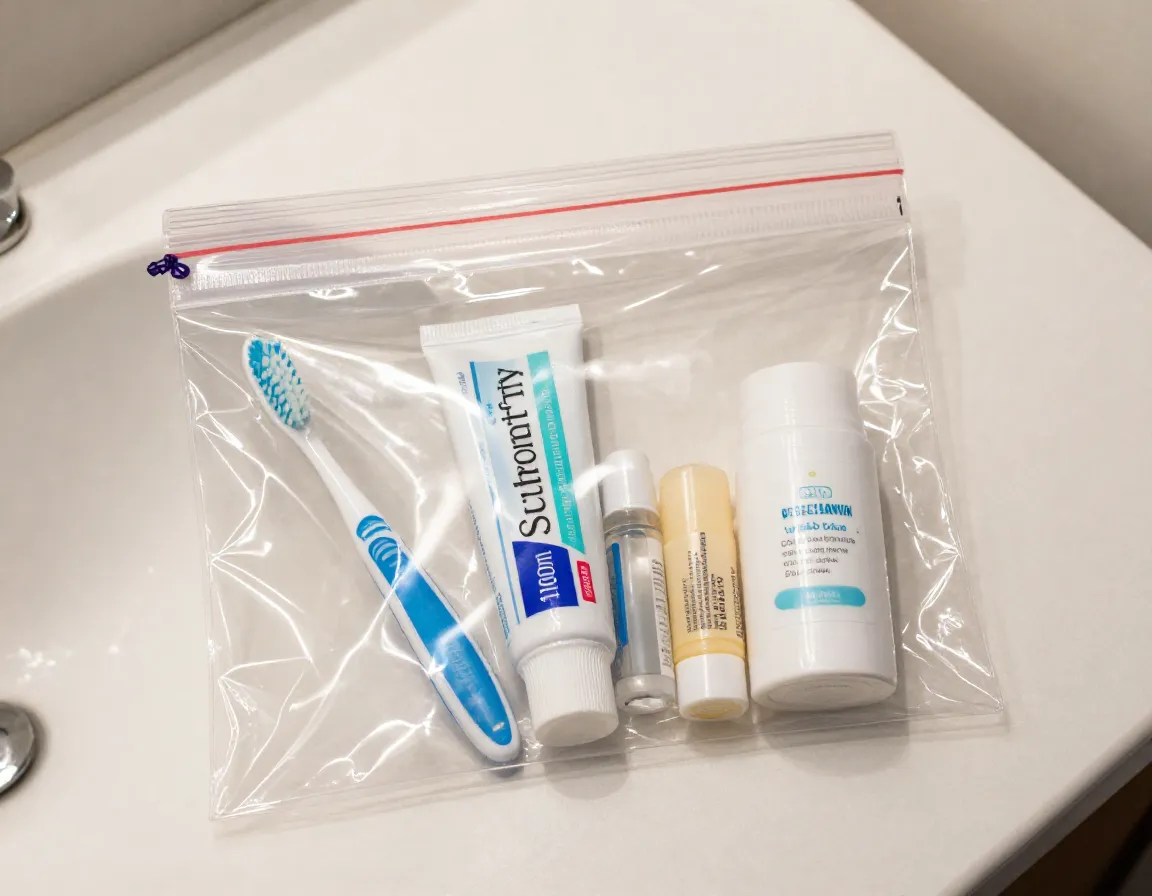
Included in every credible travel packing list for a reason — these three items represent the minimum functional hygiene kit that every traveler needs from the moment they arrive [1][2]. Hotels don’t always provide them. Convenience stores at your destination may be closed when you land. And after a long flight, you’ll want them immediately.
The core carry-on toiletry kit:
- 🦷 Toothbrush (travel-sized or foldable)
- 🦷 Toothpaste (under 100ml/3.4oz for carry-on compliance)
- 🧴 Deodorant (solid stick preferred for carry-on; no liquid restrictions)
- 🧼 Travel-sized face wash or cleansing wipes
- 💊 Lip balm and hand moisturizer (flights are drying)
- 🪒 Razor (if needed; check carry-on rules)
TSA/Airport Liquid Rules Reminder:
All liquids, gels, and aerosols in carry-on bags must be in containers of 100ml (3.4oz) or less, all fitting in a single 1-quart (1-liter) clear zip-top bag. This rule applies in most countries with similar security standards.
8. Travel Documents & Booking Confirmations
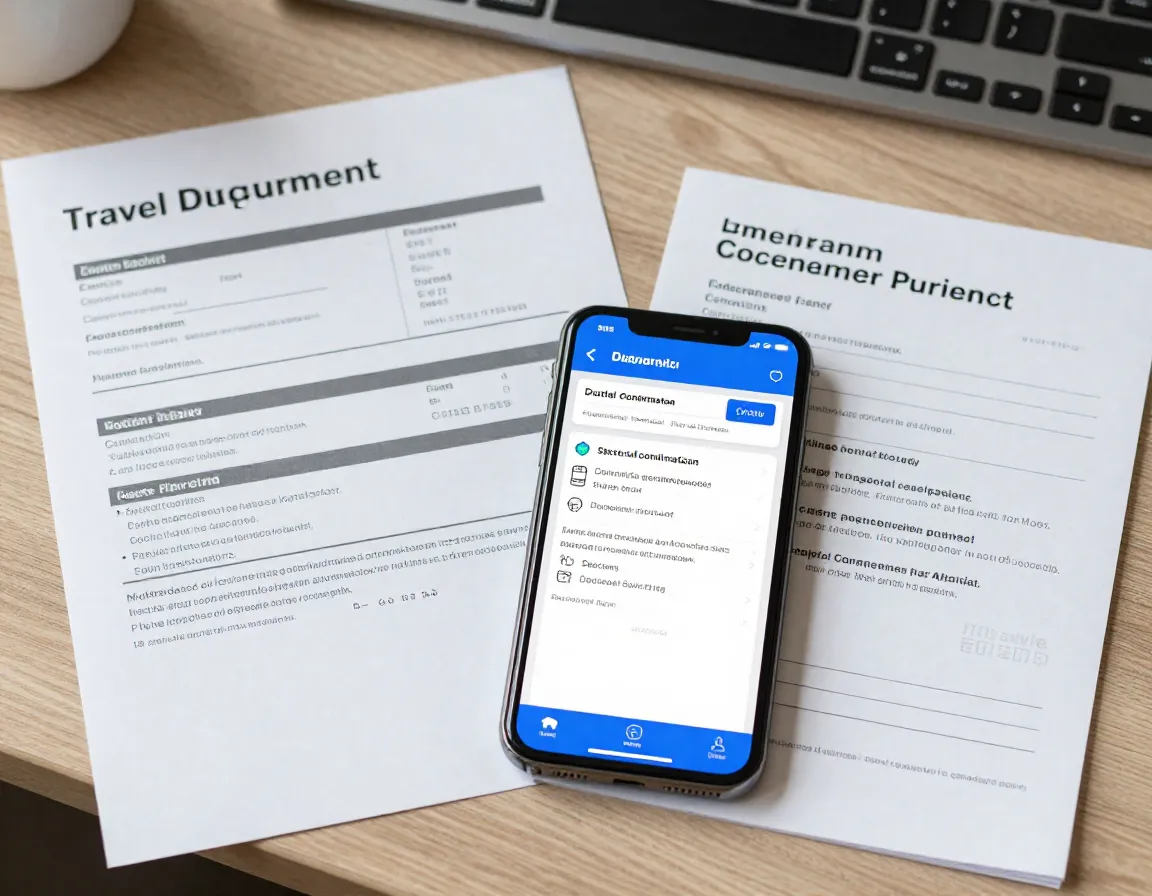
Your passport gets you into the country. Your travel documents get you through every step of the journey — from the airline check-in counter to the hotel front desk to the tour operator’s meeting point [1][2][3].
Essential documents to carry (in both digital AND physical formats):
| Document | Why You Need It |
|---|---|
| Flight confirmation & e-ticket | Required at check-in |
| Hotel booking confirmation | Needed at check-in; some countries require it at immigration |
| Car rental reservation | Required to pick up your vehicle |
| Tour/activity bookings | Avoid disputes or missed reservations |
| Travel itinerary | Helpful for customs declarations |
| Emergency contact list | Critical if your phone dies or is stolen |
| Copies of passport/ID | Backup if originals are lost or stolen |
“Always have both a digital and a physical backup of your key travel documents. Technology fails at the worst possible moments.” [1]
📌 Best practice: Email yourself a single PDF containing all booking confirmations before you leave. Save it to your phone’s offline storage as well. Print a physical copy and keep it in your carry-on.
9. Travel Insurance Details (Policy Number & Emergency Contact)
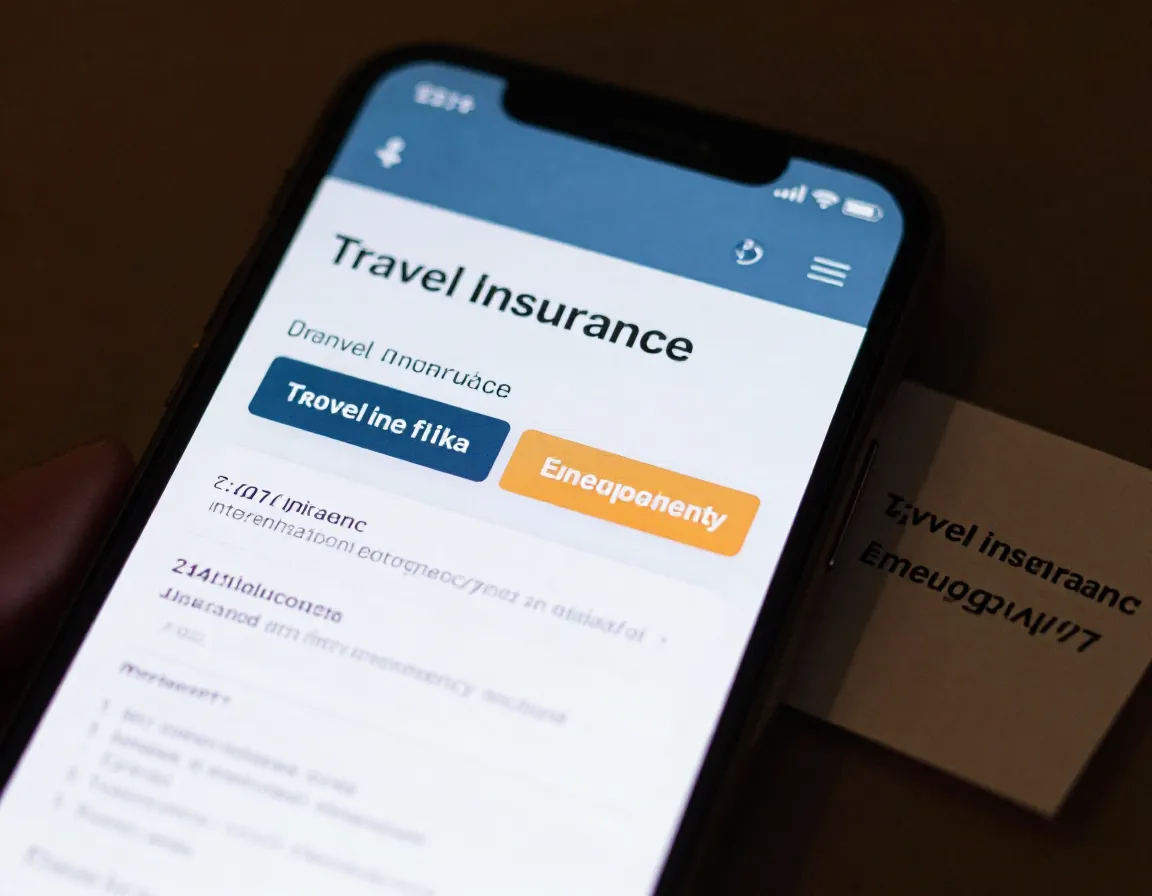
This is the most overlooked item on virtually every traveler’s list — and potentially the most important one in a real emergency [2]. Travel insurance covers trip cancellations, medical emergencies abroad, lost luggage, flight delays, and more. But having the policy means nothing if you can’t access the details when you need them most.
What to record and carry:
- Your policy number
- The insurance company’s 24/7 emergency contact number (international)
- Coverage summary (what’s included and what’s not)
- Claims process overview (what to do if something goes wrong)
- Any pre-authorization requirements for medical treatment
Why it matters in 2026:
Medical costs abroad can be staggering. A single emergency room visit in the United States can cost tens of thousands of dollars for an uninsured international visitor. A medical evacuation flight can cost $50,000 or more. Travel insurance typically costs 4–8% of your total trip cost — a fraction of what a single incident could cost without it.
💡 Action step: Before your next trip, take a screenshot of your policy details and save it to your phone’s photo library AND email it to yourself. Write the emergency number on a piece of paper and keep it in your wallet.
How to Use The Ultimate Travel Items Checklist: 9 Things You Can’t Forget
Now that you know the nine essential items, here’s how to make this checklist work for you every single time you travel.
Build Your Personal Packing System
Step 1: Create a master checklist document (digital or physical) based on the nine items above. Customize it for your specific needs — add your prescription medications, note your travel adapter type, etc.
Step 2: Start packing 48 hours before departure, not the night before. This gives you time to locate missing items, charge devices, and make pharmacy runs if needed.
Step 3: Use the “carry-on first” rule — pack all nine essential items in your carry-on before anything else goes in your checked bag. This ensures your most critical items are always with you.
Step 4: Do a final walkthrough 30 minutes before leaving home. Use your checklist. Check each item physically, not just mentally.
Quick Reference: The 9 Essential Travel Items
| # | Item | Priority Level |
|---|---|---|
| 1 | Passport or Government ID | 🔴 Critical |
| 2 | Phone + Cable + Power Bank | 🔴 Critical |
| 3 | Universal Travel Adapter | 🟠 High |
| 4 | Essential Medications | 🔴 Critical |
| 5 | Wallet with 2+ Payment Options | 🔴 Critical |
| 6 | Change of Clothes (carry-on) | 🟠 High |
| 7 | Basic Toiletries | 🟡 Important |
| 8 | Travel Documents & Confirmations | 🔴 Critical |
| 9 | Travel Insurance Details | 🔴 Critical |
Conclusion: Pack Smart, Travel Confidently
The difference between a stressful trip and a smooth one often comes down to preparation — specifically, whether you’ve packed the right things before you leave home. The Ultimate Travel Items Checklist: 9 Things You Can’t Forget isn’t about overpacking or bringing everything you own. It’s about making sure the nine most critical items are always with you, always accessible, and always ready when you need them.
Here are your actionable next steps before your next trip:
- Check your passport today — verify the expiry date and ensure it meets the 6-month validity rule for your destination.
- Charge your power bank and confirm your universal adapter covers your destination’s plug type.
- Photograph or scan all your travel documents and email them to yourself as a backup.
- Call your bank to notify them of your travel dates and get their international contact number.
- Purchase travel insurance if you haven’t already, and save your policy details in at least two places.
- Pack a change of clothes in your carry-on — your future self will thank you if your checked bag goes missing.
Travel is one of life’s greatest experiences. Don’t let a forgotten item turn your adventure into a headache. Use this checklist every time, and you’ll always be ready. ✈️
References
[1] The Ultimate Vacation Packing List 2026 – https://indieintrepid.com/blog/the-ultimate-vacation-packing-list-2026/
[2] Packing Checklist For Travel The Complete 2026 List – https://www.zetsim.com/blogs/news/packing-checklist-for-travel-the-complete-2026-list
[3] Best Packing List – https://www.outdoorgearlab.com/topics/travel/best-packing-list