The 8-Item Weekend Warrior Packing List for Any Adventure
Picture this: it’s Friday afternoon, your bag is half-packed, and you leave in three hours for a weekend adventure. Do you know exactly what goes in that bag? Most people don’t — and that gap between excitement and preparedness is where trips go sideways. The 8-Item Weekend Warrior Packing List for Any Adventure is the solution I’ve refined through dozens of weekend escapes, and it works whether you’re hitting a mountain trail, pulling into an RV campsite, or diving into a full-on outdoor event.
Disclosure: This post contains affiliate links. As an Amazon Associate, we earn from qualifying purchases, and at no extra cost to you.
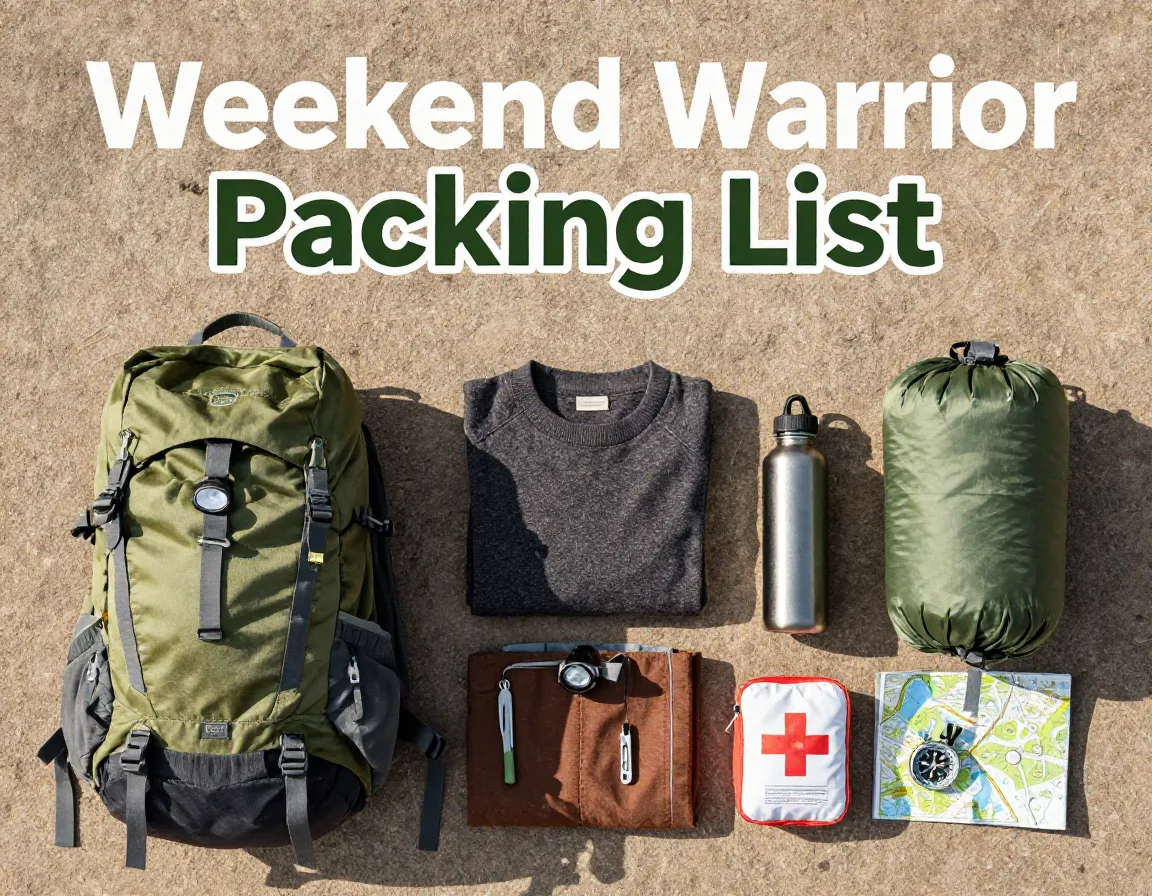
This list strips away the noise. No 47-item spreadsheets. No guesswork. Just eight essential categories — each one pulling serious weight — that cover nearly every scenario a weekend warrior faces. Whether you’re a seasoned traveler or a first-timer, this framework will help you pack smarter, move faster, and enjoy more.
Key Takeaways
- ✅ Eight focused categories cover everything from shelter to safety without overpacking
- ✅ Versatility is the goal — this list adapts to hiking, RV travel, camping, and adventure events
- ✅ Smart layering and multi-use items reduce pack weight while maximizing function
- ✅ Preparation before Friday is the real secret — a staged packing schedule prevents last-minute chaos [2]
- ✅ Customization matters — know your specific adventure type and adjust each category accordingly [3]
Why Every Weekend Warrior Needs a Reliable Packing System
Let’s be honest: most packing fails happen not because people forget big things, but because they never had a system in the first place. A reliable packing framework does three things well. It saves time, reduces stress, and ensures you never show up underprepared.
“The best adventures aren’t the ones where everything goes perfectly — they’re the ones where you were ready for when things didn’t.”
Weekend adventures are short on time and long on variables. Weather shifts. Plans change. Gear fails. A well-structured packing list acts as your safety net, giving you the confidence to adapt without scrambling.
Research from experienced RV travelers shows that the most successful weekend warriors use a multi-day preparation schedule — starting gear checks as early as a week before departure — rather than packing the night before [2]. Similarly, customizable checklists that account for your specific adventure type make a significant difference in how prepared you feel on day one [3].
The framework below is built around eight core items or item categories, each chosen for maximum versatility and real-world utility. Let’s break them down.
The 8-Item Weekend Warrior Packing List for Any Adventure: A Full Breakdown
1. The Right Pack (Your Foundation)
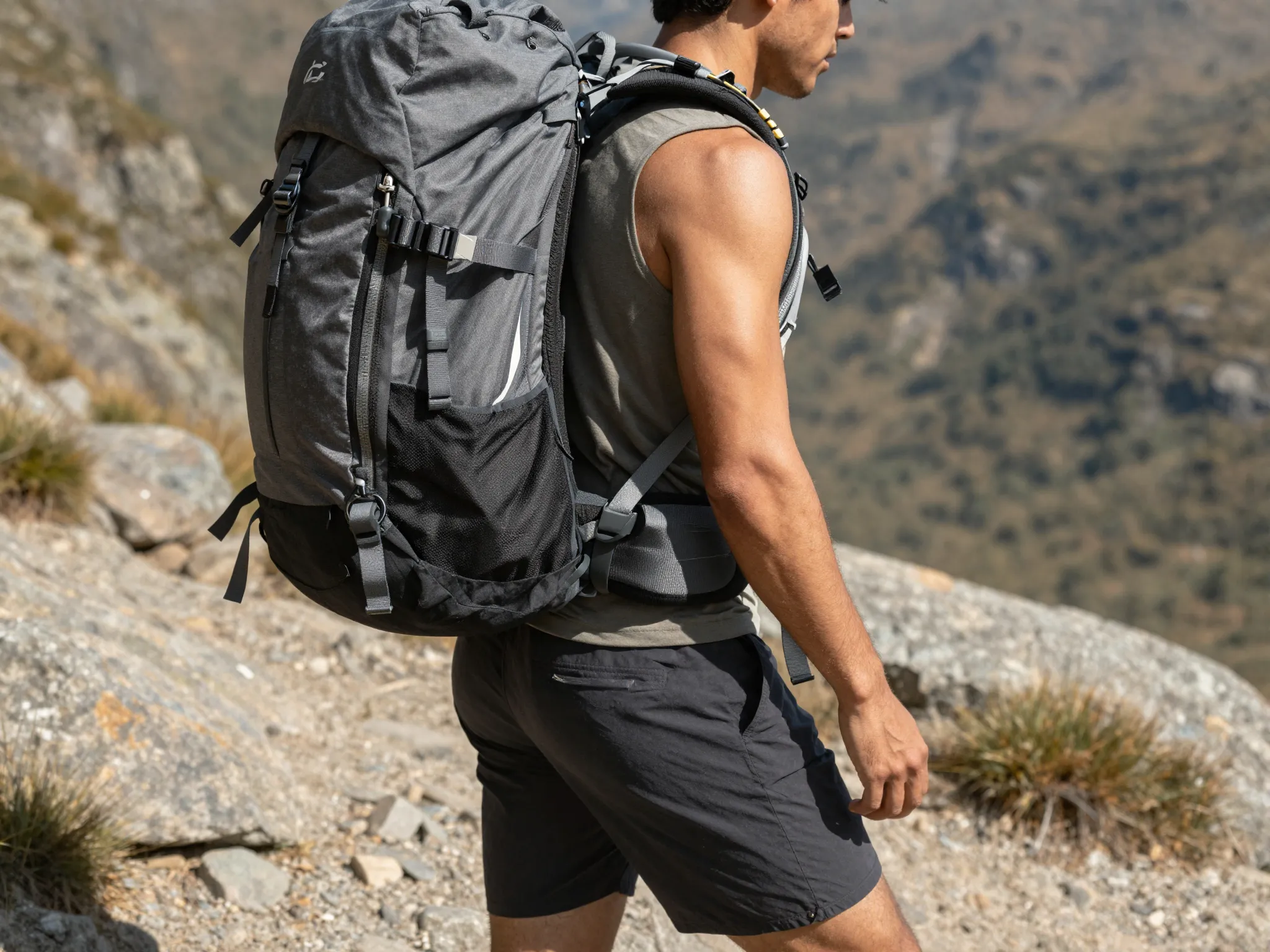
Everything starts here. Your pack isn’t just a bag — it’s the architecture of your entire adventure.
What to look for:
- Volume: 30–45 liters is the sweet spot for most 2–3 day trips
- Weight: Under 2 lbs empty for hiking; weight matters less for RV or car camping
- Organization: Look for dedicated compartments for hydration, tech, and clothing
- Fit: Hip belt support for loads over 20 lbs; torso length matters more than you think
| Adventure Type | Recommended Pack Size | Key Feature |
|---|---|---|
| Trail hiking | 30–40L | Hip belt, hydration sleeve |
| RV/car camping | 40–60L duffel | Waterproof base |
| LARP/events | 20–30L day pack | Easy access pockets |
| Multi-terrain | 40L modular | Removable day pack |
Outdoor gear experts consistently point out that the right pack fit prevents fatigue and injury — two things that can end a weekend trip early [4]. Don’t borrow a pack that doesn’t fit your torso. It’s worth the investment.
Pro tip: Pack your bag completely the night before and sleep on it. You’ll almost always pull something out in the morning.
2. Layered Clothing System (One Outfit Per Day + One Emergency Layer)
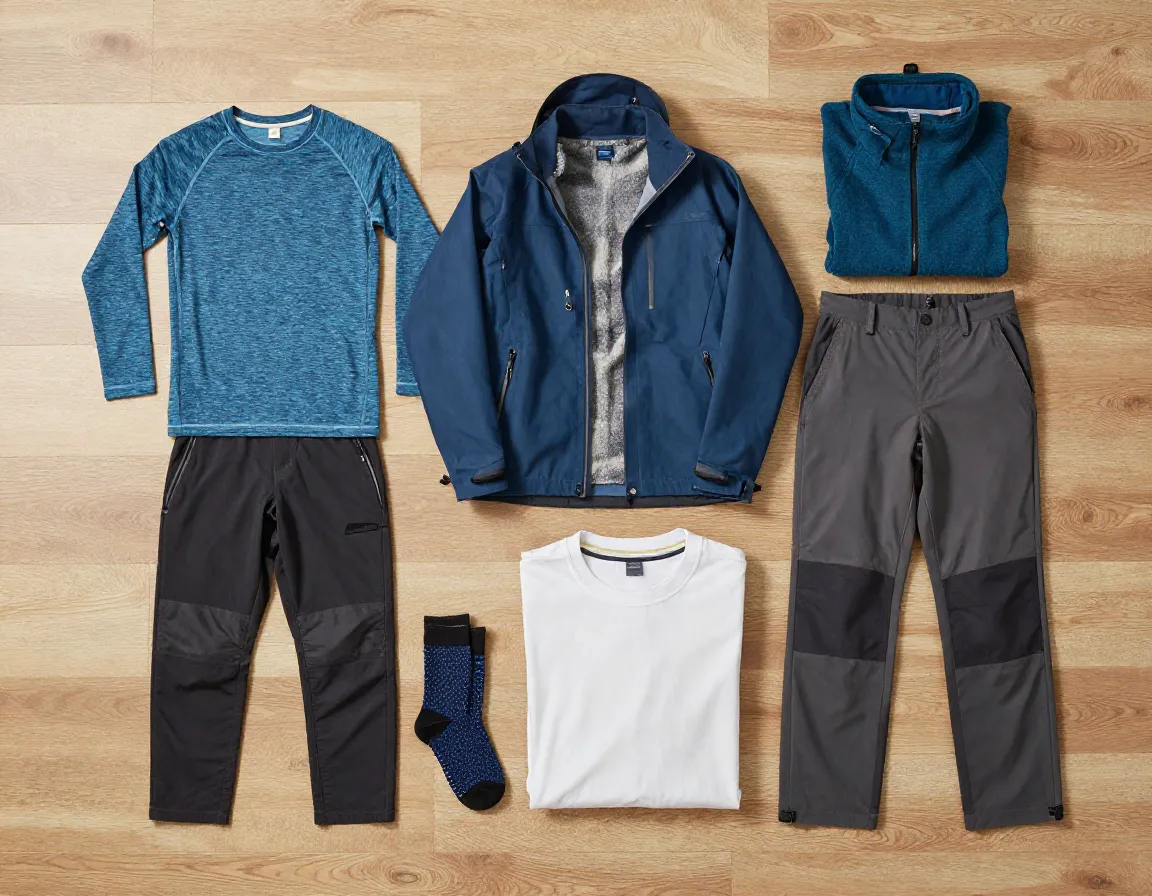
Clothing is where most weekend warriors either overpack or dangerously underpack. The answer is a three-layer system that adapts to conditions.
The Three Layers:
- Base layer — moisture-wicking fabric that pulls sweat away from skin (merino wool or synthetic)
- Mid layer — insulating fleece or down jacket for warmth
- Outer layer — waterproof, windproof shell for weather protection
For a two-night trip, I bring:
- 2 base layer tops (one to wear, one backup)
- 1 mid layer
- 1 outer shell
- 2 pairs of moisture-wicking socks
- 1 pair of trail pants (convertible zip-offs are gold)
- 1 set of camp clothes (lightweight, comfortable)
Adventure events with specific kit requirements — like historical re-enactments or LARP weekends — may add costume layers on top of this functional base [1]. In those cases, pack your functional clothing separately and treat the event kit as its own category.
Bold rule: Never skip the emergency layer. Even summer weekends can drop to near-freezing at altitude or in unexpected rain.
3. Shelter and Sleep System (Your Recovery Station)
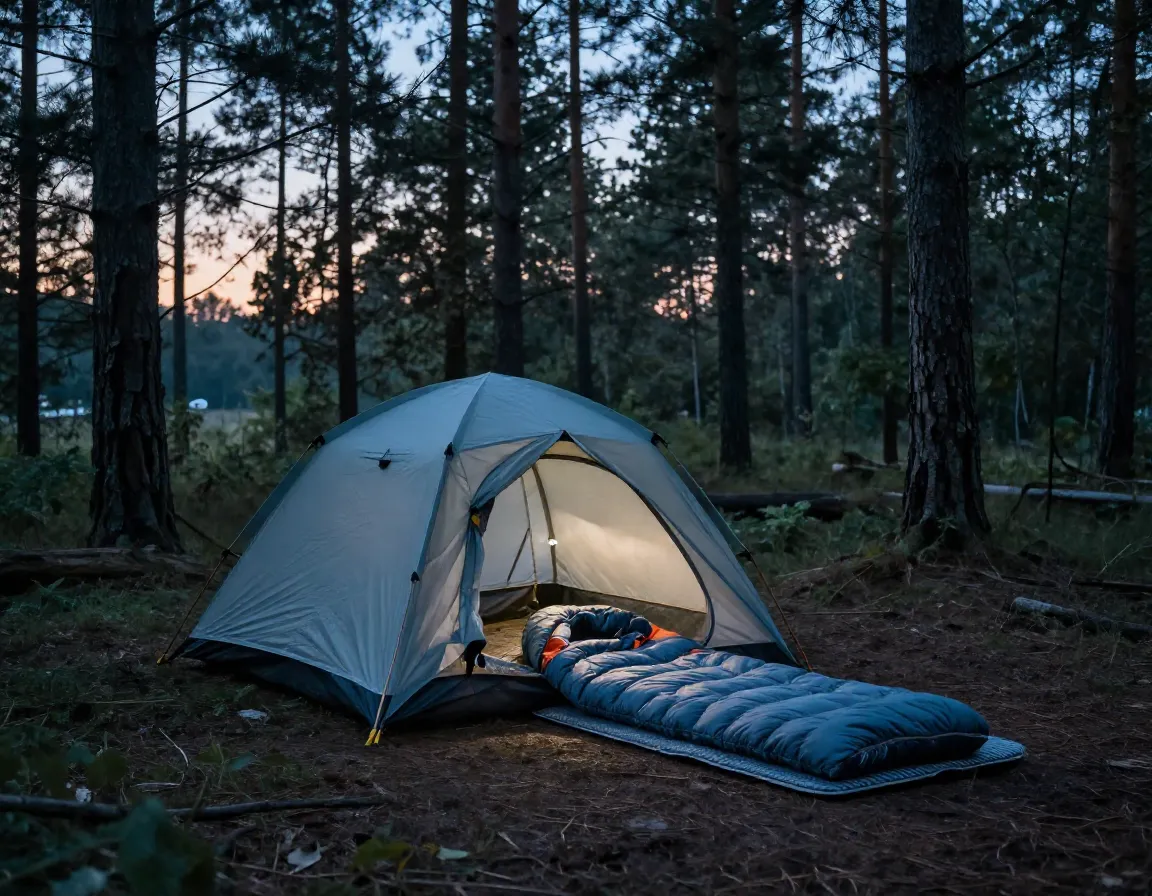
Sleep is performance. If you’re not recovering overnight, you’re not adventuring well the next day.
Your shelter and sleep setup depends heavily on your adventure type:
For tent campers:
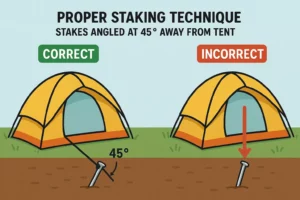
- Lightweight 3-season tent (under 4 lbs for solo, under 6 lbs for two)
- Sleeping bag rated 10°F below the expected low temperature
- Sleeping pad with R-value of at least 2 for summer, 4+ for shoulder seasons
For RV travelers:
- Bedding from home (familiar comfort matters on short trips)
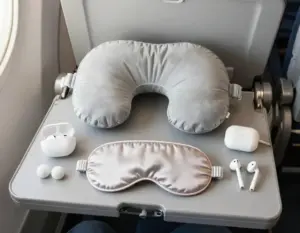
- Blackout curtains or eye mask for campsite light pollution
- White noise app or earplugs for campground noise [2]
For event/LARP participants:
- Check event-specific accommodation rules — some events require period-appropriate sleeping setups [1]
- Bring a modern sleeping bag as an under-layer if period bedding isn’t warm enough
“Your sleep system is the single biggest factor in how good Day 2 feels.”
Weight-saving tip: A quilt instead of a sleeping bag can cut 8–12 oz without sacrificing warmth.
4. Hydration and Nutrition (Fuel for the Long Haul)
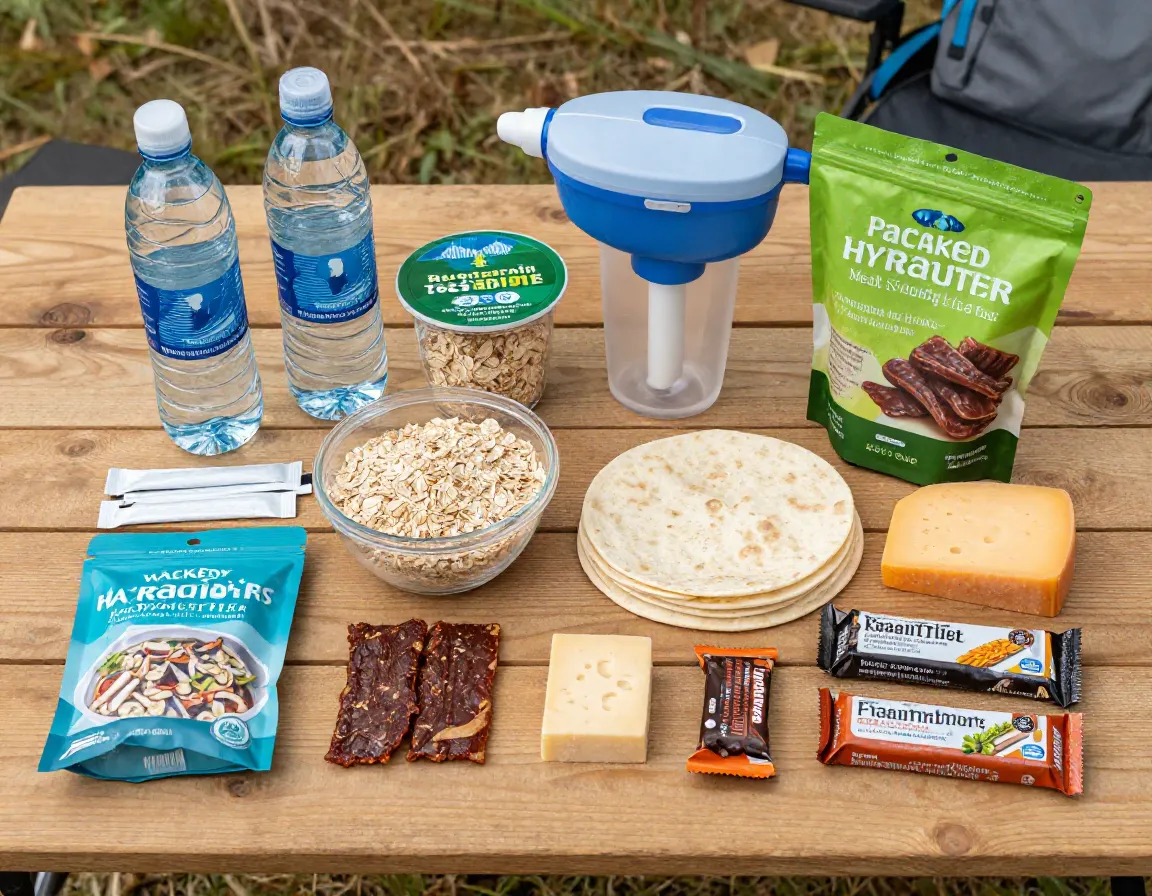
Dehydration and hunger are the two most common reasons weekend adventures get cut short. This category is non-negotiable.
Hydration essentials:
- Water bottle or reservoir: 2–3 liters of capacity minimum
- Portable water filter or purification tablets: Critical for backcountry or uncertain water sources
- Electrolyte packets: Especially important in heat or high-exertion activities
Nutrition strategy for a 2-day trip:
| Meal | Recommended Option | Weight |
|---|---|---|
| Breakfast | Instant oats + nut butter packet | ~4 oz |
| Lunch | Tortillas + jerky + hard cheese | ~8 oz |
| Dinner | Freeze-dried meal or instant rice | ~5–6 oz |
| Snacks | Trail mix, energy bars, dried fruit | ~6 oz/day |
For RV travelers: Stock your RV kitchen with a week’s worth of easy-prep meals before departure, not the morning of [2]. Pre-portioning snacks into daily bags saves time and prevents overeating on the trail.
For events: Many multi-day adventure events have on-site catering, but always bring a personal snack stash and a full water bottle [1]. Event lines for food can be long, and low blood sugar kills enthusiasm fast.
5. Navigation and Communication Tools (Know Where You Are)
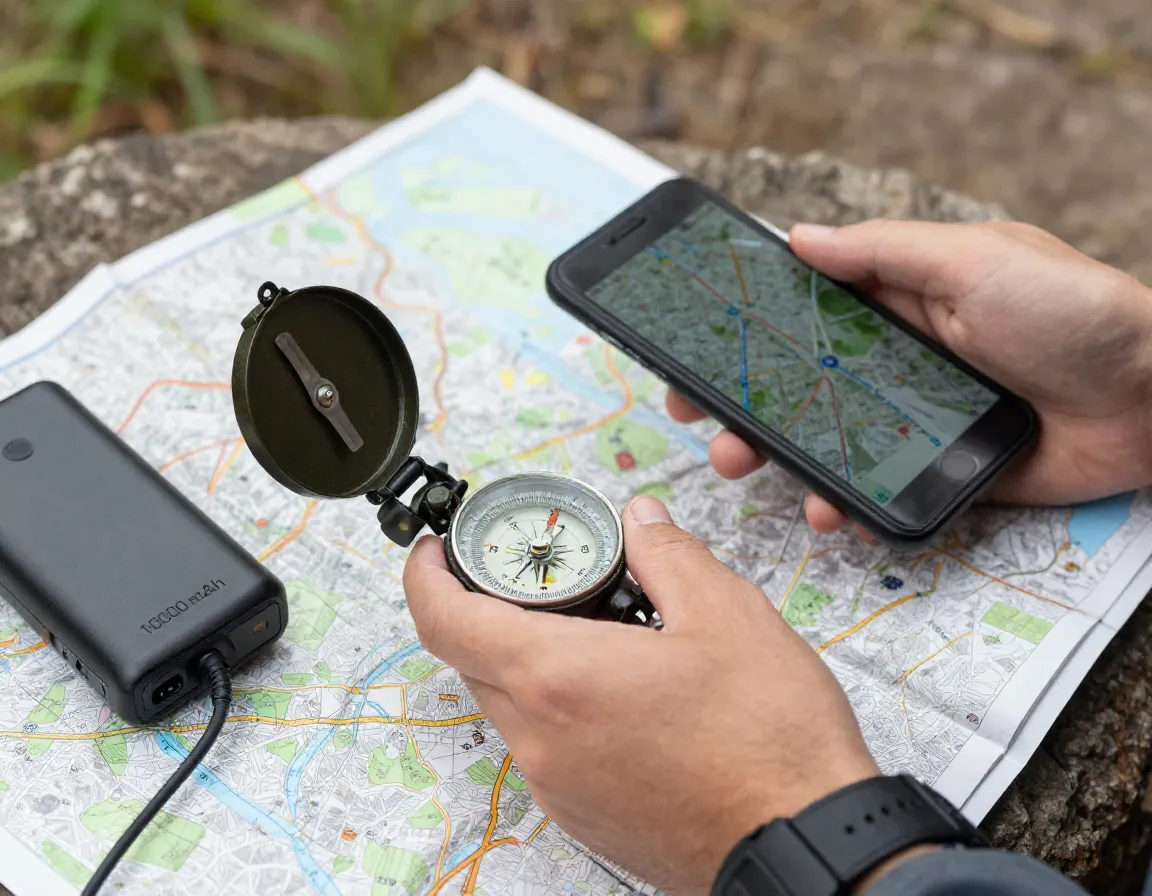
In 2026, it’s tempting to rely entirely on your phone for navigation. Don’t. Batteries die. Signals drop. Screens crack.
The smart navigator’s kit:
- Offline maps downloaded to your phone (AllTrails, Gaia GPS, or Google Maps offline)
- Paper map of the area — waterproof if possible
- Compass — know how to use it before you need it
- Fully charged power bank (10,000 mAh minimum for a weekend)
- Emergency communication device (Garmin inReach or similar for remote trips)
For RV travelers: A dedicated GPS unit with RV-specific routing (accounting for height, weight, and length restrictions) is worth every penny [2].
For events: Save the event’s address, emergency contacts, and schedule offline before you arrive. Cell service at rural event sites is often unreliable [1].
Bold reminder: Always tell someone your itinerary and expected return time. This isn’t optional — it’s the most important safety habit you can build.
6. First Aid and Emergency Kit (Your Non-Negotiable Safety Net)

This is the item most weekend warriors pack last and think about least. That’s backwards. Your first aid kit should be the first thing you assemble and the last thing you pull from your bag.
Core first aid kit contents:
- Adhesive bandages (assorted sizes)
- Blister treatment (moleskin or gel pads)
- Antiseptic wipes and antibiotic ointment
- Medical tape and gauze
- Pain reliever (ibuprofen or acetaminophen)
- Antihistamine (for allergic reactions)
- Personal prescription medications (with extra supply)
- Emergency whistle
- Mylar emergency blanket
- Nitrile gloves (2 pairs minimum)
Weight-conscious tip: Pre-built kits like the Adventure Medical Kits Ultralight/Watertight series weigh under 6 oz and cover most weekend scenarios.
For adventure events with physical activities — combat re-enactment, obstacle courses, or similar — blister care and muscle pain relief become especially critical [1]. Pack double the blister supplies you think you’ll need.
“A first aid kit you never open is the best investment you’ll ever make.”
7. Multi-Use Tools and Lighting (Do More With Less)
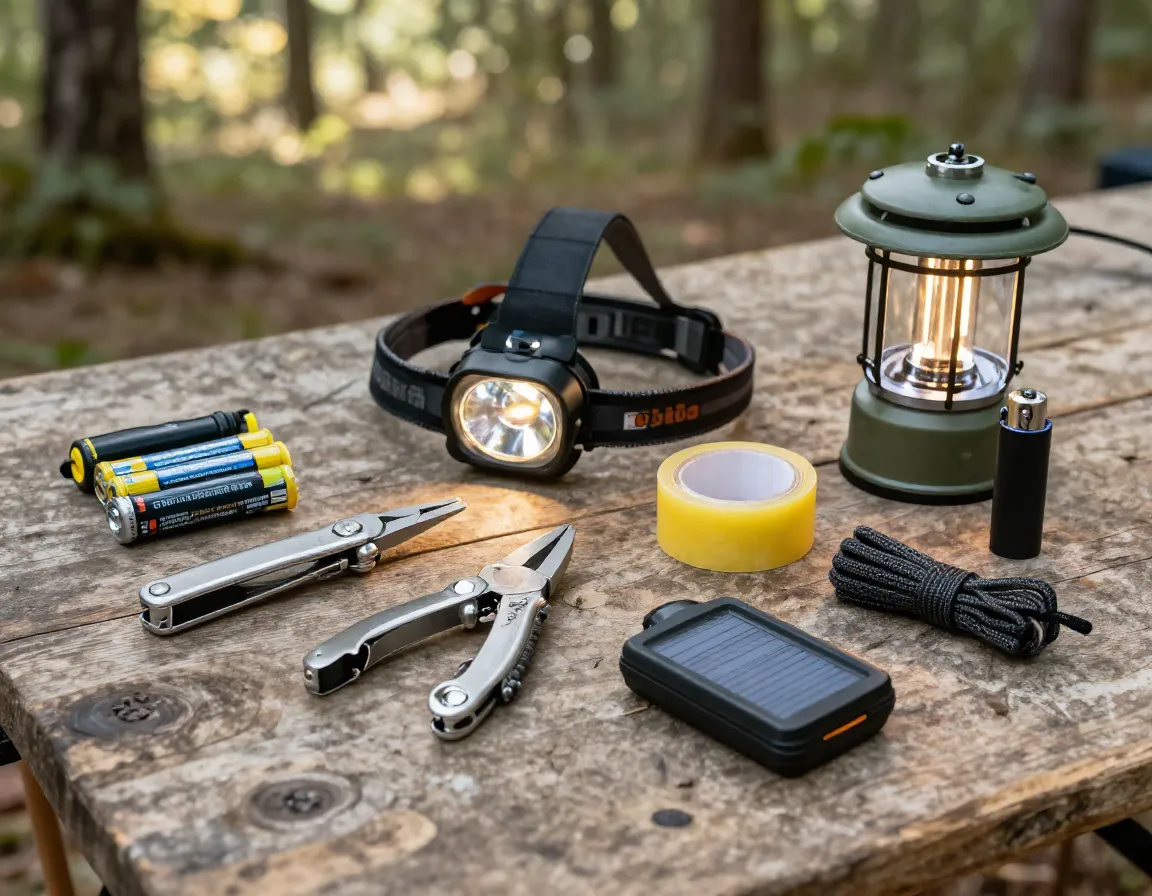
The weekend warrior philosophy is built on efficiency. Every item in your pack should justify its weight — ideally by serving more than one purpose.
The essential multi-use toolkit:
- Multi-tool or Swiss Army knife: Pliers, blade, screwdriver, bottle opener — one tool, a dozen uses
- Headlamp with fresh batteries: Hands-free lighting for camp tasks, night hikes, and emergencies (bring a spare set of batteries)
- Duct tape (small roll): Gear repair, blister prevention, tent pole splinting — genuinely infinite uses
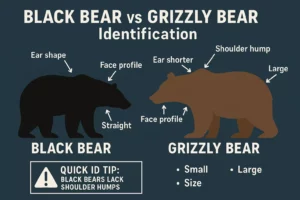
- Paracord (25–50 feet): Clothesline, bear hang, shelter rigging, emergency lashing
- Lighter and waterproof matches: Fire starting in any condition
- Compact lantern: Solar or battery-powered for campsite ambiance and group lighting
For RV travelers: A headlamp is still essential even with RV lighting — for hookup connections, under-vehicle checks, and campsite navigation at night [2].
Gear selection tip from outdoor experts: Prioritize items with multiple verified functions over single-purpose gadgets. A good multi-tool replaces six separate items [4].
8. Personal Comfort and Hygiene Essentials (The Items That Make or Break Morale)
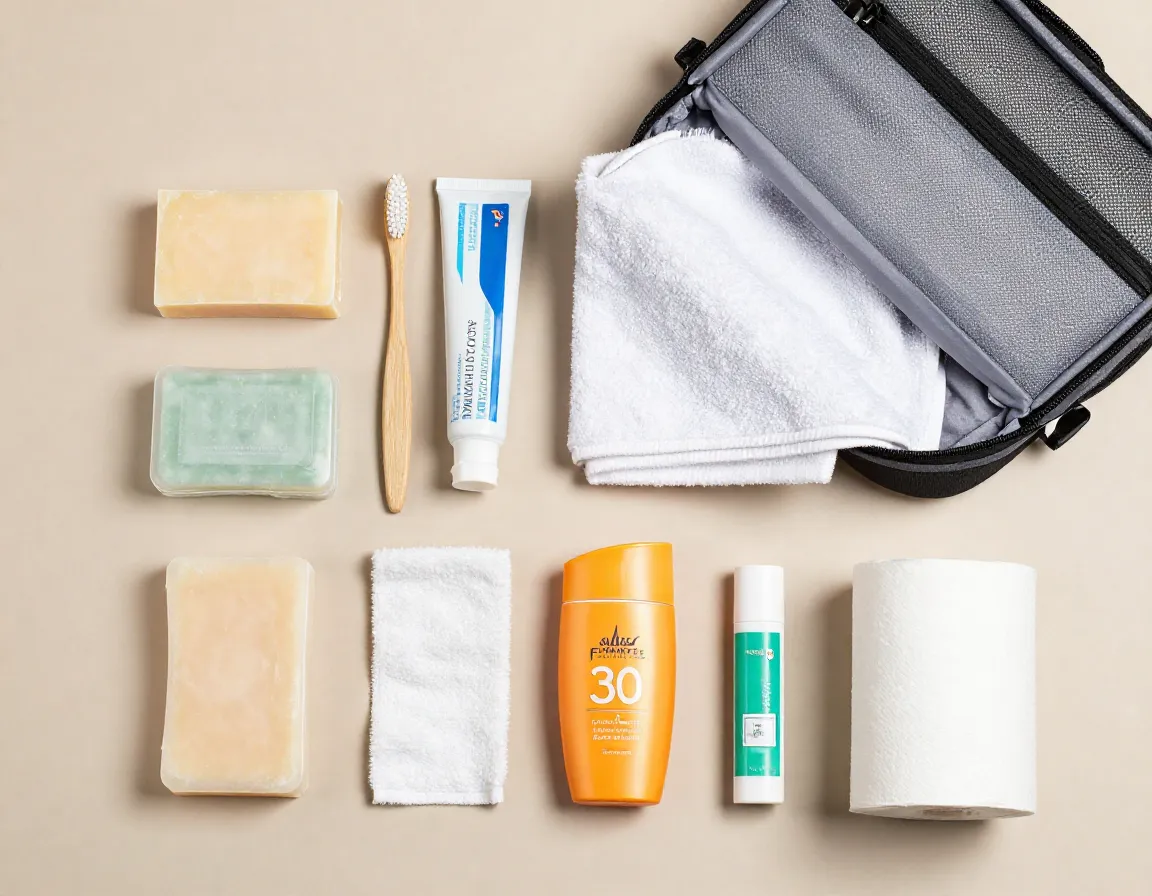
Here’s the truth no one talks about: morale is a survival skill. When you’re tired, dirty, and uncomfortable, your decision-making suffers. The right personal comfort items keep your spirits — and your group’s spirits — high.
The weekend warrior hygiene kit:
- Biodegradable soap (works for body, hair, and dishes)
- Toothbrush and travel toothpaste
- Microfiber towel (dries in 30 minutes, packs to fist-size)
- Sunscreen (SPF 30+ minimum)
- Insect repellent (DEET or picaridin-based)
- Lip balm with SPF
- Hand sanitizer
- Toilet paper + waste bags (Leave No Trace)
- Personal medications and supplements
Bonus comfort items worth the weight:
- Lightweight camp chair or sit pad
- Earplugs (campgrounds and event sites can be loud)
- A small journal or book for downtime
For customizable RV packing, many experienced travelers keep a permanent “comfort bin” stocked in their rig so these items never need to be repacked from scratch [3]. It’s a brilliant system worth adopting even for tent campers — a dedicated toiletry bag that stays packed between trips.
How to Use The 8-Item Weekend Warrior Packing List for Any Adventure
Having the list is step one. Using it effectively is step two. Here’s a practical timeline that top weekend warriors follow:
7 Days Before Departure
- Review the 8 categories against your specific adventure type
- Order or locate any missing gear
- Check weather forecasts for your destination
3–4 Days Before
- Wash and prepare clothing layers
- Charge all electronics and power banks
- Assemble your first aid kit and check expiration dates on medications [2]
1–2 Days Before
- Pack your bag completely
- Weigh it — aim for under 20% of your body weight for hiking trips
- Lay out anything that needs to stay accessible (snacks, ID, car keys)
Morning of Departure
- Final check against your 8-category list
- Add perishable food items
- Confirm navigation tools are loaded and offline maps are downloaded
Customization reminder: Your adventure type shapes every category. An RV weekend looks different from a backcountry overnight, which looks different from a LARP event [1][3]. Use these 8 categories as your framework, then fill each one based on your specific context.
Common Packing Mistakes Weekend Warriors Make
Even experienced adventurers fall into these traps:
- Overpacking clothing — three pairs of jeans for a two-night trip is never the answer
- Skipping the sleep system audit — a sleeping bag rated for 50°F won’t save you at 35°F
- Forgetting offline navigation — cell service is not a navigation strategy
- Packing a first aid kit they’ve never opened — know what’s in it and how to use it
- Ignoring the comfort category — morale matters more than most people admit
- Leaving gear checks to the last hour — discover problems early, not in the parking lot [2]
Conclusion: Pack Smart, Adventure More
The 8-Item Weekend Warrior Packing List for Any Adventure isn’t about minimalism for its own sake. It’s about intentionality — knowing exactly what you’re carrying and why every item earns its place in your pack.
Here’s your action plan:
- Save or print this list and keep it somewhere accessible (your notes app, a laminated card in your pack, your RV’s junk drawer)
- Audit your current gear against each of the 8 categories this week — identify gaps before your next trip
- Build your permanent toiletry and first aid kits so they’re always ready to grab and go
- Start your pre-trip checklist 7 days out, not the night before
- Customize for your adventure type — the framework is universal, but the specifics are yours
Whether you’re chasing mountain summits, rolling into a campsite in your RV, or suiting up for a weekend event, this list has your back. The best adventures start with the right preparation — and now you have it. 🎒
References
[1] Packing List – https://www.weekendwarriorexperience.com/packing-list
[2] Weekend Warrior Packing Checklist For Rvers – https://www.winnebago.com/lifestyle/winnebagolife/travel/weekend-warrior-packing-checklist-for-rvers
[3] Checklist – https://www.keepyourdaydream.com/checklist/
[4] Best Packing List – https://www.outdoorgearlab.com/topics/travel/best-packing-list