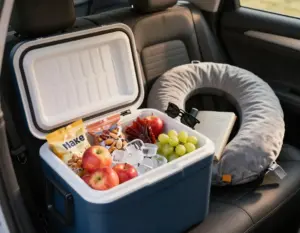
9 Camping Essentials: The Ultimate Packing List for Any Terrain
Imagine arriving at your campsite after a three-hour drive, only to realize you forgot your sleeping pad — and the ground is nothing but jagged rock. It happens more often than you’d think. Whether you’re a weekend warrior or a seasoned backcountry explorer, packing smart is the difference between a trip you’ll brag about and one you’ll spend shivering in your car. This guide to 9 Camping Essentials: The Ultimate Packing List for Any Terrain covers everything you need to feel confident, comfortable, and safe — no matter where the trail takes you in 2026.
Disclosure: This post contains affiliate links. As an Amazon Associate, we earn from qualifying purchases, and at no extra cost to you.
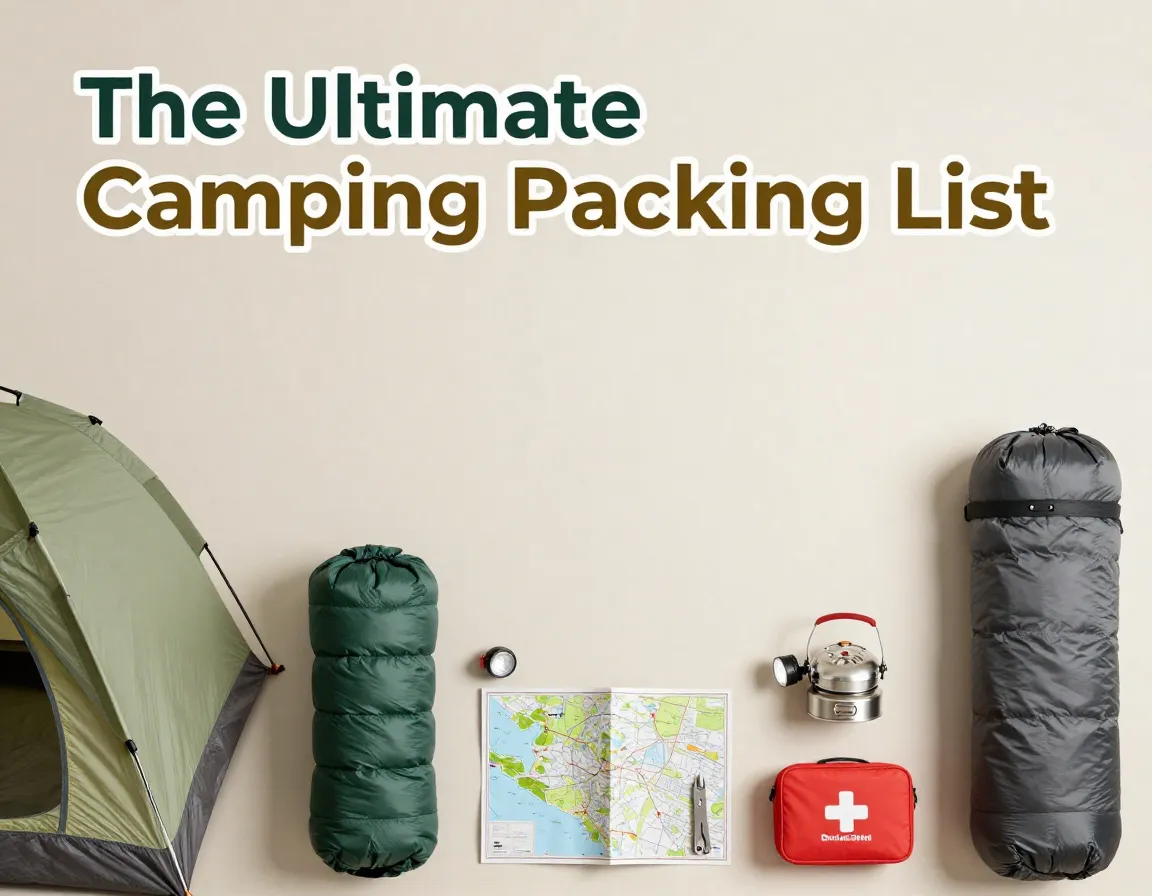
Key Takeaways
- 🏕️ Shelter and sleep are your top priorities — never skip a quality tent, sleeping bag, and sleeping pad.
- 🍳 A functional camp kitchen keeps your energy up and your trip enjoyable, especially on multi-day adventures.
- 🧥 Layered clothing is the secret weapon for handling unpredictable weather on any terrain.
- 🧭 Navigation and safety gear can save your life — a headlamp, first aid kit, and map are non-negotiable.
- ✅ Using a structured packing checklist based on the 9 camping essentials framework helps you pack smarter and lighter every time.
Why Every Camper Needs a Reliable Packing System
Most camping mistakes don’t happen on the trail. They happen in the driveway. You’re rushing, you’re excited, and you grab what looks right — only to discover gaps once you’re miles from the nearest store. A reliable packing system built around the 9 Camping Essentials: The Ultimate Packing List for Any Terrain framework eliminates guesswork and builds confidence.
Outdoor experts consistently agree: the best campers aren’t the ones with the most expensive gear. They’re the ones who know exactly what they need and why they need it [1][2]. This list is organized by category so you can check off each section before you leave — and actually enjoy the trip once you arrive.
💬 “Preparation is the foundation of every great outdoor adventure. The right gear doesn’t just make camping comfortable — it makes it safe.”
The 9 Camping Essentials: The Ultimate Packing List for Any Terrain
Let’s break down each essential in detail. Every item here has been cross-referenced across leading outdoor gear authorities to ensure you’re getting the most complete and practical guidance possible [1][2][3][4].
1. Shelter: Your Home Away From Home
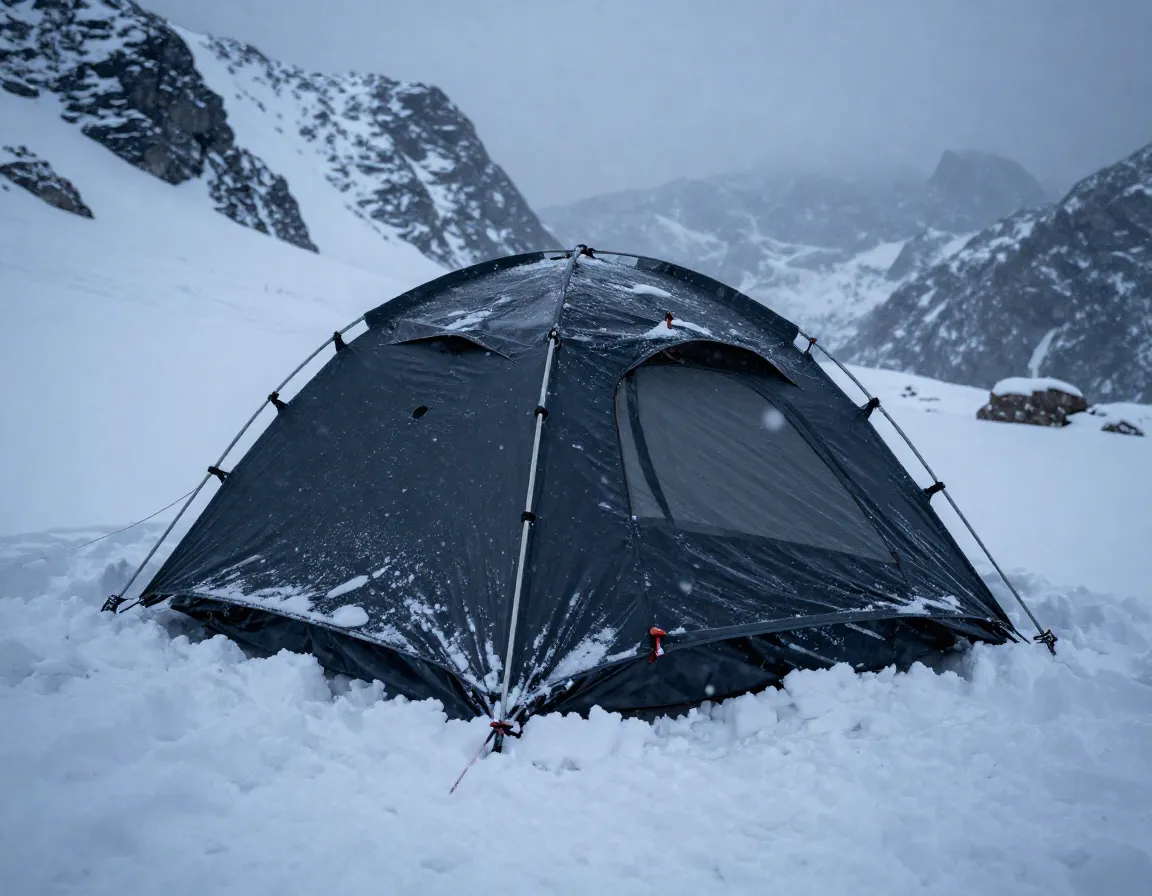
Your tent is your first line of defense against the elements.
A proper shelter setup includes:
- A tent with a full rainfly and stakes rated for your expected conditions
- Footprint or ground cloth to protect the tent floor
- Guy lines and extra stakes for windy terrain
When choosing a tent, match it to your terrain. A three-season tent works well for most conditions, but alpine or winter camping demands a four-season model with stronger poles and a lower profile. Always set up your tent at home first — you don’t want to discover a missing pole in the dark [3].
| Terrain Type | Recommended Tent Style |
|---|---|
| Frontcountry/Campground | Cabin or dome tent |
| Backpacking | Ultralight single or double-wall |
| Alpine/Winter | Four-season mountaineering tent |
| Desert | Lightweight with good ventilation |
Pro Tip: Practice your tent setup before every trip. A dry run at home takes 10 minutes and can save hours of frustration in the field.
2. Sleep System: Rest Is Non-Negotiable
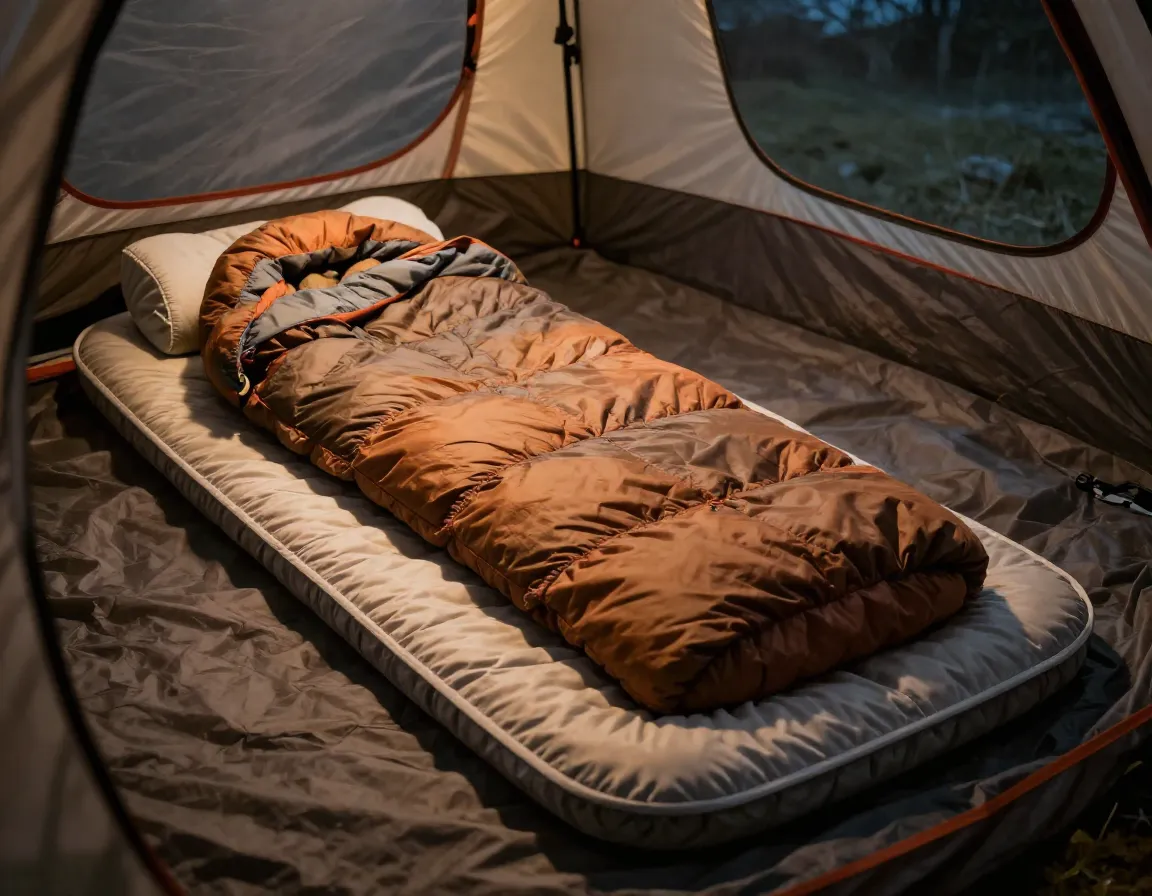
No sleep means no energy, and no energy means poor decisions in the backcountry. Your sleep system is arguably the most personal part of your camping kit [1][2].
A complete sleep system includes:
- Sleeping bag rated at least 10°F below the lowest expected nighttime temperature
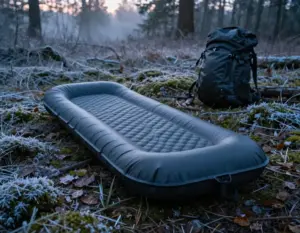
- Sleeping pad (insulated foam or inflatable) with an R-value appropriate for the season
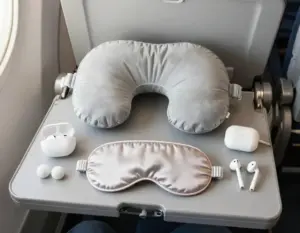
- Camping pillow (compressible or inflatable) for neck support
Down vs. Synthetic Sleeping Bags:
- Down fill is lighter and more compressible but loses insulation when wet
- Synthetic fill performs better in damp conditions and is easier to care for
Sleeping pads are often underestimated. They don’t just add comfort — they block cold ground from stealing your body heat. Look for an R-value of at least 2 for summer camping and 4+ for shoulder-season or cold-weather trips [4].
3. Camp Kitchen: Fuel Your Adventure
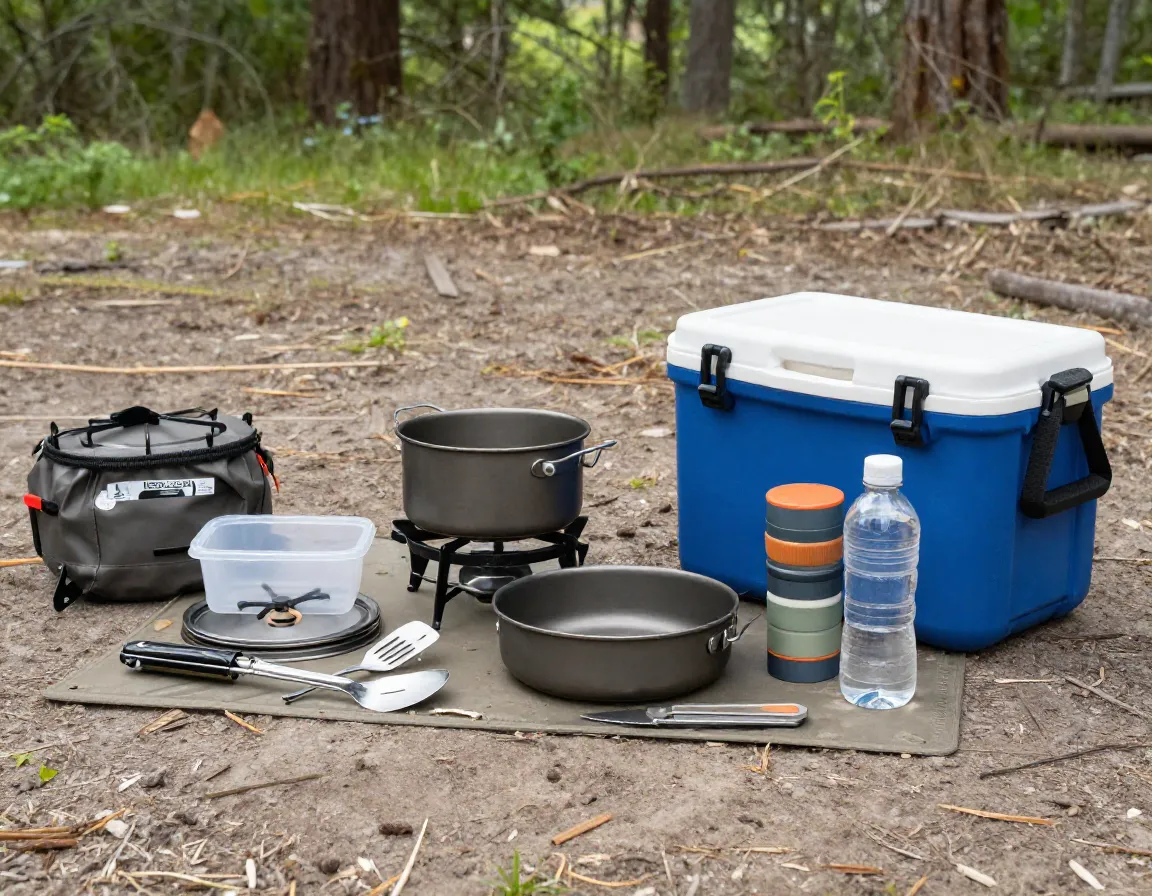
A hungry camper is a miserable camper. Your camp kitchen setup directly impacts your energy, mood, and overall experience — especially on longer trips [1][4].
Core camp kitchen essentials:
- Camp stove (canister, liquid fuel, or wood-burning) with enough fuel for your trip length
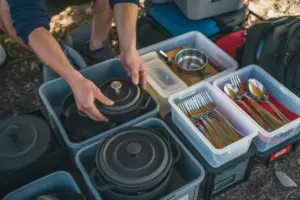
- Cookware set (pot, pan, lid that doubles as a plate)
- Utensils: spork, spatula, camp knife, cutting board
- Cooler with ice or a dry bag for food storage
- Water containers: collapsible bottles, hydration reservoir, or hard-sided jugs
- Biodegradable soap and a camp sponge for cleanup
Stove Type Comparison:
| Stove Type | Best For | Fuel Efficiency |
|---|---|---|
| Canister stove | Backpacking, 3-season | High |
| Liquid fuel stove | Cold weather, international | Very High |
| Wood-burning stove | Ultralight, where fires allowed | Variable |
| Propane camp stove | Car camping, family trips | Moderate |
🔥 Meal planning tip: Pre-measure and bag your ingredients at home. It saves time, reduces waste, and keeps your cooler organized.
4. Clothing Layers: Dress for the Terrain, Not the Forecast
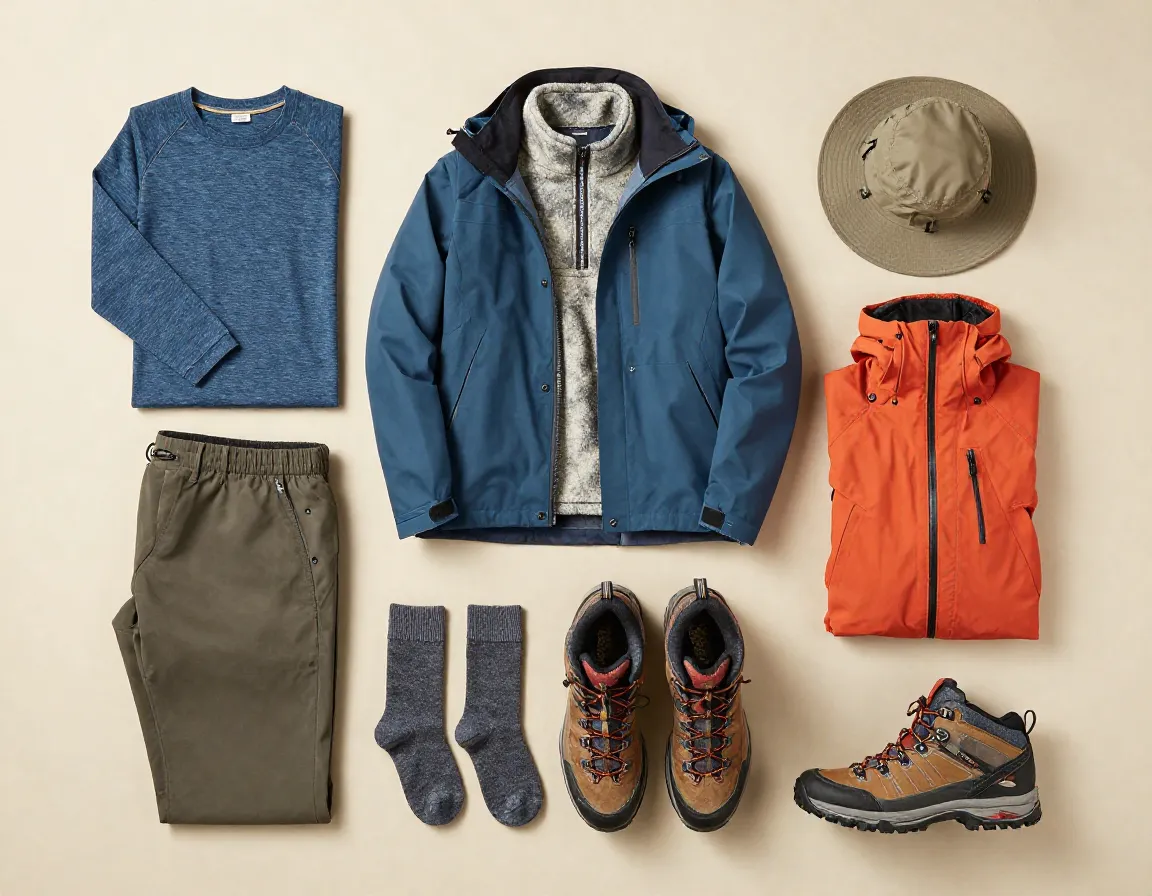
Weather in the outdoors changes fast. A sunny morning can turn into a cold, wet afternoon — especially in mountain or coastal environments. The layering system is the most effective way to regulate body temperature across any terrain [2][4].
The three-layer system:
- Base layer — Moisture-wicking fabric (merino wool or synthetic) that pulls sweat away from your skin
- Mid layer — Insulating fleece or down jacket that traps body heat
- Outer layer — Waterproof and windproof shell that blocks rain, wind, and snow
Essential clothing checklist:
- Moisture-wicking t-shirts and long sleeves
- Insulating jacket or fleece
- Waterproof rain jacket and rain pants
- Hiking pants or convertible pants
- Wool or synthetic hiking socks (bring extras!)
- Waterproof hiking boots or trail runners
- Sun hat and warm beanie
- Gloves (even in summer for high elevations)
💬 “Cotton kills in the backcountry. When it gets wet, it stays wet — and it pulls heat away from your body. Always choose wool or synthetic fabrics.”
5. Navigation Tools: Know Where You Are
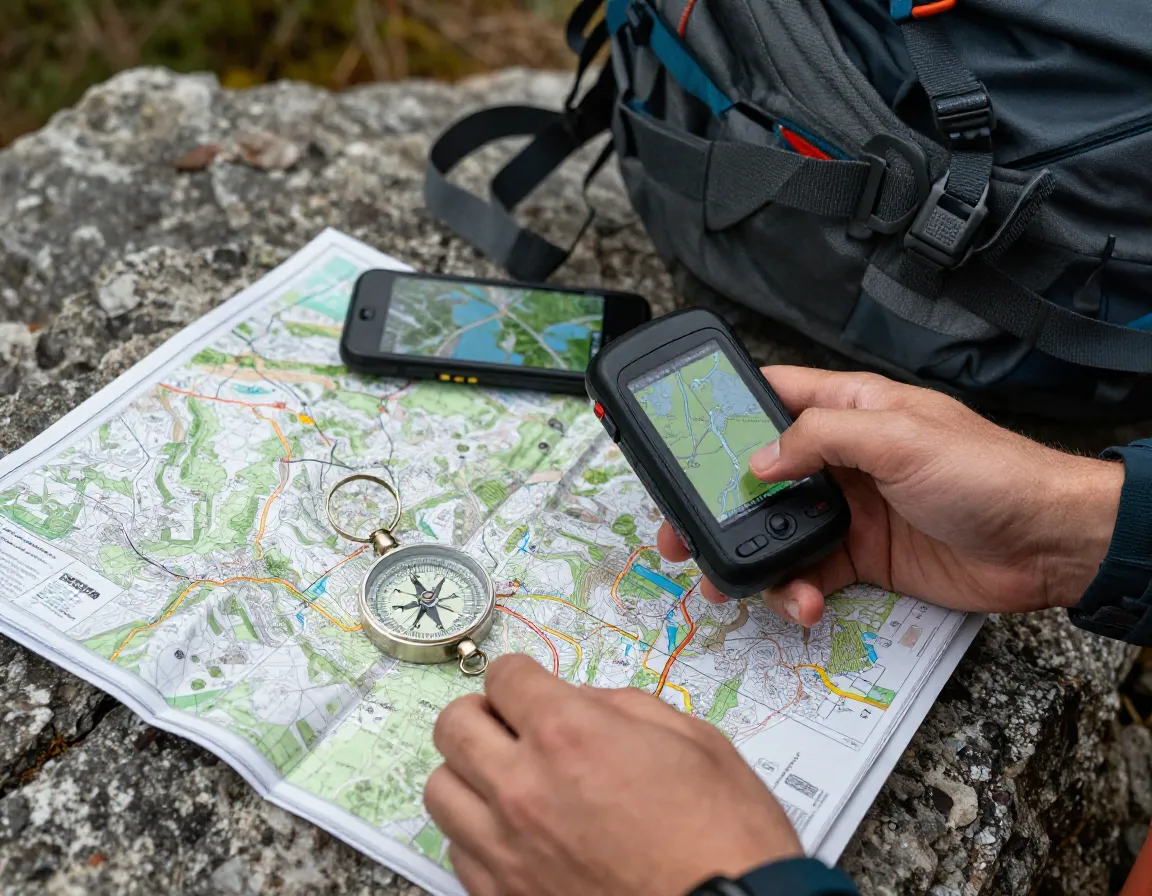
Getting lost is more common than most campers admit. Even on well-marked trails, weather, darkness, or trail erosion can make navigation challenging. Reliable navigation tools are a core part of the 9 camping essentials packing list [2][3].
Navigation essentials:
- Topographic map of your specific area (downloaded offline or printed)
- Compass (learn to use it before you go)
- GPS device or smartphone app (Gaia GPS, AllTrails) with offline maps downloaded
- Trail guide or permit information
📍 Key rule: Never rely solely on your phone. Batteries die, screens crack, and cell service disappears. Always carry a physical map and compass as a backup.
6. Lighting: See in the Dark, Stay Safe
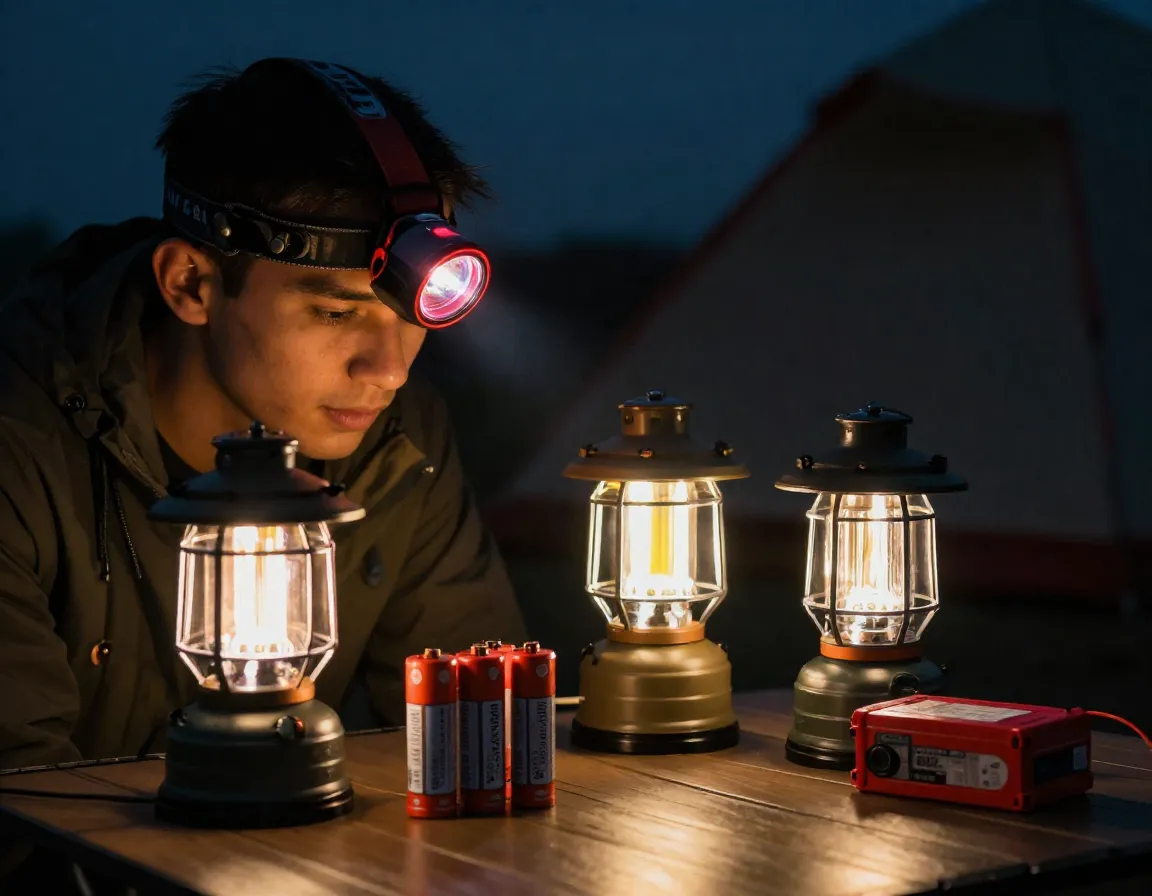
Darkness falls fast in the wilderness, and fumbling around a campsite without light is both frustrating and dangerous. Proper lighting is a simple essential that’s easy to overlook [2][3].
Lighting must-haves:
- Headlamp with fresh batteries (or rechargeable with a backup battery pack)
- Lantern for ambient camp light (LED is preferred for battery life)
- Extra batteries or a solar charger
🔦 Headlamp features to look for:
- Red light mode (preserves night vision)
- At least 200 lumens for trail use
- Water resistance rating (IPX4 or higher)
- Adjustable brightness
Headlamps are universally recommended across all major camping checklists for good reason — they keep your hands free while you cook, set up camp, or navigate a midnight bathroom break [3][4].
7. First Aid & Safety: Be Prepared for the Unexpected
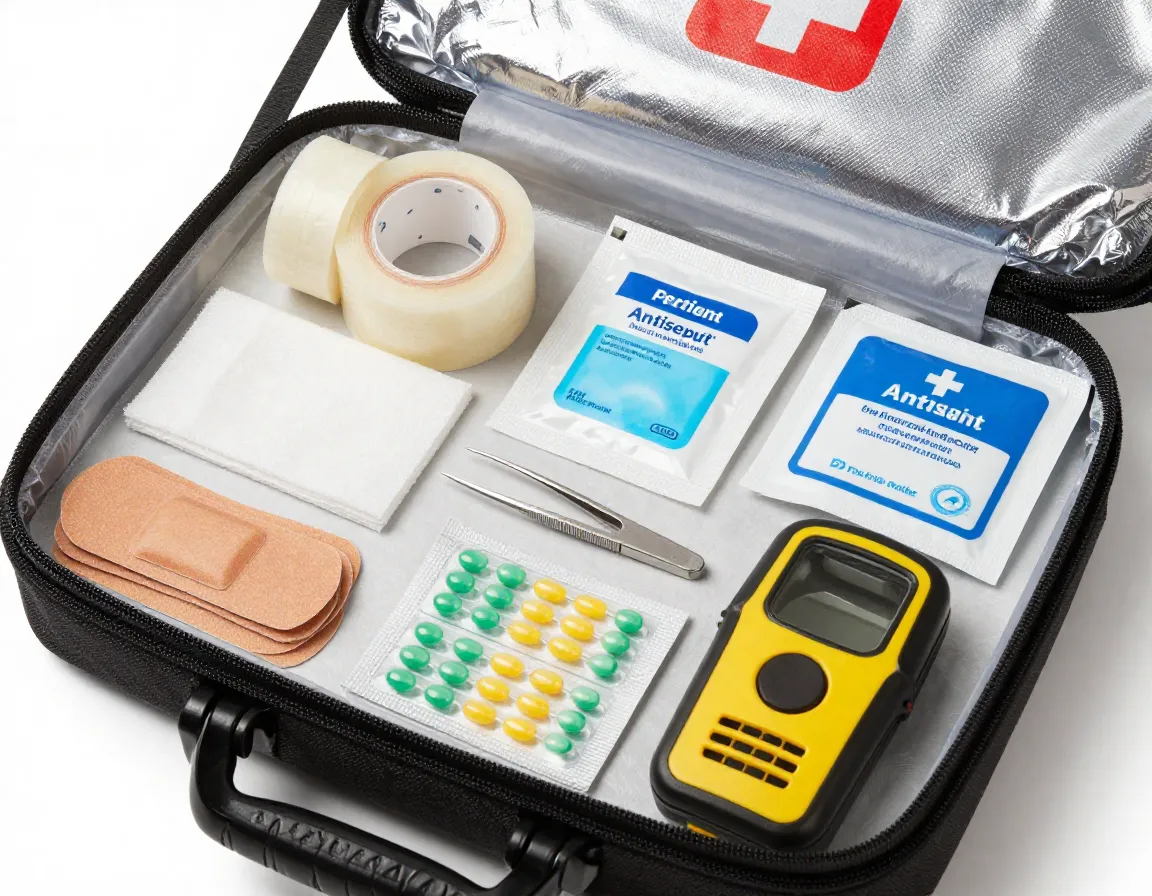
Accidents happen. A twisted ankle, a bad blister, or an allergic reaction can escalate quickly when you’re far from help. A well-stocked first aid kit is one of the most important items in your pack — and one of the most commonly underprepared [2][3].
First aid kit essentials:
- Adhesive bandages (multiple sizes)
- Gauze pads and medical tape
- Antiseptic wipes and antibiotic ointment
- Blister treatment (moleskin, gel pads)
- Pain relievers (ibuprofen, acetaminophen)
- Antihistamines for allergic reactions
- Tweezers (for splinters and ticks)
- Emergency mylar blanket
- CPR face shield
- Personal medications (clearly labeled)
Emergency communication tools:
- Whistle (three blasts = universal distress signal)
- Personal Locator Beacon (PLB) or satellite messenger (e.g., Garmin inReach) for remote areas
- Emergency contact card with your trip plan and local ranger station number
💬 “Tell someone your plan before you leave. Share your trailhead, campsite, and expected return date. It’s the simplest safety step most people skip.”
8. Hygiene & Leave No Trace: Respect the Outdoors
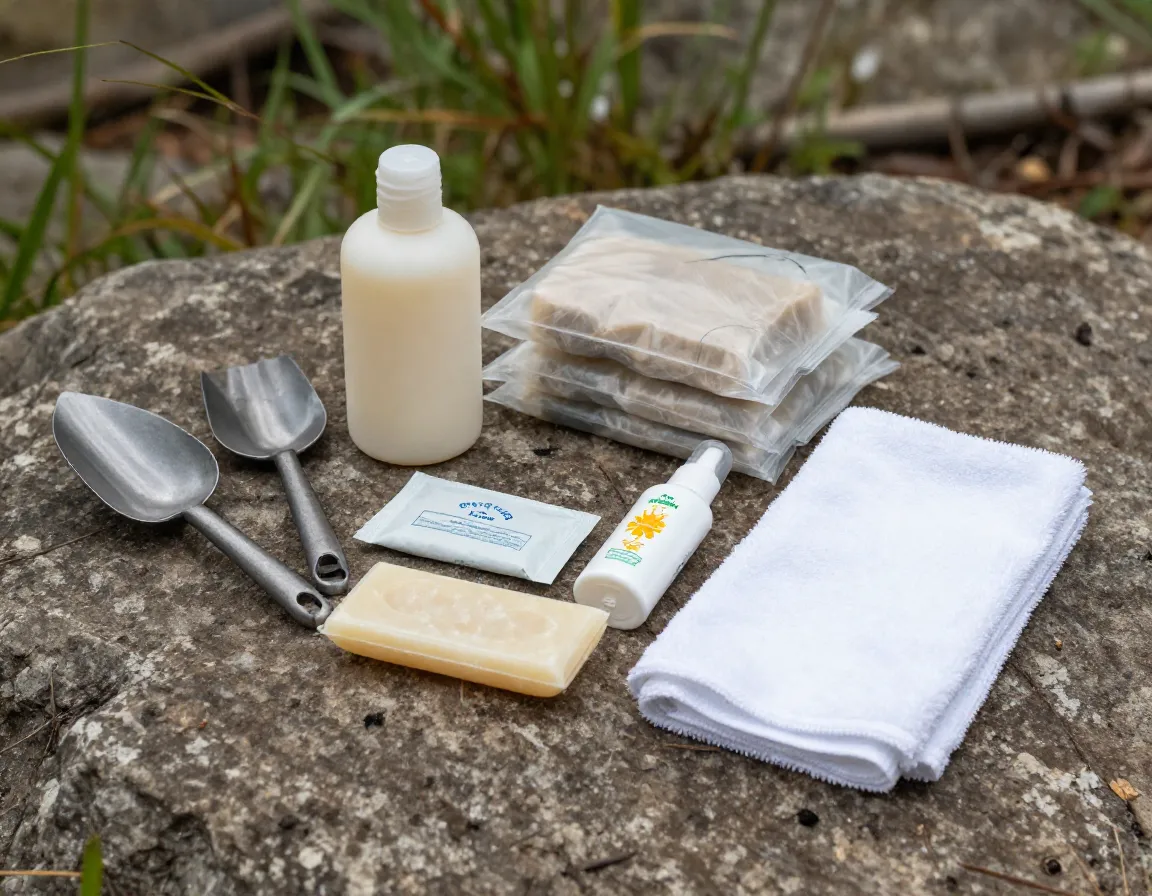
Staying clean in the backcountry isn’t just about comfort — it’s about health and environmental responsibility. Proper hygiene practices also align with Leave No Trace (LNT) principles, which protect the natural spaces we all love [1][3].
Hygiene essentials:
- Biodegradable soap and hand sanitizer
- Toothbrush and toothpaste
- Toilet paper and a trowel (for cat holes, 6–8 inches deep, 200 feet from water)
- Waste bags (pack-it-out bags for human waste in high-use or desert areas)
- Feminine hygiene products and disposal bags
- Sunscreen (SPF 30+) and insect repellent
- Microfiber towel
Leave No Trace quick reminders:
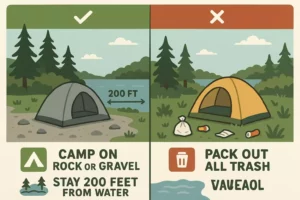
- Pack out all trash — including food scraps and orange peels
- Camp on durable surfaces (rock, gravel, established sites)
- Minimize campfire impact; use a camp stove when possible
- Respect wildlife — never feed animals or leave food unattended
9. Tools & Repair Kit: Fix Problems Before They Become Emergencies
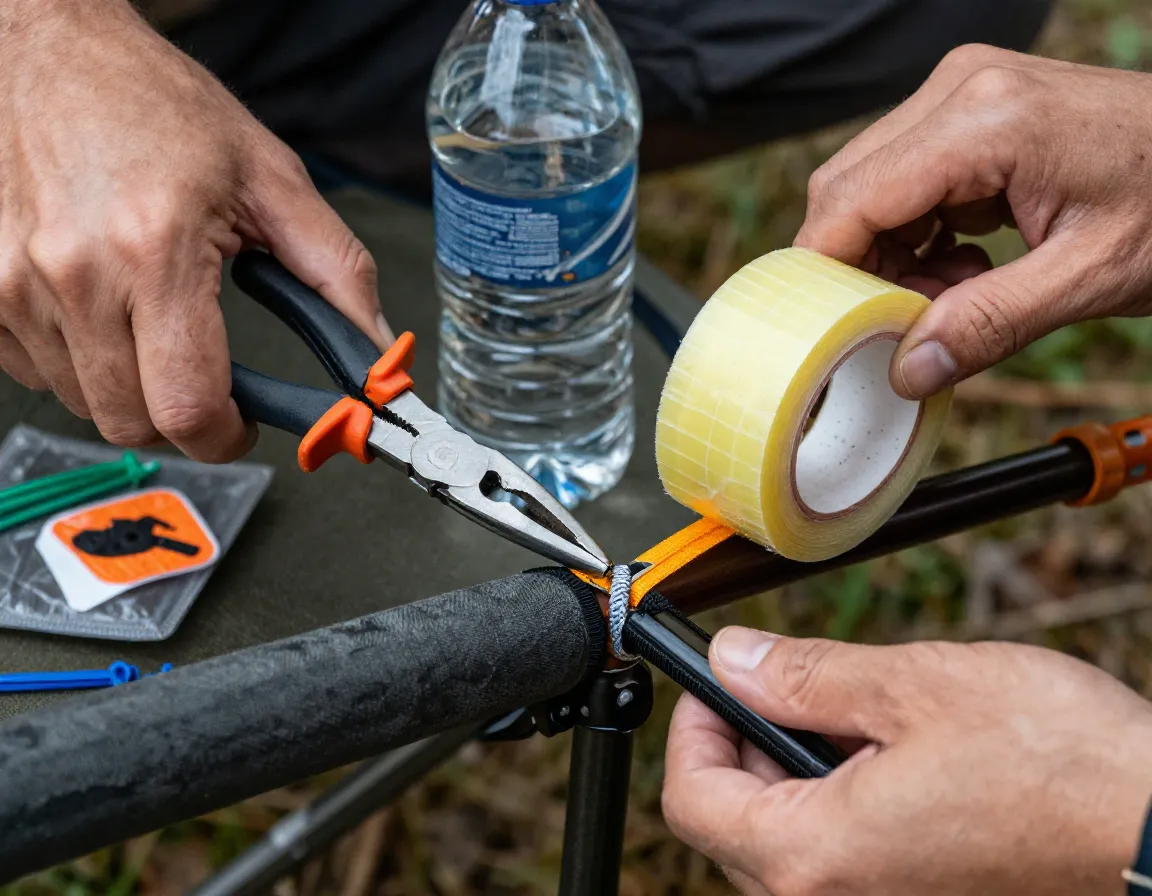
The final essential in the 9 Camping Essentials: The Ultimate Packing List for Any Terrain is often the most overlooked: a basic tools and repair kit. Gear fails. Zippers break, tent poles bend, and sleeping pads deflate. A small repair kit can save your entire trip [1][4].
Tools and repair essentials:
- Multi-tool or camp knife (with blade, pliers, screwdriver)
- Duct tape (wrap a few feet around a water bottle to save space)
- Tent pole repair sleeve
- Sleeping pad patch kit
- Seam sealer for waterproofing tent seams
- Extra cord/paracord (10–20 feet minimum)
- Carabiners (non-load-bearing, for hanging gear)
- Zip ties (multiple sizes)
Quick repair scenarios:
| Problem | Solution |
|---|---|
| Broken tent pole | Repair sleeve + duct tape |
| Deflating sleeping pad | Patch kit (find leak with soapy water) |
| Broken zipper pull | Paracord loop threaded through |
| Torn rain jacket | Seam tape or duct tape patch |
| Snapped pack strap | Zip ties + paracord improvised fix |
How to Customize the 9 Camping Essentials for Different Terrains
The 9 camping essentials packing list is a framework, not a rigid rulebook. Every terrain demands a slightly different approach. Here’s how to adapt:
🏔️ Mountain/Alpine Camping
- Upgrade to a four-season tent and a sleeping bag rated to 0°F or below
- Add trekking poles, microspikes, or crampons
- Pack extra insulating layers and wind protection
- Carry avalanche safety gear in winter (beacon, probe, shovel)
🌵 Desert Camping
- Prioritize water — carry more than you think you need (1 liter per hour of activity)
- Use a tent with strong ventilation and UV-resistant fabric
- Pack a wide-brim sun hat and light, long-sleeve sun-protective clothing
- Plan activities for early morning and evening to avoid peak heat
🌲 Forest/Woodland Camping
- Bring strong insect repellent and tick-removal tools
- Use a bear canister or hang food on a bear line if required
- Pack waterproof gear for unexpected rain
- Carry a fire permit if campfires are allowed in the area
🏖️ Coastal/Beach Camping
- Protect gear from sand and salt with dry bags
- Use a freestanding tent that doesn’t require stakes in loose sand
- Apply reef-safe sunscreen
- Check tide charts before choosing your campsite
Master Packing Checklist at a Glance
Use this quick-reference table before every trip:
| Essential Category | Key Items |
|---|---|
| 1. Shelter | Tent, rainfly, stakes, footprint |
| 2. Sleep System | Sleeping bag, pad, pillow |
| 3. Camp Kitchen | Stove, fuel, cookware, cooler, water containers |
| 4. Clothing Layers | Base, mid, outer layers, socks, boots |
| 5. Navigation | Map, compass, GPS/app |
| 6. Lighting | Headlamp, lantern, extra batteries |
| 7. First Aid & Safety | First aid kit, PLB, whistle, emergency card |
| 8. Hygiene & LNT | Soap, trowel, waste bags, sunscreen |
| 9. Tools & Repair | Multi-tool, duct tape, patch kit, paracord |
Conclusion: Pack Smart, Camp Better
The 9 Camping Essentials: The Ultimate Packing List for Any Terrain isn’t just a checklist — it’s a mindset. When you understand why each category matters, packing becomes intentional rather than frantic. You stop guessing and start preparing.
Here are your actionable next steps before your next trip:
- Print or save this checklist and go through it category by category — not item by item.
- Test your gear at home — set up your tent, inflate your sleeping pad, and fire up your stove before you leave.
- Customize for your terrain using the terrain-specific tips in this guide.
- Tell someone your plan — share your trailhead, campsite, and return date with a trusted contact.
- Practice Leave No Trace — pack out what you pack in, and leave every site better than you found it.
Whether you’re heading to a local state park or a remote wilderness area, these nine essentials will keep you safe, comfortable, and ready for whatever the outdoors throws your way. Happy camping! 🏕️
References
[1] Camping Packing Checklist – https://outdoorithm.com/blog/camping-packing-checklist
[2] Essential Camping Gear Checklist – https://under30experiences.com/blog/essential-camping-gear-checklist
[3] Family Camping Checklist – https://www.rei.com/learn/expert-advice/family-camping-checklist.html
[4] Best Camping List – https://www.outdoorgearlab.com/topics/camping-and-hiking/best-camping-list