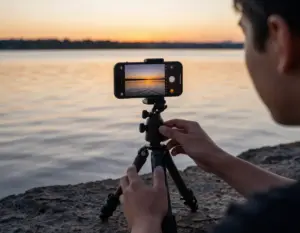
9 Amazing Nature Photography Tips to Capture Your Next Adventure
Have you ever returned from a breathtaking hike only to find your photos look nothing like what you saw with your own eyes? You are not alone. Capturing the raw beauty of the natural world is one of photography’s greatest challenges — and greatest rewards. Whether you are photographing a wolf at dawn or a hummingbird mid-flight, the 9 Amazing Nature Photography Tips to Capture Your Next Adventure outlined in this guide will help you level up your skills fast. These are practical, field-tested strategies that work for beginners and seasoned photographers alike.
Disclosure: This post contains affiliate links. As an Amazon Associate, we earn from qualifying purchases, and at no extra cost to you.
Key Takeaways 🎯
- Know your subject before you shoot — research animal behavior, feeding times, and seasonal patterns.
- Master your camera settings (shutter speed, aperture, ISO) for different lighting and motion scenarios.
- Use burst mode and eye-detection autofocus to nail sharp shots of fast-moving wildlife.
- Composition techniques like natural framing and depth of field control transform good shots into great ones.
- Practice consistently — even in your backyard — to build muscle memory before big adventures.
The Core Principles Behind the 9 Amazing Nature Photography Tips to Capture Your Next Adventure
Before diving into each tip, it helps to understand the mindset behind great nature photography. The best wildlife and landscape photographers share three traits: patience, preparation, and technical fluency. You do not need the most expensive gear. You need to understand light, movement, and the environment around you.
“The best nature photograph is not the one taken with the best camera — it is the one taken at the right moment, in the right place, with the right preparation.”
Let’s break down each of the 9 Amazing Nature Photography Tips to Capture Your Next Adventure in detail.
1. Research Animal Behavior Before You Shoot
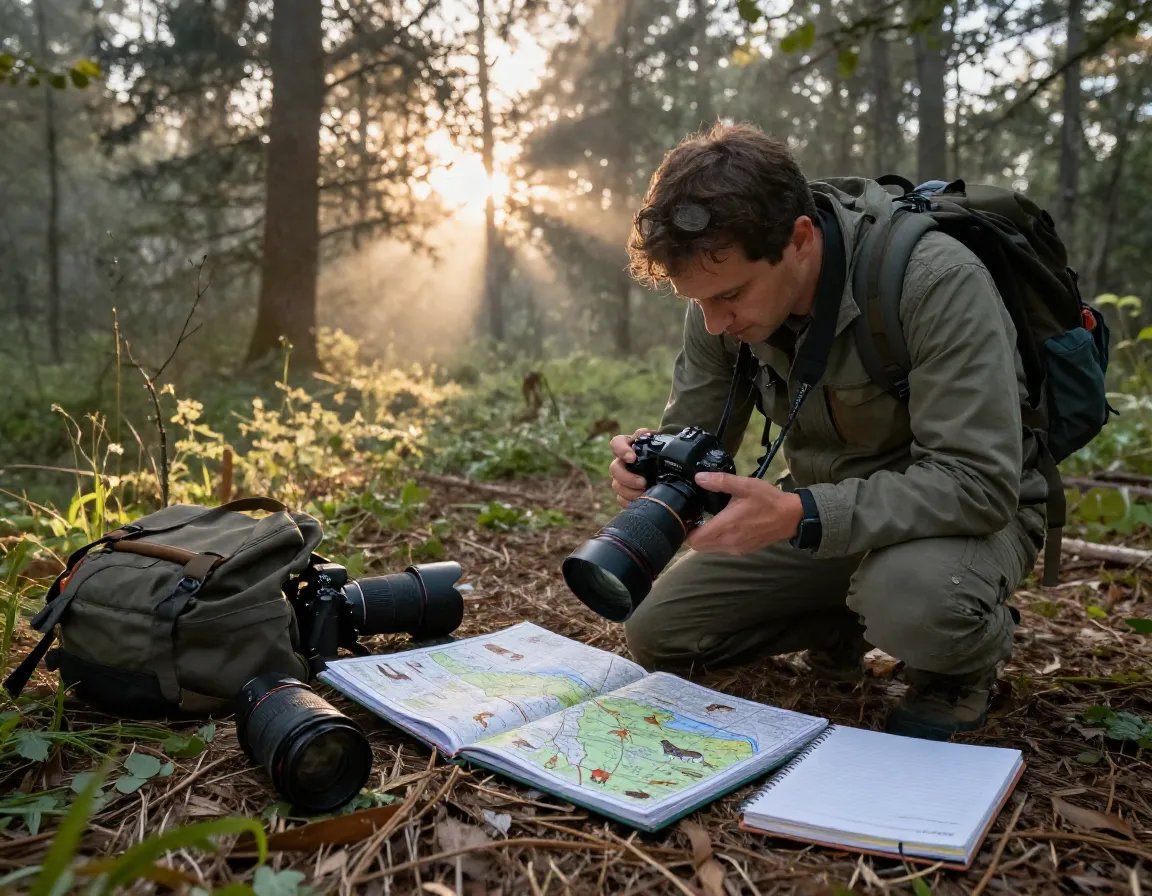
One of the most overlooked steps in wildlife photography is pre-trip research. Knowing when and where animals are active gives you a massive advantage. For example, wolves and snow leopards are crepuscular — meaning they are most active at dawn and dusk [2]. Understanding sleep patterns, feeding times, habitat preferences, and seasonal activity cycles helps you position yourself at the right spot before the action starts.
Quick research checklist:
- What time of day is the species most active?
- What habitats does it prefer (forest edge, open plains, wetlands)?
- Does behavior change by season (migration, mating, hibernation)?
- Are there local guides or wildlife trackers who can help?
2. Turn Off Your Camera’s Beep Sounds
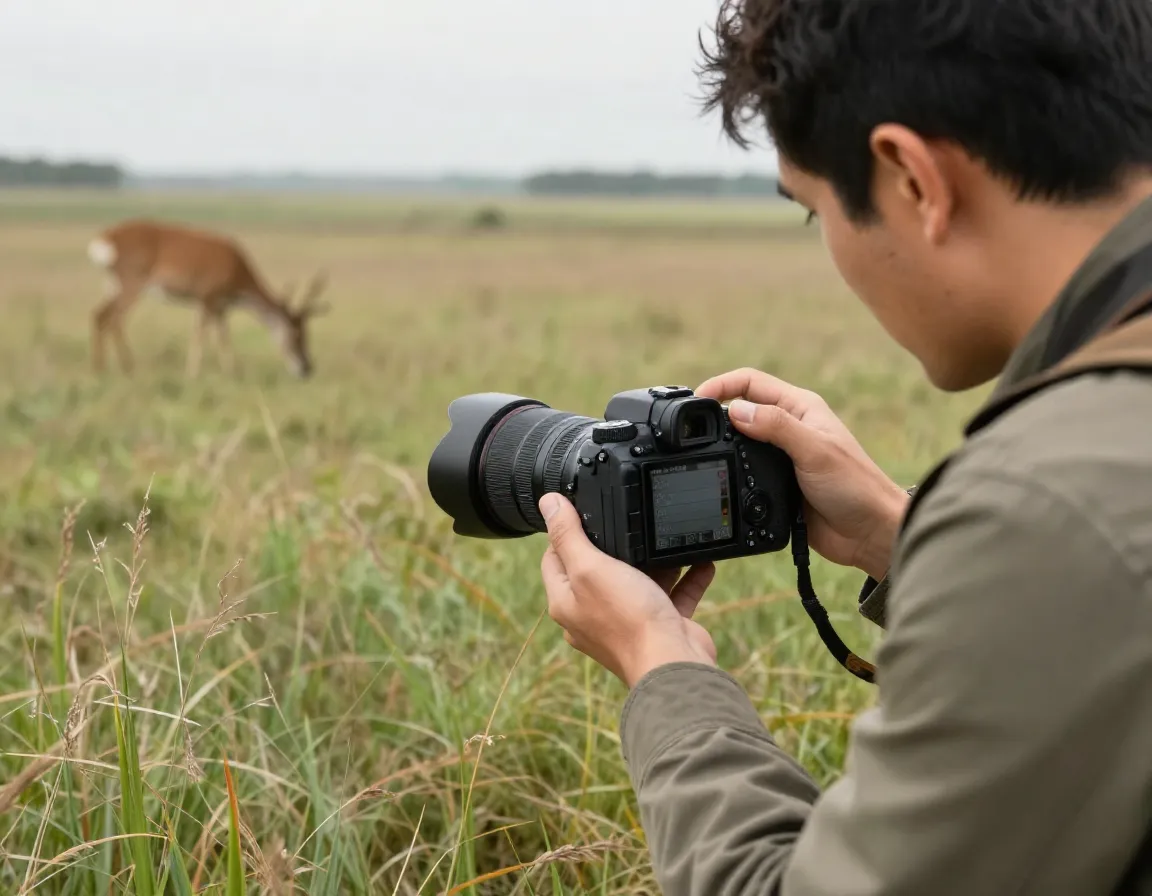
This tip sounds small, but it matters enormously in the field. Camera beep sounds — from autofocus confirmation or shutter feedback — can startle wildlife and disrupt other photographers nearby [1]. Before heading out, go into your camera’s menu and disable all audio alerts. Silent shooting modes, now available on most mirrorless cameras, are a game-changer for wildlife work.
3. Use Burst Mode for Fast-Moving Subjects
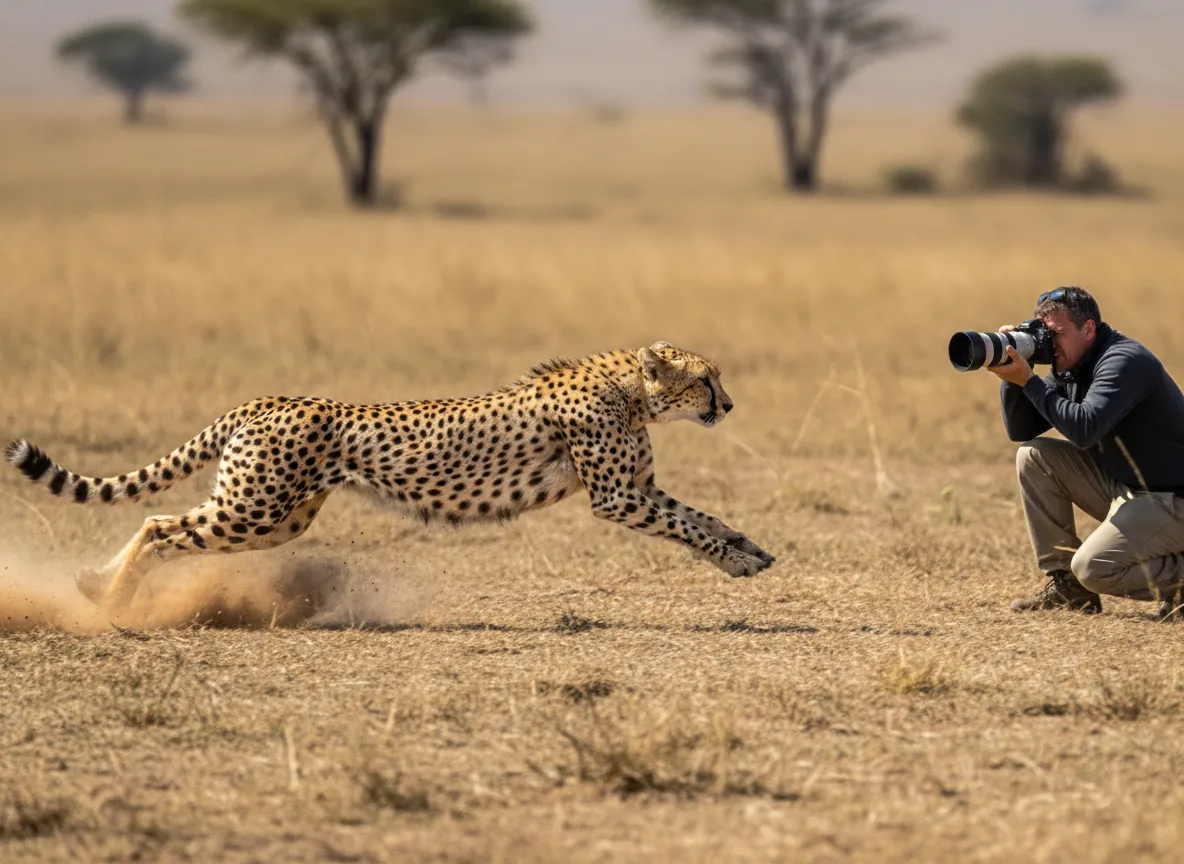
Wildlife does not wait for you to press the shutter at the perfect moment. Burst mode (also called continuous shooting) lets your camera fire multiple frames per second, dramatically increasing your chances of capturing peak action [1]. This is especially valuable on safari, where a cheetah’s sprint or a bird’s takeoff lasts only a fraction of a second.
| Subject Type | Recommended Burst Rate |
|---|---|
| Birds in flight | 10–20 fps |
| Running mammals | 8–15 fps |
| Slow-moving reptiles | 3–5 fps |
| Landscape/static scenes | Single shot |
4. Prioritize Sharp Animal Eyes with Autofocus Technology

In wildlife portraits, eye sharpness is everything. If the eyes are not in focus, the image will feel flat no matter how good everything else looks. Modern cameras like the Canon R3 feature eye-detection autofocus that locks onto an animal’s eye automatically [1]. Pair this with an aperture between f/2.8 and f/5.6 to keep the subject sharp while softening the background into a pleasing blur.
💡 Pro tip: Even if eye-detection is available, always double-check your focal point before a critical shoot.
5. Use Fast Shutter Speeds for Birds and Action Shots

For bird photography especially, slow shutter speeds are the enemy. A shutter speed of 1/1000 second or faster is typically needed to freeze wing movement and eliminate motion blur [1]. Combine this with a wide-open aperture to let in enough light and to blur distracting backgrounds, keeping all visual attention on your subject.
Shutter speed guide for common subjects:
- 🦅 Birds in flight: 1/1000 – 1/3200 sec
- 🐆 Running mammals: 1/800 – 1/1500 sec
- 🌊 Waterfalls (silky effect): 1/4 – 2 sec
- 🌿 Flowers in breeze: 1/500 – 1/800 sec
6. Apply Depth of Field with Intention
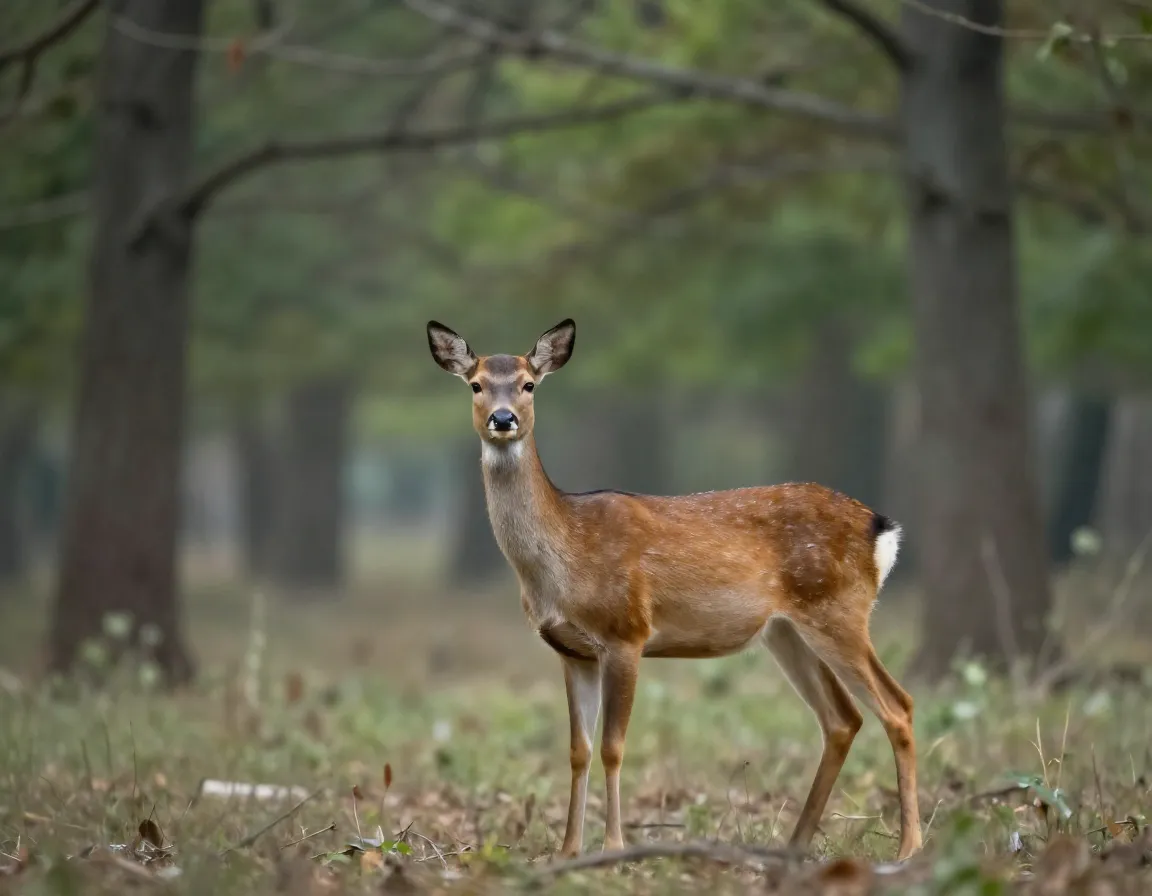
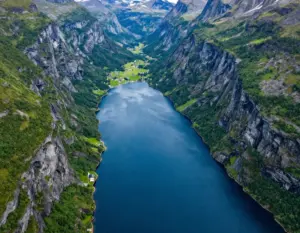
Depth of field is one of your most powerful storytelling tools [2]. A shallow depth of field (wide aperture like f/2.8) isolates your subject from the background, drawing the viewer’s eye directly to an animal’s face. A deeper depth of field (narrow aperture like f/11 or f/16) keeps more of the scene in focus, which works beautifully for landscapes where you want to show environmental context.
Ask yourself before each shot: Do I want to isolate my subject, or tell the story of where it lives? Your aperture choice answers that question.
7. Experiment with Natural Framing Techniques
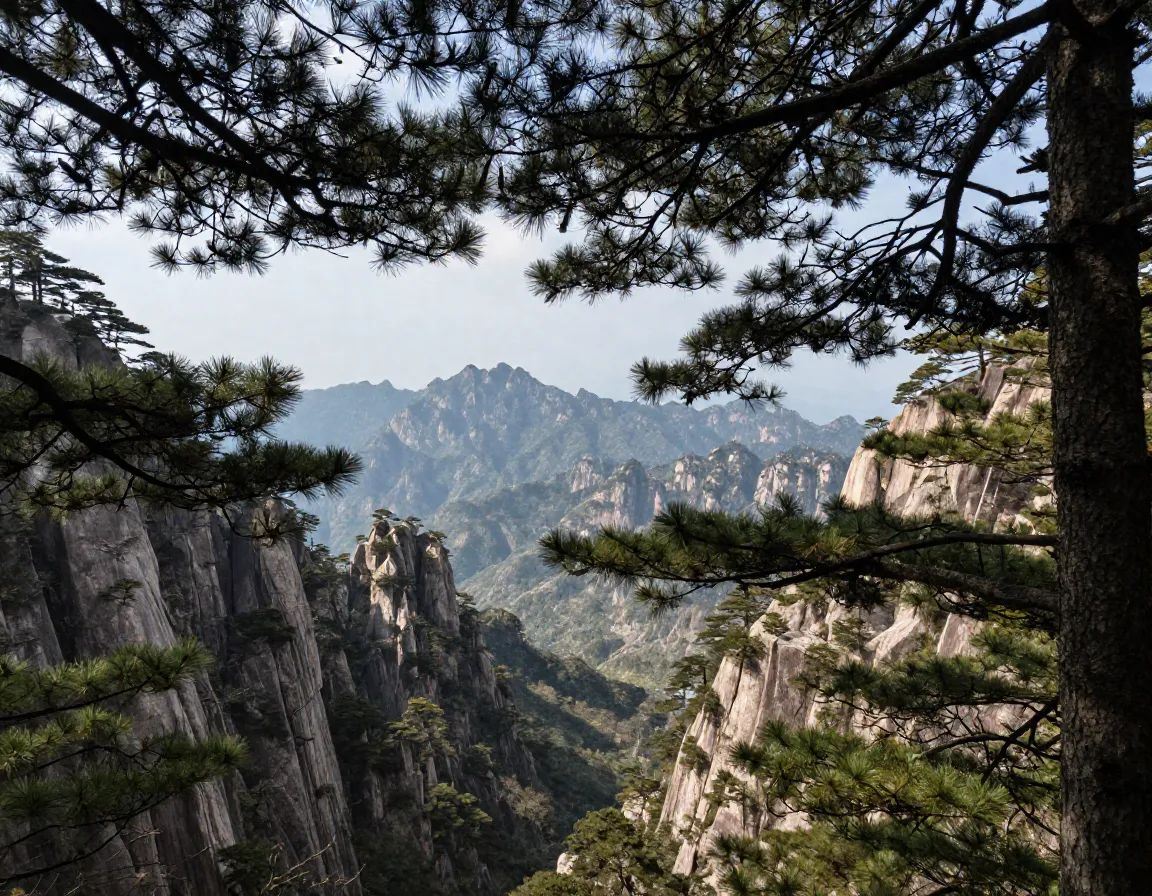
One of the most elegant composition tools in nature photography is natural framing — using elements like tree branches, leaves, rock arches, or tall grass to create a “window” around your subject [3]. This technique does two things at once: it adds depth to the image, and it pulls the viewer deeper into the scene, creating a sense of immersion.
Ideas for natural frames:
- Overhanging tree branches above a mountain vista
- A gap in dense foliage revealing a waterfall
- Tall reeds framing a bird on the water
- Cave openings framing a landscape beyond
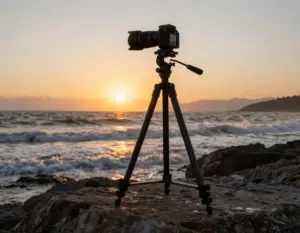
8. Use a Sturdy Tripod and Lock Key Settings
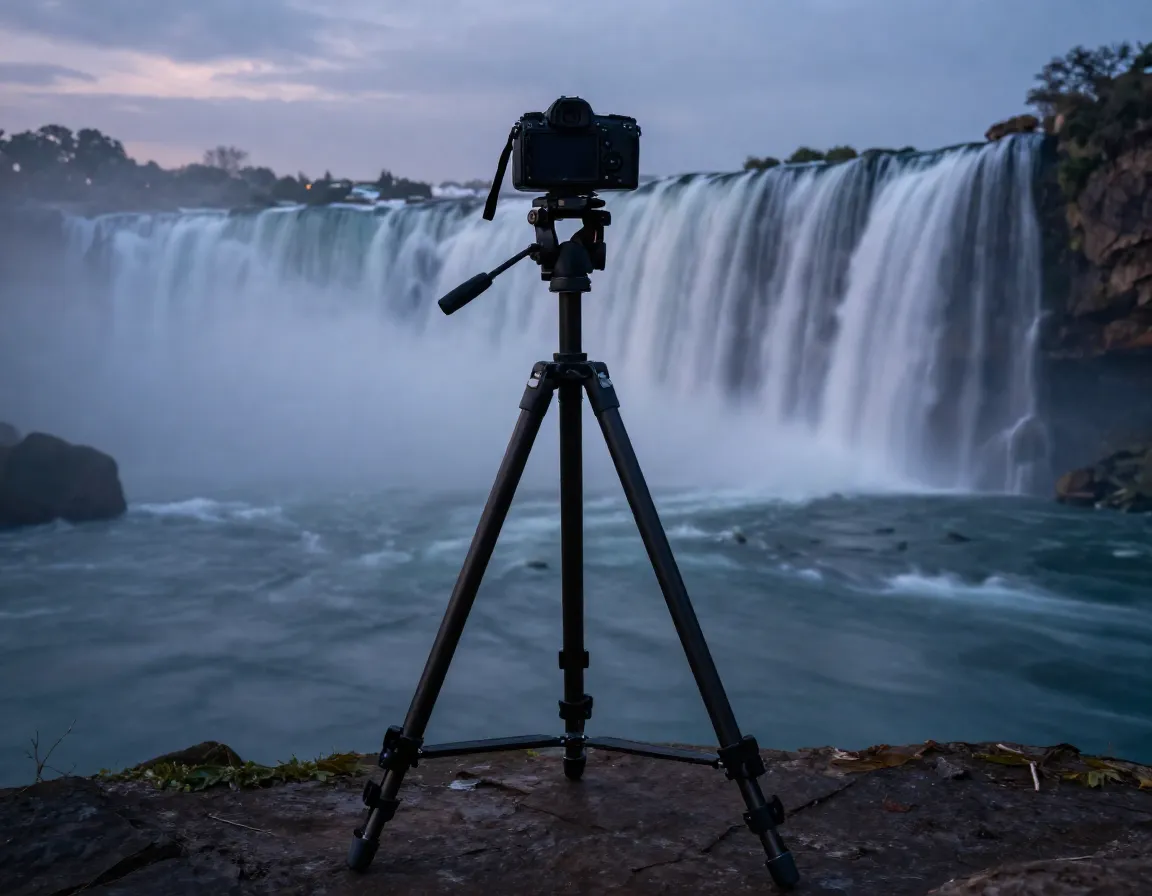
Handheld shooting is fine in many situations, but for long exposures, telephoto shots, or sequential images, a sturdy tripod is non-negotiable [1]. Beyond stability, locking your ISO and white balance settings before a shoot ensures consistency across a series of images — critical if you plan to blend or compare shots in post-processing. Avoid focus shifts between frames by using a remote shutter release or your camera’s built-in timer.
9. Practice at Home Before Big Adventures
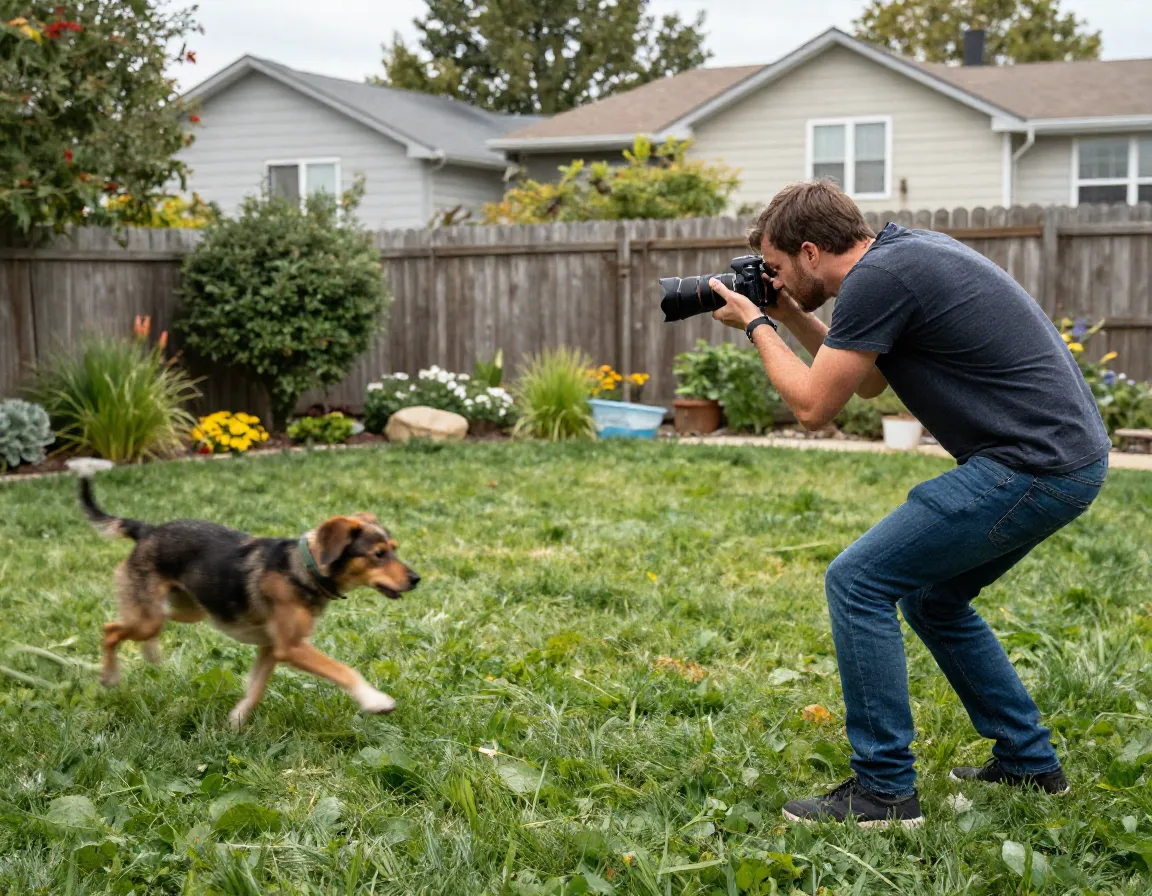
This is the tip that separates photographers who improve quickly from those who plateau. Regular practice in your backyard or local park — with both moving and still subjects, at different times of day — builds the muscle memory you need to react fast in the field [2]. By the time you arrive at a national park or wildlife reserve, your camera settings should feel like second nature.
Applying the 9 Amazing Nature Photography Tips to Capture Your Next Adventure in the Real World
Knowing the tips is one thing. Applying them consistently under pressure — when a rare bird lands 10 feet away or golden hour lasts only 8 minutes — is another. Here is how to bring it all together:
Before your trip:
- Research your target species and location thoroughly [2]
- Visit the same location multiple times across different seasons to understand its rhythms [2]
- Practice camera settings at home until they are automatic
In the field:
- Silence your camera and arrive early [1]
- Set burst mode and eye-detection autofocus before the action starts [1]
- Look for natural frames as you move through the environment [3]
- Adjust depth of field based on your storytelling goal [2]
After the shoot:
- Review your burst sequences and cull ruthlessly
- Check eye sharpness at 100% zoom before celebrating a shot
- Note what worked and what to adjust next time
Conclusion: Start Capturing Your Next Adventure Today
The 9 Amazing Nature Photography Tips to Capture Your Next Adventure covered in this guide are not just theory — they are the same strategies used by professional wildlife and landscape photographers around the world. From silencing your camera beep to mastering burst mode, from researching animal behavior to locking down your tripod settings, each tip builds on the others to create a complete field system.
Your actionable next steps for 2026:
- ✅ Choose one local spot and visit it at three different times of day this week.
- ✅ Disable your camera’s beep sounds and test silent shooting mode today.
- ✅ Practice burst mode on a moving subject — even a pet or a passing car.
- ✅ Research one wildlife species you want to photograph and map out its active hours.
- ✅ Experiment with natural framing on your next walk outdoors.
Great nature photography is built on preparation, patience, and practice. Start small, stay consistent, and the stunning shots will follow. 🌿📷
References
[1] The Best Guide To Nature Photography Tips 2026 – https://www.dereknielsen.com/news/the-best-guide-to-nature-photography-tips-2026/
[2] 10 Tips To Improve Your Wildlife Nature Photography – https://www.nathab.com/blog/10-tips-to-improve-your-wildlife-nature-photography
[3] 8 Pro Tips To Elevate Your Nature Photography Instantly – https://petapixel.com/2025/04/22/8-pro-tips-to-elevate-your-nature-photography-instantly/