9 Essential Facts You Must Know Before Climbing Kilimanjaro Mountain Africa
Every year, thousands of adventurers arrive at the base of Africa’s highest peak with big dreams — and many turn back before reaching the summit because they simply didn’t prepare. If you’re planning a Kilimanjaro expedition in 2026, knowing the 9 Essential Facts You Must Know Before Climbing Kilimanjaro Mountain Africa could be the difference between standing on Uhuru Peak and being evacuated halfway up. I’ve compiled everything you need to make your climb safe, legal, and unforgettable.
Disclosure: This post contains affiliate links. As an Amazon Associate, we earn from qualifying purchases, and at no extra cost to you.
Key Takeaways 🏔️
- A licensed guide is legally required — no exceptions, no workarounds
- Best climbing windows in 2026 are January–March and June–October
- Park fees alone cost $1,000–$1,200 per climber — budget accordingly
- 7–8 day routes dramatically improve your summit success rate
- Book 6–12 months in advance to secure your preferred route and dates
Understanding the Basics: 9 Essential Facts You Must Know Before Climbing Kilimanjaro Mountain Africa
Before we dive into each fact, here’s a quick overview of what makes Kilimanjaro unique:
| Feature | Detail |
|---|---|
| Height | 5,895 m (19,341 ft) above sea level |
| Location | Tanzania, East Africa |
| Official Routes | 7 TANAPA-approved routes |
| Technical Skill Required | None — but altitude is serious |
| Average Success Rate | 45–65% (route dependent) |
| Governing Authority | Tanzania National Parks Authority (TANAPA) |
Now, let’s break down each essential fact in detail.
1. A Licensed Guide Is Mandatory — No Exceptions
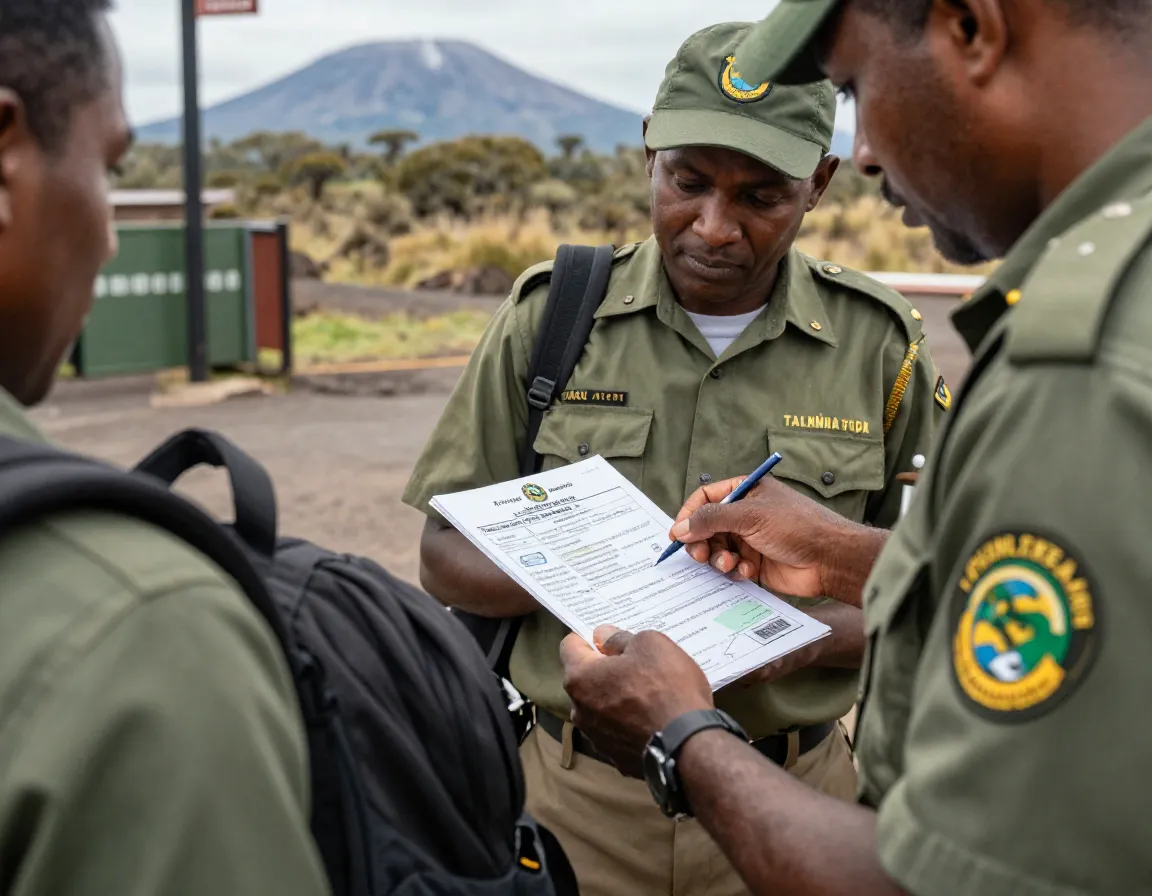
“Attempting Kilimanjaro without a licensed guide isn’t just risky — it’s illegal.”
Tanzania National Parks Authority (TANAPA) rangers check every climber at every gate and checkpoint. You cannot summit without a registered, licensed guide by your side. This rule applies regardless of your experience level, nationality, or fitness. All climbers must book through operators registered with the Tanzania Tourist Board (TTB), and guides must carry valid IDs, park-issued permits, and safety equipment including pulse oximeters and radios [1].
Why this matters: If you’re caught attempting to climb without a guide, you face fines of $500–$5,000, deportation from Tanzania, and a permanent ban from all national parks [1]. It’s simply not worth the risk.
2. Violations Carry Severe Legal Penalties
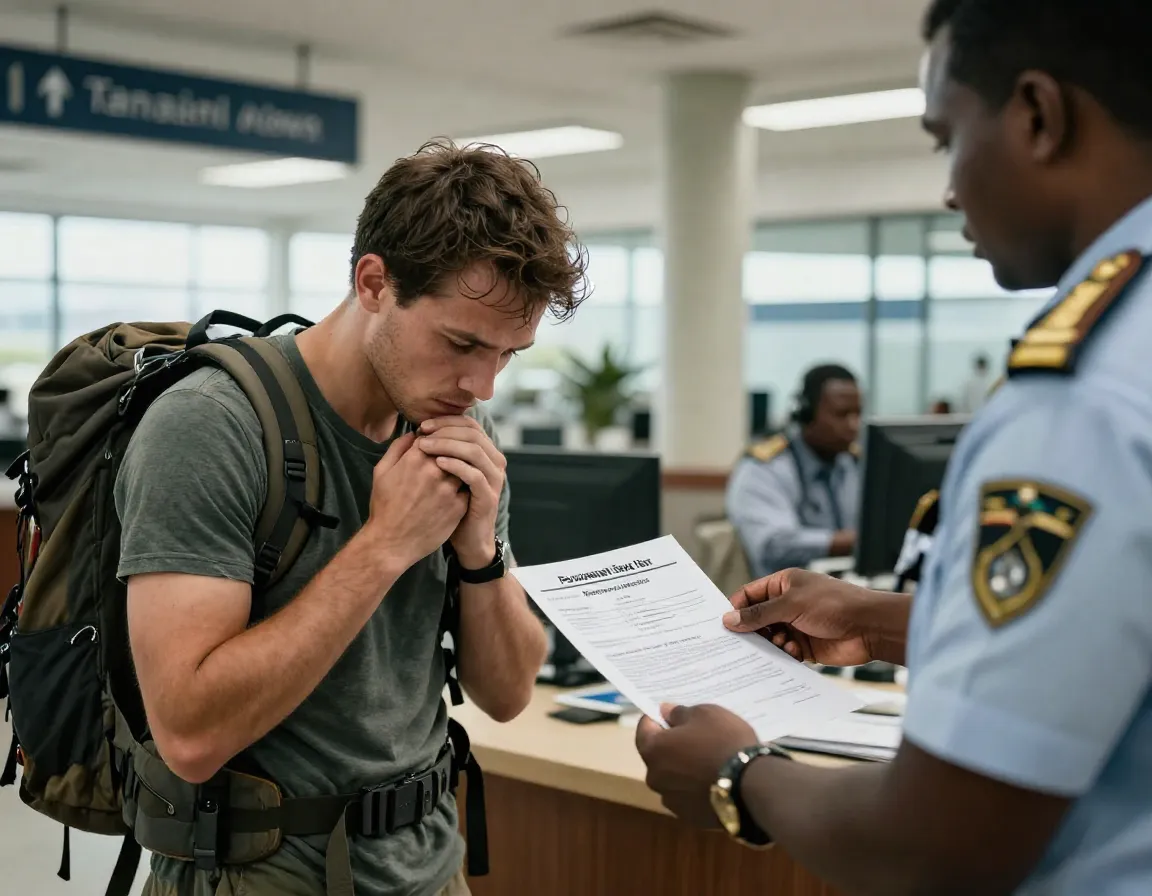
Building on fact #1, the consequences of breaking park rules are serious. Foreign visitors who bypass the licensed guide requirement face:
- 💸 Fines ranging from $500 to $5,000
- ✈️ Immediate deportation from Tanzania
- 🚫 Permanent blacklisting from Tanzanian national parks [1]
TANAPA rangers are thorough, and there are no loopholes. Respect the rules — they exist to protect both climbers and the mountain ecosystem.
3. Know the Optimal Climbing Seasons for 2026

Timing your climb correctly is critical. The best seasons in 2026 are:
- 🌤️ January to March — dry, clear skies, fewer crowds
- ☀️ June to October — the most popular window, excellent summit weather [2]
Avoid: April–May and November — these are the rainy seasons. Trails become muddy, visibility drops, and summit conditions deteriorate significantly.
Pro tip: January and February offer some of the clearest summit views of the entire year, and trails are less crowded than the peak July–August window.
4. Park Fees Will Cost You $1,000–$1,200 Per Climber
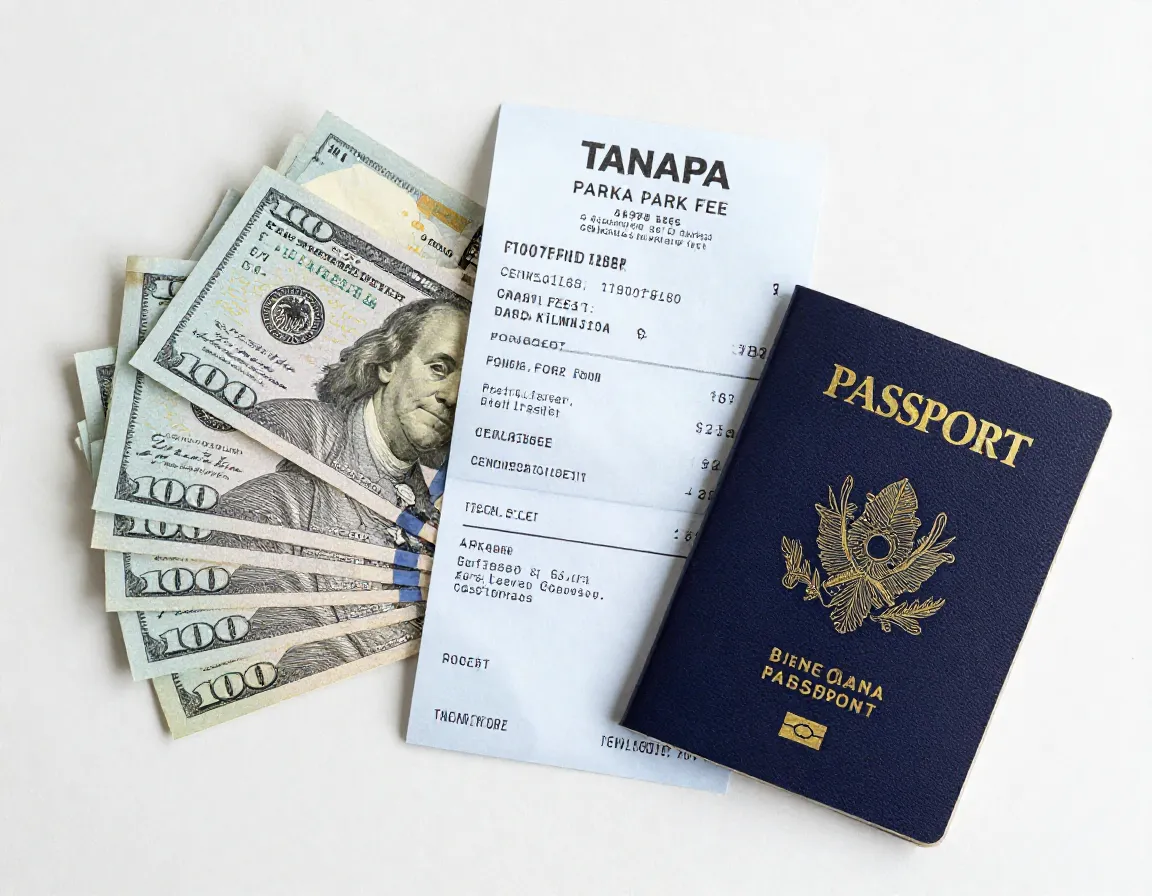
Many first-timers underestimate the mandatory costs. TANAPA charges fees that cover:
| Fee Type | Approximate Cost |
|---|---|
| Conservation fee | $70/day |
| Camping fee | $50–$60/night |
| Rescue fee | $20 (one-time) |
| Guide/porter park fees | Varies by route |
Total mandatory park fees: $1,000–$1,200 per climber [2]. This doesn’t include your operator’s service fees, flights, gear, tips, or accommodation. Budget a total of $2,500–$6,000+ for the full experience depending on the route and operator.
5. Physical Preparation Requires 3–6 Months of Training
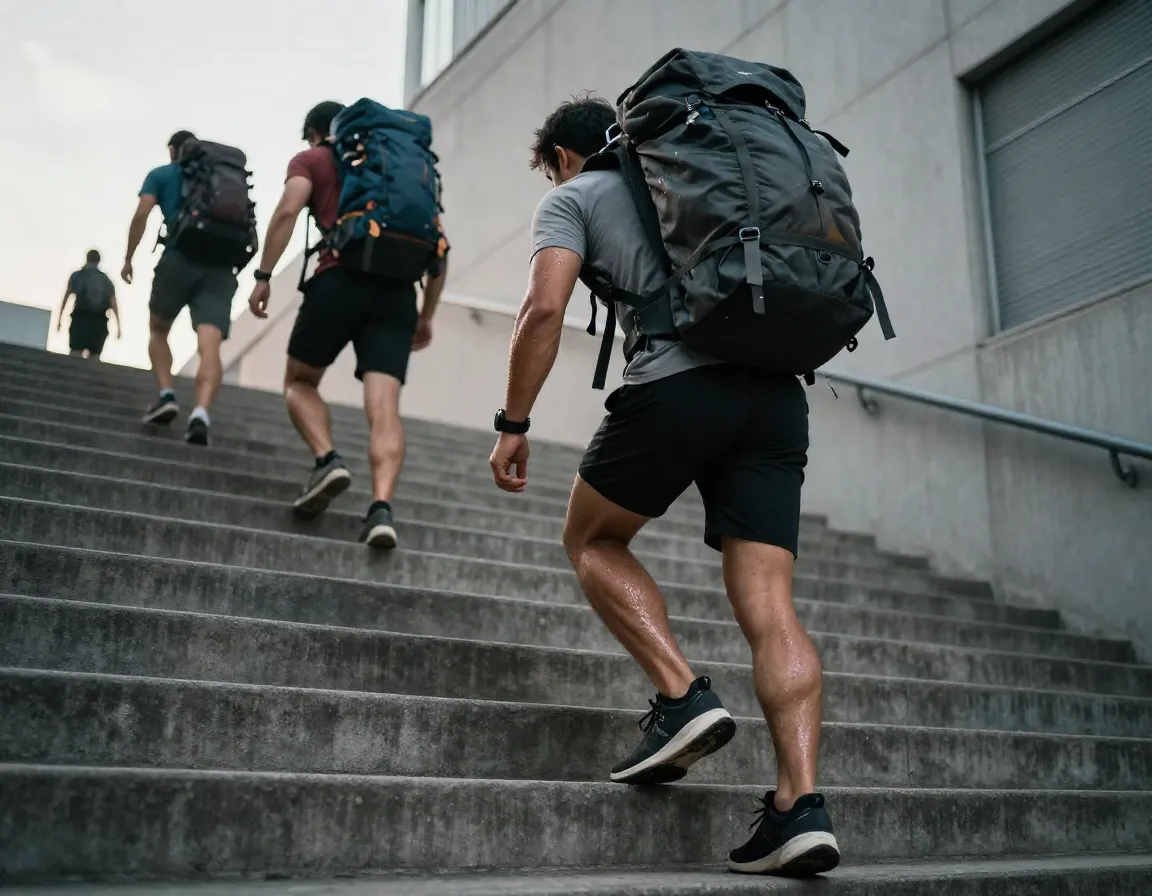
Here’s the good news: Kilimanjaro requires no technical climbing skills. You don’t need ropes, crampons, or ice axes on most routes. However, you do need cardiovascular endurance and mental toughness.
Recommended training timeline:
- Months 1–2: Build a base with daily walking, jogging, and cycling
- Months 3–4: Add weighted hikes (10–15 kg pack) on hilly terrain
- Months 5–6: Simulate altitude with stair climbs, long-distance hikes, and elevation gain
“Altitude acclimatization is more critical than fitness level for summit success.” [2]
Even elite athletes can suffer acute mountain sickness (AMS). Slow, steady progress — not speed — wins on Kilimanjaro.
6. Choose a 7–8 Day Itinerary for the Best Success Rate
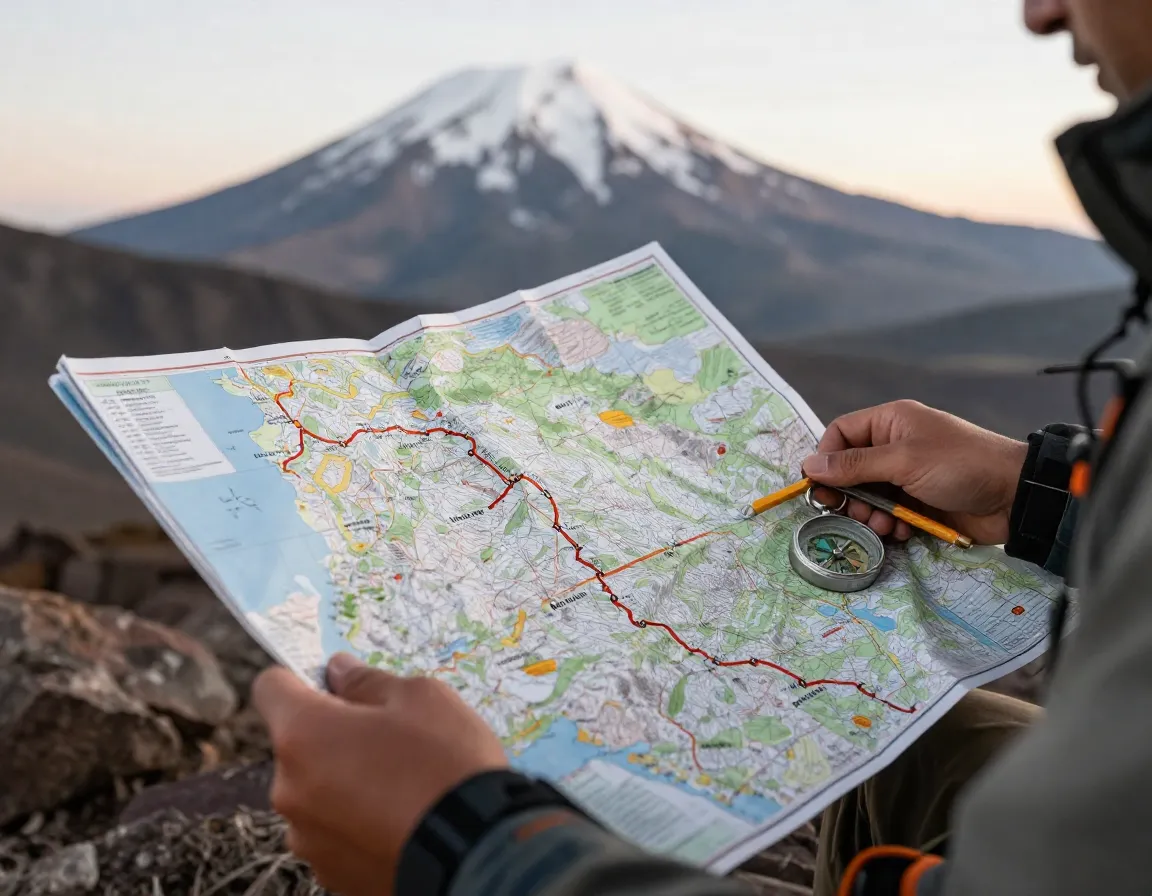
This is one of the most impactful decisions you’ll make. Longer routes dramatically improve your odds of reaching Uhuru Peak.
- 5-day routes: success rates can drop below 50%
- 7–8 day routes: success rates rise significantly, sometimes exceeding 85% [3]
The reason is simple: your body needs time to acclimatize to altitude. Rushing the ascent increases your risk of AMS, which forces many climbers to turn back.
Popular longer routes include:
- 🥾 Lemosho Route (8 days) — scenic, high success rate
- 🥾 Northern Circuit (9–10 days) — highest success rate of all routes
- 🥾 Machame Route (7 days) — most popular, challenging but rewarding
7. Prepare for Extreme Temperature Swings
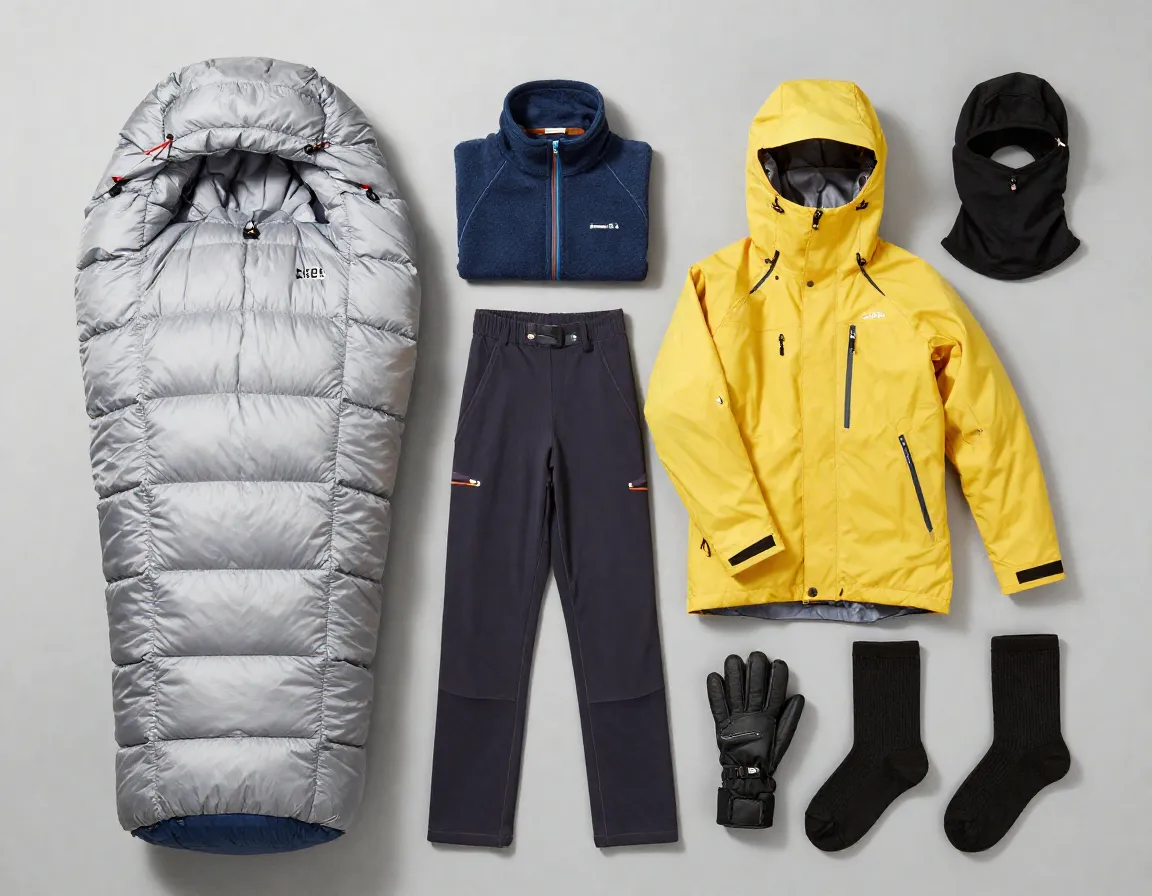
The temperature range on Kilimanjaro is shocking to many first-timers:
- 🌡️ Base (rainforest zone): Up to 80°F (27°C)
- ❄️ Summit (Uhuru Peak): As low as −10°F (−23°C) [2]
Night temperatures near the summit regularly drop to −10°C (14°F) or colder. You must pack:
- High-quality sleeping bag rated to −20°C
- Moisture-wicking base layers
- Insulating mid-layers (fleece or down)
- Waterproof, windproof outer shell
- Insulated gloves, balaclava, and thermal socks
Don’t cut corners on gear. Hypothermia is a real danger on summit night.
8. Understand Tanzania’s Visa and Health Requirements
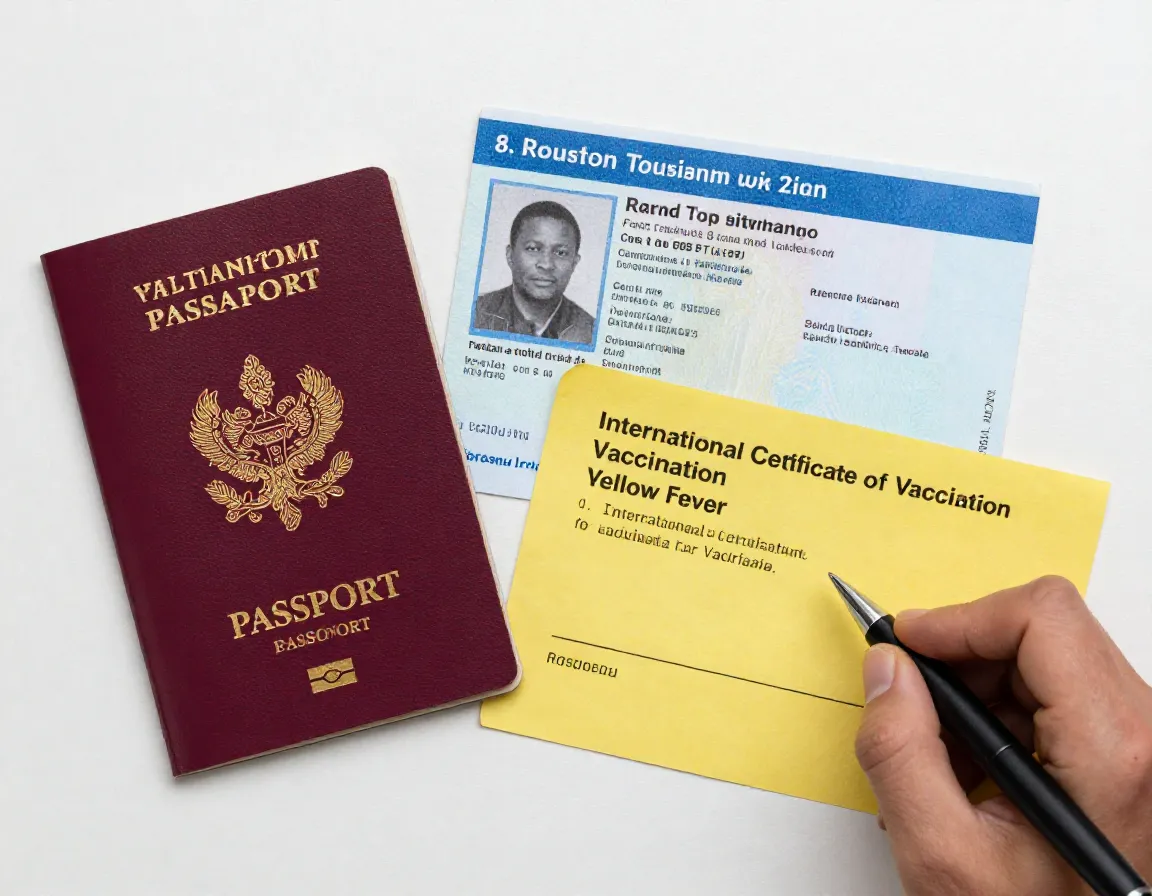
Before you even board your flight, make sure your paperwork is in order:
Passport: Must be valid for at least 6 months beyond your travel dates [2]
Visa: Tourist visas cost $50–$100 and can be obtained:
- On arrival at Kilimanjaro International Airport (KIA)
- Online via Tanzania’s e-visa portal (recommended — faster and easier)
Yellow fever vaccination: A valid yellow fever certificate is mandatory if you’re traveling from or through a yellow fever endemic country [2]. Carry your vaccination card at all times.
Travel insurance: Strongly recommended — ensure it covers high-altitude trekking and emergency evacuation up to 6,000 m.
9. Book 6–12 Months in Advance

The final essential fact: don’t leave your booking to the last minute. Demand for Kilimanjaro expeditions in 2026 is high, especially during peak season (July–August).
Booking 6–12 months ahead gives you:
- ✅ Access to your preferred route and departure dates
- ✅ More competitive pricing from licensed operators
- ✅ Time to train properly and acquire gear
- ✅ Flexibility to secure flights and accommodation [2]
Seven official TANAPA-approved routes are available, each offering distinct landscapes, challenge levels, and success rates [2]. Popular routes fill up fast — especially the Lemosho and Machame routes during peak season.
Summary: 9 Essential Facts You Must Know Before Climbing Kilimanjaro Mountain Africa
| # | Essential Fact | Key Action |
|---|---|---|
| 1 | Licensed guide is mandatory | Book through a TTB-registered operator |
| 2 | Violations carry severe penalties | Follow all TANAPA regulations |
| 3 | Best seasons are Jan–Mar & Jun–Oct | Time your expedition carefully |
| 4 | Park fees total $1,000–$1,200 | Budget comprehensively |
| 5 | Train for 3–6 months | Focus on cardio and weighted hikes |
| 6 | Choose a 7–8 day itinerary | Prioritize acclimatization time |
| 7 | Temperatures range from 80°F to −10°F | Pack quality layered gear |
| 8 | Visa and health docs are required | Prepare paperwork early |
| 9 | Book 6–12 months in advance | Secure your spot now |
Conclusion: Your Kilimanjaro Journey Starts with Preparation
Climbing Kilimanjaro is one of the most rewarding experiences on earth — but it rewards those who prepare. The 9 Essential Facts You Must Know Before Climbing Kilimanjaro Mountain Africa outlined in this guide cover everything from legal requirements and park fees to training timelines and gear essentials.
Your actionable next steps for 2026:
- Choose your route — research the Lemosho, Machame, or Northern Circuit options
- Find a TTB-registered operator — verify their TANAPA licensing before paying any deposit
- Start training today — 3–6 months of consistent cardio is your foundation
- Sort your documents — passport validity, e-visa application, and yellow fever certificate
- Book early — 6–12 months ahead to lock in your preferred dates
The summit of Uhuru Peak is waiting. With the right preparation and knowledge, you’ll be standing on the roof of Africa before you know it. 🌍🏔️
References
[1] Are There Legal Implications Of Climbing Kilimanjaro Without A Guide – https://eco-africaclimateering.com/are-there-legal-implications-of-climbing-kilimanjaro-without-a-guide/
[2] Kilimanjaro Climbing Guide 2026 Routes Costs What To Expect – https://www.machupicchu.org/kilimanjaro-climbing-guide-2026-routes-costs-what-to-expect.htm
[3] Climbing Kilimanjaro – https://altezzatravel.com/climbing-kilimanjaro
[4] Climb Kilimanjaro Guide 2026 – https://teamkilimanjaro.com/climb-kilimanjaro-guide-2026