9 Best Day Hikes in Great Smoky Mountains National Park You Can’t Miss
Every year, more than 12 million visitors pour into Great Smoky Mountains National Park — making it the most visited national park in the United States. Yet somehow, the vast majority never venture more than a mile from their cars. If you’re ready to leave the crowds behind and experience the raw, breathtaking beauty this park truly offers, you’ve come to the right place. The 9 Best Day Hikes in Great Smoky Mountains National Park You Can’t Miss will take you to roaring waterfalls, ancient forests, and summit views that will stop you in your tracks. Whether you’re a seasoned trail runner or a casual weekend hiker, this guide has something for you [1].
Disclosure: This post contains affiliate links. As an Amazon Associate, we earn from qualifying purchases, and at no extra cost to you.
Key Takeaways 🏔️
- Great Smoky Mountains National Park offers trails for every skill level — from easy waterfall walks to strenuous summit climbs.
- The park’s most iconic hikes reward you with old-growth forests, panoramic ridgeline views, and stunning cascades.
- Advance planning is essential — popular trailheads fill up fast, especially on weekends and in peak season.
- Always carry the Ten Essentials (water, navigation, first aid, etc.) regardless of trail length.
- The best hiking seasons are spring (wildflowers) and fall (foliage), though summer offers lush greenery and winter brings solitude.
Why the Smokies Are a Hiker’s Paradise
Great Smoky Mountains National Park straddles the Tennessee–North Carolina border and protects more than 800 miles of maintained trails [1]. The park’s biodiversity is staggering — it contains more tree species than all of northern Europe. Ancient Appalachian ridges, fog-draped hollows, and some of the oldest mountains on Earth create a hiking environment unlike anywhere else in the country.
“The Smokies aren’t just a park — they’re a living, breathing ecosystem that rewards every hiker who takes the time to explore.”
Planning your visit in 2026? Trail permits and parking reservations are increasingly required for popular destinations, so check the official NPS website before you go [1].
The 9 Best Day Hikes in Great Smoky Mountains National Park You Can’t Miss
Here is a quick-reference overview before we dive into each trail:
| # | Trail | Distance (RT) | Difficulty | Highlight |
|---|---|---|---|---|
| 1 | Ramsey Cascades | 8 miles | Strenuous | Tallest waterfall in the park |
| 2 | Mount LeConte via Alum Cave | 11 miles | Strenuous | 3rd-highest summit |
| 3 | Abrams Falls | 5 miles | Moderate–Hard | Iconic Cades Cove waterfall |
| 4 | Chimney Tops | 4 miles | Strenuous | Dramatic rocky pinnacles |
| 5 | Charlies Bunion | 8 miles | Strenuous | Appalachian Trail ridgeline |
| 6 | Gregory Bald | 11.3 miles | Strenuous | Flame azalea blooms |
| 7 | Deep Creek Loop | 4.4 miles | Easy–Moderate | Multiple waterfalls |
| 8 | Alum Cave Trail (short) | 4.4 miles | Moderate | Geological wonders |
| 9 | Laurel Falls Trail | 2.6 miles | Easy | Most popular paved trail |
1. Ramsey Cascades 💦
Distance: 8 miles roundtrip | Difficulty: Strenuous
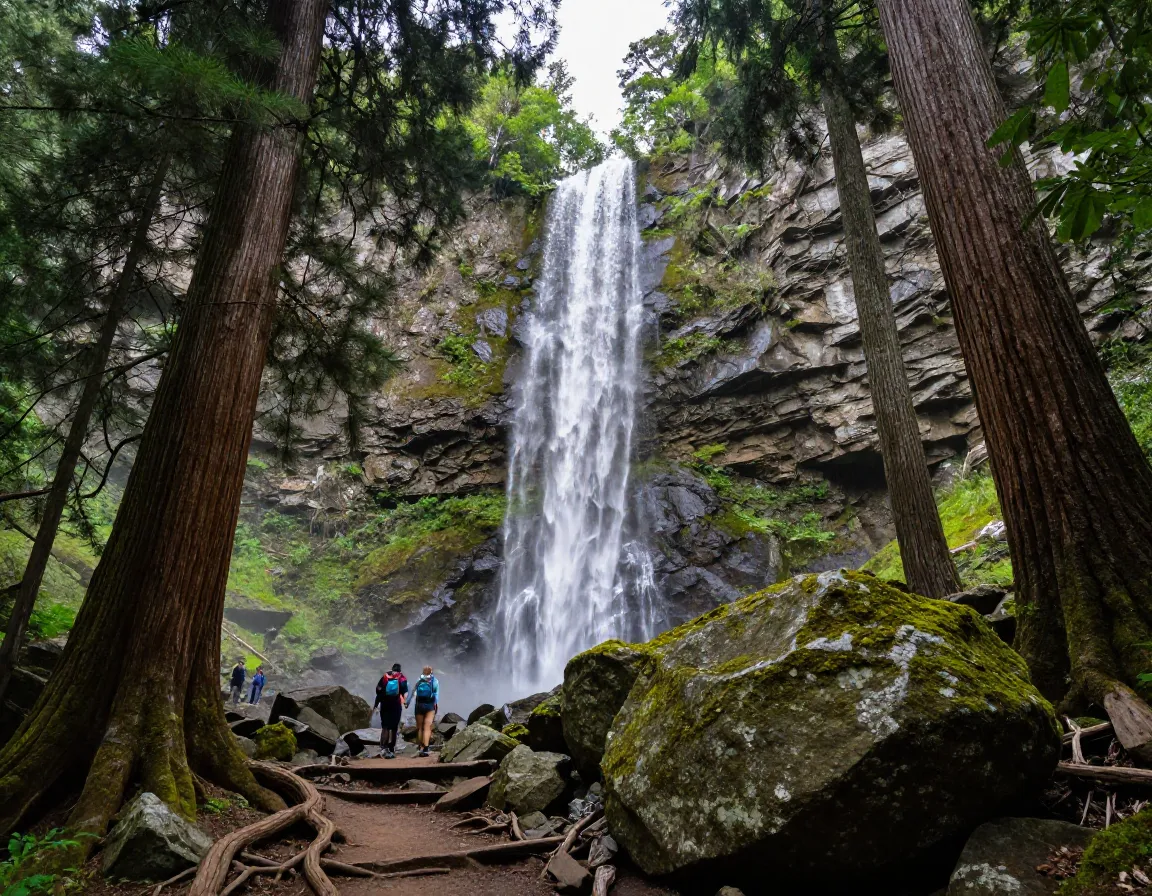
Ramsey Cascades is arguably the crown jewel of Smoky Mountain waterfalls. At 100 feet tall, it is the park’s highest waterfall, and the journey to reach it is just as spectacular as the destination [1]. The trail winds through old-growth forest filled with some of the largest trees in the entire park — massive tulip poplars and hemlocks that feel almost prehistoric. Expect significant elevation gain and rocky, rooted terrain in the upper half. Start early to snag parking and beat afternoon crowds.
2. Mount LeConte via Alum Cave Trail 🏔️
Distance: 11 miles roundtrip | Difficulty: Strenuous
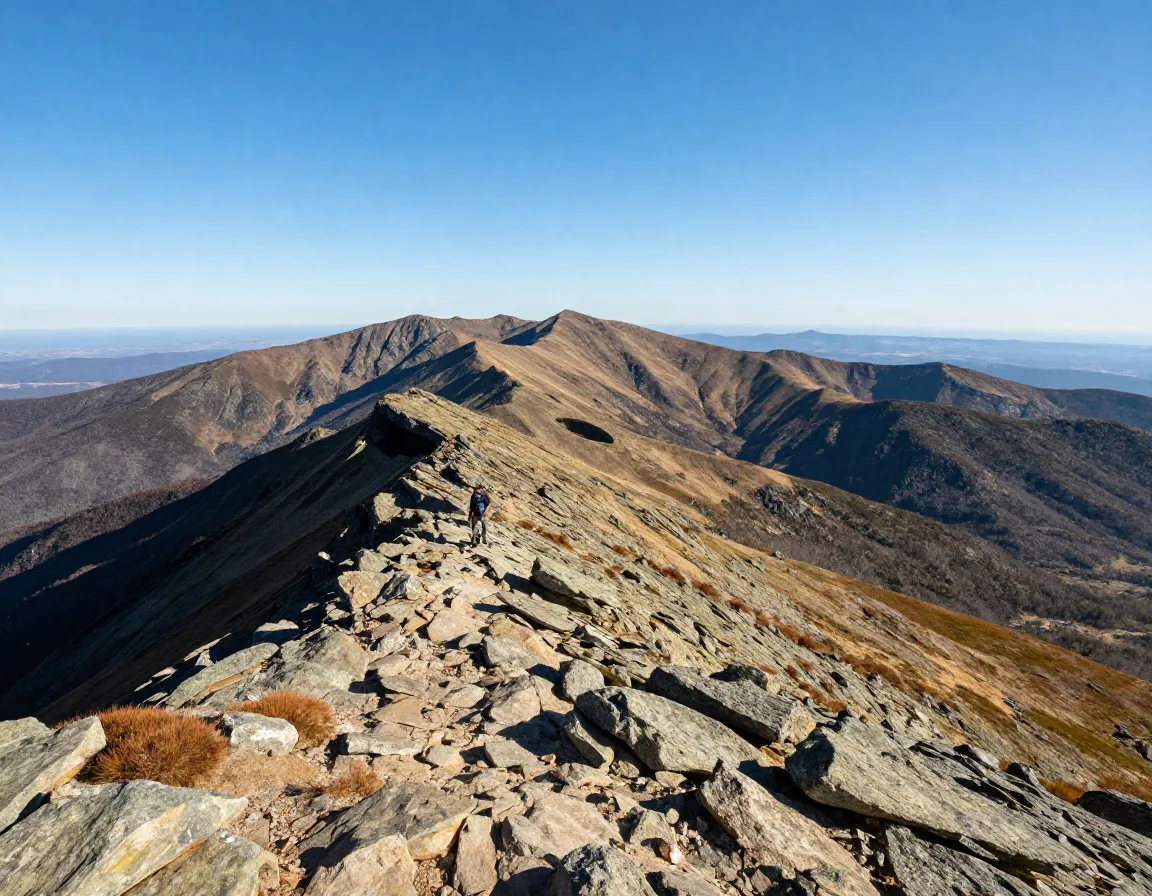
Standing at 6,593 feet, Mount LeConte is the park’s third-tallest peak and one of its most rewarding destinations [1]. The Alum Cave Trail is the most popular route, passing through a series of geological wonders — arched bluffs, a dry cave, and sweeping ridgeline views — before the final push to the summit. Panoramic vistas from the top stretch across multiple states on clear days. Pro tip: LeConte Lodge offers overnight stays if you want to catch the sunrise.
3. Abrams Falls 🌊
Distance: 5 miles roundtrip | Difficulty: Moderate to Difficult
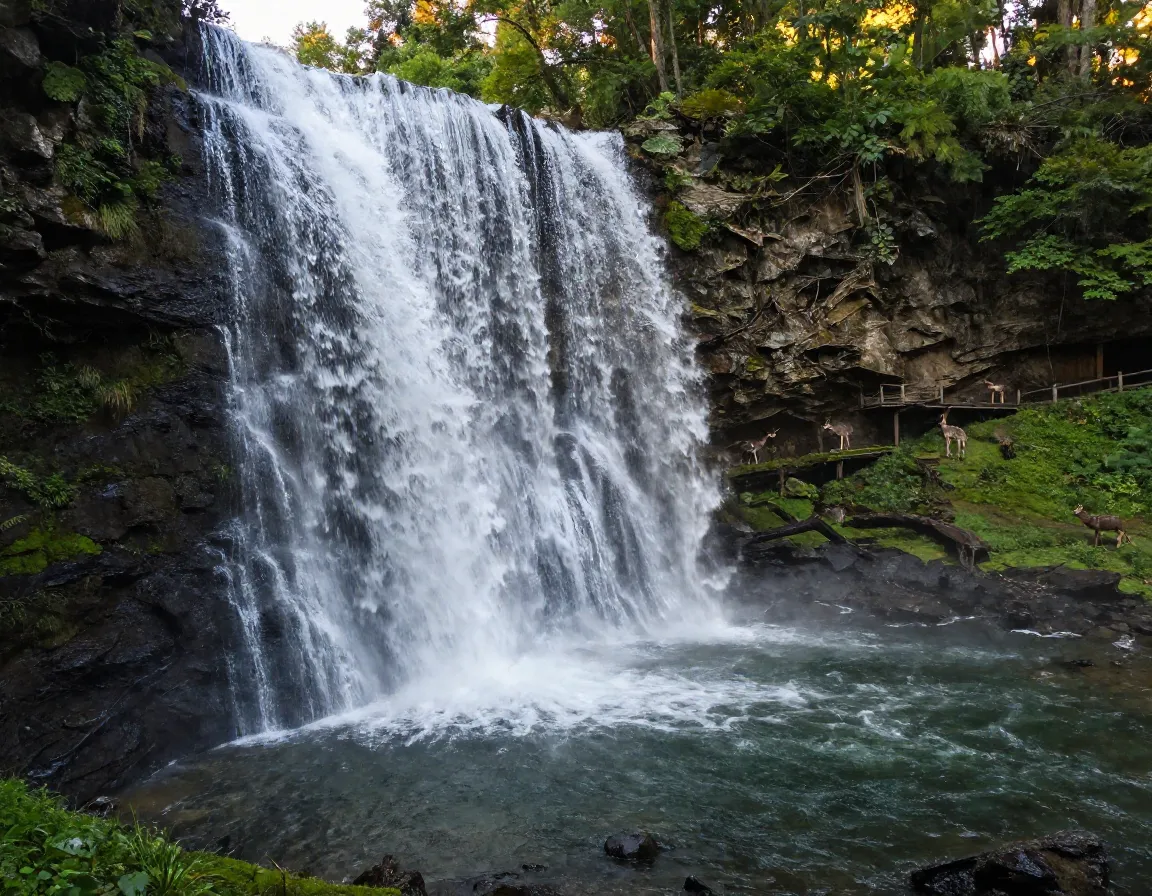
Tucked inside the scenic Cades Cove area, Abrams Falls is one of the most beloved hikes in the park [1]. The waterfall itself drops just 20 feet, but the wide, powerful curtain of water crashing into a deep pool makes it unforgettable. The trail follows Abrams Creek through rolling terrain with several stream crossings. Wildlife sightings — deer, wild turkey, and even black bears — are common in Cades Cove. Arrive before 9 a.m. to avoid the notorious Cades Cove traffic loop.
4. Chimney Tops ⛰️
Distance: 4 miles roundtrip | Difficulty: Strenuous
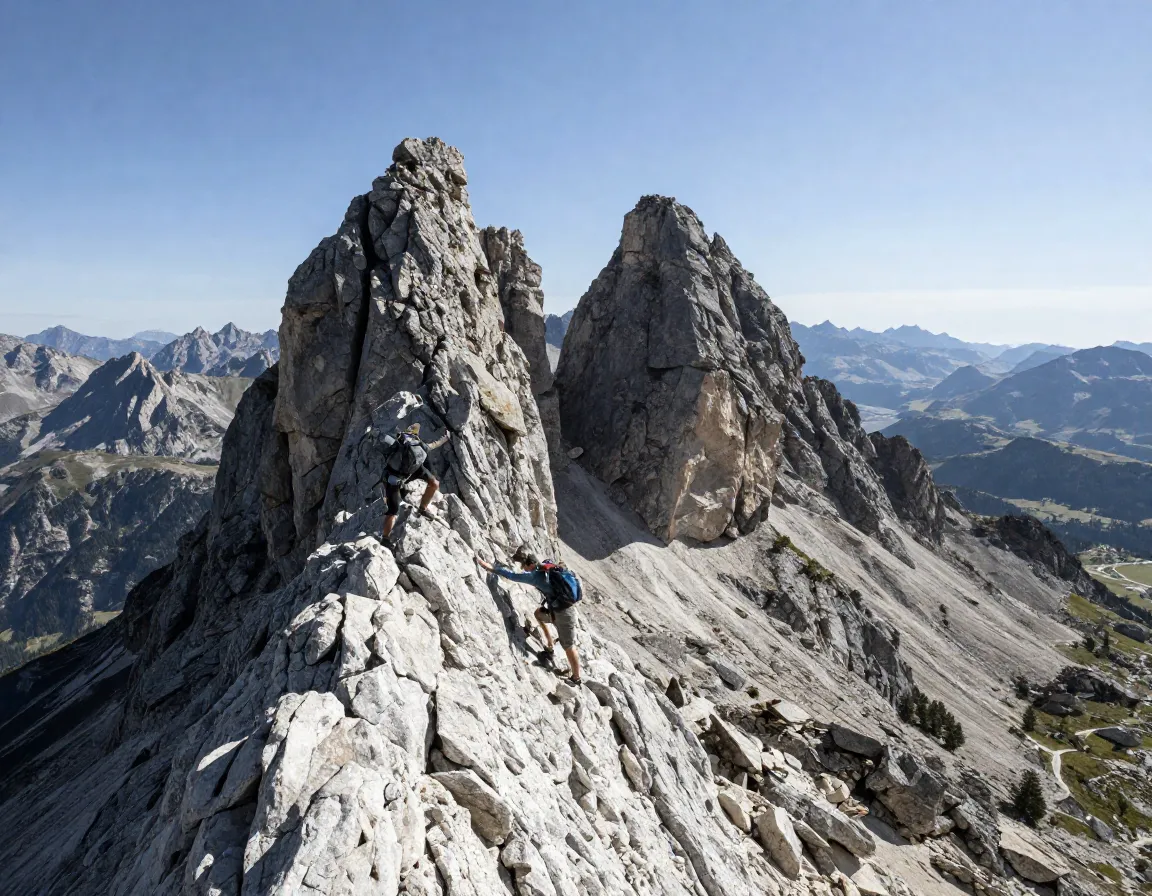
Don’t let the short distance fool you. Chimney Tops packs 1,400 feet of elevation gain into just 2 miles of uphill climbing, making it one of the most physically demanding hikes in the park [1]. The reward is a pair of dramatic rocky pinnacles with unobstructed, 360-degree views of the surrounding mountains. Note that the rocky summit scramble requires hands-and-feet climbing — not suitable for young children or those with a fear of heights.
5. Charlies Bunion 🥾
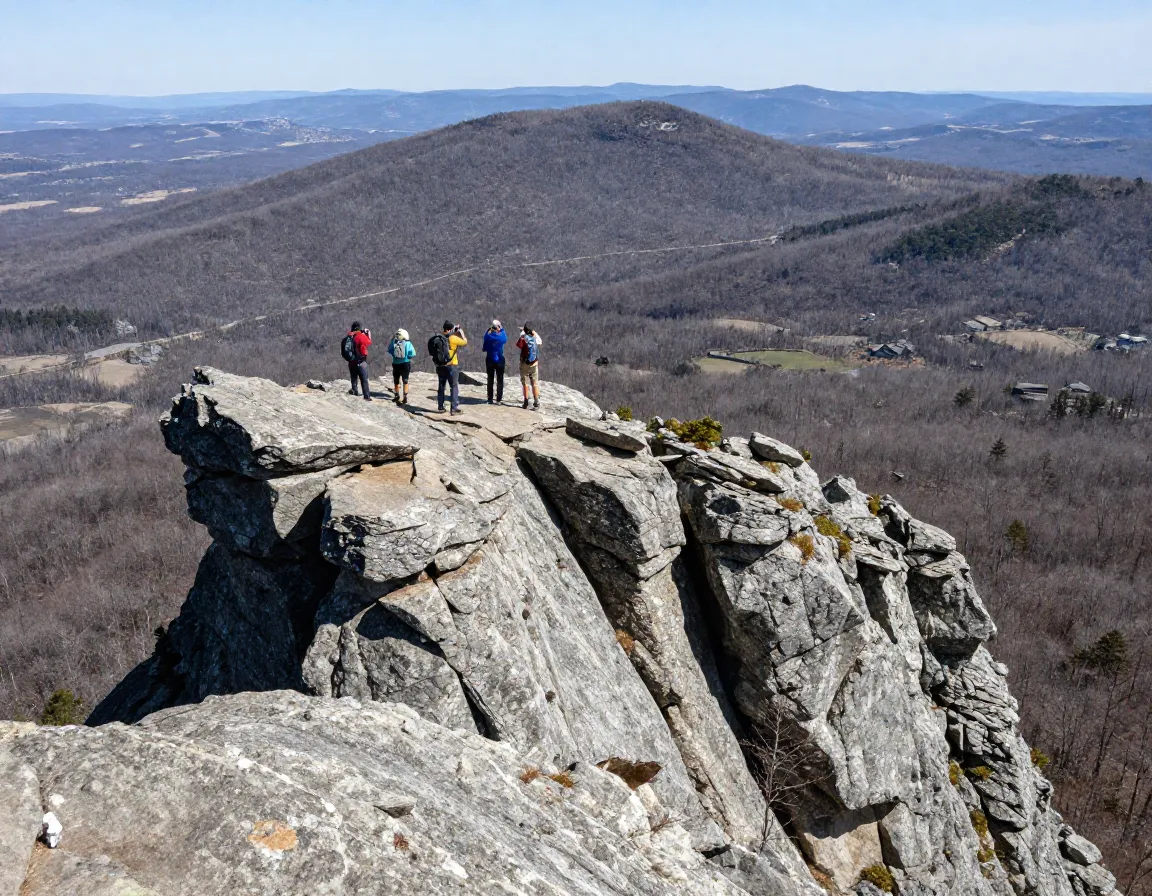
Distance: 8 miles roundtrip | Difficulty: Strenuous
Charlies Bunion follows a stretch of the iconic Appalachian Trail along the Tennessee–North Carolina ridgeline [1]. The exposed rocky outcropping at trail’s end offers some of the most dramatic and photogenic views in the entire park. The trail passes through areas still showing recovery from past wildfires, which paradoxically opens up sweeping vistas that dense forest would otherwise hide. Best visited on clear days for maximum visibility.
6. Gregory Bald 🌸

Distance: 11.3 miles roundtrip | Difficulty: Strenuous
Gregory Bald is the Smokies’ best-kept secret — at least until mid-June, when its flame azaleas burst into a riot of orange, red, and yellow. The open grassy bald at the summit offers panoramic views of Cades Cove below and the surrounding ridges [1]. The long distance and sustained elevation gain make this a true test of endurance, but hikers who make the effort are rewarded with one of the most spectacular wildflower displays in the eastern United States. Peak bloom: typically mid-June.
7. Deep Creek Loop 🌿
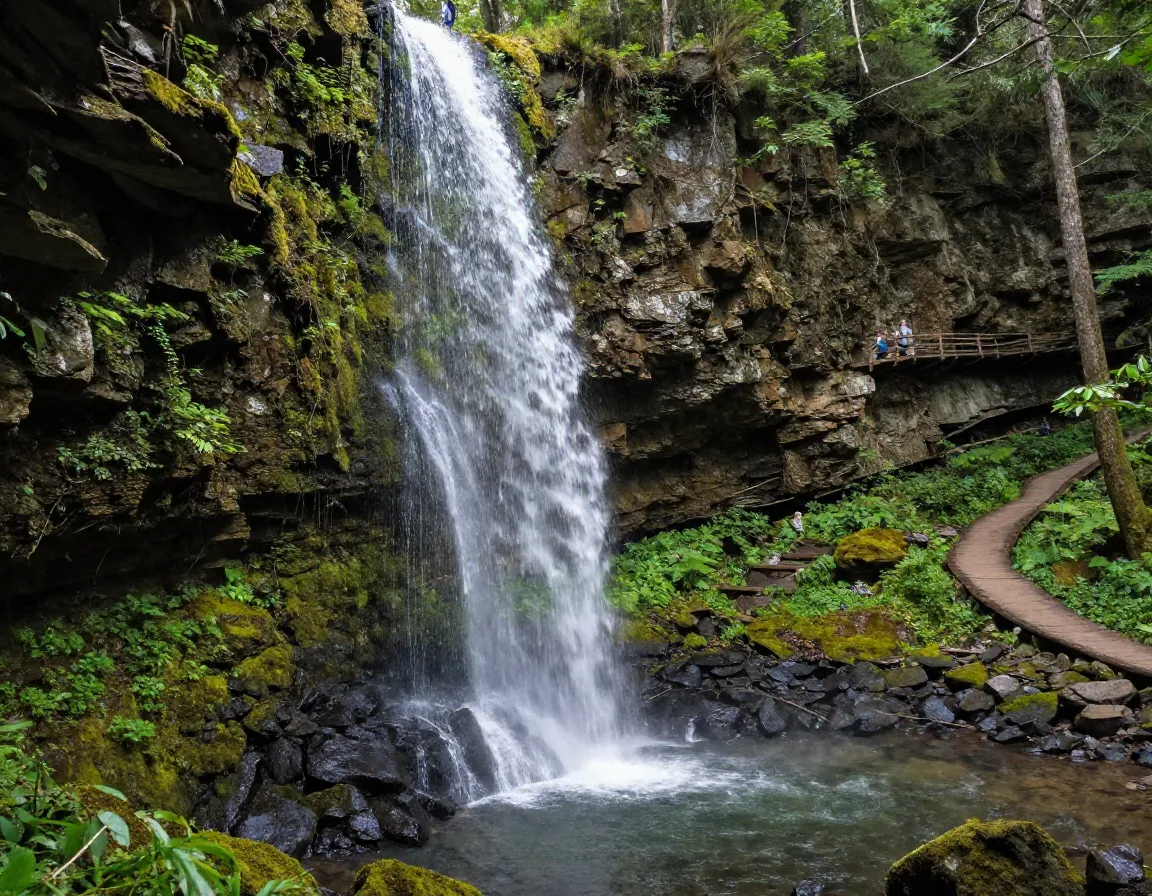
Distance: ~4.4 miles | Difficulty: Easy to Moderate
Perfect for families and casual hikers, the Deep Creek Loop near Bryson City, NC, strings together multiple waterfalls in a single outing [1]. The highlight is Toms Branch Falls, an 80-foot cascade that spills elegantly down a mossy cliff face. The loop also passes Juneywhank Falls and Indian Creek Falls, making it the best waterfall-per-mile ratio in the park. The flat creek-side sections are ideal for kids, while the loop’s hillier portions add a gentle challenge.
8. Alum Cave Trail (to Alum Cave Bluffs) 🪨
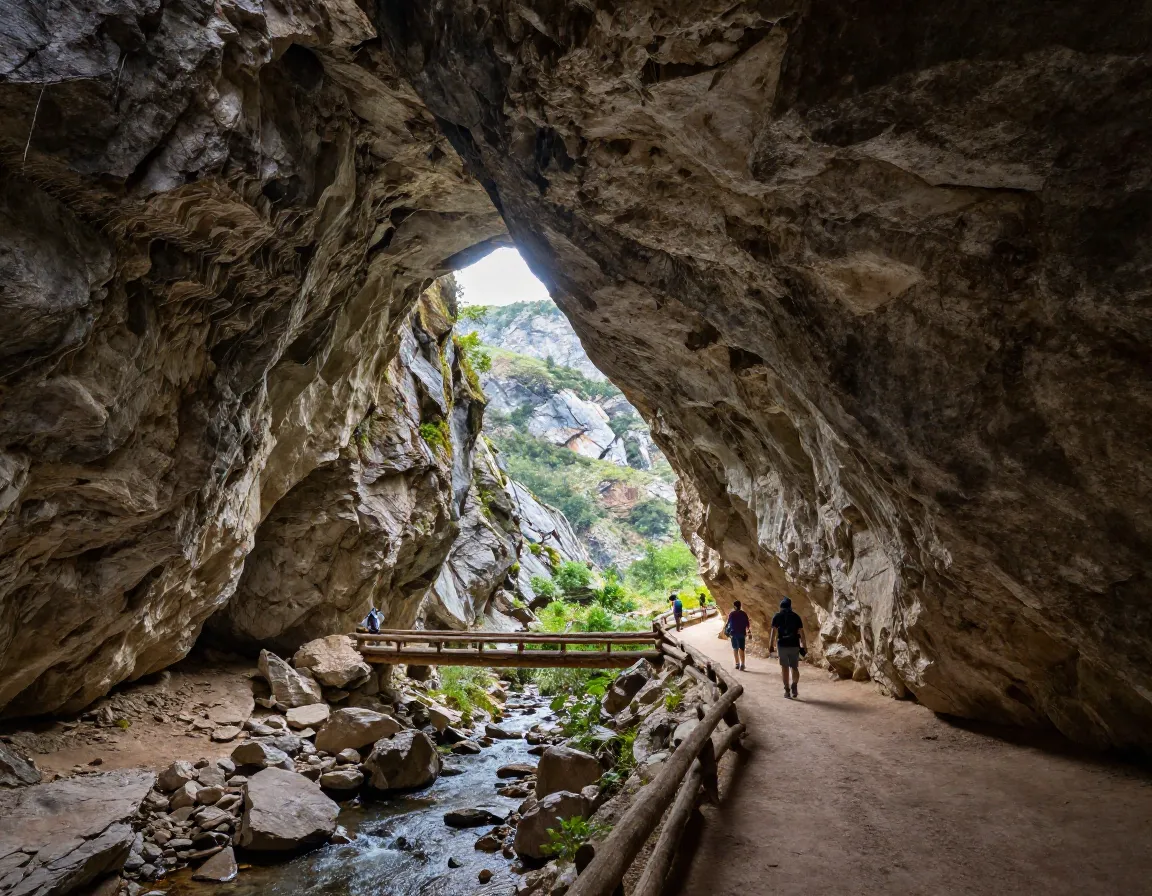
Distance: 4.4 miles roundtrip | Difficulty: Moderate
If you want the geological highlights of the Mount LeConte route without the full 11-mile commitment, hike to Alum Cave Bluffs and turn around [1]. This section features Eye of the Needle (a narrow rock passage), a log bridge over a mountain stream, and the dramatic concave bluffs themselves — a massive overhanging rock shelter used by Civil War-era settlers. It’s one of the most geologically fascinating short hikes in the park.
9. Laurel Falls Trail 🍃
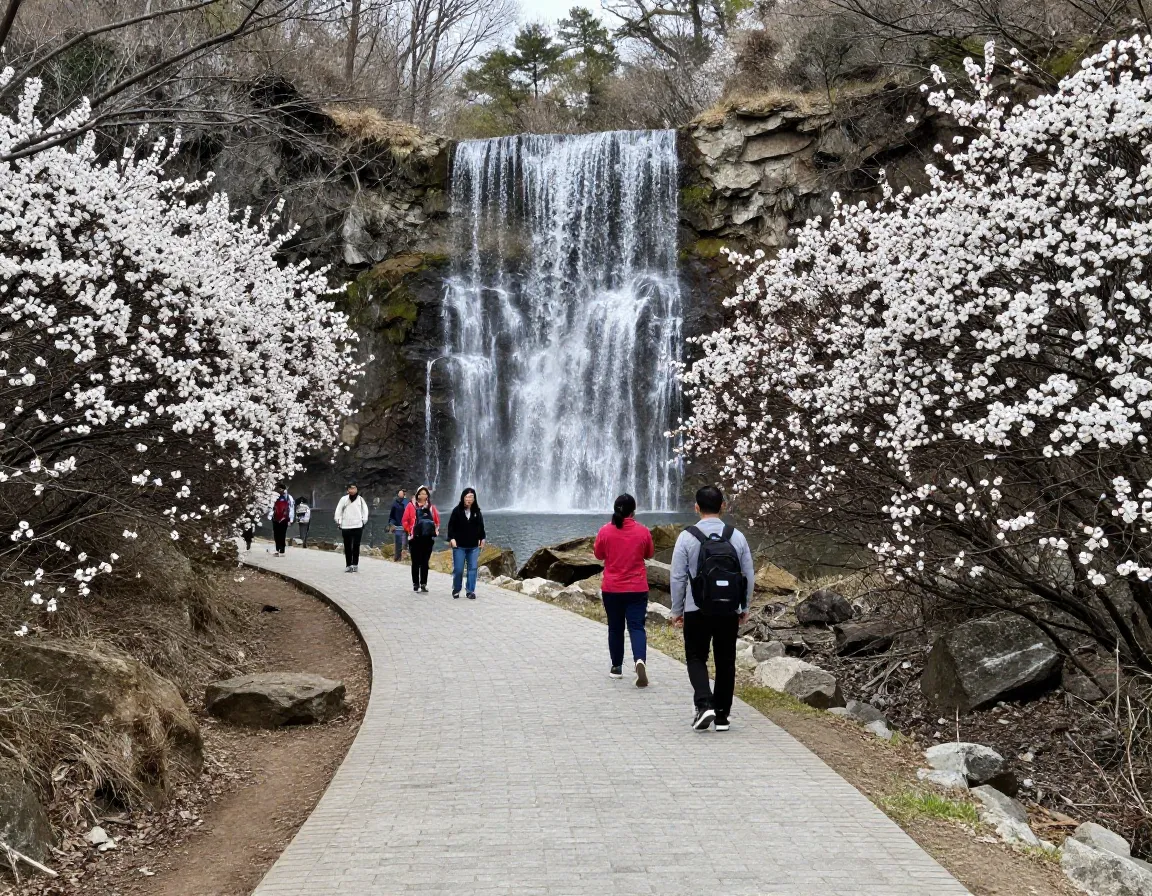
Distance: 2.6 miles roundtrip | Difficulty: Easy
Laurel Falls is the most visited trail in the park — and for good reason [1]. The paved path leads to a stunning two-tiered waterfall framed by mountain laurel that blooms beautifully in late spring. It’s accessible to nearly all fitness levels and is a fantastic introduction to Smoky Mountain hiking. Parking fills by 9 a.m. on weekends, so arrive early or use the Gatlinburg Trolley if available.
Essential Tips for Hiking the 9 Best Day Hikes in Great Smoky Mountains National Park You Can’t Miss
Before you hit the trail, keep these tips in mind:
- 🅿️ Reserve parking or arrive early — trailhead lots fill quickly, especially May through October.
- 💧 Carry at least 2 liters of water per person; streams are not safe to drink without filtration.
- 🐻 Bear safety matters — carry bear spray, make noise on the trail, and never approach wildlife.
- 👟 Wear proper footwear — waterproof hiking boots are recommended for most trails listed here.
- 📱 Download offline maps — cell service is unreliable throughout the park.
- 🌦️ Check the weather — afternoon thunderstorms are common in summer; start early and be off exposed ridges by noon.
- 🎫 Check for permits — some high-use areas now require advance reservations [1].
Conclusion: Lace Up and Explore
The 9 Best Day Hikes in Great Smoky Mountains National Park You Can’t Miss represent the very best this remarkable park has to offer — from thundering waterfalls and ancient old-growth forests to sky-high summits and flame-colored wildflower balds. Each trail tells a different story about this extraordinary landscape.
Your actionable next steps:
- Choose your trail based on fitness level and interests using the comparison table above.
- Visit the NPS website to check current trail conditions, permits, and parking reservations [1].
- Pack smart — water, snacks, layers, and a paper map as backup.
- Start early — aim for the trailhead before 8 a.m. on weekends.
- Leave No Trace — pack out all waste and stay on marked trails to protect this irreplaceable ecosystem.
The Smokies are calling. In 2026, make this the year you finally answer.
References
[1] Great Smoky Mountains National Park – https://www.nps.gov/grsm/