8 Crucial Steps for Kilimanjaro Mountain Climbing Success
Every year, thousands of adventurers attempt to stand on the “Roof of Africa” — and nearly half of them turn back before reaching the summit. 🏔️ If you want to be on the winning side of that statistic, following the 8 Crucial Steps for Kilimanjaro Mountain Climbing Success can make all the difference between a triumphant summit and a disappointing descent. Whether you’re a seasoned trekker or a first-time high-altitude climber, these steps will give you the edge you need to conquer Africa’s highest peak in 2026.
Disclosure: This post contains affiliate links. As an Amazon Associate, we earn from qualifying purchases, and at no extra cost to you.

Key Takeaways
- 📅 Book early — Reserve your Kilimanjaro expedition 6–12 months in advance to secure your preferred route and best pricing [4]
- 🏋️ Train seriously — Physical conditioning, including cardiovascular fitness and the ability to carry ~15 lbs, is non-negotiable [7]
- 🌤️ Choose the right season — January–March and June–October offer the best trail conditions [4]
- 🛤️ Pick the right route — Route selection directly impacts your acclimatization and summit success rate
- 💊 Plan for altitude — Acclimatization strategies and altitude sickness prevention are your most critical tools on the mountain
1. Choose the Best Time to Climb
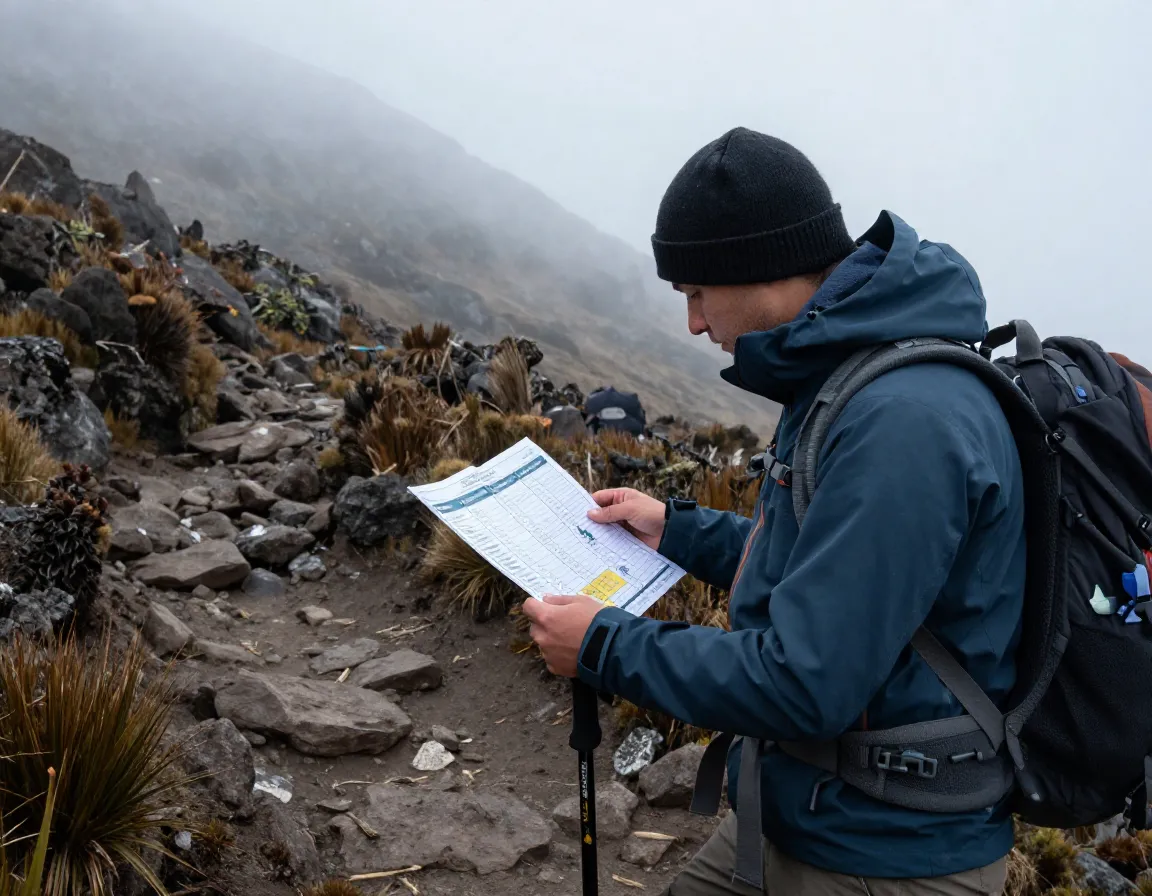
Timing is everything on Kilimanjaro. The mountain’s weather can shift dramatically, and choosing the wrong season can mean slippery trails, poor visibility, and a much harder climb.
The two optimal climbing windows in 2026 are:
| Season | Months | Conditions |
|---|---|---|
| Dry Season 1 | January – March | Clear skies, firm trails |
| Dry Season 2 | June – October | Most popular, best visibility |
| Wet Season | April – May | Heavy rains, muddy paths |
| Short Rains | November – December | Unpredictable weather |
Temperatures on Kilimanjaro vary wildly — from around 80°F (27°C) at the base to a brutal -10°F (-23°C) near the summit [4]. Planning your climb during the dry seasons gives you the most stable conditions and the highest chance of success.
💡 “The mountain doesn’t care how motivated you are — but the right timing gives your motivation the best possible stage.”
2. Book Your Expedition 6–12 Months in Advance

Procrastination is the enemy of a great Kilimanjaro experience. Demand for guided climbs is high, especially during peak seasons, and the best operators fill their slots fast.
Why early booking matters:
- Secures your spot on preferred routes like the Lemosho or Machame
- Locks in competitive 2026 pricing before rates increase
- Gives you ample time to prepare physically and mentally
- Allows time to sort visas, travel insurance, and gear [4]
Booking 6–12 months ahead is the industry-standard recommendation from top operators [1][6]. Don’t leave this to the last minute.
3. Select the Right Route for Your Kilimanjaro Climb

Not all routes are created equal. Your route choice will shape your entire experience — from scenery to difficulty to your chances of reaching Uhuru Peak.
The most popular routes include:
- Lemosho Route (7–8 days) — Best acclimatization profile, stunning scenery, ~90% success rate
- Machame Route (6–7 days) — Known as the “Whiskey Route,” challenging but rewarding
- Marangu Route (5–6 days) — Only route with hut accommodation; lower success rate
- Rongai Route (6–7 days) — Approaches from the north, drier and less crowded
- Umbwe Route (6 days) — Steepest and most direct; best for experienced climbers [2][5]
⚠️ Pro Tip: Longer routes (7+ days) dramatically improve acclimatization and summit success rates. Don’t try to rush Kilimanjaro.
4. Build Your Physical Fitness Before the Climb
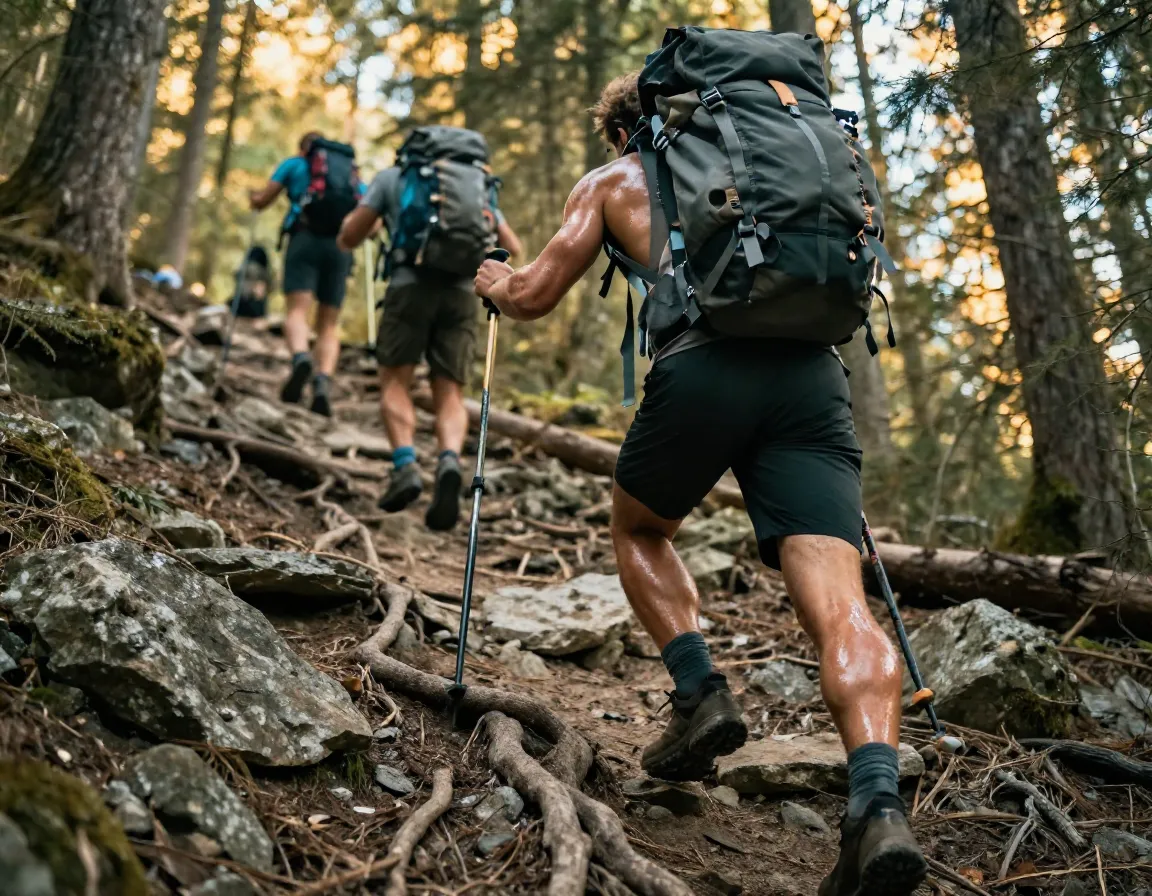
One of the most underestimated aspects of the 8 Crucial Steps for Kilimanjaro Mountain Climbing Success is pre-climb fitness. Kilimanjaro is a non-technical climb, but it is physically demanding at extreme altitude.
You should be able to:
- Carry a daypack of approximately 15 lbs for 6–8 hours [7]
- Complete long hikes (5+ hours) on varied terrain without excessive fatigue
- Demonstrate strong cardiovascular conditioning
- Handle consecutive days of physical exertion [7]
Recommended training plan (6 months out):
- 🏃 Cardio: 4–5 days/week (running, cycling, swimming)
- 🥾 Hiking: Weekend hikes with a loaded pack, increasing distance monthly
- 💪 Strength: Focus on legs, core, and back to support pack weight
- 🧘 Flexibility: Yoga or stretching to prevent injury
Start training at least 3–6 months before your departure date [1].
5. Master Altitude Acclimatization Strategies
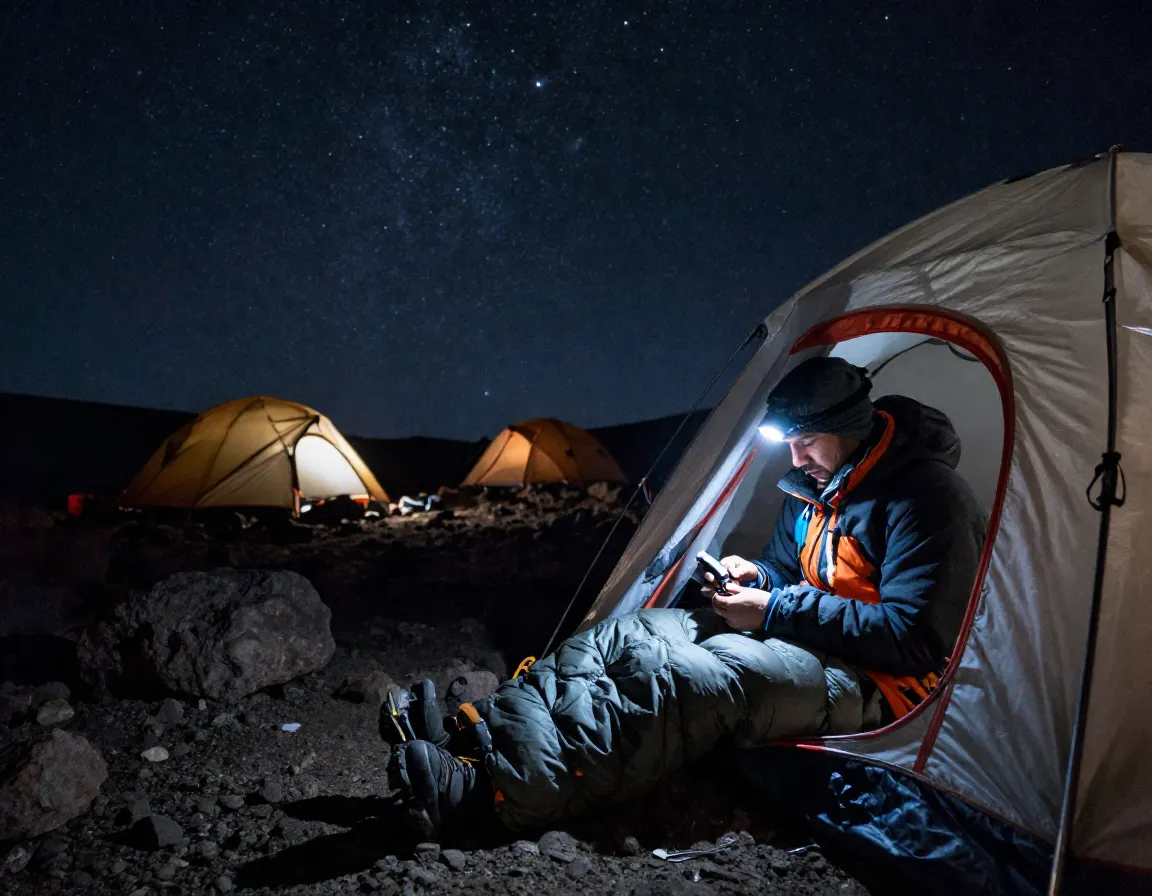
Altitude sickness is the number one reason climbers fail to summit Kilimanjaro. Understanding and respecting altitude is not optional — it’s survival.
Key altitude thresholds on Kilimanjaro:
| Zone | Altitude | Risk Level |
|---|---|---|
| Rainforest | 6,000–9,000 ft | Low |
| Moorland | 9,000–11,000 ft | Moderate |
| Alpine Desert | 11,000–16,000 ft | High |
| Arctic Summit | 16,000–19,341 ft | Very High |
The golden rule of altitude climbing: “Climb high, sleep low.” Choose routes that build in acclimatization days, and never rush your ascent profile [2][5].
Signs of Acute Mountain Sickness (AMS) to watch for:
- Headache
- Nausea or vomiting
- Dizziness
- Fatigue beyond normal exertion
- Shortness of breath at rest
Discuss acetazolamide (Diamox) with your doctor before the trip as a preventive medication option.
6. Assemble the Right Gear and Clothing System
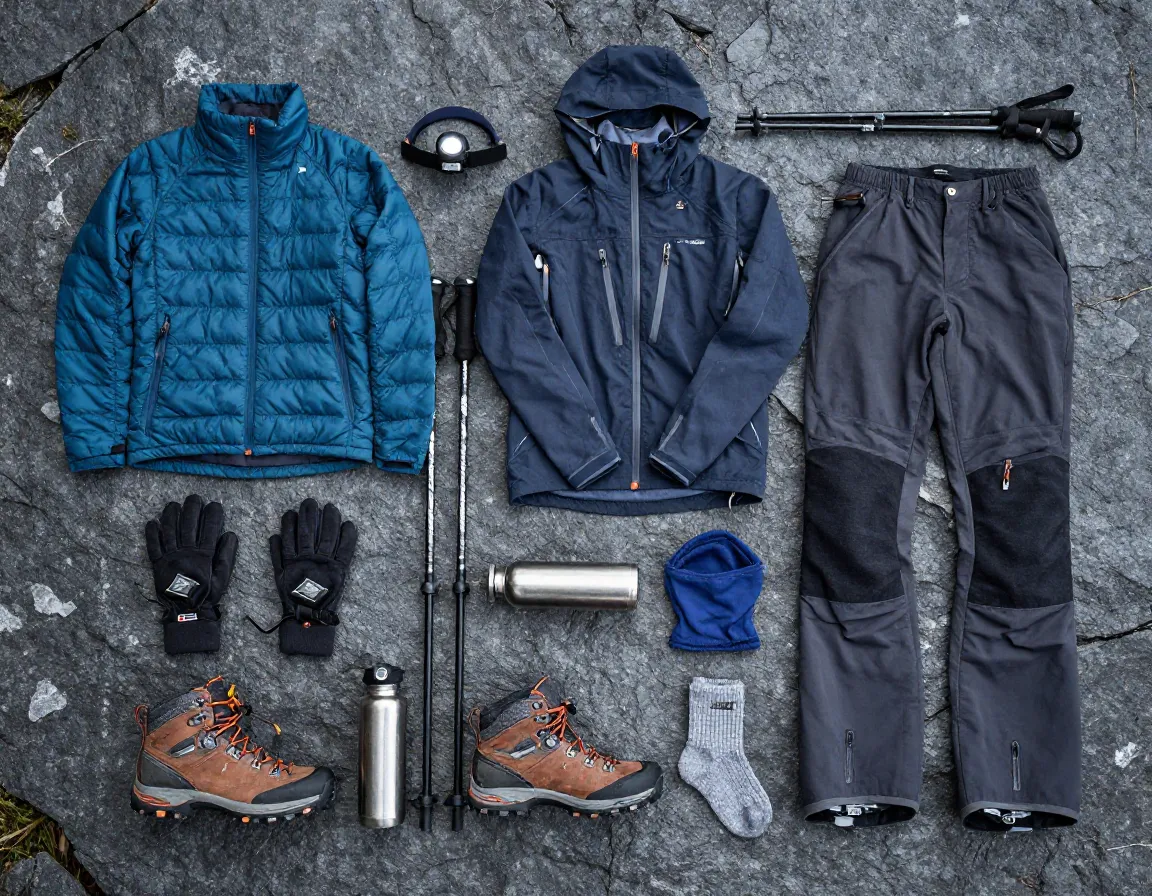
Kilimanjaro’s extreme temperature range demands a smart, layered clothing system. Going underprepared on gear is a fast track to failure — or worse, frostbite.
Essential gear checklist:
- ✅ Base layer: Moisture-wicking thermal tops and bottoms
- ✅ Mid layer: Fleece or down jacket for insulation
- ✅ Outer layer: Waterproof, windproof shell jacket and pants
- ✅ Footwear: Waterproof hiking boots (broken in before the trip!)
- ✅ Accessories: Warm gloves, balaclava, buff, wool socks, gaiters
- ✅ Trekking poles: Essential for descent and steep sections
- ✅ Headlamp: Critical for the pre-dawn summit push
- ✅ Hydration system: Insulated water bottles or a bladder with an insulated hose [1][3]
💡 “Your gear is your life support system on the mountain. Invest in quality — it pays dividends at 19,000 feet.”
7. Choose a Reputable Guide Operator
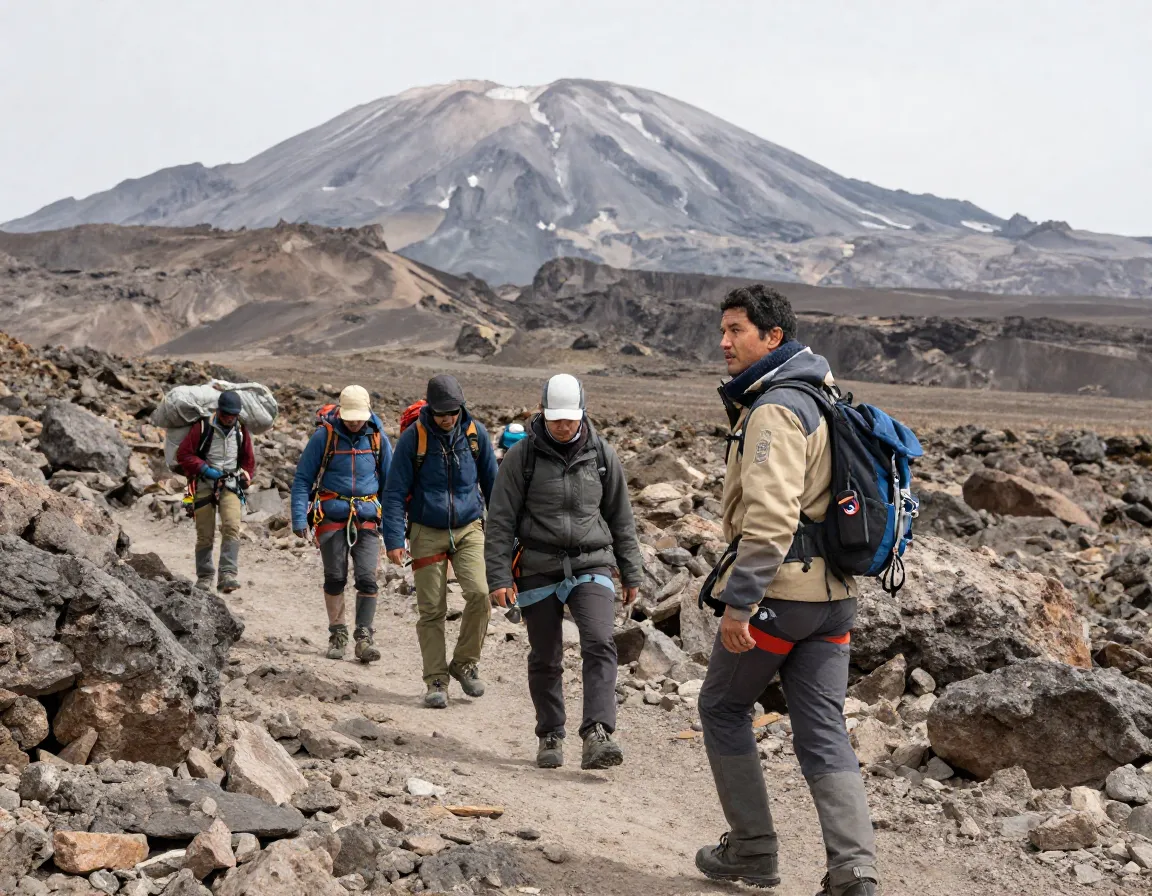
This step is where many climbers cut corners — and pay dearly for it. In Tanzania, all climbers must be accompanied by a licensed guide. But not all operators offer the same quality of service, safety standards, or ethical practices.
What to look for in a Kilimanjaro operator:
- KINAPA licensing — Ensure they’re registered with the Kilimanjaro National Park Authority
- Strong safety record — Ask about emergency oxygen, stretchers, and evacuation protocols
- Fair porter treatment — Look for operators who follow KPAP (Kilimanjaro Porters Assistance Project) guidelines
- Experienced guides — Guides should have Wilderness First Responder or equivalent training
- Transparent pricing — Understand exactly what is and isn’t included [2][6]
Compare at least 3–5 operators before committing. Read recent reviews on platforms like TripAdvisor and Google, and don’t be afraid to ask hard questions.
8. Prepare Mentally and Embrace the Journey

The final — and perhaps most powerful — of the 8 Crucial Steps for Kilimanjaro Mountain Climbing Success is mental preparation. The summit push typically starts around midnight and involves 6–7 hours of climbing in freezing darkness. Physical fitness alone won’t carry you through that.
Mental strategies that work:
- 🎯 Set micro-goals: Focus on the next rest stop, not the summit
- 🗣️ Use mantras: Simple phrases like “pole pole” (Swahili for “slowly slowly”) keep you grounded
- 🤝 Lean on your team: Your guides and fellow climbers are your support system
- 📓 Visualize success: Mentally rehearse reaching Uhuru Peak before you ever set foot on the mountain
- 😴 Prioritize sleep: Rest at every opportunity, even if altitude makes it difficult [3][5]
Studies of high-altitude climbers consistently show that mental resilience separates those who summit from those who turn back — even when physical fitness levels are similar.
Conclusion: Your Kilimanjaro Success Starts Today
Kilimanjaro is one of the world’s most accessible high-altitude climbs — but “accessible” doesn’t mean easy. By following the 8 Crucial Steps for Kilimanjaro Mountain Climbing Success, you give yourself every possible advantage: the right timing, the right route, the right fitness, the right gear, and the right mindset.
Your actionable next steps for 2026:
- ✅ Choose your climbing window (January–March or June–October)
- ✅ Research and book a reputable operator 6–12 months out
- ✅ Start your training program today
- ✅ Consult your doctor about altitude sickness prevention
- ✅ Build your gear list and start acquiring equipment
The summit is waiting. Pole pole — and you’ll get there. 🏔️
References
[1] Planning Your Mount Kilimanjaro Trek 2026 A Comprehensive Guide – https://peakplanet.com/planning-your-mount-kilimanjaro-trek-2026-a-comprehensive-guide/
[2] Climb Kilimanjaro Guide 2026 – https://teamkilimanjaro.com/climb-kilimanjaro-guide-2026
[3] Climbing Kilimanjaro – https://altezzatravel.com/climbing-kilimanjaro
[4] Kilimanjaro Climbing Guide 2026 Routes Costs What To Expect – https://www.machupicchu.org/kilimanjaro-climbing-guide-2026-routes-costs-what-to-expect.htm
[5] Climbing Mount Kilimanjaro – https://vultureafricansafaris.com/climbing-mount-kilimanjaro/
[6] 2026 Climb Kilimanjaro Dates Prices – https://www.climbing-kilimanjaro.com/2026-climb-kilimanjaro-dates-prices/
[7] Mount Kilimanjaro – https://www.alpineascents.com/climbs/mount-kilimanjaro/