8 Key Hiking Attire for Men: A Functional Layering Checklist
Picture this: you’re two miles from the trailhead when the sky turns dark, the temperature drops 15 degrees, and the rain starts hammering down. What you’re wearing at that moment isn’t just a comfort issue — it’s a safety one. That’s exactly why mastering the 8 Key Hiking Attire for Men: A Functional Layering Checklist can make or break your time on the trail. Whether you’re a weekend warrior or a seasoned thru-hiker, the right layering system keeps you warm, dry, and moving efficiently across every condition.
Disclosure: This post contains affiliate links. As an Amazon Associate, we earn from qualifying purchases, and at no extra cost to you.
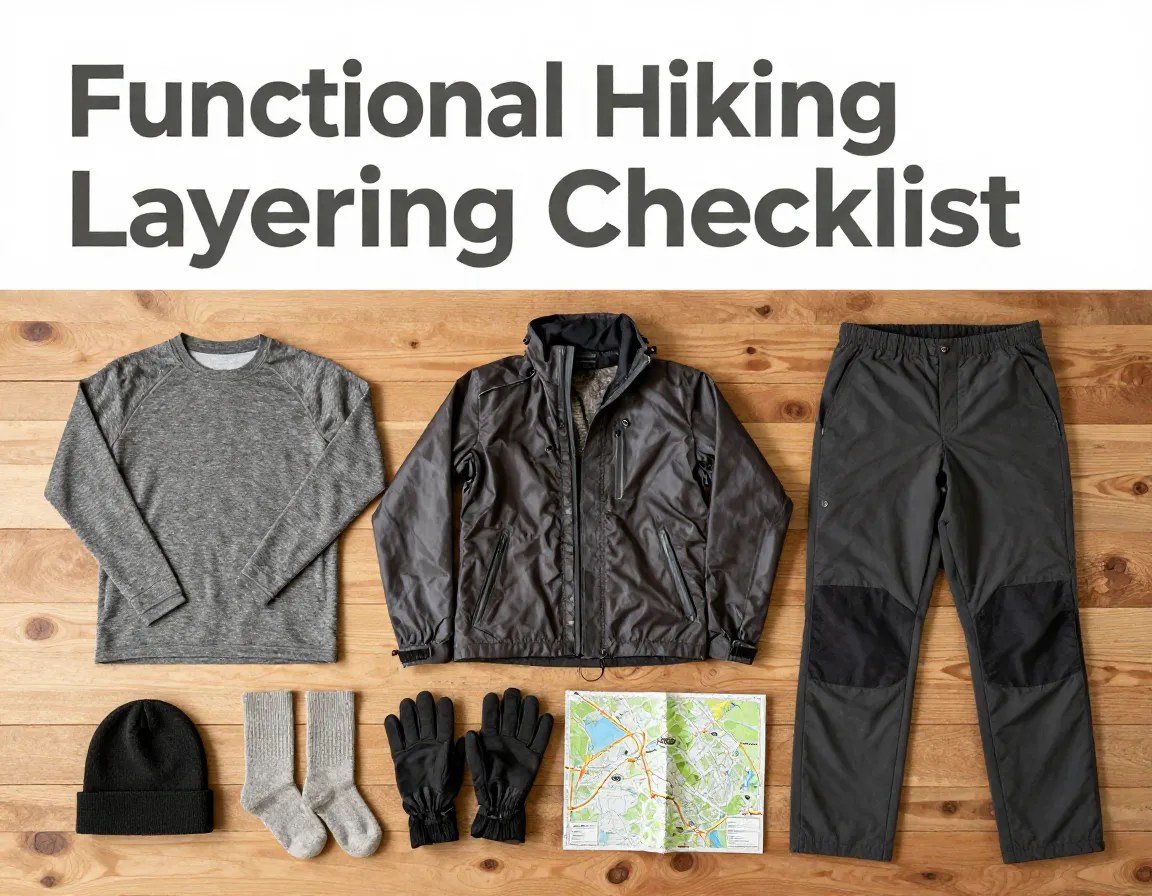
In this guide, I’ll walk you through each essential piece of men’s hiking attire, explain why it matters, and share specific product examples that real hikers trust in 2026.
Key Takeaways
- 🧥 Layering is the foundation of smart hiking attire — base, mid, and outer layers each serve a distinct function.
- 🚫 Never hike in cotton — it absorbs moisture and stays wet, increasing your risk of hypothermia.
- 🐑 Merino wool and synthetic fabrics (polyester, nylon) are the gold standard for moisture management [2].
- ⚖️ A complete ultralight hiking clothes kit can weigh as little as 25.0 ounces [2].
- ✅ Use this checklist before every hike to ensure you’re prepared for changing trail conditions.
The Complete 8 Key Hiking Attire for Men: A Functional Layering Checklist
Understanding the full system before you pack is critical. The table below gives you a quick overview of all 8 items, their function, and the season they’re most relevant to.
| # | Attire Item | Primary Function | Best Season |
|---|---|---|---|
| 1 | Base Layer Top | Moisture-wicking, temperature regulation | All seasons |
| 2 | Base Layer Bottoms | Lower-body moisture control | All seasons |
| 3 | Mid Layer Fleece | Insulation, heat retention | Fall, winter, spring |
| 4 | Mid Layer Insulated Jacket | Primary cold-weather insulation | Winter, cold alpine |
| 5 | Outer Layer Rain Jacket | Waterproof, windproof protection | All seasons |
| 6 | Outer Layer Soft Shell | Breathable weather resistance | Spring, fall |
| 7 | Hiking Pants or Shorts | Lower-body protection and mobility | All seasons |
| 8 | Accessories (socks, hat, gloves) | Extremity protection, comfort | All seasons |
Now let’s break down each item in detail.
1. Base Layer Top
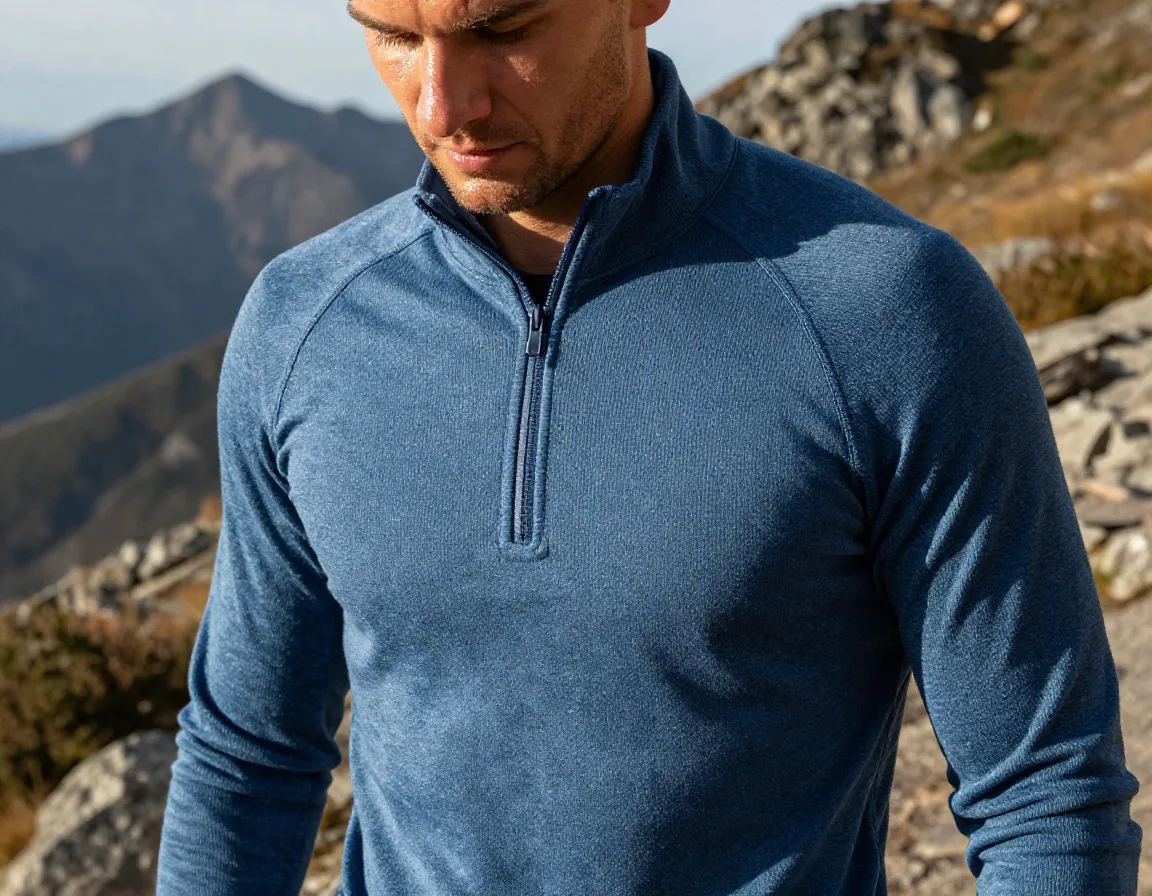
Your base layer top is the first line of defense against sweat and chill. Its job is to pull moisture away from your skin so you stay dry and comfortable as your body temperature fluctuates on the trail.
Best materials: Merino wool, polyester, nylon — avoid cotton at all costs [2].
Top picks for 2026:
- Smartwool Classic All-Season Merino Quarter-Zip Base Layer Top — ideal for 3-season hiking with natural odor resistance and excellent moisture management [1].
- REI Co-op Merino 185 Base Layer Top — a lighter option suited for summer hikes when you need breathability without bulk [1].
💡 “The base layer is the most important piece in your hiking attire system. Get this wrong, and no amount of outer gear will save you.”
2. Base Layer Bottoms
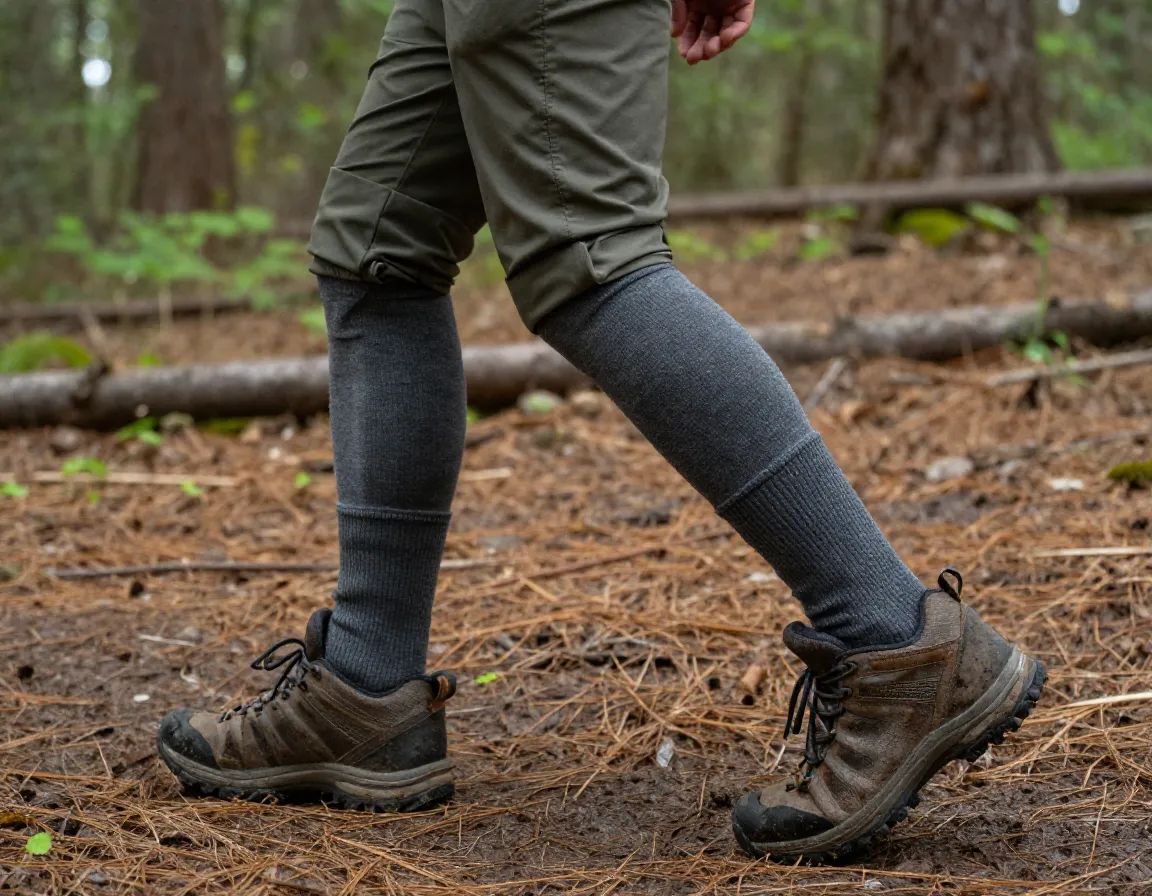
Just like the top, your base layer bottoms manage moisture on your lower body. In cold conditions, they add a critical layer of warmth under your hiking pants.
Key considerations:
- Winter hiking: Go with thermal options like the Smartwool Classic Thermal Merino Base Layer Bottoms for maximum insulation [1].
- Warmer seasons (spring, summer, fall): Lightweight options like REI Co-op Merino Boxers offer breathability and chafe prevention without overheating [1].
Pro tip: Always pack base layer bottoms even on summer hikes. Temperatures at elevation can drop dramatically after sundown or during sudden storms.
3. Mid Layer Fleece
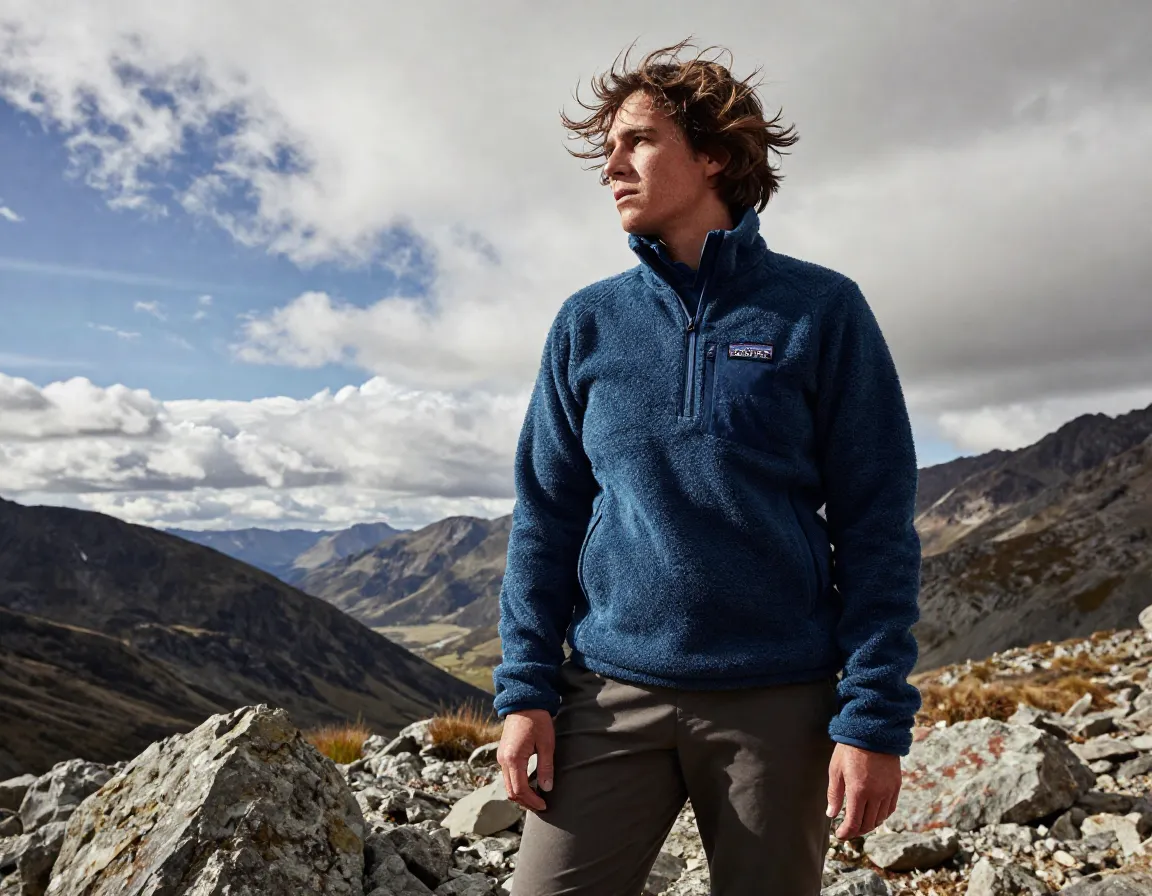
Once your base layer is doing its job, the mid layer fleece steps in to trap body heat. Think of it as your personal heating system — lightweight, packable, and highly effective.
Why fleece works: Fleece retains warmth even when damp, making it far more reliable than cotton sweaters or heavy wool knits.
Recommended option: The Patagonia Better Sweater Fleece Jacket is a go-to choice for hikers who want reliable insulation without excessive weight [1]. It packs down easily and works as a standalone layer on mild days or as insulation under a shell on colder ones.
Fleece vs. Down — when to choose fleece:
- ✅ Damp or humid conditions
- ✅ High-output activities where breathability matters
- ✅ Budget-conscious hikers
4. Mid Layer Insulated Jacket
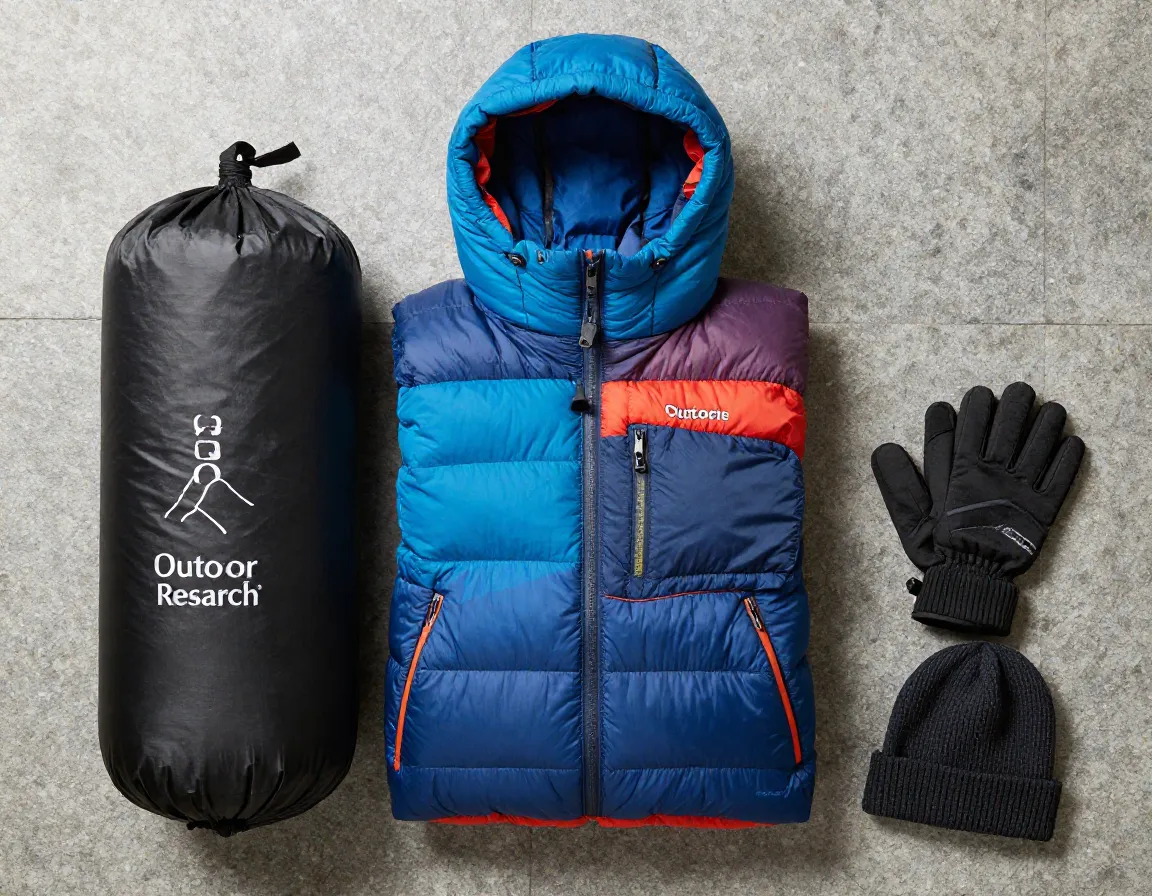
When temperatures drop into serious cold territory — think winter alpine hikes or high-elevation trails — a dedicated insulated jacket becomes essential. This piece provides your primary thermal protection.
Top pick: The Outdoor Research Helium Down Hoodie delivers excellent warmth-to-weight ratio and compresses into a small stuff sack, making it easy to stow in your pack when you warm up on the ascent [1].
Down vs. synthetic insulation:
| Feature | Down | Synthetic |
|---|---|---|
| Warmth-to-weight | ⭐⭐⭐⭐⭐ | ⭐⭐⭐ |
| Wet performance | ⭐⭐ | ⭐⭐⭐⭐ |
| Packability | ⭐⭐⭐⭐⭐ | ⭐⭐⭐ |
| Durability | ⭐⭐⭐⭐ | ⭐⭐⭐⭐⭐ |
5. Outer Layer Rain Jacket
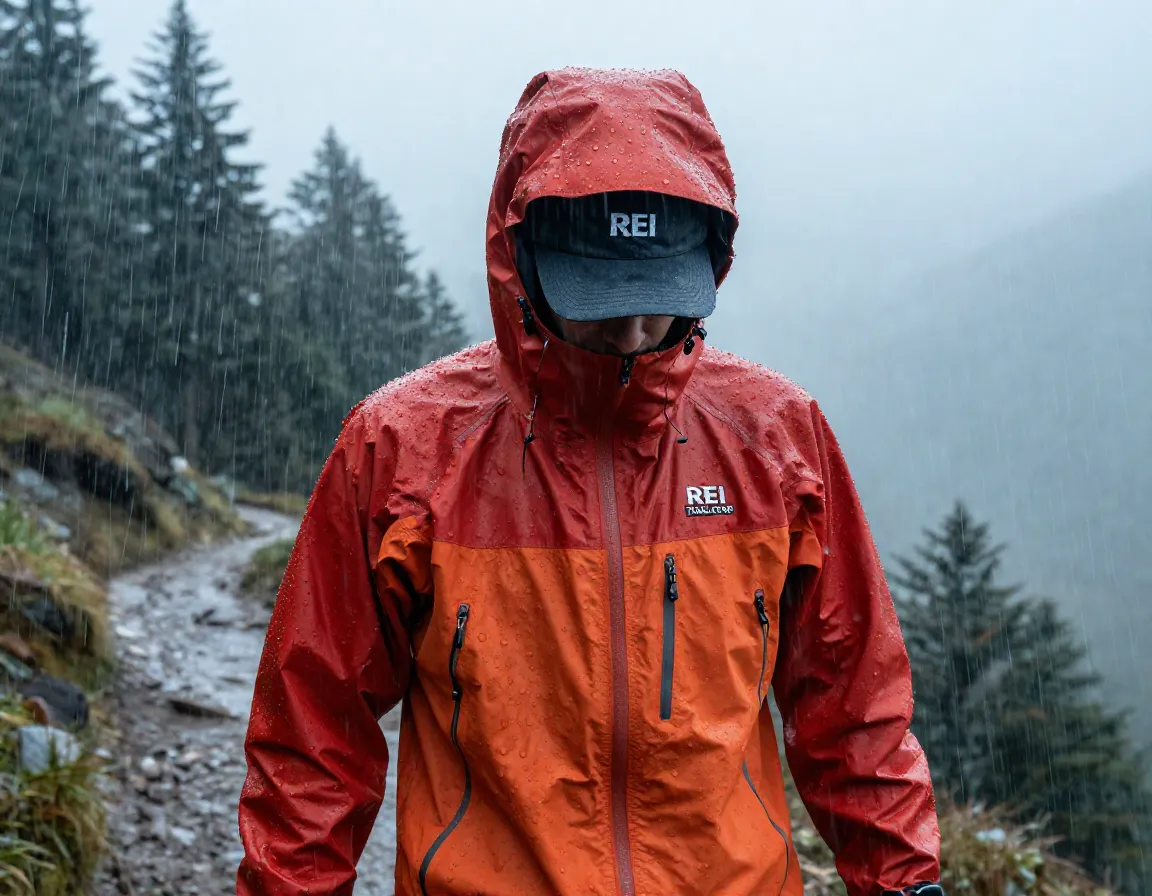
No hiking attire checklist for men is complete without a solid rain jacket. This is your shield against wind, rain, and unexpected weather changes — and it’s non-negotiable for trail safety.
What to look for:
- Waterproof rating (look for taped seams)
- Breathability (so you don’t sweat out inside)
- Packability and weight
Best pick: The REI Co-op Trailmade Rain Jacket offers dependable waterproof and windproof protection at a reasonable price point, making it one of the most practical outer layers available for men in 2026 [1].
🌧️ Always keep your rain jacket accessible in your pack — not buried at the bottom. Weather changes fast on the trail.
6. Outer Layer Soft Shell
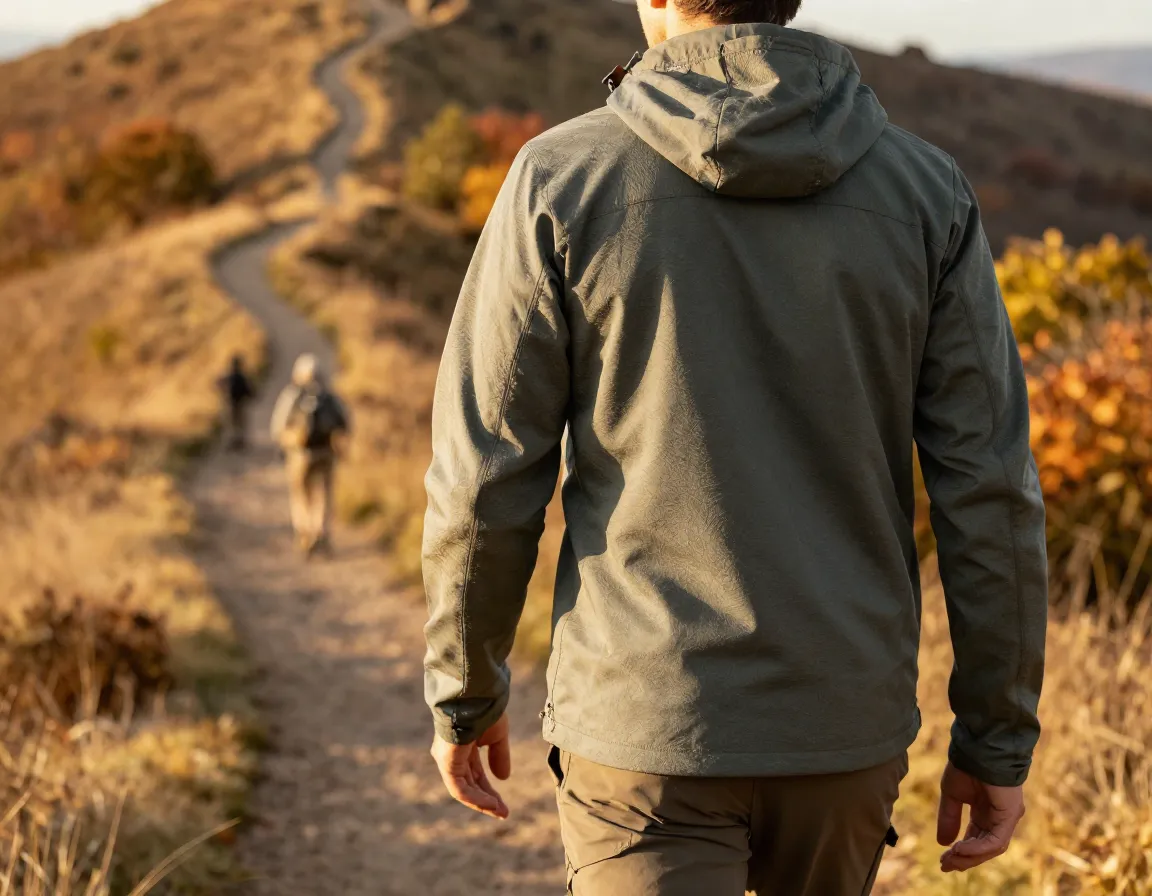
A soft shell jacket fills the gap between a fleece and a full rain jacket. It offers wind resistance and light water repellency while maintaining excellent breathability — perfect for active hiking in variable but not extreme conditions.
Best use cases:
- Spring and fall hiking
- High-output activities in cool, breezy weather
- Days when rain is unlikely but wind is a factor
Top recommendation: The Outdoor Research Ferrosi Hoodie is a lightweight, stretchy soft shell that moves with your body and handles light moisture effectively [1]. Many hikers use it as their primary outer layer for three-season hiking.
7. Hiking Pants or Shorts
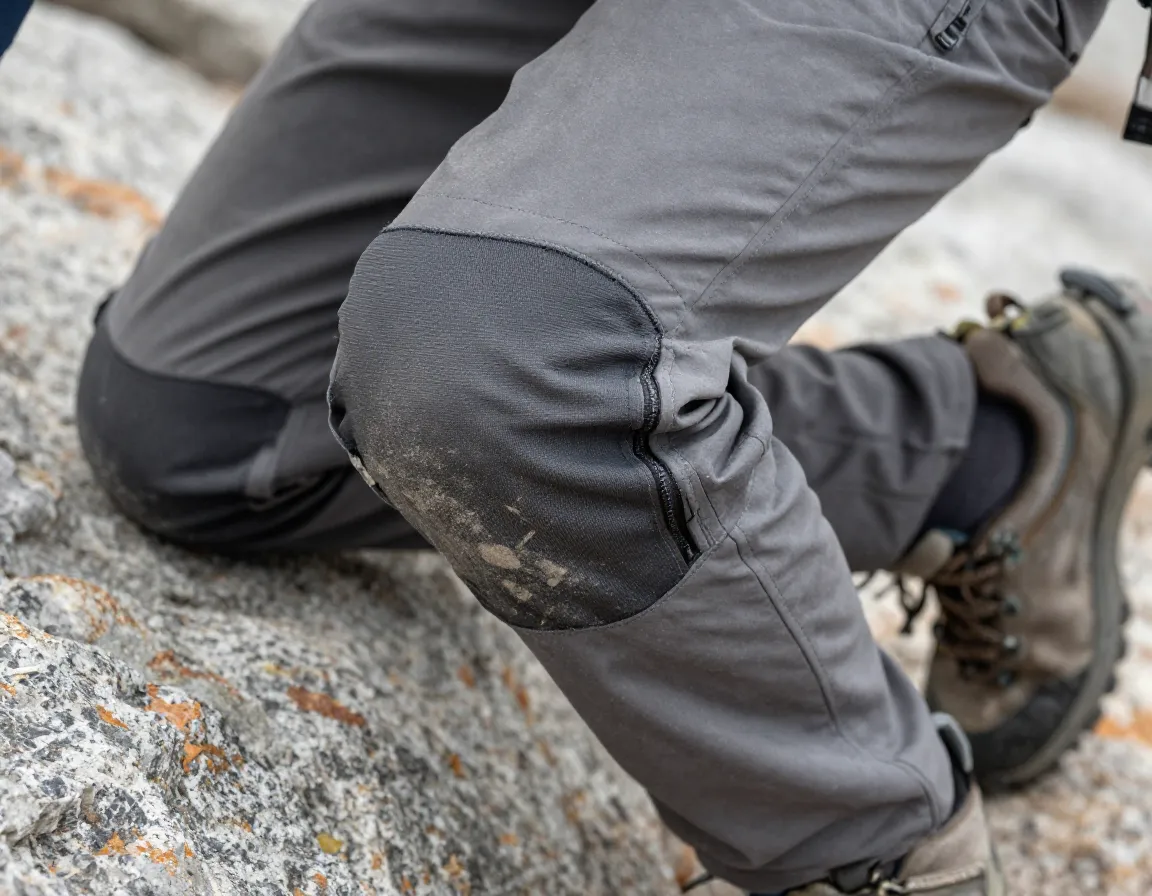
Your lower-body coverage matters more than most hikers realize. The right hiking pants or shorts protect you from brush, UV rays, insects, and temperature swings while keeping your movement unrestricted.
Key features to prioritize:
- Moisture-wicking fabric (nylon or polyester blends)
- Articulated knees for uphill mobility
- Zip-off convertible design for temperature flexibility
- UPF rating for sun protection on exposed ridgelines
Seasonal guidance:
- 🌞 Summer: Lightweight shorts or convertible pants
- 🍂 Fall/Spring: Convertible pants or softshell pants
- ❄️ Winter: Insulated pants over base layer bottoms
8. Accessories: Socks, Hat, and Gloves
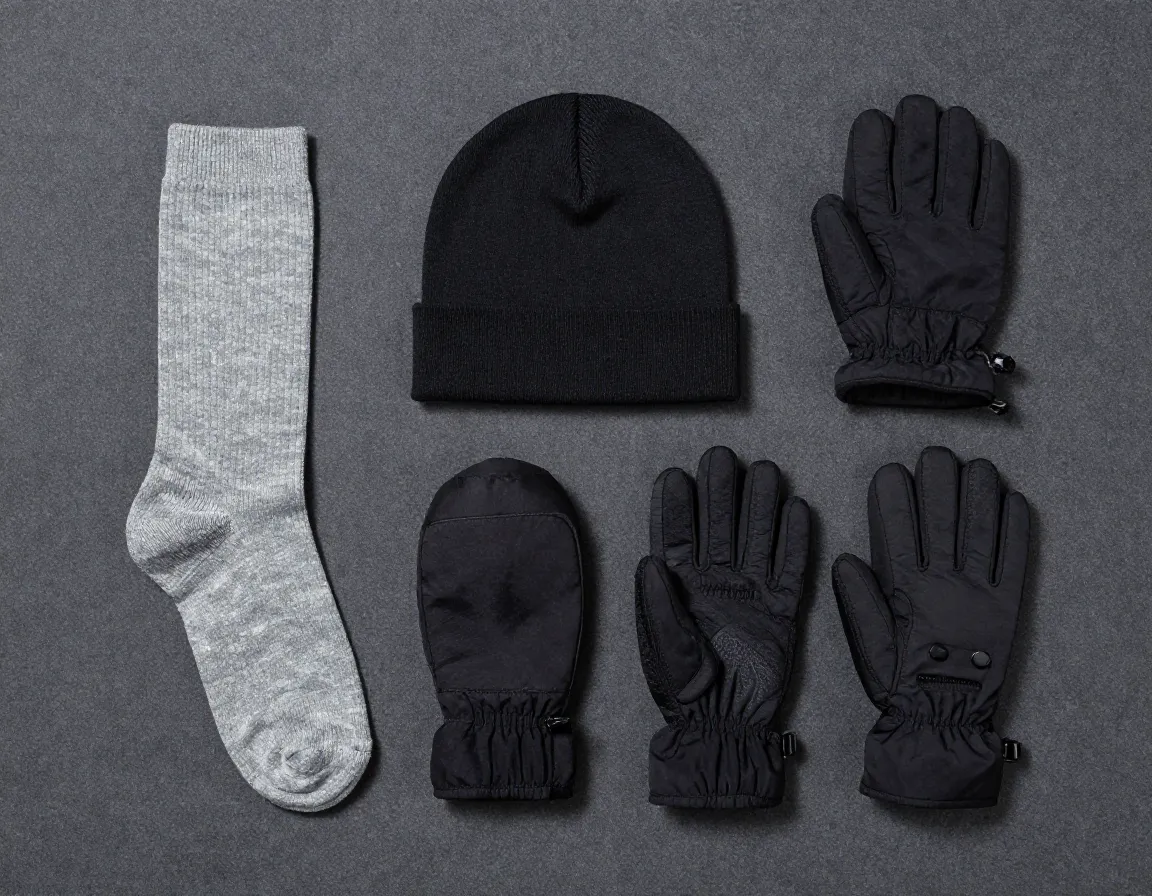
Accessories are often an afterthought, but they’re a critical part of the 8 Key Hiking Attire for Men: A Functional Layering Checklist. Extremity protection directly impacts your comfort and safety.
Socks: Merino wool hiking socks are the gold standard. They resist odor, regulate temperature, and reduce blister risk. Look for cushioning at the heel and toe.
Hat/Beanie: A lightweight merino or synthetic beanie is included in a complete ultralight hiking kit for good reason — it’s one of the most efficient warmth-to-weight items you can carry [2].
Gloves/Mittens: Convertible mittens (gloves with a mitten shell) offer the best of both worlds — dexterity when you need it, warmth when you don’t [2].
Ultralight accessories kit weight breakdown:
| Item | Approx. Weight |
|---|---|
| Mid-layer fleece | 10 oz |
| Down jacket | 6 oz |
| Rain jacket | 4 oz |
| Beanie | 1.5 oz |
| Socks | 2 oz |
| Convertible mittens | 1.5 oz |
| Total | ~25.0 oz [2] |
Putting the Full System Together: Seasonal Layering Guide
Now that you know each piece of the 8 Key Hiking Attire for Men: A Functional Layering Checklist, here’s how to combine them by season:
☀️ Summer:
Base layer top + hiking shorts or lightweight pants + rain jacket (packed) + sun hat + merino socks
🍂 Spring/Fall:
Base layer top + base layer bottoms + mid fleece + soft shell or rain jacket + convertible pants + beanie + gloves
❄️ Winter:
Base layer top + thermal base layer bottoms + mid fleece + insulated jacket + rain jacket shell + insulated pants + beanie + convertible mittens + wool socks
Conclusion
Building the right hiking attire system doesn’t have to be complicated — but it does require intention. By working through the 8 Key Hiking Attire for Men: A Functional Layering Checklist, you give yourself the tools to stay comfortable, safe, and focused on what actually matters: the trail ahead.
Your actionable next steps for 2026:
- Audit your current gear against this checklist — identify any gaps.
- Prioritize your base layer if you’re starting from scratch; it’s the most impactful upgrade.
- Replace any cotton hiking clothes with merino wool or synthetic alternatives immediately.
- Test your full layering system on a short local hike before committing it to a longer adventure.
- Pack light but smart — aim for a complete kit under 25 oz when possible [2].
The mountain doesn’t care how experienced you are. What you wear is what protects you. Gear up right, and go enjoy the trail. 🥾
References
[1] Layering For Hiking What To Wear For Every Season Of Your 52 Hikes – https://www.52hikechallenge.com/blogs/blog/layering-for-hiking-what-to-wear-for-every-season-of-your-52-hikes
[2] Hiking Clothes – https://www.adventurealan.com/hiking-clothes/