What to Wear at Camping: 8 Key Items for Comfort and Safety
Imagine arriving at your campsite after a long drive, only to realize your cotton T-shirt is soaked through, your feet are blistering, and the temperature is dropping fast. What you wear at camp can make or break your entire outdoor experience — and in some conditions, it can even put your safety at risk. Knowing exactly what to wear at camping: 8 key items for comfort and safety is the difference between a trip you’ll rave about and one you’ll want to forget. In this guide, I’ll walk you through every essential piece of camping clothing, backed by expert recommendations, so you can pack smart and stay comfortable no matter what the trail throws at you.
Disclosure: This post contains affiliate links. As an Amazon Associate, we earn from qualifying purchases, and at no extra cost to you.
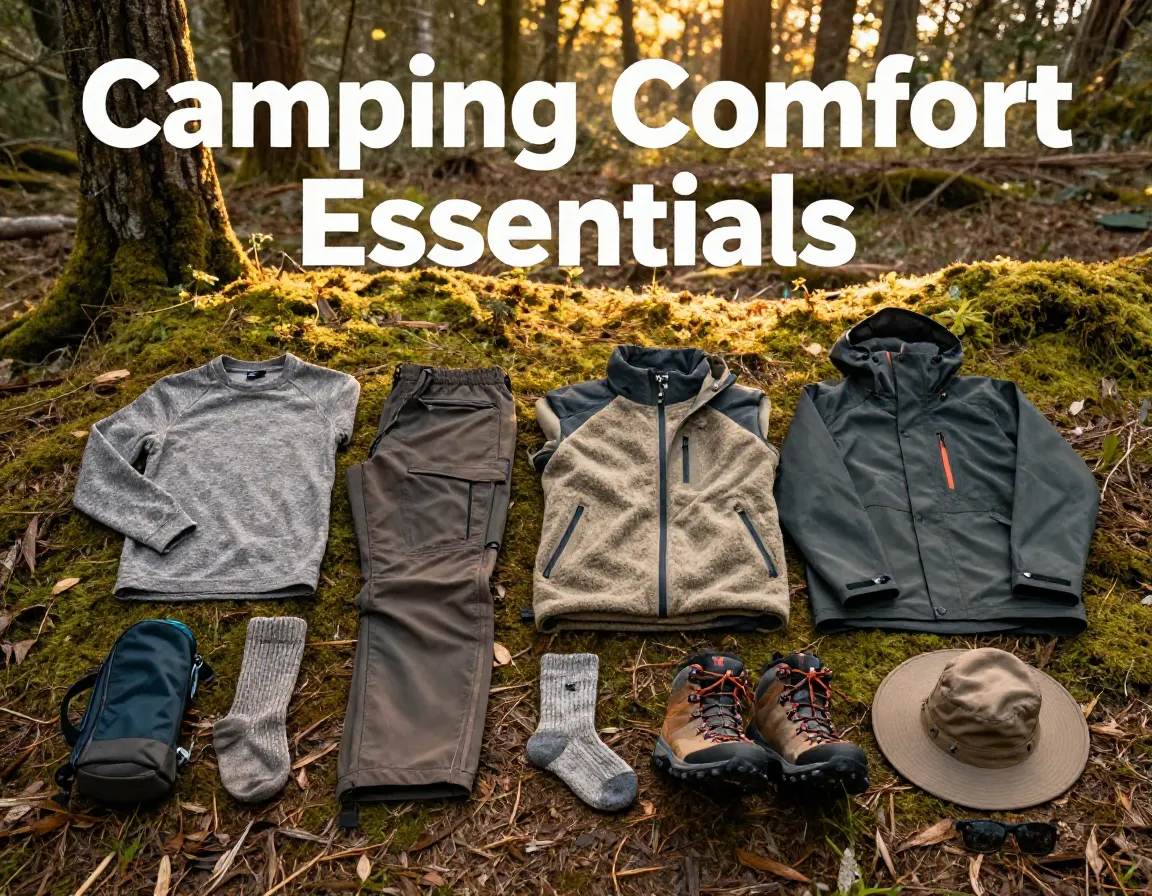
Key Takeaways
- 🧱 Layering is everything — base layers, mid-layers, and outer shells work together to regulate body temperature.
- 🧦 Material matters — choose wool and synthetic fabrics over cotton to stay dry and comfortable.
- 🌧️ Always pack a rain jacket — weather changes fast in the outdoors.
- 👟 Footwear is non-negotiable — the right boots and camp shoes protect your feet on and off the trail.
- ☀️ Sun protection is safety gear — UV exposure is a real hazard during extended outdoor time.
The Foundation: What to Wear at Camping for All-Day Comfort
Getting dressed for camp isn’t just about style — it’s a system. Every item you choose should serve a purpose: keeping you dry, warm, protected, or mobile. Let’s break down the first four essential items that form the foundation of any smart camping wardrobe.
1. Moisture-Wicking Base Layers

Your base layer is the most important piece of clothing you’ll wear at camp. It sits directly against your skin and does the critical job of pulling sweat away from your body before it can chill you [2]. Unlike cotton — which holds moisture and stays wet — synthetic or merino wool base layers dry quickly and help regulate your body temperature in both warm and cold conditions.
What to look for:
- Merino wool or polyester blend fabrics
- Snug but not restrictive fit
- Lightweight options for summer, heavier weights for fall/winter
💡 “The base layer is your first line of defense against the elements — get this right and everything else becomes easier.”
2. Moisture-Wicking Underwear
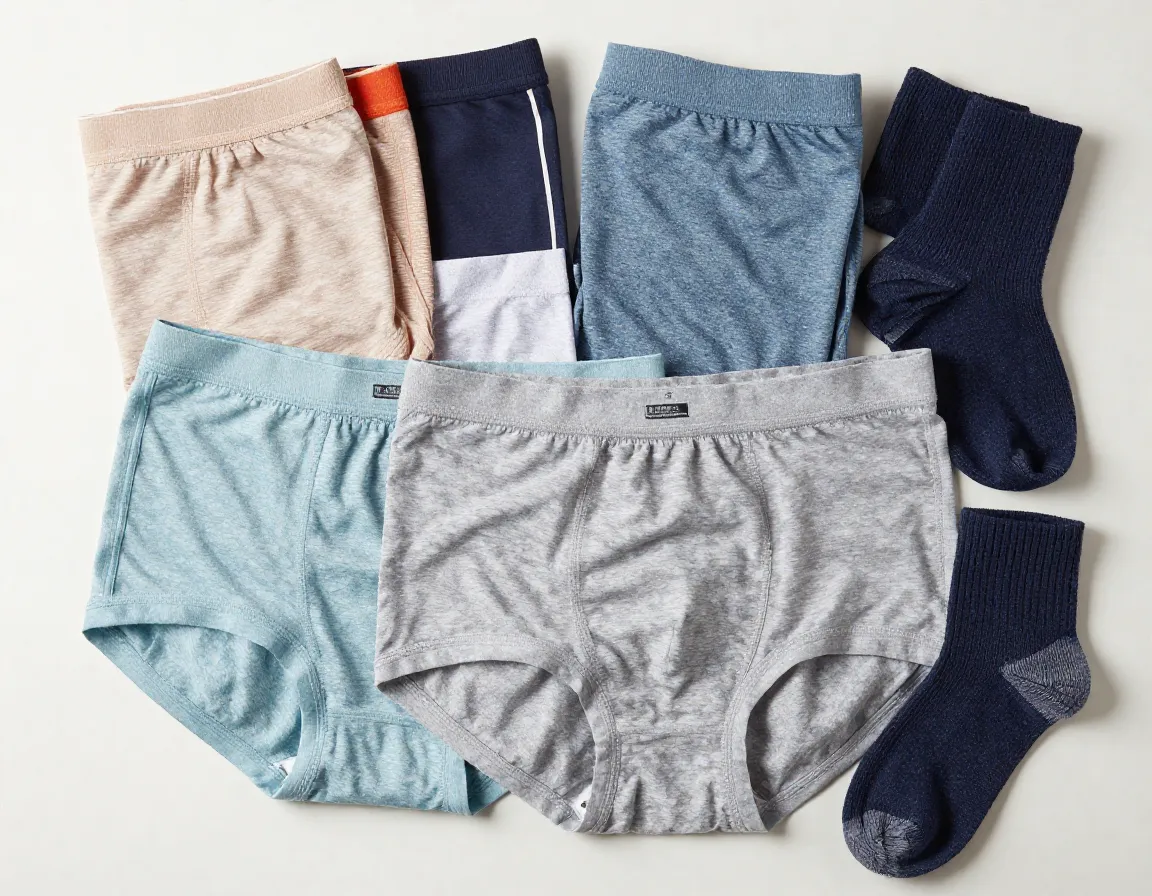
Often overlooked, moisture-wicking underwear is a game-changer for multi-day camping trips. Standard cotton underwear traps moisture, leading to chafing, rashes, and serious discomfort on the trail [1]. Switching to a synthetic or merino wool option eliminates this problem almost entirely.
| Fabric Type | Moisture Wicking | Odor Resistance | Durability |
|---|---|---|---|
| Cotton | ❌ Poor | ❌ Low | ✅ Good |
| Synthetic | ✅ Excellent | ⚠️ Moderate | ✅ Excellent |
| Merino Wool | ✅ Excellent | ✅ High | ⚠️ Moderate |
Pack at least one pair per day, or choose quick-dry options you can rinse and dry overnight.
3. Specialized Hiking Pants
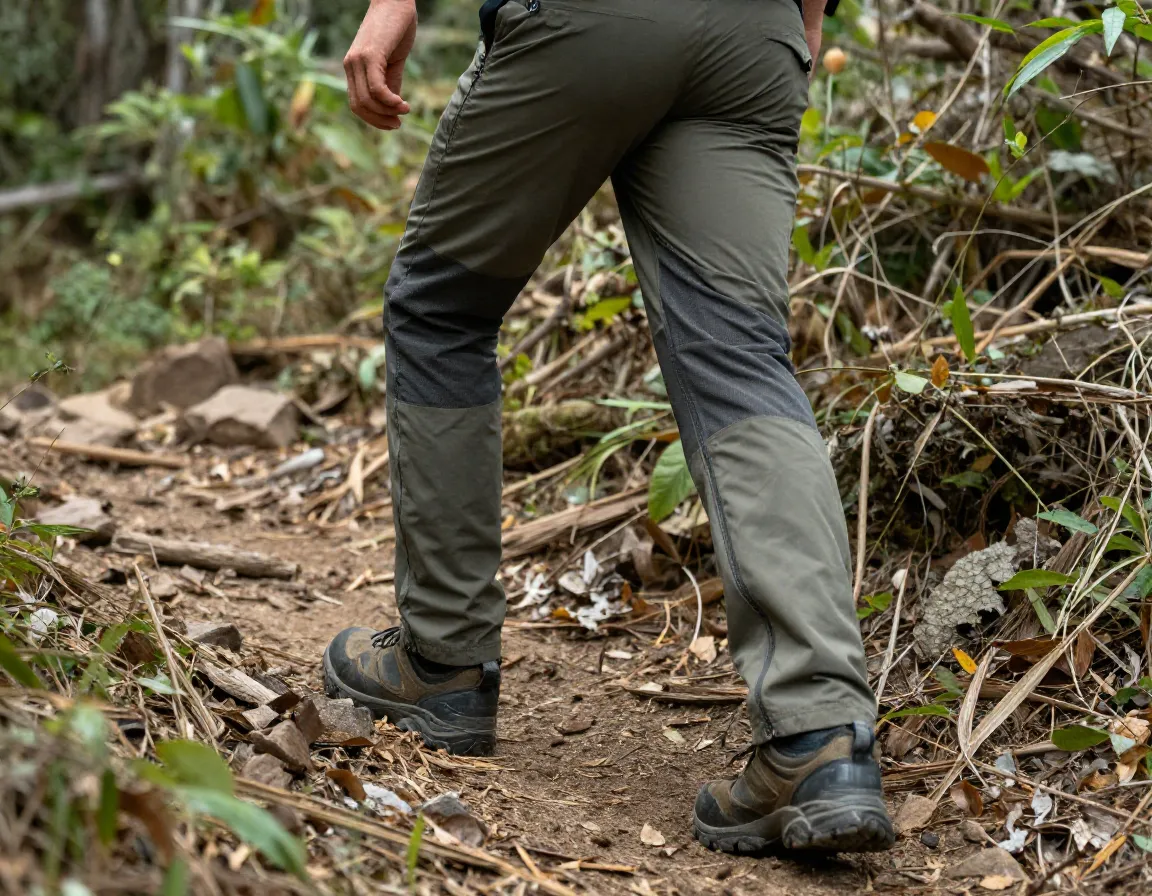
Not all pants are created equal for the outdoors. Hiking pants need to balance comfort, mobility, and durability. For areas with dense vegetation or overgrown trails, nylon-based pants — ideally at or near 100% nylon — offer far superior tear resistance compared to standard synthetic blends [3].
Key features to prioritize:
- Articulated knees for freedom of movement
- Quick-dry fabric
- Zip-off legs for versatility in changing temperatures
- Reinforced seat and knees for rugged terrain
Avoid denim jeans entirely. They’re heavy, slow to dry, and offer poor insulation when wet.
4. Wool Socks
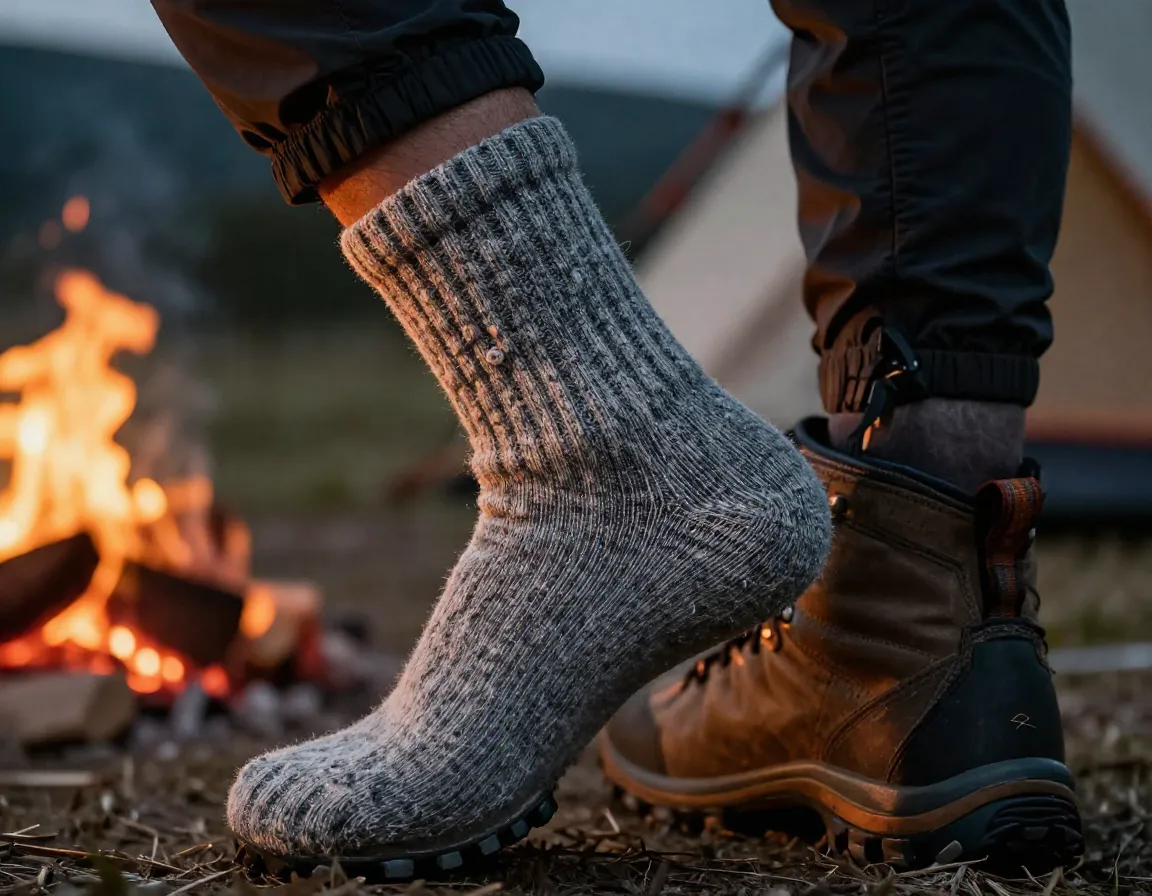
Your feet take a beating on the trail. Wool socks — particularly merino wool — outperform standard cotton socks in almost every metric that matters for camping [1]. They wick moisture away from your skin, regulate temperature, resist odor naturally, and cushion your feet against the repetitive impact of hiking.
Pack at least two pairs per day of hiking, and always keep a dry pair reserved for sleeping. Wet feet at night are one of the fastest ways to become dangerously cold in the backcountry.
Layering and Protection: What to Wear at Camping When Conditions Change
The second half of your camping wardrobe focuses on adapting to changing weather and protecting yourself from the elements. Temperature drops, rain, wind, and sun exposure are all real hazards — and the right clothing is your best defense.
5. Insulation Layers: Fleece and Down Jackets
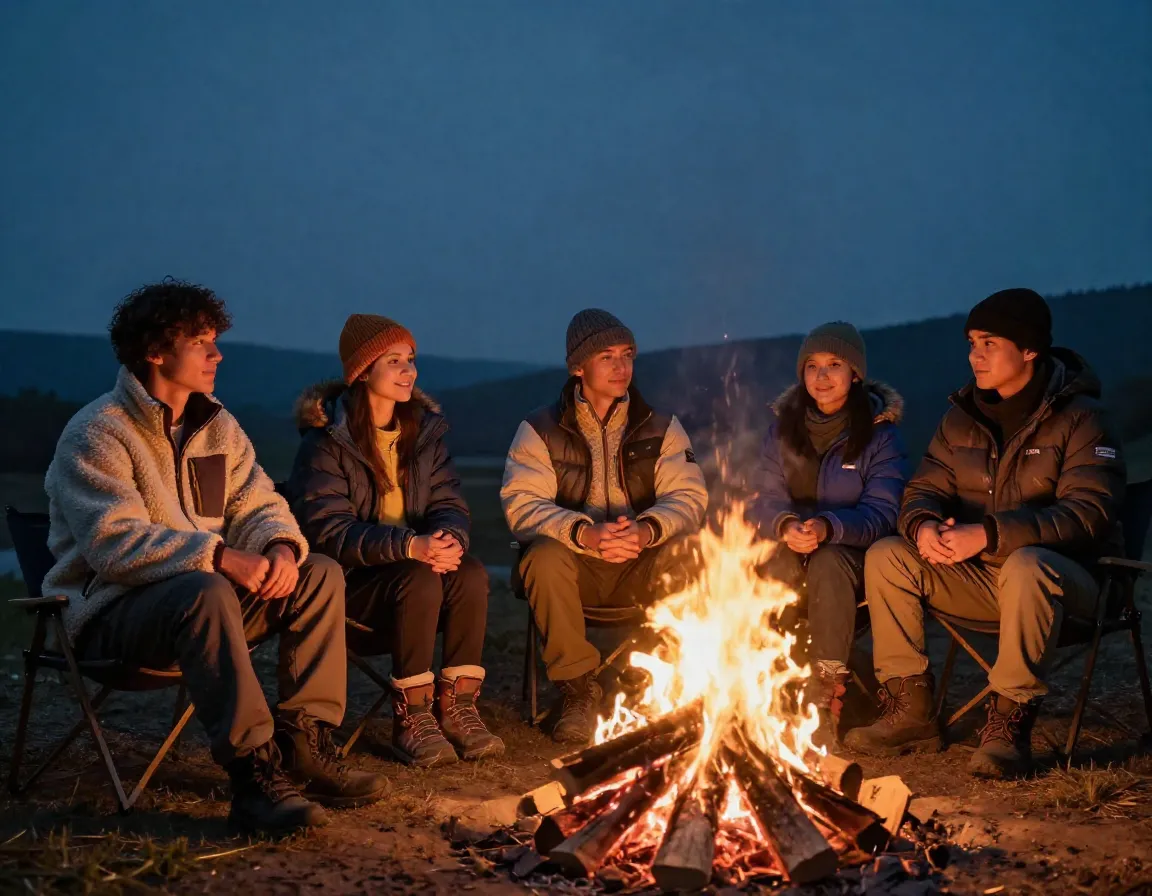
Evening temperatures at camp can drop dramatically — sometimes 20°F or more compared to the afternoon high. Insulation layers are what stand between you and a miserable, shivering night [4].
There are two main options:
- Fleece jackets (like Octa Fleece) offer a durable outer shell with a fluffy interior that traps heat effectively without adding much weight [4]. They’re ideal as a mid-layer during active hiking or cool daytime conditions.
- Down jackets deliver the best warmth-to-weight ratio available, making them the top choice for cold-weather camping and chilly evenings around the fire [4].
Pro tip: Pack both. Wear the fleece during the day when you’re moving and generating heat, then add the down jacket when you stop for the evening.
6. Rain Jacket or Rain Shell
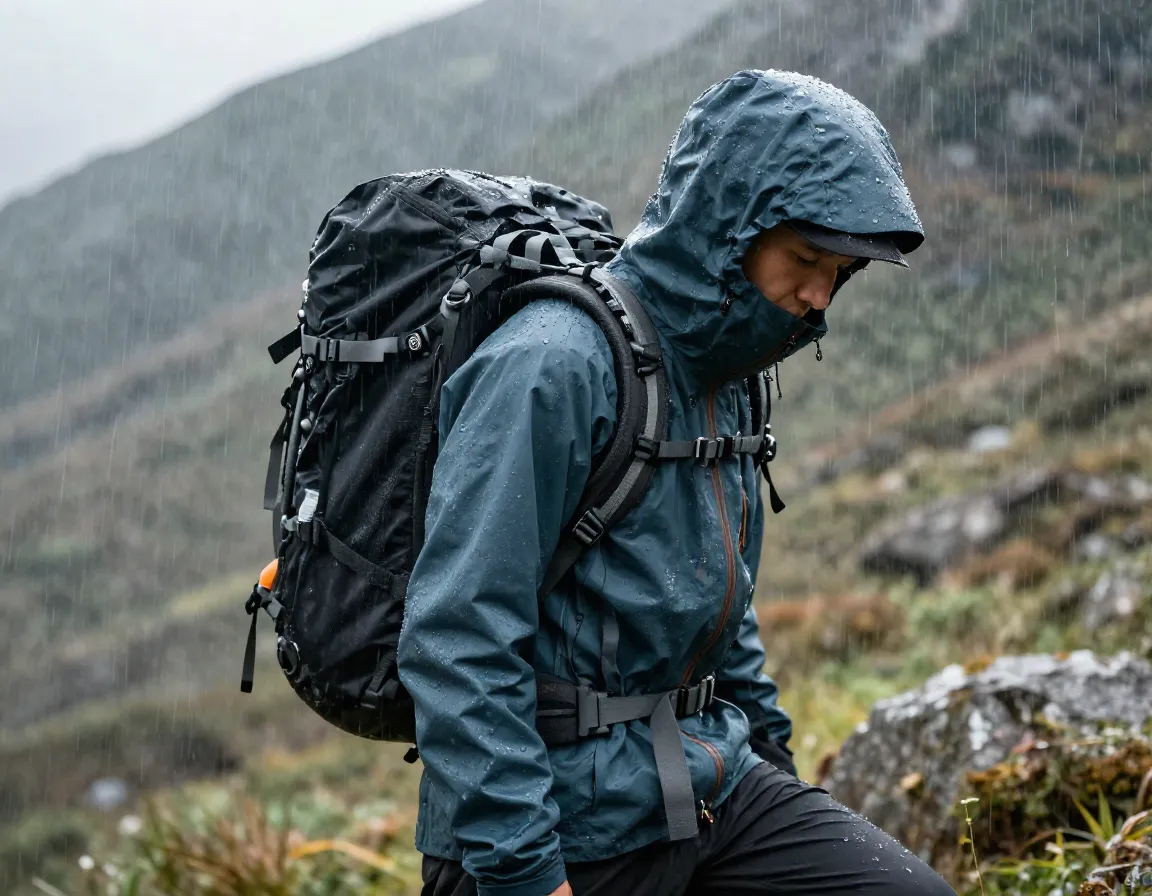
A quality rain jacket is non-negotiable camping gear. Weather in the backcountry changes without warning, and getting soaked without proper protection can lead to hypothermia even in mild temperatures.
Outdoor experts recommend choosing a rain shell — a jacket where water beads up and rolls off the surface — over traditional rain jackets that absorb moisture over time [3]. Look for:
- Waterproof and breathable membrane (e.g., Gore-Tex or similar)
- Sealed seams
- Packable design that fits in your daypack
- Hood with adjustment points
🌧️ A good rain shell weighs almost nothing in your pack but is worth its weight in gold when the skies open up.
7. Sun Protection: Hat, Sun Shirt, and Sunglasses
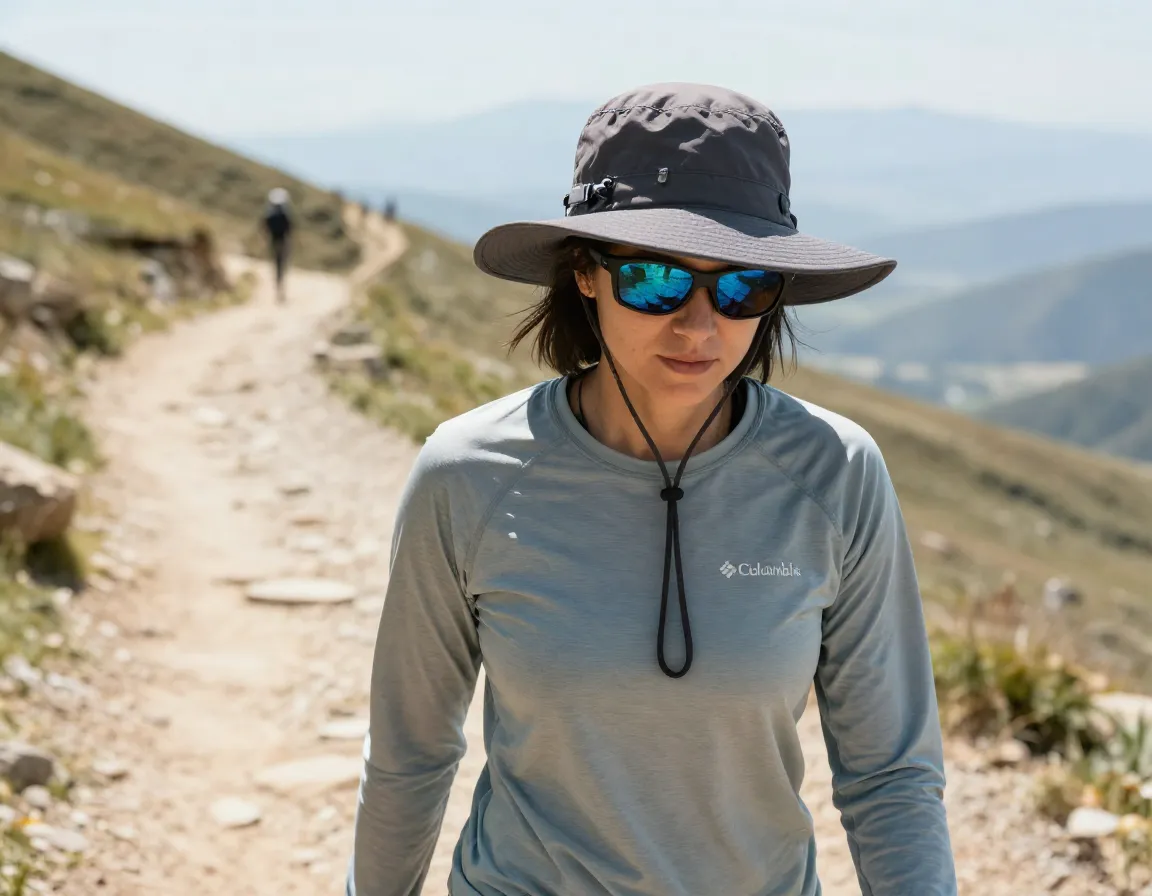
UV exposure is a serious health risk during extended time outdoors, especially at elevation where the atmosphere is thinner. Sun protection clothing is as important as sunscreen — and more reliable, since it doesn’t wash off with sweat [1][3].
Your sun protection kit should include:
- Wide-brimmed sun hat — protects your face, neck, and ears
- Long-sleeved sun shirt — brands like Columbia and Quicksilver make lightweight UPF-rated options that breathe well even in heat [1][3]
- UV-blocking sunglasses — protect your eyes from glare and long-term UV damage
Don’t skip this category just because it’s warm. The sun is often strongest when you feel least cold.
8. Proper Footwear: Hiking Boots and Camp Shoes
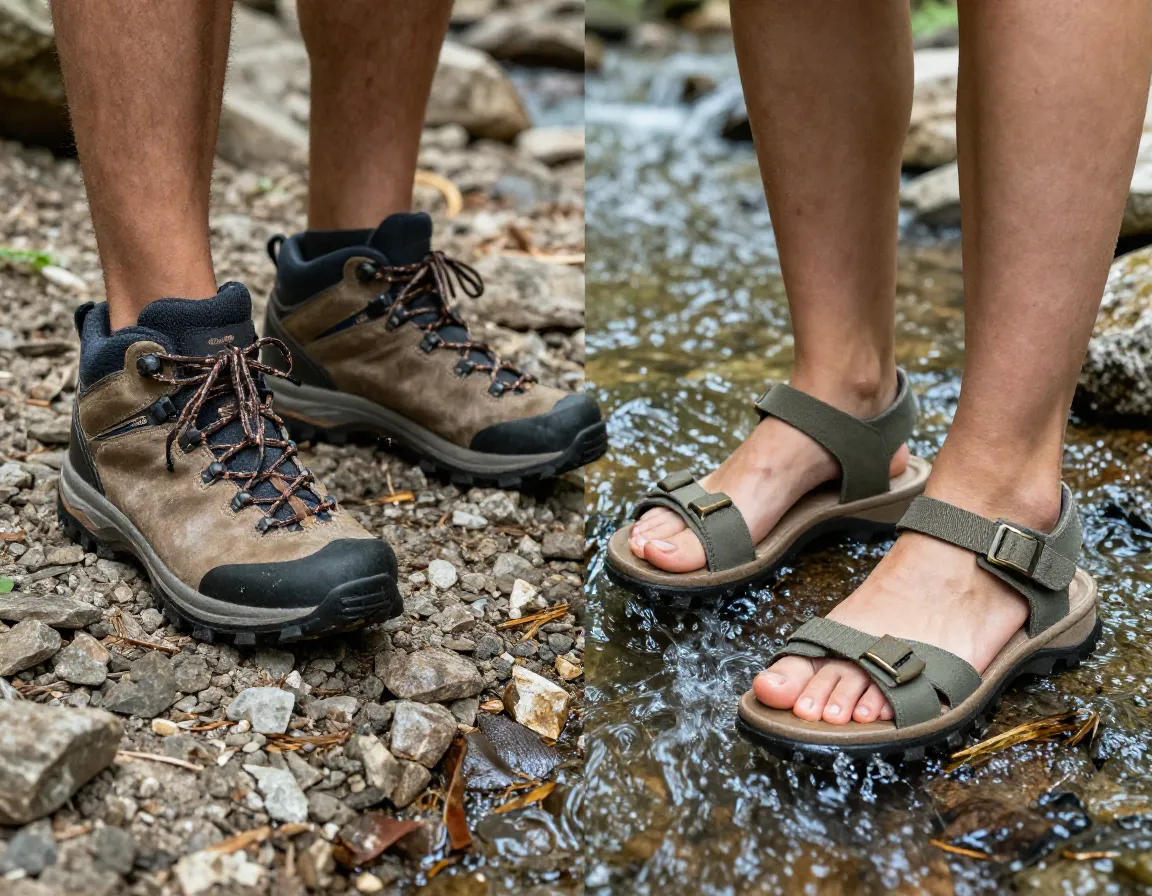
Your feet need two different types of footwear at camp [1]:
🥾 Hiking Boots or Trail Shoes
These are your primary footwear on the trail. Choose based on terrain:
- Lightweight trail runners for well-maintained, flat trails
- Mid-cut or high-cut boots for rocky, uneven, or wet terrain where ankle support matters
- Waterproof options (Gore-Tex lined) for wet environments
🩴 Camp Shoes or Sandals
After a long day of hiking, your feet need to breathe. Camp shoes — lightweight sandals or slip-on shoes — give your feet a break while still protecting them around the campsite. They also double as water shoes for stream crossings.
| Footwear Type | Best For | Key Feature |
|---|---|---|
| Trail Runners | Maintained trails | Lightweight, fast-drying |
| Mid-Cut Boots | Mixed terrain | Ankle support, durability |
| High-Cut Boots | Rocky/wet terrain | Maximum support, waterproof |
| Camp Sandals | Around campsite | Comfort, breathability |
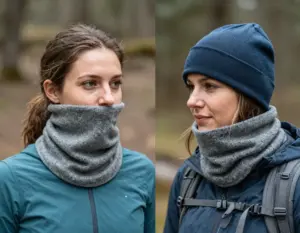
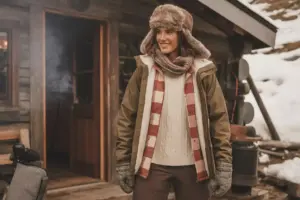
Bonus item worth mentioning: A warm hat or beanie is essential for cold-weather camping. Your head loses heat rapidly, and covering it is one of the most effective ways to maintain core body temperature on cool nights [1].
Conclusion
Knowing what to wear at camping: 8 key items for comfort and safety isn’t complicated — but it does require intentional choices. Every item on this list serves a specific purpose in keeping you dry, warm, protected, and comfortable from sunrise to sunset and beyond.
Here’s your action plan before your next trip:
- ✅ Audit your current camping wardrobe against this list
- ✅ Replace any cotton base layers with moisture-wicking alternatives
- ✅ Invest in a quality rain shell if you don’t already own one
- ✅ Pack both hiking boots and camp shoes
- ✅ Never leave without sun protection — hat, sun shirt, and sunglasses
The right camping clothing doesn’t have to be expensive, but it does need to be intentional. Start with the foundation layers, build your insulation system, add weather protection, and protect yourself from the sun. Do that, and you’ll be ready for whatever the outdoors has in store in 2026 and beyond.
References
[1] Best Camping List – https://www.outdoorgearlab.com/topics/camping-and-hiking/best-camping-list
[2] Best Backpacking Gear List – https://www.outdoorgearlab.com/topics/camping-and-hiking/best-backpacking-gear-list
[3] Best Ultralight Hiking Backpacking Gear – https://noahlangphotography.com/blog/best-ultralight-hiking-backpacking-gear
[4] Watch – https://www.youtube.com/watch?v=apMLKUJ2WuE