9 Genius Cooking Ideas for Camping with Limited Resources
Imagine this: you’re deep in the woods, the sun is setting, your stomach is growling, and you have almost nothing to cook with. Sound familiar? Whether you’re a weekend warrior or a backcountry adventurer, knowing how to prepare a satisfying meal with minimal gear can make or break your trip. That’s exactly why I’ve put together these 9 Genius Cooking Ideas for Camping with Limited Resources — practical, proven techniques that turn simple ingredients and basic tools into delicious outdoor meals. Let’s dig in. 🏕️🔥
Disclosure: This post contains affiliate links. As an Amazon Associate, we earn from qualifying purchases, and at no extra cost to you.
Key Takeaways
- You don’t need fancy equipment to cook great food outdoors — fire, rocks, and leaves can do the job.
- Classic campfire techniques like grilling, boiling, and roasting cover almost every meal type.
- A single multi-use tool like a cast iron skillet or Dutch oven can replace an entire camp kitchen.
- Primitive methods like stone boiling and leaf cooking are reliable backups when gear fails.
- Planning meals ahead and packing smart ingredients dramatically reduces what you need to carry.
Why Mastering Campfire Cooking Changes Everything
Most campers pack too much gear and still end up eating bland food. The truth is, the best outdoor meals come from understanding heat, timing, and technique — not from hauling a full kitchen into the wilderness.
“Cooking outdoors isn’t about what you have — it’s about knowing what to do with what you’ve got.”
When you master even a few of the 9 Genius Cooking Ideas for Camping with Limited Resources below, you’ll feel more confident, waste less food, and honestly enjoy the whole experience more. These methods range from zero-equipment primitive techniques to smart gear choices that punch way above their weight.
The 9 Genius Cooking Ideas for Camping with Limited Resources
1. Grilling Directly Over the Fire
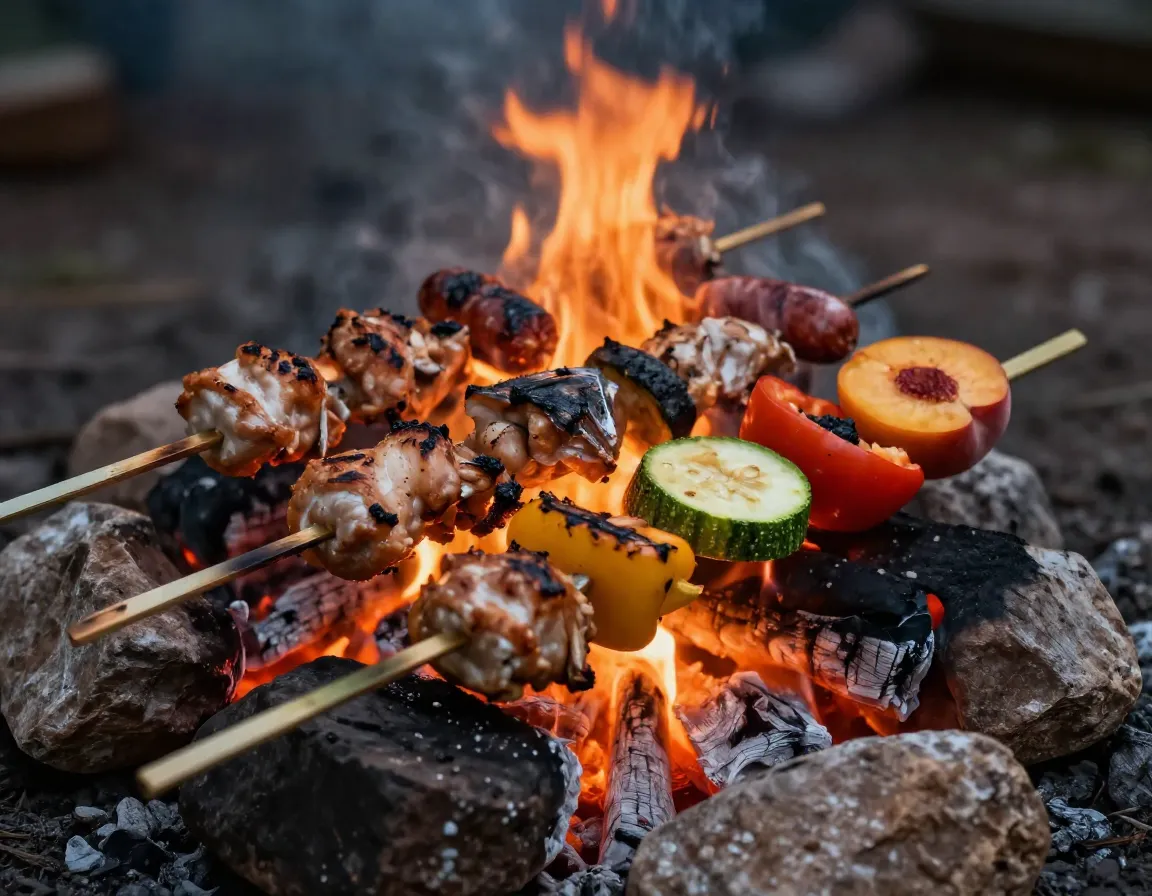
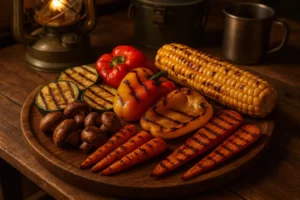
Grilling is the most natural and widely used campfire cooking method — and for good reason [2]. All you need is an open flame or a bed of hot embers and something to hold your food above the heat.
What works best:
- Meats (chicken, sausage, fish)
- Vegetables (zucchini, bell peppers, corn)
- Fruits (peaches, pineapple slices)
Pro tip: Wait until the fire dies down to glowing embers. Direct flames cause uneven cooking and charring. Use a stick, a flat rock, or a simple grill grate if you have one.
2. Boiling with a Single Pot
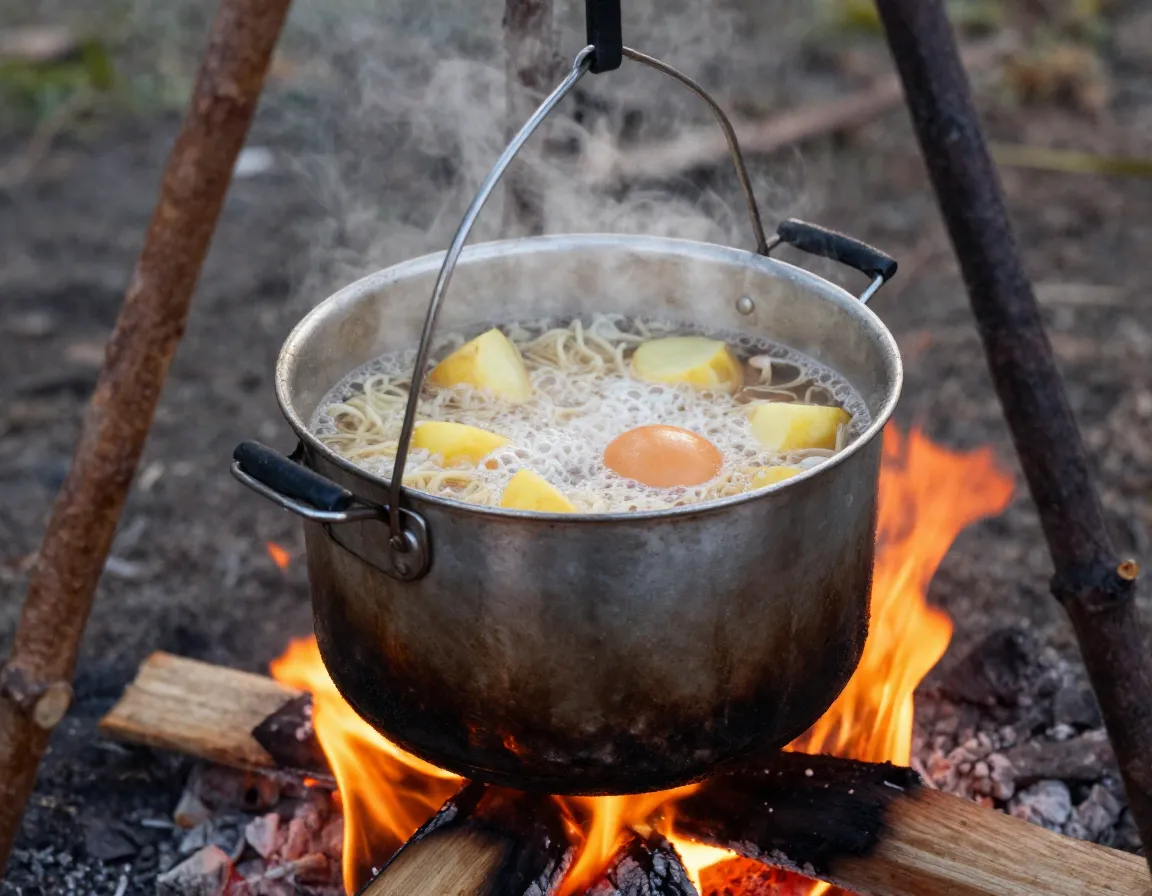
Boiling is one of the most reliable and versatile campfire techniques. If you have one pot and access to water, you can prepare a wide variety of meals [2].
| Food Type | Boiling Time | Notes |
|---|---|---|
| Pasta | 8–12 min | Stir occasionally |
| Rice | 15–20 min | Cover and simmer |
| Potatoes | 15–20 min | Cut into chunks |
| Eggs | 10–12 min | Hard boil for easy transport |
A stainless steel pot handles direct flames well and is easy to clean — making it the ideal single-item investment for minimalist campers [3].
3. Roasting Low and Slow
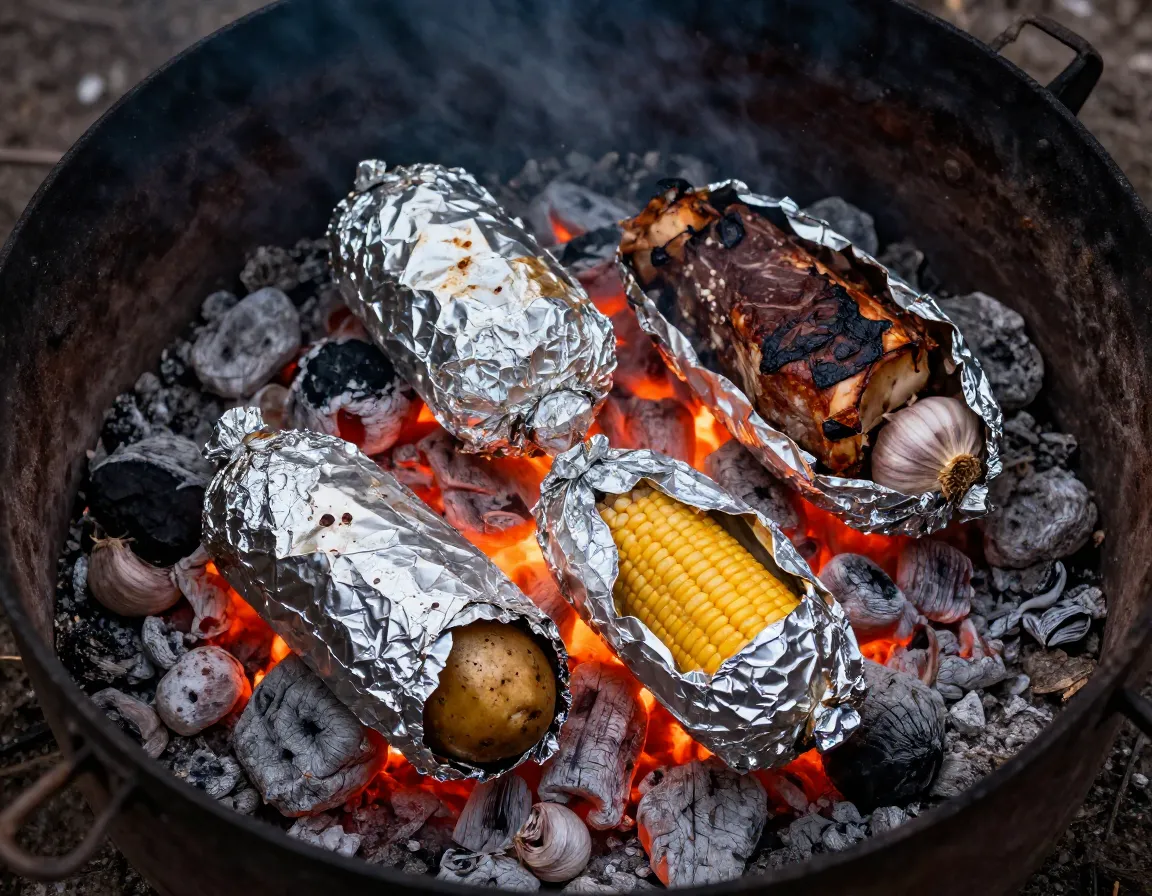
Roasting is perfect when you have time and want deeply flavored food without much effort [2]. The key is low, consistent heat — not a raging fire.
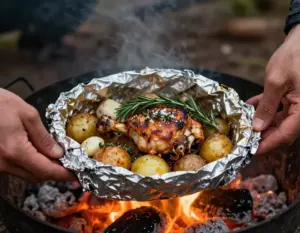
Wrap a whole potato in foil (or wet leaves if you have no foil), nestle it in the coals, and walk away for 45 minutes. The same method works for:
- Corn on the cob
- Whole garlic heads
- Large cuts of meat
- Root vegetables
This is one of the most hands-off cooking ideas for camping and requires almost no equipment beyond the fire itself.
4. Baking with a Dutch Oven
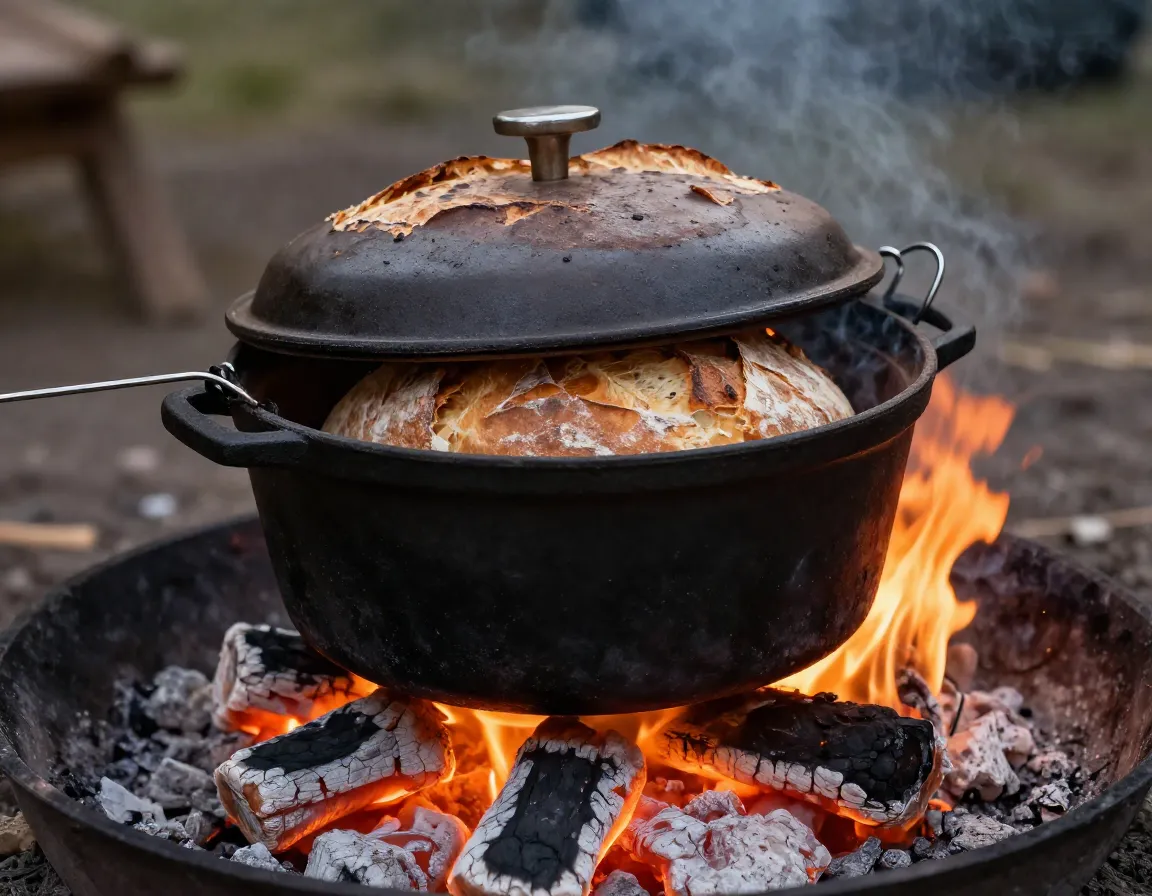
A Dutch oven is arguably the most powerful single piece of camping cookware you can own. With it, you can bake bread, make pizza, cook stews, and even bake brownies — all over a campfire [2].
How it works:
- Place hot coals underneath the Dutch oven.
- Stack additional coals on the lid.
- Maintain heat by adding coals as needed.
- Check your food every 10–15 minutes.
💡 Dutch oven baking transforms a simple campsite into a full outdoor kitchen.
If you’re a car camper, this is one upgrade worth making. Lodge cast iron Dutch ovens are pre-seasoned and built to last decades [3].
5. Stone Boiling (The Zero-Pot Method)
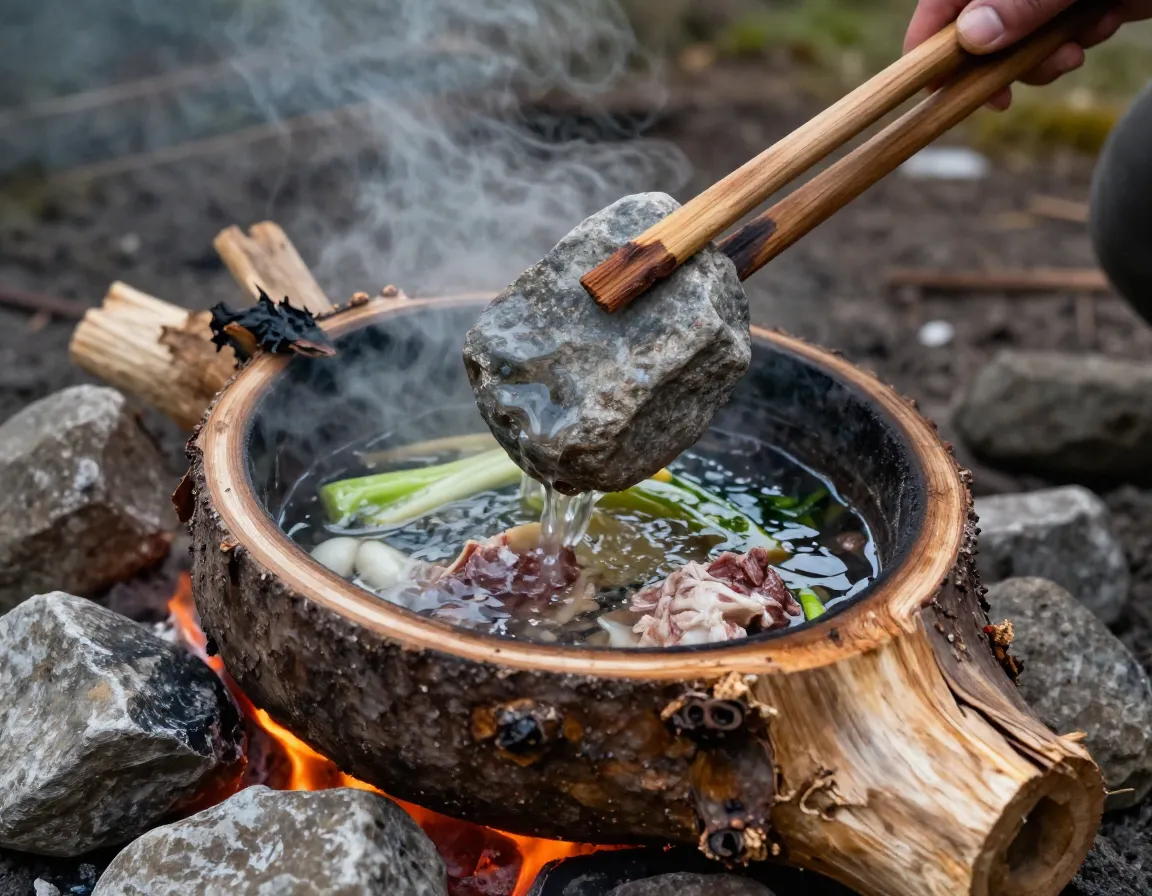
This is one of the most impressive primitive cooking techniques you’ll ever learn. Stone boiling lets you heat water and cook food without any traditional cookware [1].
Here’s how:
- Find a waterproof container (a folded bark bowl, a hollowed log, or even a large shell).
- Fill it with water and your food.
- Heat rocks in the fire until they’re very hot.
- Use sticks or tongs to carefully drop the hot rocks into the water.
- The rocks transfer heat, bringing the water to a boil.
⚠️ Safety note: Never use river rocks or porous stones — they can crack or explode when heated. Use dense, dry rocks instead.
This technique is ideal for true survival situations or ultra-minimalist camping where every ounce of gear counts [1].
6. Plank Cooking Over Open Flame
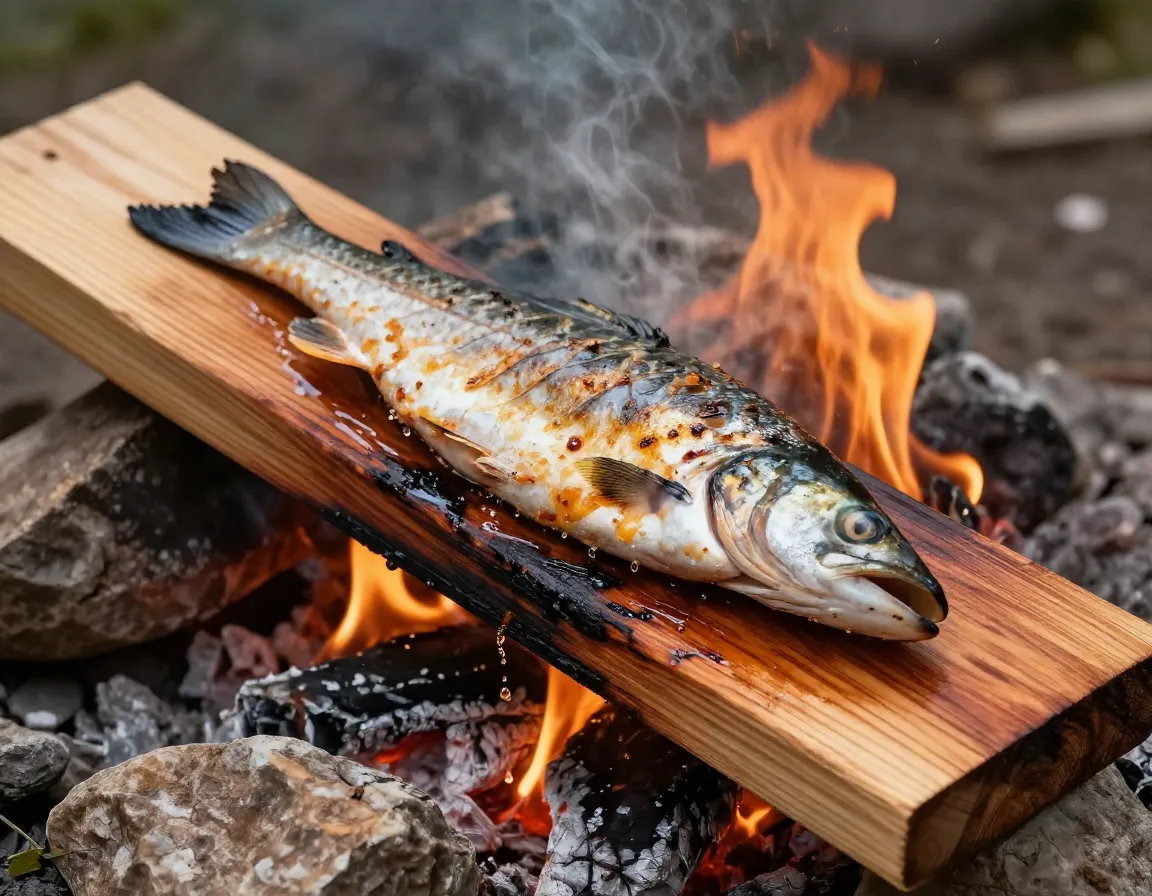
Plank cooking is an underrated method that uses a flat piece of untreated wood as your cooking surface [1]. It’s especially effective for fish and thin cuts of meat.
Why it works:
- The wood absorbs heat and slowly cooks the food from below.
- It adds a subtle smoky, woody flavor.
- No pots, pans, or grates required.
Soak the plank in water for 20–30 minutes before cooking to prevent it from burning too quickly. Cedar and alder work particularly well for fish.
7. Cooking in Leaves
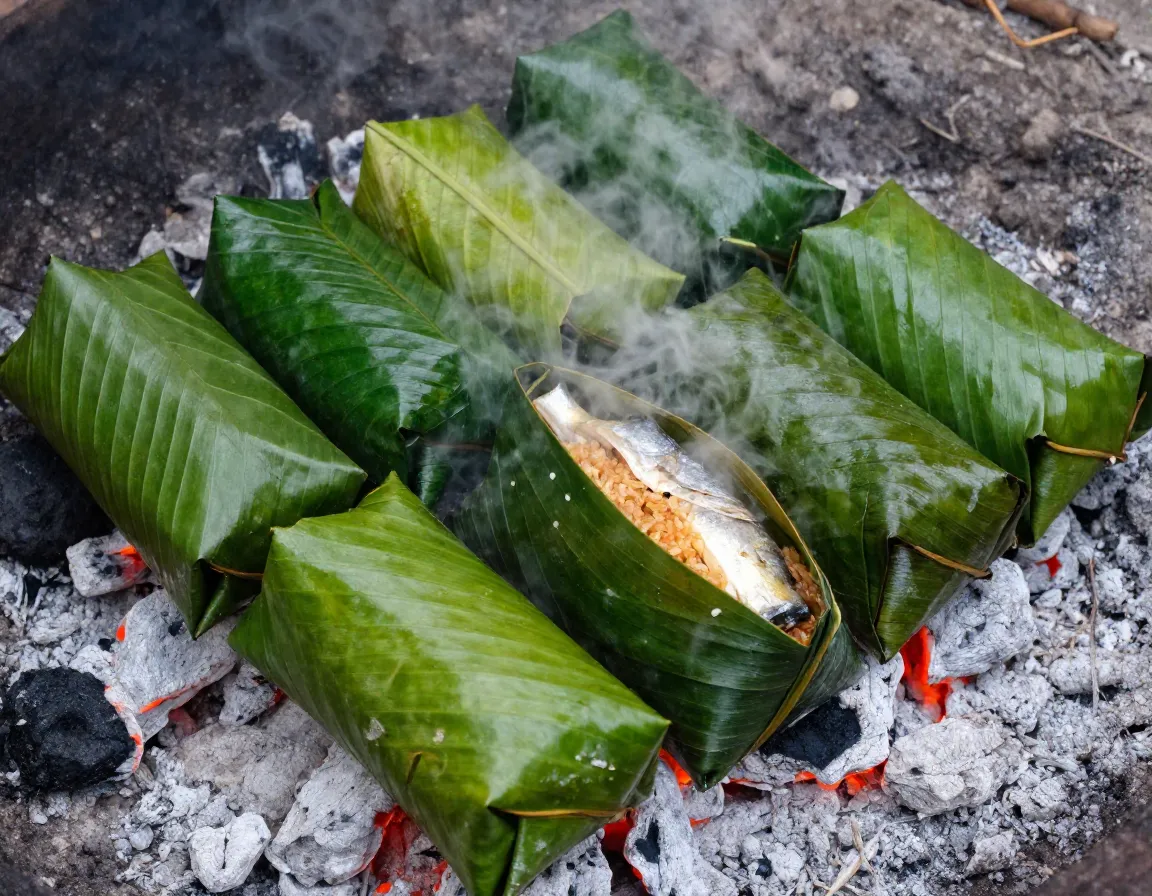
This ancient technique is as clever as it sounds. Wrapping food in large, non-toxic leaves and placing the bundle directly on hot coals creates a natural steam-cooking environment [1].
Best leaves to use:
- Banana leaves
- Corn husks
- Grape leaves
- Large fig leaves
What you can cook:
- Fish fillets
- Rice with vegetables
- Chicken pieces
- Root vegetables
The leaves trap moisture and steam the food gently, keeping it tender and flavorful. This is a true zero-equipment cooking method — no pots, no foil, no tools needed [1].
8. Using a Cast Iron Skillet for Everything
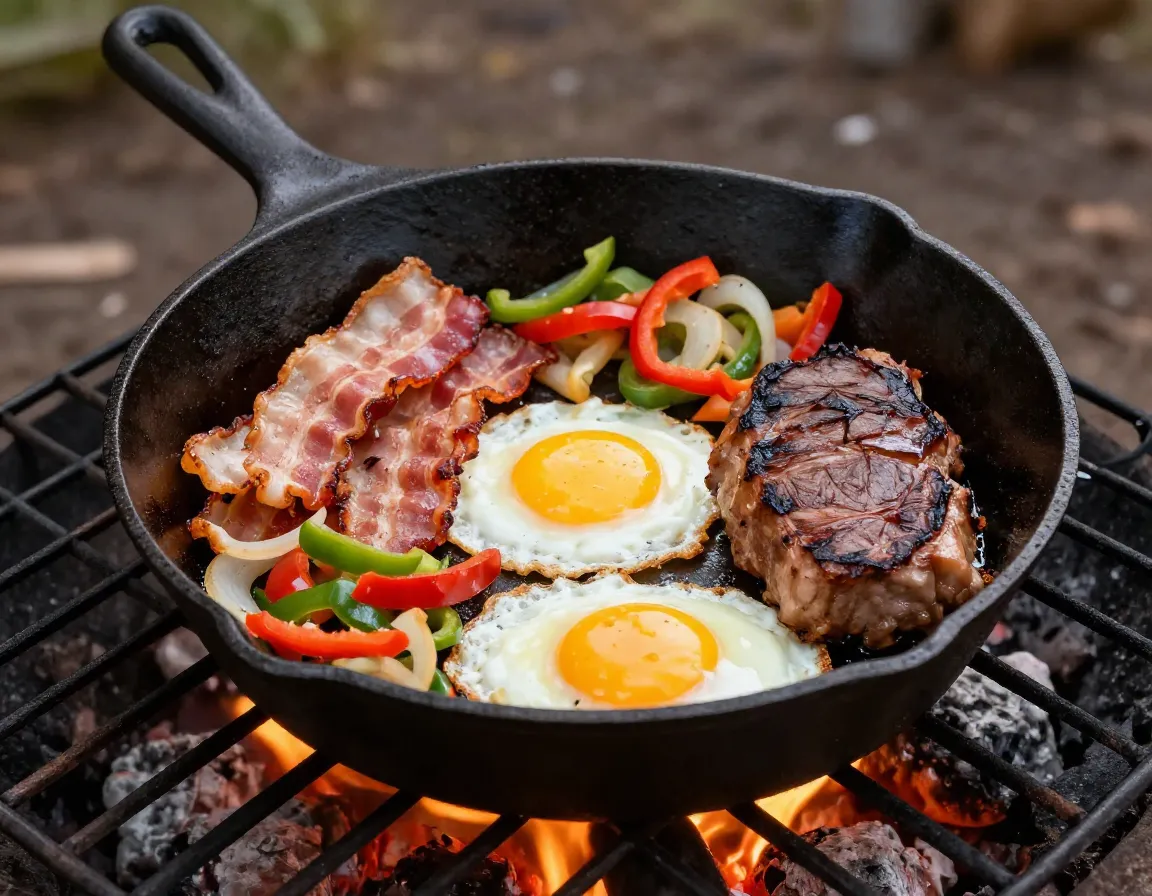
If I had to pick just one piece of camping cookware, it would be a cast iron skillet. Lodge skillets range from $25–$60, come pre-seasoned, and can handle boiling, frying, baking, and direct flame cooking [3].
One skillet, endless possibilities:
- Fry eggs and bacon in the morning
- Sauté vegetables for lunch
- Sear meat for dinner
- Bake cornbread for dessert
Cast iron retains heat exceptionally well, meaning you use less fuel to maintain cooking temperature — a huge advantage when resources are limited.
9. Using a Portable Camp Stove for Precision
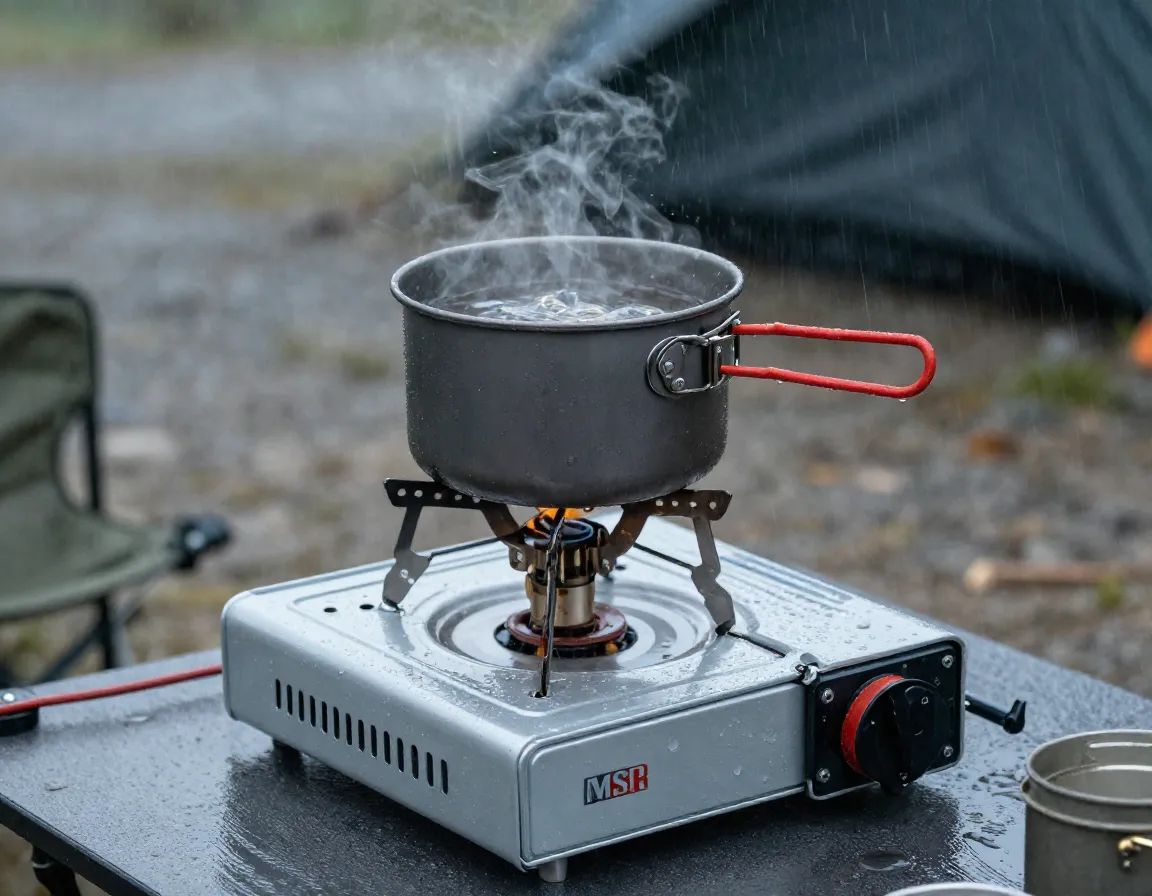
When fire isn’t an option (due to fire bans, wet conditions, or campsite rules), a portable camp stove is your best friend [2]. Unlike open-fire cooking, stoves give you precise temperature control, which makes cooking faster and more consistent.
Top reasons to carry a camp stove:
- Works in rain, wind, and fire-restricted areas
- Boils water faster than most campfires
- Supports multiple cooking methods: frying, boiling, simmering
- Lightweight options available (the MSR Quick 2 Cook Set weighs just 1.5 lbs at $130) [3]
For casual car campers, the Stanley Base Camp Cook Set ($60–$80) offers compact, affordable performance without sacrificing quality [3].
Smart Gear Comparison: What to Pack
| Gear | Best For | Weight | Price Range |
|---|---|---|---|
| Cast Iron Skillet (Lodge) | Car camping, versatility | Heavy | $25–$60 |
| Aluminum Cook Set (MSR) | Backpacking, ultralight | 1.5 lbs | ~$130 |
| Stainless Steel Pot | All-around durability | Medium | $20–$50 |
| Dutch Oven | Baking, stews | Heavy | $40–$80 |
| Stanley Cook Set | Budget car camping | Medium | $60–$80 |
Leave No Trace: Cook Responsibly
No matter which of these genius camping cooking ideas you use, always follow Leave No Trace principles [4]:
- Pack out all food scraps and waste.
- Use established fire rings when available.
- Avoid cooking near water sources.
- Scatter dishwater at least 200 feet from streams or lakes.
- Never bury food waste — it attracts wildlife.
Responsible cooking is part of being a great outdoor cook. 🌿
Conclusion
You now have 9 Genius Cooking Ideas for Camping with Limited Resources at your fingertips — from ancient techniques like stone boiling and leaf cooking to smart gear choices like cast iron skillets and portable stoves. The key takeaway? Great outdoor cooking is about knowledge and creativity, not expensive equipment.
Your actionable next steps:
- ✅ Choose 2–3 techniques from this list that match your next trip’s conditions.
- ✅ Pack one multi-use piece of gear (a cast iron skillet or Dutch oven covers most scenarios).
- ✅ Practice stone boiling or plank cooking at home before relying on it in the field.
- ✅ Plan your meals around your cooking method — not the other way around.
- ✅ Always follow Leave No Trace principles to protect the places you love.
Whether you’re a beginner or a seasoned backcountry chef, these techniques will help you eat well, travel light, and enjoy every meal under the open sky. Happy camping! 🏕️🍳
References
[1] How To Cook With Limited Resources In A Survival Situation – https://foodbunker.co.uk/blogs/food-preparation-storage/how-to-cook-with-limited-resources-in-a-survival-situation
[2] Outdoor Cooking 101 Tips For Campfire Meals – https://www.battlbox.com/blogs/battlbox/outdoor-cooking-101-tips-for-campfire-meals
[3] Best Campfire Cooking Tools 2026 – https://thenationalparkguide.com/best-campfire-cooking-tools-2026/
[4] Leave No Trace Cooking – https://grillio.com/blog/leave-no-trace-cooking/