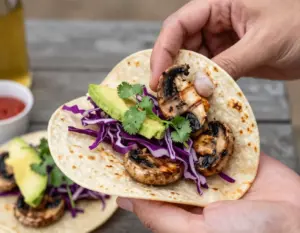
8 Essential Types of Food to Take While Camping for Any Trip
Picture this: you’ve hiked three miles to your campsite, the sun is setting, and your stomach is growling — only to realize you forgot to pack anything beyond a bag of chips and a can of beans. 😩 We’ve all been there. Getting your camp kitchen right is the difference between a miserable trip and a genuinely great outdoor experience. That’s why knowing the 8 essential types of food to take while camping for any trip is one of the most important things you can do before you leave home.
Disclosure: This post contains affiliate links. As an Amazon Associate, we earn from qualifying purchases, and at no extra cost to you.
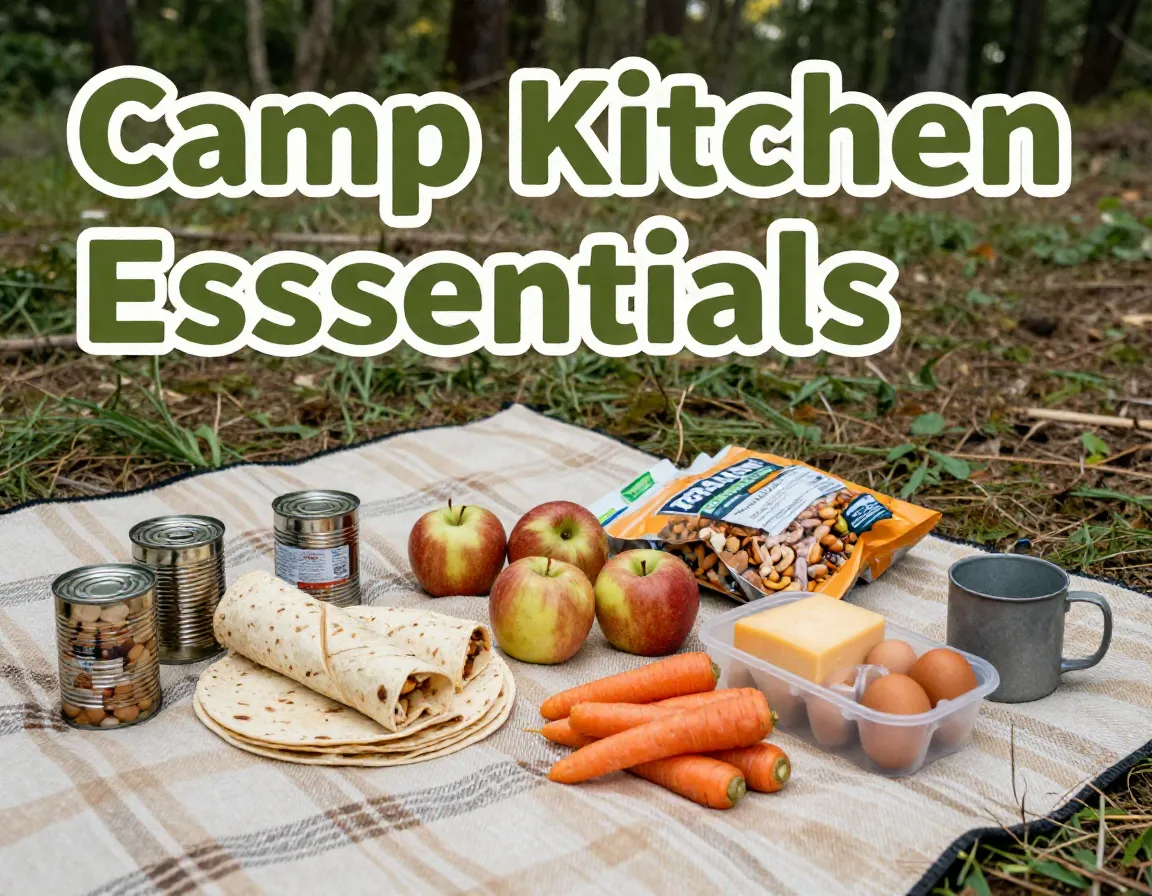
Whether you’re planning a quick weekend getaway or a week-long backcountry adventure, this guide covers every food category you need to eat well, stay energized, and keep things simple at the campsite.
Key Takeaways
- 🥩 Proteins, grains, and canned goods form the backbone of any solid camp meal plan.
- 🥦 Fresh vegetables and fruits add nutrition and variety — choose hardy produce that travels well.
- 🧀 Dairy products like hard cheese and butter are surprisingly cooler-friendly and meal-versatile.
- 🥜 Snacks and condiments are often overlooked but make a huge difference in energy and flavor.
- 📦 Proper storage — especially hard-sided containers for delicate items — protects your food and reduces waste.
The 8 Essential Types of Food to Take While Camping for Any Trip
Planning your camping menu around these eight core food categories ensures you’re never caught hungry, under-fueled, or eating the same sad meal twice.
1. Proteins (Meat, Fish, and Plant-Based Options)
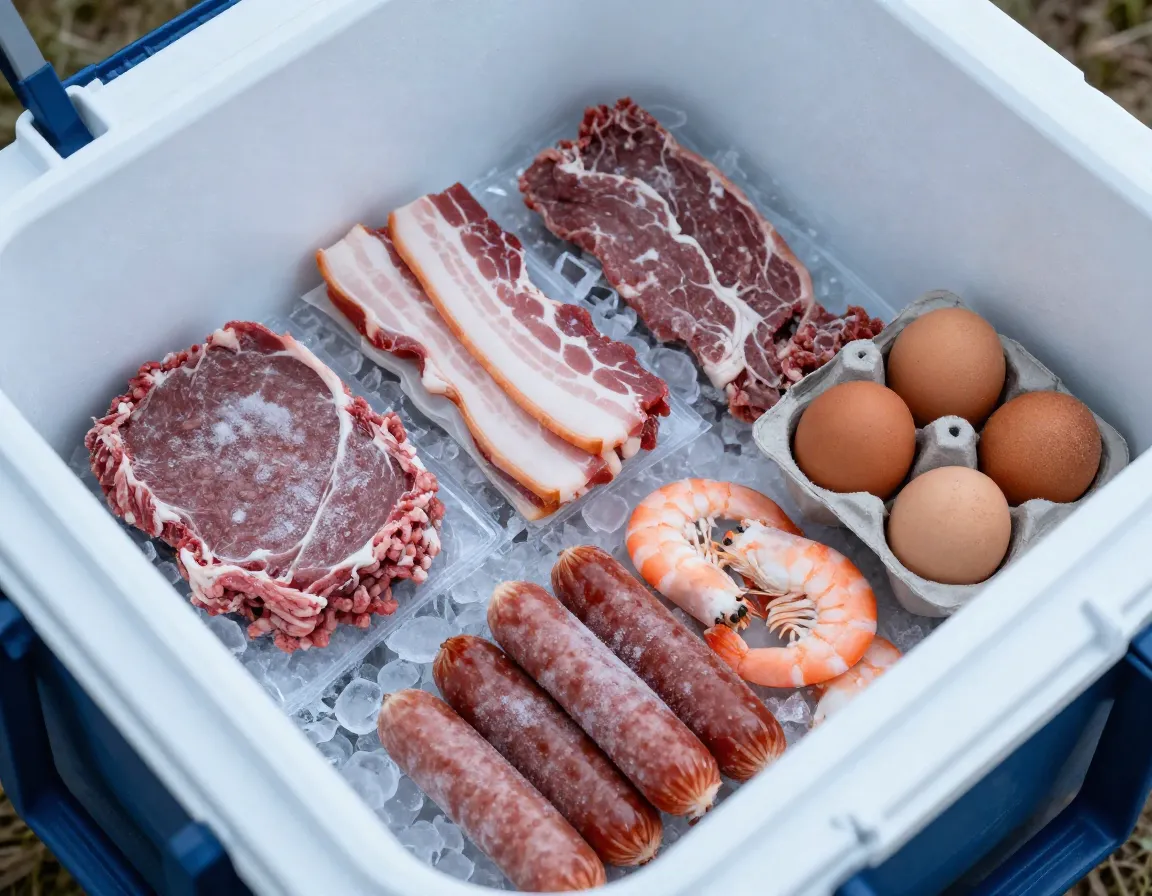
Protein is the cornerstone of any camping food plan. Without it, you’ll burn out fast — especially on active trips with hiking, swimming, or climbing.
Great protein options to pack include [1][2]:
- Meats: Ground beef, bacon, breakfast sausage, bratwurst, kielbasa
- Seafood: Frozen shrimp, canned tuna
- Eggs: Incredibly versatile for breakfast, lunch, or dinner
- Plant-based: Tofu, canned chickpeas, canned beans
These ingredients work across dozens of meals — burgers, tacos, foil packet dinners, scrambled eggs, and grilled skewers. Pre-portion your meats at home and freeze them before packing. They’ll thaw gradually in your cooler and stay fresh longer.
💡 “Pre-frozen meat acts as an extra ice pack in your cooler — a win-win for freshness and cooler efficiency.”
2. Fresh Vegetables
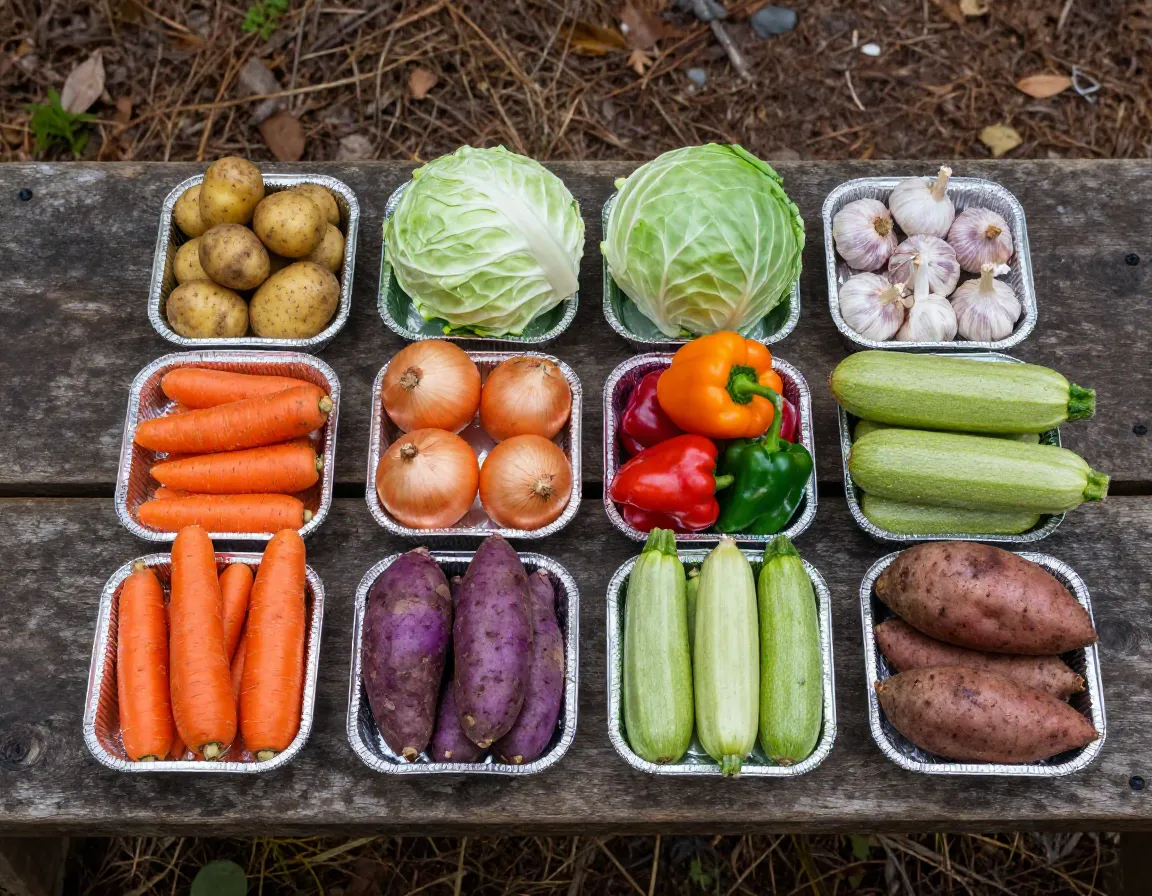
Don’t skip the veggies just because you’re camping. Hardy vegetables travel well and add color, fiber, and nutrients to every meal. [1][2]
Best camping vegetables include:
| Hardy Picks | More Delicate (Use Early) |
|---|---|
| Carrots, potatoes | Leafy greens (spinach, lettuce) |
| Cabbage, onions, garlic | Cherry tomatoes |
| Bell peppers, zucchini | Corn on the cob |
| Sweet potatoes | Cucumbers |
Use heartier vegetables like potatoes and cabbage later in your trip, and cook or eat delicate items like spinach and cherry tomatoes on day one or two. Vegetables are perfect for foil packet meals, stir-fries, and campfire roasting.
3. Fresh Fruits
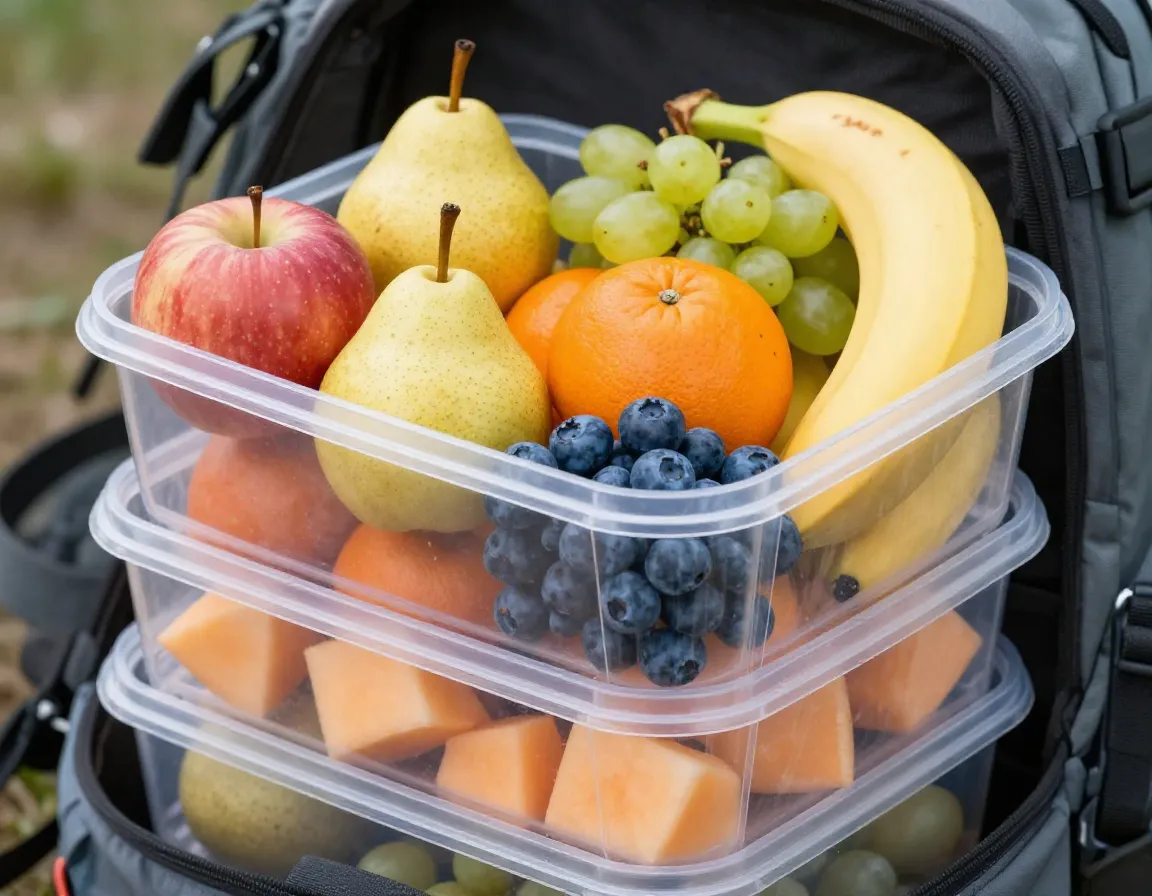
Fruits are nature’s trail snack — no prep required, naturally sweet, and packed with energy-boosting carbohydrates. [1]
Best camping-friendly fruits:
- 🍎 Apples and pears (bruise-resistant, no refrigeration needed)
- 🍊 Oranges and clementines (easy to peel, mess-free)
- 🍇 Grapes (great for snacking)
- 🍌 Bananas (eat on day one before they over-ripen)
- 🫐 Berries and melon (store in hard-sided containers to prevent bruising)
Stone fruits like peaches, plums, and mangoes are also excellent choices but need careful packing. Always use hard-sided containers for soft, delicate fruits — this protects them during transport and in the cooler. [1]
4. Grains and Breads
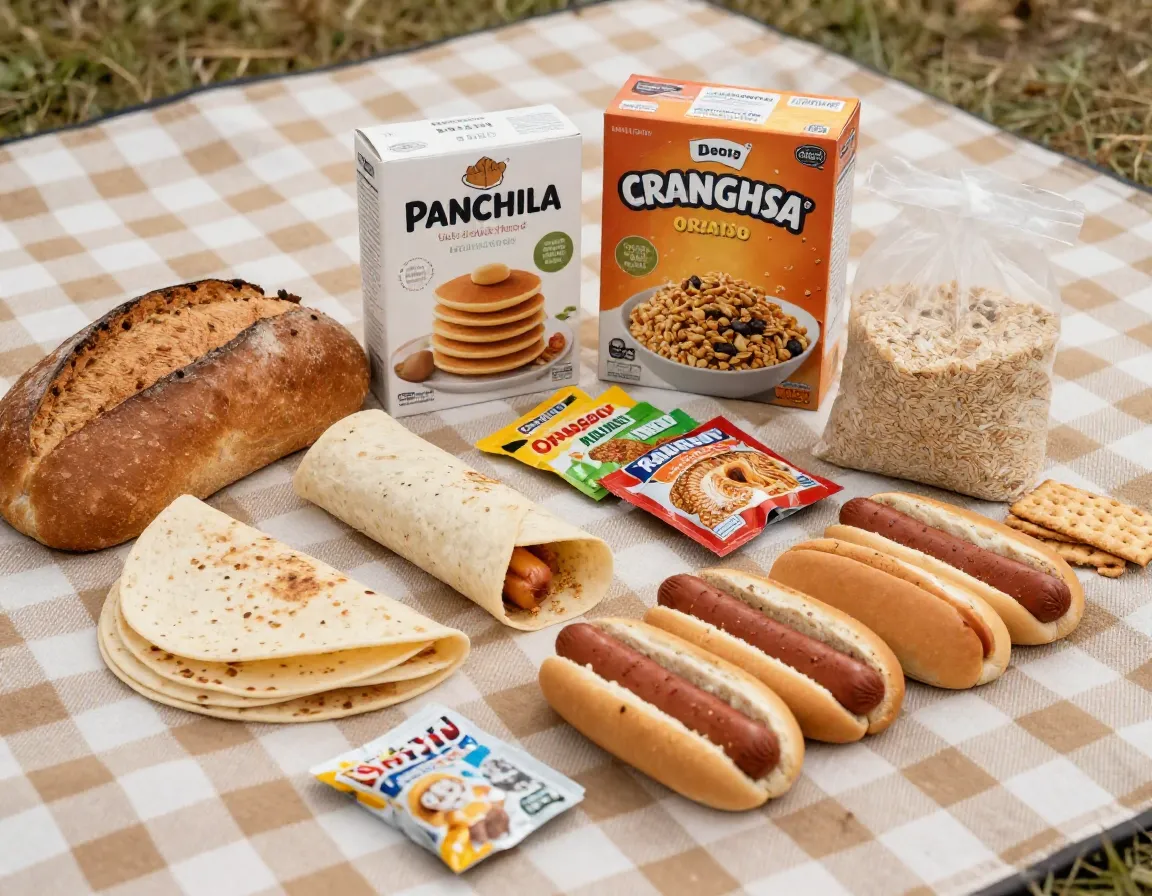
Grains and breads are the unsung heroes of camp cooking. They’re filling, affordable, and incredibly versatile. [2][3]
Essential grains and breads to pack:
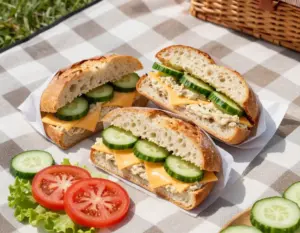
- Bread loaf or sandwich rolls
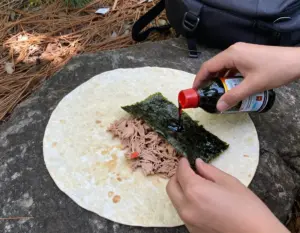
- Tortilla wraps (great for burritos, wraps, and quesadillas)
- Burger and hot dog buns
- Pancake mix (just add water)
- Oatmeal packets (fast, hot breakfast)
- Granola and cereal
- Crackers (no cooking required — pair with cheese or spreads)
- Ramen noodles (ultra-light and fast to cook)
- Rice — a standout option for one-pot camp meals like paella, chili con carne, and curry [3]
💡 Rice is one of the most versatile and easy-to-store ingredients you can bring camping. It forms the base of dozens of satisfying one-pot meals.
Crackers deserve a special mention — they require zero cooking, store easily, and pair beautifully with cheese, peanut butter, or dips. [2]
5. Canned and Tinned Foods
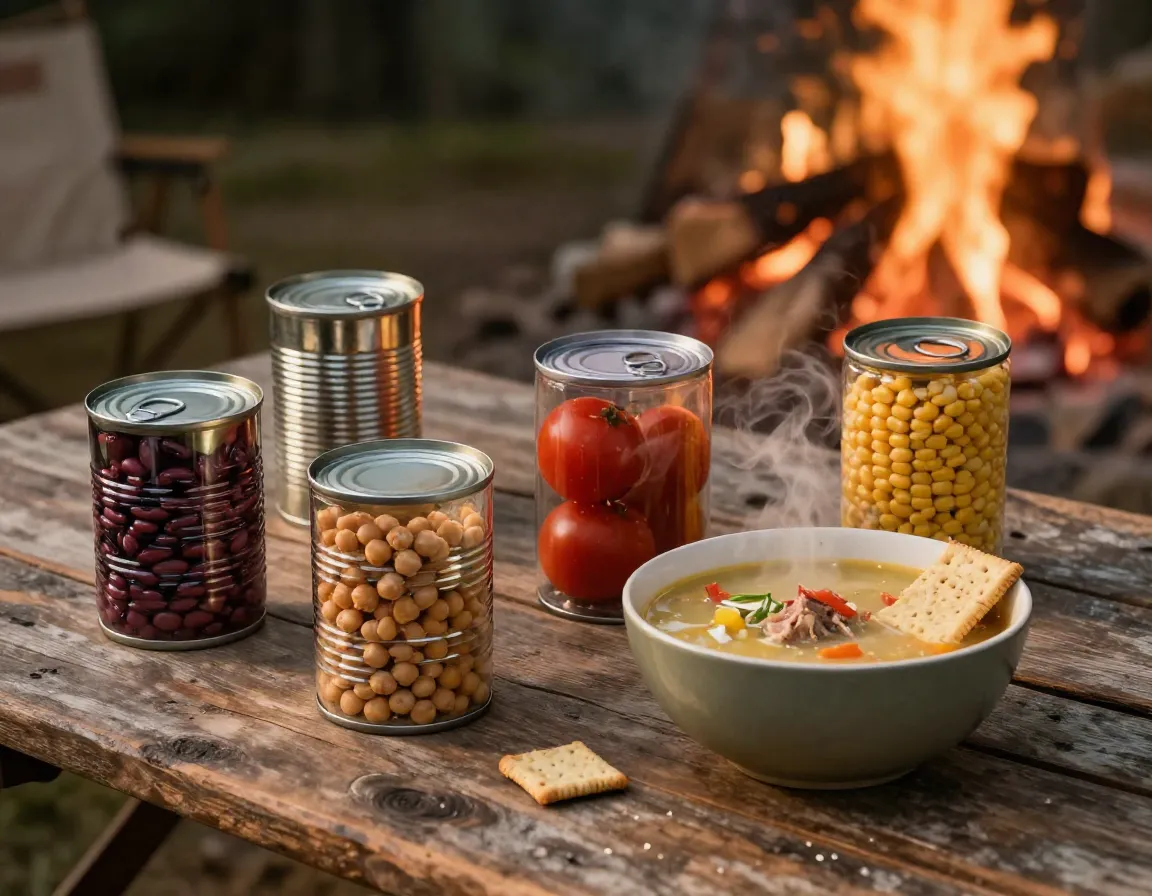
If there’s one food category that can save your camping trip, it’s canned goods. They’re shelf-stable, nutrient-dense, and require minimal prep. [2][3]
Must-have canned and tinned foods:
- Canned beans (kidney beans, chickpeas, baked beans)
- Canned tuna or salmon
- Tinned tomatoes (base for pasta sauce, chili, and stew)
- Canned corn
- Ready-made soup 🍲
Soup deserves a special callout here. It’s the ultimate camp comfort food — especially on cold nights. Heat it up in minutes and serve with crackers or crusty bread for a warming, satisfying meal. [3]
Pro tip: Drain and rinse canned beans at home, then store them in a zip-lock bag to reduce weight and waste at the campsite.
6. Dairy Products
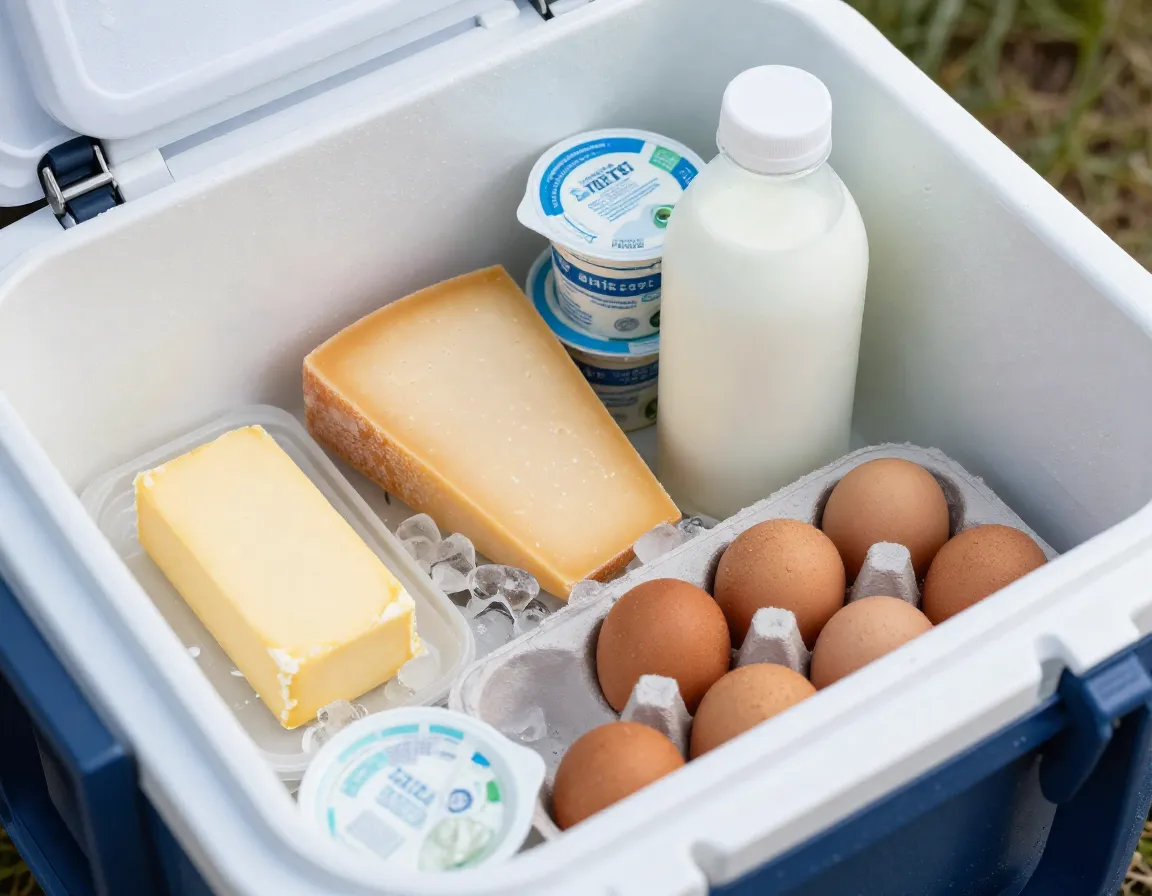
Many campers skip dairy out of fear it won’t keep — but with a good cooler, dairy products are totally manageable and add a lot to your camp meals. [2]
Best dairy options for camping:
- 🧈 Butter — essential for cooking eggs, pancakes, and sautéed vegetables
- 🥛 Milk — for coffee, oatmeal, or pancake batter
- 🧀 Hard cheeses (cheddar, parmesan, gouda) — these last well in a cooler and elevate sandwiches, wraps, and pasta
- 🥚 Eggs — incredibly versatile; store them in a hard-sided egg container
- 🍦 Yogurt — great for breakfast on the first day or two
Hard cheeses are particularly camping-friendly because they last longer than soft cheeses and don’t require precise temperature control. Parmesan and gouda are especially resilient options.
7. Camping Snacks
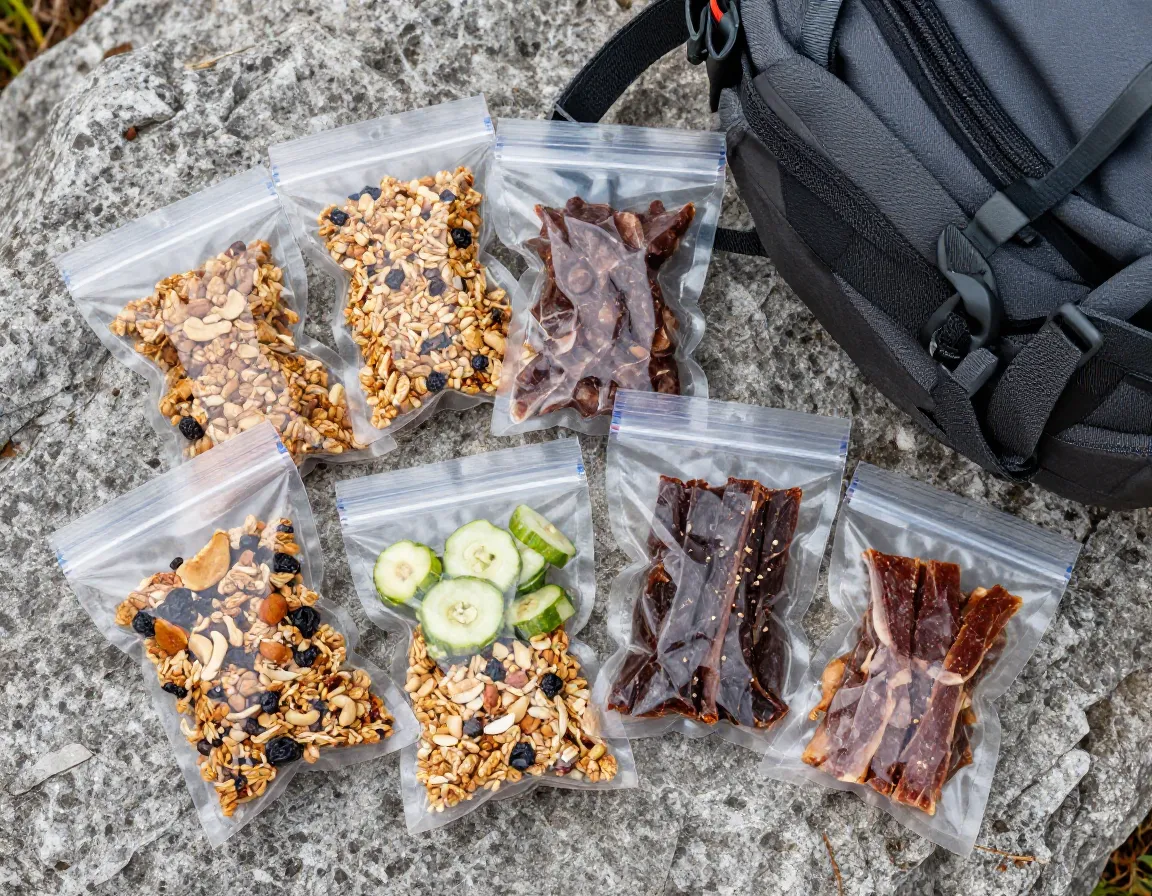
Snacks are non-negotiable on any camping trip. Between meals and during hikes, your body needs quick, accessible fuel. [1][2]
Top camping snacks to pack:
- Trail mix (nuts, dried fruit, chocolate chips)
- Granola bars and energy bars
- Beef jerky and pepperoni sticks
- Nuts (almonds, cashews, peanuts)
- Dried fruit (mango, apricots, cranberries)
- Chips, popcorn, and pretzels
- Pre-cut vegetables with hummus or dip
Pre-portion your nuts and granola bars at home into snack-sized zip-lock bags. This saves space, reduces mess, and makes it easy to grab and go during the day. [3] It’s a small step that makes a big difference on the trail.
🥜 “Pre-packed snack bags are one of the smartest space-saving moves you can make before any camping trip.”
8. Condiments and Beverages
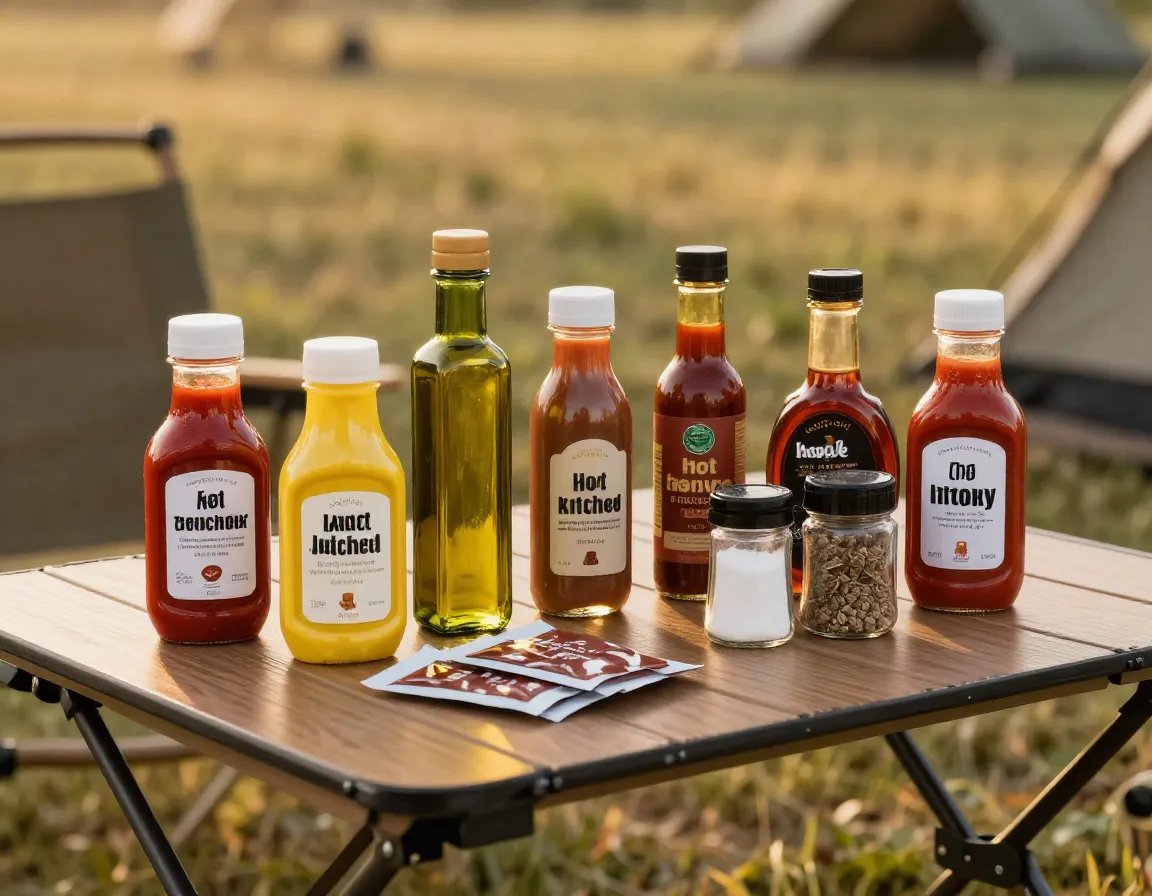
The final — and often most overlooked — category on our list of 8 essential types of food to take while camping for any trip is condiments and drinks. These small additions transform bland camp meals into genuinely enjoyable ones. [2]
Essential condiments to pack:
- Ketchup, mustard, mayonnaise
- Hot sauce and salsa
- Taco seasoning and spice blends
- Cooking oil (olive oil or vegetable oil)
- Salt and pepper
- Maple syrup (for pancakes and oatmeal)
Beverages to bring:
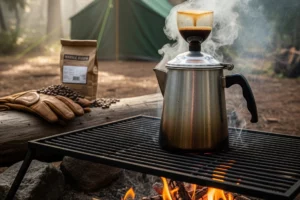
- ☕ Coffee and tea (instant or ground)
- 🍫 Hot chocolate (perfect for cold mornings and evenings)
- 💧 Water (always bring more than you think you need)
- 🍺 Optional: beer or wine for evening relaxation
Pack condiments in small, reusable travel bottles to save space and reduce the risk of spills. A well-seasoned meal at the campsite feels like a luxury — and it costs almost nothing extra.
Storage Tips to Keep Your Camp Food Fresh
Knowing what to bring is only half the battle. How you store your food matters just as much.
- Use a quality hard-sided cooler with plenty of ice or ice packs
- Store raw meats at the bottom of the cooler, away from ready-to-eat foods
- Pack hard-sided containers for delicate fruits like berries, melons, and stone fruits [1]
- Keep dry goods (crackers, granola, canned goods) in a separate bag or box
- Pre-portion snacks and ingredients at home to reduce waste and save time
Conclusion
Packing the right food can genuinely make or break a camping trip. By organizing your supplies around the 8 essential types of food to take while camping for any trip — proteins, fresh vegetables, fruits, grains, canned goods, dairy, snacks, and condiments — you’ll eat better, waste less, and spend more time enjoying the outdoors.
Here are your actionable next steps before your next trip:
- ✅ Print or save this list and use it as your camping grocery checklist
- ✅ Pre-portion snacks and meats at home to save time and space
- ✅ Invest in a quality cooler and hard-sided containers for delicate items
- ✅ Plan at least 2-3 meals per day and account for snacks between activities
- ✅ Always pack more water and condiments than you think you’ll need
Happy camping — and happy eating! 🏕️🔥
References
[1] Camping Pantry – https://www.freshoffthegrid.com/camping-pantry/
[2] The Ultimate Camping Grocery List For A Weekend Camping Trip – https://www.campkitchen.ca/blog/the-ultimate-camping-grocery-list-for-a-weekend-camping-trip
[3] Essential Camping Food – https://seatosummit.co.uk/blogs/blog/essential-camping-food