8 Brilliant Camping Hacks with Kids That Make Camping Actually Relaxing
Picture this: instead of wrestling with tangled sleeping bags while your toddler melts down and your teenager complains about the lack of WiFi, you’re actually sitting back in your camping chair, watching your children happily explore nature while you sip coffee from your favorite mug. This dream scenario isn’t just wishful thinking—it’s entirely achievable with the right strategies. These 8 brilliant camping hacks with kids that make camping actually relaxing will transform your family outdoor adventures from chaotic survival missions into the peaceful, bonding experiences you’ve always imagined.
Disclosure: This post contains affiliate links. As an Amazon Associate, we earn from qualifying purchases, and at no extra cost to you.
Key Takeaways
- Pre-trip organization is the foundation of stress-free family camping—proper planning eliminates 80% of common camping problems
- Age-appropriate activity stations keep children engaged and reduce behavioral issues throughout the trip
- Smart packing systems and designated zones create order and reduce the time spent searching for essentials
- Flexible meal planning with simple, kid-friendly options prevents mealtime meltdowns and saves valuable vacation time
- Safety preparation combined with clear boundaries allows parents to relax while children explore independently
The Foundation: Why These Camping Hacks Work
Family camping doesn’t have to feel like an endurance test. The difference between stressful and relaxing camping experiences lies in strategic preparation and understanding what children need to thrive in outdoor environments. When kids feel secure, entertained, and comfortable, parents naturally have more opportunities to unwind and enjoy nature.
Research from the American Camp Association shows that children adapt better to new environments when they have predictable routines and designated spaces for their belongings. These principles form the backbone of successful family camping trips.
Essential Pre-Trip Preparation Hacks
1. Create a Color-Coded Packing System
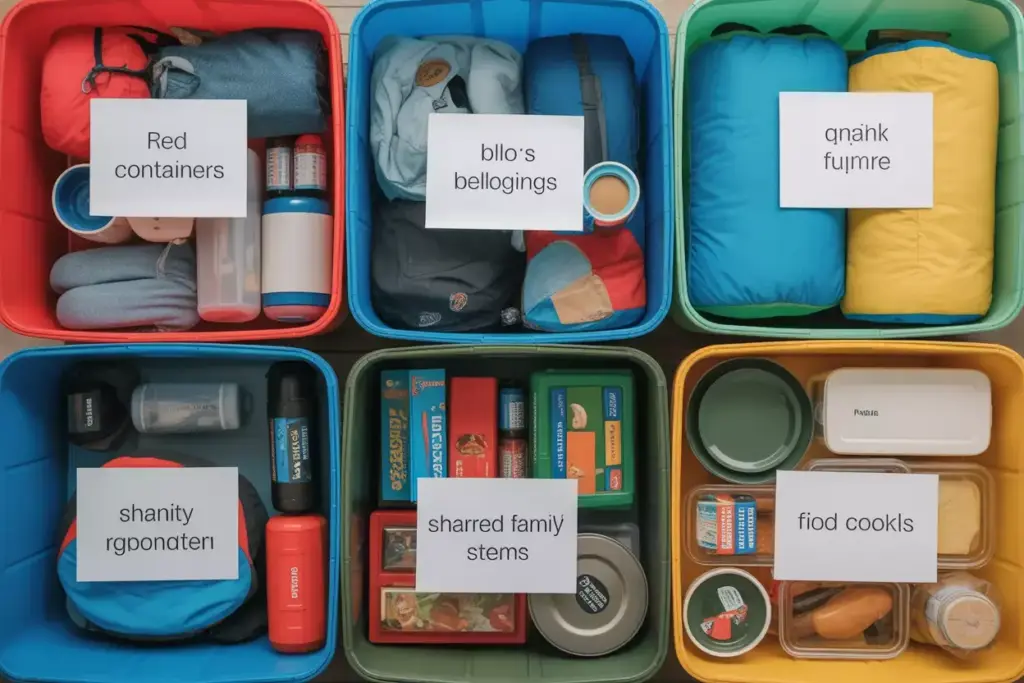
The first of these 8 brilliant camping hacks with kids that make camping actually relaxing starts before leaving home. Assign each family member a specific color and use corresponding storage containers, bags, and labels.
Implementation Strategy:
- Red containers: Child #1’s clothes, toiletries, and personal items
- Blue containers: Child #2’s belongings
- Green containers: Shared family items (games, books, first aid)
- Yellow containers: Food and cooking supplies
This system eliminates the frustrating “Where’s my…?” questions that plague family camping trips. Children as young as three can identify their color and take responsibility for their belongings.
“Color-coding our camping gear was a game-changer. My kids could find their own clothes and put away their toys without constant help from me.” – Sarah M., mother of three
2. Establish Camp Zones Before Arrival
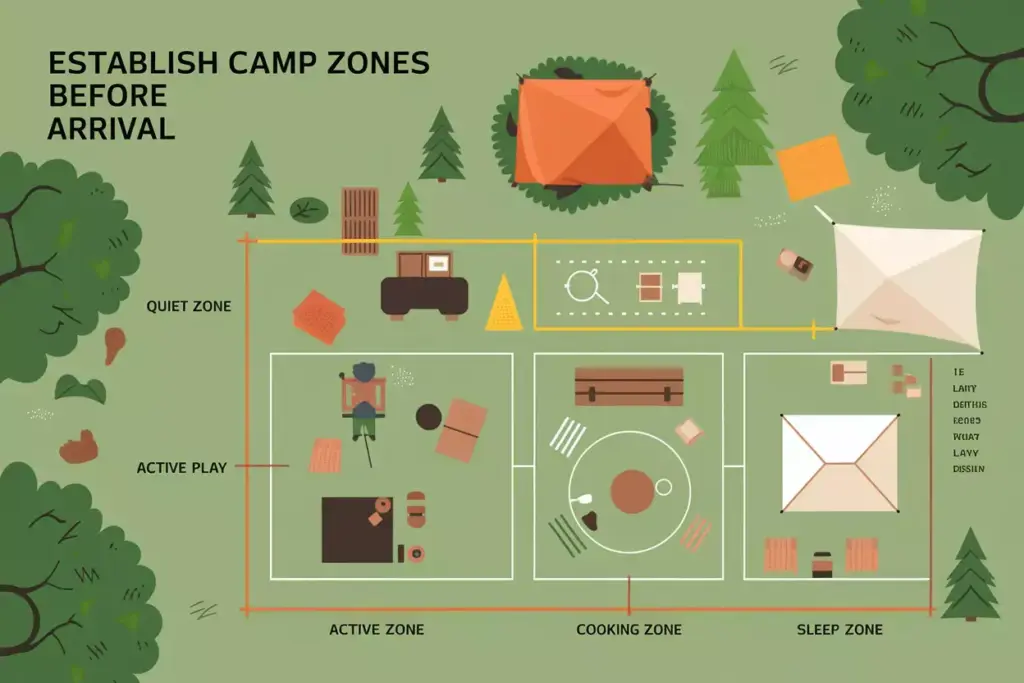
Designate specific areas for different activities before setting up camp. This hack prevents the common scenario where children’s play areas interfere with cooking or relaxation spaces.
Recommended Zone Layout:
- Quiet Zone: Reading, naps, and calm activities
- Active Play Zone: Games, exploration staging area
- Cooking Zone: Adult-focused area with clear boundaries
- Sleep Zone: Tents and nighttime preparation area
Mark these zones with colorful rope or portable fencing to create visual boundaries that children can easily understand and respect.
3. Pack Individual Activity Kits
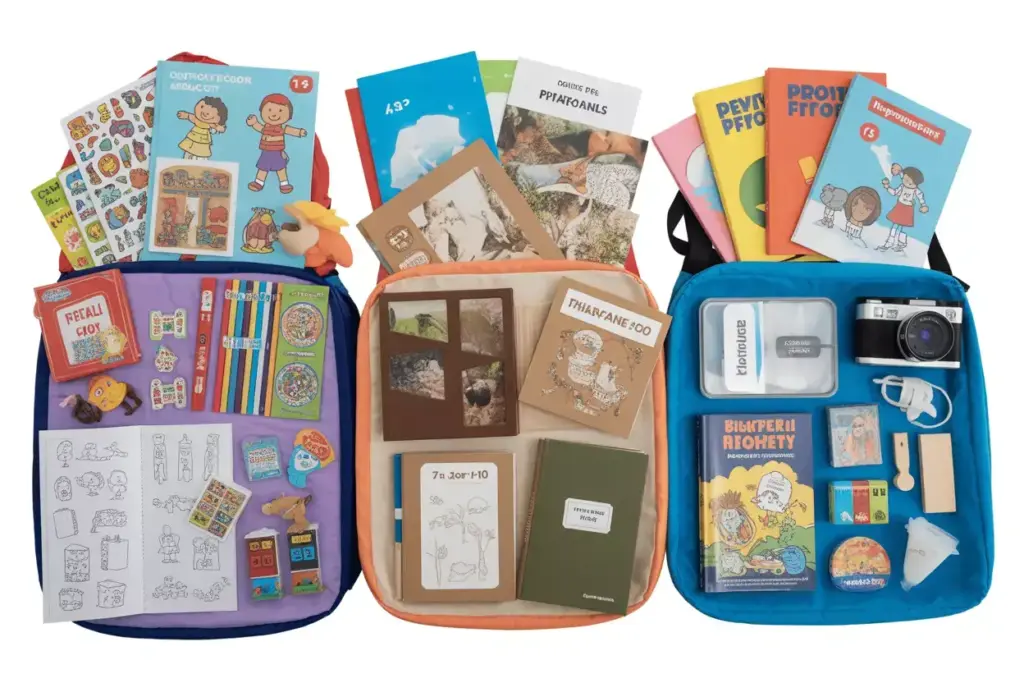
Prepare personalized activity bags for each child containing age-appropriate entertainment that doesn’t require adult supervision. Include items like:
- Ages 3-6: Coloring books, stickers, small figurines, picture books
- Ages 7-10: Travel games, journals, nature identification guides, craft supplies
- Ages 11+: Books, portable puzzles, photography challenges, camping skill guides
Rotate these activities throughout the trip to maintain novelty and engagement.
4. Implement the “Camping Buddy System”
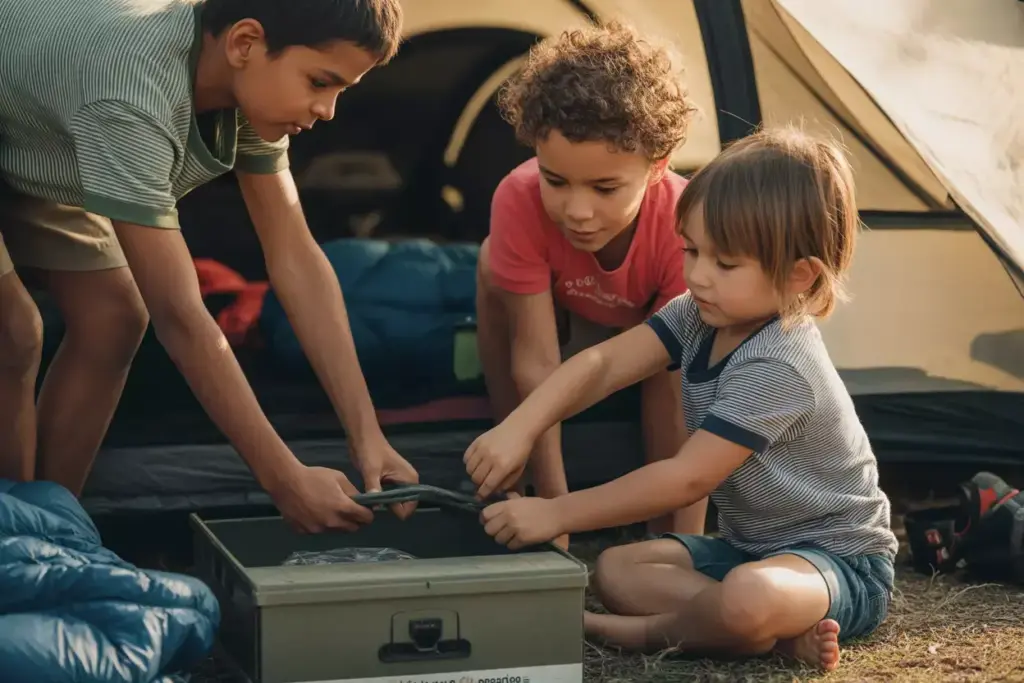
Pair older children with younger siblings or assign them specific responsibilities for shared equipment. This hack teaches responsibility while reducing parental oversight needs.
Effective Buddy Assignments:
- Tent setup: Older child helps younger sibling organize sleeping area
- Meal prep: Age-appropriate kitchen assistance partnerships
- Nature exploration: Safety-focused exploration teams
- Clean-up duties: Shared responsibility for maintaining camp organization
On-Site Organization Strategies
5. Master the Art of Simple, Stress-Free Meal Planning
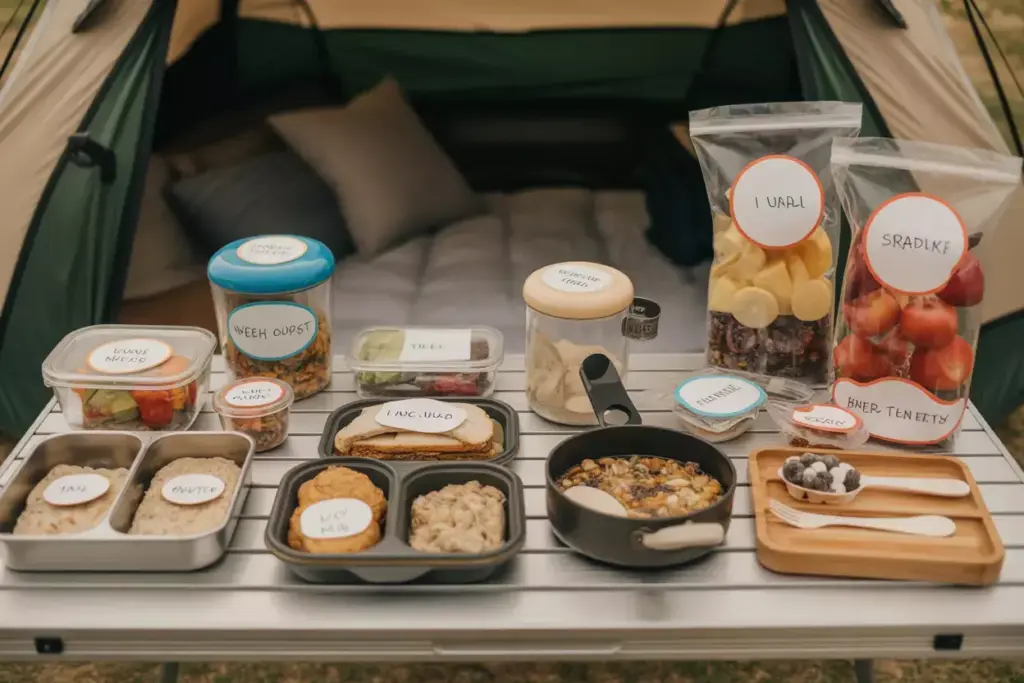
Food-related stress ranks among the top complaints from camping families. These brilliant camping hacks with kids focus on minimal preparation meals that satisfy everyone without creating kitchen chaos.
Winning Meal Strategies:
| Meal Type | Hack Strategy | Kid-Friendly Options |
|---|---|---|
| Breakfast | Pre-made options | Overnight oats, muffins, fruit cups |
| Lunch | No-cook meals | Sandwiches, crackers, cheese, trail mix |
| Dinner | One-pot cooking | Pasta dishes, foil packet meals, soup |
| Snacks | Self-serve stations | Pre-portioned bags, fruit, granola bars |
Pro Tip: Prepare a “snack station” with clearly labeled containers that children can access independently. This reduces constant food requests and allows parents uninterrupted relaxation time.
6. Create Instant Entertainment Centers
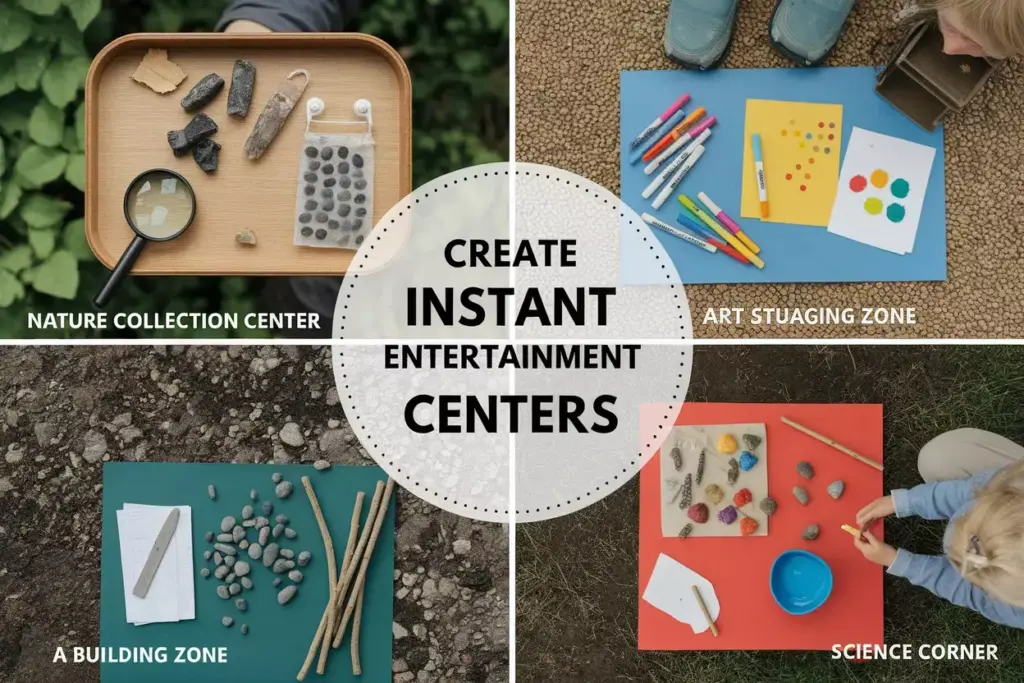
Set up self-directed activity stations that operate without constant adult supervision. These stations should be engaging enough to hold children’s attention for 30-45 minutes at a time.
Station Ideas:
- Nature Collection Center: Magnifying glasses, collection bags, identification charts
- Art Station: Washable markers, paper, nature rubbing plates
- Building Zone: Sticks, stones, rope for fort construction
- Science Corner: Simple experiments using camping supplies
Rotate station materials every few hours to maintain interest and prevent boredom-driven behavioral issues.
7. Establish Clear Boundaries with Positive Reinforcement
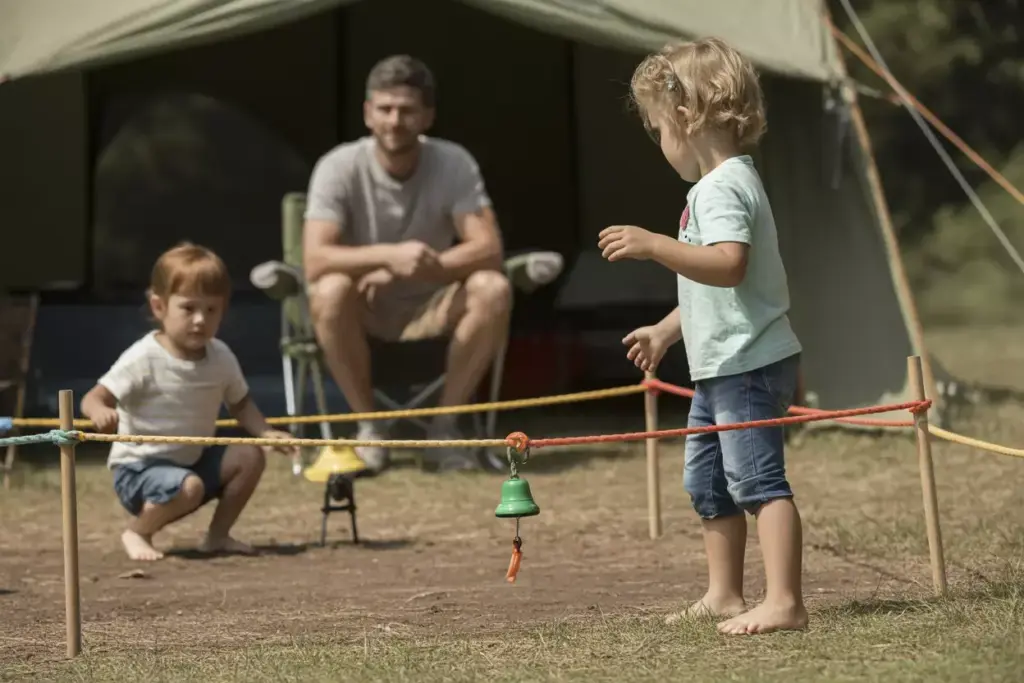
Rather than constantly saying “no,” create positive boundary systems that give children freedom within safe parameters. This approach reduces conflict and allows parents to relax without constant vigilance.
Boundary Strategies:
- Visual markers: Use colorful rope to mark safe exploration areas
- Check-in system: Children report back every 15-20 minutes
- Buddy rules: No one explores alone, always in pairs
- Signal system: Whistle or bell for immediate return calls
Reward compliance with special privileges like choosing the next activity or earning extra s’mores ingredients.
8. Plan for Weather and Backup Activities
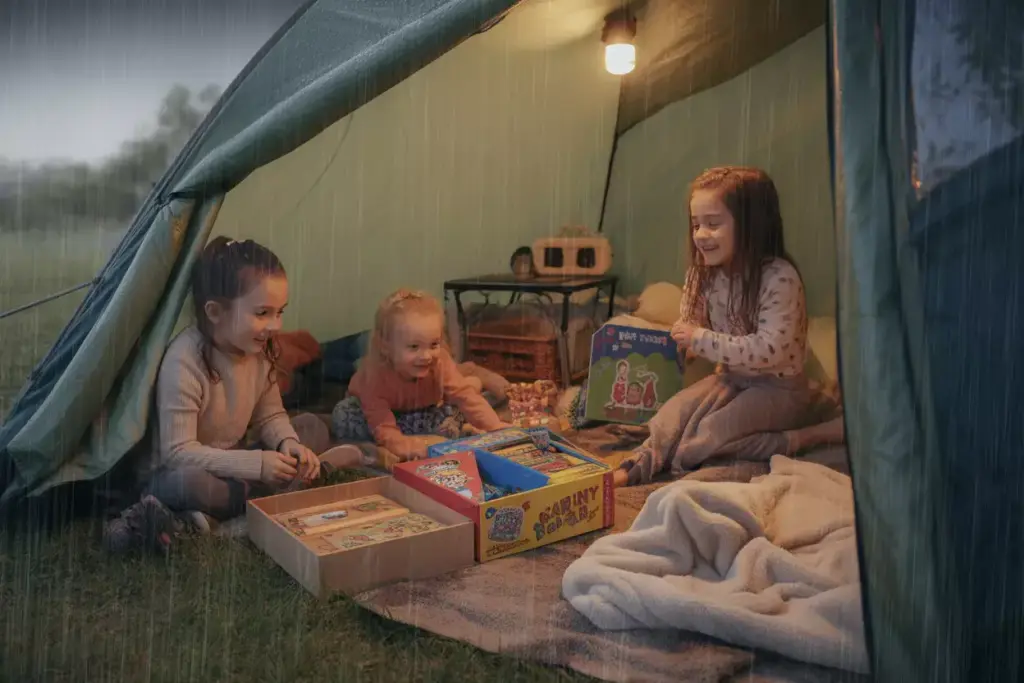
The final hack in these 8 brilliant camping hacks with kids that make camping actually relaxing involves comprehensive backup planning. Weather changes and unexpected situations won’t derail your relaxation when you’re prepared.
Weather-Proof Activity Kit:
- Rainy day box: Indoor tent games, story books, quiet crafts
- Hot weather alternatives: Shade activities, water games, rest time options
- Cold weather backup: Warm-up games, hot beverage station, cozy activities
Emergency entertainment prevents weather-related meltdowns and keeps the family vacation on track regardless of conditions.
Creating Sustainable Camping Routines
Morning Routine Optimization
Establish a consistent morning routine that sets a positive tone for the entire day. Children thrive on predictability, and a well-structured morning reduces decision fatigue for parents.
Effective Morning Sequence:
- Wake-up time: Consistent across all family members
- Personal hygiene: Each child handles their own routine using color-coded supplies
- Breakfast prep: Assigned roles for older children
- Day planning: Brief family meeting to discuss activities
- Camp organization: 10-minute tidy-up before adventures begin
Evening Wind-Down Strategies
Peaceful evening routines are crucial for ensuring everyone gets adequate rest. Tired children create stressed parents, disrupting the relaxing atmosphere you’re working to achieve.
Calming Evening Elements:
- Technology-free time: One hour before bedtime
- Quiet activities: Reading, gentle games, stargazing
- Consistent bedtime: Maintain home sleep schedules when possible
- Comfort items: Familiar pillows, stuffed animals, or blankets
Safety Considerations That Enhance Relaxation
Age-Appropriate Independence Guidelines
Balanced supervision allows children to develop confidence while ensuring safety. These guidelines help parents determine appropriate independence levels:
Ages 3-5:
- Always within visual range of adults
- Designated play areas with clear boundaries
- Simple, supervised exploration activities
Ages 6-9:
- Short-distance exploration with check-in requirements
- Basic camping skill responsibilities
- Buddy system for all activities
Ages 10+:
- Extended exploration with time limits
- Leadership roles in camp setup and maintenance
- Increased responsibility for younger siblings
Emergency Preparedness Without Anxiety
Comprehensive safety planning actually increases relaxation by eliminating worry about “what if” scenarios. Teach children basic safety protocols without creating fear:
- Meeting points: Designated locations if anyone gets separated
- Adult identification: How to find park rangers or campground hosts
- Basic first aid: Age-appropriate injury response
- Weather awareness: Recognizing when to return to camp
Maximizing Parent Relaxation Time
Strategic Activity Timing
Schedule high-energy activities during times when children naturally have more energy, creating predictable quiet periods for adult relaxation.
Optimal Daily Rhythm:
- Morning: Active exploration and adventure activities
- Midday: Quiet time, reading, or rest period
- Afternoon: Moderate activities, crafts, or games
- Evening: Calm activities leading to bedtime routine
Creating Adult-Only Moments
Even during family camping trips, parents need brief periods of adult conversation and relaxation. These strategies create those opportunities:
- Quiet time enforcement: Mandatory rest period for all children
- Independent activity challenges: Self-directed tasks that engage children for extended periods
- Early bedtimes: Consistent sleep schedules create evening adult time
- Responsibility delegation: Older children supervise younger siblings during designated periods
Troubleshooting Common Challenges
Managing Meltdowns and Behavioral Issues
Prevent problems rather than react to them by understanding common camping triggers:
Common Triggers and Solutions:
- Overstimulation: Build in regular quiet breaks
- Hunger: Maintain consistent snack schedules
- Fatigue: Enforce rest times even for older children
- Boredom: Rotate activities frequently
- Frustration: Teach camping skills gradually
Adapting for Different Ages and Personalities
Flexible implementation of these camping hacks ensures success regardless of family composition:
For Introverted Children:
- Provide quiet spaces for recharging
- Limit group activities to shorter periods
- Offer solo exploration opportunities within safe boundaries
For High-Energy Children:
- Plan more physical activities
- Create movement-based games
- Establish clear physical boundaries for running and playing
For Anxious Children:
- Maintain familiar routines as much as possible
- Provide detailed explanations of daily plans
- Create comfort zones with familiar items
Long-Term Benefits of Stress-Free Family Camping
Building Positive Outdoor Associations
When camping experiences are genuinely enjoyable rather than stressful, children develop lifelong appreciation for outdoor activities. This foundation encourages future family adventures and independent outdoor pursuits as children mature.
Strengthening Family Bonds
Relaxed parents are more emotionally available for meaningful interactions with their children. These camping hacks create space for:
- Unstructured conversation around the campfire
- Shared problem-solving during setup and daily activities
- Collaborative exploration of natural environments
- Technology-free bonding time
Developing Life Skills
Children who participate in well-organized camping trips develop valuable life skills including:
- Personal responsibility through gear management
- Problem-solving abilities in outdoor environments
- Teamwork skills through family cooperation
- Confidence in new situations and environments
Advanced Tips for Camping Veterans
Seasonal Adaptations
Modify these strategies based on camping seasons to maintain effectiveness year-round:
Summer Adaptations:
- Emphasize hydration stations and shade activities
- Plan early morning and evening active periods
- Create cooling stations with wet towels and fans
Fall/Winter Adaptations:
- Focus on warmth and comfort measures
- Plan indoor tent activities for weather delays
- Emphasize cozy, gathering-based activities
Gear Upgrades That Support Relaxation
Strategic equipment investments can significantly enhance the effectiveness of these camping hacks:
Priority Upgrades:
- Quality storage containers: Durable, clearly labeled organization systems
- Comfortable seating: Adequate chairs for all family members
- Lighting solutions: Lanterns and headlamps for evening activities
- Weather protection: Tarps and pop-up shelters for backup coverage
Conclusion
These 8 brilliant camping hacks with kids that make camping actually relaxing transform family outdoor adventures from survival challenges into genuinely enjoyable experiences. The key lies in strategic preparation, clear organization, and age-appropriate expectations that allow both children and parents to thrive in outdoor environments.
Success depends on consistent implementation rather than perfection. Start with one or two hacks that address your family’s biggest camping challenges, then gradually incorporate additional strategies as they become natural parts of your camping routine.
Take action today by choosing your family’s color-coding system and planning your next camping trip around these proven strategies. Your future self—relaxing in a camping chair while your children happily explore nearby—will thank you for the investment in preparation and organization.
Remember that the goal isn’t to eliminate all challenges from family camping, but rather to create manageable, enjoyable experiences that build positive memories and strengthen family relationships. With these hacks in place, your next camping trip can truly be the relaxing outdoor adventure you’ve always envisioned.