9 Travel Essentials for Europe: A Hiker’s Packing List for Adventure
Picture this: you’ve just landed in Zurich, your boots are laced, and the Alps are calling — but your bag is packed with the wrong gear. Whether you’re tackling the Tour du Mont Blanc, wandering cobblestone streets in Prague, or swimming in an alpine lake in Slovenia, what you carry can make or break your trip. That’s why building the right 9 Travel Essentials for Europe: A Hiker’s Packing List for Adventure is one of the smartest investments you can make before you ever board that plane.
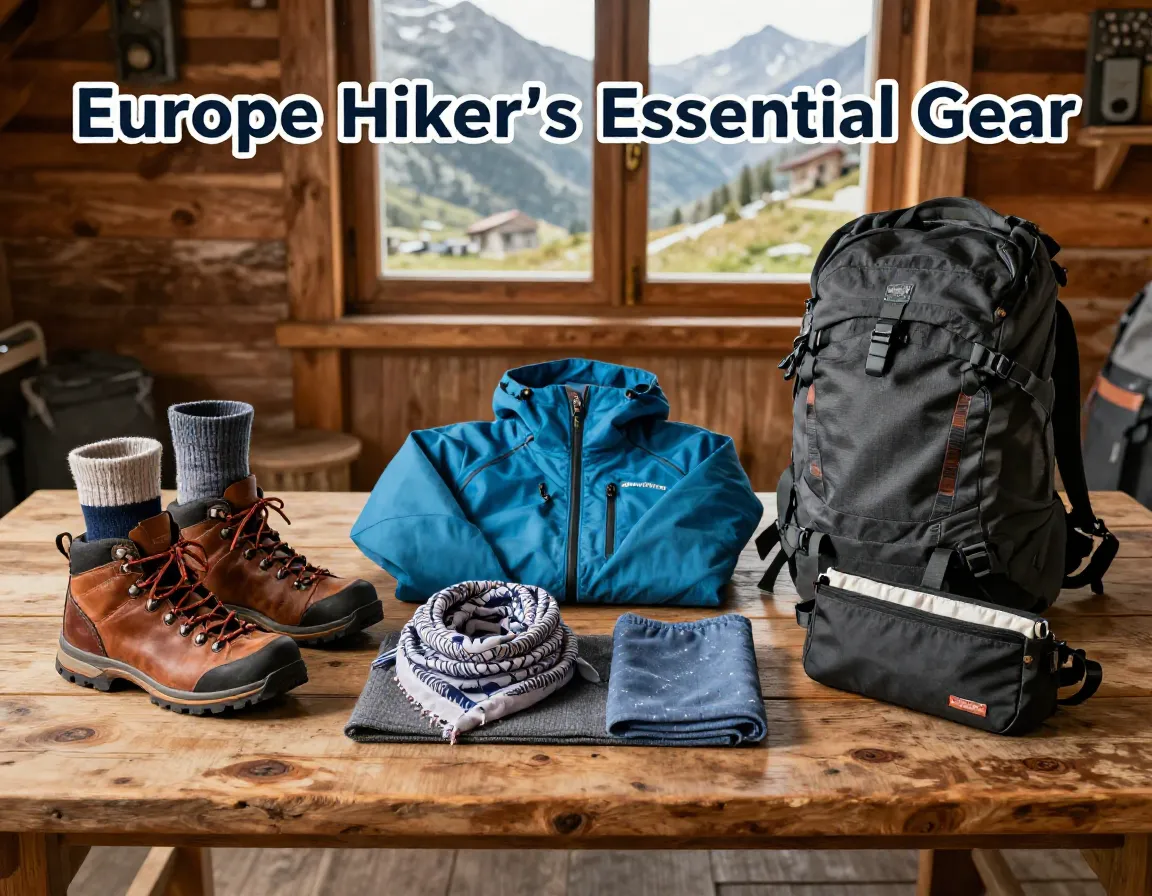
In 2026, European travel has never been more accessible — but it also demands smarter packing. You need gear that works in a mountain refuge and a city café. This guide cuts through the noise and gives you exactly what to bring, why it matters, and how to use it.
Key Takeaways
- 🥾 Footwear is your #1 priority — expect 20,000+ steps per day on European adventures
- 🧶 Merino wool outperforms cotton for moisture control, odor resistance, and comfort on multi-day treks
- 🌧️ A lightweight rain jacket is non-negotiable, no matter the season or region
- 👜 Security-focused accessories like anti-theft crossbody bags protect you in busy European cities
- 🎒 Multipurpose items — buffs, silk travel sheets, reusable bags — save space and add serious value
Why Your Packing List Defines Your European Adventure
Most hikers and travelers underpack in some areas and massively overpack in others. Europe is uniquely challenging because your itinerary might swing from a mountain trail at 2,500 meters to a cathedral visit in Florence — all in the same week. The 9 Travel Essentials for Europe: A Hiker’s Packing List for Adventure framework helps you think in terms of function and flexibility, not just volume.
💬 “The best packing list isn’t the longest one — it’s the one where every single item earns its place.”
European infrastructure also rewards light packers. Cobblestone streets, narrow hostel staircases, train overhead bins, and mountain refuge bunk rooms all punish oversized luggage. Every item on this list was chosen because it serves at least one — and often several — critical purposes.
The Complete 9 Travel Essentials for Europe: A Hiker’s Packing List for Adventure
1. Supportive, Comfortable Walking Shoes or Trail Runners
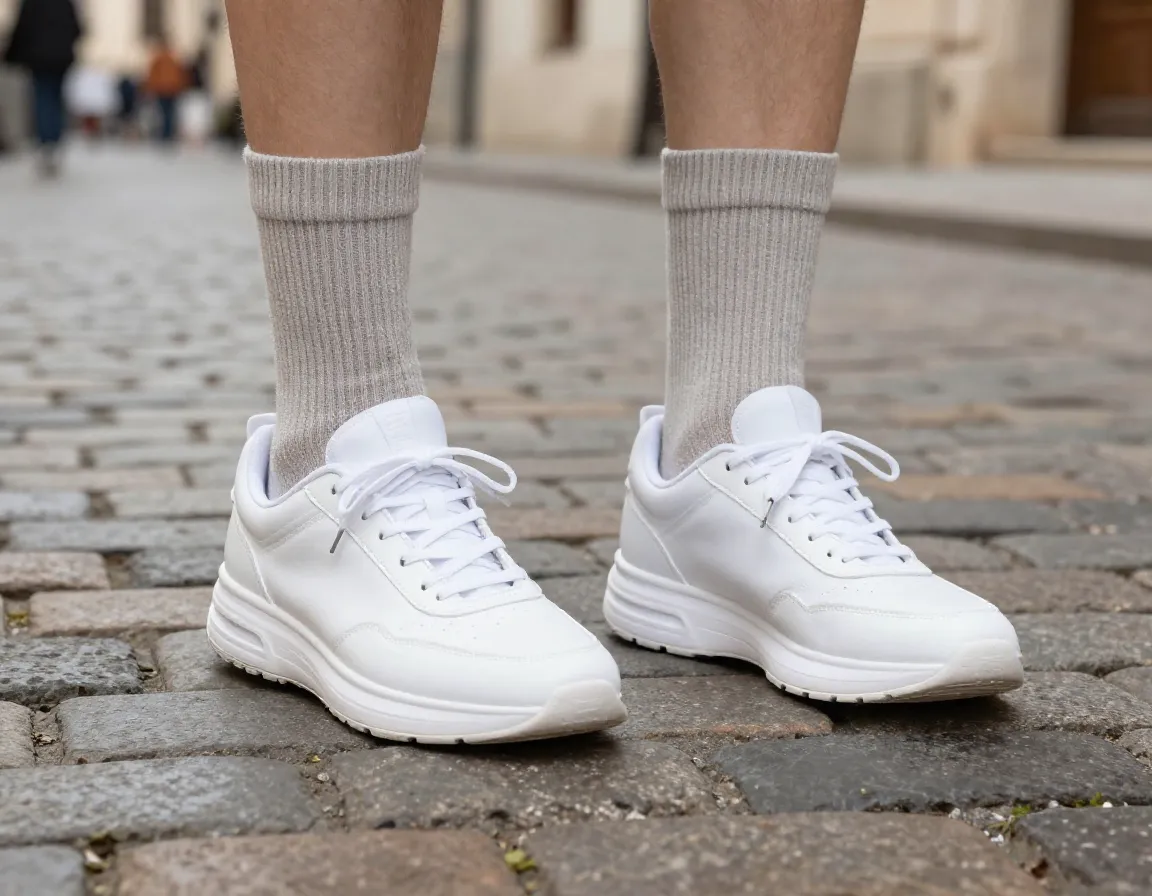
Comfortable walking shoes are the single most important item you will pack for any European trip [2]. Whether you’re hiking the Cinque Terre coastal trail or navigating the streets of Amsterdam, your feet will take a serious beating. Expect to easily accumulate 20,000+ steps per day when sightseeing and trekking combined [2].
Here’s what to look for:
| Feature | Why It Matters |
|---|---|
| Cushioned midsole | Absorbs impact on cobblestones and rocky trails |
| Waterproof or water-resistant | Handles unexpected rain and stream crossings |
| Lightweight construction | Reduces fatigue on long days |
| Ankle support (mid-cut) | Protects on uneven mountain terrain |
Good news for style-conscious travelers: white sneakers and minimal-logo supportive footwear are now fully socially acceptable across Europe [3]. The old advice to avoid athletic shoes has shifted — what matters most is that your shoes are clean, well-maintained, and comfortable.
Pro tip: Break in your shoes at least 4–6 weeks before your trip. Blisters on day two of a 10-day hike are a trip-ender.
2. Merino Wool Socks (2–3 Pairs)

If shoes are your foundation, socks are your secret weapon. Merino wool is the gold-standard material for trekking socks because of its exceptional moisture-wicking properties, natural odor resistance, and surprising softness [1]. Unlike synthetic socks that trap heat or cotton socks that stay wet, merino regulates temperature in both cold alpine mornings and warm valley afternoons.
Experts recommend packing 2–3 pairs of merino wool socks for hiking trips [1]. This rotation lets you wash and dry one pair overnight at a mountain refuge while wearing another.
🧦 What to look for in a hiking sock:
- Reinforced heel and toe for durability
- Cushioned sole for impact absorption
- Mid-calf height for ankle protection
- No synthetic blends that reduce breathability
Merino wool socks are an upfront investment — quality pairs run $20–$30 each — but they last for years and perform far beyond their price point.
3. Lightweight Rain Jacket
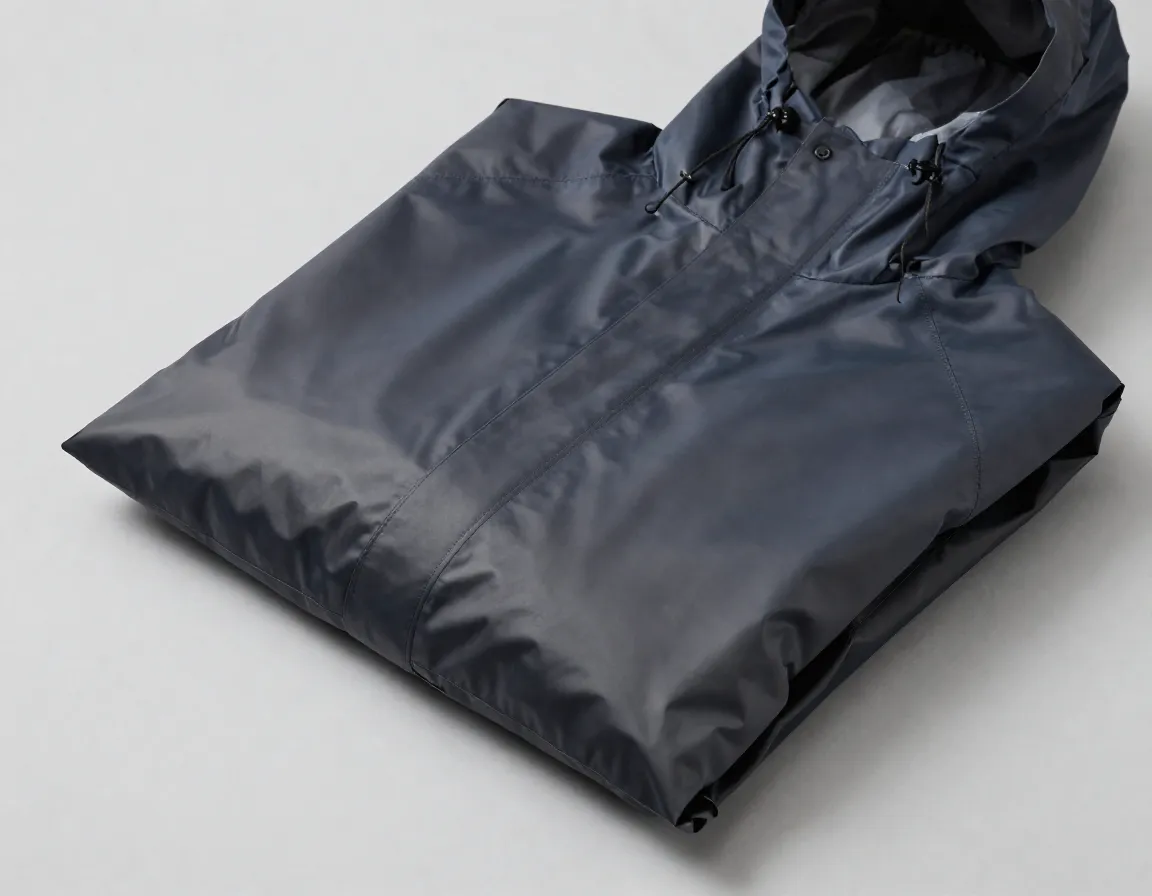
Europe doesn’t care about your vacation plans. Rain happens — in the Scottish Highlands, in the Swiss Alps, in Tuscany in July. A lightweight rain jacket is essential year-round across all European regions, and most travelers encounter at least 1–2 rainy days during their trip regardless of season [3].
The key word here is lightweight. You want a jacket that:
- Packs down to the size of a water bottle
- Weighs under 400 grams
- Offers genuine waterproofing (look for a DWR coating and taped seams)
- Has a hood that actually covers your head in wind
Avoid heavy Gore-Tex shells unless you’re doing serious mountaineering. For most European hiking and travel, a packable rain jacket from brands like Patagonia, Arc’teryx, or Outdoor Research hits the sweet spot between protection and portability.
💬 “A rain jacket stuffed in your daypack costs you nothing in weight — but forgetting it on a stormy day in the Dolomites costs you everything.”
4. Merino Wool or Synthetic T-Shirts (2 Shirts)
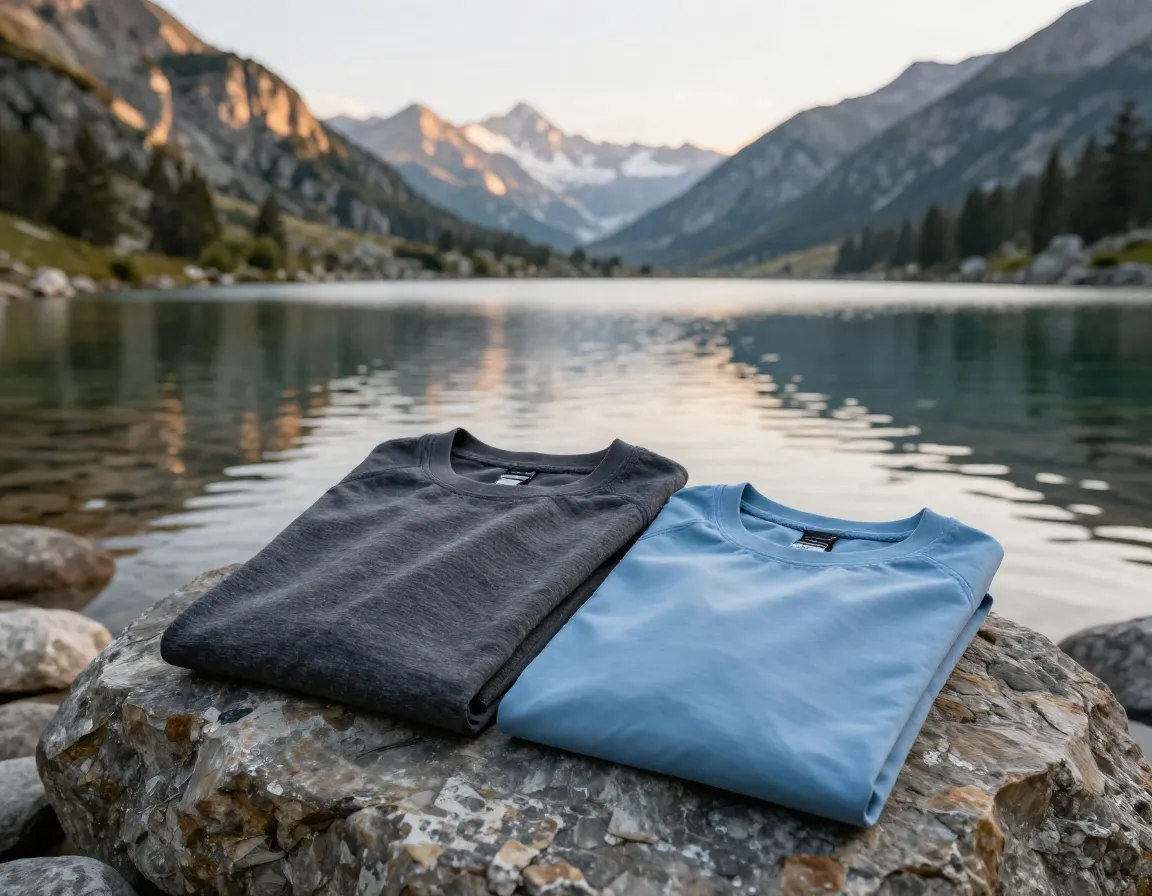
Just like your socks, your base layers matter enormously on multi-day hikes. Synthetic or merino wool T-shirts are strongly preferred over cotton for trekking, and experts recommend packing 2 shirts for daily changes during multi-day adventures [1].
Here’s why cotton fails hikers:
- It absorbs sweat and stays wet for hours
- Wet cotton causes chafing and, in cold conditions, hypothermia risk
- It takes forever to dry overnight in a refuge
Merino wool and quality synthetics wick moisture away from your skin, dry quickly, and resist odor — meaning you can wear them multiple days without becoming that person in the mountain hut.
Recommended approach:
- 1 merino wool T-shirt for hiking days
- 1 lightweight synthetic T-shirt for town days and rest days
- Hand-wash in hostel sinks and hang dry overnight
5. Buff or Multipurpose Scarf
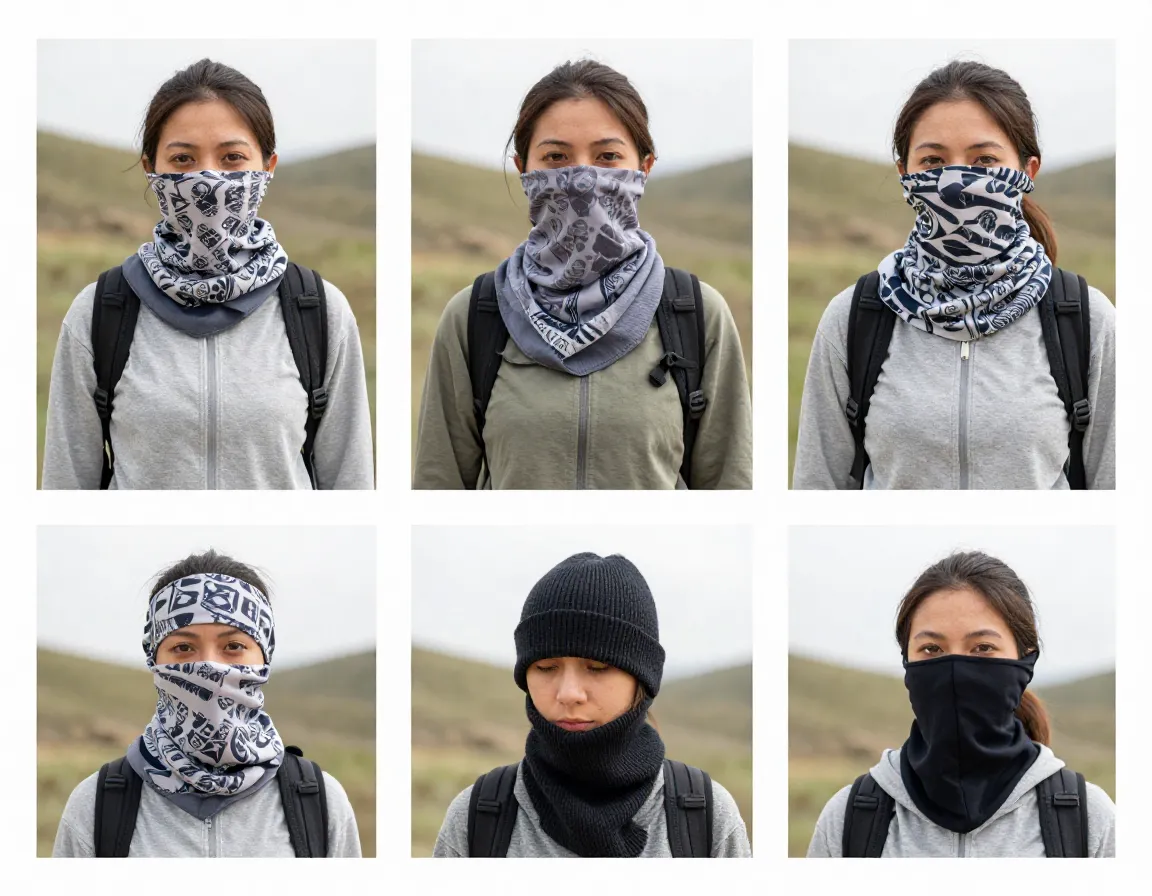
This is the most underrated item on any European hiking packing list. A buff (multipurpose tube scarf) serves as sun protection, a warmth layer, and even a handkerchief — all in one lightweight, packable piece of fabric [1].
On the trail, a buff can be worn as:
- A neck gaiter in cold morning starts
- A sun shield over your face and neck at altitude
- A headband to keep sweat out of your eyes
- A beanie pulled over your ears on exposed ridgelines
- A dust mask on dry, windy trails
For city travel, a lightweight scarf also provides sun protection, accommodates religious dress codes at churches and mosques, and adds layering flexibility for temperature swings between air-conditioned museums and hot outdoor plazas [2].
One buff weighs almost nothing and takes up zero meaningful space. Pack one. You’ll use it every single day.
6. Anti-Theft Crossbody Bag

European cities are beautiful. They’re also, in many cases, hotspots for pickpocketing. Barcelona’s Las Ramblas, Rome’s Colosseum, and Paris’s Eiffel Tower are all notorious for opportunistic theft targeting distracted tourists. A crossbody bag with full closure — preferably with RFID-blocking pockets — is the recommended choice for theft prevention in major European cities [3].
What makes a good anti-theft travel bag:
| Feature | Purpose |
|---|---|
| Full zipper closure | Prevents easy access from behind |
| RFID-blocking pocket | Protects contactless cards and passports |
| Slash-resistant strap | Prevents bag-snatching |
| Compact profile | Keeps valuables close to your body |
| Lightweight material | Comfortable for all-day wear |
Brands like Travelon, Pacsafe, and Baggallini specialize in this category. On hiking days, your crossbody bag transitions to a hip belt pouch or small summit pack — keeping your hands free on the trail.
🔒 Security tip: Keep your passport, extra cash, and backup card in a hidden money belt under your clothing — not in your crossbody bag.
7. Pack Towel and Silk Travel Sheet

These two items belong together because they solve the same problem: European mountain refuges and budget hostels often do not provide towels or bedding [1].
Pack Towel:
A microfiber pack towel dries in 30–60 minutes, weighs almost nothing, and is essential for:
- Alpine lake swimming (Slovenia’s Lake Bled, Austria’s Königssee)
- Mountain refuge showers
- Beach days along the Amalfi Coast or Croatian islands
Silk Travel Sheet:
Portable travel sheets — with silk being the top recommendation — are necessary for hostels and mountain refuges across Europe [1]. A silk liner:
- Provides a hygienic barrier in shared sleeping spaces
- Adds 5–8°C of warmth to a sleeping bag in cold refuges
- Weighs under 100 grams and packs to the size of a fist
Together, these two items add less than 300 grams to your pack and solve problems that will otherwise cost you comfort, hygiene, and sleep.
8. Lightweight Spinner Luggage or Technical Backpack

How you carry everything matters as much as what you carry. Lightweight, spinner-style luggage is preferred over traditional suitcases for European travel accessibility [3] — but for dedicated hikers, a technical backpack is the smarter choice.
Which should you choose?
| Traveler Type | Best Option | Why |
|---|---|---|
| City + day hike traveler | Lightweight spinner (21–25″) | Easy on cobblestones, fits overhead bins |
| Multi-day trekker | 40–50L technical backpack | Distributes weight, hands-free |
| Mixed itinerary | 28L carry-on + small daypack | Maximum flexibility |
For hikers tackling routes like the GR20 in Corsica or the Alta Via in the Dolomites, a properly fitted technical backpack with a hip belt is non-negotiable. The hip belt transfers 70–80% of pack weight to your hips — saving your shoulders and back over long days.
Packing tip: Use packing cubes to organize your gear inside any bag. They compress clothing, separate clean from dirty, and make airport security checks painless.
9. Reusable Shopping Bag

This might be the most practical item on the entire list — and the most overlooked. Reusable shopping bags are practically essential for European travel, because grocery stores across the EU charge per plastic bag or provide none at all [3]. For longer stays, this adds up fast.
But a reusable bag does far more than grocery runs:
- 🏔️ Day hike bag: Carry a picnic lunch, extra layers, and a water bottle
- 🛍️ Market bag: Perfect for farmers’ markets in Provence or Tuscany
- 🧺 Laundry bag: Separate dirty hiking clothes from clean items
- 🎁 Souvenir carrier: Avoids buying bags at tourist shops
A lightweight, foldable tote takes up almost no space and weighs under 50 grams. Pack one — or two.
Bonus Tips: Making Your European Hiking Packing List Work Harder
Now that you have the 9 Travel Essentials for Europe: A Hiker’s Packing List for Adventure locked in, here are a few strategies to maximize your gear:
Layer Strategically
European mountain weather changes fast. The key is a three-layer system:
- Base layer — merino wool T-shirt (moisture management)
- Mid layer — lightweight fleece or down jacket (insulation)
- Outer layer — packable rain jacket (wind and water protection)
This system works from the Pyrenees to the Norwegian fjords and lets you adapt to conditions without carrying excessive weight.
Embrace the “One In, One Out” Rule
For trips longer than 10 days, plan to do laundry every 4–5 days rather than packing more clothes. Most European cities have laundromats, and many mountain refuges offer drying rooms. This keeps your pack light and your gear fresh.
Digital Essentials
Don’t forget the tech side of your packing list:
- Offline maps downloaded on your phone (Maps.me or Gaia GPS)
- Universal power adapter (Type C and Type F plugs cover most of Europe)
- Portable power bank (10,000 mAh minimum for full-day trail navigation)
- Headlamp for early alpine starts and refuge corridors
Quick-Reference Packing Checklist
| ✅ Item | Weight (approx.) | Multi-use? |
|---|---|---|
| Trail runners / walking shoes | 600–900g | Yes |
| Merino wool socks (x3) | 150g | No |
| Lightweight rain jacket | 200–400g | Yes |
| Merino/synthetic T-shirts (x2) | 200–300g | Yes |
| Buff scarf | 30g | Yes (5+ uses) |
| Anti-theft crossbody bag | 200–400g | Yes |
| Pack towel | 80–150g | Yes |
| Silk travel sheet | 80–100g | Yes |
| Spinner luggage / backpack | 1.5–2.5kg | Yes |
| Reusable shopping bag | 30–50g | Yes |
Conclusion: Pack Smart, Hike Far, Travel Well
The difference between a frustrating European adventure and an unforgettable one often comes down to what’s in your bag — and what isn’t. The 9 Travel Essentials for Europe: A Hiker’s Packing List for Adventure outlined in this guide gives you a proven, flexible framework built for real conditions: mountain refuges, city streets, rainy days, and sun-drenched alpine lakes.
Your actionable next steps:
- Audit your current gear against this list — identify gaps before you buy anything new
- Prioritize footwear first — invest in quality trail runners or hiking shoes and break them in now
- Switch to merino wool for socks and base layers if you haven’t already
- Test your rain jacket — if it’s more than 3 years old, check if the DWR coating still beads water
- Book a test hike locally before your trip to identify any comfort issues with your gear
Europe in 2026 is waiting — with its ancient trails, alpine refuges, coastal paths, and cobblestone cities. Pack these 9 essentials, travel light, and go further than you ever thought possible. 🏔️
References
[1] Theultimate European Trekking Gear List – https://www.blueskytrekking.com/blueskyblog/theultimate-european-trekking-gear-list
[2] Packing List For Europe Seasons Regions – https://under30experiences.com/blog/packing-list-for-europe-seasons-regions
[3] Europe Packing Essentials List – https://www.pintspoundsandpate.com/traveltips/europe-packing-essentials-list